











zprávy
zdroje zpráv:referent v oddělení aktualizace a dokumentace katastru nemovitosti Katastrálního pracoviště Náchod
13.4.2026 14:48 ČÚZK - volná místa Katastrální úřad pro Královéhradecký kraj Katastrální pracoviště Náchod vypisuje výběrové řízení na místo referent v oddělení aktualizace a dokumentace katastru nemovitosti Katastrálního pracoviště Náchodreferent v oddělení aktualizace a dokumentace katastru nemovitosti Katastrálního pracoviště Náchod
13.4.2026 14:48 ČÚZK - předpisy a opatření Katastrální úřad pro Královéhradecký kraj Katastrální pracoviště Náchodvypisuje výběrové řízení na místo
referent v oddělení aktualizace a dokumentace katastru nemovitosti Katastrálního pracoviště Náchod
Geograf/ka EX ID 90000321
13.4.2026 14:48 ČÚZK - volná místa Zeměměřický úřad vypisuje výběrové řízení na místo Geograf/ka EX ID 90000321Geograf/ka EX ID 90000321
13.4.2026 14:48 ČÚZK - předpisy a opatření Zeměměřický úřadvypisuje výběrové řízení na místo
Geograf/ka EX ID 90000321
Geograf/ka EX ID 90000321
13.4.2026 14:48 Zeměměřický úřad Zeměměřický úřadvypisuje výběrové řízení na místo
Geograf/ka EX ID 90000321
Geograf/ka EX ID 90000321
13.4.2026 14:48 ČÚZK /Urady/Zememericky-urad/Uredni-deska/Oznameni-a-jina-uredni-sdeleni/Volna-mista/DMS/Geograf-ka-EX-ID-90000321Nový produkt výškopisu ČR je kompletní
13.4.2026 11:00 ČÚZK - Geoportál Nový produkt výškopisu ČR je kompletníDatová sada ZABAGED® - Výškopis - Digitální model povrchu České republiky z obrazové korelace v S-JTSK, Bpv (DMP OK) byla doplněna o data západní části ze snímkování v roce 2025 a pokrývá již celé území ČR.
Data slouží pro zobrazení průběhu georeliéfu České republiky, včetně všech přírodních i antropogenních objektů nacházejících se na jejím povrchu.
Nový produkt vzniká metodou obrazové korelace leteckých měřických snímků, pořízených primárně pro Ortofoto ČR. Hlavní přínos oproti původnímu modelu povrchu z leteckého laserového skenování (DMP 1G) spočívá v možnosti pravidelné aktualizace DMP OK v návaznosti na zavedenou periodu snímkování ČR pro účely tvorby Ortofota ČR (v současnosti dvouletý cyklus).
Podrobné informace o produktu jsou uvedeny v dokumentu Technická zpráva.
Produkt DMP OK je koncipován jako náhrada dříve publikovaného produktu DMP 1G.
Upozorňujeme, že data DMP 1G jsou na většině území již zastaralá a proto nebudou od 1.1 2027 nadále poskytována.
DMP OK je rovněž poskytován v souřadnicovém referenčním systému ETRS89-TM33N a výškovém systému EVRS. Kompletní pokrytí území ČR daty v tomto systému bude dostupné ke stažení do konce dubna. Datová sada je v obou systémech dostupná ve formě bodového mračna uspořádaného do pravidelné sítě (20 x 20 cm) ve formátu LAZ a dále jako rastr s GSD 50 cm, vzniklý interpolací z bodového mračna, ve formátu TIFF.
Data jsou poskytována jako otevřená data. Stahovací služby ATOM lze jednoduše využít ke stažení dat v aplikaci Geoprohlížeč.
Pro prohlížení dat je publikována IMAGE služba Esri ArcGIS Server, kterou je rovněž možné připojit do Geoprohlížeče. U této prohlížecí služby dochází ke změně URL. Nová služba https://ags.cuzk.gov.cz/arcgis2/rest/services/dmp/ImageServer nyní funguje nad stejnými daty souběžně s původní službou https://ags.cuzk.gov.cz/arcgis2/rest/services/dmp_obrazova_korelace/ImageServer, která bude v průběhu měsíce května zrušena.
Nový produkt výškopisu ČR je kompletní
13.4.2026 11:00 ČÚZK - Geoportál Nový produkt výškopisu ČR je kompletníDatová sada ZABAGED® - Výškopis - Digitální model povrchu České republiky z obrazové korelace v S-JTSK, Bpv (DMP OK) byla doplněna o data západní části ze snímkování v roce 2025 a pokrývá již celé území ČR.
Data slouží pro zobrazení průběhu georeliéfu České republiky, včetně všech přírodních i antropogenních objektů nacházejících se na jejím povrchu.
Nový produkt vzniká metodou obrazové korelace leteckých měřických snímků, pořízených primárně pro Ortofoto ČR. Hlavní přínos oproti původnímu modelu povrchu z leteckého laserového skenování (DMP 1G) spočívá v možnosti pravidelné aktualizace DMP OK v návaznosti na zavedenou periodu snímkování ČR pro účely tvorby Ortofota ČR (v současnosti dvouletý cyklus).
Podrobné informace o produktu jsou uvedeny v dokumentu Technická zpráva.
Produkt DMP OK je koncipován jako náhrada dříve publikovaného produktu DMP 1G.
Upozorňujeme, že data DMP 1G jsou na většině území již zastaralá a proto nebudou od 1.1 2027 nadále poskytována.
DMP OK je rovněž poskytován v souřadnicovém referenčním systému ETRS89-TM33N a výškovém systému EVRS. Datová sada je v obou systémech dostupná ve formě bodového mračna uspořádaného do pravidelné sítě (20 x 20 cm) ve formátu LAZ a dále jako rastr s GSD 50 cm, vzniklý interpolací z bodového mračna, ve formátu TIFF. Kompletní pokrytí území ČR daty v tomto systému bude dostupné ke stažení do konce dubna.
Data jsou poskytována jako otevřená data. Stahovací služby ATOM lze jednoduše využít ke stažení dat v aplikaci Geoprohlížeč.
Pro prohlížení dat je publikována IMAGE služba Esri ArcGIS Server, kterou je rovněž možné připojit do Geoprohlížeče. U této prohlížecí služby dochází ke změně URL. Nová služba https://ags.cuzk.gov.cz/arcgis2/rest/services/dmp/ImageServer nyní funguje nad stejnými daty souběžně s původní službou https://ags.cuzk.gov.cz/arcgis2/rest/services/dmp_obrazova_korelace/ImageServer, která bude v průběhu měsíce května zrušena.
Nový produkt výškopisu ČR je kompletní
13.4.2026 11:00 ČÚZK - Geoportál Nový produkt výškopisu ČR je kompletníDatová sada ZABAGED® - Výškopis - Digitální model povrchu České republiky z obrazové korelace v S-JTSK, Bpv (DMP OK) byla doplněna o data západní části ze snímkování v roce 2025 a pokrývá již celé území ČR.
Data slouží pro zobrazení průběhu georeliéfu České republiky, včetně všech přírodních i antropogenních objektů nacházejících se na jejím povrchu.
Nový produkt vzniká metodou obrazové korelace leteckých měřických snímků, pořízených primárně pro Ortofoto ČR. Hlavní přínos oproti původnímu modelu povrchu z leteckého laserového skenování (DMP 1G) spočívá v možnosti pravidelné aktualizace DMP OK v návaznosti na zavedenou periodu snímkování ČR pro účely tvorby Ortofota ČR (v současnosti dvouletý cyklus).
Podrobné informace o produktu jsou uvedeny v dokumentu Technická zpráva.
Produkt DMP OK je koncipován jako náhrada dříve publikovaného produktu DMP 1G.
Upozorňujeme, že data DMP 1G jsou na většině území již zastaralá a proto nebudou od 1.1 2027 nadále poskytována.
DMP OK je rovněž poskytován v souřadnicovém referenčním systému ETRS89-TM33N a výškovém systému EVRS. Datová sada je v obou systémech dostupná ve formě bodového mračna uspořádaného do pravidelné sítě (20 x 20 cm) ve formátu LAZ a dále jako rastr s GSD 50 cm, vzniklý interpolací z bodového mračna, ve formátu TIFF. Kompletní pokrytí území ČR daty v tomto systému bude dostupné ke stažení do konce dubna.
Data jsou poskytována jako otevřená data. Stahovací služby ATOM lze jednoduše využít ke stažení dat v aplikaci Geoprohlížeč.
Pro prohlížení dat je publikována IMAGE služba Esri ArcGIS Server, kterou je rovněž možné připojit do Geoprohlížeče. U této prohlížecí služby dochází ke změně URL. Nová služba https://ags.cuzk.gov.cz/arcgis2/rest/services/dmp/ImageServer nyní funguje nad stejnými daty souběžně s původní službou https://ags.cuzk.gov.cz/arcgis2/rest/services/dmp_obrazova_korelace/ImageServer, která bude v průběhu měsíce května zrušena.
Nový produkt výškopisu ČR je kompletní
13.4.2026 11:00 ČÚZK - Geoportál Nový produkt výškopisu ČR je kompletníDatová sada ZABAGED® - Výškopis - Digitální model povrchu České republiky z obrazové korelace v S-JTSK, Bpv (DMP OK) byla doplněna o data západní části ze snímkování v roce 2025 a pokrývá již celé území ČR.
Data slouží pro zobrazení průběhu georeliéfu České republiky, včetně všech přírodních i antropogenních objektů nacházejících se na jejím povrchu.
Nový produkt vzniká metodou obrazové korelace leteckých měřických snímků, pořízených primárně pro Ortofoto ČR. Hlavní přínos oproti původnímu modelu povrchu z leteckého laserového skenování (DMP 1G) spočívá v možnosti pravidelné aktualizace DMP OK v návaznosti na zavedenou periodu snímkování ČR pro účely tvorby Ortofota ČR (v současnosti dvouletý cyklus).
Podrobné informace o produktu jsou uvedeny v dokumentu Technická zpráva.
Produkt DMP OK je koncipován jako náhrada dříve publikovaného produktu DMP 1G.
Upozorňujeme, že data DMP 1G jsou na většině území již zastaralá a proto nebudou od 1.1 2027 nadále poskytována.
DMP OK je rovněž poskytován v souřadnicovém referenčním systému ETRS89-TM33N a výškovém systému EVRS. Datová sada je dostupná ve formě bodového mračna uspořádaného do pravidelné sítě (20 x 20 cm) ve formátu LAZ a dále jako rastr s GSD 50 cm, vzniklý interpolací z bodového mračna, ve formátu TIFF. Kompletní pokrytí území ČR daty v tomto systému bude dostupné ke stažení do konce dubna.
Data jsou poskytována jako otevřená data. Stahovací služby ATOM lze jednoduše využít ke stažení dat v aplikaci Geoprohlížeč.
Pro prohlížení dat je publikována IMAGE služba Esri ArcGIS Server, kterou je rovněž možné připojit do Geoprohlížeče. U této prohlížecí služby dochází ke změně URL. Nová služba https://ags.cuzk.gov.cz/arcgis2/rest/services/dmp/ImageServer nyní funguje nad stejnými daty souběžně s původní službou https://ags.cuzk.gov.cz/arcgis2/rest/services/dmp_obrazova_korelace/ImageServer, která bude v průběhu měsíce května zrušena.
Nový produkt výškopisu ČR je kompletní
13.4.2026 11:00 ČÚZK - Geoportál Nový produkt výškopisu ČR je kompletníDatová sada ZABAGED® - Výškopis - Digitální model povrchu České republiky z obrazové korelace v S-JTSK, Bpv (DMP OK) byla doplněna o data západní části ze snímkování v roce 2025 a pokrývá již celé území ČR.
Data slouží pro zobrazení průběhu georeliéfu České republiky, včetně všech přírodních i antropogenních objektů nacházejících se na jejím povrchu.
Nový produkt vzniká metodou obrazové korelace leteckých měřických snímků, pořízených primárně pro Ortofoto ČR. Hlavní přínos oproti původnímu modelu povrchu z leteckého laserového skenování (DMP 1G) spočívá v možnosti pravidelné aktualizace DMP OK v návaznosti na zavedenou periodu snímkování ČR pro účely tvorby Ortofota ČR (v současnosti dvouletý cyklus).
Podrobné informace o produktu jsou uvedeny v dokumentu Technická zpráva.
Produkt DMP OK je koncipován jako náhrada dříve publikovaného produktu DMP 1G.
Upozorňujeme, že data DMP 1G jsou na většině území již zastaralá a proto nebudou od 1.1 2027 nadále poskytována.
DMP OK je rovněž poskytován v souřadnicovém referenčním systému ETRS89-TM33N a výškovém systému EVRS. Datová sada je dostupná ve formě bodového mračna uspořádaného do pravidelné sítě (20 x 20 cm) ve formátu LAZ a dále jako rastr s GSD 50 cm, vzniklý interpolací z bodového mračna, ve formátu TIFF. Kompletní pokrytí území ČR daty v tomto systému bude dostupné ke stažení do konce března.
Data jsou poskytována jako otevřená data. Stahovací služby ATOM lze jednoduše využít ke stažení dat v aplikaci Geoprohlížeč.
Pro prohlížení dat je publikována IMAGE služba Esri ArcGIS Server, kterou je rovněž možné připojit do Geoprohlížeče. U této prohlížecí služby dochází ke změně URL. Nová služba https://ags.cuzk.gov.cz/arcgis2/rest/services/dmp/ImageServer nyní funguje nad stejnými daty souběžně s původní službou https://ags.cuzk.gov.cz/arcgis2/rest/services/dmp_obrazova_korelace/ImageServer, která bude v průběhu měsíce května zrušena.
Nový produkt výškopisu ČR je kompletní
13.4.2026 11:00 ČÚZK - Geoportál Nový produkt výškopisu ČR je kompletníDatová sada ZABAGED® - Výškopis - Digitální model povrchu České republiky z obrazové korelace v S-JTSK, Bpv (DMP OK) byla doplněna o data západní části ze snímkování v roce 2025 a pokrývá již celé území ČR.
Data slouží pro zobrazení průběhu georeliéfu České republiky, včetně všech přírodních i antropogenních objektů nacházejících se na jejím povrchu.
Nový produkt vzniká metodou obrazové korelace leteckých měřických snímků, pořízených primárně pro Ortofoto ČR. Hlavní přínos oproti původnímu modelu povrchu z leteckého laserového skenování (DMP 1G) spočívá v možnosti pravidelné aktualizace DMP OK v návaznosti na zavedenou periodu snímkování ČR pro účely tvorby Ortofota ČR (v současnosti dvouletý cyklus).
Podrobné informace o produktu jsou uvedeny v dokumentu Technická zpráva.
Produkt DMP OK je koncipován jako náhrada dříve publikovaného produktu DMP 1G.
Upozorňujeme, že data DMP 1G jsou na většině území již zastaralá a proto nebudou od 1.1 2027 nadále poskytována.
DMP OK je rovněž poskytován v souřadnicovém referenčním systému ETRS89-TM33N a výškovém systému EVRS. Kompletní pokrytí území ČR daty v tomto systému bude dostupné ke stažení do konce dubna. Datová sada je v obou systémech dostupná ve formě bodového mračna uspořádaného do pravidelné sítě (20 x 20 cm) ve formátu LAZ a dále jako rastr s GSD 50 cm, vzniklý interpolací z bodového mračna, ve formátu TIFF.
Data jsou poskytována jako otevřená data. Stahovací služby ATOM lze jednoduše využít ke stažení dat v aplikaci Geoprohlížeč.
Pro prohlížení dat je publikována IMAGE služba Esri ArcGIS Server, kterou je rovněž možné připojit do Geoprohlížeče. U této prohlížecí služby dochází ke změně URL. Nová služba https://ags.cuzk.gov.cz/arcgis2/rest/services/dmp/ImageServer nyní funguje nad stejnými daty souběžně s původní službou https://ags.cuzk.gov.cz/arcgis2/rest/services/dmp_obrazova_korelace/ImageServer, která bude v průběhu měsíce května zrušena.
Nový produkt výškopisu ČR je kompletní
13.4.2026 11:00 ČÚZK - Geoportál Nový produkt výškopisu ČR je kompletníDatová sada ZABAGED® - Výškopis - Digitální model povrchu České republiky z obrazové korelace v S-JTSK, Bpv (DMP OK) byla doplněna o data západní části ze snímkování v roce 2025 a pokrývá již celé území ČR.
Data slouží pro zobrazení průběhu georeliéfu České republiky, včetně všech přírodních i antropogenních objektů nacházejících se na jejím povrchu.
Nový produkt vzniká metodou obrazové korelace leteckých měřických snímků, pořízených primárně pro Ortofoto ČR. Hlavní přínos oproti původnímu modelu povrchu z leteckého laserového skenování (DMP 1G) spočívá v možnosti pravidelné aktualizace DMP OK v návaznosti na zavedenou periodu snímkování ČR pro účely tvorby Ortofota ČR (v současnosti dvouletý cyklus).
Podrobné informace o produktu jsou uvedeny v dokumentu Technická zpráva.
Produkt DMP OK je koncipován jako náhrada dříve publikovaného produktu DMP 1G.
Upozorňujeme, že data DMP 1G jsou na většině území již zastaralá a proto nebudou od 1.1 2027 nadále poskytována.
DMP OK je rovněž poskytován v souřadnicovém referenčním systému ETRS89-TM33N a výškovém systému EVRS. Datová sada je dostupná ve formě bodového mračna uspořádaného do pravidelné sítě (20 x 20 cm) ve formátu LAZ a dále jako rastr s GSD 50 cm, vzniklý interpolací z bodového mračna, ve formátu TIFF. Kompletní pokrytí území ČR daty v tomto systému bude dostupné ke stažení do konce dubna.
Data jsou poskytována jako otevřená data. Stahovací služby ATOM lze jednoduše využít ke stažení dat v aplikaci Geoprohlížeč.
Pro prohlížení dat je publikována IMAGE služba Esri ArcGIS Server, kterou je rovněž možné připojit do Geoprohlížeče. U této prohlížecí služby dochází ke změně URL. Nová služba https://ags.cuzk.gov.cz/arcgis2/rest/services/dmp/ImageServer nyní funguje nad stejnými daty souběžně s původní službou https://ags.cuzk.gov.cz/arcgis2/rest/services/dmp_obrazova_korelace/ImageServer, která bude v průběhu měsíce května zrušena.
Nový produkt výškopisu ČR je kompletní
13.4.2026 11:00 ČÚZK - Geoportál Nový produkt výškopisu ČR je kompletníDatová sada ZABAGED® - Výškopis - Digitální model povrchu České republiky z obrazové korelace v S-JTSK, Bpv (DMP OK) byla doplněna o data západní části ze snímkování v roce 2025 a pokrývá již celé území ČR.
Data slouží pro zobrazení průběhu georeliéfu České republiky, včetně všech přírodních i antropogenních objektů nacházejících se na jejím povrchu.
Nový produkt vzniká metodou obrazové korelace leteckých měřických snímků, pořízených primárně pro Ortofoto ČR. Hlavní přínos oproti původnímu modelu povrchu z leteckého laserového skenování (DMP 1G) spočívá v možnosti pravidelné aktualizace DMP OK v návaznosti na zavedenou periodu snímkování ČR pro účely tvorby Ortofota ČR (v současnosti dvouletý cyklus).
Podrobné informace o produktu jsou uvedeny v dokumentu Technická zpráva.
Produkt DMP OK je koncipován jako náhrada dříve publikovaného produktu DMP 1G.
Upozorňujeme, že data DMP 1G jsou na většině území již zastaralá a proto nebudou od 1.1 2027 nadále poskytována.
DMP OK je rovněž poskytován v souřadnicovém referenčním systému ETRS89-TM33N a výškovém systému EVRS. Kompletní pokrytí území ČR daty v tomto systému bude dostupné ke stažení do konce dubna. Datová sada je v obou systémech dostupná ve formě bodového mračna uspořádaného do pravidelné sítě (20 x 20 cm) ve formátu LAZ a dále jako rastr s GSD 50 cm, vzniklý interpolací z bodového mračna, ve formátu TIFF.
Data jsou poskytována jako otevřená data. Stahovací služby ATOM lze jednoduše využít ke stažení dat v aplikaci Geoprohlížeč.
Pro prohlížení dat je publikována IMAGE služba Esri ArcGIS Server, kterou je rovněž možné připojit do Geoprohlížeče. U této prohlížecí služby dochází ke změně URL. Nová služba https://ags.cuzk.gov.cz/arcgis2/rest/services/dmp/ImageServer nyní funguje nad stejnými daty souběžně s původní službou https://ags.cuzk.gov.cz/arcgis2/rest/services/dmp_obrazova_korelace/ImageServer, která bude v průběhu měsíce května zrušena.
Nový produkt výškopisu ČR je kompletní
13.4.2026 11:00 ČÚZK - Geoportál Nový produkt výškopisu ČR je kompletníDatová sada ZABAGED® - Výškopis - Digitální model povrchu České republiky z obrazové korelace v S-JTSK, Bpv (DMP OK) byla doplněna o data západní části ze snímkování v roce 2025 a pokrývá již celé území ČR.
Data slouží pro zobrazení průběhu georeliéfu České republiky, včetně všech přírodních i antropogenních objektů nacházejících se na jejím povrchu.
Nový produkt vzniká metodou obrazové korelace leteckých měřických snímků, pořízených primárně pro Ortofoto ČR. Hlavní přínos oproti původnímu modelu povrchu z leteckého laserového skenování (DMP 1G) spočívá v možnosti pravidelné aktualizace DMP OK v návaznosti na zavedenou periodu snímkování ČR pro účely tvorby Ortofota ČR (v současnosti dvouletý cyklus).
Podrobné informace o produktu jsou uvedeny v dokumentu Technická zpráva.
Produkt DMP OK je koncipován jako náhrada dříve publikovaného produktu DMP 1G.
Upozorňujeme, že data DMP 1G jsou na většině území již zastaralá a proto nebudou od 1.1 2027 nadále poskytována.
DMP OK je rovněž poskytován v souřadnicovém referenčním systému ETRS89-TM33N a výškovém systému EVRS. Datová sada je dostupná ve formě bodového mračna uspořádaného do pravidelné sítě (20 x 20 cm) ve formátu LAZ a dále jako rastr s GSD 50 cm, vzniklý interpolací z bodového mračna, ve formátu TIFF. Kompletní pokrytí území ČR daty v tomto systému bude dostupné ke stažení do konce dubna.
Data jsou poskytována jako otevřená data. Stahovací služby ATOM lze jednoduše využít ke stažení dat v aplikaci Geoprohlížeč.
Pro prohlížení dat je publikována IMAGE služba Esri ArcGIS Server, kterou je rovněž možné připojit do Geoprohlížeče. U této prohlížecí služby dochází ke změně URL. Nová služba https://ags.cuzk.gov.cz/arcgis2/rest/services/dmp/ImageServer nyní funguje nad stejnými daty souběžně s původní službou https://ags.cuzk.gov.cz/arcgis2/rest/services/dmp_obrazova_korelace/ImageServer, která bude v průběhu měsíce května zrušena.
Nová verze CAD Symbols 30 miliónů symbolů v19
10.4.2026 18:29 ŠPINAR - software Vážení zákazníci,dovolujeme si vám nabídnout novou verzi programu CAD Symbols v19 s ohromnou databází přes 30 milionů CAD symbolů ve 2D a 3D, které jednoduše vyhledáte a vložíte do svého CAD programu
Nová verze CAD Symbols 30 miliónů symbolů v19
10.4.2026 18:29 ŠPINAR - softwareVážení zákazníci,
dovolujeme si vám nabídnout novou verzi programu CAD Symbols v19 s ohromnou databází přes 30 milionů CAD symbolů ve 2D a 3D, které jednoduše vyhledáte a vložíte do svého CAD programu
The post Nová verze CAD Symbols 30 miliónů symbolů v19 appeared first on ŠPINAR – software.
Nominace na ocenění Mapa roku 2025
10.4.2026 16:46 BIM NewsOdborná komise České kartografické společnosti na svém zasedání dne 1. dubna 2026 zhodnotila všechny přihlášené produkty a nominovala na ocenění Mapa roku 2025 v šesti soutěžních kategoriích následující kartografické produkty. Z nich vybrala vítěze, kteří obdrží ocenění Mapa roku 2025. Kromě vítězů jednotlivých kategorií odborná komise udělila také zvláštní ocenění. Nominované produkty budou vystaveny a nominační listy a diplomy předány […]
The post Nominace na ocenění Mapa roku 2025 appeared first on Zeměměřič.
Výběrové řízení
10.4.2026 11:12 ČÚZK - předpisy a opatření Katastrální úřad pro Plzeňský kraj zveřejnil novou aktualitu: Oznámení o vyhlášení výběrového řízení na služební místo obnova katastrálního operátu, OKO0310, oddělení obnovy katastrálního operátu 3030, Odbor obnovy katastrálního operátu Katastrálního úřadu pro Plzeňský kraj.Vyhlášení výběrového řízení na služební místo obnova katastrálního operátu, OKO0310, oddělení obnovy
10.4.2026 11:10 ČÚZK - předpisy a opatření Katastrální úřad pro Plzeňský kraj odbor obnovy katastrálního operátuvypisuje výběrové řízení na místo
Vyhlášení výběrového řízení na služební místo obnova katastrálního operátu, OKO0310, oddělení obnovy katastrálního operátu 3030
Vyhlášení výběrového řízení na služební místo obnova katastrálního operátu, OKO0310, oddělení obnovy
10.4.2026 11:10 ČÚZK - volná místa Katastrální úřad pro Plzeňský kraj odbor obnovy katastrálního operátu vypisuje výběrové řízení na místo Vyhlášení výběrového řízení na služební místo obnova katastrálního operátu, OKO0310, oddělení obnovyVyhlášení výběrového řízení na služební místo obnova katastrálního operátu, OKO0310, oddělení obnovy
10.4.2026 11:10 ČÚZK /Urady/Katastralni-urady/Katastralni-urady/Katastralni-urad-pro-Plzensky-kraj/Uredni-deska/Oznameni-a-jina-uredni-sdeleni/Volna-mista/DMS/Vyhlaseni-vyberoveho-rizeni-na-sluzebni-misto-obno20260410 - VŘ Řízení projektů
10.4.2026 11:04 ČÚZK /Aktuality-resort/2026/20260410-VR-Rizeni-projektu20260410 - VŘ Řízení projektů
10.4.2026 11:04 ČÚZK - aktuality v resortu Oznámení o vyhlášení výběrového řízení na obsazení služebního místa řízení projektů.20260410 - VŘ Řízení projektů
10.4.2026 11:04 ČÚZK - předpisy a opatření Český úřad zeměměřický a katastrální zveřejnil novou aktualitu: Oznámení o vyhlášení výběrového řízení na obsazení služebního místa řízení projektů.Řízení projektů
10.4.2026 10:57 ČÚZK - předpisy a opatření Český úřad zeměměřický a katastrálnívypisuje výběrové řízení na místo
Řízení projektů
Řízení projektů
10.4.2026 10:57 ČÚZK /Urady/Cesky-urad-zememericky-a-katastralni/Uredni-deska/Oznameni-a-jina-uredni-sdeleni/Volna-mista/DMS/Rizeni-projektuŘízení projektů
10.4.2026 10:57 ČÚZK - volná místa Český úřad zeměměřický a katastrální vypisuje výběrové řízení na místo Řízení projektů20260410 - VŘ Metodika účetnictví a rozpočtu
10.4.2026 10:46 ČÚZK - aktuality v resortu Oznámení o vyhlášení výběrového řízení na obsazení služebního místa metodika účetnictví a rozpočtu.20260410 - VŘ Metodika účetnictví a rozpočtu
10.4.2026 10:46 ČÚZK /Aktuality-resort/2026/20260410-VR-Metodika-ucetnictvi-a-rozpoctu20260410 - VŘ Metodika účetnictví a rozpočtu
10.4.2026 10:46 ČÚZK - předpisy a opatření Český úřad zeměměřický a katastrální zveřejnil novou aktualitu: Oznámení o vyhlášení výběrového řízení na obsazení služebního místa metodika účetnictví a rozpočtu.Metodika účetnictví a rozpočtu
10.4.2026 10:40 ČÚZK /Urady/Cesky-urad-zememericky-a-katastralni/Uredni-deska/Oznameni-a-jina-uredni-sdeleni/Volna-mista/DMS/Metodika-ucetnictvi-a-rozpoctuMetodika účetnictví a rozpočtu
10.4.2026 10:40 ČÚZK - volná místa Český úřad zeměměřický a katastrální vypisuje výběrové řízení na místo Metodika účetnictví a rozpočtuMetodika účetnictví a rozpočtu
10.4.2026 10:40 ČÚZK - předpisy a opatření Český úřad zeměměřický a katastrálnívypisuje výběrové řízení na místo
Metodika účetnictví a rozpočtu
Earth from Space: Lava flow on Réunion Island
10.4.2026 10:00 ESA Observing the Earth Image:
This Copernicus Sentinel-2 image captures an active lava flow on the Piton de la Fournaise volcano on Réunion Island.
Image:
This Copernicus Sentinel-2 image captures an active lava flow on the Piton de la Fournaise volcano on Réunion Island.
Civil 3D 2027 - Novinky
10.4.2026 9:55 AdeonAutodesk Civil 3D 2027 pokračuje v postupném rozvoji, který byl v posledních verzích pro tuto platformu typický. Nová verze nepřichází […]
The post Civil 3D 2027 - Novinky appeared first on Adeon CZ.
Výběrové řízení na KÚ pro Vysočinu
10.4.2026 9:15 ČÚZK - předpisy a opatření Katastrální úřad pro Vysočinu zveřejnil novou aktualitu: Oznámení o vyhlášení výběrového řízení na služební místo mzdová/ý účetní personálního oddělení.ESA’s Celeste broadcasts first navigation signal from low Earth orbit
10.4.2026 9:04 ESA Navigation
The European Space Agency has achieved a European first with Celeste IOD-1, successfully transmitting a navigation signal from low Earth orbit, following the launch of the mission’s first satellites on March 28.
Update (17/04): On 17 April, Celeste IOD-2 transmitted its first navigation signal.
ESA’s Celeste broadcasts first navigation signal from low Earth orbit
10.4.2026 9:04 ESA Navigation
The European Space Agency has achieved a European first with Celeste, successfully transmitting a navigation signal from low Earth orbit, following the launch of the mission’s first satellites on March 28.
Referent ZKN EX ID 90000623
10.4.2026 8:58 Zeměměřický úřad Zeměměřický úřadvypisuje výběrové řízení na místo
Referent ZKN EX ID 90000623
Referent ZKN EX ID 90000623
10.4.2026 8:58 ČÚZK - volná místa Zeměměřický úřad vypisuje výběrové řízení na místo Referent ZKN EX ID 90000623Referent ZKN EX ID 90000623
10.4.2026 8:58 ČÚZK /Urady/Zememericky-urad/Uredni-deska/Oznameni-a-jina-uredni-sdeleni/Volna-mista/DMS/Referent-ZKN-EX-ID-90000623Referent ZKN EX ID 90000623
10.4.2026 8:58 ČÚZK - předpisy a opatření Zeměměřický úřadvypisuje výběrové řízení na místo
Referent ZKN EX ID 90000623
ReCap Pro 2027 - Novinky
10.4.2026 8:49 AdeonAutodesk vydal ReCap Pro 2027 a tato verze přináší řadu praktických vylepšení napříč celým pracovním postupem od skenování až po […]
The post ReCap Pro 2027 - Novinky appeared first on Adeon CZ.
Navisworks 2027 - Novinky
10.4.2026 8:25 AdeonAutodesk vydal Navisworks 2027 a tato verze přináší výrazné změny v oblasti uživatelského rozhraní, koordinace modelu a podpůrných funkcí. Největší […]
The post Navisworks 2027 - Novinky appeared first on Adeon CZ.
Pozvánka: Workshop s exkurzí – Pozemkové úpravy - Čerpáme dotace ze Strategického plánu SZP 2023–2027
10.4.2026 0:00 Státní pozemkový úřad Státní pozemkový úřad (SPÚ) si Vás dovoluje pozvat na dvoudenní workshop s exkurzí zaměřený na problematiku pozemkových úprav a příklady dobré i špatné praxe při realizaci projektů financovaných ze Strategického plánu Společné zemědělské politiky na období 2023–2027 a z Programu rozvoje venkova 2014–2020.Pozvánka: Workshop s exkurzí – Pozemkové úpravy - Čerpáme dotace ze Strategického plánu SZP 2023–2027
10.4.2026 0:00 Státní pozemkový úřad Státní pozemkový úřad (SPÚ) si Vás dovoluje pozvat na dvoudenní workshop s exkurzí zaměřený na problematiku pozemkových úprav a příklady dobré i špatné praxe při realizaci projektů financovaných ze Strategického plánu Společné zemědělské politiky na období 2023–2027 a z Programu rozvoje venkova 2014–2020.The buildingSMART Implementers Assembly, February 2026 Event Report
9.4.2026 13:11 buildingSMART.orgThe latest buildingSMART Implementers Assembly, hosted by Bentley in their Exton (PA) office, brought together the buildingSMART implementers community for two days of focused discussion and practical collaboration around the…
The post The buildingSMART Implementers Assembly, February 2026 Event Report appeared first on buildingSMART International.
mzdový/á účetní, personalista/ka kanceláře ředitele Katastrálního úřadu pro Jihočeský kraj (ID SM 30
9.4.2026 13:01 ČÚZK /Urady/Katastralni-urady/Katastralni-urady/Katastralni-urad-pro-Jihocesky-kraj/Uredni-deska/Oznameni-a-jina-uredni-sdeleni/Volna-mista/DMS/mzdovy-a-ucetni,-personalista-ka-kancelare-reditelmzdový/á účetní, personalista/ka kanceláře ředitele Katastrálního úřadu pro Jihočeský kraj (ID SM 30
9.4.2026 13:01 ČÚZK - volná místa Katastrální úřad pro Jihočeský kraj kancelář ředitele vypisuje výběrové řízení na místo mzdový/á účetní, personalista/ka kanceláře ředitele Katastrálního úřadu pro Jihočeský kraj (ID SM 30mzdový/á účetní, personalista/ka kanceláře ředitele Katastrálního úřadu pro Jihočeský kraj (ID SM 30
9.4.2026 13:01 ČÚZK - předpisy a opatření Katastrální úřad pro Jihočeský kraj kancelář ředitelevypisuje výběrové řízení na místo
mzdový/á účetní, personalista/ka kanceláře ředitele Katastrálního úřadu pro Jihočeský kraj (ID SM 30000021/30003645)
Konferenční Fond K – Podpora účasti na EuroCarto 2026
9.4.2026 6:52 Česká kartografická společnostČeská kartografická společnost připomíná svým členům možnost využití konferenčního Fondu K, který slouží k podpoře aktivní účasti na odborných konferencích v oblasti kartografie, geoinformatiky a příbuzných oborů. V souvislosti s blížící se konferencí EuroCarto 2026 v Brně (8.–11. září 2026) představuje Fond K ideální příležitost, jak snížit finanční náklady spojené s účastí – ať už […]
The post Konferenční Fond K – Podpora účasti na EuroCarto 2026 first appeared on Česká kartografická společnost.
Předběžná tržní konzultace k veřejné zakázce na dodání nového modulu prodej půdy a zajištění následné podpory
9.4.2026 0:00 Státní pozemkový úřad Státní pozemkový úřad (SPÚ) zahájil dne 9. 4. 2026 předběžnou tržní konzultaci (PTK) k veřejné zakázce na dodání nového modulu prodej půdy a zajištění následné podpory.Předběžná tržní konzultace k veřejné zakázce na dodání nového modulu prodej půdy a zajištění následné podpory
9.4.2026 0:00 Státní pozemkový úřadRevit 2027 - novinky v konstrukcích
8.4.2026 15:29 AdeonV tomto článku se v řadě novinek Revitu 2027 budeme věnovat konstrukční oblasti a navážeme na obecné novinky. Tento článek […]
The post Revit 2027 - novinky v konstrukcích appeared first on Adeon CZ.
Možná nedostupnost integračních prostředí IS DMVS
8.4.2026 15:22 ČÚZK - předpisy a opatření Český úřad zeměměřický a katastrální upozorňuje, že v pátek 10. dubna 2026 v čase od 10:00 do 11:00 hodin mohou být z technických důvodů dočasně nedostupná integrační prostředí INTEG1 a INTEG2 IS DMVS. Omlouváme se za případné komplikace.ROSE-L radar unfolds in crucial ground test
8.4.2026 15:19 ESA Observing the Earth
An important milestone has been reached in developing the upcoming Copernicus Radar Observing System for Europe in L-band satellite, known as ROSE-L. Engineers have tested the deployment of a structural model of its huge radar antenna – a key step towards preparing this new satellite for launch and its mission to monitor Earth’s land, oceans and ice from orbit.
Mapová aplikace ÚPD - nové dokumentace
8.4.2026 13:42 Jihočeský krajV mapové aplikaci Územně plánovací dokumentace obcí byla aktualizována ÚPD obcí ORP Trhové Sviny - Ločenice, ORP České Budějovice - Srubec, Lipí.
Mezinárodní ocenění Best Map Award časopisu Journal of Maps opět míří Česka, a to hned několikrát!!!
8.4.2026 13:06 GISportal.cz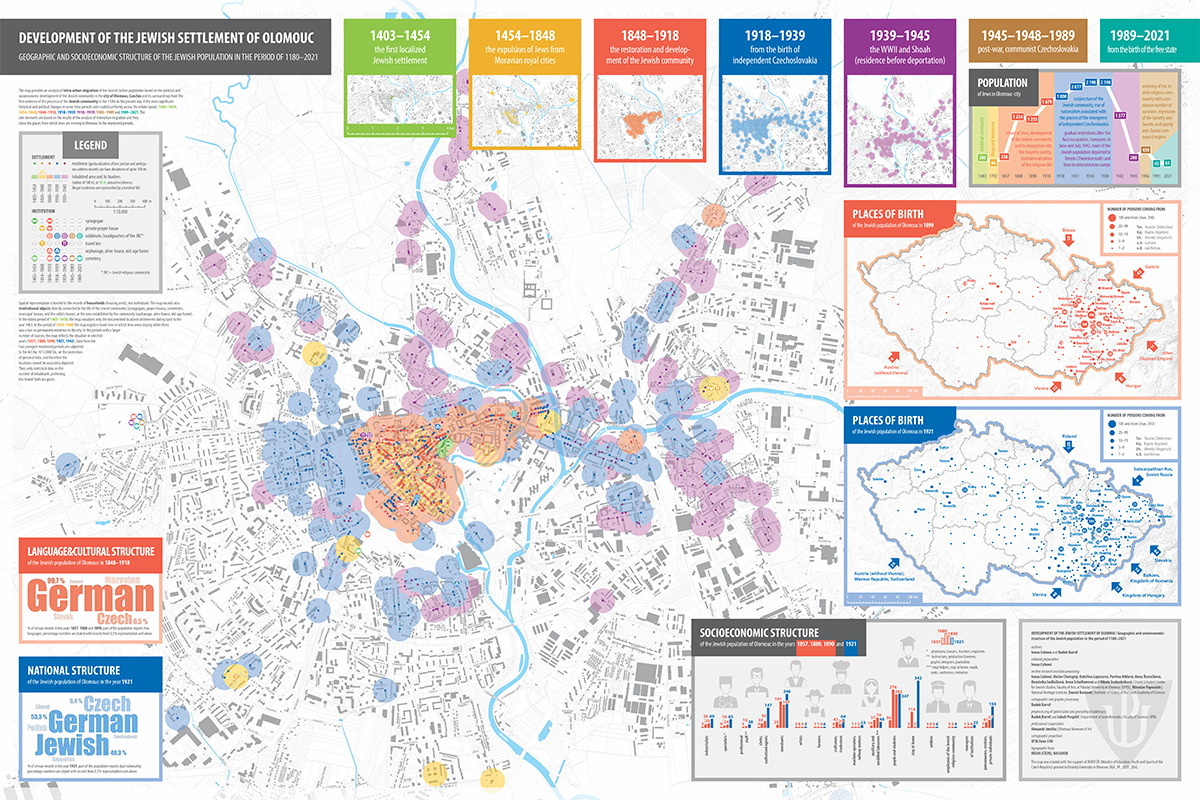
Mezinárodní ocenění Best Map Award časopisu Journal of Maps letos opět míří do Česka a to hned několikrát. Každoročně uděluje časopis Journal of Maps ocenění „Best Map Award“. Letos tuto cenu získala mapa Development of the Jewish Settlement of Olomouc: geographic and socioeconomic structure of the Jewish population in the period of 1180–2021 autorů Ivany […]
The post Mezinárodní ocenění Best Map Award časopisu Journal of Maps opět míří Česka, a to hned několikrát!!! appeared first on GISportal.cz.
Seminár o živote a diele Dionýza Štúra
8.4.2026 12:39 Geocommunity.skPríspevok Seminár o živote a diele Dionýza Štúra zobrazený najskôr GeoCommunity.sk.
Rozpočet úřadu za rok 2026
8.4.2026 11:23 ČÚZK /Urady/Katastralni-urady/Katastralni-urady/Katastralni-urad-pro-Jihocesky-kraj/Rozpocet/Rozpocet-uradu-za-rok-2026Rozpočet úřadu za rok 2026
8.4.2026 11:23 ČÚZK - předpisy a opatření Katastrální úřad pro Jihočeský krajvystavuje rozpočet úřadu za rok
2026
Roadshow strojírenských technologií řady 2027
8.4.2026 9:31 AdeonZaregistrujte se na naši tradiční roadshow strojírenských technologií, na které vám předvedeme letošní novinky v Autodesk produktech pro konstruktéry a výrobu.
The post Roadshow strojírenských technologií řady 2027 appeared first on Adeon CZ.
Roadshow strojírenských technologií řady 2027
8.4.2026 9:31 AdeonZaregistrujte se na naši tradiční roadshow strojírenských technologií, na které vám předvedeme letošní novinky v Autodesk produktech pro konstruktéry a výrobu.
The post Roadshow strojírenských technologií řady 2027 appeared first on Adeon CZ.
Revit 2027 - Hlavní novinky
8.4.2026 8:43 AdeonVelikonoce jsou svátkem jara. A začátek dubna zase zrození nové verze Revitu 2027. Novinek je celá řada, tak si pojďme […]
The post Revit 2027 - Hlavní novinky appeared first on Adeon CZ.
Rada oddělení právních vztahů k nemovitostem na Katastrálním pracovišti Brno-město
7.4.2026 14:27 ČÚZK - volná místa Katastrální úřad pro Jihomoravský kraj Katastrální pracoviště Brno-město vypisuje výběrové řízení na místo Rada oddělení právních vztahů k nemovitostem na Katastrálním pracovišti Brno-městoRada oddělení právních vztahů k nemovitostem na Katastrálním pracovišti Brno-město
7.4.2026 14:27 ČÚZK - předpisy a opatření Katastrální úřad pro Jihomoravský kraj Katastrální pracoviště Brno-městovypisuje výběrové řízení na místo
Rada oddělení právních vztahů k nemovitostem č.1 na Katastrálním pracovišti Brno-město
Rada oddělení právních vztahů k nemovitostem na Katastrálním pracovišti Brno-město
7.4.2026 14:27 ČÚZK - předpisy a opatření Katastrální úřad pro Jihomoravský kraj Katastrální pracoviště Brno-městovypisuje výběrové řízení na místo
Rada oddělení právních vztahů k nemovitostem na Katastrálním pracovišti Brno-město
Rada oddělení právních vztahů k nemovitostem na Katastrálním pracovišti Brno-město
7.4.2026 14:27 ČÚZK /Urady/Katastralni-urady/Katastralni-urady/Katastralni-urad-pro-Jihomoravsky-kraj/Uredni-deska/Oznameni-a-jina-uredni-sdeleni/Volna-mista/DMS/Rada-oddeleni-pravnich-vztahu-k-nemovitostem-na-KaSBG Systems Stellar-40: odolný GNSS/INS pro náročné podmínky
7.4.2026 10:53 mensuroČlánek SBG Systems Stellar-40: odolný GNSS/INS pro náročné podmínky se nejdříve objevil na Mensuro s.r.o..
Galileo goes to the Moon
7.4.2026 10:45 ESA Navigation
Last year, history was made as a navigation receiver on the Moon determined its position in real time using signals from approximately 410 000 km away. The receiver, called the Lunar GNSS Receiver Experiment (LuGRE), acquired signals from four navigation satellites orbiting Earth: two Galileo satellites and two GPS satellites.
The mission also tested Galileo’s Emergency Warning Satellite Service (EWSS) on the Moon, demonstrating the robustness and reach of the planned service.
Networking mladých geoinformatiků v Jizerských horách (pozvánka)
7.4.2026 8:33 GISportal.cz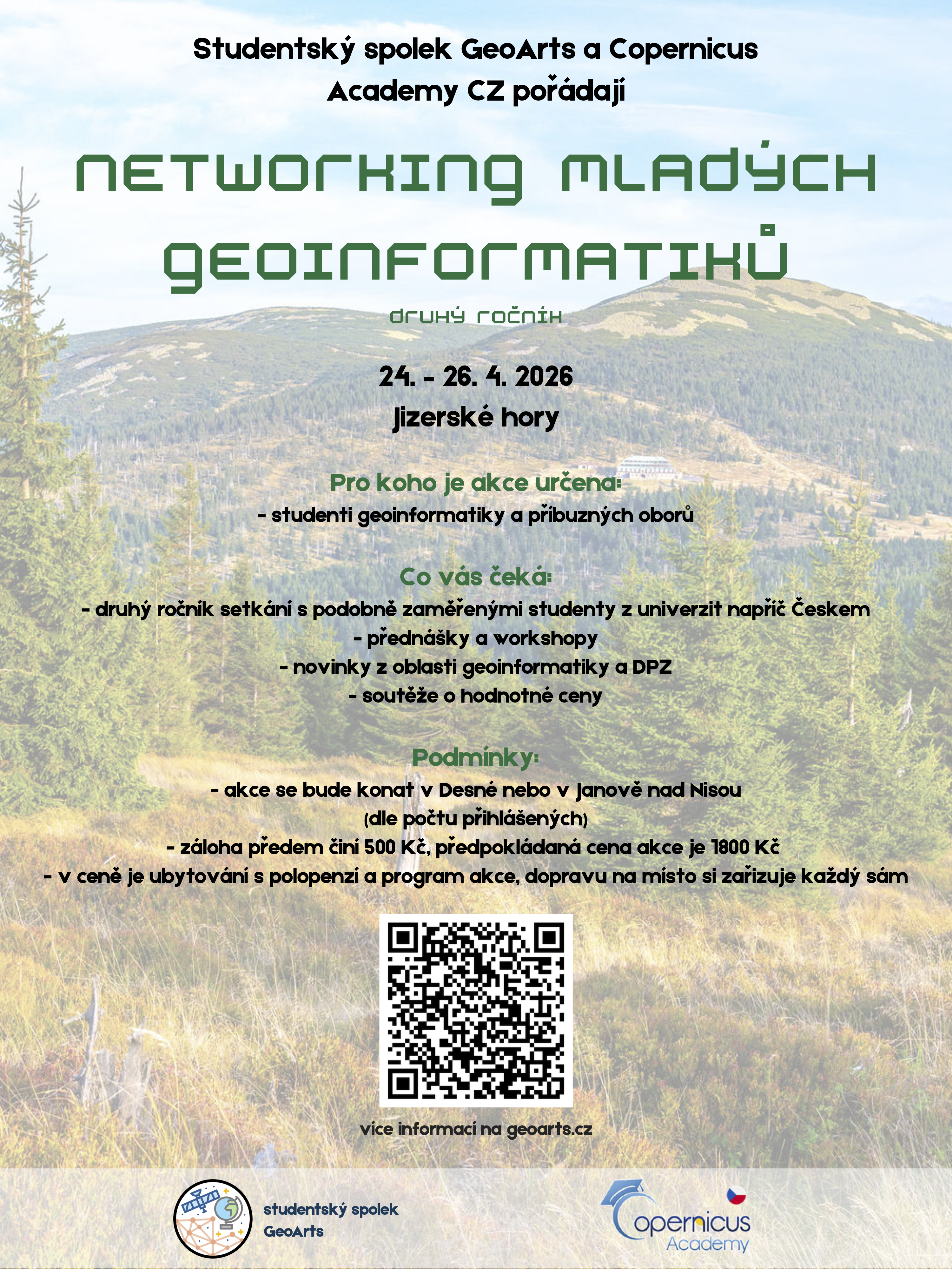
Vážené kolegyně, vážení kolegové, dovolujeme si Vás pozvat na druhý ročník odborně-společenského výjezdu Networking mladých geoinformatiků, který pořádá náš spolek v termínu 24.–26. dubna 2026. Akce se uskuteční v lokalitě Jizerských hor a je otevřena studentům i zájemcům o obor napříč univerzitami v České republice. Hlavním cílem tohoto setkání je propojení geoinformatiků napříč Českou republikou, […]
The post Networking mladých geoinformatiků v Jizerských horách (pozvánka) appeared first on GISportal.cz.
Konference Geoinformace ve veřejné správě 2026 (program a registrace)
6.4.2026 17:29 GISportal.cz
Na stránkách České asociace pro geoinformace (CAGI) byl zveřejněn program nadcházející konference Geoinformace ve veřejné správě. Čekají Vás sekce DMVS, DTM krajů, DTM ŘSD; GeoInfoStrategie2020+; Vzdělávání; BIM a Modelování vystavěného prostředí; Umělá inteligence v geoinformatice; Využití geoinformačních technologií v dopravě; GIS a geoportály pro veřejnou správu a uživatele; Významné projekty veřejné správy a INSPIRE; Územní […]
The post Konference Geoinformace ve veřejné správě 2026 (program a registrace) appeared first on GISportal.cz.
Mobilní laserové skenování ve stavebnictví: od mračna bodů k rozhodnutím díky AI
6.4.2026 12:07 mensuroČlánek Mobilní laserové skenování ve stavebnictví: od mračna bodů k rozhodnutím díky AI se nejdříve objevil na Mensuro s.r.o..
FJD Trion P2 a nový Revit plug-in v D207: praktický workflow pro Scan-to-BIM
5.4.2026 19:38 mensuroČlánek FJD Trion P2 a nový Revit plug-in v D207: praktický workflow pro Scan-to-BIM se nejdříve objevil na Mensuro s.r.o..
Jak vytvořit vrstevnicovou mapu z LiDARu v QGIS
5.4.2026 11:03 mensuroČlánek Jak vytvořit vrstevnicovou mapu z LiDARu v QGIS se nejdříve objevil na Mensuro s.r.o..
DAEX DESIGN Plus pro výrobce nábytku – akční nabídka
4.4.2026 20:49 ŠPINAR - softwareVážení výrobci a návrháři nábytku a interiérů dovolujeme si Vám nabídnout v DAEX DESIGN Plus s akčními bonusy do 10. 4. 2026
The post DAEX DESIGN Plus pro výrobce nábytku – akční nabídka appeared first on ŠPINAR – software.
DAEX DESIGN Plus pro výrobce nábytku – akční nabídka
4.4.2026 20:49 ŠPINAR - software Vážení výrobci a návrháři nábytku a interiérů dovolujeme si Vám nabídnout v DAEX DESIGN Plus s akčními bonusy do 10. 4. 2026Earth from Space: Eyes on our Moon
3.4.2026 10:00 ESA Observing the Earth Image:
In an unusual perspective for an Earth-observing satellite, the Copernicus Sentinel-2 mission captures this image of Earth’s only natural satellite.
Image:
In an unusual perspective for an Earth-observing satellite, the Copernicus Sentinel-2 mission captures this image of Earth’s only natural satellite.
Rozpočet úřadu za rok 2026
2.4.2026 14:29 ČÚZK /Urady/Katastralni-urady/Katastralni-urady/Katastralni-urad-pro-Jihomoravsky-kraj/Rozpocet/Rozpocet-uradu-za-rok-2026Rozpočet úřadu za rok 2026
2.4.2026 14:29 ČÚZK - předpisy a opatření Katastrální úřad pro Jihomoravský krajvystavuje rozpočet úřadu za rok
2026
Mzdový/á účetní v personálním oddělení, na dobu určitou
2.4.2026 13:16 ČÚZK - volná místa Katastrální úřad pro Liberecký kraj vypisuje výběrové řízení na místo Mzdový/á účetní v personálním oddělení, na dobu určitouMzdový/á účetní v personálním oddělení, na dobu určitou
2.4.2026 13:16 ČÚZK - předpisy a opatření Katastrální úřad pro Liberecký krajvypisuje výběrové řízení na místo
Mzdový/á účetní v personálním oddělení, na dobu určitou
Mzdový/á účetní v personálním oddělení, na dobu určitou
2.4.2026 13:16 ČÚZK /Urady/Katastralni-urady/Katastralni-urady/Katastralni-urad-pro-Liberecky-kraj/Uredni-deska/Oznameni-a-jina-uredni-sdeleni/Volna-mista/DMS/Mzdovy-a-ucetni-v-personalnim-oddeleni20260402 - přehled statistik březen
2.4.2026 9:16 ČÚZK - aktuality v resortu V březnu 2026 bylo na katastrálních úřadech v České republice podáno 79 421 vkladů a vyřízeno 74 558 vkladů. Průměrná doba provedení vkladu byla 22 dnů, stejně jako v březnu loňského roku, kdy bylo podáno 74 271 vkladů. V březnu bylo dále na katastrální úřady doručeno 37 873 listin k provedení jiných typů zápisů (záznam, poznámka, upozornění, změna jiných údajů) a 14 322 žádostí o potvrzení geometrického plánu.20260402 - přehled statistik březen
2.4.2026 9:16 ČÚZK /Aktuality-resort/2026/20260402-prehled-statistik-brezen20260402 - přehled statistik březen
2.4.2026 9:16 ČÚZK - předpisy a opatření Český úřad zeměměřický a katastrálnízveřejnil novou aktualitu: V březnu 2026 bylo na katastrálních úřadech v České republice podáno 79 421 vkladů a vyřízeno 74 558 vkladů. Průměrná doba provedení vkladu byla 22 dnů, stejně jako v březnu loňského roku, kdy bylo podáno 74 271 vkladů. V březnu bylo dále na katastrální úřady doručeno 37 873 listin k provedení jiných typů zápisů (záznam, poznámka, upozornění, změna jiných údajů) a 14 322 žádostí o potvrzení geometrického plánu.
20260402 - přehled statistik březen
2.4.2026 9:16 ČÚZK - aktuality v resortu V březnu 2026 bylo na katastrálních úřadech v České republice podáno 79 421 vkladů a vyřízeno 74 558 vkladů. Průměrná doba provedení vkladu byla 22 dnů, stejně jako v březnu loňského roku, kdy bylo podáno 74 271 vkladů. V březnu bylo dále na katastrální úřady doručeno 37 873 listin k provedení jiných typů zápisů (záznam, poznámka, upozornění, změna jiných údajů) a 14 322 žádostí o potvrzení geometrického plánu.20260402 - přehled statistik březen
2.4.2026 9:16 ČÚZK - předpisy a opatření Český úřad zeměměřický a katastrálnízveřejnil novou aktualitu: V březnu 2026 bylo na katastrálních úřadech v České republice podáno 79 421 vkladů a vyřízeno 74 558 vkladů. Průměrná doba provedení vkladu byla 22 dnů, stejně jako v březnu loňského roku, kdy bylo podáno 74 271 vkladů. V březnu bylo dále na katastrální úřady doručeno 37 873 listin k provedení jiných typů zápisů (záznam, poznámka, upozornění, změna jiných údajů) a 14 322 žádostí o potvrzení geometrického plánu.
20260402 - přehled statistik březen
2.4.2026 9:16 ČÚZK - aktuality v resortu V březnu 2026 bylo na katastrálních úřadech v České republice podáno 79 421 vkladů a vyřízeno 74 558 vkladů. Průměrná doba provedení vkladu byla 22 dnů, stejně jako v březnu loňského roku, kdy bylo podáno 74 271 vkladů. V březnu bylo dále na katastrální úřady doručeno 37 873 listin k provedení jiných typů zápisů (záznam, poznámka, upozornění, změna jiných údajů) a 14 322 žádostí o potvrzení geometrického plánu.Referent v oddělení správy katastru nemovitostí
2.4.2026 9:13 ČÚZK - předpisy a opatření Katastrální úřad pro Liberecký kraj - Katastrální pracoviště Frýdlantvypisuje výběrové řízení na místo
Referent v oddělení správy katastru nemovitostí
Referent v oddělení správy katastru nemovitostí
2.4.2026 9:13 ČÚZK - předpisy a opatření Katastrální úřad pro Liberecký kraj Katastrální pracoviště Frýdlantvypisuje výběrové řízení na místo
Referent v oddělení správy katastru nemovitostí
Referent v oddělení správy katastru nemovitostí
2.4.2026 9:13 ČÚZK - volná místa Katastrální úřad pro Liberecký kraj - Katastrální pracoviště Frýdlant vypisuje výběrové řízení na místo Referent v oddělení správy katastru nemovitostíReferent v oddělení správy katastru nemovitostí
2.4.2026 9:13 ČÚZK /Urady/Katastralni-urady/Katastralni-urady/Katastralni-urad-pro-Liberecky-kraj/Uredni-deska/Oznameni-a-jina-uredni-sdeleni/Volna-mista/DMS/Referent-v-oddeleni-spravy-katastru-nemovitostiReferent v oddělení správy katastru nemovitostí
2.4.2026 9:13 ČÚZK - volná místa Katastrální úřad pro Liberecký kraj Katastrální pracoviště Frýdlant vypisuje výběrové řízení na místo Referent v oddělení správy katastru nemovitostíProdej os.auta Škoda Fabia Combi Classic
2.4.2026 7:35 ČÚZK /Urady/Katastralni-urady/Katastralni-urady/Katastralni-urad-pro-Liberecky-kraj/Nabidky-majetku/Nabidka-nepotrebneho-hmotneho-moviteho-majetku-(1)Nabídka nepotřebného hmotného movitého majetku
2.4.2026 7:35 ČÚZK - předpisy a opatřeníČeský úřad zeměměřický a katastrální nabízí nepotřebný majetek k odkupu. Jedná se o
Nabídka nepotřebného hmotného movitého majetku
Prodej os.auta Škoda Fabia Combi Classic
2.4.2026 7:35 ČÚZK - předpisy a opatřeníKatastrální úřad pro Liberecký kraj nabízí nepotřebný majetek k odkupu. Jedná se o
Prodej os.auta Škoda Fabia Combi Classic
Aktualizace dat DP a WSDP od čtvrtka 2.4.2026 15:30 do pondělí 6.4.2026.
1.4.2026 15:31 ČÚZK /Aplikace-DP-do-KN/Aplikace-DP-do-KN/Archiv-DP/454301Aktualizace dat DP a WSDP od čtvrtka 2.4.2026 15:30 do pondělí 6.4.2026.
1.4.2026 15:31 Dálkový přístup k údajům KN ČR Vážení uživatelé,oznamujeme, z provozních důvodů nebude od čtvrtka 2.4.2026 od 15:30 do pondělí 6.4.2026 probíhat aktualizace dat aplikace.
Za komplikace tímto způsobené se omlouváme a děkujeme za pochopení.
Aktualizace dat DP a WSDP od čtvrtka 2.4.2026 15:30 do pondělí 6.4.2026.
1.4.2026 15:31 ČÚZK - předpisy a opatření Vážení uživatelé,oznamujeme, z provozních důvodů nebude od čtvrtka 2.4.2026 od 15:30 do pondělí 6.4.2026 probíhat aktualizace dat aplikace.
Za komplikace tímto způsobené se omlouváme a děkujeme za pochopení.
Aktualizace dat DP a WSDP od čtvrtka 2.4.2026 15:30 do do soboty 4.4.2026.
1.4.2026 15:31 ČÚZK /Aplikace-DP-do-KN/Aplikace-DP-do-KN/Archiv-DP/454301Aktualizace dat DP a WSDP od čtvrtka 2.4.2026 15:30 do do soboty 4.4.2026.
1.4.2026 15:31 Dálkový přístup k údajům KN ČR Vážení uživatelé,oznamujeme, z provozních důvodů nebude od čtvrtka 2.4.2026 od 15:30 do soboty 4.4.2026 probíhat aktualizace dat aplikace.
Za komplikace tímto způsobené se omlouváme a děkujeme za pochopení.
Aktualizace dat DP a WSDP od čtvrtka 2.4.2026 15:30 do do soboty 4.4.2026.
1.4.2026 15:31 ČÚZK - předpisy a opatření Vážení uživatelé,oznamujeme, z provozních důvodů nebude od čtvrtka 2.4.2026 od 15:30 do soboty 4.4.2026 probíhat aktualizace dat aplikace.
Za komplikace tímto způsobené se omlouváme a děkujeme za pochopení.
20260401 - Předseda názvoslovné komise
1.4.2026 12:25 ČÚZK /Aktuality-resort/2026/20260401-Predseda-nazvoslovne-komise20260401 - Předseda názvoslovné komise
1.4.2026 12:25 ČÚZK - aktuality v resortu Předsedou Názvoslovné komise Českého úřadu zeměměřického a katastrálního byl jmenován s účinností od 1. dubna 2026 RNDr. Jiří Martínek, Ph.D.20260401 - Předseda názvoslovné komise
1.4.2026 12:25 ČÚZK - aktuality v resortu Předsedou Názvoslovné komise Českého úřadu zeměměřického a katastrálního byl jmenován s účinností od 1. dubna 2026 RNDr. Jiří Martínek, Ph.D.20260401 - Předseda názvoslovné komise
1.4.2026 12:25 ČÚZK - předpisy a opatření Český úřad zeměměřický a katastrálnízveřejnil novou aktualitu: Předsedou Názvoslovné komise Českého úřadu zeměměřického a katastrálního byl jmenován s účinností od 1. dubna 2026 RNDr. Jiří Martínek, Ph.D.
Sahara whips up a dust storm over Canary islands
1.4.2026 11:55 ESA Observing the Earth Image:
The image from Copernicus Sentinel-3 shows a Saharan dust storm over the Atlantic Ocean, with the Canary Islands visible off the coast of Morocco.
Image:
The image from Copernicus Sentinel-3 shows a Saharan dust storm over the Atlantic Ocean, with the Canary Islands visible off the coast of Morocco.
Rozpočet úřadu za rok 2026
1.4.2026 11:44 ČÚZK /Urady/Katastralni-urady/Katastralni-urady/Katastralni-urad-pro-Zlinsky-kraj/Rozpocet/Rozpocet-uradu-za-rok-2026Rozpočet úřadu za rok 2026
1.4.2026 11:44 ČÚZK - předpisy a opatření Katastrální úřad pro Zlínský krajvystavuje rozpočet úřadu za rok
2026
referent právních vztahů KP Sokolov
1.4.2026 10:00 ČÚZK - volná místa Katastrální úřad pro Karlovarský kraj Katastrální pracoviště Sokolov vypisuje výběrové řízení na místo referent právních vztahů KP Sokolovreferent právních vztahů KP Sokolov
1.4.2026 10:00 ČÚZK /Urady/Katastralni-urady/Katastralni-urady/Katastralni-urad-pro-Karlovarsky-kraj/Uredni-deska/Oznameni-a-jina-uredni-sdeleni/Volna-mista/DMS/referent-pravnich-vztahu-KP-Sokolovreferent právních vztahů KP Sokolov
1.4.2026 10:00 ČÚZK - předpisy a opatření Katastrální úřad pro Karlovarský kraj Katastrální pracoviště Sokolovvypisuje výběrové řízení na místo
referent právních vztahů KP Sokolov
Rada oddělení právních vztahů k nemovitostem
1.4.2026 9:45 ČÚZK - předpisy a opatření Katastrální úřad pro Středočeský kraj Katastrální pracoviště Slanývypisuje výběrové řízení na místo
Rada oddělení právních vztahů k nemovitostem