










zprávy
zdroje zpráv:Odborný referent/vrchní referent – poskytování informací KN na Katastrálním pracovišti Ostrava Katas
18.7.2018 10:57 ČÚZK - volná místa Katastrální úřad pro Moravskoslezský kraj - Katastrální pracoviště Ostrava vypisuje výběrové řízení na místo Odborný referent/vrchní referent – poskytování informací KN na Katastrálním pracovišti Ostrava KatasOdborný referent/vrchní referent – poskytování informací KN na Katastrálním pracovišti Ostrava Katas
18.7.2018 10:57 ČÚZK /Urady/Katastralni-urady/Katastralni-urady/Katastralni-urad-pro-Moravskoslezsky-kraj/Uredni-deska/Oznameni-a-jina-uredni-sdeleni/Volna-mista/Odborny-referent-vrchni-referent-–-poskytovani-infVrchní referent/rada – obnova katastrálního operátu na Katastrálním pracovišti Frýdek-Místek Katastr
18.7.2018 10:55 ČÚZK - předpisy a opatření Katastrální úřad pro Moravskoslezský kraj - Katastrální pracoviště Frýdek-Místekvypisuje výběrové řízení na místo
Vrchní referent/rada – obnova katastrálního operátu na Katastrálním pracovišti Frýdek-Místek Katastrálního úřadu pro Moravskoslezský kraj
Vrchní referent/rada – obnova katastrálního operátu na Katastrálním pracovišti Frýdek-Místek Katastr
18.7.2018 10:55 ČÚZK /Urady/Katastralni-urady/Katastralni-urady/Katastralni-urad-pro-Moravskoslezsky-kraj/Uredni-deska/Oznameni-a-jina-uredni-sdeleni/Volna-mista/Vrchni-referent-rada-–-obnova-katastralniho-op-(2)Vrchní referent/rada – obnova katastrálního operátu na Katastrálním pracovišti Frýdek-Místek Katastr
18.7.2018 10:55 ČÚZK - volná místa Katastrální úřad pro Moravskoslezský kraj - Katastrální pracoviště Frýdek-Místek vypisuje výběrové řízení na místo Vrchní referent/rada – obnova katastrálního operátu na Katastrálním pracovišti Frýdek-Místek KatastrVrchní referent/rada – obnova katastrálního operátu na Katastrálním pracovišti Frýdek-Místek Katastr
18.7.2018 10:55 ČÚZK - předpisy a opatření Katastrální úřad pro Moravskoslezský kraj - Katastrální pracoviště Frýdek-Místekvypisuje výběrové řízení na místo
Vrchní referent/rada – obnova katastrálního operátu na Katastrálním pracovišti Frýdek-Místek Katastrálního úřadu pro Moravskoslezský kraj
Geospatial Intelligence: The Totally Made-Up Term That’s Changing the World
18.7.2018 10:17 GISCafe.com Webcasts-Webinars USGIF to host first ever commercial geospatial intelligence event in SeptemberJuly 18, 2018 - By Keith J. Masback, CEO, United States Geospatial …
Teenage Earth observer
18.7.2018 9:45 ESA Observing the Earth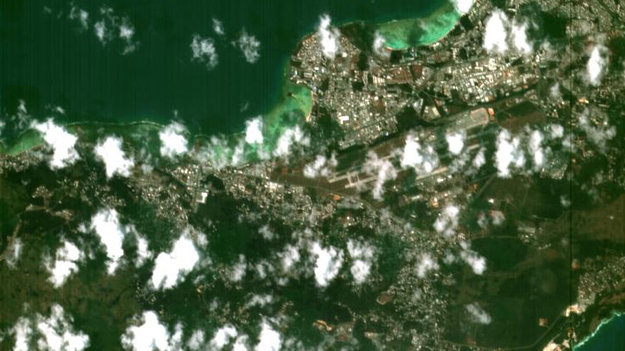
Technology image of the week: more than 16 years old and still growing strong, the Proba-1 microsatellite takes a look at Guam
A Note from the President’s Desk – July 2018
18.7.2018 2:23 Carlson Software Choice in the Survey and Civil Engineering Industries The consolidation in our industry has accelerated over the years, reducing competition and choice. Considering just robotic total station companies, you once had the choice of Geodimeter (Sweden), Zeiss (Germany), Topcon (Japan), Sokkia (Japan), Trimble (US) and Leica (Switzerland, owned by Hexagon based in Sweden). Geodimeter and […]
PIVVOT™, Backed By New Mountain Capital, Set To Re-Imagine And Simplify Data Management For Critical Infrastructure Asset Companies
17.7.2018 23:46 GISCafe.com Webcasts-Webinars -Software provided by Pivvot offers intelligent asset management built for operations and asset integrity excellence, allowing you to minimize …Remote Sensing Satellite Market Takes Off, Driven by SmallSat Deliveries
17.7.2018 23:40 GISCafe.com Webcasts-Webinars FARNBOROUGH INTERNATIONAL AIR SHOW, July 17, 2018 (GLOBE NEWSWIRE) -- Annual deliveries of remote sensing satellites are increasing at high rates. …DJI Enhances Geofencing Flexibility For Enterprise Drone Users
17.7.2018 23:38 GISCafe.com Webcasts-Webinars NEW YORK, July 17, 2018 — (PRNewswire) — DJI, the world's leader in civilian drones and aerial imaging technology, is …OGC announces the creation of a new Domain Working Group for Interoperable Simulation and Gaming
17.7.2018 20:09 GISCafe.com Webcasts-Webinars New OGC Working Group has the goal of evaluating how standards will enable the modeling, simulation, and gaming communities to mutually benefit from …Bentley Presents Synchro Software Solution for FC Barcelona Stadium Project at Microsoft Inspire Conference
17.7.2018 17:23 Bentley Systems4D construction modeling technology leverages Microsoft Azure and HoloLens to provide immersive construction management solution for Espai Barça sports complex
Bentley Systems, Incorporated, a leading global provider of comprehensive software solutions for advancing infrastructure, presented Synchro, a 4D construction modeling solution, today at Microsoft Inspire, Microsoft’s annual partner conference in Las Vegas. The use of Synchro as part of a mixed reality construction management solution for FC Barcelona’s Espai Barça sports stadium project was featured during the Mixed Reality (MR) and the Cloud session at the conference.
The Microsoft Inspire session, led by Microsoft's Nancy Li, detailed how Bentley’s Synchro, a cloud-based 4D construction modeling solution, will be used for FC Barcelona’s major renovation to the Espai Barça sports arena in Barcelona, Spain, which when completed will accommodate more than 100,000 fans. In conjunction with time-lapse monitoring footage of the construction site provided by EarthCam, Bentley’s Synchro software will help the stadium project team to visualize and compare construction progress with the 4D construction model.
Greg Demchak, technical architect for Bentley, said, “The scope of this project demands that we look for new solutions, and for this, we turned to Microsoft. Using Azure infrastructure, HoloLens technology, and Cognitive Services, multiple users can interact with a holographic representation of the stadium data at any moment in the construction process. We are also leveraging machine learning and reality capture to digitally track actual progress with Synchro.”
Bentley Systems is a Mixed Reality and CityNext partner with Microsoft, and will receive the 2018 Microsoft CityNext Partner of the Year Award during this year’s Microsoft Inspire conference for its Azure-enabled software solution for Mass Rapid Transit Corporation’s world-class, Sungai Buloh-Serdang-Putrajaya high-speed railway project in Malaysia.
Bentley Systems acquired Synchro Software in 2018.
Bentley Presents Synchro Software Solution for FC Barcelona Stadium Project at Microsoft Inspire Conference
17.7.2018 17:23 Bentley Systems4D construction modeling technology leverages Microsoft Azure and HoloLens to provide immersive construction management solution for Espai Barça sports complex
Bentley Systems, Incorporated, a leading global provider of comprehensive software solutions for advancing infrastructure, presented Synchro, a 4D construction modeling solution, today at Microsoft Inspire, Microsoft’s annual partner conference in Las Vegas. The use of Synchro as part of a mixed reality construction management solution for FC Barcelona’s Espai Barça sports stadium project was featured during the Mixed Reality (MR) and the Cloud session at the conference.
The Microsoft Inspire session, led by Microsoft's Nancy Li, detailed how Bentley’s Synchro, a cloud-based 4D construction modeling solution, will be used for FC Barcelona’s major renovation to the Espai Barça sports arena in Barcelona, Spain, which when completed will accommodate more than 100,000 fans. In conjunction with time-lapse monitoring footage of the construction site provided by EarthCam, Bentley’s Synchro software will help the stadium project team to visualize and compare construction progress with the 4D construction model.
Greg Demchak, technical architect for Bentley, said, “The scope of this project demands that we look for new solutions, and for this, we turned to Microsoft. Using Azure infrastructure, HoloLens technology, and Cognitive Services, multiple users can interact with a holographic representation of the stadium data at any moment in the construction process. We are also leveraging machine learning and reality capture to digitally track actual progress with Synchro.”
Bentley Systems is a Mixed Reality and CityNext partner with Microsoft, and will receive the 2018 Microsoft CityNext Partner of the Year Award during this year’s Microsoft Inspire Conference for its Azure-enabled software solution for Mass Rapid Transit Corporation’s world-class, Sungai Buloh-Serdang-Putrajaya high-speed railway project in Malaysia.
Bentley Systems acquired Synchro Software in 2018.
Looming iceberg
17.7.2018 16:40 ESA Observing the Earth
A huge iceberg drifted perilously close to the west Greenland coast causing fears that if it breaks up, waves could swamp the village of Innaarsuit
Call for Media: Galileo 23-26 close to launch
17.7.2018 15:43 ESA Navigation
The last four Galileo satellites of the second FOC (Full Operational Capability) batch are scheduled for launch on 25 July at 11:25 GMT (13:25 CEST, 08:25 local time) from Europe’s Spaceport in Kourou, French Guiana, on an Ariane 5 rocket, designated Flight VA244 by Arianespace.
We cannot effectively build infrastructure on time unless we adopt BIM-Kaushik Chakraborty, Bentley Systems
17.7.2018 14:41 Bentley SystemsPress Coverage
Geospatial World, India
Read the articleRail can lead the way to digital infrastructure
17.7.2018 14:30 Bentley SystemsPress Coverage
Railway Gazette, UK
Read the articleRail can lead the way to digital infrastructure
17.7.2018 14:30 Bentley SystemsPress Coverage
Railway Gazette, UK
Read the articleBentley Systems Acquires 4D Construction Activity Synchronizer
17.7.2018 14:20 Bentley SystemsPress Coverage
ENR, USA
Read the articleČerpejte inspiraci i o prázdninách
17.7.2018 12:56 ARCDATAČasopisy Esri nabízejí zajímavé uživatelské články, představují novinky na platformě ArcGIS a v neposlední řadě ukazují širokou škálu využití GIS napříč obory. Jako vždy jsme pro vás připravili výběr nejzajímavějších článků z posledních čísel ArcNews a ArcUser. Dočtete se tak o nových možnostech mapování povodní, efektivním sběru dat v terénu, propojení GIS a BIM, práci s časovými daty a mnohém dalším.

New Report Reveals How US States Tap into Map Technology to Manage Elections
17.7.2018 12:30 GISCafe.com Webcasts-Webinars July 11, 2018, New Orleans, LA— More than two-thirds of states responded to a nationwide survey on elections data conducted in the first half …Měli jsme půjčený a fotili jsme nový Ford Tourneo Custom
17.7.2018 12:23 UpVision Fotili jsme úplně nový Ford Tourneo Custom, který jsme měli i půjčený na vyzkoušení.Několik fotografií zde:
https://plus.google.com/u/0/b/115833877689730865211/+UpvisionCz1/posts/22tfa65fXiu
Doplnění změn územně plánovacích dokumentací
17.7.2018 12:00 Plzeňský kraj Nově bylo uveřejněno dalších 27 změn územně plánovacích dokumentací. Vyhledat příslušnou územně plánovací dokumentaci můžete v sekci Územní plánování » Obce v kraji » Územní plány a další nástroje územního plánování. Nově jsou k dispozici následující změnové dokumentace: Změna č.2/II územního plánu sídelního útvaru Běšiny, Změna č.3 ÚP Černošín, Změna č.1 ÚP Draženov, Změna č.1 ÚP obce Erpužice, Změna č.1A ÚP města Horažďovice, Změna č.1 ÚPO Hrádek (okr. KT), Změna č.1 územního plánu sídelního útvaru Kašperské Hory, Změna č.1 ÚP Kolinec, Změna č.2 územního plánu sídelního útvaru Konstantinovy Lázně, Změna č.1 ÚP Kostelec, Změny č.1,3,5 územního plánu sídelního útvaru Modrava, Změna č.5 ÚP města Nepomuk, Změna č.1 ÚP Planá, Změna č.3 ÚP Prádlo, Změny č.1,3 ÚP obce Soběšice, Změna č.1 územního plánu sídelního útvaru Spálené Poříčí, Změny č.1,2 územního plánu sídelního útvaru Spáňov, Změna č.1 územního plánu sídelního útvaru Srní, Změna č.1 ÚP Stříbro, Změna č.1 ÚP Studánka, Změna č.2 ÚP Vejprnice, Změna č.2 ÚP obce Vlčtejn, Změna č.1 územního plánu sídelního útvaru Zdemyslice.Doplnění územně plánovacích dokumentací
17.7.2018 12:00 Plzeňský kraj Nově bylo uveřejněno dalších 27 změn územně plánovacích dokumentací. Vyhledat příslušnou územně plánovací dokumentaci můžete v sekci Územní plánování » Obce v kraji » Územní plány a další nástroje územního plánování. Nově jsou k dispozici následující změnové dokumentace: Změna č.2/II územního plánu sídelního útvaru Běšiny, Změna č.3 ÚP Černošín, Změna č.1 ÚP Draženov, Změna č.1 ÚP obce Erpužice, Změna č.1A ÚP města Horažďovice, Změna č.1 ÚPO Hrádek (okr. KT), Změna č.1 územního plánu sídelního útvaru Kašperské Hory, Změna č.1 ÚP Kolinec, Změna č.2 územního plánu sídelního útvaru Konstantinovy Lázně, Změna č.1 ÚP Kostelec, Změny č.1,3,5 územního plánu sídelního útvaru Modrava, Změna č.5 ÚP města Nepomuk, Změna č.1 ÚP Planá, Změna č.3 ÚP Prádlo, Změny č.1,3 ÚP obce Soběšice, Změna č.1 územního plánu sídelního útvaru Spálené Poříčí, Změny č.1,2 územního plánu sídelního útvaru Spáňov, Změna č.1 územního plánu sídelního útvaru Srní, Změna č.1 ÚP Stříbro, Změna č.1 ÚP Studánka, Změna č.2 ÚP Vejprnice, Změna č.2 ÚP obce Vlčtejn, Změna č.1 územního plánu sídelního útvaru Zdemyslice.Doplnění územně plánovacích dokumentací
17.7.2018 10:00 Plzeňský kraj Nově bylo uveřejněno 27 dalších změn územně plánovacích dokumentací. Vyhledat příslušnou územně plánovací dokumentaci můžete v sekci Územní plánování » Obce v kraji » Územní plány a další nástroje územního plánování. Nově jsou k dispozici následující změnové dokumentace: Změna č.2/II územního plánu sídelního útvaru Běšiny, Změna č.3 ÚP Černošín, Změna č.1 ÚP Draženov, Změna č.1 ÚP obce Erpužice, Změna č.1A ÚP města Horažďovice, Změna č.1 ÚPO Hrádek (okr. KT), Změna č.1 územního plánu sídelního útvaru Kašperské Hory, Změna č.1 ÚP Kolinec, Změna č.2 územního plánu sídelního útvaru Konstantinovy Lázně, Změna č.1 ÚP Kostelec, Změny č.1,3,5 územního plánu sídelního útvaru Modrava, Změna č.5 ÚP města Nepomuk, Změna č.1 ÚP Planá, Změna č.3 ÚP Prádlo, Změny č.1,3 ÚP obce Soběšice, Změna č.1 územního plánu sídelního útvaru Spálené Poříčí, Změny č.1,2 územního plánu sídelního útvaru Spáňov, Změna č.1 územního plánu sídelního útvaru Srní, Změna č.1 ÚP Stříbro, Změna č.1 ÚP Studánka, Změna č.2 ÚP Vejprnice, Změna č.2 ÚP obce Vlčtejn, Změna č.1 územního plánu sídelního útvaru ZdemysliceGalileo's fairing lowered
17.7.2018 9:27 ESA Navigation
The protective launch fairing for Galileos 23–26 is in place, ahead of their Wednesday 25 July 2018 launch
Rozhovor s Ladislavem Čapkem – část I
17.7.2018 8:00 GISportal.cz
Po nějaké odmlce a turbulentní době v životě Ladislava Čapka Vám přinášíme exkluzivní rozhovor s touto osobností české geoinformatické scény. Přejeme příjemné letní počtení. Láďo, řekni mi, jak se Ladislav Čapek dostal ke geoinformačním technologiím a GIS? Už od malička jsem jako dítě miloval mapy. Ať už to byly nějaké historické mapy, kde co dříve […]
The post Rozhovor s Ladislavem Čapkem – část I appeared first on GISportal.cz.
Rozhovor s Ladislavem Čapkem – část I (PR)
17.7.2018 8:00 GISportal.cz
Po nějaké odmlce a turbulentní době v životě Ladislava Čapka Vám přinášíme exkluzivní rozhovor s touto osobností české geoinformatické scény. Přejeme příjemné letní počtení. Láďo, řekni mi, jak se Ladislav Čapek dostal ke geoinformačním technologiím a GIS? Už od malička jsem jako dítě miloval mapy. Ať už to byly nějaké historické mapy, kde co dříve […]
The post Rozhovor s Ladislavem Čapkem – část I (PR) appeared first on GISportal.cz.
Rozhovor s Ladislavem Čapkem – část I
17.7.2018 8:00 GISportal.cz
Po nějaké odmlce a turbulentní době v životě Ladislava Čapka Vám přinášíme exkluzivní rozhovor s touto osobností české geoinformatické scény. Přejeme příjemné letní počtení. Láďo, řekni mi, jak se Ladislav Čapek dostal ke geoinformačním technologiím a GIS? Už od malička jsem jako dítě miloval mapy. Ať už to byly nějaké historické mapy, kde co dříve […]
The post Rozhovor s Ladislavem Čapkem – část I appeared first on GISportal.cz.
Rozhovor s Ladislavem Čapkem – část I
17.7.2018 8:00 GISportal.czPo nějaké odmlce a turbulentní době v životě Ladislava Čapka Vám přinášíme exkluzivní rozhovor s touto osobností české geoinformatické scény. Přejeme příjemné letní počtení. Láďo, řekni mi, jak se Ladislav Čapek dostal ke geoinformačním technologiím a GIS? Už od malička jsem jako dítě miloval mapy. Ať už to byly nějaké historické mapy, kde co dříve […]
The post Rozhovor s Ladislavem Čapkem – část I appeared first on GISportal.cz.
Mapová aplikace ÚAP - aktualizace
17.7.2018 8:00 Jihočeský kraj Mapová aplikace Územně analytické podklady byla aktualizována k 16. 7. 2018.Maxar Technologies' MDA Announces Acquisition of Neptec Design Group, a Leading Space Sensors Company in Canada and the United Kingdom
17.7.2018 2:55 GISCafe.com Webcasts-Webinars BRAMPTON, ON, July 16, 2018 — (PRNewswire) — MDA, a Maxar Technologies company (formerly MacDonald, Dettwiler and Associates Ltd.), …Dassault Systèmes Delivers New Support to Smaller Aviation Innovators to Boost Development of Flying Taxis and Drones
16.7.2018 20:33 GISCafe.com Webcasts-Webinars Dassault Systèmes launches “Reinvent the Sky” industry solutionexperience for aerospace and defense
Air mobility …
Družice Galileo byly umístěny na nosnou raketu Ariane 5
16.7.2018 17:17 Český Kosmický PortálDalší evropské družice systému Galileo byly umístěny na špici nosné rakety Ariane 5, která se připravuje ke startu z evropského kosmodromu v Kourou (stát Francouzská Guayana) ve středu 25. července.
Družice Galileo byly umístěny na nosnou raketu Ariane 5
16.7.2018 17:17 Český Kosmický PortálDalší evropské družice systému Galileo byly umístěny na špici nosné rakety Ariane 5, která se připravuje ke startu z evropského kosmodromu v Kourou (stát Francouzská Guayana) ve středu 25. července.
ARC's 16th India Forum Digitizing + Securing Industry, Infrastructure, Cities
16.7.2018 16:32 Bentley SystemsPress Coverage
ARC Web, USA
Read the articleAIA2018: On the Show Floor—Technology in Architecture Part 1
16.7.2018 15:57 Bentley SystemsPress Coverage
Architosh, USA
Read the articleSiemens is Embracing Smart Building Technology
16.7.2018 15:52 Bentley SystemsPress Coverage
Architect Magazine, USA
Read the articleAIA 2018: Architosh awards 6th ‘BEST of SHOW’ honors for software and technology vendors at AIA National in New York City
16.7.2018 15:47 Bentley SystemsPress Coverage
Architosh, USA
Read the article20180716 Rada/odborný rada – interní auditor Katastrálního úřadu pro Středočeský kraj
16.7.2018 15:19 ČÚZK - předpisy a opatření Katastrální úřad pro Středočeský kraj zveřejnil novou aktualitu: Rada/odborný rada – interní auditor Katastrálního úřadu pro Středočeský kraj V části "Úřední deska", v sekci "Oznámení a jiná úřední sdělení" bylo vystaveno "Oznámení o vyhlášení výběrového řízení na obsazení služebního místa Rada/odborný rada – interní auditor Katastrálního úřadu pro Středočeský kraj"20180716 Rada/odborný rada – interní auditor Katastrálního úřadu pro Středočeský kraj
16.7.2018 15:19 ČÚZK /Urady/Katastralni-urady/Katastralni-urady/Katastralni-urad-pro-Stredocesky-kraj/O-uradu/Aktuality/20180709-Odborny-referent-oddeleni-dokumentace-(1)20180716 Rada/odborný rada – interní auditor Katastrálního úřadu pro Středočeský kraj
16.7.2018 15:19 ČÚZK - předpisy a opatření Katastrální úřad pro Středočeský kraj zveřejnil novou aktualitu: Rada/odborný rada – interní auditor Katastrálního úřadu pro Středočeský kraj V části "Úřední deska", v sekci "Oznámení a jiná úřední sdělení" bylo vystaveno "Oznámení o vyhlášení výběrového řízení na obsazení služebního místa Rada/odborný rada – interní auditor Katastrálního úřadu pro Středočeský kraj"Rada/odborný rada – interní auditor Katastrálního úřadu pro Středočeský kraj
16.7.2018 15:14 ČÚZK - předpisy a opatření Katastrální úřad pro Středočeský krajvypisuje výběrové řízení na místo Rada/odborný rada – interní auditor Katastrálního úřadu pro Středočeský kraj
Rada/odborný rada – interní auditor Katastrálního úřadu pro Středočeský kraj
odborný rada – inspektor Zeměměřického a katastrálního inspektorátu v Pardubicích
16.7.2018 14:49 ČÚZK - předpisy a opatření Zeměměřický a katastrální inspektorát v Pardubicíchvypisuje výběrové řízení na místo odborný rada – inspektor Zeměměřického a katastrálního inspektorátu v Pardubicích
odborný rada – inspektor Zeměměřického a katastrálního inspektorátu v Pardubicích
odborný rada – inspektor Zeměměřického a katastrálního inspektorátu v Pardubicích
16.7.2018 14:49 ČÚZK - volná místa Zeměměřický a katastrální inspektorát v Pardubicích vypisuje výběrové řízení na místo odborný rada – inspektor Zeměměřického a katastrálního inspektorátu v Pardubicíchodborný rada – inspektor Zeměměřického a katastrálního inspektorátu v Pardubicích
16.7.2018 14:49 ČÚZK - volná místa Zeměměřický a katastrální inspektorát v Pardubicích vypisuje výběrové řízení na místo odborný rada – inspektor Zeměměřického a katastrálního inspektorátu v Pardubicíchodborný rada – inspektor Zeměměřického a katastrálního inspektorátu v Pardubicích
16.7.2018 14:49 ČÚZK - předpisy a opatření Zeměměřický a katastrální inspektorát v Pardubicíchvypisuje výběrové řízení na místo odborný rada – inspektor Zeměměřického a katastrálního inspektorátu v Pardubicích
odborný rada – inspektor Zeměměřického a katastrálního inspektorátu v Pardubicích
Omezení provozu KP Hranice
16.7.2018 14:24 ČÚZK /Urady/Katastralni-urady/Katastralni-urady/Katastralni-urad-pro-Olomoucky-kraj/Katastralni-pracoviste/KP-Hranice/O-uradu/Aktuality/Omezeni-provozu-KP-HraniceOmezení provozu KP Hranice
16.7.2018 14:24 ČÚZK - předpisy a opatření Český úřad zeměměřický a katastrální zveřejnil novou aktualitu: Z důvodu plánovaného výpadku sítě WAN ze strany poskytovatele O2 Czech Republic a.s. (práce na přeložce optického kabelu z důvodu stavby CTParku Lipník nad Bečvou) bude dne 25. července 2018 v době od 8:00 do 15:00 hodin omezena činnost katastrálního pracoviště pouze na příjem podání ve smyslu § 37 zákona č. 500/2004 Sb. (správní řád). V tento den bude omezen i provoz telefonní ústředny.Omlouváme se Vám za případné potíže a děkujeme za pochopení.
Ing. Antonín Machanec
ředitel KP Hranice
Omezení provozu KP Hranice
16.7.2018 14:24 ČÚZK - předpisy a opatření Český úřad zeměměřický a katastrální zveřejnil novou aktualitu: Z důvodu plánovaného výpadku sítě WAN ze strany poskytovatele O2 Czech Republic a.s. (práce na přeložce optického kabelu z důvodu stavby CTParku Lipník nad Bečvou) bude dne 25. července 2018 v době od 8:00 do 15:00 hodin omezena činnost katastrálního pracoviště pouze na příjem podání ve smyslu § 37 zákona č. 500/2004 Sb. (správní řád). V tento den bude omezen i provoz telefonní ústředny.Omlouváme se Vám za případné potíže a děkujeme za pochopení.
Ing. Antonín Machanec
ředitel KP Hranice
Uzavření KP Ostrava pro veřejnost dne 1.8.2018
16.7.2018 14:24 ČÚZK /Urady/Katastralni-urady/Katastralni-urady/Katastralni-urad-pro-Moravskoslezsky-kraj/Katastralni-pracoviste/KP-Ostrava/O-uradu/Aktuality/Uzavreni-KP-Ostrava-pro-verejnost-dne-1-8-2018Uzavření KP Ostrava pro veřejnost dne 1.8.2018
16.7.2018 14:24 ČÚZK - předpisy a opatření Český úřad zeměměřický a katastrální - Katastrální pracoviště Ostrava zveřejnil novou aktualitu: Vážení klienti.dne 1.8.2018 bude ze strany dodavatele, tj. ČEZ Distribuce, a.s., přerušena dodávka elektřiny Katastrálnímu úřadu pro Moravskoslezský kraj, Katastrálnímu pracovišti Ostrava, a to v době od 7.00h do 17.00h. S ohledem na tuto skutečnost bude katastrální pracoviště v uvedeném dni pro veřejnost uzavřeno.
Uzavření KP Ostrava pro veřejnost dne 1.8.2018
16.7.2018 14:24 ČÚZK - předpisy a opatření Český úřad zeměměřický a katastrální - Katastrální pracoviště Ostrava zveřejnil novou aktualitu: Vážení klienti.dne 1.8.2018 bude ze strany dodavatele, tj. ČEZ Distribuce, a.s., přerušena dodávka elektřiny Katastrálnímu úřadu pro Moravskoslezský kraj, Katastrálnímu pracovišti Ostrava, a to v době od 7.00h do 17.00h. S ohledem na tuto skutečnost bude katastrální pracoviště v uvedeném dni pro veřejnost uzavřeno.
Uzavření KP Ostrava pro veřejnost dne 1.8.2018
16.7.2018 14:22 ČÚZK - předpisy a opatření Český úřad zeměměřický a katastrální - Katastrální pracoviště Ostrava zveřejnil novou aktualitu: Vážení klienti.dne 1.8.2018 bude ze strany dodavatele, tj. ČEZ Distribuce, a.s., přerušena dodávka elektřiny Katastrálnímu úřadu pro Moravskoslezský kraj, Katastrálnímu pracovišti Ostrava, a to v době od 7.00h do 17.00h. S ohledem na tuto skutečnost bude katastrální pracoviště v uvedeném dni pro veřejnost uzavřeno.
Uzavření KP Ostrava pro veřejnost dne 1.8.2018
16.7.2018 14:22 ČÚZK /Urady/Katastralni-urady/Katastralni-urady/Katastralni-urad-pro-Moravskoslezsky-kraj/O-uradu/Aktuality/Uzavreni-KP-Ostrava-pro-verejnost-dne-1-8-2018Uzavření KP Ostrava pro veřejnost dne 1.8.2018
16.7.2018 14:22 ČÚZK - předpisy a opatření Český úřad zeměměřický a katastrální - Katastrální pracoviště Ostrava zveřejnil novou aktualitu: Vážení klienti.dne 1.8.2018 bude ze strany dodavatele, tj. ČEZ Distribuce, a.s., přerušena dodávka elektřiny Katastrálnímu úřadu pro Moravskoslezský kraj, Katastrálnímu pracovišti Ostrava, a to v době od 7.00h do 17.00h. S ohledem na tuto skutečnost bude katastrální pracoviště v uvedeném dni pro veřejnost uzavřeno.
20180716-Gako-07-2018
16.7.2018 12:46 ČÚZK - předpisy a opatření Český úřad zeměměřický a katastrální zveřejnil novou aktualitu: Aktuální číslo Geodetického a kartografického obzoru (7/2018) je k dispozici ke stažení.20180716-Gako-07-2018
16.7.2018 12:46 ČÚZK - předpisy a opatření Český úřad zeměměřický a katastrální zveřejnil novou aktualitu: Aktuální číslo Geodetického a kartografického obzoru (7/2018) je k dispozici ke stažení.20180716-Gako-07-2018
16.7.2018 12:46 ČÚZK - předpisy a opatření Český úřad zeměměřický a katastrální zveřejnil novou aktualitu: Aktuální číslo Geodetického a kartografického obzoru (7/2018) je k dispozici ke stažení.
Nové číslo GaKO
16.7.2018 12:20
ÚGKK SR
Nové číslo časopisu Geodetického a Kartografického Obzoru 7/2018
GSA-funded project delivering MAGNIFIC results in Africa
16.7.2018 10:48 European GNSS Agency
The MAGNIFIC project promoted international cooperation with a view to enabling the development of EGNSS applications in Africa. Several months after the project ended it is continuing to deliver results, as indicated by a recent contract signed by Togo and Thales Alenia Space to install a new search and rescue (SAR) ground station in Lomé.
The core aim of the MAGNIFIC (Multiplying in Africa European Global Navigation Initiatives Fostering Interlaced Cooperation) project, which was funded in the Horizon 2020 1st Galileo call, was to demonstrate the benefits of EGNSS (EGNOS and Galileo) to African stakeholders. The project focused in particular on the six priority market sectors identified in the GSA Action Plan on GNSS applications: road, aviation, maritime, precision, agriculture/environment protection, civil protection and surveillance, and LBS.
EGNSS - a catalyst for development
The effectiveness of the project’s EGNSS promotion work is evidenced by the recent signing of a contract between Togo and Thales Alenia Space for a ground station to be installed in Lomé, Togo, to be used in search and rescue (SAR) operations, mainly using the Galileo satellite positioning system. Based on Thales Alenia Space’s MEOLUT Next (Medium Orbit Local User Terminal), the latest-generation MEOSAR (Medium Orbit Search and Rescue) technology, this system will enable the instantaneous location, with unprecedented accuracy, of a distress call issued by a beacon operating through the COSPAS-SARSAT system.
Read this: GSA hosts Cospas-Sarsat meeting
“In addition to being a great commercial achievement, this contract clearly shows that Togo is taking a leading role in adopting EGNSS applications in Africa. More importantly, it shows us that Africa is a continent that sees Galileo and EGNOSas a catalyst for development. This is a clear, direct and positive result of the strategy we, as a consortium, implemented within MAGNIFIC,” Thales Alenia Space Systems Engineer Michel Monnerat said. “I am sure this first step will pave the way for many future successes in Africa,” he added.
Fully integrated
The fully integrated ground station comprises a compact, high-tech beam-shaping antenna capable of taking maximum advantage of Galileo’s SAR service, a Mission Control Centre (MCC) dedicated to managing and distributing alerts, and a Rescue Coordination Centre (RCC), which interfaces with systems already in place locally or in neighbouring countries.
The ground station will detect and locate any distress signal triggered by a ship, plane or land vehicle, thus enhancing the safety of people and goods. The unexcelled coverage provided by the beam-shaping antenna will allow Togo to receive distress signals over a radius of more than 3,000 kilometres, which means it will cover the entire Gulf of Guinea and a large part of the African continent.
Long-lasting impact
Togo was a particular target of the MAGNIFIC project, which recognised the presence of key economic drivers in the country that were compatible with the development of EGNSS. In the field of civil aviation, two LPV procedures were designed at Lomé airport, achieving minima of 250 feet, compared to 400 feet for existing LNAV procedures, and the feedback from the pilots was extremely positive. The results of this flight campaign were presented during the project’s final conference in Lomé.
Lomé hosted both MAGNIFIC’s first “European GNSS Applications Conference in Africa” in 2015 and the final conference in 2017. The contract between Togo and Thales Alenia Space bears testimony to the long-lasting impact of the Horizon 2020 project.
Media note: This feature can be republished without charge provided the European GNSS Agency (GSA) is acknowledged as the source at the top or the bottom of the story. You must request permission before you use any of the photographs on the site. If you republish, we would be grateful if you could link back to the GSA website (http://www.gsa.europa.eu).
Pozvánka na brněnský workshop doktorandek a doktorandů
16.7.2018 9:49 GISportal.cz
Registrace na brněnský workshop doktorandek a doktorandů je prodloužena. Své abstrakty můžete zasílat do 31.7.2018. Podrobné informace naleznete na webu, případně facebookové události, kde budou v průběhu léta přidávány aktuální informace. Už nyní se můžete těšit na dva hlavní řečníky, kteří pomohou s interpretací nejen geografických hranic.
The post Pozvánka na brněnský workshop doktorandek a doktorandů appeared first on GISportal.cz.
Inspektor Zeměměřického a katastrálního inspektorátu v Brně (obor služby 70.)
16.7.2018 8:42 ČÚZK - předpisy a opatření Zeměměřický a katastrální inspektorát v Brněvypisuje výběrové řízení na místo
Inspektor Zeměměřického a katastrálního inspektorátu v Brně (obor služby 70.)
Inspektor Zeměměřického a katastrálního inspektorátu v Brně (obor služby 70.)
16.7.2018 8:42 ČÚZK - volná místa Zeměměřický a katastrální inspektorát v Brně vypisuje výběrové řízení na místo Inspektor Zeměměřického a katastrálního inspektorátu v Brně (obor služby 70.)T-Mapy: 21. Setkání uživatelů
16.7.2018 7:00 Česká asociace pro geoinformace Společnost T-MAPY, kolektivní člen CAGI, zve všechny zákazníky, obchodní partnery a přátele na v pořadí již jedenadvacáté Setkání uživatelů, produktů a služeb společnosti. Akce se koná ve dnech 1. a 2. října 2018 v Hotelu Jezerka v Ústupkách u Seče.Účastníky čeká seznámení s novinkami v technologiích a produktech společnosti a představení projektů, na
Poskytování údajů z KN
16.7.2018 6:53 ČÚZK - předpisy a opatření Český úřad zeměměřický a katastrální - Katastrální pracoviště Karlovy Varyzveřejnil novou aktualitu: Z důvodu rekonstrukce budovy je od 16.7.2018 přesunuto poskytování údajů z katastru nemovitostí do místnosti podatelny v přízemí budovy katastrálního úřadu.
Poskytování údajů z KN
16.7.2018 6:53 ČÚZK /Urady/Katastralni-urady/Katastralni-urady/Katastralni-urad-pro-Karlovarsky-kraj/Katastralni-pracoviste/KP-Karlovy-Vary/O-uradu/Aktuality/Poskytovani-udaju-z-KNPoskytování údajů z KN
16.7.2018 6:53 ČÚZK - předpisy a opatření Katastrální úřad pro Karlovarský kraj - Katastrální pracoviště Karlovy Varyzveřejnil novou aktualitu: Z důvodu rekonstrukce budovy je od 16.7.2018 přesunuto poskytování údajů z katastru nemovitostí do místnosti podatelny v přízemí budovy katastrálního úřadu.
Poskytování údajů z KN
16.7.2018 6:53 ČÚZK - předpisy a opatření Katastrální úřad pro Karlovarský kraj - Katastrální pracoviště Karlovy Varyzveřejnil novou aktualitu: Z důvodu rekonstrukce budovy je od 16.7.2018 přesunuto poskytování údajů z katastru nemovitostí do místnosti podatelny v přízemí budovy katastrálního úřadu.
Poskytování údajů z KN
16.7.2018 6:53 ČÚZK /Urady/Katastralni-urady/Katastralni-urady/Katastralni-urad-pro-Karlovarsky-kraj/Katastralni-pracoviste/KP-Karlovy-Vary/O-uradu/Aktuality/Poskytovani-udaju-z-KNPoskytování údajů z KN
16.7.2018 6:53 ČÚZK - předpisy a opatření Český úřad zeměměřický a katastrální - Katastrální pracoviště Karlovy Varyzveřejnil novou aktualitu: Z důvodu rekonstrukce budovy je od 16.7.2018 přesunuto poskytování údajů z katastru nemovitostí do místnosti podatelny v přízemí budovy katastrálního úřadu.
GEOPROCESSINGOVÁ SLUŽBA Esri ArcGIS Server – SurfaceDifference DMR 5G
16.7.2018 2:00 Cenia - Katalog metadat ČR - INSPIRE Geoprocessingová služba Esri ArcGIS Server - SurfaceDifference DMR 5G je veřejná služba určená pro výpočet rozdílu mezi zadaným povrchem (vloženým tvarem) a povrchem terénu reprezentovaného digitálním modelem reliéfu České republiky 5. generace (DMR 5G) převedeným do rastrového formátu s rozlišením 2 m.Zóny a aglomerace hodnocení a řízení kvality ovzduší (WFS)
16.7.2018 2:00 Cenia - Katalog metadat ČR - INSPIRE Stahovací služba pro vrstvu zón a aglomerací hodnocení a řízení kvality ovzduší na území České republiky.Lokální síť monitorující proudění CO2 - CarbonNet
16.7.2018 2:00 Cenia - Katalog metadat ČR - INSPIRE Lokální síť Carbonet pro monitorování výstupu přírodního oxidu uhličitého v západních Čechách.ČHMÚ ovzduší - Zóny a aglomerace hodnocení a řízení kvality ovzduší
16.7.2018 2:00 Cenia - Katalog metadat ČR - INSPIRE Vrstva zón a aglomerací hodnocení a řízení kvality ovzduší na území České republiky. Zóny a aglomerace jsou vymezeny na základě legislativních specifikací Směrnice EU 2008/50/EC a zákona č. 201/2012 Sb., o ochraně ovzduší.GEOPROCESSINGOVÁ SLUŽBA Esri ArcGIS Server – Aspect DMR 5G
16.7.2018 2:00 Cenia - Katalog metadat ČR - INSPIRE Geoprocessingová služba Esri ArcGIS Server - Aspect _DMR5G je veřejná služba určená pro zjištění míst (částí území) v rámci zadaného území, které odpovídají stanovené orientaci svahu (v zadaném rozsahu azimutů) nad digitálním modelem reliéfu České republiky 5. generace (DMR 5G) převedeným do rastrového formátu s rozlišením 2 m.GEOPROCESSINGOVÁ SLUŽBA Esri ArcGIS Server – Slope DMR 5G
16.7.2018 2:00 Cenia - Katalog metadat ČR - INSPIRE Geoprocessingová služba Esri ArcGIS Server - Slope_DMR5G je veřejná služba určená pro zjištění míst (částí území) v rámci zadaného území, které odpovídají stanovenému rozsahu sklonitosti nad digitálním modelem reliéfu České republiky 5. generace (DMR 5G) převedeným do rastrového formátu s rozlišením 2 m.GEOPROCESSINGOVÁ SLUŽBA Esri ArcGIS Server – ElevationRange DMR 5G
16.7.2018 2:00 Cenia - Katalog metadat ČR - INSPIRE Geoprocessingová služba Esri ArcGIS Server - ElevationRange_DMR5G je veřejná služba určená pro zjištění míst (částí území) v rámci zadaného území, které odpovídají stanovenému rozsahu nadmořských výšek nad digitálním modelem reliéfu České republiky 5. generace (DMR 5G) převedeným do rastrového formátu s rozlišením 2 m.GEOPROCESSINGOVÁ SLUŽBA Esri ArcGIS Server – ElevationMaxMin DMR 5G
16.7.2018 2:00 Cenia - Katalog metadat ČR - INSPIRE Geoprocessingová služba Esri ArcGIS Server - ElevationMaxMin_DMR5G je veřejná služba určená pro zjištění míst s maximální/minimální nadmořskou výškou (včetně hodnot) v rámci zadaného území (polygonu) nebo po zadané linii nad digitálním modelem reliéfu České republiky 5. generace (DMR 5G) převedeným do rastrového formátu s rozlišením 2 m.Oznámení o přerušení provozu Pobočky Blansko (KPÚ pro Jihomoravský kraj)
16.7.2018 0:00 Státní pozemkový úřad Z důvodu přerušení dodávky pitné vody bude v pondělí 16. 7. 2018 od 14 hod. přerušen provoz na Pobočce Blansko (KPÚ pro Jihomoravský kraj).Oznámení o přerušení provozu Pobočky Třebíč (KPÚ pro Kraj Vysočina)
16.7.2018 0:00 Státní pozemkový úřad Z důvodu plánovaného přerušení dodávky elektrické energie bude ve středu 18. 7. 2018 přerušen provoz na Pobočce Třebíč (KPÚ pro Kraj Vysočina).Carlson SurvCE and SurvPC 6.0 Available Now
15.7.2018 20:39 Carlson Software MAYSVILLE, Kentucky, U.S.A. — Carlson Software’s popular and versatile in-the-field land surveying software, Carlson SurvCE 6.0 for data collectors and Carlson SurvPC 6.0 for ruggedized tablets and laptops is now available. The newly released software features several new features, improvements, and introduces the optional paid Hybrid+ module, allowing users to survey with both GPS and […]
"Inspiring What’s Next at Esri User Conference 2018" by Susan Smith
15.7.2018 10:53 GISCafe.com Webcasts-WebinarsArcGIS Indoors – Interiérové mapovanie od ESRI
13.7.2018 21:00 Geocommunity.skEsri, americký líder v oblasti GIS, pred niekoľkými dňami ohlásil sprístupnenie novej platformy ArcGIS Indoors, ktorá umožňuje interaktívne mapovanie interiérov korporátnych priestorov, polyfunkčných objektov, letísk, nemocníc či univerzít. Podľa stanoviska Esri, nová platforma integruje najmodernejšiu priestorovú technológiu, ktorá umožňuje používateľom získavať a následne zdieľať informácie polohe jednotlivých miestností, zariadení, núdzových východov, či konkrétnych kancelárií. ArcGIS … … Čítať ďalej
Príspevok ArcGIS Indoors – Interiérové mapovanie od ESRI zobrazený najskôr GeoCommunity.sk.
ArcGIS Indoors – Interiérové mapovanie od ESRI
13.7.2018 21:00 Geocommunity.skPríspevok ArcGIS Indoors – Interiérové mapovanie od ESRI zobrazený najskôr GeoCommunity.sk.
Program sekcie OpenGIS & OpenData na OSSConf 2018 Copy
13.7.2018 21:00 Geocommunity.skPríspevok Program sekcie OpenGIS & OpenData na OSSConf 2018 Copy zobrazený najskôr GeoCommunity.sk.
ArcGIS Indoors – Interiérové mapovanie od ESRI
13.7.2018 21:00 Geocommunity.skPríspevok ArcGIS Indoors – Interiérové mapovanie od ESRI zobrazený najskôr GeoCommunity.sk.
ArcGIS Indoors – Interiérové mapovanie od ESRI
13.7.2018 21:00 Geocommunity.skPríspevok ArcGIS Indoors – Interiérové mapovanie od ESRI zobrazený najskôr GeoCommunity.sk.
Bentley gains edge in 4D modelling
13.7.2018 18:01 Bentley SystemsPress Coverage
Equities, USA
Read the articleSolving The Utility Project Information Management Challenge
13.7.2018 17:56 Bentley SystemsPress Coverage
Water Online, USA
Read the articleExtended 4D modelling workflow for infrastructure projects
13.7.2018 17:47 Bentley SystemsPress Coverage
EE Publishers, Sub Sharan Africa
Read the articleAktualizace dat Integrovaného registru znečišťování a nová stahovací služba
13.7.2018 16:23 CENIA - národní geoportál INSPIRE Na základě dat z Integrovaného registru znečišťování byla aktualizována mapová služba "Provozovny ohlašovatelů do IRZ" a mapová kompozice "CENIA - Provozovny ohlašovatelů do IRZ 2004-2016", nejnovějším přírůstkem jsou data za rok 2016. Nově pak byla vytvořena INSPIRE stahovací služba Provozovny ohlašovatelů do IRZ (WFS) pro data za rok 2016. IRZ je veřejně přístupná databáze...It’s all go in summer for Greenland’s glaciers
13.7.2018 16:15 ESA Observing the Earth
The Copernicus Sentinel-1 mission has revealed that, on average, Greenland’s glaciers are now flowing more slowly into the Arctic Ocean. While glacial flow may have slowed overall, in summer glaciers flow 25% faster than they do in the winter.
20180713-VR Analytik-projektant
13.7.2018 11:28 ČÚZK - předpisy a opatření Český úřad zeměměřický a katastrální zveřejnil novou aktualitu: Oznámení o vyhlášení výběrového řízení na služební místo Analytik/analytička - projektant/projektantka.20180713-VR Analytik-projektant
13.7.2018 11:28 ČÚZK - předpisy a opatření Český úřad zeměměřický a katastrální zveřejnil novou aktualitu: Oznámení o vyhlášení výběrového řízení na služební místo Analytik/analytička - projektant/projektantka.20180713-VR Analytik-projektant
13.7.2018 11:28 ČÚZK /Aktuality-resort/2018/20180713-VR-Analytik-projektantAnalytik/analytička - projektant/projektantka
13.7.2018 11:06 ČÚZK - volná místa Český úřad zeměměřický a katastrální vypisuje výběrové řízení na místo Analytik/analytička - projektant/projektantkaAnalytik/analytička - projektant/projektantka
13.7.2018 11:06 ČÚZK - předpisy a opatření Český úřad zeměměřický a katastrálnívypisuje výběrové řízení na místo
Analytik/analytička - projektant/projektantka
Analytik/analytička - projektant/projektantka
13.7.2018 11:06 ČÚZK - předpisy a opatření Český úřad zeměměřický a katastrálnívypisuje výběrové řízení na místo
Analytik/analytička - projektant/projektantka
Analytik/analytička - projektant/projektantka
13.7.2018 11:06 ČÚZK /Urady/Cesky-urad-zememericky-a-katastralni/Uredni-deska/Oznameni-a-jina-uredni-sdeleni/Volna-mista/Analytik-analyticka-projektant-projektantka-(1)Europe’s next Galileo satellites in place atop Ariane 5
13.7.2018 10:42 ESA Navigation
Europe’s next Galileo satellites have been put in place on top of the Ariane 5 launcher due to lift them from Europe’s Spaceport in Kourou, French Guiana on Wednesday 25 July.
Airbus-led consortium to provide European Union with seamless satellite-based coverage of Europe at unprecedented scale and speed
13.7.2018 10:40 GISCafe.com Webcasts-Webinars Toulouse, 12 July 2018 – The European Commission and the European Space Agency (ESA) have awarded an Airbus-led consortium a contract for the …OA Suzuki Ignis (2005)
13.7.2018 10:29 ČÚZK - předpisy a opatřeníKatastrální úřad pro Jihočeský kraj nabízí nepotřebný majetek k odkupu. Jedná se o
OA Suzuki Ignis (2005)
OA Suzuki Ignis (2005)
13.7.2018 10:29 ČÚZK - předpisy a opatřeníKatastrální úřad pro Jihočeský kraj nabízí nepotřebný majetek k odkupu. Jedná se o
OA Suzuki Ignis (2005)
OA Suzuki Ignis (2005)
13.7.2018 10:29 ČÚZK /Urady/Katastralni-urady/Katastralni-urady/Katastralni-urad-pro-Jihocesky-kraj/Nabidky-majetku/OA-Suzuki-Ignis-(1)OA Škoda Fabia Combi (2003)
13.7.2018 10:27 ČÚZK /Urady/Katastralni-urady/Katastralni-urady/Katastralni-urad-pro-Jihocesky-kraj/Nabidky-majetku/OA-Skoda-Fabia-Combi-(3)OA Škoda Fabia Combi (2003)
13.7.2018 10:27 ČÚZK - předpisy a opatřeníKatastrální úřad pro Jihočeský kraj nabízí nepotřebný majetek k odkupu. Jedná se o
OA Škoda Fabia Combi (2003)
OA Škoda Fabia Combi (2003)
13.7.2018 10:27 ČÚZK - předpisy a opatřeníKatastrální úřad pro Jihočeský kraj nabízí nepotřebný majetek k odkupu. Jedná se o
OA Škoda Fabia Combi (2003)
EU space programmes centre stage at UN SDG event
13.7.2018 10:25 European GNSS Agency
The contribution of Europe’s space programmes Galileo and Copernicus in building sustainable and resilient societies was in focus at the ‘My Planet, My Future: Space for the Sustainable Development Goals’ exhibition, launched at United Nations HQ in New York on July 10 and set to run until September 5.
Opening the exhibition, which showcases satellite images and videos that illustrate space technology’s contribution to the achievement of the SDGs, Pierre Delsaux, Deputy Director General at the European Commission's Directorate General for the Internal Market, Industry, Entrepreneurship and Small and Medium Enterprises said: “This is an excellent opportunity to show how the European Union’s space programme can contribute to the benefit of the entire planet.”
Delivering real services
This contribution was highlighted in a recent joint study from the United Nations Office for Outer Space Affairs (UNOOSA) and the European GNSS Agency (GSA), which showed that 40% of the 169 indicators underpinning the 17 SDGs are reliant on the use of space-based science and technology.
Read this: European GNSS and the environment
Speaking at the event, GSA Executive Director Carlo des Dorides said that while the contribution of space services to communications, business and the economy is increasingly recognised, awareness of the benefits that space-based solutions can bring to the health, well-being and sustainability of the planet needs to be better understood.
“As the only European Union agency operating and delivering space services, the GSA is dedicated to ensuring that EU investment in independent, civil run satellite navigation systems deliver real services and benefits for people and the planet,” des Dorides said.
In his address, des Dorides noted that the synergy of Galileo and Copernicus supports the Zero Hunger, Climate Action and Better Life on Land goals through precision agriculture applications that optimise crop production. He also noted that the EU Space Programme directly contributes to the goal on Climate Action by supporting urban development and smart cities planning. “This is especially critical given that more than 60% of the global population will live in cities by 2030,” he said.
Stakeholder involvement
UNOOSA Director Simonetta Di Pippo noted that, in order to bring the benefits of space to all nations, it is necessary to raise awareness of the importance of space science and technology to sustainable development and how it can contribute to the global community’s commitment to leave no one behind. “Activities such as this exhibit offer us great avenues to communicate how space can contribute to the achievement of the SDGs and underline the need for all stakeholders and decision-makers to get involved,” she said.
 The exhibition showcases satellite images and videos that illustrate space technology’s contribution to sustainable development
The exhibition, which focuses in particular on the SDGs being reviewed at a High-level Political Forum on Sustainable Development being held at UNHQ on 9-18 July, is organised by the NGO CANEUS International with the support of the UNOOSA, and sponsored by the European Commission, the GSA and the German Aerospace Centre (DLR).
#SPACE4SDGS: The Space 2030 Agenda
On the margins of the High-level Political Forum, the side event #SPACE4SDGS: The Space 2030 Agenda was held on July 10. The joint study from UNOOSA and the GSA - European Global Navigation Satellite System and Copernicus: Supporting the Sustainable Development Goals Building Blocks towards the 2030 Agenda – was presented at this event.
The participants discussed the next steps towards establishing a coherent ‘Space2030 Agenda’ approach on how space science and technology is used to support the implementation of the UN’s sustainable development agenda. The side event also included a debrief on the results of UNISPACE+50, a global gathering of the space community held at the UN Offices in Vienna, Austria in June.
Media note: This feature can be republished without charge provided the European GNSS Agency (GSA) is acknowledged as the source at the top or the bottom of the story. You must request permission before you use any of the photographs on the site. If you republish, we would be grateful if you could link back to the GSA website (http://www.gsa.europa.eu).
EU space programmes centre stage at UN SDG event
13.7.2018 10:25 European GNSS Agency
The contribution of Europe’s space programmes Galileo and Copernicus in building sustainable and resilient societies was in focus at the ‘My Planet, My Future: Space for the Sustainable Development Goals’ exhibition, launched at United Nations HQ in New York on July 10 and set to run until September 5.
Opening the exhibition, which showcases satellite images and videos that illustrate space technology’s contribution to the achievement of the SDGs, Pierre Delsaux, Deputy Director General at the European Commission's Directorate General for the Internal Market, Industry, Entrepreneurship and Small and Medium Enterprises said: “This is an excellent opportunity to show how the European Union’s space programme can contribute to the benefit of the entire planet.”
Delivering real services
This contribution was highlighted in a recent joint study from the United Nations Office for Outer Space Affairs (UNOOSA) and the European GNSS Agency (GSA), which showed that 40% of the 169 indicators underpinning the 17 SDGs are reliant on the use of space-based science and technology.
Read this: European GNSS and the environment
Speaking at the event, GSA Executive Director Carlo des Dorides said that while the contribution of space services to communications, business and the economy is increasingly recognised, awareness of the benefits that space-based solutions can bring to the health, well-being and sustainability of the planet needs to be better understood.
“As the only European Union agency operating and delivering space services, the GSA is dedicated to ensuring that EU investment in independent, civil run satellite navigation systems deliver real services and benefits for people and the planet,” des Dorides said.
In his address, des Dorides noted that the synergy of Galileo and Copernicus supports the Zero Hunger, Climate Action and Better Life on Land goals through precision agriculture applications that optimise crop production. He also noted that the EU Space Programme directly contributes to the goal on Climate Action by supporting urban development and smart cities planning. “This is especially critical given that more than 60% of the global population will live in cities by 2030,” he said.
Stakeholder involvement
UNOOSA Director Simonetta Di Pippo noted that, in order to bring the benefits of space to all nations, it is necessary to raise awareness of the importance of space science and technology to sustainable development and how it can contribute to the global community’s commitment to leave no one behind. “Activities such as this exhibit offer us great avenues to communicate how space can contribute to the achievement of the SDGs and underline the need for all stakeholders and decision-makers to get involved,” she said.
The exhibition showcases satellite images and videos that illustrate space technology’s contribution to sustainable development
The exhibition, which focuses in particular on the SDGs being reviewed at a High-level Political Forum on Sustainable Development being held at UNHQ on 9-18 July, is organised by the NGO CANEUS International with the support of the UNOOSA, and sponsored by the European Commission, the GSA and the German Aerospace Centre (DLR).
#SPACE4SDGS: The Space 2030 Agenda
On the margins of the High-level Political Forum, the side event #SPACE4SDGS: The Space 2030 Agenda was held on July 10. The joint study from UNOOSA and the GSA - European Global Navigation Satellite System and Copernicus: Supporting the Sustainable Development Goals Building Blocks towards the 2030 Agenda – was presented at this event.
The participants discussed the next steps towards establishing a coherent ‘Space2030 Agenda’ approach on how space science and technology is used to support the implementation of the UN’s sustainable development agenda. The side event also included a debrief on the results of UNISPACE+50, a global gathering of the space community held at the UN Offices in Vienna, Austria in June.
Media note: This feature can be republished without charge provided the European GNSS Agency (GSA) is acknowledged as the source at the top or the bottom of the story. You must request permission before you use any of the photographs on the site. If you republish, we would be grateful if you could link back to the GSA website (http://www.gsa.europa.eu).
EU space programmes centre stage at UN SDG event
13.7.2018 10:25 European GNSS AgencyThe contribution of Europe’s space programmes Galileo and Copernicus in building sustainable and resilient societies was in focus at the ‘My Planet, My Future: Space for the Sustainable Development Goals’ exhibition, launched at United Nations HQ in New York on July 10 and set to run until September 5.
Opening the exhibition, which showcases satellite images and videos that illustrate space technology’s contribution to the achievement of the SDGs, Pierre Delsaux, Deputy Director General at the European Commission's Directorate General for the Internal Market, Industry, Entrepreneurship and Small and Medium Enterprises said: “This is an excellent opportunity to show how the European Union’s space programme can contribute to the benefit of the entire planet.”
Delivering real services
This contribution was highlighted in a recent joint study from the United Nations Office for Outer Space Affairs (UNOOSA) and the European GNSS Agency (GSA), which showed that 40% of the 169 indicators underpinning the 17 SDGs are reliant on the use of space-based science and technology.
Read this: European GNSS and the environment
Speaking at the event, GSA Executive Director Carlo des Dorides said that while the contribution of space services to communications, business and the economy is increasingly recognised, awareness of the benefits that space-based solutions can bring to the health, well-being and sustainability of the planet needs to be better understood.
“As the only European Union agency operating and delivering space services, the GSA is dedicated to ensuring that EU investment in independent, civil run satellite navigation systems deliver real services and benefits for people and the planet,” des Dorides said.
In his address, des Dorides noted that the synergy of Galileo and Copernicus supports the Zero Hunger, Climate Action and Better Life on Land goals through precision agriculture applications that optimise crop production. He also noted that the EU Space Programme directly contributes to the goal on Climate Action by supporting urban development and smart cities planning. “This is especially critical given that more than 60% of the global population will live in cities by 2030,” he said.
Stakeholder involvement
UNOOSA Director Simonetta Di Pippo noted that, in order to bring the benefits of space to all nations, it is necessary to raise awareness of the importance of space science and technology to sustainable development and how it can contribute to the global community’s commitment to leave no one behind. “Activities such as this exhibit offer us great avenues to communicate how space can contribute to the achievement of the SDGs and underline the need for all stakeholders and decision-makers to get involved,” she said.
The exhibition showcases satellite images and videos that illustrate space technology’s contribution to sustainable development
The exhibition, which focuses in particular on the SDGs being reviewed at a High-level Political Forum on Sustainable Development being held at UNHQ on 9-18 July, is organised by the NGO CANEUS International with the support of the UNOOSA, and sponsored by the European Commission, the GSA and the German Aerospace Centre (DLR).
#SPACE4SDGS: The Space 2030 Agenda
On the margins of the High-level Political Forum, the side event #SPACE4SDGS: The Space 2030 Agenda was held on July 10. The joint study from UNOOSA and the GSA - European Global Navigation Satellite System and Copernicus: Supporting the Sustainable Development Goals Building Blocks towards the 2030 Agenda – was presented at this event.
The participants discussed the next steps towards establishing a coherent ‘Space2030 Agenda’ approach on how space science and technology is used to support the implementation of the UN’s sustainable development agenda. The side event also included a debrief on the results of UNISPACE+50, a global gathering of the space community held at the UN Offices in Vienna, Austria in June.
Media note: This feature can be republished without charge provided the European GNSS Agency (GSA) is acknowledged as the source at the top or the bottom of the story. You must request permission before you use any of the photographs on the site. If you republish, we would be grateful if you could link back to the GSA website (http://www.gsa.europa.eu).
OA Škoda Fabia Combi (2003)
13.7.2018 10:25 ČÚZK /Urady/Katastralni-urady/Katastralni-urady/Katastralni-urad-pro-Jihocesky-kraj/Nabidky-majetku/OA-Skoda-Fabia-Combi-(2)OA Škoda Fabia Combi (2003)
13.7.2018 10:25 ČÚZK - předpisy a opatřeníKatastrální úřad pro Jihočeský kraj nabízí nepotřebný majetek k odkupu. Jedná se o
OA Škoda Fabia Combi (2003)
OA Škoda Fabia Combi (2003)
13.7.2018 10:25 ČÚZK - předpisy a opatřeníKatastrální úřad pro Jihočeský kraj nabízí nepotřebný majetek k odkupu. Jedná se o
OA Škoda Fabia Combi (2003)
OA Škoda Felicia Combi (1996)
13.7.2018 10:23 ČÚZK - předpisy a opatřeníKatastrální úřad pro Jihočeský kraj nabízí nepotřebný majetek k odkupu. Jedná se o
OA Škoda Felicia Combi (1996)