











zprávy
zdroje zpráv:rada v oddělení aktualizace katastru nemovitostí Katastrálního pracoviště Hradec Králové
7.9.2026 12:25 ČÚZK - volná místa Katastrální úřad pro Královéhradecký kraj Katastrální pracoviště Hradec Králové vypisuje výběrové řízení na místo rada v oddělení aktualizace katastru nemovitostí Katastrálního pracoviště Hradec Královérada v oddělení aktualizace katastru nemovitostí Katastrálního pracoviště Hradec Králové
7.9.2026 12:25 ČÚZK - předpisy a opatření Katastrální úřad pro Královéhradecký kraj Katastrální pracoviště Hradec Královévypisuje výběrové řízení na místo
rada v oddělení aktualizace katastru nemovitostí Katastrálního pracoviště Hradec Králové
rada v oddělení aktualizace katastru nemovitostí Katastrálního pracoviště Hradec Králové
7.9.2026 12:25 ČÚZK /Urady/Katastralni-urady/Katastralni-urady/Katastralni-urad-pro-Kralovehradecky-kraj/Uredni-deska/Oznameni-a-jina-uredni-sdeleni/Volna-mista/DMS/rada-v-oddeleni-aktualizace-katastru-nemovitosti-KMapová aplikace ÚPD - nové dokumentace
7.9.2026 11:14 Jihočeský krajV mapové aplikaci Územně plánovací dokumentace obcí byla aktualizována ÚPD obcí ORP Trhové Sviny - Nové Hrady, Svatý Jan nad Malší, ORP Vimperk - Lčovice, ORP Týn nad Vltavou - Dolní Bukovsko, ORP České Budějovice - Hrdějovice, Adamov.
FLEX and Sentinel-3C launch re-watch event on 15 September at ESA's Space Operations Centre
7.9.2026 11:05 ESA Observing the EarthPress Release N° 45–2026
Media representatives are invited to attend the launch re-watch event for the FLEX (Fluorescence Explorer) and Copernicus Sentinel-3C satellites at the European Space Operations Centre (ESA/ESOC) in Darmstadt, Germany, on Tuesday morning, 15 September 2026.
Brno se stane centrem evropské kartografie. Začíná EuroCarto 2026
7.9.2026 9:43 Česká kartografická společnostVe dnech 8.–11. září 2026 se Brno stane jedním z hlavních míst setkání evropské a světové kartografické komunity. Česká kartografická společnost zde pořádá mezinárodní konferenci EuroCarto 2026, která se koná pod patronací Mezinárodní kartografické asociace (ICA) a nese motto „Let’s transform cartography together“. Zájem o letošní ročník byl mimořádný a kapacita konference byla naplněna již […]
The post Brno se stane centrem evropské kartografie. Začíná EuroCarto 2026 first appeared on Česká kartografická společnost.
Zpravodaj ČKS tentokrát anglicky: vychází speciální číslo k EuroCarto 2026
7.9.2026 9:41 Česká kartografická společnostU příležitosti mezinárodní konference EuroCarto 2026, která se ve dnech 8.–11. září 2026 uskuteční v Brně, vychází také speciální číslo Zpravodaje České kartografické společnosti. Výjimečně je připraveno kompletně v anglickém jazyce, aby bylo dostupné nejen členům a členkám ČKS, ale také více než 260 zahraničním i domácím účastníkům konference. Hlavní část speciálního čísla je věnována […]
The post Zpravodaj ČKS tentokrát anglicky: vychází speciální číslo k EuroCarto 2026 first appeared on Česká kartografická společnost.
OSN podpořila iniciativu Correct the Map
7.9.2026 9:29 Česká kartografická společnostVolba kartografického zobrazení patří k základním rozhodnutím při tvorbě mapy. Dne 4. září 2026 se tato odborná kartografická otázka dostala až na půdu Valného shromáždění Organizace spojených národů. Valné shromáždění OSN přijalo rezoluci A/80/L.104 s názvem Correct the Map: Rebalancing global cartographic representation and promoting equitable representation of the world’s regions, particularly Africa. Návrh předložilo […]
The post OSN podpořila iniciativu Correct the Map first appeared on Česká kartografická společnost.
Odstávka Výdeje a příjmu dat na Geoportále PK
7.9.2026 8:42 Plzeňský krajV pondělí 7. září od 8:00 do 18:00 hodin dojde k plánované odstávce modulů Výdej dat a Příjem balíčků.
TurboCAD Deluxe 30 CZ roční licence v akční ceně
7.9.2026 7:35 ŠPINAR - softwareVážení zákazníci,
dovolujeme si Vám nabídnout roční nebo trvalou licenci programu TurboCAD Deluxe 30 CZ pro kreslení ve 2D / 3D včetně vizualizací s akční slevou do11. 9. 2026
The post TurboCAD Deluxe 30 CZ roční licence v akční ceně appeared first on ŠPINAR – software.
CLX – nový přenosný skener od německé firmy NavVis
7.9.2026 6:30 ZeměměřičNěmecká společnost NavVis představila přenosný skener CLX, který doplňuje stávající produkty MLX a VLX. Skener umožňuje pracovat v režimu LOD200, který pro BIM modely stačí v přípravné fázi projektů. Skener váží 1,8 kilogramu a můžete jej nosit ve speciálním postroji na těle, případně umístit na výtyčku či s ním skenovat přímo z ruky. Skener v reálném čase na barevném displeji zobrazuje snímaný prostor, […]
The post CLX – nový přenosný skener od německé firmy NavVis appeared first on Zeměměřič.
Pozvánka: Dožínkové slavnosti 2026
7.9.2026 0:00 Státní pozemkový úřad Státní pozemkový úřad (SPÚ) zve širokou veřejnost na Dožínkové slavnosti 2026, které se uskuteční v sobotu 12. září 2026 na Výstavišti Praha Holešovice. Návštěvníci se mohou těšit na bohatý program, farmářské trhy, folklorní vystoupení, ukázky tradičních řemesel, přehlídku zemědělské techniky i hospodářských zvířat.Používání metody BIM od ledna 2027. Diskuze se zúčastnil Martin Hrdlička (APG)
6.9.2026 23:16 ZeměměřičDne 2. září 2026 pořádal časopis Egovernment diskuzi o BIM a používání ve veřejné správě od ledna 2027, kdy vstoupí v platnost zákon č. 330/2025 Sb., o správě informací o stavbě a vystavěném prostředí (často označovaný zjednodušeně jako zákon o BIM). Diskuze se ve studiu časopisu Egovernment zúčastnili Kateřina Schön (Česká agentura pro standardizaci), Jiří Buneš (Pragoprojekt), Rostislav Mareš (BIM Technology), Martin Hrdlička (Asociace […]
The post Používání metody BIM od ledna 2027. Diskuze se zúčastnil Martin Hrdlička (APG) appeared first on Zeměměřič.
BIM ve znamení AI. Program konference BIM Open 2026
5.9.2026 18:45 ZeměměřičV Ostravě se 5. listopadu 2026 uskuteční jedenáctý ročník konference BIM Open. Akce, pořádaná společností Adeon, po roce propojí odborníky z pozemního stavitelství a infrastruktury nad praktickým využitím BIM – tentokrát ve znamení umělé inteligence a udržitelného stavění. Je připraveno osmnáct přednášek a dva praktické workshopy. V programu jsou případové studie, zkušenosti firem i veřejných zadavatelů a pohled na blížící se legislativní povinnosti – […]
The post BIM ve znamení AI. Program konference BIM Open 2026 appeared first on Zeměměřič.
Jedenáctý Dronedge 2026 má program. Přednášet budou také zástupci Eurocontrol a EUSPA
5.9.2026 11:45 ZeměměřičV první polovině října se v Praze sejdou stovky profesionálů, zabývajících se bezpilotním letectvím. Dronedge 2026, který se koná 7. a 8. října v Praze, je platformou Aliance pro bezpilotní letecký průmysl (UAVA) pro sdílení zkušeností, prezentaci technologických novinek a diskuzi o budoucnosti bezpilotního letectví v České republice a Evropě. Letošní ročník opět záštítili ministr dopravy, prezident ČR a ministr průmyslu a obchodu. Konference propojuje výrobce, […]
The post Jedenáctý Dronedge 2026 má program. Přednášet budou také zástupci Eurocontrol a EUSPA appeared first on Zeměměřič.
Media briefing ahead of FLEX and Sentinel-3C launch
4.9.2026 16:00 ESA Observing the Earth Video:
00:47:00
Video:
00:47:00
On 4 September 2026, media representatives joined an online briefing ahead of the launch of ESA’s FLEX and the Copernicus Sentinel-3C satellites.
The two satellites are scheduled to launch together aboard a Vega-C rocket from Europe’s Spaceport in French Guiana on 15 September at 03:21 CEST (14 September at 22:21 local time).
This video is a recording of the English briefing.
FLEX is equipped with the Fluorescence Imaging Spectrometer that will detect the faint fluorescence plants emit as they absorb sunlight during photosynthesis. Although invisible to the human eye, this subtle glow varies with plant health and environmental conditions.
In fact, the FLEX satellite will orbit in tandem with a Sentinel-3 satellite, which will be used to provide information on clouds, aerosols and water vapour as well as information about the land surface, such as the surface temperature, type of land cover and additional vegetation parameters. This integrated package of near-simultaneous measurements will provide an unprecedented view of global vegetation function and status.
Sentinel-3C is the third satellite in the Copernicus Sentinel-3 series. Like its two older siblings in orbit, Sentinel-3C carries a suite of cutting-edge instruments that measure systematically Earth’s oceans, land, ice and atmosphere to monitor and understand large-scale global dynamics. It provides essential information in near-real time for ocean and weather forecasting.
Europe’s Vega-C rocket is an evolution of the Vega rocket family, offering greater performance, larger payload capacity and improved competitiveness. It can launch up to 3300 kg into space, ideal for carrying small scientific and Earth observation satellites into orbit.
Stav komunikací II. a III. třídy
4.9.2026 15:28 Plzeňský krajMapová aplikace Stav komunikací II. a III. třídy byla aktualizována o rok 2019.
\r\n"Jak publikovat aktuality
4.9.2026 15:28 Plzeňský krajAktuality se publikují v administračním rozhraní portálu přidáním obsahu typu "Aktualita".
\r\n\r\nV rámci deklarace je možné zaškrtnout parametr "Zobrazit na homepage". (Při jeho nezaškrtnutí se aktualita zobrazí pouze ve stránce "Všechny aktuality".)
\r\n\r\nNepotřebné záznamy aktualit je možné buď smazat, nebo schovat postupem "Unpublish".
\r\n" Mapová apliakce UKM
 Nová školení: Microsoft 365 a Copilot, umělá inteligence i kyberbezpečnost pro firmy
4.9.2026 15:26 AdeonTři nová firemní školení pomohou zaměstnancům lépe využívat Microsoft 365 a Copilot, zapojit umělou inteligenci do každodenní práce a bezpečně reagovat na kybernetické hrozby. Obsah i rozsah přizpůsobíme vašemu týmu.
The post Nová školení: Microsoft 365 a Copilot, umělá inteligence i kyberbezpečnost pro firmy appeared first on Adeon CZ.
Studie propojení skupinových vodovodů
4.9.2026 15:18 Plzeňský krajDo mapové služby Studie propojení skupinových vodovodů v PK byly doplněny výstupy ze Studie propojení skupinových vodovodů Nýrsko – Domažlice - Holýšov – Plzeň 2022.
Dotační titul určený obcím pro mapování a tvorbu dat DTM
4.9.2026 15:18 Plzeňský krajPlzeňský kraj na svých stránkách uveřejnil informace o novém dotačním titulu pro podporu datového fondu technické mapy, který je určen pro obce a jeho hlavním účelem je podpora mapování inženýrských sítí. Více o titulu – zde.
Digitální technická mapa kraje - webové mapové služby WMS a WMTS
4.9.2026 15:18 Plzeňský krajNa portále DTM Plzeňského kraje jsou ve složce MAPY -- Webové mapové služby nově zveřejněny odkazy a popisy veřejných WMS a WMTS služeb DTM Plzeňského kraje. Tyto služby je možné připojovat a využívat v desktopových i webových řešeních uživatelů DTM kraje.
Vydání Aktualizace č. 3 ZÚR PK
4.9.2026 15:18 Plzeňský krajZastupitelstvo Plzeňského kraje vydalo Aktualizaci č. 3 Zásad územního rozvoje Plzeňského kraje svým usnesením č. 1315/23 ze dne 4. 9. 2023. Aktualizace byla doplněna do mapové služby platné dokumentace Zásady územního rozvoje.
Památky, památkově chráněná území a národní kulturní památky
4.9.2026 15:18 Plzeňský krajNa geoportálu Plzeňského kraje v sekci MAPY/Kultura, památková péče a cestovní ruch byla zveřejněna mapová služba Památky, památkově chráněná území a národní kulturní památky zobrazující památkové zóny, národní kulturní památky a jednotlivé nemovité památky.
Studie propojení skupinových vodovodů
4.9.2026 15:18 Plzeňský krajDo mapové služby Studie propojení skupinových vodovodů byly doplněny výstupy ze Studie propojení skupinových vodovodů Nýrsko – Klatovy – Plzeň 2022.
Aktualizace dat ÚAP poskytovatelů CETIN a. s., Národní památkový ústav, České radiokomunikace a. s.
4.9.2026 15:18 Plzeňský krajV datech územně analytických podkladů Plzeňského kraje byla provedena kompletní aktualizace dat ve správě poskytovatelů CETIN a. s., Národní památkový ústav, České radiokomunikace a. s.
On-line vyjadřování k existenci sítí v PK na Portálu občana
4.9.2026 15:18 Plzeňský krajBezplatná služba pro on-line podání žádosti o vyjádření k existenci sítí (aplikace UtilityReport) je nově umístěna jako volitelná dlaždice na Portálu občana, kde je nutností pro přihlášení Identita občana či zřízená Datová schránka.
Nový geoportál Plzeňského kraje
4.9.2026 15:18 Plzeňský krajOd ledna 2022 přecházíme na nový geoportál PK. Najdete na něm vše, co obsahoval předchozí portál. Dále obsahuje novou mapovou službu pro ÚPD https://geoportal.plzensky-kraj.cz/mapa/uzemni-plany/. Do datového modulu UAP/UPD jsme již schopni přijímat data ÚPD dle standardu doporučovaného MMR.
Nový článek o DTM
4.9.2026 15:18 Plzeňský krajNa Geoportálu Plzeňského kraje naleznete nově zpracovaný článek DTM, kde naleznete všechny základní informace ke vznikající Digitální technické mapě kraje doplněné o vztah s naší již běžící Digitální technickou mapou PK.
Statistický geoportál
4.9.2026 15:18 Plzeňský krajČeský statistický úřad (ČSÚ) spustil Statistický geoportál. Jedná se o zcela novou službu pro veřejnost, která může výrazně napomoci starostům obcí, zástupcům veřejné správy, vědeckým a výzkumným institucím či zájemcům z řad širší veřejnosti. Geoportál tvoří několik webových aplikací umožňujících zobrazení vybraných statistických ukazatelů či témat za určité území ve formě přehledných interaktivních map.
Jednotný standard ÚPD
4.9.2026 15:18 Plzeňský krajDne 26. března 2024 byl zpřístupněn kontrolní nástroj ETL pro všechny uživatele. Více informací zde.
Názorová mapa dopravy
4.9.2026 15:18 Plzeňský kraj V polovině ledna spustil Plzeňský kraj unikátní možnost pro veřejnost, jak sdělit své konkrétní podněty týkající se dopravy ke konkrétním místům v kraji. Na krajském webu je spuštěna aplikace Názorová mapa dopravy, kam lze vložit podnět k danému místu i s fotografií a komentářem. Názorová mapa bude otevřena do 15. března 2022, následně bude Plzeňský kraj podněty občanů vyhodnocovat.Odstávka Výdeje a příjmu dat na Geoportále PK
4.9.2026 15:18 Plzeňský krajV pátek 4. září od 12:00 do 18:00 hodin dojde k plánované odstávce modulů Výdej dat a Příjem balíčků.
obnova katastrálního operátu v oddělení obnovy katastrálního operátu (3030) (ID SM 30000057/30003681
4.9.2026 13:12 ČÚZK - volná místa Katastrální úřad pro Jihočeský kraj odbor obnovy katastrálního operátu vypisuje výběrové řízení na místo obnova katastrálního operátu v oddělení obnovy katastrálního operátu (3030) (ID SM 30000057/30003681obnova katastrálního operátu v oddělení obnovy katastrálního operátu (3030) (ID SM 30000057/30003681
4.9.2026 13:12 ČÚZK /Urady/Katastralni-urady/Katastralni-urady/Katastralni-urad-pro-Jihocesky-kraj/Uredni-deska/Oznameni-a-jina-uredni-sdeleni/Volna-mista/DMS/obnova-katastralniho-operatu-v-oddeleni-obnovy-(1)obnova katastrálního operátu v oddělení obnovy katastrálního operátu (3030) (ID SM 30000057/30003681
4.9.2026 13:12 ČÚZK - předpisy a opatření Katastrální úřad pro Jihočeský kraj odbor obnovy katastrálního operátuvypisuje výběrové řízení na místo
obnova katastrálního operátu v oddělení obnovy katastrálního operátu (3030) (ID SM 30000057/30003681)
IFC 4.4 Integration Plan for ISO voting results
4.9.2026 10:47 buildingSMART.orgReport: LinkOutcome report: Link The voting for IFC 4.4 integration for ISO Project plan closed at midnight – 12 UTC on 21 August 2026. Voting ResultsYes 50No 4Percentage in favour…
The post IFC 4.4 Integration Plan for ISO voting results appeared first on buildingSMART International.
IFC X Core & Modularisation Final Project Plan voting results
4.9.2026 10:47 buildingSMART.orgReport: LinkOutcome report: Link The vote on the IFC X Core & Modularisation Final Project Plan closed at midnight UTC minus 12 hours on 7 August 2026. The voting results…
The post IFC X Core & Modularisation Final Project Plan voting results appeared first on buildingSMART International.
High Reliability Interoperability for Railway Stations HIRS voting
4.9.2026 10:40 buildingSMART.orgVote closing date: 23 Oct 2026Report: Link Project SummaryAlthough IFC 4.3 has improved railway data interoperability through the IfcRailDomain, it does not fully represent the complexity, functional requirements, and lifecycle…
The post High Reliability Interoperability for Railway Stations HIRS voting appeared first on buildingSMART International.
Immersed Tunnel Project Plan out for voting
4.9.2026 10:39 buildingSMART.orgVote closing date: 27 Oct 2026Report: Link Project SummaryImmersed tunnel projects are a unique and complex subset of maritime infrastructure, requiring precise coordination across disciplines, technologies and project phases. Unlike…
The post Immersed Tunnel Project Plan out for voting appeared first on buildingSMART International.
Immersed Tunnel Project Plan out for voting
4.9.2026 10:39 buildingSMART.orgVote closing date: 23 Aug 2026Report: Link Project SummaryImmersed tunnel projects are a unique and complex subset of maritime infrastructure, requiring precise coordination across disciplines, technologies and project phases. Unlike…
The post Immersed Tunnel Project Plan out for voting appeared first on buildingSMART International.
How Sentinel-3 tracks climate change
4.9.2026 10:00 ESA Observing the Earth
Copernicus Sentinel-3 is one of the most diverse missions for measuring and monitoring Earth’s climate systems. It captures a breadth of data about the environment and has contributed substantially to what we know about climate change over the past decade. The launch of the mission’s third satellite heralds the continuity of this vital source of knowledge.
How Sentinel-3 tracks climate change
4.9.2026 10:00 ESA Observing the Earth
Copernicus Sentinel-3 is one of the most diverse missions for measuring and monitoring Earth’s climate systems. It captures a breadth of data about the environment and has contributed substantially to what we know about climate change over the past decade. The launch of the mission’s third satellite heralds the continuity of this vital source of knowledge.
Referent oddělení právních vztahů k nemovitostem
4.9.2026 9:15 ČÚZK - předpisy a opatření Katastrální úřad pro Středočeský krajvypisuje výběrové řízení na místo
Referent oddělení právních vztahů k nemovitostem
Referent oddělení právních vztahů k nemovitostem
4.9.2026 9:15 ČÚZK - volná místa Katastrální úřad pro Středočeský kraj Katastrální pracoviště Kladno vypisuje výběrové řízení na místo Referent oddělení právních vztahů k nemovitostemReferent oddělení právních vztahů k nemovitostem
4.9.2026 9:15 ČÚZK - předpisy a opatření Katastrální úřad pro Středočeský kraj - Katastrální pracoviště Kladnovypisuje výběrové řízení na místo
Referent oddělení právních vztahů k nemovitostem
Referent oddělení právních vztahů k nemovitostem
4.9.2026 9:15 ČÚZK - volná místa Katastrální úřad pro Středočeský kraj - Katastrální pracoviště Kladno vypisuje výběrové řízení na místo Referent oddělení právních vztahů k nemovitostemReferent oddělení právních vztahů k nemovitostem
4.9.2026 9:15 ČÚZK - předpisy a opatření Katastrální úřad pro Středočeský kraj Katastrální pracoviště Kladnovypisuje výběrové řízení na místo
Referent oddělení právních vztahů k nemovitostem
Sleva 25 % na Fusion a jeho rozšíření
4.9.2026 8:00 AdeonAutodesk přináší jedinečnou promo akci na Fusion a jeho rozšíření a to s exkluzivní slevou 25 % na nová roční předplatná. Akce je platná od 4. do 21. září 2026.
The post Sleva 25 % na Fusion a jeho rozšíření appeared first on Adeon CZ.
Oznámení o výběru zástupu na služební místo obnova katastrálního operátu
4.9.2026 6:27 ČÚZK /Urady/Katastralni-urady/Katastralni-urady/Katastralni-urad-pro-Plzensky-kraj/O-uradu/Aktuality/Oznameni-o-vyberu-zastupu-na-sluzebni-misto-obnovaOznámení o výběru zástupu na služební místo obnova katastrálního operátu
4.9.2026 6:27 ČÚZK - předpisy a opatření Katastrální úřad pro Plzeňský kraj zveřejnil novou aktualitu: Oznámení o výběru zástupu na služební místo obnova katastrálního operátu – OKO0309 Katastrální úřad pro Plzeňský kraj, Odbor obnovy katastrálního operátu.Oznámení o výběru zástupu na služební místo obnova katastrálního operátu – OKO0309 Katastrální úřad
4.9.2026 6:21 ČÚZK - volná místa Katastrální úřad pro Plzeňský kraj odbor obnovy katastrálního operátu vypisuje výběrové řízení na místo Oznámení o výběru zástupu na služební místo obnova katastrálního operátu – OKO0309 Katastrální úřadOznámení o výběru zástupu na služební místo obnova katastrálního operátu – OKO0309 Katastrální úřad
4.9.2026 6:21 ČÚZK - předpisy a opatření Katastrální úřad pro Plzeňský kraj odbor obnovy katastrálního operátuvypisuje výběrové řízení na místo
Oznámení o výběru zástupu na služební místo obnova katastrálního operátu – OKO0309 Katastrální úřad pro Plzeňský kraj, Odbor obnovy katastrálního operátu
Oznámení o výběru zástupu na služební místo obnova katastrálního operátu – OKO0309 Katastrální úřad
4.9.2026 6:21 ČÚZK /Urady/Katastralni-urady/Katastralni-urady/Katastralni-urad-pro-Plzensky-kraj/Uredni-deska/Oznameni-a-jina-uredni-sdeleni/Volna-mista/DMS/Oznameni-o-vyberu-zastupu-na-sluzebni-misto-obnovavedoucí oddělení právních vztahů k nemovitostem Katastrálního pracoviště Jičín
3.9.2026 15:34 ČÚZK /Urady/Katastralni-urady/Katastralni-urady/Katastralni-urad-pro-Kralovehradecky-kraj/Uredni-deska/Oznameni-a-jina-uredni-sdeleni/Volna-mista/DMS/vedouci-oddeleni-pravnich-vztahu-k-nemovitostem-Kavedoucí oddělení právních vztahů k nemovitostem Katastrálního pracoviště Jičín
3.9.2026 15:34 ČÚZK - předpisy a opatření Katastrální úřad pro Královéhradecký kraj Katastrální pracoviště Jičínvypisuje výběrové řízení na místo
vedoucí oddělení právních vztahů k nemovitostem Katastrálního pracoviště Jičín
vedoucí oddělení právních vztahů k nemovitostem Katastrálního pracoviště Jičín
3.9.2026 15:34 ČÚZK - volná místa Katastrální úřad pro Královéhradecký kraj Katastrální pracoviště Jičín vypisuje výběrové řízení na místo vedoucí oddělení právních vztahů k nemovitostem Katastrálního pracoviště Jičínreferent v oddělení aktualizace katastru nemovitostí Katastrálního pracoviště Hradec Králové
3.9.2026 15:27 ČÚZK - volná místa Katastrální úřad pro Královéhradecký kraj Katastrální pracoviště Hradec Králové vypisuje výběrové řízení na místo referent v oddělení aktualizace katastru nemovitostí Katastrálního pracoviště Hradec Královéreferent v oddělení aktualizace katastru nemovitostí Katastrálního pracoviště Hradec Králové
3.9.2026 15:27 ČÚZK - předpisy a opatření Katastrální úřad pro Královéhradecký kraj Katastrální pracoviště Hradec Královévypisuje výběrové řízení na místo
referent v oddělení aktualizace katastru nemovitostí Katastrálního pracoviště Hradec Králové
referent v oddělení aktualizace katastru nemovitostí Katastrálního pracoviště Hradec Králové
3.9.2026 15:27 ČÚZK /Urady/Katastralni-urady/Katastralni-urady/Katastralni-urad-pro-Kralovehradecky-kraj/Uredni-deska/Oznameni-a-jina-uredni-sdeleni/Volna-mista/DMS/referent-v-oddeleni-aktualizace-katastru-nemovitosNový GeusNet verze 4.0
3.9.2026 12:47 GEUSware Seznamte se s GeusNet 4.0 - vyrovnámí gteodetických sítí MNČ přímo ze souborů polární metody dávkou. Vylepšili jsme pro Vás funkce programu o vyrovnání volné sítě a sítě s váhami bodů. Více informací viz. článek.Nový GeusNet verze 4.0
3.9.2026 12:47 GEUSware Seznamte se s GeusNet 4.0 - vyrovnání geodetických sítí MNČ přímo ze souborů polární metody dávkou. Vylepšili jsme pro Vás funkce programu o vyrovnání volné sítě a sítě s váhami bodů. Více informací viz. článek.Pracovník vztahů k veřejnosti EX ID 90000422
3.9.2026 11:22 ČÚZK /Urady/Zememericky-urad/Volna-mista/DMS/Pracovnik-vztahu-k-verejnosti-EX-ID-90000422Pracovník vztahů k veřejnosti EX ID 90000422
3.9.2026 11:22 ČÚZK - předpisy a opatření Zeměměřický úřadvypisuje výběrové řízení na místo
Pracovník vztahů k veřejnosti EX ID 90000422
Pracovník vztahů k veřejnosti EX ID 90000422
3.9.2026 11:22 ČÚZK - volná místa Zeměměřický úřad vypisuje výběrové řízení na místo Pracovník vztahů k veřejnosti EX ID 90000422Pracovník vztahů k veřejnosti EX ID 90000422
3.9.2026 11:22 Zeměměřický úřad Zeměměřický úřadvypisuje výběrové řízení na místo
Pracovník vztahů k veřejnosti EX ID 90000422
9. jednání AZV DMVS/DTM
3.9.2026 9:35 ČÚZK - předpisy a opatření Dne 7. října 2026 od 13:00 hodin proběhne hybridně (na ČÚZK a distančně) 9. jednání Architektonického a změnového výboru Digitální mapy veřejné správy a digitálních technických map krajů.8. jednání ŘV DMVS/DTM
3.9.2026 9:32 ČÚZK - předpisy a opatření 8. jednání Řídícího výboru Digitální mapy veřejné správy a digitálních technických map krajů proběhne prezenční formou dne 17. září 2026 v rámci konference "Mapy jsou pro každého" v Hotelu Skalský dvůr na Vysočině.Zveme vás na BIM Open 2026: BIM zcela otevřeně a prakticky
3.9.2026 9:02 AdeonJedenáctý ročník konference BIM Open proběhne 5. listopadu 2026 v aule GONG v Ostravě. Čekají vás projekty z praxe, BIM pro pozemní i liniové stavby, AI a praktické workshopy.
The post Zveme vás na BIM Open 2026: BIM zcela otevřeně a prakticky appeared first on Adeon CZ.
Webinář Environment for Revit: konec workaroundů
3.9.2026 8:27 AdeonEnvironment for Revit: trasu, rozvinutý pohled na obloukovou stěnu i spády desek zvládnete přímo v Revitu. Bezplatný webinář 6. 10. 2026 od 9:00. Registrujte se.
The post Webinář Environment for Revit: konec workaroundů appeared first on Adeon CZ.
20260903 - volné místo - Rada v odd.právních vztahů KP Most na KÚ pro Ústecký kraj
3.9.2026 8:14 ČÚZK /Urady/Katastralni-urady/Katastralni-urady/Katastralni-urad-pro-Ustecky-kraj/Katastralni-pracoviste/KP-Most/O-uradu/Aktuality/20260903-volne-misto-Rada-v-odd-pravnich-vztahu-KP20260903 - volné místo - Rada v odd.právních vztahů KP Most na KÚ pro Ústecký kraj
3.9.2026 8:14 ČÚZK - předpisy a opatření Katastrální úřad pro Ústecký kraj - Katastrální pracoviště Most zveřejnil novou aktualitu: Nabídka volného místa - Rada v oddělení právních vztahů k nemovitostem Katastrálního pracoviště Most na Katastrálním úřadu pro Ústecký kraj20260903 - volné místo - Rada v odd.právních vztahů KP Most na KÚ pro Ústecký kraj
3.9.2026 8:13 ČÚZK - předpisy a opatření Katastrální úřad pro Ústecký kraj - Katastrální pracoviště Most zveřejnil novou aktualitu: Nabídka volného místa - Rada v oddělení právních vztahů k nemovitostem Katastrálního pracoviště Most na Katastrálním úřadu pro Ústecký kraj20260903 - volné místo - Rada v odd.právních vztahů KP Most na KÚ pro Ústecký kraj
3.9.2026 8:13 ČÚZK /Urady/Katastralni-urady/Katastralni-urady/Katastralni-urad-pro-Ustecky-kraj/O-uradu/Aktuality/20260903-volne-misto-Rada-v-odd-pravnich-vztahu-KPTrimble novinky – august 2026
2.9.2026 15:40 Geotronics.sk Prinášame prehľad nových produktov, verzií a aktualizácií od Trimble vydaných v auguste 2026: Nová verzia odolného tabletu Trimble T110 so 16GB RAM Trimble predstavuje novú konfiguráciu tabletu Trimble T110 so 16GB RAM. Táto nová konfigurácia je cenovo dostupnejšia ako existujúci model s 32GB RAM a vznikla v rekcií na nárast cien a oneskorenia [...]Trimble novinky – august 2026
2.9.2026 15:40 Geotronics.sk Prinášame prehľad nových produktov, verzií a aktualizácií od Trimble vydaných v auguste 2026: Nová verzia odolného tabletu Trimble T110 so 16GB RAM Trimble predstavuje novú konfiguráciu tabletu Trimble T110 so 16GB RAM. Táto nová konfigurácia je cenovo dostupnejšia ako existujúci model s 32GB RAM a vznikla v rekcií na nárast cien a oneskorenia dodávok [...]Referent/ka zeměměřictví a katastru nemovitostí EX ID 90000295
2.9.2026 14:13 ČÚZK - volná místa Zeměměřický úřad vypisuje výběrové řízení na místo Referent/ka zeměměřictví a katastru nemovitostí EX ID 90000295Referent/ka zeměměřictví a katastru nemovitostí EX ID 90000295
2.9.2026 14:13 ČÚZK /Urady/Zememericky-urad/Uredni-deska/Oznameni-a-jina-uredni-sdeleni/Volna-mista/DMS/Referent-ka-zememerictvi-a-katastru-nemovitosti-EXReferent/ka zeměměřictví a katastru nemovitostí EX ID 90000295
2.9.2026 14:13 ČÚZK - předpisy a opatření Zeměměřický úřadvypisuje výběrové řízení na místo
Referent/ka zeměměřictví a katastru nemovitostí EX ID 90000295
Referent/ka zeměměřictví a katastru nemovitostí EX ID 90000295
2.9.2026 14:13 Zeměměřický úřad Zeměměřický úřadvypisuje výběrové řízení na místo
Referent/ka zeměměřictví a katastru nemovitostí EX ID 90000295
Referent v oddělení právních vztahů k nemovitostem
2.9.2026 14:12 ČÚZK - volná místa Katastrální úřad pro Liberecký kraj - Katastrální pracoviště Semily vypisuje výběrové řízení na místo Referent v oddělení právních vztahů k nemovitostemReferent v oddělení právních vztahů k nemovitostem
2.9.2026 14:12 ČÚZK - předpisy a opatření Katastrální úřad pro Liberecký kraj - Katastrální pracoviště Semilyvypisuje výběrové řízení na místo
Referent v oddělení právních vztahů k nemovitostem
Odstávka el. energie na KP Rakovník dne 8.9.2026 6:30-8:30 hodin
2.9.2026 14:02 ČÚZK /Urady/Katastralni-urady/Katastralni-urady/Katastralni-urad-pro-Stredocesky-kraj/Katastralni-pracoviste/KP-Rakovnik/O-uradu/Aktuality/Odstavka-el-energie-na-KP-Rakovnik-dne-8-9-2026-6-Odstávka el. energie na KP Rakovník dne 8.9.2026 6:30-8:30 hodin
2.9.2026 14:02 ČÚZK - předpisy a opatření Katastrální úřad pro Středočeský kraj - Katastrální pracoviště Rakovník zveřejnil novou aktualitu: Odstávka el. energie na KP Rakovník dne 8.9.2026 od 6:30 do 8:30 hodin z důvodu opravy vedení v budově Na Sekyře 2123, RakovníkZ tohoto důvodu se podatelna bude otevírat až v cca v 8:30 hodin (po obnově dodávky).
Děkujeme za pochopení
Rada v oddělení právních vztahů k nemovitostem
2.9.2026 14:01 ČÚZK - volná místa Katastrální úřad pro Liberecký kraj - Katastrální pracoviště Semily vypisuje výběrové řízení na místo Rada v oddělení právních vztahů k nemovitostemRada v oddělení právních vztahů k nemovitostem
2.9.2026 14:01 ČÚZK - předpisy a opatření Katastrální úřad pro Liberecký kraj - Katastrální pracoviště Semilyvypisuje výběrové řízení na místo
Rada v oddělení právních vztahů k nemovitostem
NOVINKA: STONEX S1000 GNSS přijímač
2.9.2026 13:16 GEUSware
vizuální vytyčování pomocí dvou kamer - přední a spodní
měření nepřístupných bodů pomocí kamery na principu fotogrammetrie přímo v terénu
měření nepřístupných bodů pomocí vestavěného laserového dálkoměru
1408 kanálů (GPS, GLONAS, GALILEO, BEI-DOU, QZSS, SBAS)
náklon až do 60°
tlačítkový kontrolér (OS Android) se SW Cube-a v češtině
možnost spolupráce s mračnem bodů v cloudu
aktuální cena: 169.900,- Kč bez DPH - e-shop
FLEX and Sentinel-3C sealed within Vega-C fairing
2.9.2026 13:08 ESA Observing the Earth
At Europe’s Spaceport in French Guiana, preparations for one of the year’s most anticipated Earth-observation launches are entering their final stages.
FLEX and Copernicus Sentinel-3C have now been enclosed within the protective fairing of their Vega-C rocket, bringing the two satellites one step closer to their shared journey into space.
zápisy v řízení V a Z
2.9.2026 9:38 ČÚZK /Urady/Katastralni-urady/Katastralni-urady/Katastralni-urad-pro-Olomoucky-kraj/Uredni-deska/Oznameni-a-jina-uredni-sdeleni/Volna-mista/DMS/zapisy-v-rizeni-V-a-Zzápisy v řízení V a Z
2.9.2026 9:38 ČÚZK - předpisy a opatření Katastrální úřad pro Olomoucký kraj Katastrální pracoviště Olomoucvypisuje výběrové řízení na místo
zápisy v řízení V a Z
zápisy v řízení V a Z
2.9.2026 9:38 ČÚZK - volná místa Katastrální úřad pro Olomoucký kraj Katastrální pracoviště Olomouc vypisuje výběrové řízení na místo zápisy v řízení V a ZAPGEO - APG se zapojila do diskuse o budoucnosti BIM v TV Studiu Egovernment
2.9.2026 2:00 Asociace podnikatelů v geomatice Předseda APG vystoupil v panelové diskusi s odborníky na BIM.APGEO - APG se zapojila do diskuse o budoucnosti BIM v TV Studiu Egovernment
2.9.2026 2:00 Asociace podnikatelů v geomatice Předseda APG diskutoval s odborníky o budoucnosti BIM.Slavnosti pastvin 2026: Přijďte zažít s SPÚ České středohoří všemi smysly
2.9.2026 0:00 Státní pozemkový úřad Hlinná/Praha, 2. září 2026 - Ovce, včely, rytíři, hudba, řemesla i příběhy krajiny. To vše nabídnou Slavnosti pastvin, které se uskuteční v sobotu 5. září 2026 v obci Hlinná v srdci Českého středohoří. Návštěvníci se mohou těšit na celodenní program pro děti i dospělé, řadu zážitkových stanovišť a také stánek Státního pozemkového úřadu (SPÚ), který představí, jak pečuje o českou krajinu a vodní režim v území.Pozvánka: Vydejte se s námi do krajiny, která funguje. SPÚ zve na jedinečnou odbornou exkurzi po realizovaných opatřeních jižní Moravy
2.9.2026 0:00 Státní pozemkový úřad Jak vypadá krajina, která je lépe připravena na sucho, přívalové deště i erozi půdy? Přijďte se přesvědčit na vlastní oči. Čeká vás den plný inspirativních zastavení u úspěšně realizovaných opatření, která pomáhají chránit zemědělskou půdu, zadržovat vodu v krajině a zvyšovat její odolnost vůči klimatickým výkyvům. Exkurzi pořádá Českomoravská komora pro pozemkové úpravy ve spolupráci se Státním pozemkovým úřadem, MENDELU a dalšími odbornými partnery.POzvánka: Vydejte se s námi do krajiny, která funguje. SPÚ zve na jedinečnou odbornou exkurzi po realizovaných opatřeních jižní Moravy
2.9.2026 0:00 Státní pozemkový úřad Jak vypadá krajina, která je lépe připravena na sucho, přívalové deště i erozi půdy? Přijďte se přesvědčit na vlastní oči. Čeká vás den plný inspirativních zastavení u úspěšně realizovaných opatření, která pomáhají chránit zemědělskou půdu, zadržovat vodu v krajině a zvyšovat její odolnost vůči klimatickým výkyvům. Exkurzi pořádá Českomoravská komora pro pozemkové úpravy ve spolupráci se Státním pozemkovým úřadem, MENDELU a dalšími odbornými partnery.ČÚZK ukončuje provoz WSGP 2.10, funkční bude verze 3.1
1.9.2026 21:30 ZeměměřičČeský úřad zeměměřický a katastrální ukončí 16. října 2026 provoz webových služeb pro vyhotovitele a ověřovatele geometrických plánů (WSGP) ve verzi 2.10. Od tohoto data bude dostupná pouze verze 3.1. Úřad na plánovanou změnu upozornil nejprve v květnu, nyní již stanovil konkrétní termín. WSGP je programové rozhraní pro práci s údaji katastru nemovitostí. Vyhotovitelům umožňuje prostřednictvím navázaného geodetického softwaru získávat podklady […]
The post ČÚZK ukončuje provoz WSGP 2.10, funkční bude verze 3.1 appeared first on Zeměměřič.
buildingSMART International Announces Finalists for the 2026 openBIM® Awards
1.9.2026 16:37 buildingSMART.orgLondon, U.K. – September 1, 2026 — buildingSMART International is pleased to announce the finalists for the buildingSMART openBIM® Awards 2026, recognising outstanding projects, research and technologies that demonstrate the…
The post buildingSMART International Announces Finalists for the 2026 openBIM® Awards appeared first on buildingSMART International.
VERICUT 9.7 - rychlejší simulace, přesnější ověření a AI podpora
1.9.2026 16:27 AxiomtechNová verze VERICUT 9.7 přináší řadu vylepšení, která zrychlují simulaci CNC obrábění a usnadňují každodenní práci uživatelů. Výkon simulace se zvýšil až o 20 %, výrazně rychlejší je také vykreslování složitých projektů. Novinkou je propojení s FANUC CNC Guide 2, rozšířená kontrola chladicí kapaliny nebo přesnější definice nástrojů. VERICUT 9.7 zároveň přidává AI podporu prostřednictvím Vericut Assistant a upravuje uživatelské rozhraní tak, aby byly nejpoužívanější funkce rychleji dostupné.
ADEON a DESVIX navazují spolupráci pro Českou republiku a Slovensko
1.9.2026 15:34 AdeonADEON se stává autorizovaným obchodním partnerem DESVIX pro Českou republiku a Slovensko. Zákazníkům přinášíme nový způsob, jak BIM projekty představovat a společně projednávat v interaktivním 3D prostředí.
The post ADEON a DESVIX navazují spolupráci pro Českou republiku a Slovensko appeared first on Adeon CZ.
Meet FLEX
1.9.2026 15:30 ESA Observing the Earth Video:
00:01:00
Video:
00:01:00
Using cutting-edge technology, ESA’s FLEX mission is designed to reveal new insights into how plants function by measuring the faint fluorescence they emit when they capture light during photosynthesis. Although invisible to the human eye, this signal changes with environmental conditions and plant health – allowing scientists to assess vegetation health, and stress. The FLEX satellite is equipped with the Fluorescence Imaging Spectrometer (FLORIS), an instrument designed specifically to detect and map this delicate glow from space.
Jak Solid Edge využívá možnosti umělé inteligence
31.8.2026 15:44 AxiomtechSolid Edge CAD nabízí funkce a možností, které využívají schopnosti umělé inteligence – ať už na pozadí nebo přímo během práce v software.
Nepal flash flood imaged by satellites
31.8.2026 13:57 ESA Observing the Earth
With thousands of emergency responders conducting search-and-rescue operations following the catastrophic flash flood that struck northern Nepal on 26 August, satellite imagery is helping to reveal the scale of the inundation and devastation across the affected region.
JVF verze 1.5.0.1 a program GEUS
31.8.2026 13:05 GEUSware Na podzim 2026 plánuje ČÚZK nasadit do provozu novou verzi JVF 1.5.0.1, s tím souvisí zásadní změna ve struktuře a obsahu JVF souborů. Tato změna se dotkne všech, kdo pracují s daty DTM. 13.11.2026 začíná odstávka DMVS, předpokládané spuštění JVF 1.5.0.1 na krajích je 18.11.2026. Do 18.11.2026 plánujeme uvolnit verzi GEUS 31.0, která bude umět pracovat s verzí JVF 1.5.0.1. Více viz článek.JVF verze 1.5.0.2 a program GEUS
31.8.2026 13:05 GEUSware V listopadu 2026 nasadí ČÚZK do provozu novou verzi JVF 1.5.0.2, s tím souvisí zásadní změna ve struktuře a obsahu JVF souborů. Tato změna se dotkne všech, kdo pracují s daty DTM. 10.11.2026 začíná odstávka DMVS, předpokládané spuštění JVF 1.5.0.2 na krajích je 18.11.2026. Do 18.11.2026 bude uvolněna nová verze GEUS 31.0, která bude umět pracovat s verzí JVF 1.5.0.2. Více viz článek.JVF verze 1.5.0 a program GEUS
31.8.2026 13:05 GEUSware Na podzim 2026 plánuje ČÚZK nasadit do provozu novou verzi JVF 1.5.0.1, s tím souvisí zásadní změna ve struktuře a obsahu JVF souborů. Tato změna se dotkne všech, kdo pracují s daty DTM. 13.11.2026 začíná odstávka DMVS, předpokládané spuštění JVF 1.5.0.1 na krajích je 18.11.2026. Do 18.11.2026 plánujeme uvolnit verzi GEUS 31.0, která bude umět pracovat s verzí JVF 1.5.0.1. Více viz článek.Čtyři různé výstupy z jednoho skenu – kapesní Feima Pocket3D
31.8.2026 10:25 ZeměměřičVýrobce Feima Robotics představil Pocket3D – přenosný lidarový 3D skener. Ten, jak název napovídá, je rozměrově subtilní, zařízení je totiž přibližně veliké jako půllitrová láhev vody. Přístroj váží 700 gramů (bez kamery) a dosahuje relativní přesnosti 2 cm na vzdálenost 60 metrů. Na jedno nabití vydrží tři hodiny provozu. Z jednoho skenu generuje čtyři typy výstupů: mračno […]
The post Čtyři různé výstupy z jednoho skenu – kapesní Feima Pocket3D appeared first on Zeměměřič.
Nedostupnost WSDP na zkoušku ve dnech 2.9. - 8.9.2026
31.8.2026 10:12 Dálkový přístup k údajům KN ČR Vážení uživatelé webových služeb,oznamujeme, že z technických důvodů budou nedostupné webové služby na zkoušku ve dnech 2.9.2026 - 8.9.2026.
Za komplikace tímto způsobené se omlouváme a děkujeme za pochopení.
Nedostupnost WSDP na zkoušku ve dnech 2.9. - 8.9.2026
31.8.2026 10:12 ČÚZK - předpisy a opatření Vážení uživatelé webových služeb,oznamujeme, že z technických důvodů budou nedostupné webové služby na zkoušku ve dnech 2.9.2026 - 8.9.2026.
Za komplikace tímto způsobené se omlouváme a děkujeme za pochopení.
Nedostupnost WSDP na zkoušku ve dnech 2.9. - 8.9.2026
31.8.2026 10:12 ČÚZK /Aplikace-DP-do-KN/Aplikace-DP-do-KN/Archiv-DP/460888 Image:
Fuelling Sentinel-3C
Image:
Fuelling Sentinel-3C
IFCX – Core & Modularisation Project Update
28.8.2026 14:59 buildingSMART.orgLondon, U.K. – 26 August, 2026 — buildingSMART International (bSI) is pleased to announce that the IFCX – Core & Modularisation final project plan has successfully passed through the next phase…
The post IFCX – Core & Modularisation Project Update appeared first on buildingSMART International.
IFCX – Core & Modularisation Project Update
28.8.2026 14:59 buildingSMART.orgLondon, U.K. – 26 August, 2026 — buildingSMART International (bSI) is pleased to announce that the IFC X – Core & Modularisation final project plan has successfully passed through the next…
The post IFCX – Core & Modularisation Project Update appeared first on buildingSMART International.
Ariane 6 launch with MTG-I2 – highlights
28.8.2026 14:20 ESA Observing the Earth Video:
00:04:28
Video:
00:04:28
The Meteosat Third Generation-Imager2 (MTG-I2) satellite, has been launched on board an Ariane 6 launcher from Europe’s Spaceport in French Guiana. Liftoff was on 27 August 2026 at 22:11 CEST (17:10 local time).
MTG-I2 is part of the MTG constellation for Eumetsat – two are already in orbit – and it will produce images for weather forecasting in Europe in unprecedented detail. This mission provides completely new data products and capabilities for European weather services, especially suited to nowcasting of severe weather events.
The MTG-Imager satellites carry two instruments, a Lightning Imager and a Flexible Combined Imager. The Lightning Imager offers completely new capabilities for European meteorological satellites by continuously monitoring for lightning. By doing this from geostationary orbit, at an altitude of about 36 000 km above the equator, it can scan more than 80% of Earth’s surface seen from that viewpoint.
The Flexible Combined Imager, on the other hand, builds a picture of fast-evolving weather systems and can be used to issue timely weather warnings. It is particularly relevant for air traffic safety. It is able to scan its view of Earth in just 10 minutes and can scan Europe and northern Africa every 2.5 minutes.
When MTG is fully operational, it is expected to produce at least 50 times more data than the previous Meteosat Second Generation (MSG) satellites.
This was the ninth launch of Europe’s heavy-lift rocket Ariane 6. For this launch, Ariane 6 was configured with two P120C-based solid-propellant rocket motors to launch MTG-I2 to a geostationary transfer orbit. This was the first mission to this destination for Ariane 6 and the farthest the rocket has flown so far. ESA manages the Ariane 6 development programme, ensuring autonomous access to space for the benefit of European citizens. Arianespace was the launch service provider for flight VA270.
Nabídka nepotřebného majetku - telefony KP Třebíč
28.8.2026 11:43 ČÚZK - předpisy a opatřeníČeský úřad zeměměřický a katastrální nabízí nepotřebný majetek k odkupu. Jedná se o
Nabídka nepotřebného majetku - telefony KP Třebíč
Nabídka nepotřebného majetku - telefony KP Třebíč
28.8.2026 11:43 ČÚZK /Urady/Katastralni-urady/Katastralni-urady/Katastralni-urad-pro-Vysocinu/Nabidky-majetku/Nabidka-nepotrebneho-majetku-telefony-KP-TrebicA navigation odyssey
28.8.2026 10:58 ESA Navigation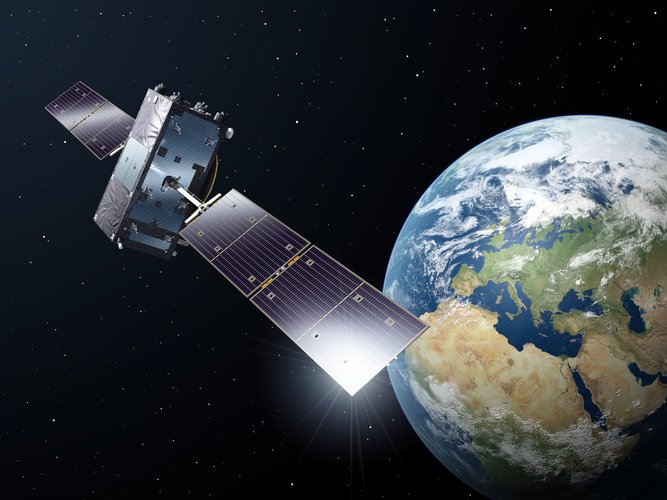
Homer’s The Odyssey chronicles Odysseus’s journey home to Ithaca after the Trojan War. A distance of approximately 530 km as the crow flies, yet it takes Odysseus ten years and countless adventures to arrive—without his crew or his boat. What could Odysseus’s journey have looked like if he had modern-day satellite navigation systems, such as Galileo, at his disposal?