











zprávy
zdroje zpráv:rada/odborný rada v oddělení právních vztahů k nemovitostem
15.5.2018 15:17 ČÚZK - předpisy a opatření Katastrální úřad pro Středočeský kraj - Katastrální pracoviště Rakovníkvypisuje výběrové řízení na místo rada/odborný rada v oddělení právních vztahů k nemovitostem
rada/odborný rada v oddělení právních vztahů k nemovitostem
Intermap Technologies Reports 2018 First Quarter Financial Results
15.5.2018 14:59 GISCafe.com Webcasts-Webinars DENVER, May 14, 2018 — (PRNewswire) — (TSX: IMP) (ITMSF:BB) – Intermap Technologies Corporation ("Intermap" or the "Company") …New Online Resource Gives Hundreds of U.S. Cities Access to Key Neighborhood-Level Health Data to Create Thriving Communities
15.5.2018 14:59 GISCafe.com Webcasts-Webinars Data reveal disparities in school attendance, income inequality, and other drivers of health within and across citiesNEW YORK, May 15, 2018 — …
Unboxing Galileo
15.5.2018 14:04 ESA Navigation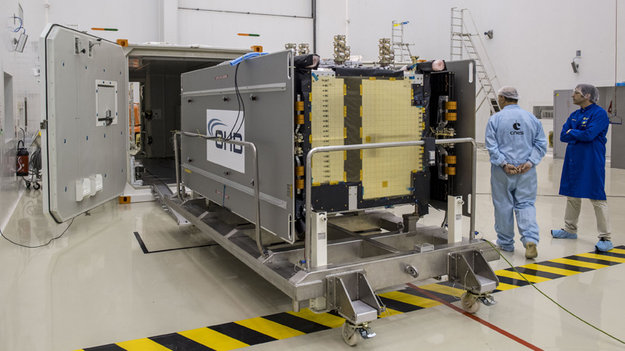
Galileo satellites 23 & 24 being unboxed in the Satellite Preparation Building after their 4 May 2018 arrival at Europe's Spaceport in Kourou, French Guiana
20180515 - Problémy s přenosem změn do RÚIAN
15.5.2018 10:39 ČÚZK - předpisy a opatření Důležité sdělení:V pátek odpoledne 11. 5. 2018 došlo k zablokování komunikačních front z ISÚI/ISKN do RÚIAN. Intenzivně pracujeme na odstranění technických problémů. V důsledku zablokované fronty nedochází k přenosu změn z ISÚI/ISKN do RÚIAN/VDP. Omlouváme se za případné komplikace.
20180515 - Problémy s přenosem změn do RÚIAN
15.5.2018 10:39 ČÚZK /Uvod/Produkty-a-sluzby/RUIAN/RUIAN-novinky/2018/20180515-Problemy-s-prenosem-zmen-do-RUIANGSA showcases EGNOS at Aero 2018
15.5.2018 9:58 European GNSS Agency
AERO 2018 brought aviation industry stakeholders from Europe and across the world to Friedrichshafen, Germany, in April. At the event, the European GNSS Agency (GSA) showcased the benefits of EGNOS, with a particular focus on its safety benefits for general aviation.
The GSA is working with the European Aviation Safety Agency (EASA) to enable LPV approaches at non-instrument runways, and this work includes holding consultations with aviation stakeholders and preparing safety promotional materials for the general aviation community. This was underlined by the GSA Market Development Team during a specific workshop highlighting the funding opportunities for general aviation.
Noting that EASA had set the introduction of instrument flight rules (IFR) procedures as one of its strategic objectives, GSA Aviation Market Development Innovation Officer Katerina Strelcova said that this objective was being supported by EGNOS, which was enabling a large number of airports to increase their accessibility through GNSS-based IFR procedures. This was previously only possible using very expensive ground-based equipment such as instrument landing systems (ILS).
In turn, “EASA sees significant potential for EGNOS based procedures to increase general aviation safety,” said Dominique Roland from EASA.
Watch this: EGNOS in Aviation - LPV-200 lands in Europe
Strelcova stressed that most general aviation aircraft models are already LPV capable and, for many others, there are retrofit solutions available, which will allow them to take advantage of the fact that over 500 EGNOS-based procedures are operational at European airports.

AERO 2018 visitors were able to check out the benefits of EGNOS for themselves, in an ALSIM AL250 simulator.
It wasn’t all talk at AERO 2018 - visitors to the air show had the opportunity to check out the benefits of EGNOS for general aviation for themselves, by flying with EGNOS in a simulator, very popular element of the GSA stand.
Aviation Grant Programme
As part of her presentation, Strelcova highlighted funding opportunities available under the GSA’s 3rd aviation call for proposals, which aims to promote EGNOS operational implementation in aviation. This call targets, among other objectives, the design and operational implementation of EGNOS-based low level IFR routes at various European airports.
Read this: 3rd Call for EGNOS adoption in aviation, want to be part of it?
This call is targeting all aviation segments: general, regional, business, commercial aviation and rotorcraft users interested in EGNOS operational implementation. The objective of the call is to foster the use of EGNOS for navigation and surveillance applications, increase network effect and maximise public benefits.
3rd EGNOS Aviation Call – At a Glance
|
If you are interested in this call for proposals and have a question you would like answered, you can send it to: gnss.grants@gsa.europa.eu. For more detailed information on the call, check here.
Media note: This feature can be republished without charge provided the European GNSS Agency (GSA) is acknowledged as the source at the top or the bottom of the story. You must request permission before you use any of the photographs on the site. If you republish, we would be grateful if you could link back to the GSA website (http://www.gsa.europa.eu).
GSA showcases EGNOS at Aero 2018
15.5.2018 9:58 European GNSS AgencyAERO 2018 brought aviation industry stakeholders from Europe and across the world to Friedrichshafen, Germany, in April. At the event, the European GNSS Agency (GSA) showcased the benefits of EGNOS, with a particular focus on its safety benefits for general aviation.
The GSA is working with the European Aviation Safety Agency (EASA) to enable LPV approaches at non-instrument runways, and this work includes holding consultations with aviation stakeholders and preparing safety promotional materials for the general aviation community. This was underlined by the GSA Market Development Team during a specific workshop highlighting the funding opportunities for general aviation.
Noting that EASA had set the introduction of instrument flight rules (IFR) procedures as one of its strategic objectives, GSA Aviation Market Development Innovation Officer Katerina Strelcova said that this objective was being supported by EGNOS, which was enabling a large number of airports to increase their accessibility through GNSS-based IFR procedures. This was previously only possible using very expensive ground-based equipment such as instrument landing systems (ILS).
In turn, “EASA sees significant potential for EGNOS based procedures to increase general aviation safety,” said Dominique Roland from EASA.
Watch this: EGNOS in Aviation - LPV-200 lands in Europe
Strelcova stressed that most general aviation aircraft models are already LPV capable and, for many others, there are retrofit solutions available, which will allow them to take advantage of the fact that over 500 EGNOS-based procedures are operational at European airports.
AERO 2018 visitors were able to check out the benefits of EGNOS for themselves.
It wasn’t all talk at AERO 2018 - visitors to the air show had the opportunity to check out the benefits of EGNOS for general aviation for themselves, by flying with EGNOS in a simulator, very popular element of the GSA stand.
Aviation Grant Programme
As part of her presentation, Strelcova highlighted funding opportunities available under the GSA’s 3rd aviation call for proposals, which aims to promote EGNOS operational implementation in aviation. This call targets, among other objectives, the design and operational implementation of EGNOS-based low level IFR routes at various European airports.
Read this: 3rd Call for EGNOS adoption in aviation, want to be part of it?
This call is targeting all aviation segments: general, regional, business, commercial aviation and rotorcraft users interested in EGNOS operational implementation. The objective of the call is to foster the use of EGNOS for navigation and surveillance applications, increase network effect and maximise public benefits.
3rd EGNOS Aviation Call – At a Glance
|
If you are interested in this call for proposals and have a question you would like answered, you can send it to: gnss.grants@gsa.europa.eu. For more detailed information on the call, check here.
Media note: This feature can be republished without charge provided the European GNSS Agency (GSA) is acknowledged as the source at the top or the bottom of the story. You must request permission before you use any of the photographs on the site. If you republish, we would be grateful if you could link back to the GSA website (http://www.gsa.europa.eu).
GSA showcases EGNOS at Aero 2018
15.5.2018 9:58 European GNSS AgencyAERO 2018 brought aviation industry stakeholders from Europe and across the world to Friedrichshafen, Germany, in April. At the event, the European GNSS Agency (GSA) showcased the benefits of EGNOS, with a particular focus on its safety benefits for general aviation.
The GSA is working with the European Aviation Safety Agency (EASA) to enable LPV approaches at non-instrument runways, adding that this work included holding consultations with aviation stakeholders and preparing safety promotional materials for the general aviation community. This has been underlined by the GSA Market Development Team during a specific workshop highlighting the funding opportunities for General aviation.
Noting that EASA had set the introduction of instrument flight rules (IFR) procedures as one of its strategic objectives, Strelcova, GSA officer, said that this objective was being supported by EGNOS, which was enabling a large number of airports to increase their accessibility through GNSS-based IFR procedures. This was previously only possible using very expensive ground-based equipment such as instrument landing systems (ILS).
In turn, “EASA sees significant potential for EGNOS based procedures to increase general aviation safety.” said Dominique Roland from EASA.
Watch this: EGNOS in Aviation - LPV-200 lands in Europe
Strelcova stressed that most general aviation aircraft models are already LPV capable and, for many others, there are retrofit solutions available, which will allow them to take advantage of the fact that over 500 EGNOS-based procedures are operational at European airports.
AERO 2018 visitors were able to check out the benefits of EGNOS for themselves, in an ALSIM AL250 simulator.
It wasn’t all talk at AERO 2018 - visitors to the air show had the opportunity to check out the benefits of EGNOS for general aviation for themselves, by flying with EGNOS in a simulator, very popular element of the GSA stand.
Aviation Grant Programme
As part of her presentation, Strelcova highlighted funding opportunities available under the GSA’s 3rd aviation call for proposals, which aims to promote EGNOS operational implementation in aviation. This call targets, among other objectives, the design and operational implementation of EGNOS-based low level IFR routes at various European airports.
Read this: 3rd Call for EGNOS adoption in aviation, want to be part of it?
This call is targeting all aviation segments: general, regional, business, commercial aviation and rotorcraft users interested in EGNOS operational implementation. The objective of the call is to foster the use of EGNOS for navigation and surveillance applications, increase network effect and maximise public benefits.
3rd EGNOS Aviation Call – At a Glance
|
If you are interested in this call for proposals and have a question you would like answered, you can send it to: gnss.grants@gsa.europa.eu. For more detailed information on the call, check here.
Media note: This feature can be republished without charge provided the European GNSS Agency (GSA) is acknowledged as the source at the top or the bottom of the story. You must request permission before you use any of the photographs on the site. If you republish, we would be grateful if you could link back to the GSA website (http://www.gsa.europa.eu).
Orbit GT releases 18.1.2 upgrade 3D Mapping Feature Extraction portfolio
15.5.2018 9:17 GISCafe.com Webcasts-Webinars Orbit GT releases 3D Mapping Feature Extraction portfolio version 18.1.2.Lokeren, Belgium, May 9th, 2018 - “I’m happy to announce …
Verze 13.52 ke stažení
15.5.2018 9:00 GEPROZveřejnili jsme verz1 13.52 našich produktů MISYS, MISYS-WEB a KOKEŠ.
Stahovat je můžete z obvyklého umístění na našem download serveru:
… >>Verze 13.52 ke stažení
15.5.2018 9:00 GEPROZveřejnili jsme verz1 13.52 našich produktů MISYS, MISYS-WEB a KOKEŠ.
Stahovat je můžete z obvyklého umístění na našem download serveru:
… >>Verze 13.52 ke stažení
15.5.2018 9:00 GEPROZveřejnili jsme verz1 13.52 našich produktů MISYS, MISYS-WEB a KOKEŠ.
Stahovat je můžete z obvyklého umístění na našem download serveru:
… >>Verze 13.52 ke stažení
15.5.2018 9:00 GEPROZveřejnili jsme verz1 13.52 našich produktů MISYS, MISYS-WEB a KOKEŠ.
Stahovat je můžete z obvyklého umístění na našem download serveru:
… >>Interview with Steve Fleming Professor at USC at 2018 GeoINT
15.5.2018 9:00 GISCafe.com Webcasts-WebinarsMorava nově zakreslená aneb Komenského mapa Moravy, co bylo před ní a po ní
15.5.2018 7:08 Zeměměřič Muzeum Komenského v Přerově představuje staré mapy od roku 1569, kdy vznikla první samostatná mapa Moravy, až do konce 18. století, kdy se mapování stalo doménou státu. Muzeum výstavu pořádá k 130. výročí svého vzniku.VARS BRNO a.s. podepsalo smlouvu s ŘSD ČR na systém pro zjišťování dynamiky dopravních proudů v ČR
15.5.2018 2:00 VARS.cz
Using BIM to define criticality, vulnerability, and risk
15.5.2018 2:00 Bentley SystemsPress Coverage
BIM Today, UK
Read the articleSpolečnost VARS BRNO a.s. podepsala smlouvu s ŘSD ČR na systém pro zjišťování dynamiky dopravních proudů v ČR
15.5.2018 2:00 VARS.cz
Using BIM to define criticality, vulnerability, and risk
15.5.2018 2:00 Bentley SystemsPress Coverage
BIM Today, UK
Read the articleSpolečnost VARS BRNO a.s. podepsala smlouvu s ŘSD ČR na systém pro zjišťování dynamiky dopravních proudů v ČR
15.5.2018 2:00 VARS.cz
Žulová stezka Horkami (AR)
15.5.2018 2:00 Cenia - Katalog metadat ČR - INSPIRE Mobilní aplikace s rozšířenou realitou (AR) sloužící k popularizaci vědy. Ćtyři rozšířené reality umožňují nahlédnout do období největšího rozmachu těžby žuly na Skutečsku (období první republiky). Aplikace je vytvořena k použití na trase naučné stezky "Žulová stezka Horkami". Vizualizuje podobu původního muničního skladu a polní drážky, vypuštění zatopeného Andrusivova lomu a počátky těžby stále činného lomu Litická.Konference o Pythonu bude začátkem června
14.5.2018 23:41 GeoBusiness V Praze se uskuteční další ročník konference, věnované oblíbenému programovacímu jazyku Python. Akce s názvem PyCon CZ 2018 Prague se koná ve dnech 1. až 3. ... PřečístKonference o Pythonu již začátkem června
14.5.2018 23:41 GeoBusiness V Praze se uskuteční další ročník konference, věnované oblíbenému programovacímu jazyku Python. Akce s názvem PyCon CZ 2018 Prague se koná ve dnech 1. až 3. ... PřečístPennsylvania American Water Unveils Interactive Map to Spotlight Pipeline Projects
14.5.2018 21:42 GISCafe.com Webcasts-Webinars Interactive map details where 2018 pipeline upgrades are occurringand more
HERSHEY, Pa. — (BUSINESS WIRE) — May 14, 2018 …
Carlson Software Unveils Carlson PhotoCapture
14.5.2018 20:58 Carlson Software MAYSVILLE, Kentucky, U.S.A. (April 2018) — New from Carlson Software is Carlson PhotoCapture, introduced at the 2018 Carlson ‘Go West’ User Conference in San Diego, California, USA. PhotoCapture is the first cloud-based standalone product and photogrammetry solution offered on the Carlson product line. This new service gives users the ability to generate interactive 3D maps […]
20180514-VŘ Asistent/ka
14.5.2018 16:44 ČÚZK - předpisy a opatření Český úřad zeměměřický a katastrální zveřejnil novou aktualitu: Oznámení o vyhlášení výběrového řízení na služební místo Asistent / Asistentka.Asistent / Asistentka
14.5.2018 16:36 ČÚZK - volná místa Český úřad zeměměřický a katastrální vypisuje výběrové řízení na místo Asistent / AsistentkaAsistent / Asistentka
14.5.2018 16:36 ČÚZK /Urady/Cesky-urad-zememericky-a-katastralni/Volna-mista/Asistent-AsistentkaAsistent / Asistentka
14.5.2018 16:36 ČÚZK - předpisy a opatření Český úřad zeměměřický a katastrálnívypisuje výběrové řízení na místo
Asistent / Asistentka
The Duck Creek Anywhere Ecosystem Expands with Enhanced Content Exchange and New Collection of Anywhere Enabled Integrations
14.5.2018 16:20 GISCafe.com Webcasts-Webinars The P&C insurance solutions leader offers carriers easier access tonew services and capabilities, and the opportunity to engage with a
…
HP Accelerates Innovation with Stunning Lineup of Premium PCs
14.5.2018 16:18 GISCafe.com Webcasts-Webinars PALO ALTO, Calif., May 14, 2018 (GLOBE NEWSWIRE) -- HP Inc. today unveiled a bold new lineup of premium notebooks, desktops and displays designed …Fortress UAV Will Host Drone Day Event with DJI, CyPhy Works, Intel and Yuneec
14.5.2018 16:18 GISCafe.com Webcasts-Webinars PLANO, Texas, May 14, 2018 — (PRNewswire) — Fortress UAV will host an inaugural Drone Day event at the Plano, Texas headquarters …20180514-VŘ Ředitel Katastrálního úřadu pro Středočeský kraj
14.5.2018 15:51 ČÚZK - předpisy a opatření Český úřad zeměměřický a katastrální zveřejnil novou aktualitu: Oznámení o vyhlášení výběrového řízení na služební místo Ředitel Katastrálního úřadu pro Středočeský kraj.20180514-VŘ Ředitel Katastrálního úřadu pro Středočeský kraj
14.5.2018 15:51 ČÚZK /Aktuality-resort/2018/20180514-VR-Reditel-Katastralniho-uradu-pro-StredoCrafting a Geospatial Toolset for your Business
14.5.2018 15:37 Bentley SystemsPress Coverage
Point of Beginning, USA
Read the article20180514-VŘ Pověřenec pro ochranu osobních údajů
14.5.2018 15:32 ČÚZK /Aktuality-resort/2018/20180514-VR-Poverenec-pro-ochranu-osobnich-udaju20180514-VŘ Pověřenec pro ochranu osobních údajů
14.5.2018 15:32 ČÚZK - předpisy a opatření Český úřad zeměměřický a katastrální zveřejnil novou aktualitu: Oznámení o vyhlášení výběrového řízení na služební místo Pověřenec pro ochranu osobních údajů.20180514 odborný referent - obnova katastrálního operátu
14.5.2018 15:31 ČÚZK - předpisy a opatření Katastrální úřad pro Středočeský kraj zveřejnil novou aktualitu: odborný referent - obnova katastrálního operátu V části "Úřední deska", v sekci "Oznámení a jiná úřední sdělení" bylo vystaveno "Oznámení o vyhlášení výběrového řízení na obsazení systemizovaného místa odborný referent - obnova katastrálního operátu"20180514 odborný referent - obnova katastrálního operátu
14.5.2018 15:31 ČÚZK /Urady/Katastralni-urady/Katastralni-urady/Katastralni-urad-pro-Stredocesky-kraj/O-uradu/Aktuality/20180223-Nabidka-tri-pracovnich-pozic-v-odboru-(7)Ředitel Katastrálního úřadu pro Středočeský kraj
14.5.2018 15:16 ČÚZK - volná místa Katastrální úřad pro Středočeský kraj vypisuje výběrové řízení na místo Ředitel Katastrálního úřadu pro Středočeský krajŘeditel Katastrálního úřadu pro Středočeský kraj
14.5.2018 15:16 ČÚZK - předpisy a opatření Katastrální úřad pro Středočeský krajvypisuje výběrové řízení na místo
Ředitel Katastrálního úřadu pro Středočeský kraj
Ředitel Katastrálního úřadu pro Středočeský kraj
14.5.2018 15:16 ČÚZK /Urady/Cesky-urad-zememericky-a-katastralni/Uredni-deska/Oznameni-a-jina-uredni-sdeleni/Volna-mista/Reditel-Katastralniho-uradu-pro-Stredocesky-krajA must-attend event for senior technology executives
14.5.2018 15:11 Bentley SystemsPress Coverage
Infrastructure Intelligence, UK
Read the articleodborný referent - obnova katastrálního operátu
14.5.2018 15:02 ČÚZK /Urady/Katastralni-urady/Katastralni-urady/Katastralni-urad-pro-Stredocesky-kraj/Volna-mista/odborny-referent-obnova-katastralniho-operatu-(2odborný referent - obnova katastrálního operátu
14.5.2018 15:02 ČÚZK - předpisy a opatření Katastrální úřad pro Středočeský kraj - technická sekcevypisuje výběrové řízení na místo odborný referent - obnova katastrálního operátu
odborný referent - obnova katastrálního operátu
odborný referent - obnova katastrálního operátu
14.5.2018 15:02 ČÚZK - volná místa Katastrální úřad pro Středočeský kraj - technická sekce vypisuje výběrové řízení na místo odborný referent - obnova katastrálního operátu20180514 vrchní referent/rada - obnova katastrálního operátu
14.5.2018 15:00 ČÚZK /Urady/Katastralni-urady/Katastralni-urady/Katastralni-urad-pro-Stredocesky-kraj/O-uradu/Aktuality/20180223-Nabidka-tri-pracovnich-pozic-v-odboru-(6)20180514 vrchní referent/rada - obnova katastrálního operátu
14.5.2018 15:00 ČÚZK - předpisy a opatření Katastrální úřad pro Středočeský kraj zveřejnil novou aktualitu: vrchní referent/rada - obnova katastrálního operátu V části "Úřední deska", v sekci "Oznámení a jiná úřední sdělení" bylo vystaveno "Oznámení o vyhlášení výběrového řízení na obsazení systemizovaného místa vrchní referent/rada - obnova katastrálního operátu"Pověřenec pro ochranu osobních údajů
14.5.2018 14:59 ČÚZK - volná místa Český úřad zeměměřický a katastrální vypisuje výběrové řízení na místo Pověřenec pro ochranu osobních údajůPověřenec pro ochranu osobních údajů
14.5.2018 14:59 ČÚZK - předpisy a opatření Český úřad zeměměřický a katastrálnívypisuje výběrové řízení na místo
Pověřenec pro ochranu osobních údajů
Pověřenec pro ochranu osobních údajů
14.5.2018 14:59 ČÚZK /Urady/Cesky-urad-zememericky-a-katastralni/Uredni-deska/Oznameni-a-jina-uredni-sdeleni/Volna-mista/Poverenec-pro-ochranu-osobnich-udajuvrchní referent/rada - obnova katastrálního operátu
14.5.2018 14:59 ČÚZK - volná místa Katastrální úřad pro Středočeský kraj - technická sekce vypisuje výběrové řízení na místo vrchní referent/rada - obnova katastrálního operátuvrchní referent/rada - obnova katastrálního operátu
14.5.2018 14:59 ČÚZK /Urady/Katastralni-urady/Katastralni-urady/Katastralni-urad-pro-Stredocesky-kraj/Volna-mista/vrchni-referent-rada-obnova-katastralniho-operatvrchní referent/rada - obnova katastrálního operátu
14.5.2018 14:59 ČÚZK - předpisy a opatření Katastrální úřad pro Středočeský kraj - technická sekcevypisuje výběrové řízení na místo vrchní referent/rada - obnova katastrálního operátu
vrchní referent/rada - obnova katastrálního operátu
20180514 odborný rada - obnova katastrálního operátu
14.5.2018 14:57 ČÚZK /Urady/Katastralni-urady/Katastralni-urady/Katastralni-urad-pro-Stredocesky-kraj/O-uradu/Aktuality/20180223-Nabidka-tri-pracovnich-pozic-v-odboru-(5)20180514 odborný rada - obnova katastrálního operátu
14.5.2018 14:57 ČÚZK - předpisy a opatření Katastrální úřad pro Středočeský kraj zveřejnil novou aktualitu: odborný rada - obnova katastrálního operátu V části "Úřední deska", v sekci "Oznámení a jiná úřední sdělení" bylo vystaveno "Oznámení o vyhlášení výběrového řízení na obsazení systemizovaného místa odborný rada - obnova katastrálního operátu"odborný rada - obnova katastrálního operátu
14.5.2018 14:52 ČÚZK /Urady/Katastralni-urady/Katastralni-urady/Katastralni-urad-pro-Stredocesky-kraj/Volna-mista/odborny-rada-obnova-katastralniho-operatu-(2)odborný rada - obnova katastrálního operátu
14.5.2018 14:52 ČÚZK - předpisy a opatření Katastrální úřad pro Středočeský kraj - technická sekcevypisuje výběrové řízení na místo odborný rada - obnova katastrálního operátu
odborný rada - obnova katastrálního operátu
odborný rada - obnova katastrálního operátu
14.5.2018 14:52 ČÚZK - volná místa Katastrální úřad pro Středočeský kraj - technická sekce vypisuje výběrové řízení na místo odborný rada - obnova katastrálního operátuAktualizace katastrálních map
14.5.2018 14:50 Plzeňský kraj Ve všech mapových službách byla provedena aktualizace vektorových katastrálních map (DKM, KMD, KM-D a ÚKM). Data jsou s platností k 1. 4. 2018. Stav digitalizace je k dispozici zde. Pro práci s daty katastru nemovitostí je možné například využít tuto mapovou službu. Seznam všech mapových služeb je k dispozici zde.Navštivte do 16. 9. 2018 výstavu map Komenského v Přerově
14.5.2018 13:09 Česká kartografická společnost Muzeum Komenského v Přerově Vás pořádá výstavu Morava nově zakreslená: Komenského mapa Moravy, co bylo před ní a po ní. Výstava probíhá ve spolupráci Muzea Komenského v Přerově, Geografického ústavu Přírodovědecké fakulty Masarykovy univerzity a Mendelovým muzeem Masarykovy univerzity. Výstavu je možné navštívit až do 16.9. 2018.Odborný/vrchní referent v technickém odboru
14.5.2018 12:57 ČÚZK - předpisy a opatření Katastrální úřad pro Liberecký krajvypisuje výběrové řízení na místo
Odborný/vrchní referent v technickém odboru
Odborný/vrchní referent v technickém odboru
14.5.2018 12:57 ČÚZK /Urady/Katastralni-urady/Katastralni-urady/Katastralni-urad-pro-Liberecky-kraj/Uredni-deska/Oznameni-a-jina-uredni-sdeleni/Volna-mista/Odborny-vrchni-referent-v-technickem-odboruOdborný/vrchní referent v technickém odboru
14.5.2018 12:57 ČÚZK - volná místa Katastrální úřad pro Liberecký kraj vypisuje výběrové řízení na místo Odborný/vrchní referent v technickém odboruProběhlo slavnostní předání diplomů Mapa roku 2017
14.5.2018 12:51 Česká kartografická společnost Česká kartografická společnost v letošním roce uspořádala jubilejní 20. ročník soutěže Mapa roku. Odborná komise zhodnotila přihlášená kartografická díla vydaná na území České republiky v roce 2017 a určila nominace a vítěze v jednotlivých kategoriích. Slavnostní vyhlášení výsledků soutěže proběhlo ve čtvrtek 10. května 2018 od 13 hodin v Literárním sále Průmyslového paláce na Výstavišti Praha v rámci veletrhu […]Inspirujte svou prací ostatní
14.5.2018 12:49 ARCDATAJiž nyní spouštíme přípravy listopadové Konference GIS Esri v ČR a hledáme zajímavé a inspirativní projekty. Budeme rádi, pokud nám pošlete ukázky své práce, které využijeme nejen při tvorbě úvodní prezentace, ale i pro naše webové stránky a další materiály.
Chcete-li své projekty představit českým uživatelům, neváhejte a pošlete je na e-mailovou adresu bsebestova@arcdata.cz.
Již v pátek 18. května je konečný termín pro zaslání obrázků do prezentace Jacka Dangermonda na uživatelskou konferenci v San Diegu. Chcete-li se pochlubit také v celosvětovém měřítku, stačí odeslat obrázky přes webový formulář.

Oslavy 100. výročí vzniku Geografické služby AČR
14.5.2018 12:47 Česká kartografická společnost Náčelník geografické služby AČR pořádá ve dnech 23.–24. května 2018 v Dobrušce oslavy 100. výročí geografické služby AČR. Akce se zúčastní významní hosté z České republiky i ze zahraničí. Organizačním zabezpečením a realizací doprovodných akcí byl pověřen Vojenský geografický a hydrometeorologický úřad a Sdružení přátel vojenské zeměpisné a povětrnostní služby. V rámci oslav probíhá od […]odborný referent/vrchní referent – kontrola aktualizace
14.5.2018 12:44 ČÚZK /Urady/Katastralni-urady/Katastralni-urady/Katastralni-urad-pro-Olomoucky-kraj/Uredni-deska/Oznameni-a-jina-uredni-sdeleni/Volna-mista/odborny-referent-vrchni-referent-–-kontrola-aktualodborný referent/vrchní referent – kontrola aktualizace
14.5.2018 12:44 ČÚZK - volná místa Katastrální úřad pro Olomoucký kraj - Katastrální pracoviště Šumperk vypisuje výběrové řízení na místo odborný referent/vrchní referent – kontrola aktualizaceodborný referent/vrchní referent – kontrola aktualizace
14.5.2018 12:44 ČÚZK - předpisy a opatření Katastrální úřad pro Olomoucký kraj - Katastrální pracoviště Šumperkvypisuje výběrové řízení na místo
odborný referent/vrchní referent – kontrola aktualizace
Hledá se nejperspektivnější aplikace systému Galileo - Soutěž ESNC 2018
14.5.2018 12:39 Český Kosmický PortálAž do 31. července 2018 probíhá již patnáctý ročník mezinárodní soutěže o nové nápady na komerční aplikace systémů družicové navigace - European Satellite Navigation Competition (ESNC). Soutěž, kterou již tradičně pořádá německé Anwendungszentrum GmbH Oberpfaffenhofen (AZO) letos nabídne ceny ve více než 20 kategoriích o celkové hodnotě přes 1 milion EUR.
Hledá se nejperspektivnější aplikace systému Galileo - Soutěž ESNC 2018
14.5.2018 12:39 Český Kosmický PortálAž do 30. července 2018 probíhá již patnáctý ročník mezinárodní soutěže o nové nápady na komerční aplikace systémů družicové navigace - European Satellite Navigation Competition (ESNC). Soutěž, kterou již tradičně pořádá německé Anwendungszentrum GmbH Oberpfaffenhofen (AZO) letos nabídne ceny ve více než 20 kategoriích o celkové hodnotě přes 1 milion EUR.
Soutěž o nejperspektivnější aplikace systému Galileo - ESNC 2018
14.5.2018 12:39 Český Kosmický PortálAž do 30. července 2018 probíhá již patnáctý ročník mezinárodní soutěže o nové nápady na komerční aplikace systémů družicové navigace - European Satellite Navigation Competition (ESNC). Soutěž, kterou již tradičně pořádá německé Anwendungszentrum GmbH Oberpfaffenhofen (AZO) letos nabídne ceny ve více než 20 kategoriích o celkové hodnotě přes 1 milion EUR.
Hledá se nejperspektivnější aplikace systému Galileo - Soutěž ESNC 2018
14.5.2018 12:39 Český Kosmický PortálAž do 30. července 2018 probíhá již patnáctý ročník mezinárodní soutěže o nové nápady na komerční aplikace systémů družicové navigace - European Satellite Navigation Competition (ESNC). Soutěž, kterou již tradičně pořádá německé Anwendungszentrum GmbH Oberpfaffenhofen (AZO) letos nabídne ceny ve více než 20 kategoriích o celkové hodnotě přes 1 milion EUR.
20180514 - Nová kontrola v Aplikaci pro kontroly dat RÚIAN
14.5.2018 11:43 ČÚZK /Uvod/Produkty-a-sluzby/RUIAN/RUIAN-novinky/2018/20180514-Nova-kontrola-v-Aplikaci-pro-kontroly-d20180514 - Nová kontrola v Aplikaci pro kontroly dat RÚIAN
14.5.2018 11:43 ČÚZK /Uvod/Produkty-a-sluzby/RUIAN/RUIAN-novinky/2018/20180514-Nova-kontrola-v-Aplikaci-pro-kontroly-d20180514 - Nová kontrola v Aplikaci pro kontroly dat RÚIAN
14.5.2018 11:43 ČÚZK - předpisy a opatření V Aplikaci pro kontroly dat RÚIAN byla doplněna nová kontrola "9. Chybějící TEA u SO".20180514 - Nová kontrola v Aplikaci pro kontroly dat RÚIAN
14.5.2018 11:43 ČÚZK - předpisy a opatření V Aplikaci pro kontroly dat RÚIAN byla doplněna nová kontrola "9. Chybějící TEA u SO".odborný referent/vrchní referent v personálním oddělení
14.5.2018 10:38 ČÚZK /Urady/Katastralni-urady/Katastralni-urady/Katastralni-urad-pro-Vysocinu/O-uradu/Aktuality/odborny-referent-vrchni-referent-v-personalnim-oddodborný referent/vrchní referent v personálním oddělení
14.5.2018 10:38 ČÚZK - předpisy a opatření Katastrální úřad pro Vysočinu zveřejnil novou aktualitu: Oznámení o vyhlášení výběrového řízení na služební místo odborný referent/vrchní referent v personálním oddělení Kanceláře ředitele katastrálního úřadu.Oznámení o vyhlášení výběrového řízení na služební místo odborný referent/vrchní referent v personálním oddělení Kanceláře ředitele katastrálního úřadu na Katastrálním úřadu pro Vysočinu, místo výkonu služby Jihlava, více zde.
odborný referent/vrchní referent v personálním oddělení Kanceláře ředitele katastrálního úřadu na Ka
14.5.2018 10:30 ČÚZK - předpisy a opatření Katastrální úřad pro Vysočinuvypisuje výběrové řízení na místo odborný referent/vrchní referent v personálním oddělení Kanceláře ředitele katastrálního úřadu na Katastrálním úřadu pro Vysočinu
odborný referent/vrchní referent v personálním oddělení Kanceláře ředitele katastrálního úřadu na Katastrálním úřadu pro Vysočinu.
odborný referent/vrchní referent v personálním oddělení Kanceláře ředitele katastrálního úřadu na Ka
14.5.2018 10:30 ČÚZK /Urady/Katastralni-urady/Katastralni-urady/Katastralni-urad-pro-Vysocinu/Uredni-deska/Oznameni-a-jina-uredni-sdeleni/Volna-mista/odborny-referent-vrchni-referent-v-personalnim-oddodborný referent/vrchní referent v personálním oddělení Kanceláře ředitele katastrálního úřadu na Ka
14.5.2018 10:30 ČÚZK - volná místa Katastrální úřad pro Vysočinu vypisuje výběrové řízení na místo odborný referent/vrchní referent v personálním oddělení Kanceláře ředitele katastrálního úřadu na KaESA a Vatikán spolupracují na ochraně historických dat
14.5.2018 9:03 Český Kosmický PortálPo dohodě podepsané v roce 2016 ESA a Vatikánská apoštolská knihovna představily předběžné výsledky toho, jak používají stejné metody řízení projektů dlouhodobé ochrany dat a jak toto může vést ke vzniku nových iniciativ.
Interview with George Bara, Chief Strategy Officer & Co-founder of Zettacloud at GeoINT 201
14.5.2018 9:00 GISCafe.com Webcasts-WebinarsFirst KiboCUBE satellite deployed from the International Space Station
14.5.2018 9:00 GISCafe.com Webcasts-Webinars VIENNA, 11 May (United Nations Information Service) — The first cube satellite (CubeSat) developed under the KiboCUBE programme of the …Rozpočet úřadu za rok 2018 po 4.ROP
14.5.2018 8:28 ČÚZK /Urady/Katastralni-urady/Katastralni-urady/Katastralni-urad-pro-Jihocesky-kraj/Rozpocet/Rozpocet-uradu-za-rok-2018-po-4-ROPRozpočet úřadu za rok 2018 po 4.ROP
14.5.2018 8:28 ČÚZK - předpisy a opatření Katastrální úřad pro Jihočeský krajvystavuje rozpočet úřadu za rok
2018
Přihlaste se do soutěže ESNC
14.5.2018 7:00 Česká asociace pro geoinformace15. ročník mezinárodní soutěže nových nápadů na komerční aplikace systémů družice navigace (ESNC - European Satellite Navigation Competition) letos nabízí ceny ve více než dvou desítkách kategorií v hodnotě přes 1 milion EUR.
Přihlásit se do 30. července mohou začínající i zavedené soukromé firmy, zapálení jednotlivci, studenti či čerství absolventi
7. uživatelské fórum Copernicus
14.5.2018 7:00 Česká asociace pro geoinformaceMinisterstvo životního prostředí ČR ve spolupráci s Ministerstvem dopravy ČR a ESA BIC Prague pořádají ve dnech 7. a 8. června 2018 v Praze (budova Agentury pro evropský GNSS) sedmý ročník českého uživatelského fóra Copernicus.
Zaměření letošního ročníku je na In situ data v DPZ a to zejména:
využití družicových a In situ dat v pozorování Země, jejich
Jaro v Olomouci aneb jaké bylo ICA spring 2018
14.5.2018 6:42 GISportal.cz
Ve dnech 27. – 30. dubna 2018 se v Olomouci na půdě Katedry geoinformatiky Univerzity Palackého v Olomouci konal pod záštitou Mezinárodní kartografické asociace ICA Joint Workshop ATLASES–CONITION–USABILITY. Na organizaci se podílely tři odborné komise ICA, a to Commission on Atlases, Commission on Cognitive Issues in Geographic Information Visualization a Commission on Use, User and Usability Issues. […]
The post Jaro v Olomouci aneb jaké bylo ICA spring 2018 appeared first on GISportal.cz.
INSPIRE služba transformace souřadnic WCTS
14.5.2018 2:00 Cenia - Katalog metadat ČR - INSPIRE INSPIRE služba transformace souřadnic WCTS je on-line služba, která umožňuje převádět digitální geoprostorová data mezi souřadnicovými referenčními systémy S-JTSK, S-JTSK/05 a ETRS89, včetně transformace výšek mezi systémy ETRS89 (GRS80) a Bpv. Zároveň služba umožňuje transformace mezi souřadnicovými referenčními systémy stanovenými směrnicí INSPIRE: ETRS89-LAEA, ETRS89-LCC, ETRS89-TM33 a ETRS89-TM34, a to včetně transformace výšek v systému EVRS. Do služby byla zařazena transformační knihovna ETJTZU 2018 (instalační verze 2017-12-20) vytvořená Zeměměřickým úřadem, která je schválena ČÚZK pro transformaci z ETRS89 (ETRF2000) do S-JTSK. Chyba transformace mezi systémy S-JTSK a ETRS89 při použití služby dosahuje hodnoty mp = 0.036 m na celém území ČR. Poskytované operace jsou uvedeny ve vlastnostech služby (GetCapabilities). Službu je možné použít samostatně nebo jako součást dalších služeb a aplikací. Zájemcům o přepočty souřadnic je na stránkách Geoportálu ČÚZK zpřístupněn klient služby - aplikace Transformace souřadnic. Služba splňuje technické pokyny pro INSPIRE služby transformace souřadnic v. 2.1 a zároveň splňuje standard OGC WCTS 0.4.0.FD - Oblasti s potenciálně významným povodňovým rizikem (APSFR)
14.5.2018 2:00 Cenia - Katalog metadat ČR - INSPIRE Oblasti s potenciálně významným povodňovým rizikem (Areas of Potential Significant Flood Risk, zkráceno „APSFR“), pro které budou dále zpracovávány mapy povodňového nebezpečí a rizik a plány pro zvládání povodňových rizik, byly identifikovány z pohledu rizika fluviálních povodní. Postup vymezení oblastí s potenciálně významným povodňovým rizikem je podrobně popsán v Návrhu metodiky předběžného vyhodnocení povodňových rizik v České republice (viz příloha č. 1 zprávy Předběžné vyhodnocení povodňových rizik v České republice 2011). Metodika je postavena na možných nepříznivých účincích budoucích povodní (podle čl. 4d Směrnice). Hlavními kritérii výběru byl počet trvale žijících osob a hodnota majetku dotčená teoretickou povodní s pravděpodobností výskytu 5, 20 a 100 let a to pro katastrální území jednotlivých obcí. Kvantitativní vyjádření hledisek předběžného vyhodnocení povodňového rizika bylo založeno na definici rizika, tj. kombinace pravděpodobnosti výskytu nežádoucího jevu (povodně, scénáře nebezpečí) a jeho nepříznivých dopadů na lidské zdraví, životní prostředí, kulturní dědictví a hospodářskou činnost. Tento přístup, který zohledňuje více scénářů nebezpečí, umožnil zahrnout do vyhodnocení i přínosy stávajících strukturálních protipovodňových opatření. Výsledné úseky vodních toků, které definují oblasti s potenciálně významným povodňovým rizikem, byly popsány číselným kódem se značkou povodí, říčním kilometrem, slovním vyjádřením vymezení úseku, názvem vodního toku a geografickými souřadnicemi."Esri’s Africa GeoPortal Provides Technology, Data and Training for Users" by Susan Smith
13.5.2018 11:04 GISCafe.com Webcasts-WebinarsPár družic Galileo dorazil před startem na kosmodrom
11.5.2018 17:05 Český Kosmický PortálDalší dvojice družic pro satelitní navigační systém Galileo dorazila na evropský kosmodrom v Kourou (stát Francouzská Guayana). Nyní projdou závěrečnou částí přípravy, která je nachystá k červencovému startu.
ParaZero Selected as UAS Safety Provider for Multiple UASIPP Teams
11.5.2018 15:40 GISCafe.com Webcasts-Webinars TEL AVIV, Israel, May 11, 2018 — (PRNewswire) — ParaZero is pleased to announce that it is a proud member of multiple selected UASIPP …CoreLogic President and CEO Frank Martell to Present at the Robert W. Baird Global Consumer, Technology & Services Conference
11.5.2018 15:40 GISCafe.com Webcasts-Webinars IRVINE, Calif. — (BUSINESS WIRE) — May 11, 2018 —CoreLogic® (NYSE: CLGX), a leading
global provider of property …
New view of Antarctica in 3D
11.5.2018 14:30 ESA Observing the Earth
Thanks to ESA’s CryoSat mission, a new map of Antarctica provides the most accurate 3D view ever of the continent’s vast ice sheet and floating ice shelves.
Zveřejnění obsahu informací poskytnutých na žádost dle zákona č. 106/1999 Sb. za rok 2018
11.5.2018 14:24 ČÚZK - předpisy a opatření Katastrální úřad pro Moravskoslezský krajzveřejňuje obsah informace poskytnutých na žádost dle zákona č. 106/1999 Sb. za rok
2018
Zveřejnění obsahu informací poskytnutých na žádost dle zákona č. 106/1999 Sb. za rok 2018
11.5.2018 14:24 ČÚZK /Urady/Katastralni-urady/Katastralni-urady/Katastralni-urad-pro-Moravskoslezsky-kraj/Casto-hledane-informace/Poskytovani-informaci-106-1999-Sb/Zverejneni-obsahu-informaci-poskytnutych-na-za-(1)/Zverejneni-obsahu-informaci-poskytnutych-na-zadostZveřejnění obsahu informací poskytnutých na žádost dle zákona č. 106/1999 Sb. za rok 2018
11.5.2018 14:24 ČÚZK /Urady/Katastralni-urady/Katastralni-urady/Katastralni-urad-pro-Moravskoslezsky-kraj/Casto-hledane-informace/Poskytovani-informaci-106-1999-Sb/Zverejneni-obsahu-informaci-poskytnutych-na-za-(1)/Zverejneni-obsahu-informaci-poskytnutych-na-zadostZveřejnění obsahu informací poskytnutých na žádost dle zákona č. 106/1999 Sb. za rok 2018
11.5.2018 14:24 ČÚZK - předpisy a opatření Katastrální úřad pro Moravskoslezský krajzveřejňuje obsah informace poskytnutých na žádost dle zákona č. 106/1999 Sb. za rok
2018
rada/odborný rada – kontrola listin určených k záznamu - v oddělení právních vztahů k nemovitostem K
11.5.2018 13:22 ČÚZK - volná místa Katastrální úřad pro Jihočeský kraj - Katastrální pracoviště Jindřichův Hradec vypisuje výběrové řízení na místo rada/odborný rada – kontrola listin určených k záznamu - v oddělení právních vztahů k nemovitostem Krada/odborný rada – kontrola listin určených k záznamu - v oddělení právních vztahů k nemovitostem K
11.5.2018 13:22 ČÚZK - předpisy a opatření Katastrální úřad pro Jihočeský kraj - Katastrální pracoviště Jindřichův Hradecvypisuje výběrové řízení na místo
rada/odborný rada – kontrola listin určených k záznamu - v oddělení právních vztahů k nemovitostem Katastrálního pracoviště Jindřichův Hradec
rada/odborný rada – kontrola listin určených k záznamu - v oddělení právních vztahů k nemovitostem K
11.5.2018 13:22 ČÚZK /Urady/Katastralni-urady/Katastralni-urady/Katastralni-urad-pro-Jihocesky-kraj/Uredni-deska/Oznameni-a-jina-uredni-sdeleni/Volna-mista/rada-odb-rada-kontrola-listin-urc-k-zaznamu-KP-JHVrchní referent/rada v oddělení dokumentace katastru nemovitostí Katastrálního pracoviště Rychnov na
11.5.2018 12:24 ČÚZK - volná místa Katastrální úřad pro Královéhradecký kraj - Katastrální pracoviště Rychnov nad Kněžnou vypisuje výběrové řízení na místo Vrchní referent/rada v oddělení dokumentace katastru nemovitostí Katastrálního pracoviště Rychnov naVrchní referent/rada v oddělení dokumentace katastru nemovitostí Katastrálního pracoviště Rychnov na
11.5.2018 12:24 ČÚZK /Urady/Katastralni-urady/Katastralni-urady/Katastralni-urad-pro-Kralovehradecky-kraj/Uredni-deska/Oznameni-a-jina-uredni-sdeleni/Volna-mista/Vrchni-referent-rada-v-oddeleni-dokumentace-ka-(1)Vrchní referent/rada v oddělení dokumentace katastru nemovitostí Katastrálního pracoviště Rychnov na
11.5.2018 12:24 ČÚZK - předpisy a opatření Katastrální úřad pro Královéhradecký kraj - Katastrální pracoviště Rychnov nad Kněžnouvypisuje výběrové řízení na místo
Vrchní referent/rada v oddělení dokumentace katastru nemovitostí Katastrálního pracoviště Rychnov nad Kněžnou
Odborný referent / vrchní referent - operátor informačních a komunikačních technologií (analytik inf
11.5.2018 11:54 ČÚZK - předpisy a opatření Katastrální úřad pro Zlínský krajvypisuje výběrové řízení na místo Odborný referent / vrchní referent - operátor informačních a komunikačních technologií (analytik informačních systémů) v oddělení podpory ICT
Odborný referent / vrchní referent - operátor informačních a komunikačních technologií (analytik informačních systémů) v oddělení podpory informačních a komunikačních technologií