










zprávy
zdroje zpráv:Odborný rada – vedoucí oddělení právních vztahů k nemovitostem VOPV 15
15.3.2018 8:25 ČÚZK - předpisy a opatření Katastrální úřad pro Plzeňský kraj - Katastrální pracoviště Tachovvypisuje výběrové řízení na místo
Odborný rada – vedoucí oddělení právních vztahů k nemovitostem VOPV 15
Odborný rada – vedoucí oddělení právních vztahů k nemovitostem VOPV 15
15.3.2018 8:25 ČÚZK /Urady/Katastralni-urady/Katastralni-urady/Katastralni-urad-pro-Plzensky-kraj/Uredni-deska/Oznameni-a-jina-uredni-sdeleni/Volna-mista/Odborny-rada-–-vedouci-oddeleni-pravnich-vztahu-kOdborný rada – vedoucí oddělení právních vztahů k nemovitostem VOPV 15
15.3.2018 8:25 ČÚZK - volná místa Katastrální úřad pro Plzeňský kraj - Katastrální pracoviště Tachov vypisuje výběrové řízení na místo Odborný rada – vedoucí oddělení právních vztahů k nemovitostem VOPV 15Sítě stanic pro sledování povrchových a podzemních vod (WFS)
15.3.2018 1:00 Cenia - Katalog metadat ČR - INSPIRE Služba byla vytvořena na základě dat ČHMÚ a obsahuje vrstvy se sítěmi stanic pro sledování povrchových a podzemních vod:1) síť stanic povrchových vod - průtoky,2) síť profilů sledování jakosti povrchových vod,3) síť objektů sledování podzemních vod - vrty,4) síť objektů sledování vydatnosti podzemních vod - prameny,5) síť objektů sledování jakosti podzemních vod.Samostatný odborný referent (asistent/ka), kancelář ústředního ředitele
15.3.2018 0:00 Státní pozemkový úřad Státní pozemkový úřad přijme zaměstnance na pozici samostatný odborný referent (asistent/ka), kancelář ústředního ředitele.Postup zhotovitelů návrhů pozemkových úprav
14.3.2018 22:14 Asociace poskytovatelů služeb v pozemkových úpravách Postup zhotovitelů návrhů pozemkových úprav k vymáhání úhrady víceprací vyvolaných nestabilitou technického předpisu objednatele o VFP Důvody podnětu zhotovitele k jednání o změně smlouvy v situaci pasivního přístupu objednatele Smlouvy zhotovitele zavazují (obvykle v článku II. , bod 2.3.) řídit se při provádění díla řadou právních a technických předpisů včetně jejich změn v průběhu plnění smlouvy. Z toho vyplývá nestabilita…Postup zhotovitelů návrhů pozemkových úprav
14.3.2018 22:14 Asociace poskytovatelů služeb v pozemkových úpravách Postup zhotovitelů návrhů pozemkových úprav k vymáhání úhrady víceprací vyvolaných nestabilitou technického předpisu objednatele o VFP Důvody podnětu zhotovitele k jednání o změně smlouvy v situaci pasivního přístupu objednatele Smlouvy zhotovitele zavazují (obvykle v článku II. , bod 2.3.) řídit se při provádění díla řadou právních a technických předpisů včetně jejich změn v průběhu plnění smlouvy. Z toho vyplývá nestabilita…Konala se Valná hromada Aliance pro bezpilotní letecký průmysl
14.3.2018 20:39 UpVision Minulý týden se v Plzni konala Valná hromada Aliance pro bezpilotní letecký průmysl. Za poslední rok se stalo novým členem Aliance několik velkých firem nejrůznějšího zaměření v oblasti dronů. Letos Aliance spustila zasílání newsletterů členům s nejzajímavějšími novinkami v ČR i Evropě (např. nové stanovisko EASA, novinky v U-Space, z jednání mezi ŘLP a VTÚ atd.), současně přináší zvýhodnění na DronFest, dále připravujeme už 4. konferenci na říjen 2018, jsme členy UVS International, partnerem mezinárodní soutěže Drone Hero 2018 a mnoho dalšího. Rádi uvítáme další zájemce o členství.Více zde:
https://uavaliance.cz/aktuality/
Maxar Technologies’ DigitalGlobe Selects SpaceX to Launch its Next-generation WorldView Legion Satellites
14.3.2018 16:40 GISCafe.com Webcasts-Webinars WorldView Legion will triple capacity in high-demand areas, withincreased capital efficiency
WESTMINSTER, Colo. — (BUSINESS …
KINTEX Presents Korea's Largest Conventions in Future Technology, 'RoboUniverse & K Drone' and 'VR Summit', in June
14.3.2018 16:40 GISCafe.com Webcasts-Webinars SEOUL, South Korea, March 14, 2018 — (PRNewswire) — RoboUniverse & K Drone (RoboUniverse) and VR Summit return to Seoul for the …Zahájení nového mapování v k. ú. Kamenický Šenov
14.3.2018 16:23 ČÚZK - předpisy a opatření Katastrální úřad pro Liberecký kraj - Katastrální pracoviště Česká Lípa zveřejnil novou aktualitu: Katastrální úřad pro Liberecký kraj, Katastrální pracoviště Česká Lípa (dále jen „katastrální úřad“) oznamuje, že dnem 3. 4. 2018 zahájí zjišťování průběhu hranic pozemků a vnějšího obvodu budov pro obnovu katastrálního operátu novým mapováním v katastrálním území Kamenický Šenov (dále jen „ZPH“). Vlastníci nemovitostí budou ke ZPH zváni písemnou pozvánkou nejméně týden předem. V této souvislosti upozorňujeme na povinnosti vlastníků stanovených zejména v § 37 katastrálního zákona, tj. povinnost zúčastnit se na výzvu katastrálního úřadu ZPH nebo na něj vyslat svého zástupce s písemnou plnou mocí, označit do zahájení ZPH trvalým způsobem a na vlastní náklad nesporné hranice svých pozemků a ohlásit katastrálnímu úřadu změny údajů katastru týkající se jejich nemovitostí a předložit v této souvislosti příslušné listiny. Podrobnosti jsou uvedeny v oznámení ze dne 28. 2. 2018, č. j. OO-3/2017-501-9, které je zveřejněno na úřední desce Městského úřadu v Kamenickém Šenově a katastrálního úřadu.Zahájení nového mapování v k. ú. Kamenický Šenov
14.3.2018 16:23 ČÚZK /Urady/Katastralni-urady/Katastralni-urady/Katastralni-urad-pro-Liberecky-kraj/Katastralni-pracoviste/KP-Ceska-Lipa/O-uradu/Aktuality/Zahajeni-noveho-mapovani-v-k-u-Kamenicky-SenovOdborný referent/vrchní referent v oddělení obnovy katastrálního operátu č. 2 na Technické sekci
14.3.2018 14:59 ČÚZK /Urady/Katastralni-urady/Katastralni-urady/Katastralni-urad-pro-Jihomoravsky-kraj/Uredni-deska/Oznameni-a-jina-uredni-sdeleni/Volna-mista/Odborny-referent-vrchni-referent-v-oddeleni-ob-(1)Odborný referent/vrchní referent v oddělení obnovy katastrálního operátu č. 2 na Technické sekci
14.3.2018 14:59 ČÚZK - předpisy a opatření Katastrální úřad pro Jihomoravský kraj - technická sekcevypisuje výběrové řízení na místo
Odborný referent/vrchní referent v oddělení obnovy katastrálního operátu č. 2 na Technické sekci
Odborný referent/vrchní referent v oddělení obnovy katastrálního operátu č. 2 na Technické sekci
14.3.2018 14:59 ČÚZK - volná místa Katastrální úřad pro Jihomoravský kraj - technická sekce vypisuje výběrové řízení na místo Odborný referent/vrchní referent v oddělení obnovy katastrálního operátu č. 2 na Technické sekciBanedanmark, Bentley building high-speed rail
14.3.2018 14:55 Bentley SystemsPress Coverage
RT&S, USA
Read the articleOdborný referent v oddělení obnovy katastrálního operátu č. 1 na Technické sekci
14.3.2018 14:53 ČÚZK - předpisy a opatření Katastrální úřad pro Jihomoravský kraj - technická sekcevypisuje výběrové řízení na místo
Odborný referent v oddělení obnovy katastrálního operátu č. 1 na Technické sekci
Odborný referent v oddělení obnovy katastrálního operátu č. 1 na Technické sekci
14.3.2018 14:53 ČÚZK /Urady/Katastralni-urady/Katastralni-urady/Katastralni-urad-pro-Jihomoravsky-kraj/Uredni-deska/Oznameni-a-jina-uredni-sdeleni/Volna-mista/Odborny-referent-v-oddeleni-obnovy-katastralni-(5)Odborný referent v oddělení obnovy katastrálního operátu č. 1 na Technické sekci
14.3.2018 14:53 ČÚZK - volná místa Katastrální úřad pro Jihomoravský kraj - technická sekce vypisuje výběrové řízení na místo Odborný referent v oddělení obnovy katastrálního operátu č. 1 na Technické sekciProběhl desátý ročník konference Inspirujme se
14.3.2018 14:53 CENIA - národní geoportál INSPIRE Ve dnech 27. - 28. 2. 2018 proběhl ve Vzdělávacím a informačním centru Floret v Průhonicích 10. ročník konference Inspirujme se… městy a regiony, organizovaný CENIA, českou informační agenturou životního prostředí a Ministerstvem životného prostredia SR. Děkujeme Všem účastníkům za velký zájem a podnětnou diskuzi k jednotlivým prezentacím, které si můžete prohlédnout na oficiálních stránkách...Konference GIS ve státní správě a samosprávě
14.3.2018 14:53 CENIA - národní geoportál INSPIRE Konference GIS ve státní správě a samosprávě. Novotného lávka 2.-3.5.2018.Czech Space Year 2018
14.3.2018 14:51 Český Kosmický PortálVedle 40. výročí prvního letu československého - a zároveň prvního neamerického a nesovětského - kosmonauta Vladimíra Remka do vesmíru je rok 2018 rokem několika dalších významných počinů epochy „dobývání vesmíru“ s českou stopou. V říjnu 2018 uplyne 40 let od vypuštění první české družice Magion 1 do vesmíru. A v listopadu 2018 Česká republika oslaví 10 let v ESA. Při té příležitosti vyhlašuje Ministerstvo dopravy společně s agenturou CzechInvest, kosmickým inkubátorem ESA BIC Prague a dalšími partnery rok 2018 českým kosmickým rokem pod oficiálním názvem "Czech Space Year 2018". Spouštíme také web czechspaceyear.com, kde bude možné v průběhu roku dohledat veškeré informace k plánovaným aktivitám po celé České republice!
What machine learning looks like for maintenance
14.3.2018 14:28 Bentley SystemsPress Coverage
Plant Services, USA
Read the articleWheels Turn On Gruyere Gold Plant
14.3.2018 14:05 Bentley SystemsPress Coverage
National Mining Chronicle, Australia/New Zealand
Read the articleBridge Breaks Record
14.3.2018 13:55 Bentley SystemsPress Coverage
Create, Australia/New Zealand
Read the articleOdborný rada v oddělení právních vztahů
14.3.2018 13:50 ČÚZK - volná místa Katastrální úřad pro Liberecký kraj - Katastrální pracoviště Jablonec nad Nisou vypisuje výběrové řízení na místo Odborný rada v oddělení právních vztahůOdborný referent v oddělení právních vztahů
14.3.2018 13:50 ČÚZK - předpisy a opatření Katastrální úřad pro Liberecký kraj - Katastrální pracoviště Jablonec nad Nisouvypisuje výběrové řízení na místo
Odborný referent v oddělení právních vztahů
Odborný rada v oddělení právních vztahů
14.3.2018 13:50 ČÚZK - předpisy a opatření Katastrální úřad pro Liberecký kraj - Katastrální pracoviště Jablonec nad Nisouvypisuje výběrové řízení na místo
Odborný rada v oddělení právních vztahů
Odborný referent v oddělení právních vztahů
14.3.2018 13:50 ČÚZK - volná místa Katastrální úřad pro Liberecký kraj - Katastrální pracoviště Jablonec nad Nisou vypisuje výběrové řízení na místo Odborný referent v oddělení právních vztahůOdborný rada v oddělení právních vztahů
14.3.2018 13:50 ČÚZK /Urady/Katastralni-urady/Katastralni-urady/Katastralni-urad-pro-Liberecky-kraj/Uredni-deska/Oznameni-a-jina-uredni-sdeleni/Volna-mista/Odborny-referent-v-oddeleni-pravnich-vztahu-(1)Putování pro mise Sentinel
14.3.2018 11:17 Český Kosmický PortálDvě vědecké výpravy překonaly vzdálenost 26 tisíc kilometrů napříč Atlantickým oceánem, aby získaly důležitá data pro družice Sentinel systému GMES/Copernicus. Ty totiž - krom jiného - dodávají kritické informace o stavu našich oceánů.
Natural Czechia – nová podkladová data
14.3.2018 10:11 GISportal.cz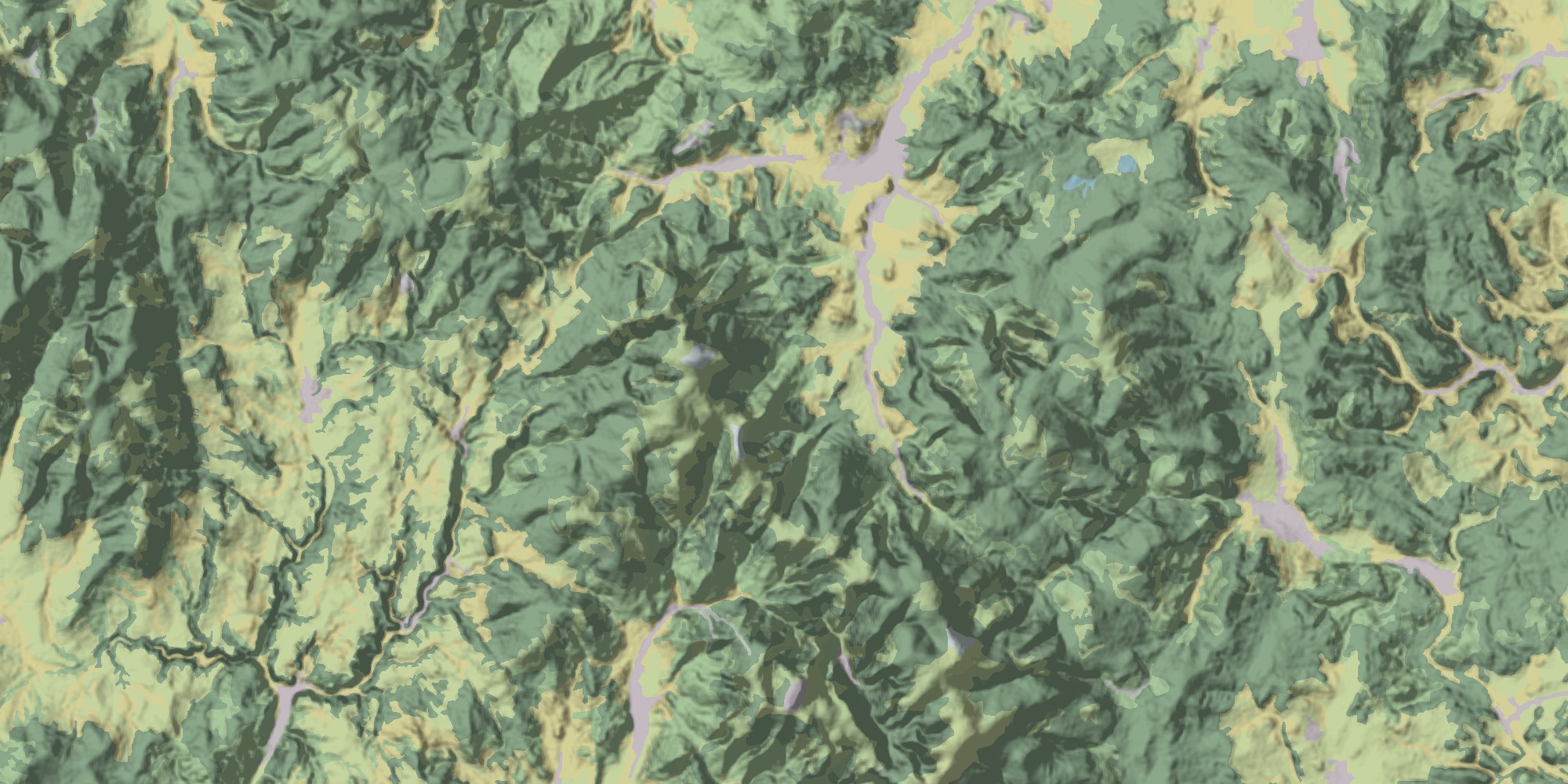
Na webu společnosti ARCDATA PRAHA se objevily nové rastrové podkladové vrstvy ke stažení. Jejich autorem je RNDr. Jan Miklín, Ph.D. z Katedry fyzické geografie a geoekologie Ostravské univerzity v Ostravě. Každá z vrstev je vždy kombinací dat stínovaného reliéfu SRTM s vrstvou krajinného krytu CORINE a je určena k použití ve formě podkladové map středních a velkých […]
The post Natural Czechia – nová podkladová data appeared first on GISportal.cz.
Natural Czechia – nová podkladová data
14.3.2018 10:11 GISportal.czNa webu společnosti ARCDATA PRAHA se objevily nové rastrové podkladové vrstvy ke stažení. Jejich autorem je RNDr. Jan Miklín, Ph.D. z Katedry fyzické geografie a geoekologie Ostravské univerzity v Ostravě. Každá z vrstev je vždy kombinací dat stínovaného reliéfu SRTM s vrstvou krajinného krytu CORINE a je vhodná k použití ve formě podkladové mapy středního a velkého […]
The post Natural Czechia – nová podkladová data appeared first on GISportal.cz.
Hemisphere GNSS Introduces New Atlas®-Capable Vector™ V1000 GNSS Receiver for Precise Marine Applications
14.3.2018 9:30 GISCafe.com Webcasts-Webinars LONDON, UK – March 13, 2018 – Today, Hemisphere GNSS introduces the all-new Vector V1000 GNSS receiver, which provides …Vrchní referent/rada – obnova katastrálního operátu OKO 1302
14.3.2018 9:26 ČÚZK - předpisy a opatření Katastrální úřad pro Plzeňský kraj - Katastrální pracoviště Rokycanyvypisuje výběrové řízení na místo
Vrchní referent/rada – obnova katastrálního operátu OKO 1302
Vrchní referent/rada – obnova katastrálního operátu OKO 1302
14.3.2018 9:26 ČÚZK /Urady/Katastralni-urady/Katastralni-urady/Katastralni-urad-pro-Plzensky-kraj/Uredni-deska/Oznameni-a-jina-uredni-sdeleni/Volna-mista/Vrchni-referent-rada-–-obnova-katastralniho-operatVrchní referent/rada – obnova katastrálního operátu OKO 1302
14.3.2018 9:26 ČÚZK - volná místa Katastrální úřad pro Plzeňský kraj - Katastrální pracoviště Rokycany vypisuje výběrové řízení na místo Vrchní referent/rada – obnova katastrálního operátu OKO 1302Kvartérní hydrogeologické rajony
14.3.2018 1:00 Cenia - Katalog metadat ČR - INSPIRE Vrstva hydrogeologických rajonů, tzv.svrchní vrstva zahrnující oblast kvartérních a propojených kvartérních a neogenních sedimentů (označení 1xxx) a jizerský coniak (rajon 4420).Digitální model terénu
14.3.2018 1:00 Cenia - Katalog metadat ČR - INSPIRE Digitální model terénu - WMS a INSPIRE prohlížecí službaDTM pro ortofoto 2005Brownfields
14.3.2018 1:00 Cenia - Katalog metadat ČR - INSPIRE Lokality brownfields Zlinský kraj, 2009, aktualizované podle potřeby, poslední aktualizace březen 2015Hydrogeologické rajony cenomanu
14.3.2018 1:00 Cenia - Katalog metadat ČR - INSPIRE Vrstva hydrogeologických rajonů, tzv. vrstva bazálního křídového kolektoru v oblasti Pojizeří, povodí Ploučnice a pravostranných přítoků Labe (rajony 4710, 4720, 4730).Digitální model terénu - WMS
14.3.2018 1:00 Cenia - Katalog metadat ČR - INSPIRE Digitální model terénu - WMS a INSPIRE prohlížecí službaDTM pro ortofoto 2005Orbital ATK Introduces Next Generation of In-Orbit Satellite Servicing Technology
13.3.2018 22:08 GISCafe.com Webcasts-Webinars Company Introduces Innovative Robotic Servicing and Life ExtensionSystem at SATELLITE 2018 Conference and Exhibition
DULLES, Va. …
Microsoft and Esri Launch Geospatial AI on Azure (ESRI)
13.3.2018 18:46 GISCafe.com Webcasts-WebinarsEsri FedGIS Conference Showcases How Spatial Analytics Turns Data Insight into Action for Government
13.3.2018 18:46 GISCafe.com Webcasts-Webinars Conference Will Highlight the Ways Location Intelligence ImprovesDecision-Making and Creates Efficient Workflows
REDLANDS, Calif. …
Trimble Announces Call for Speakers for its 2018 Dimensions International User Conference
13.3.2018 18:46 GISCafe.com Webcasts-Webinars SUNNYVALE, Calif., March 13, 2018 — (PRNewswire) — Trimble (NASDAQ:TRMB) has opened its Call for Speakers for the 2018 Trimble …Maxar Technologies to Present at J.P. Morgan Aviation, Transportation & Industrials Conference on March 13
13.3.2018 18:46 GISCafe.com Webcasts-Webinars WESTMINSTER, Colo. — (BUSINESS WIRE) — March 13, 2018 —Maxar Technologies, (“Company” formerly MacDonald, Dettwiler and …
CoreLogic Reports Early-Stage Delinquencies Increased Slightly in December But Serious Delinquency and Foreclosure Inventory Rates Declined Year Over Year
13.3.2018 18:46 GISCafe.com Webcasts-Webinars Overall Mortgage Delinquency Was Flat Year Over YearEarly-Stage Delinquencies Rose 0.1 Percentage Points Year Over Year
…
Yates Electrospace Corporation Expands Drone Delivery Business with Fundamental Patent Award
13.3.2018 18:46 GISCafe.com Webcasts-Webinars United States Patent 9,868,526 is the First to Cover a “FlyingWarehouse” Aircraft Deploying and Recovering Electric Drones for
…
Frost & Sullivan Recognizes Airobotics with the Global New Product Innovation Award for its First-of-a-Kind Completely Autonomous Drone Platform
13.3.2018 18:46 GISCafe.com Webcasts-Webinars SANTA CLARA, California, March 13, 2018 — (PRNewswire) — Based on its recent analysis of the Automated Drone industry, Frost & …TomTom’s Real-Time Electric Vehicle Service Arrives in North America
13.3.2018 18:46 GISCafe.com Webcasts-Webinars DETROIT — (BUSINESS WIRE) — March 13, 2018 —TomTom (TOM2)
today announced that its electric vehicle (EV) service, …
Kratos High Performance Tactical Unmanned Aerial Systems Approved for International Marketing by U.S. State Department
13.3.2018 18:46 GISCafe.com Webcasts-Webinars SAN DIEGO, March 13, 2018 (GLOBE NEWSWIRE) -- Kratos Defense & Security Solutions, Inc. (Nasdaq:KTOS), a leading National Security Solutions …Thales Alenia Space, Telespazio and Spaceflight Industries Finalize Alliance to Manufacture Smallsats at Scale and Deliver Innovative Geospatial Services
13.3.2018 18:38 GISCafe.com Webcasts-Webinars Parties will deploy the high revisit rate BlackSky constellationWASHINGTON — (BUSINESS WIRE) — March 13, 2018 —
At …
Baví tě práce s GIS? Přihlas se do EOVation City & Climate a vyhraj 100.000,- Kč!
13.3.2018 15:21 GISportal.cz
EOVation City & Climate je další z řady technologických soutěží organizovaných podnikatelským inkubátorem Evropské kosmické agentury ESA BIC Prague. Tentokrát půjde o klasický hackathon, který se uskuteční 16.─17. března 2018 v brněnské pobočce IBM – hlavního technologického partnera soutěže. O co v hackathonu půjde? Cílem je za 24 hodin vymyslet prototyp produktu či služby s byznysovým potenciálem zaměřené na […]
The post Baví tě práce s GIS? Přihlas se do EOVation City & Climate a vyhraj 100.000,- Kč! appeared first on GISportal.cz.
Bentley Systems Issues Call for Submissions to the Year in Infrastructure 2018 Awards for Going Digital: Advancements in Infrastructure
13.3.2018 14:40 Bentley SystemsPress Coverage
AECCafe, USA
Read the articleCall for Submissions: The Year in Infrastructure 2018 Awards Program
13.3.2018 14:37 Bentley SystemsPress Coverage
Concrete Construction, USA
Read the articleHabitat for Humanity breaks ground on 3 new homes in Coatesville
13.3.2018 14:33 Bentley SystemsPress Coverage
Daily Local News, USA
Read the articleEdge Computing and IIoT Platforms and More At ARC Forum
13.3.2018 14:28 Bentley SystemsPress Coverage
Manufacturing Connection, USA
Read the articlePoslední místa na GIVS 2018
13.3.2018 14:01 GISportal.cz
Již posledních cca 36 míst zbývá v registraci na konferenci Geoinformace ve veřejné správě, která se bude konat 3. až 4. května, již tradičně na Novotného lávce v Praze. Organizátoři již zveřejnili program, který nabízí zajímavý mix příspěvků od komerčních firem, státní správy, ale i akademiků.
The post Poslední místa na GIVS 2018 appeared first on GISportal.cz.
Urban Remote Sensing – Challenges & Solutions (pozvánka)
13.3.2018 12:45 GISportal.cz
V termínu 24. – 26. září se bude v německé Bochumi konat 5th Joint Workshop “Urban Remote Sensing – Challenges & Solutions” v rámci spolupráce EARSeL Special Interest Groups Urban Remote Sensing, 3D Remote Sensing, Developing Countries and Radar Remote Sensing. Workshop je sponzorovaný Evropskou vesmírnou agenturou (ESA) a mimo mnoho zajímavých přednášek je zde […]
The post Urban Remote Sensing – Challenges & Solutions (pozvánka) appeared first on GISportal.cz.
GSA funding opportunities: GNSS receiver technologies for premium and general mass markets
13.3.2018 10:42 European GNSS Agency
A call for proposals has been opened under the Fundamental Elements funding mechanism, targeting the development of GNSS receiver technologies for premium and general mass markets. This and other FE projects will be presented at Info Day in Prague on March 14.
As the Galileo constellation expands, and following the launch of Initial Services, the adoption of the system in the mass market has taken off with most major smartphone manufacturers announcing a series of products in the last eighteen months that will use Galileo.
But the mass market is not limited to smartphones. Two streams have been identified where additional efforts are required for fostering adoption:
- Premium Mass Market (PMM): the upper segment of mass market applications with respect to general purpose mass-market applications, requiring higher performances than those achievable by popular mass-market products such as trackers or step counters, but less stringent than the professional ones such as GIS receivers.
- General Mass Market (GMM): the low end of mass market applications, which is mainly cost-driven and for which energy consumption and physical size are key drivers.
Read this: GSA to host Fundamental Elements Info Day in Prague: join us on 14th of March
Proposals in the new call shall address any (or both) streams by developing, integrating, testing and demonstrating hardware components, software or firmware filling technology gaps for Premium Mass Market GNSS devices, Internet of Things, or any other general mass market application. They should also assess or, even better, leverage the several Galileo differentiators such as:
- Multiple carrier frequency, wide bandwidth E-GNSS signals;
- Data-less (pilot) channels;
- The prospect of a Navigation Message Authentication service transmitted over Open Service E1;
- The use of carrier-phase based applications and satellite-based real-time Precise Point Positioning (PPP) products, such as the ones foreseen in the Galileo Commercial Service;
- Integration of miniaturised Galileo SAR beacons with mass market devices such as smartphones.
One of the main characteristics of this call is its openness and flexibility. It constitutes a good opportunity for already-established providers of mass market solutions to improve or expand their product portfolio and for newcomers to facilitate the development of their own solutions and their entry into the market.
At a glance:
| Deadline for submission of proposals: | 12 July 2018 |
| Expected signature of contract: | November 2018 |
| Maximum budget allocated: | EUR 6.000.000 |
| Maximum number of projects: | 8 |
| Indicative EU financing amount for each of the projects: | EUR 500.000 – 1.500.000 (70% co funding) |
Apply here
This call is part of the annual Grant Plan published by the GSA and it follows the recent publication of calls for an Advanced interference detection and mitigation techniques and a Commercial Service User terminal. The 2018 Grant Plan should be published soon.
Furthermore, the GSA plans to hold an Info Day at its headquarters in Prague on March 14 2018, focusing on upcoming opportunities under Fundamental Elements. The event will also provide an update on the status of the programme. Participants in the Info Day will have the opportunity to meet with representatives from the European Commission/GSA, ongoing Fundamental Elements projects and the GNSS industry.
You can register for the Info Day here.
Media note: This feature can be republished without charge provided the European GNSS Agency (GSA) is acknowledged as the source at the top or the bottom of the story. You must request permission before you use any of the photographs on the site. If you republish, we would be grateful if you could link back to the GSA website (http://www.gsa.europa.eu).
GSA funding opportunities: GNSS receiver technologies for premium and general mass markets
13.3.2018 10:42 European GNSS AgencyA call for proposals has been opened under the Fundamental Elements funding mechanism, targeting the development of GNSS receiver technologies for premium and general mass markets.
As the Galileo constellation expands, and following the launch of Initial Services, the adoption of the system in the mass market has taken off with most major smartphone manufacturers announcing a series of products in the last eighteen months that will use Galileo.
But the mass market is not limited to smartphones. Two streams have been identified where additional efforts are required for fostering adoption:
- Premium Mass Market (PMM): the upper segment of mass market applications with respect to general purpose mass-market applications, requiring higher performances than those achievable by popular mass-market products such as trackers or step counters, but less stringent than the professional ones such as GIS receivers.
- General Mass Market (GMM): the low end of mass market applications, which is mainly cost-driven and for which energy consumption and physical size are key drivers.
Read this: GSA to host Fundamental Elements Info Day in Prague: join us on 14th of March
Proposals in the new call shall address any (or both) streams by developing, integrating, testing and demonstrating hardware components, software or firmware filling technology gaps for Premium Mass Market GNSS devices, Internet of Things, or any other general mass market application. They should also assess or, even better, leverage the several Galileo differentiators such as:
- Multiple carrier frequency, wide bandwidth E-GNSS signals;
- Data-less (pilot) channels;
- The prospect of a Navigation Message Authentication service transmitted over Open Service E1;
- The use of carrier-phase based applications and satellite-based real-time Precise Point Positioning (PPP) products, such as the ones foreseen in the Galileo Commercial Service;
- Integration of miniaturised Galileo SAR beacons with mass market devices such as smartphones.
One of the main characteristics of this call is its openness and flexibility. It constitutes a good opportunity for already-established providers of mass market solutions to improve or expand their product portfolio and for newcomers to facilitate the development of their own solutions and their entry into the market.
At a glance:
| Deadline for submission of proposals: | 12 July 2018 |
| Expected signature of contract: | November 2018 |
| Maximum budget allocated: | EUR 6.000.000 |
| Maximum number of projects: | 8 |
| Indicative EU financing amount for each of the projects: | EUR 500.000 – 1.500.000 (70% co funding) |
Apply here
This call is part of the annual Grant Plan published by the GSA and it follows the recent publication of calls for an Advanced interference detection and mitigation techniques and a Commercial Service User terminal. The 2018 Grant Plan should be published soon.
Furthermore, the GSA plans to hold an Info Day at its headquarters in Prague on March 14 2018, focusing on upcoming opportunities under Fundamental Elements. The event will also provide an update on the status of the programme. Participants in the Info Day will have the opportunity to meet with representatives from the European Commission/GSA, ongoing Fundamental Elements projects and the GNSS industry.
You can register for the Info Day here.
Media note: This feature can be republished without charge provided the European GNSS Agency (GSA) is acknowledged as the source at the top or the bottom of the story. You must request permission before you use any of the photographs on the site. If you republish, we would be grateful if you could link back to the GSA website (http://www.gsa.europa.eu).
Kosmický inkubátor ESA BIC otevřel pobočku v Brně
13.3.2018 10:06 Český Kosmický PortálStartuje Czech Space Year 2018, rok významných českých kosmických výročí
Praha, 7. březen 2018: Dva roky po založení prvního českého kosmického inkubátoru ESA BIC Prague se možnost využívat technologie a systémy Evropské kosmické agentury (ESA) otevírá i mimopražským firmám. Při příležitosti 40. výročí prvního letu československého kosmonauta Vladimíra Remka do vesmíru dnes agentura CzechInvest spolu s partnery slavnostně otevřela pobočku kosmického inkubátoru v Brně. Sídlit bude v Jihomoravském inovačním centru (JIC) a v následujících třech letech podpoří až devět progresivních start-upů, které hledají využití kosmických technologií v běžném životě.
Vyhlášení platnosti OKO v části k.ú. Rychnov u Verneřic
13.3.2018 9:52 ČÚZK /Urady/Katastralni-urady/Katastralni-urady/Katastralni-urad-pro-Ustecky-kraj/Katastralni-pracoviste/KP-Decin/O-uradu/Aktuality/Vyhlaseni-platnosti-OKO-v-casti-k-u-Rychnov-u-VerVyhlášení platnosti OKO v části k.ú. Rychnov u Verneřic
13.3.2018 9:52 ČÚZK - předpisy a opatření Katastrální úřad pro Ústecký kraj - Katastrální pracoviště Děčín zveřejnil novou aktualitu: Vážení klienti,oznamujeme Vám, že Katastrální pracoviště Děčín dokončilo dne 13. března 2018 obnovu katastrálního operátu na podkladě výsledků pozemkových úprav v části (extravilánu) katastrálního území Rychnov u Verneřic, obce Verneřice.
Full house for EDRS
13.3.2018 7:43 ESA Observing the Earth
The EDRS–SpaceDataHighway has now begun regularly relaying Earth images from Sentinel-2A, which marks the last of four Copernicus satellites in orbit being brought under the EDRS service.
Dokončena „Mise Nula“ akce Astro Pis
13.3.2018 7:04 Český Kosmický PortálVzdělávací kancelář ESA ve spolupráci s nadací Raspberry Pi Foundation s potěšením oznamuje, že „Mise Nula“ (Mission Zero) klání European Astro Pi Challenge 2017/18 byla dokončena.
Muzea a sbírkové expozice na Ústecku nově v turistické aplikaci
13.3.2018 7:00 Statutární město Ústí nad Labem V mapové aplikaci Turistické zajímavosti v Ústí nad Labem a okolí bylo zpracováno nové téma - Muzea a sbírkové expozice na Ústecku. Téma bylo původně vydáno formou tištěného materiálu oddělením cestovního ruchu Magistrátu města Ústí nad Labem. Tato webová aplikace převádí původní materiál do interaktivní mapové podoby a doplňuje jej o nově pořízené fotografie, GPS a další aktualizované informace.Poslední volná místa na GIVS 2018
13.3.2018 7:00 Česká asociace pro geoinformace Poslední přibližně dva tucty volných míst zbývají z kapacity sálu na letošní ročník konference Geoinformace ve veřejné správě. Neváhejte proto s registrací, která je do 15. března za zvýhodněné vložné!Více se o konferenci dozvíte z našeho předchozího článku nebo přímo na webových stránkách
Odborný referent oddělení správy majetku státu, Krajský pozemkový úřad pro Jihočeský kraj
13.3.2018 0:00 Státní pozemkový úřad Státní pozemkový úřad přijme zaměstnance na pozici odborný referent oddělení správy majetku státu, Krajský pozemkový úřad pro Jihočeský kraj.Státní pozemkový úřad je v soudních sporech nadprůměrně úspěšný
13.3.2018 0:00 Státní pozemkový úřad Praha, 13. března 2018 – Státní pozemkový úřad (SPÚ) historicky řešil více než 8 000 soudních sporů. K jejich výraznému nárůstu došlo zejména v posledních třech letech, kdy úřad zaevidoval přes 2 000 nových žalob. I navzdory tomuto faktu se SPÚ dařilo u soudů dosáhnout 80% úspěšnosti. V současné době Státní pozemkový úřad eviduje přibližně 3 500 soudních sporů.GIS Specialist – Rutgers University
12.3.2018 19:05 Job Title: Research Project Coordinator II Posting Summary: Rutgers, The State University of New Jersey, is seeking a Research Project Coordinator II to specialize in Geographic Information System (GIS) implementation and work under the guidance and direction of the Assistant Director of University Planning and Development. This position is responsible for a variety of tasks […]Postdoctoral research position in Melbourne, Australia
12.3.2018 19:05 2-year fixed-term Research Fellow in GI science: http://yourcareer.rmit.edu.au/caw/en/job/562622/research-fellowGroup Leader, GIS @ URPP Language and Space Lab (Univ. Zurich)
12.3.2018 19:04 We have an opening for a group leader position within an interdisciplinary research program on “Language and Space”. We are looking for a highly motivated scientist with a PhD degree who is actively pursuing research on the interface of GIScience and linguistics. It would be great if you could pass on this position announcement […]Associate Director, Spatial Structures in the Social Sciences, Brown University
12.3.2018 19:01 Brown University announces a search for the position of Associate Director of the research initiative on Spatial Structures in the Social Sciences. More information on the program is available at here. This is a 10-month per year position, with potential for salary during summer from external grants, beginning September 1, 2018. The Associate Director will participate in […]Stratum - ONF Launches Major New Open Source SDN Switching Platform with Support from Google
12.3.2018 16:46 GISCafe.com Webcasts-Webinars Backed by a collection of 23 founding members, Stratum delivers on the 'Software Defined' vision of SDNMENLO PARK, Calif., March 12, 2018 — …
Global GIS Market - Growth Forecast and Competitive Overview by Technavio
12.3.2018 16:45 GISCafe.com Webcasts-Webinars LONDON — (BUSINESS WIRE) — March 10, 2018 — Market research firm Technavio has announced the release of their latest report on the …International Launch Services (ILS) and Effective Space Announce the ILS Proton Breeze M Launch of Two Satellite-Servicing SPACE DRONE™ Spacecraft in 2020
12.3.2018 16:44 GISCafe.com Webcasts-Webinars WASHINGTON — (BUSINESS WIRE) — March 12, 2018 — ILS, a U.S.-based leading global commercial launch services provider and UK …Panasonic and Sygic partner to offer advanced professional mobile navigation solutions to business
12.3.2018 16:42 GISCafe.com Webcasts-Webinars Sygic joins Panasonic Toughbook’s Independent Software Vendor programmeBRACKNELL, UK. 12th MARCH 2018: Panasonic today announced that Sygic …
Navigant Research Report Shows New Applications Are Driving Utility Interest in Digital Reality Deployment for Operations, Training, Marketing, and More
12.3.2018 16:41 GISCafe.com Webcasts-Webinars Six critical characteristics address the potential of augmented reality and virtual reality technologies to have significant penetration in utility …Drones in Agriculture: Undeniable Value and Plenty of Growth, But Not the Explosion Others Predict
12.3.2018 16:40 GISCafe.com Webcasts-Webinars LONDON, March 12, 2018 — (PRNewswire) — Agriculture was touted as one of the first industries that would leverage the rapid development …PlaceIQ Expands Partnership with LiveRamp, Offering Seamless Access to Thousands of Location-based Audiences for People-Based Marketing
12.3.2018 16:40 GISCafe.com Webcasts-Webinars PlaceIQ's Leading Location-based Audiences Available to LiveRamp Customers Through IdentityLink™ Data Store FeatureNEW YORK, March 12, 2018 …
Datum Ingeniería to Supply Microdrones mdSolutions in Colombia
12.3.2018 16:39 GISCafe.com Webcasts-Webinars Rome, NY, March 12, 2018 (GLOBE NEWSWIRE) -- Datum Ingeniería, one of the leading commercial and industrial equipment suppliers in Colombia, …Dopady GDPR na poskytované služby a data katastru nemovitostí.
12.3.2018 16:02 ČÚZK /Aplikace-DP-do-KN/Aplikace-DP-do-KN/Archiv-DP/212666Dopady GDPR na poskytované služby a data katastru nemovitostí.
12.3.2018 16:02 Dálkový přístup k údajům KN ČR Dopady na poskytované služby a data Katastru nemovitostí v souvislosti s Nařízením Evropského parlamentu a Rady (EU) na ochranu osobních údajů (General Data Protection Regulation „GDPR“). Seznam plánovaných úprav je uveden v samostatném dokumentu.Dopady GDPR na poskytované služby a data katastru nemovitostí.
12.3.2018 16:02 ČÚZK - předpisy a opatřeníDopady na poskytované služby a data Katastru nemovitostí v souvislosti s Nařízením Evropského parlamentu a Rady (EU) na ochranu osobních údajů (General Data Protection Regulation „GDPR“). Seznam plánovaných úprav je uveden v samostatném dokumentu.
Dopady GDPR na poskytované služby a data katastru nemovitostí.
12.3.2018 16:02 ČÚZK - předpisy a opatření Dopady na poskytované služby a data Katastru nemovitostí v souvislosti s Nařízením Evropského parlamentu a Rady (EU) na ochranu osobních údajů (General Data Protection Regulation „GDPR“). Seznam plánovaných úprav je uveden v samostatném dokumentu.Accommodating Soaring Population Growth
12.3.2018 15:55 Bentley SystemsPress Coverage
Civil + Structural Engineer, USA
Read the articleCritical Concepts for Successful BIM Implementation
12.3.2018 15:51 Bentley SystemsPress Coverage
Sourceable, Australia/New Zealand
Read the article2017 Be Inspired Awards Project Highlights
12.3.2018 15:48 Bentley SystemsPress Coverage
Informed Infrastructure, USA
Read the articleBentley Systems CEO Greg Bentley speaks at ARC Industry Forum 2018
12.3.2018 15:44 Bentley SystemsPress Coverage
ARC Advisory Group, USA
Read the article20180312 - Dopady GDPR na data a služby ČÚZK
12.3.2018 15:09 ČÚZK - Výměnný formát ISKN Dopady na poskytované služby a data Katastru nemovitostí v souvislosti s Nařízením Evropského parlamentu a Rady (EU) na ochranu osobních údajů (General Data Protection Regulation „GDPR“). Seznam plánovaných úprav je uveden v samostatném dokumentu20180312 - Dopady GDPR na data a služby ČÚZK
12.3.2018 15:09 ČÚZK - Výměnný formát ISKN20180312 - Dopady GDPR na data a služby ČÚZK
12.3.2018 15:09 ČÚZK - Výměnný formát ISKN20180312 - Dopady GDPR na data a služby ČÚZK
12.3.2018 15:09 ČÚZK - Výměnný formát ISKN20180312 - Dopady GDPR na data a služby ČÚZK
12.3.2018 15:09 ČÚZK - Výměnný formát ISKN20180312 - Dopady GDPR na data a služby ČÚZK
12.3.2018 15:09 ČÚZK - Výměnný formát ISKN20180312 - Dopady GDPR na data a služby ČÚZK
12.3.2018 15:09 ČÚZK - Výměnný formát ISKN20180312 - Dopady GDPR na data a služby ČÚZK
12.3.2018 15:09 ČÚZK - Výměnný formát ISKN Dopady na poskytované služby a data Katastru nemovitostí v souvislosti s Nařízením Evropského parlamentu a Rady (EU) na ochranu osobních údajů (General Data Protection Regulation „GDPR“). Seznam plánovaných úprav je uveden v samostatném dokumentuCarlson March 2018 Newsletter
12.3.2018 14:30 Carlson Software Stay up-to-date with everything Carlson by viewing our March Newsletter available here.
Naučte se tvořit krásné mapy
12.3.2018 13:05 ARCDATAZjistěte, jaké kartografické know-how stojí za mapami Kennetha Fielda. Tento úspěšný kartograf obdržel v roce 2016 cenu za mapu Pitch Perfect od Britské kartografické společnosti. Z jeho dalších úspěšných map stojí za prohlédnutí například mapa volebních výsledků ve Velké Británii vizualizovaná ve stylu Jacksona Pollocka.

- Úvod do tvorby map v ArcGIS Pro a na ArcGIS Online
- Souřadnicové systémy a kartografická zobrazení
- Generalizace, tematické mapy, grafický styl
- Popisky a kompozice
- Tvorba mapy ve 3D
- Zobrazení změn v čase s nástroji animace
Kurz probíhá od 18. dubna do 30. května a přihlásit se můžete zdarma až do středy 2. května.
Odborný/vrchní referent v oddělení právních vztahů
12.3.2018 12:26 ČÚZK - volná místa Katastrální úřad pro Liberecký kraj - Katastrální pracoviště Jablonec nad Nisou vypisuje výběrové řízení na místo Odborný/vrchní referent v oddělení právních vztahůOdborný/vrchní referent v oddělení právních vztahů
12.3.2018 12:26 ČÚZK - předpisy a opatření Katastrální úřad pro Liberecký kraj - Katastrální pracoviště Jablonec nad Nisouvypisuje výběrové řízení na místo
Odborný/vrchní referent v oddělení právních vztahů
Odborný/vrchní referent v oddělení právních vztahů
12.3.2018 12:26 ČÚZK /Urady/Katastralni-urady/Katastralni-urady/Katastralni-urad-pro-Liberecky-kraj/Uredni-deska/Oznameni-a-jina-uredni-sdeleni/Volna-mista/Odborny-vrchni-referent-v-oddeleni-pravnich-vztahPlán obnovy
12.3.2018 10:31 ČÚZK /Urady/Katastralni-urady/Katastralni-urady/Katastralni-urad-pro-Ustecky-kraj/Katastralni-pracoviste/KP-Teplice/O-uradu/Aktuality/Plan-obnovy-(1)Plán obnovy
12.3.2018 10:31 ČÚZK - předpisy a opatření Katastrální úřad pro Ústecký kraj - Katastrální pracoviště Teplice zveřejnil novou aktualitu: Zveřejňujeme plán revizí a obnovy katastrálního operátu v okrese Teplice - dokument ke stažení zde.Plán obnovy
12.3.2018 10:31 ČÚZK - předpisy a opatření Katastrální úřad pro Ústecký kraj - Katastrální pracoviště Teplice zveřejnil novou aktualitu: Zveřejňujeme plán revizí a obnovy katastrálního operátu v okrese Teplice.Plán obnovy
12.3.2018 10:31 ČÚZK /Urady/Katastralni-urady/Katastralni-urady/Katastralni-urad-pro-Ustecky-kraj/Katastralni-pracoviste/KP-Teplice/O-uradu/Aktuality/Plan-obnovy-(1)Družice Proba-1 ustanovila nový rekord
12.3.2018 9:26 Český Kosmický PortálPůvodně byla navržena jako dvouletá mise a vypuštěna 22. října 2001. Řeč je o družici Proba-1, která je stále plně funkční a poskytuje velmi hodnotná hyperspektrální data.
End users the ultimate winners in the Golden Age of GNSS
12.3.2018 9:03 European GNSS Agency
The Munich Satellite Navigation Summit opened on March 5 with a discussion about who stands to win from competition and cooperation in satellite navigation. After a lively debate it was decided that, ultimately, the end user will be the winner in what one panellist described as ‘the Golden Age of GNSS.’
Matthias Petschke, Director of EU Satellite Navigation Programmes, European Commission, opened the discussion by stressing that a balanced mix between competition and cooperation is needed in the satellite navigation sector. He said that competition between providers of GNSS services and between industrial players would lead to better services, more innovation and reduced costs. “On the other hand, cooperation will ensure compatibility of signals in terms of radio frequency characteristics and interoperability of systems – allowing multi-constellation to provide better services,” he said.
European GNSS Agency (GSA) Executive Director Carlo des Dorides agreed. He said that cooperation is necessary – and frequency coordination is only one example of this. The GSA director noted that, from a user perspective, GNSS systems provide the best performance when they work together. “Today more than 60% of the chipsets available on the market are multi-system and more than 20% foresee four-satellite-system compatibility. The market is requesting more reliable, more accurate positioning, and this is what multi-system provides,” he said, adding that within multi-constellation solutions Galileo has a special place thanks to its frequency compatibility with GPS.
Galileo outperforming expectations
Noting that navigation information had become an integral part of our daily lives, Simon Plum, Managing Director for the Galileo Programme at DLR GfR, said that priorities have started to shift from the deployment of infrastructure to service delivery on a global scale. “Europe has proven its capability over the past number of years, and now the system has to grow its reputation of precision and, more importantly, of reliability,” he said.
In this regard, Petschke stressed that Galileo is already delivering much better services than expected and, what’s more, it is transparent about its performance, with quarterly performance reports published on the GSC website. “The market uptake results are impressive, preliminary figures show that some 75 million Galileo-enabled smartphones were sold last year and 95% of the chipsets on the market are already Galileo-enabled. What’s more, as of April 1 this year, all new passenger cars in the EU will be equipped with the eCall rapid assistance systems, which are enhanced by Galileo,” he said.
Read this: GSA publishes eCall guidelines to facilitate GNSS compatibility tests
User-driven
Carlo des Dorides said that the GSA is focusing on ensuring that the current generation of Galileo services, as well as the second generation, are driven by user needs. He said that Galileo will soon offer two unique differentiators that other GNSS are not currently providing: the Open Service Navigation Message Authentication (OS NMA) and worldwide Precise Point Positioning (PPP). “The new services will meet emerging needs, especially in autonomous applications,” he said.
Go Takizawa, Executive Director of QZSS Strategy at the National Space Policy Secretariat in Japan noted that by 2020 there would be more than 100 positioning satellites available in the world and that cooperation, compatibility and interoperability are important to ensure the performance and accuracy of the overall satellite positioning system. “This should bring benefits to GNSS users. To make sure that the users are the ultimate winners, we need to have friendly competition and ensure compatibility,” he said.
Media note: This feature can be republished without charge provided the European GNSS Agency (GSA) is acknowledged as the source at the top or the bottom of the story. You must request permission before you use any of the photographs on the site. If you republish, we would be grateful if you could link back to the GSA website (http://www.gsa.europa.eu).
End users the ultimate winners in the Golden Age of GNSS
12.3.2018 9:03 European GNSS AgencyThe Munich Satellite Navigation Summit opened on March 5 with a discussion about who stands to win from competition and cooperation in satellite navigation. After a lively debate it was decided that, ultimately, the end user will be the winner in what one panellist described as ‘the Golden Age of GNSS.’
Matthias Petschke, Director of EU Satellite Navigation Programmes, European Commission, opened the discussion by stressing that a balanced mix between competition and cooperation is needed in the satellite navigation sector. He said that competition between providers of GNSS services and between industrial players would lead to better services, more innovation and reduced costs. “On the other hand, cooperation will ensure compatibility of signals in terms of radio frequency characteristics and interoperability of systems – allowing multi-constellation to provide better services,” he said.
European GNSS Agency (GSA) Executive Director Carlo des Dorides agreed. He said that cooperation is necessary – and frequency coordination is only one example of this. The GSA director noted that, from a user perspective, GNSS systems provide the best performance when they work together. “Today more than 60% of the chipsets available on the market are multi-system and more than 20% foresee four-satellite-system compatibility. The market is requesting more reliable, more accurate positioning, and this is what multi-system provides,” he said, adding that within multi-constellation solutions Galileo has a special place thanks to its frequency compatibility with GPS.
Galileo outperforming expectations
Noting that navigation information had become an integral part of our daily lives, Simon Plum, Managing Director for the Galileo Programme at DLR GfR, said that said that priorities have started to shift from the deployment of infrastructure to service delivery on a global scale. “Europe has proven its capability over the past number of years, and now the system has to grow its reputation of precision and, more importantly, of reliability,” he said.
In this regard, Petschke stressed that Galileo is already delivering much better services than expected and, what’s more, it is transparent about its performance, with quarterly performance reports published on the GSC website. “The market uptake results are impressive, preliminary figures show that some 75 million Galileo-enabled smartphones were sold last year and 95% of the chipsets on the market are already Galileo-enabled. What’s more, as of April 1 this year, all new passenger cars in the EU will be equipped with the eCall rapid assistance systems, which are enhanced by Galileo,” he said.
Read this: GSA publishes eCall guidelines to facilitate GNSS compatibility tests
User-driven
Carlo des Dorides said that the GSA is focusing on ensuring that the current generation of Galileo services, as well as the second generation, are driven by user needs. He said that Galileo will soon offer two unique differentiators that other GNSS are not currently providing: the Open Service Navigation Message Authentication (OS NMA) and worldwide Precise Point Positioning (PPP). “The new services will meet emerging needs, especially in autonomous applications,” he said.
Go Takizawa, Executive Director of QZSS Strategy at the National Space Policy Secretariat in Japan noted that by 2020 there would be more than 100 positioning satellites available in the world and that cooperation, compatibility and interoperability are important to ensure the performance and accuracy of the overall satellite positioning system. “This should bring benefits to GNSS users. To make sure that the users are the ultimate winners, we need to have friendly competition and ensure compatibility,” he said.
Media note: This feature can be republished without charge provided the European GNSS Agency (GSA) is acknowledged as the source at the top or the bottom of the story. You must request permission before you use any of the photographs on the site. If you republish, we would be grateful if you could link back to the GSA website (http://www.gsa.europa.eu).
Pozvánka na Víkend v Olomouci s geoinformatikou
12.3.2018 7:00 Česká asociace pro geoinformace V pátek 20. a v sobotu 21. dubna 2018 se uskuteční konzultační víkend pro uchazeče o studium geoinformatiky na Univerzitě Palackého v Olomouci, při kterém se uchazeči budou mít možnost seznámit s katedrou, studiem, přijímacími zkouškami a životem v Olomouci.Účast je pro zájemce zdarma po předchozí registraci.
Program víkendu naleznete v informačním