








zprávy
zdroje zpráv:Pozemkové úpravy - nástroj na riešenie rozdrobenosti pozemkového vlastníctva, revitalizáciu krajiny a rozvoj vidieka
16.11.2015 18:41 Komora pozemkových úprav SR
Propagačná brožúra o pozemkových úpravách vo formáte PDF.
Pozemkové úpravy - nástroj na riešenie rozdrobenosti pozemkového vlastníctva, revitalizáciu krajiny a rozvoj vidieka
16.11.2015 18:41 Komora pozemkových úprav SR Propagačná brožúra o pozemkových úpravách vo formáte PDFHystéria okolo predaja ornej pôdy
16.11.2015 10:14 Komora pozemkových úprav SR
Prinášame odkaz na článok prezentujúci jeden z mnohých názorov na aktuálnu tému obmedzenia predaja ornej pôdy.
Hystéria okolo predaja ornej pôdy
16.11.2015 10:14 Komora pozemkových úprav SR Prinášame odkaz na článok prezentujúci jeden z mnohých názorov na aktuálnu tému obmedzenia predaja ornej pôdy.Provozovna Litomyšl
14.11.2015 17:09 GIS-STAVINVEX Abychom měli blíže k zákazníkům nejen z Moravskoslezského kraje, otevřeli jsme novou provozovnu ve výkladní skříni architektury a to přímo v srdci města Litomyšl. Provozovna […]Laserové skenování fasád a exteriérů
12.11.2015 21:22 GIS-STAVINVEX Galerie výtvarného umění Ostrava Galerie výtvarného umění Ostrava ve spolupráci se společností GIS-STAVINVEX a.s. vytvořila pomocí technologie laserového skenování virtuální 3D model exteriéru budovy Domu […]Poděkování
10.11.2015 13:30 CEDA Maps a.s. Praha, 10. listopadu 2015 – Společnost Central European Data Agency, a.s. děkuje všem účastníkům konference GIS Esri v ČR, kteří nás navštívili v prostorách našeho stánku, nebo přišli shlédnout firemní referát jednoho z našich kolegů.Zároveň srdečně blahopřejeme všem výhercům naší soutěže a těšíme se na další spolupráci.
Úspěch v podnikatelské soutěži Equa bank Rodinná firma roku
4.11.2015 12:00 Hrdlička U příležitosti Dne podnikatelů proběhlo 3. listopadu slavností vyhlášení podnikatelské soutěže Equa bank Rodinná firma roku. Nominaci v letošním ročníku získala i naše společnost a v konkurenci 84 firem obsadila skvělé 3. místo. Manželé Hrdličkovi sami k umístění v soutěži dodávají: " toto ocenění není jen úspěchem naší rodiny, ale všech našich zaměstnanců."V sekci Zajímavé stránky byl d
3.11.2015 12:00 Jihočeský kraj V sekci Zajímavé stránky byl doplněn odkaz na mapovou aplikaci W3W, která umožňuje určení polohy kdekoliv na světě pomocí tří slov v prostorové mřížce 3x3 m.Ve všech mapových službách byl
3.11.2015 12:00 Plzeňský kraj Ve všech mapových službách byla provedena aktualizace vektorových katastrálních map (DKM, KMD a ÚKM). Data jsou s platností k 1. 10. 2015. Nově je v DKM zpracováno 26 katastrálních území. Stav digitalizace je k dispozici zde. Pro práci s daty katastru nemovitostí je možné například využít tuto mapovou službu. Seznam všech mapových služeb je k dispozici zde. Zároveň došlo k aktualizaci dat ve výdejním modulu.Geosense mezi nejrychleji rostoucími firmami střední a východní Evropy
2.11.2015 12:00 Cleerio Dovolte nám podělit se s Vámi o výbornou zprávu. Firmě Geosense se letos i díky skvělé spolupráci s obchodními partnery a kolegy ze Slovenska podařilo umístit v soutěži Deloitte Technology Fast 50, jíž se účastní nejrychleji rostoucí firmy střední a východní Evropy. Po nedávném úspěchu mezi start-upy jsme tento rok vstoupili do hlavní kategorie Fast 50, kde jsme skončili na výborném 5. místě mezi firmami z České republiky a na 35. místě v rámci celého CEE regionu. Hlavním hodnotícím kritériem byl nárůst obratu za poslední 4 roky, který činil 345 %. Bereme úspěch v anketě Deloitte jako příjemné zadostiučinění a potvrzení toho, že to, co děláme, má smysl. Výsledky soutěže potvrzují nárůst našich spokojených zákazníků a užitečnost mapové aplikace. Jsme rádi, že volba strategie blízké spolupráce se zákazníky a partnery a vylepšování produktu na základě jejich podnětů přináší skvělé výsledky. Celé znění výsledků soutěže Deloitte Fast 50 najdete v reportu Deloitte Technology Fast 50. O soutěži více také v reportáži České televize a Hospodářských novinách....Od 1. 1. 2016 se mění na zákla
2.11.2015 12:00 Plzeňský kraj Od 1. 1. 2016 se mění na základě zákona č. 15/2015 správní hranice Plzeňského kraje. V souvislosti se zrušením vojenského újezdu Brdy dochází k rozšíření správního území následujících obcí: Borovno, Dobřív, Spálené Poříčí, Mirošov, Míšov, Strašice, Skořice, Štítov, Trokavec a Těně. Každé z těchto obcí přibyde jedno nové katastrální území a jejich hranice si lze zapínat v mapových službách. V mapových službách jsou postupně doplňována data za nové území. Už nyní je území zobrazováno na leteckých snímcích. Také kresba vektorové katastrální mapy je již zobrazována za daná katastrální území, která dnes spadají do Středočeského kraje. Kompletní doplnění a změna podkladových topografických map bude provedena až s platností k 1. 1. 2016. Mapa změn správních hranic Plzeňského kraje od 1. 1. 2016 je k dispozici zde.
Družice Sentinel-2A úspěšně pořizuje první snímky.
2.11.2015 8:45 Gisat Po radarové družici Sentinel-1A je to druhá družice vypuštěná speciálně pro evropský program Copernicus zaměřený na monitorování životního prostředí a bezpečnostních aplikace.Zomrel Árpád Göncz
28.10.2015 17:00 Komora pozemkových úprav SR
6.10.2015 zomrel Árpád Göncz, bývalý prezident Maďarska a jeden z nemnohých štátnikov v našom okolí, ktorý mal blízko k poľnohospodárstvu a poľnohospodárskej pôde.
Zomrel Árpád Göncz
28.10.2015 17:00 Komora pozemkových úprav SR 6.10.2015 zomrel Árpád Göncz, bývalý prezident Maďarska a jeden z nemnohých štátnikov v našom okolí, ktorý mal blízko k poľnohospodárstvu a poľnohospodárskej pôde.Je možné zrozumiteľnejšie zobrazenie katastrálnych máp pre verejnosť?
28.10.2015 15:22 Komora pozemkových úprav SR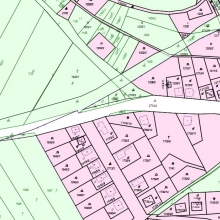
Webová aplikácia MAPKA priblížila katastrálne mapy širokému okruhu záujemcov. Zároveň odhalila, aké sú katastrálne mapy pre bežného človeka nezrozumiteľné a zložité.
Praktické příklady mapování pro podporu humanitárních a rozvojových projektů.
28.10.2015 8:45 Gisat Gisat se zúčastnil mezinárodního symposia 13th International Symposium on Geo-Disaster reduction. Přednášky se týkaly témat jako zemětřesení, sesuvy půdy, sopečné aktivity, tsunami, povodně, využití družicových snímků a možnosti ke snižování dopadů těchto přírodních událostí.Krátky fotoreport z VZ KPÚ SR
25.10.2015 22:16 Komora pozemkových úprav SR
Prinášame zopár obrázkov z valného zhromaždenia KPÚ SR v Banskej Bystrici.
Krátky fotoreport z VZ KPÚ SR
25.10.2015 22:16 Komora pozemkových úprav SR Prinášame zopár obrázkov z valného zhromaždenia KPÚ SR v Banskej Bystrici.Vyměnili jsme volant za kormidlo a mapovali vodní toky
23.10.2015 12:00 TopGis Během jednoho dne jsme pořídili 120 km nových dat na přehradě Orlík. Přibližně 25000 hotových panoramat aktuálně zpracováváme pro další využití v SW GisManager. Podobně jako v okolí pozemních komunikací, které mapujeme automobilem, můžeme pořízené snímky z lodí využít pro mapování viditelných objektů. Tentokrát už to ale nejsou polohové informace o zastávkách, vodorovném dopravním značení nebo vegetaciSpolečnost Trimble příchází s novou verzí programu Trimble eCognition Suite.
23.10.2015 8:45 Gisat Nová verze softwaru přináší především výrazné zlepšení výpočetní kapacity pro analýzu družicových, leteckých a dalších dat DPZ. Kromě více-jádrového zpracování je také vylepšeno využití doplňkových tematických GIS dat.Seminář o systému eCall - automatické volání z vozidla na tísňovou linku 112, 11. listopad 2015, Ostrava
22.10.2015 12:55 Český Kosmický PortálDne 11. listopadu 2015 se v Ostravě v dolní oblasti Vítkovic uskuteční seminář k problematice systému eCall - automatickému volání z vozidla na tísňovou linku 112. Návštěvníci semináře budou seznámeni s obecnými i technickými principy fungování systému eCall, s řešením problematiky interoperability systému napřích Evropou či s plánovaným budoucím rozvojem tohoto systému. Na závěr semináře je navíc připravena reálná demonstrace fungování systému eCall. Účast na akci je bezplatná, simultánní překlad do českého jazyka je zajištěn.
Seminář o systému eCall - automatické volání z vozidla na tísňovou linku 112, 11. listopad 2015, Ostrava
22.10.2015 12:55 Český Kosmický PortálDne 11. listopadu 2015 se v Ostravě v dolní oblasti Vítkovic uskuteční seminář k problematice systému eCall - automatickému volání z vozidla na tísňovou linku 112. Návštěvníci semináře budou seznámeni s obecnými i technickými principy fungování systému eCall, s řešením problematiky interoperability systému napřích Evropou či s plánovaným budoucím rozvojem tohoto systému. Na závěr semináře je navíc připravena reálná demonstrace fungování systému eCall. Účast na akci je bezplatná, simultánní překlad do českého jazyka je zajištěn.
Seminář o systému eCall - automatické volání z vozidla na tísňovou linku 112, 11. listopad 2015, Ostrava
22.10.2015 12:55 Český Kosmický PortálDne 11. listopadu 2015 se v Ostravě v dolní oblasti Vítkovic uskuteční seminář k problematice systému eCall - automatickému volání z vozidla na tísňovou linku 112. Návštěvníci semináře budou seznámeni s obecnými i technickými principy fungování systému eCall, s řešením problematiky interoperability systému napřích Evropou či s plánovaným budoucím rozvojem tohoto systému. Na závěr semináře je navíc připravena reálná demonstrace fungování systému eCall. Účast na akci je bezplatná, simultánní překlad do českého jazyka je zajištěn.
Pozvánka na konferenci GIS Esri v ČR 2015
22.10.2015 11:15 CEDA Maps a.s. Společnost Central European Data Agency, a.s. vás srdečně zve na konferenci GIS Esri v ČR. Tradiční akce se koná v termínu 4. a 5. listopadu 2015 v Kongresovém centru Praha.Opakovaná výzva členom komory na úhradu členského príspevku
21.10.2015 20:28 Komora pozemkových úprav SR
Opakovaná výzva členom komory na úhradu členského príspevku za rok 2015 aj za predchádzajúce roky 2012 - 2014
Členské ako nákladová položka
21.10.2015 20:03 Komora pozemkových úprav SR
Vysvetlenie k zavedeniu úhrady členského príspevku do účtovníctva ako nákladovej položky
Kandidátka na členov predstavenstva a dozornej rady KPÚ SR
21.10.2015 19:39 Komora pozemkových úprav SR
Kandidátka na členov predstavenstva a dozornej rady KPÚ SR pre nadchádzajúce VZ KPÚ SR v Banskej Bystrici.
Americká družice DSCOVR pořizuje první snímky Země.
21.10.2015 8:45 Gisat Jméno družice je zkratkou znamenající „Klimatická observatoř v hlubokém vesmíru“ (angl. Deep Space Climate Observatory). Kromě pravidelného pořizování snímků Země má tato družice také fungovat i jako součást varovného systému před příchodem slunečních superbouří.Pozvánka na konferenci GIS Esri v ČR 2015
20.10.2015 11:15 CEDA Maps a.s. Společnost Central European Data Agency, a.s. vás srdečně zve na konferenci GIS Esri v ČR. Tradiční akce se koná v termínu 4. a 5. listopadu 2015 v Kongresovém centru Praha.Česko - Slovensko 2444:426
20.10.2015 8:11 Komora pozemkových úprav SR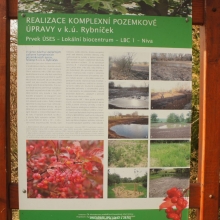
Také je vzájomné skóre pri porovnaní počtu zahájených komplexných pozemkových úprav v oboch republikách.
(Stav pozemkových úprav v České republice a Slovenské republice aneb "Když dva dělají totéž, není to totéž", Muchová,Z. - Jusková,K. - Pochop,M.,Geodetický a kartografický obzor, 2015/4)...
Gisat na konferenci IGARSS
16.10.2015 15:10 Gisat Gisat na této konferenci prezentoval výsledky projektu ISTAS (Integrated snow monitoring with uncertainty analysis) zaměřeného na integraci dat z různých senzorů pro regionální monitorování sněhové pokrývky.Mapová aplikace Územně analyti
14.10.2015 12:00 Jihočeský kraj Mapová aplikace Územně analytické podklady byla aktualizována k 29. 9. 2015.Firemní teambuilding Bohdaneč u Zbraslavic
14.10.2015 12:00 Hrdlička V rámci organizačních změn v naší společnosti jsem v polovině září uspořádal víkendovou „tmelící akci“ pro vedoucí regionů (Marii Běželovou, Petra Pavelku, Davida Maška a Pavla Hladíka) v hotelu Argus v Bohdanči u Zbraslavic. Také byli přizváni ostatní účastníci velké výrobní porady, jmenovitě tedy Martin Klečka, Zuzana Gažiová a Lukáš Opat. Akce byla dobrovolně povinná. Smyslem aktivity, kromě příjemně stráveného času, bylo sblížit vedoucí našich nových organizačních jednotek tak, aby se zvýšila jejich vzájemná kooperace.Přednáška Ing. Poláčka ZRUŠENA!
14.10.2015 10:33 Katedra geoinformatiky UP Olomouc Vážení kolegové, drazí studenti,přednáška Ing. Poláčka (Aktuální trendy ve zpřístupňování dat ČÚZK veřejnosti) se dnes z technických důvodů NEKONÁ!
50% SLEVA - KONTROLA A ÚDRŽBA
13.10.2015 11:00Jako jediný autorizovaný servis přístrojů SOKKIA v České republice Vám nabízíme kontrolu a údržbu Vaší totální stanice SOKKIA se slevou 50%. Do konce března 2016 si můžete domluvit servisní prohlídku na telefonních číslech 724 013 041 (Praha) nebo na 724 013 025 (Brno).
Intergraph SG&I Becomes Hexagon Safety & Infrastructure
12.10.2015 2:00 Hexagon Safety & InfrastructureIntergraph’s Security, Government & Infrastructure (SG&I) division has rebranded globally as Hexagon Safety & Infrastructure. The new name more closely aligns the business and its industry-leading solutions with parent company, Hexagon.
“Since acquiring Intergraph in 2010, Hexagon has made many strategic and beneficial investments in safety and infrastructure solutions – from research and development to acquisitions and partnerships,” said Steven Cost, president, Hexagon Safety & Infrastructure. “Those investments have helped meet the needs of governments and service providers around the world – improving operations, enhancing enterprise-wide information and reducing the total-cost of ownership for mission-critical and business-critical IT systems.”
“In rebranding Intergraph SG&I as Hexagon Safety & Infrastructure, we’re externally communicating Hexagon’s commitment to our customers and our markets. We’re building on our past as Intergraph and embracing the future as Hexagon. As Hexagon Safety & Infrastructure, we’ll continue to strive to be a trusted partner to our customers, applying expertise and innovation to improve their operations and services,” Cost said.
With the rebranding, Hexagon Safety & Infrastructure has unveiled a new creative identity, new website and new social media presence. Hexagon Safety & Infrastructure will continue to use the Intergraph name in product branding.
Intergraph SG&I Becomes Hexagon Safety & Infrastructure
12.10.2015 2:00 Hexagon Safety & InfrastructureIntergraph’s Security, Government & Infrastructure (SG&I) division has rebranded globally as Hexagon Safety & Infrastructure. The new name more closely aligns the business and its industry-leading solutions with parent company, Hexagon.
“Since acquiring Intergraph in 2010, Hexagon has made many strategic and beneficial investments in safety and infrastructure solutions – from research and development to acquisitions and partnerships,” said Steven Cost, president, Hexagon Safety & Infrastructure. “Those investments have helped meet the needs of governments and service providers around the world – improving operations, enhancing enterprise-wide information and reducing the total-cost of ownership for mission-critical and business-critical IT systems.”
“In rebranding Intergraph SG&I as Hexagon Safety & Infrastructure, we’re externally communicating Hexagon’s commitment to our customers and our markets. We’re building on our past as Intergraph and embracing the future as Hexagon. As Hexagon Safety & Infrastructure, we’ll continue to strive to be a trusted partner to our customers, applying expertise and innovation to improve their operations and services,” Cost said.
With the rebranding, Hexagon Safety & Infrastructure has unveiled a new creative identity, new website and new social media presence. Hexagon Safety & Infrastructure will continue to use the Intergraph name in product branding.
Intergraph SG&I Becomes Hexagon Safety & Infrastructure
12.10.2015 2:00 Hexagon Safety & InfrastructureIntergraph’s Security, Government & Infrastructure (SG&I) division has rebranded globally as Hexagon Safety & Infrastructure. The new name more closely aligns the business and its industry-leading solutions with parent company, Hexagon.
“Since acquiring Intergraph in 2010, Hexagon has made many strategic and beneficial investments in safety and infrastructure solutions – from research and development to acquisitions and partnerships,” said Steven Cost, president, Hexagon Safety & Infrastructure. “Those investments have helped meet the needs of governments and service providers around the world – improving operations, enhancing enterprise-wide information and reducing the total-cost of ownership for mission-critical and business-critical IT systems.”
“In rebranding Intergraph SG&I as Hexagon Safety & Infrastructure, we’re externally communicating Hexagon’s commitment to our customers and our markets. We’re building on our past as Intergraph and embracing the future as Hexagon. As Hexagon Safety & Infrastructure, we’ll continue to strive to be a trusted partner to our customers, applying expertise and innovation to improve their operations and services,” Cost said.
With the rebranding, Hexagon Safety & Infrastructure has unveiled a new creative identity, new website and new social media presence. Hexagon Safety & Infrastructure will continue to use the Intergraph name in product branding.
Python pre Geovedné aplikácie
11.10.2015 17:40 GEOINFORMATIKA.sk Libor Burian, Hana Stanková: Python pre Geovedné aplikácieLibor Burian, Hana Stanková: Python pre Geovedné aplikácie, Univerzita Komenského v Bratislave, Prírodovedecká fakulta, Bratislava, 2015, ISBN: 978-80-223-3947-6Ladislav Čapek o budoucnosti mapových informačních systémů
8.10.2015 12:00 Cleerio Jednatel Geosense poskytl rozhovor pro internetový server Lupa.cz. V něm se zmiňuje například o tom, proč jsou dnes mapové informační systémy tolik potřebné a jak mohou pomoci pečovat o majetek v nejrůznějších tržních segmentech. S vizionářskými pohledy Ladislava Čapka se seznámíte v článku:...V datech územně analytických p
8.10.2015 12:00 Plzeňský kraj V datech územně analytických podkladů Plzeňského kraje byla provedena aktualizace dat technické infrastruktury od poskytovatele ČEZ Distribuce, a. s. a ČEZ ICT Services, a. s. Data jsou s platností k 1. 10. 2015.Hexagon Takes Top Honours in the Wichmann Innovations Award at INTERGEO 2015
7.10.2015 14:00 Hexagon Safety & InfrastructureHexagon, a leading global provider of information technologies that drive productivity and quality across geospatial and industrial enterprise applications, recently was awarded the first- and second-place prizes in the Wichmann Innovations Award programme held during the INTERGEO conference and trade fair in Stuttgart, Germany.
The Wichmann Innovations Award is presented by publisher Wichmann Verlag, well known for its expertise in professional magazines and specialist books for geodesy and geomatics. Companies from around the globe submitted products and applications to participate in the competition. From hundreds of submissions, a jury of industry leaders selected 10 products and applications to receive votes from the general public. The main criteria for the award were innovation, user-friendliness and practicality.
The top honour went to the Leica Pegasus:Backpack, the industry’s first wearable reality-capture technology that combines five high-dynamic cameras and two LiDAR profilers within an ultra-light and ergonomic carbon fibre chassis. This mobile mapping solution creates a 3D view indoors or outdoors for engineering or professional documentation at the highest level of authority while using SLAM (simultaneous localisation and mapping) to determine position in GNSS-denied areas. With a focus on fast and efficient capture, calibrated images and point clouds are quickly generated for applications as diverse as BIM 6D to industrial training and disaster analysis.
“The mobile mapping team has put a lot of hard work into understanding the needs of today’s professionals, and the Leica Pegasus:Backpack ensures they are not limited in how, where or when they collect their data,” said Stuart Woods, vice president of Leica Geosystems Geospatial Solutions Division. “With this achievement, the concept of mobile reality capture has been substantiated at the highest level and ushers in a new era in perception surveying and actionable mobile content.”
Second place was awarded to Intergraph Security, Government & Infrastructure’s Green GIS, featuring the patented ECW (Enhanced Compression Wavelet) data compression format and ERDAS APOLLO software. Through the use of Hexagon Geospatial technologies, Intergraph’s solution drastically reduces data volume and minimises storage demands and energy costs, leading to more efficient and environmentally friendly data centres.
“Software has a significant influence in terms of the enterprise carbon footprint. Our software-driven Green IT approach is absolutely new and pioneering, and effectively supplements previous environmental and climate protection efforts made by the information and communications technology sector,” said Maximilian Weber, senior vice president, Intergraph Security, Government & Infrastructure EMEA. “Our Green GIS can help lower carbon emissions of our customers’ IT processes.”
Hexagon Takes Top Honours in the Wichmann Innovations Award at INTERGEO 2015
7.10.2015 14:00 Hexagon Safety & InfrastructureHexagon, a leading global provider of information technologies that drive productivity and quality across geospatial and industrial enterprise applications, recently was awarded the first- and second-place prizes in the Wichmann Innovations Award programme held during the INTERGEO conference and trade fair in Stuttgart, Germany.
The Wichmann Innovations Award is presented by publisher Wichmann Verlag, well known for its expertise in professional magazines and specialist books for geodesy and geomatics. Companies from around the globe submitted products and applications to participate in the competition. From hundreds of submissions, a jury of industry leaders selected 10 products and applications to receive votes from the general public. The main criteria for the award were innovation, user-friendliness and practicality.
The top honour went to the Leica Pegasus:Backpack, the industry’s first wearable reality-capture technology that combines five high-dynamic cameras and two LiDAR profilers within an ultra-light and ergonomic carbon fibre chassis. This mobile mapping solution creates a 3D view indoors or outdoors for engineering or professional documentation at the highest level of authority while using SLAM (simultaneous localisation and mapping) to determine position in GNSS-denied areas. With a focus on fast and efficient capture, calibrated images and point clouds are quickly generated for applications as diverse as BIM 6D to industrial training and disaster analysis.
“The mobile mapping team has put a lot of hard work into understanding the needs of today’s professionals, and the Leica Pegasus:Backpack ensures they are not limited in how, where or when they collect their data,” said Stuart Woods, vice president of Leica Geosystems Geospatial Solutions Division. “With this achievement, the concept of mobile reality capture has been substantiated at the highest level and ushers in a new era in perception surveying and actionable mobile content.”
Second place was awarded to Intergraph Security, Government & Infrastructure’s Green GIS, featuring the patented ECW (Enhanced Compression Wavelet) data compression format and ERDAS APOLLO software. Through the use of Hexagon Geospatial technologies, Intergraph’s solution drastically reduces data volume and minimises storage demands and energy costs, leading to more efficient and environmentally friendly data centres.
“Software has a significant influence in terms of the enterprise carbon footprint. Our software-driven Green IT approach is absolutely new and pioneering, and effectively supplements previous environmental and climate protection efforts made by the information and communications technology sector,” said Maximilian Weber, senior vice president, Intergraph Security, Government & Infrastructure EMEA. “Our Green GIS can help lower carbon emissions of our customers’ IT processes.”
Hexagon Takes Top Honours in the Wichmann Innovations Award at INTERGEO 2015
7.10.2015 14:00 Hexagon Safety & InfrastructureHexagon, a leading global provider of information technologies that drive productivity and quality across geospatial and industrial enterprise applications, recently was awarded the first- and second-place prizes in the Wichmann Innovations Award programme held during the INTERGEO conference and trade fair in Stuttgart, Germany.
The Wichmann Innovations Award is presented by publisher Wichmann Verlag, well known for its expertise in professional magazines and specialist books for geodesy and geomatics. Companies from around the globe submitted products and applications to participate in the competition. From hundreds of submissions, a jury of industry leaders selected 10 products and applications to receive votes from the general public. The main criteria for the award were innovation, user-friendliness and practicality.
The top honour went to the Leica Pegasus:Backpack, the industry’s first wearable reality-capture technology that combines five high-dynamic cameras and two LiDAR profilers within an ultra-light and ergonomic carbon fibre chassis. This mobile mapping solution creates a 3D view indoors or outdoors for engineering or professional documentation at the highest level of authority while using SLAM (simultaneous localisation and mapping) to determine position in GNSS-denied areas. With a focus on fast and efficient capture, calibrated images and point clouds are quickly generated for applications as diverse as BIM 6D to industrial training and disaster analysis.
“The mobile mapping team has put a lot of hard work into understanding the needs of today’s professionals, and the Leica Pegasus:Backpack ensures they are not limited in how, where or when they collect their data,” said Stuart Woods, vice president of Leica Geosystems Geospatial Solutions Division. “With this achievement, the concept of mobile reality capture has been substantiated at the highest level and ushers in a new era in perception surveying and actionable mobile content.”
Second place was awarded to Intergraph Security, Government & Infrastructure’s Green GIS, featuring the patented ECW (Enhanced Compression Wavelet) data compression format and ERDAS APOLLO software. Through the use of Hexagon Geospatial technologies, Intergraph’s solution drastically reduces data volume and minimises storage demands and energy costs, leading to more efficient and environmentally friendly data centres.
“Software has a significant influence in terms of the enterprise carbon footprint. Our software-driven Green IT approach is absolutely new and pioneering, and effectively supplements previous environmental and climate protection efforts made by the information and communications technology sector,” said Maximilian Weber, senior vice president, Intergraph Security, Government & Infrastructure EMEA. “Our Green GIS can help lower carbon emissions of our customers’ IT processes.”
Ve složce Mapy a stránky pro
7.10.2015 12:00 Plzeňský kraj Ve složce Mapy a stránky pro volný čas byl doplněn odkaz na Na ovoce. Stránky Na ovoce slouží jako komunitní platforma lidem, kteří chtějí zodpovědně využívat přírodní bohatství v podobě volně rostoucích ovocných stromů, keřů či bylinek.POOL2015 - POdzimní OLomouc
7.10.2015 0:25 Katedra geoinformatiky UP Olomouc V týdnu od 12. do 16. října 2015 bude výuka na KGI organizována blokově a bude se skládat z vyzvaných přednášek předních odborníků. Program je ke stažení v záložce Dokumenty a bude vyvěšen v prostorech KGI. Povinnost účastnit se na
Upozornenie k poplatkom za vydanie preukazu
6.10.2015 10:00
ÚGKK SR
Upozornenie k poplatkom za vydanie preukazu oprávňujúceho na vstup do štátnej dokumentácie zverejené v časti Technické predpisy a iné akty riadenia
21. setkání uživatelů GEPRO & ATLAS
6.10.2015 9:00 Srdečně Vás zveme na 21. ročník setkání uživatelů, produktů a služeb společností GEPRO a ATLAS, spolupracujících v rámci dceřiné společnosti POINTER, které se koná ve dnech 20. a 21. října 2015GIS Hackathon 2.0
5.10.2015 12:45 Různé Začíná v pátek 14. 11. 2014 ve 14:00 a pokračuje v sobotu 15. 11. 2014 od 8:30 na Mendelově univerzitě v Brně. 3. ročník úspěčné akce bude obsahovat přednášky a workshopy pro ty, kteří mají rádi mapy. Pokud jsi programátor, geograf či lesník, vybereš si téma, které tě bude tento víkend bavit...Intergraph Government Solutions Wins USDA Contract Award
30.9.2015 2:00 Hexagon Safety & InfrastructureIntergraph Government Solutions (IGS), a wholly-owned subsidiary of Intergraph Corporation, a Hexagon company, serving the U.S. federal market, was awarded a contract by the U.S. Department of Agriculture (USDA) U.S. Forest Service to provide image processing software across the U.S. Forest Service enterprise.
IGS will provide capabilities for core image processing and photogrammetry through Hexagon Geospatial's Power Portfolio, including ERDAS IMAGINE for remote sensing and IMAGINE Photogrammetry. Integration of these products into the organization allows the U.S. Forest Service to perform mission-critical image processing and analysis on nearly 200 million acres of land for objectives such as forest restoration and emergency response to wildfires.
"The U.S. Forest Service is a long-standing customer of IGS and Hexagon software. This purchase provides the agency with the most advanced geospatial technology for monitoring and managing national forest resources," said Joe Fehrenbach, CEO and president of IGS.
The result of a competitive best-value procurement, the award includes a base contract period of one year and an additional four option years. As part of the selection process, the U.S. Forest Service required live demonstrations of the proposed workflow technologies with government-provided datasets and rigorous requirements related to multiple areas of need in their business mission.
Intergraph Government Solutions Wins USDA Contract Award
30.9.2015 2:00 Hexagon Safety & InfrastructureIntergraph Government Solutions (IGS), a wholly-owned subsidiary of Intergraph Corporation, a Hexagon company, serving the U.S. federal market, was awarded a contract by the U.S. Department of Agriculture (USDA) U.S. Forest Service to provide image processing software across the U.S. Forest Service enterprise.
IGS will provide capabilities for core image processing and photogrammetry through Hexagon Geospatial's Power Portfolio, including ERDAS IMAGINE for remote sensing and IMAGINE Photogrammetry. Integration of these products into the organization allows the U.S. Forest Service to perform mission-critical image processing and analysis on nearly 200 million acres of land for objectives such as forest restoration and emergency response to wildfires.
"The U.S. Forest Service is a long-standing customer of IGS and Hexagon software. This purchase provides the agency with the most advanced geospatial technology for monitoring and managing national forest resources," said Joe Fehrenbach, CEO and president of IGS.
The result of a competitive best-value procurement, the award includes a base contract period of one year and an additional four option years. As part of the selection process, the U.S. Forest Service required live demonstrations of the proposed workflow technologies with government-provided datasets and rigorous requirements related to multiple areas of need in their business mission.
Intergraph Government Solutions Wins USDA Contract Award
30.9.2015 2:00 Hexagon Safety & InfrastructureIntergraph Government Solutions (IGS), a wholly-owned subsidiary of Intergraph Corporation, a Hexagon company, serving the U.S. federal market, was awarded a contract by the U.S. Department of Agriculture (USDA) U.S. Forest Service to provide image processing software across the U.S. Forest Service enterprise.
IGS will provide capabilities for core image processing and photogrammetry through Hexagon Geospatial's Power Portfolio, including ERDAS IMAGINE for remote sensing and IMAGINE Photogrammetry. Integration of these products into the organization allows the U.S. Forest Service to perform mission-critical image processing and analysis on nearly 200 million acres of land for objectives such as forest restoration and emergency response to wildfires.
"The U.S. Forest Service is a long-standing customer of IGS and Hexagon software. This purchase provides the agency with the most advanced geospatial technology for monitoring and managing national forest resources," said Joe Fehrenbach, CEO and president of IGS.
The result of a competitive best-value procurement, the award includes a base contract period of one year and an additional four option years. As part of the selection process, the U.S. Forest Service required live demonstrations of the proposed workflow technologies with government-provided datasets and rigorous requirements related to multiple areas of need in their business mission.
GIS Esri v ČR - přehled přednášek
29.9.2015 7:00 Česká asociace pro geoinformace Chystáte se na letošní ročník konference GIS Esri v ČR? Prohlédněte si již nyní přehledSeminář Autorské právo: otázky a odpovědi
29.9.2015 7:00 Česká asociace pro geoinformace V pondělí 26. října 2015 se pod záštitou projektu Zvýšení efektivity ochrany autorských práv v kartografii a geoinformatice a ve spolupráci s Českou asociací pro geoinformace uskuteční seminář Autorské právo: otázky a odpovědi.Program semináře:
09:30 - Registrace
10.00 zahájení
Alena Vondráková, Katedra geoinformatiky Univerzity Palackého v
Data CEDA na Ministerstvu zdravotnictví ČR
25.9.2015 12:45 CEDA Maps a.s. Praha, 22. září 2015 - S potěšením můžeme konstatovat, že dalším ministerstvem, které využívá naše data, se stalo Ministerstvo zdravotnictví ČR.Podívejte se, jak vypadal Jiho
25.9.2015 12:00 Jihočeský kraj Podívejte se, jak vypadal Jihočeský kraj před 60 lety. Mapová aplikace Ortofotomapa byla rozšířena o možnost prohlížení historického ortofota z 50. let.Jihočeský kraj před 60 lety
25.9.2015 10:30 Jihočeský kraj Podívejte se, jak vypadal Jihočeský kraj před 60 lety. Mapová aplikace Ortofotomapa byla rozšířena o možnost prohlížení historického ortofota z 50. let.Student GIS projekt 2015
24.9.2015 15:00 Katedra geoinformatiky UP Olomouc Gratulujeme slečně Markétě Stachové za 3. místo v bakalářské sekci a ocenění seminární práce v soutěži Student GIS Projekt 2015!Harmonogram ak. roku 2015/16
24.9.2015 12:22 Katedra geoinformatiky UP Olomouc Harmonogram akademického roku 2015/16 pro Katedru geoinformatiky je jednak v kalendáři Google a také ke stažení ve formě PDF v sekci Dokumenty.V datech územně analytických p
24.9.2015 12:00 Plzeňský kraj V datech územně analytických podkladů Plzeňského kraje byla provedena aktualizace dat o silnicích od poskytovatele Ředitelství silnic a dálnic ČR. Data jsou s platností k 1. 7. 2015.VÚGTK zve na podzimní semináře
24.9.2015 7:00 Česká asociace pro geoinformace Výzkumný ústav geodetický, topografický a kartografický, v.v.i, zve všechny zájemce na podzimní semináře:8. 10. 2015 - Pozemkové knihy
15. 10. 2015 - Dálkový přístup do katastru nemovitostí
20. 10. 2015 - Problematika věcných práv v NOZ a vztah ke
GIS Ostrava 2016 - první informace
24.9.2015 7:00 Česká asociace pro geoinformace Ve dnech 16. - 18. března 2016 proběhne pod záštitou CAGI tradiční sympozium GIS Ostrava 2016. Jedná se již o 13. ročník a opět obsahuje dvě paralelní konference, z nichž každá má svůj programový výbor, témata a vize.1) GIS Ostrava 2016 – Geoinformatika pro společnost. Jednacím jazykem konference je čeština/slovenština. Příspěvky jsou přijímány na základě
Brigáda - geodetické měření
23.9.2015 17:53 Katedra geoinformatiky UP Olomouc Nabízíme brigádu v Olomouci, ihned by se nám hodil student se zkušenostmi s geodetickým měřením totální stanicí. Brigáda cca do poloviny října. Máte-li někdo zájem a umíte s totálkou, ozvěte se na 724 793 996 nebo na petr.zavodnik@geoNoc vědců a geoinformatika
23.9.2015 12:33 Katedra geoinformatiky UP Olomouc Katedra geoinformatiky se bude prezentovat v rámci Noci vědců dne 25. 9. 2015 (18-24 hod.) na dvou místech:1. Nová budova PřF - 3D tisk, eye-tracking, mobilní aplikace Botanická zahrada a atlasová tvorba,
2. Botanická zahrada PřF UP - nočn
Čtvrteční ZINFO pro obě skupiny!
22.9.2015 18:40 Katedra geoinformatiky UP Olomouc Prosím VŠECHNY studenty zapsané do předmětu ZINFO (Základy informatiky), bez ohledu na to jestli mají v rozvrhu lichý nebo sudý týden, aby POVINNĚ zítra přišli na cvičení 14.00-15.45.Dejte si to prosím vědět mezi sebou
Noc vědců a geoinformatika
22.9.2015 12:53 Katedra geoinformatiky UP Olomouc Katedra geoinformatiky se bude prezentovat v rámci Noci vědců dne 25. 9. 2015 (16-24 hod.) na dvou místech:1. Nová budova PřF - 3D tisk, eye-tracking, mobilní aplikace Botanická zahrada a atlasová tvorba,
2. Botanická zahrada PřF UP - nočn
Intergraph Acquires Intellectual Property Rights to New Zealand Police OnDuty Mobile Application
21.9.2015 2:00 Hexagon Safety & InfrastructureIntergraph has acquired the Intellectual Property rights to OnDuty, a new suite of mobile applications developed in collaboration with New Zealand Police. Under this first-of-its-kind agreement for New Zealand Police, Intergraph Security, Government & Infrastructure (SG&I) will further develop and take to market the OnDuty suite to public safety agencies beyond New Zealand. Once commercialized, New Zealand Police would receive royalties for further technology investment and innovation.
"This agreement is a natural extension of our decades-long partnership and commitment to New Zealand Police, one of the most advanced public safety and security agencies in the world," said Steven Cost, president of Intergraph SG&I, who participated in a signing ceremony at police headquarters in Wellington with Police Commissioner Mike Bush. "The agreement aligns with our global strategy to help advance emergency services' productivity through mobility. We are excited to help take New Zealand Police's world-class technology to the next level."
OnDuty is expected to help streamline workflow and reporting, and provide greater collaboration, thereby optimizing police time and productivity. It is designed to provide unified access to information from various police systems. OnDuty allows officers to easily receive alerts, view information, update statuses, complete paperwork and attach multimedia files from their mobile devices in the field without having to return to station. Any new jobs created or new information added to existing jobs will be instantly accessible and visible to other team members. The first release of OnDuty is scheduled for November 2015, with more tasking functionalities planned over the next 12 months.
"The global reach of an organization such as Intergraph will ensure the best possible exposure for the intellectual property developed in collaboration with New Zealand Police," said Commissioner Bush. "We expect that agreements such as this will prove to be a fundamental building block to the further success of our Policing Excellence strategy."
OnDuty was developed under the Innovation through Mobility program, a vital part of New Zealand Police's proactive Policing Excellence strategy. The prototype was created in the police Mobile Innovation Lab and Experience Centre, whose aim is to drive collective innovation among New Zealand Police and its strategic partners, including Intergraph, and the rapid deployment of technologies to benefit day-to-day operational policing.
A long-time Intergraph customer, New Zealand Police utilize a suite of integrated solutions, including Intergraph's industry-leading computer-aided dispatch system, I/CAD, and its Mobile Responder app, which has been deployed on more than 10,000 police smartphones and tablets. The global leader in public safety and security solutions, Intergraph helps protect 1 in 12 people worldwide. Intergraph solutions increase public safety and security performance and productivity, while reducing the total cost of ownership for mission-critical IT investments.
Intergraph Acquires Intellectual Property Rights to New Zealand Police OnDuty Mobile Application
21.9.2015 2:00 Hexagon Safety & InfrastructureIntergraph has acquired the Intellectual Property rights to OnDuty, a new suite of mobile applications developed in collaboration with New Zealand Police. Under this first-of-its-kind agreement for New Zealand Police, Intergraph Security, Government & Infrastructure (SG&I) will further develop and take to market the OnDuty suite to public safety agencies beyond New Zealand. Once commercialized, New Zealand Police would receive royalties for further technology investment and innovation.
"This agreement is a natural extension of our decades-long partnership and commitment to New Zealand Police, one of the most advanced public safety and security agencies in the world," said Steven Cost, president of Intergraph SG&I, who participated in a signing ceremony at police headquarters in Wellington with Police Commissioner Mike Bush. "The agreement aligns with our global strategy to help advance emergency services' productivity through mobility. We are excited to help take New Zealand Police's world-class technology to the next level."
OnDuty is expected to help streamline workflow and reporting, and provide greater collaboration, thereby optimizing police time and productivity. It is designed to provide unified access to information from various police systems. OnDuty allows officers to easily receive alerts, view information, update statuses, complete paperwork and attach multimedia files from their mobile devices in the field without having to return to station. Any new jobs created or new information added to existing jobs will be instantly accessible and visible to other team members. The first release of OnDuty is scheduled for November 2015, with more tasking functionalities planned over the next 12 months.
"The global reach of an organization such as Intergraph will ensure the best possible exposure for the intellectual property developed in collaboration with New Zealand Police," said Commissioner Bush. "We expect that agreements such as this will prove to be a fundamental building block to the further success of our Policing Excellence strategy."
OnDuty was developed under the Innovation through Mobility program, a vital part of New Zealand Police's proactive Policing Excellence strategy. The prototype was created in the police Mobile Innovation Lab and Experience Centre, whose aim is to drive collective innovation among New Zealand Police and its strategic partners, including Intergraph, and the rapid deployment of technologies to benefit day-to-day operational policing.
A long-time Intergraph customer, New Zealand Police utilize a suite of integrated solutions, including Intergraph's industry-leading computer-aided dispatch system, I/CAD, and its Mobile Responder app, which has been deployed on more than 10,000 police smartphones and tablets. The global leader in public safety and security solutions, Intergraph helps protect 1 in 12 people worldwide. Intergraph solutions increase public safety and security performance and productivity, while reducing the total cost of ownership for mission-critical IT investments.
Intergraph Acquires Intellectual Property Rights to New Zealand Police OnDuty Mobile Application
21.9.2015 2:00 Hexagon Safety & InfrastructureIntergraph has acquired the Intellectual Property rights to OnDuty, a new suite of mobile applications developed in collaboration with New Zealand Police. Under this first-of-its-kind agreement for New Zealand Police, Intergraph Security, Government & Infrastructure (SG&I) will further develop and take to market the OnDuty suite to public safety agencies beyond New Zealand. Once commercialized, New Zealand Police would receive royalties for further technology investment and innovation.
"This agreement is a natural extension of our decades-long partnership and commitment to New Zealand Police, one of the most advanced public safety and security agencies in the world," said Steven Cost, president of Intergraph SG&I, who participated in a signing ceremony at police headquarters in Wellington with Police Commissioner Mike Bush. "The agreement aligns with our global strategy to help advance emergency services' productivity through mobility. We are excited to help take New Zealand Police's world-class technology to the next level."
OnDuty is expected to help streamline workflow and reporting, and provide greater collaboration, thereby optimizing police time and productivity. It is designed to provide unified access to information from various police systems. OnDuty allows officers to easily receive alerts, view information, update statuses, complete paperwork and attach multimedia files from their mobile devices in the field without having to return to station. Any new jobs created or new information added to existing jobs will be instantly accessible and visible to other team members. The first release of OnDuty is scheduled for November 2015, with more tasking functionalities planned over the next 12 months.
"The global reach of an organization such as Intergraph will ensure the best possible exposure for the intellectual property developed in collaboration with New Zealand Police," said Commissioner Bush. "We expect that agreements such as this will prove to be a fundamental building block to the further success of our Policing Excellence strategy."
OnDuty was developed under the Innovation through Mobility program, a vital part of New Zealand Police's proactive Policing Excellence strategy. The prototype was created in the police Mobile Innovation Lab and Experience Centre, whose aim is to drive collective innovation among New Zealand Police and its strategic partners, including Intergraph, and the rapid deployment of technologies to benefit day-to-day operational policing.
A long-time Intergraph customer, New Zealand Police utilize a suite of integrated solutions, including Intergraph's industry-leading computer-aided dispatch system, I/CAD, and its Mobile Responder app, which has been deployed on more than 10,000 police smartphones and tablets. The global leader in public safety and security solutions, Intergraph helps protect 1 in 12 people worldwide. Intergraph solutions increase public safety and security performance and productivity, while reducing the total cost of ownership for mission-critical IT investments.
Pozvánka na vernisáž výstavy Znáte Prahu?
18.9.2015 7:00 Česká asociace pro geoinformace Institut plánování a rozvoje hlavního města Prahy Vás srdečně zve na zahájení výstavy Znáte Prahu? Město v mapách, grafech a číslech, které proběhne 30. září 2015 od 18 hodin v Sále architektů, Staroměstská radnice (4.patro),Hledá se šikovný pomvěd pro MONITOR
17.9.2015 16:57 Katedra geoinformatiky UP Olomouc Oblast výpomoci: zabezpečení provozu senzorovových přístrojů - kompletace systémů, instalace do terénu (v areálu PřF), aktualizace sw. rozhraní, provozní údržba.Nástup ihned, hlavní pracovní nasazení září/říjen. Technická zdatn
START 2015
16.9.2015 17:47 Katedra geoinformatiky UP Olomouc V pondělí 21. září 2015 v 15:45 proběhne v aule PřF UP celogeoinformatické zahájení akademického roku 2015-2016. Budou zde přítomni všichni vyučující i studenti všech ročníků. Prváci se dozví nezbytné informace, bude představen haGeomatika v projektech 2015 - program
16.9.2015 7:00 Česká asociace pro geoinformace Tradiční podzimní konference Geomatika v projektech 2015, kterou pořádá oddělení geomatiky ze ZČU v Plzni, zná svůj program.Na akci, která proběhne ve dnech 7. a 8. října 2015, je stále ještě možné se přihlásit do konce tohoto
Registrujte se na letošní ročník konference Inspirujme se...
16.9.2015 7:00 Česká asociace pro geoinformace Letošní ročník konference Inspirujme se... proběhne ve dnech 24. a 25. listopadu v Bratislavě. Počet účastníků konference je limitován, proto neváhejte s registrací!Program letošního ročníku prochází významnou změnou. Organizátoři si dali za cíl představit INSPIRE, Copernicus a environmentální reporting jako tři spolu fungující systémy dodávající potřebné
Obchodní konference Geosense 2015 ve znamení inovací
14.9.2015 12:00 Cleerio Přes 70 posluchačů se zúčastnilo dvoudenní obchodní konference Geosense. V konferenčním sále v pražských Vysočanech se sešli hosté, obchodní partneři z celé republiky a všichni obchodní zástupci Geosense CZ a Geosense SK. Připravena byla spousta zajímavých prezentací a informacemi nabité semináře. Oba dny se nesly na velké vlně novinek. Vše, na čem vývojáři, zpracovatelé, a vůbec celý tým Geosense v poslední době ustavičně pracoval a vylepšoval, zde bylo poprvé veřejně představeno. Dnes můžeme se štěstím a hrdostí říct, že strávený čas na vyvíjení a testování našich služeb se skutečně vyplatil a nejnovější inovace v nabídce Geosense se setkaly s kladnými ohlasy. Díky neustálému sbírání informací a naslouchání klientům přicházíme se službami, které přesně odpovídají jejich potřebám. A o jaké novinky se jedná? O všech se brzy dozvíte v podrobnějších zprávách, které pro Vás chystáme v následujících dnech. Pro začátek můžeme prozradit, že máme zcela nový mapový informační systém, vlastní mobilní aplikaci, nebo licenci na podrobné mapování území dronem....Platební karty
11.9.2015 8:07 ČÚZK - předpisy a opatření Vážení klienti,od 24.8.2015 Katastrální pracoviště Ostrava a Katastrální pracoviště Opava, Katastrálního úřad pro Moravskoslezský kraj, přijímají v rámci resortního pilotního projektu platební karty pro úhradu správního poplatku za vklad do katastru nemovitostí. V souladu se zákonem č. 284/2009 Sb., o platebním styku, je při platbě platební kartou účtován transakční poplatek ve výši 15,- Kč za každý vklad.
Gefos v žebříčku TOP 100 ICT společností
11.9.2015 7:00 Česká asociace pro geoinformace V prestižním žebříčku TOP 100 ICT společností, který mapuje nejúspěšnější firmy v oblasti informačních a komunikačních technologií na českém trhu, se na 72. místě objevila společnost GEFOS a.s, která je mimo jiné kolektivním členem České asociace pro geoinfromace. Gratulujeme!Žebříček každoročně sestavuje redakce časopisu CIO Business
21. setkání uživatelů GEPRO a ATLAS 2015 se blíží
11.9.2015 7:00 Česká asociace pro geoinformace Společnost GEPRO spol. s r.o., kolektivní člen CAGI, Vás srdečně zve k účasti na 21. ročníku tradiční konference Setkání uživatelů produktů a služeb společností GEPRO & ATLAS, která se uskuteční v hotelu Olšanka v Praze ve dnech 20. a 21. října 2015.Registrujte se prostřednictvím online formuláře do 4. října za zvýhodněné vložné!
Více informací o akci
Aktuální šikmé letecké snímky měst ČR
9.9.2015 12:00 TopGis Šikmé letecké snímky jsou vhodným doplňkem ortofotomap, kterým jsme převážně v letošním roce nafotili už více jak 100 měst v ČR. Pořízené šikmé snímky určitě znáte z portálu Mapy.cz jako „ptačí pohled“. Poskytují uživatelům pohledy na města ze všech světových stran, na fasády budov i do blízkého okolí. Díky přesnému přímému georeferencování můžeme v našem SW GisManager umožnitI Váš hlas rozhoduje: Sdělte Evropské komisi, jaké informace očekáváte od on-line plánovačů cest napříč Evropou
9.9.2015 8:55 Český Kosmický PortálInformace o situaci v dopravním provozu a informace o dopravním spojení a na ně navázaných službách mají za cíl poskytnout účastníkům silničního provozu a cestujícím veřejné osobní dopravy informace ke svobodné volbě pro individuální nebo hromadnou osobní dopravu, a to za současného poskytnutí informace o nejvhodnější časové poloze spojení, informace o přípojích, návazné dopravě z terminálu veřejné osobní dopravy a tarifních informací.
I Váš hlas rozhoduje: Sdělte Evropské komisi, jaké informace očekáváte od on-line plánovačů cest napříč Evropou
9.9.2015 8:55 Český Kosmický PortálInformace o situaci v dopravním provozu a informace o dopravním spojení a na ně navázaných službách mají za cíl poskytnout účastníkům silničního provozu a cestujícím veřejné osobní dopravy informace ke svobodné volbě pro individuální nebo hromadnou osobní dopravu, a to za současného poskytnutí informace o nejvhodnější časové poloze spojení, informace o přípojích, návazné dopravě z terminálu veřejné osobní dopravy a tarifních informací.
I Váš hlas rozhoduje: Sdělte Evropské komisi, jaké informace očekáváte od on-line plánovačů cest napříč Evropou
9.9.2015 8:55 Český Kosmický PortálInformace o situaci v dopravním provozu a informace o dopravním spojení a na ně navázaných službách mají za cíl poskytnout účastníkům silničního provozu a cestujícím veřejné osobní dopravy informace ke svobodné volbě pro individuální nebo hromadnou osobní dopravu, a to za současného poskytnutí informace o nejvhodnější časové poloze spojení, informace o přípojích, návazné dopravě z terminálu veřejné osobní dopravy a tarifních informací.
Danube Open (Geo) Data Hackathon
9.9.2015 7:00 Česká asociace pro geoinformace Ve dnech 15. - 17. října 2015 se v Bratislavě (Impact HUB) uskuteční Danube Open Geo Data Hackathon.Chcete ukázat, co všechno lze vytvořit pomocí otevřených geodat a příbuzných technologií? Jste producent otevřených dat a chtěl byste zjistit, co vše je možné z nich vytěžit?
Pokud ano, registrujte se do 25. září prostřednictvím online formuláře.
Více informací
Ve Výdejním modulu došlo nově
8.9.2015 12:00 Plzeňský kraj Ve Výdejním modulu došlo nově k rozdělení skupiny dat územně analytických podkladů na skupinu dat určenou pro editaci pracovníky obcí s rozšířenou působností (obsahuje jen data určená k aktualizaci) a na skupinu dat určenou pro ostatní uživatele (zejména pro zpracovatele územně plánovací dokumentace).V seznamu mapových služeb obla
8.9.2015 12:00 Plzeňský kraj V seznamu mapových služeb oblasti životního prostředí byla aktualizována mapa zobrazující Myslivecké honitby. Data byla získána od Ústavu pro hospodářskou úpravu lesů a jsou s platností k 31.8.2015.Protipovodňová opatření
8.9.2015 2:00 Cenia - Katalog metadat ČR - INSPIRE Aktualizace studie ochrany před povodněmi na území Zlínského kraje, Zlínský kraj, záři 2013- protipovodňová opatřeníVýrobní plochy
7.9.2015 2:00 Cenia - Katalog metadat ČR - INSPIRE Výrobní plochy z územních plánů obcí - Zlínský krajGeoForum CS 2015 - program
6.9.2015 7:00 Česká asociace pro geoinformace Organizátoři 16. ročníku tradiční konference GeoForum cs 2015, která se uskuteční ve dnech 21. a 22. září 2015 v hotelovém komplexu Zámek Valeč na Vysočině, zveřejnili programFinále soutěže Student GIS projekt 2015
6.9.2015 7:00 Česká asociace pro geoinformace Společnost ARCDATA PRAHA, kolektivní člen CAGI, Vás zve na 10. studentskou konferenci, kde 29 finalistů z 11 vysokých škol a univerzit představí své odborné práce z oblasti GIS.Konference je pořádána jako putovní a letošní ročník se koná ve spolupráci s Fakultou stavební ČVUT v Praze ve středu 23. 9. 2015.
Přihlašte se na konferenci do 11. 9. 2015, účast je bez
Přihlašte svůj projekt do 3. ročníku soutěže Společně otevíráme data!
6.9.2015 7:00 Česká asociace pro geoinformaceFond Otakara Motejla v rámci expertního programu Fórum pro otevřená data vyhlašuje třetí ročník soutěže o nejlepší aplikaci nad otevřenými daty.
Cílem soutěže je přispět k rozvoji a zkvalitnění služeb pro občany a zviditelnit společenský přínos a podnikatelský potenciál otevřených dat.
Fond Otakara Motejla v rámci expertního programu Fórum pro otevřená
NABÍDKA ZAMĚSTNÁNÍ
2.9.2015 16:00Firma TOPGEOSYS s.r.o., dodavatel špičkových technologií pro geodetické a stavební firmy značky TOPCON - SOKKIA, hledá zaměstnance do svého servisního oddělení na pražskou pobočku. Vyučen v oboru mechanik - elektronik výhodou.
V případě zájmu kontaktujte pana Plška (tel.: 724 013 025, e-mail: plsek@topgeosys.cz)
Nově byla uveřejněna řada dalš
1.9.2015 12:00 Plzeňský kraj Nově byla uveřejněna řada dalších územně plánovacích dokumentací obcí a jejich změn. Vyhledat příslušnou územně plánovací dokumentaci můžete v sekci Územní plánování » Obce v kraji » Územní plány a další nástroje územního plánování. Nově jsou například uveřejněny tyto dokumentace: Územní plán Bezděkov (ORP Klatovy), Územní plán Bezděkov (ORP Rokycany), Změna č. 2 ÚPN SÚ Brnířov, Územní plán obce Červené Poříčí - Změna č. 1 a č. 2, Územní plán Čímice, Územní plán Dešenice - změna č. 2, Změna č. 1 ÚP obce Dlouhá Ves, Územní plán Dražovice, Územní plán obce Hlavňovice, Územní plán sídelního útvaru Horšovský Týn Změna č. 17, Změna č. 1 a č. 3 ÚPN-SÚ Chlumčany, Územní plán Chodov, Změna č. 8 ÚPN SÚ Kdyně, Změna č. 4 ÚPN SÚ Hluboká, Územní plán obce Klenová Změna č. 1, Územní plán Měčín - změna č. 1, Změna č. 2 ÚPN-SÚ Postřekov, Územní plán Prádlo Změna č. 1 a č. 2, Územní plán Předslav a změna č.1, Územní plán sídelního útvaru Přeštice Změna č. 07, Územní plán Ptenín, Změna č. 1 ÚP města Rabí, Změna č. 2 ÚPO Úherce, Územní plán Vlkanov, Územní plán Zborovy, Změna č.1 Územního plánu Zruč-Senec a Změna č. 2 ÚP obce Žichovice.Na stránkách Českého statistic
1.9.2015 12:00 Plzeňský kraj Na stránkách Českého statistického úřadu byla zveřejněna nová publikace Obce Plzeňského kraje 2014 s aktuálními údaji za všechny obce v kraji.Začátek zimního semestru
31.8.2015 10:16 Katedra geoinformatiky UP Olomouc Výuka v zimním semestru začíná v pondělí 21. září (platné pro celou Přírodovědeckou fakultu). STAG v rozvrhu zobrazuje špatné datum 17.9.2015.Výběrová řízení na místa ředitelů Katastrálních pracovišť
31.8.2015 7:00 Česká asociace pro geoinformace Katastrální pracoviště České Budějovice, Tábor a Jindřichův Hradec vyhlašují výběrová řízení na služební místa ředitelů. Více informací k jednotlivým výběrovým řízením naleznete na webových stránkáchVít Voženílek vice-prezidentem ICA
31.8.2015 7:00 Česká asociace pro geoinformaceVážení příznivci kartografie a geoinformatiky,
je mi milou povinností oznámit všem, že na 16. Valném shromáždění Mezinárodní kartografické asociace, které se konalo v rámci 27. Mezinárodní kartografické konference v Rio de Janeiro, byl zvolen nový výkonný výbor pro funkční období 2015 až 2019. Jeho členem – vice-prezidentem – byl zvolen naší společností
Žádost o přijetí do služebního poměru a zařazení na služební místo zaměstnance
28.8.2015 10:53 Zeměměřický úřadŽádost o přijetí do služebního poměru a zařazení na služební místo zaměstnance
Žádost o přijetí do služebního poměru a zařazení na služební místo zaměstnance
28.8.2015 10:53 Zeměměřický úřadŽádost o přijetí do služebního poměru a zařazení na služební místo zaměstnance
Žádost o přijetí do služebního poměru a jmenování na služební místo představeného
28.8.2015 10:51 Zeměměřický úřadŽádost o přijetí do služebního poměru a jmenování na služební místo představeného
Žádost o přijetí do služebního poměru a jmenování na služební místo představeného
28.8.2015 10:51 Zeměměřický úřadŽádost o přijetí do služebního poměru a jmenování na služební místo představeného
Omezení způsobů plateb v závěru roku
28.8.2015 10:49 ČÚZK - předpisy a opatření Český úřad zeměměřický a katastrální zveřejnil novou aktualitu:OMEZENÍ ZPŮSOBŮ PLATEB V ZÁVĚRU ROKU
Vážení klienti,
ve dnech 28. a 29.12.2017 nebude možné uskutečnit platby v hotovosti za poskytnuté údaje z katastru nemovitostí a za návrhy na vklad do katastru nemovitostí. Platby za správní poplatky v těchto dnech bude možné provést kolkem zakoupeným u prodejců cenin nebo bezhotovostním převodem. Na KP Olomouc bude možné platbu provést i prostřednictvím platební karty (pouze za návrh na vklad do KN).
Dále v těchto dnech nebude možné objednat službu sledování změn.
Od 2.1.2018 budou již všechny služby na katastrálních pracovištích bez omezení.
Děkujeme za pochopení.
Zaměstnanci katastrálního úřadu všem klientům přejí příjemné prožití vánočních svátků a v roce 2018 se těšíme na Vaši návštěvu.
Omezení způsobů plateb v závěru roku
28.8.2015 10:49 ČÚZK - předpisy a opatření Katastrální úřad pro Olomoucký kraj zveřejnil novou aktualitu:OMEZENÍ ZPŮSOBŮ PLATEB V ZÁVĚRU ROKU
Vážení klienti,
ve dnech 28. a 29.12.2017 nebude možné uskutečnit platby v hotovosti za poskytnuté údaje z katastru nemovitostí a za návrhy na vklad do katastru nemovitostí. Platby za správní poplatky v těchto dnech bude možné provést kolkem zakoupeným u prodejců cenin nebo bezhotovostním převodem. Na KP Olomouc bude možné platbu provést i prostřednictvím platební karty (pouze za návrh na vklad do KN).
Dále v těchto dnech nebude možné objednat službu sledování změn.
Od 2.1.2018 budou již všechny služby na katastrálních pracovištích bez omezení.
Děkujeme za pochopení.
Zaměstnanci katastrálního úřadu všem klientům přejí příjemné prožití vánočních svátků a v roce 2018 se těšíme na Vaši návštěvu.
Omezení způsobů plateb v závěru roku
28.8.2015 10:49 ČÚZK /Urady/Katastralni-urady/Katastralni-urady/Katastralni-urad-pro-Olomoucky-kraj/O-uradu/Aktuality/platebni-kartyOmezení způsobů plateb v závěru roku
28.8.2015 10:49 ČÚZK - předpisy a opatření Český úřad zeměměřický a katastrální zveřejnil novou aktualitu:Omezení způsobů plateb v závěru roku
Vážení klienti,
ve dnech 28. a 29.12.2017 nebude možné uskutečnit platby v hotovosti za poskytnuté údaje z katastru nemovitostí a za návrhy na vklad do katastru nemovitostí. Platby za správní poplatky v těchto dnech bude možné provést kolkem zakoupeným u prodejců cenin nebo bezhotovostním převodem. Na KP Olomouc bude možné platbu provést i prostřednictvím platební karty (pouze za návrh na vklad do KN).
Dále v těchto dnech nebude možné objednat službu sledování změn.
Od 2.1.2018 budou již všechny služby na katastrálních pracovištích bez omezení.
Děkujeme za pochopení.
Zaměstnanci katastrálního úřadu všem klientům přejí příjemné prožití vánočních svátků a v roce 2018 se těšíme na Vaši návštěvu.
Čestné prohlášení podle § 4 odst. 3 zákona č. 451/1991 Sb.
28.8.2015 10:46 Zeměměřický úřadČestné prohlášení podle § 4 odst. 3 zákona č. 451/1991 Sb.
Ovládněte prostorové analýzy
28.8.2015 7:00 Česká asociace pro geoinformace Zaregistrujte se zdarma do online počítačového kurzu společnosti ESRI a ovládněte prostorové analýzy na ArcGIS Online! V průběhu výuky získáte přístup k plné funkcionalitě ArcGIS Online. Kurz startuje 2. září a každý týden absolvujete zhruba 3 výukové3. ročník soutěže společně otevíráme data se blíží
24.8.2015 7:00 Česká asociace pro geoinformace 1. září začíná zahajovacím večírkem další ročník soutěže Společně otevíráme data, oceňující nejlepší aplikace nad otevřenými daty.Aplikace, které využívají otevřená data, bude možné do soutěže přihlásit od 1.9. do 31.10. Na ty nejlepší čekají finanční i věcné ceny. Bližší informace budou zveřejněny 1.9. na webových stránkách
23. středoevropská geografická konference - prodloužení termínů
20.8.2015 7:00 Česká asociace pro geoinformace V říjnu se bude konat již 23. středoevropská geografická konference, která se uskuteční 8. – 9. října 2015 v prostorách Pedagogické fakulty Masarykovy univerzity v Brně. Z důvodu prázdnin byl posunut termín registrace účastníků do 14. 9. 2015.Zdroj: Česká geografická
Zmena sídla Geotronics Slovakia, s.r.o.
17.8.2015 15:24 Geotronics.sk Keďže Trimble v tomto roku vykonal veľkú zmenu v portfóliu geodetických zariadení, rozhodli sme sa aj my napredovať. Prvou veľkou zmenou je zmena sídla spoločnosti Geotronics Slovakia, s.r.o. V súčasnosti nás nájdete na novej adrese: Račianska 77/A 831 02 Bratislava Určite nás neobídete, nakoľko sa nachádzame na hlavnom ťahu Račianskej ulice hneď oproti spoločnosti Figaro. [...]Zmena sídla Geotronics Slovakia, s.r.o.
17.8.2015 15:24 Geotronics.sk Keďže Trimble v tomto roku vykonal veľkú zmenu v portfóliu geodetických zariadení, rozhodli sme sa aj my napredovať. Prvou veľkou zmenou je zmena sídla spoločnosti Geotronics Slovakia, s.r.o. V súčasnosti nás nájdete na novej adrese: Račianska 77/A 831 02 Bratislava Určite nás neobídete, nakoľko sa nachádzame na hlavnom ťahu Račianskej ulice hneď oproti spoločnosti Figaro. [...]Nezapomeňte přihlásit svůj příspěvek na letošní Geomatiku v projektech!
17.8.2015 7:00 Česká asociace pro geoinformaceTradiční konference pořádaná plzeňskými geomatiky se blíží. Nezapomeňtě na důležité termíny:
Přihlášky příspěvků: do 6. 9. 2015
Přihlášky účastníků: do 20. 9. 2015
Konání konference: 7.–8. 10. 2015
Hlavní témata letošního ročníku:
Geomatika v dopravě
Geomatika a geoprostorové kulturní dědictví
Aplikace teoretické geodézie
Geomatika, open
Vytyčování hranic pozemků a geometrické plány
17.8.2015 7:00 Česká asociace pro geoinformace Katastrální úřad pro Jihomoravský kraj a Spolek zeměměřičů Brno si Vás dovolují pozvat na celostátní odborný seminář Vytyčování hranic pozemků a geometrické plány, který se koná v Brně (Konferenční sál Střední školy informatiky a spojů, Čichnova 23, Brno - Komín) 22. září 2015 od 9:00 hod. do 15:00 hod.Více informací naleznete na webových stránkách
Wayne County 911 Communications Center Selects Intergraph
17.8.2015 2:00 Hexagon Safety & InfrastructureThe Wayne County, New York, 911 Communications Center has selected an integrated suite of public safety software from Intergraph. Wayne County's 911 center is the first agency to acquire the new Intergraph Express Implementation, an out-of-the-box solution for dispatch, records management, mobility and integration.
Leveraging a pre-configured set up, Intergraph Express Implementation provides cost-conscious U.S. agencies with access to the same suite of industry-leading Intergraph software deployed by national, regional and local public safety agencies around the world.
Wayne County's implementation includes the latest version of Intergraph's Computer-Aided Dispatch system, I/CAD; inPURSUIT WebRMS, a cloud-deployable, enterprise information management system; Mobile for Public Safety and Intergraph Mobile Responder, which extend incident management capabilities to laptops, tablets and smartphones; and EdgeFrontier, an integration platform that enables rapid, affordable interface development tailored to the needs of an organization.
"Intergraph Express Implementation will help Wayne County reduce the time and cost for new mission-critical technology deployments," said David McDonald, vice president of public safety, Intergraph Security, Government & Infrastructure (SG&I). "Importantly, Intergraph Express Implementation benefits the front line and the bottom line. It supports the latest technologies for incident management and agency operations, yet is simpler, faster and less expensive to install."
The new solution will provide the Wayne County 911 center and local public safety agencies with a number of dispatch and records management capabilities previously unavailable in the county's old systems; enhancements that will improve information management, situational awareness for dispatchers and first responders and overall public safety.
Wayne County's 911 Communications Center is the primary Public Safety Answering Point (PSAP) for calls originating in the county of 93,000 residents. It serves 10 law enforcement agencies, including the sheriff's office; 29 fire departments and 22 emergency medical services (EMS) agencies. In 2014, the center processed more than 221,000 calls for services, resulting in 92,000 incidents for police, fire and EMS. Wayne County contracted with Intergraph Government Solutions and will work with Intergraph's U.S. public safety team on the implementation.
The global leader in public safety, Intergraph's integrated solutions for dispatch, records management, analytics, mobility and more help protect one in 12 people worldwide.