
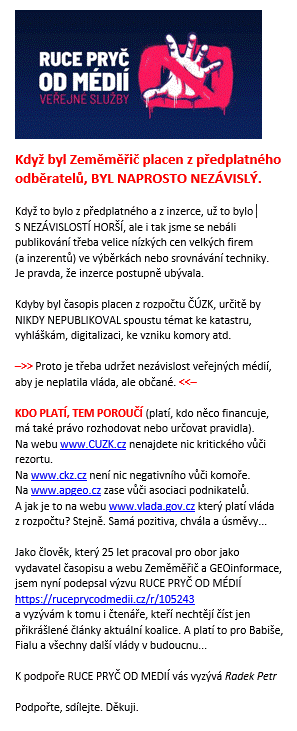


info-ctenari_1.png

info-inzerenti_2.png


https://www.arcdata.cz/konference


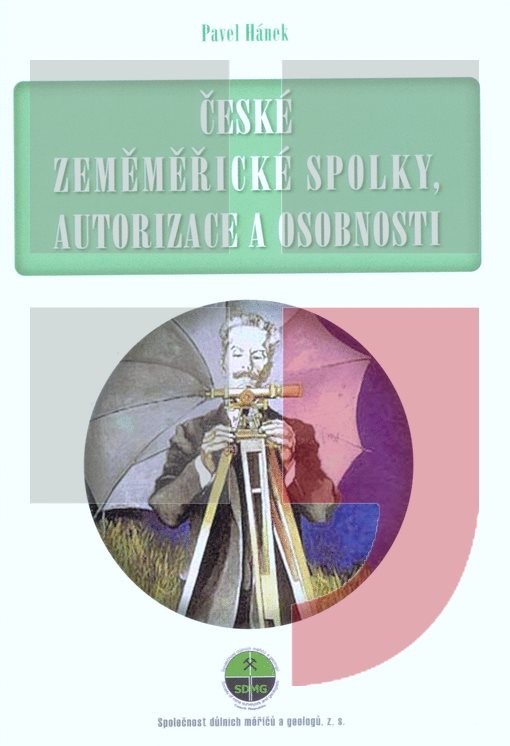
Prodej knihy o historii oboru


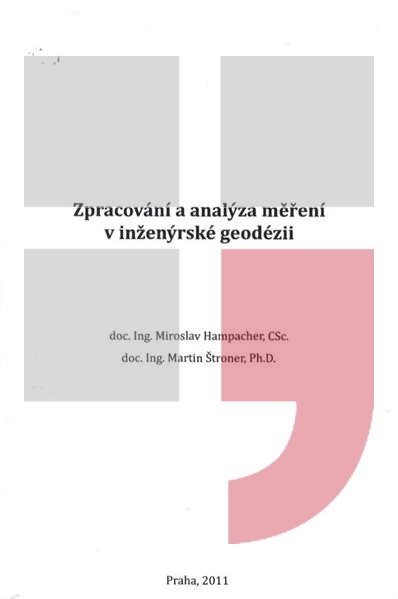
Nabídka učebnice Inženýrské geodézie:

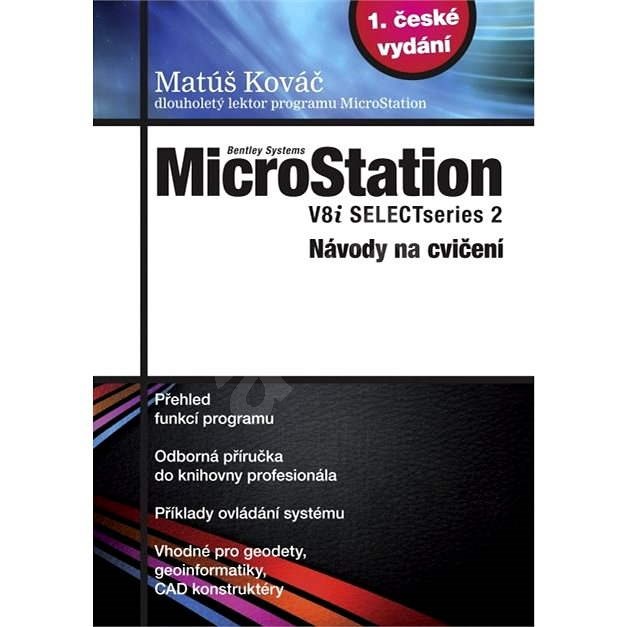
Nabídka učebnice MicroStation

otevrena-data.gif


2016-gi-fb-zememeric-5-6.jpg


Intersucho.cz


zprávy

zdroje zpráv:

Suntuity AirWorks Mobilizing Drone Technologies To Help US Cities Fight COVID-19

28.3.2020 2:48   GISCafe.com Webcasts-Webinars   By leveraging their DJI Enterprise level Matrice and Agras drones, Suntuity AirWorks is mobilizing their drone equipment and services divisions for …

Unacast Launches Pro Bono Social Distancing Scoreboard As Part of COVID-19 Toolkit

27.3.2020 16:54   GISCafe.com Webcasts-Webinars   The Real World Graph® data engine provides valuable insights on social distancing patterns at county and state level for public agencies and …

Worldwide Server and Enterprise Storage Systems Markets Will Decline in 2020, Impacted by the COVID-19 Pandemic, According to IDC

27.3.2020 16:54   GISCafe.com Webcasts-Webinars   FRAMINGHAM, Mass. — (BUSINESS WIRE) — March 27, 2020 —

End user spending on IT infrastructure (server and enterprise storage …

Microsoft creates digital twin of regional HQ

27.3.2020 15:32   Bentley Systems  

Press Coverage

Smart Cities World, UK

Read the article

Microsoft rolls out digital twin using sensors, IoT and AI

27.3.2020 15:26   Bentley Systems  

Press Coverage

Gigabit Magazine, UK

Read the article

Bentley Systems acquires GroupBC

27.3.2020 15:20   Bentley Systems  

Press Coverage

Construction Computing, UK

Read the article

Bentley Systems Announces the Acquisition of GroupBC

27.3.2020 15:08   Bentley Systems  

Press Coverage

GeoConnexion, UK

Read the article

Informace o možnosti bezkontaktního podání

27.3.2020 14:51   ČÚZK - předpisy a opatření   Katastrální úřad pro Jihočeský kraj zveřejnil novou aktualitu: Informace o možnosti bezkontaktního podání
Na všech katastrálních pracovištích Katastrálního úřadu pro Jihočeský kraj je možné i mimo omezené úřední hodiny vhodit podání v zalepené obálce do uzavřené sběrné schránky, která je umístěna v blízkosti vstupu do budovy příslušného katastrálního pracoviště (v případě KP Písek ve 3. patře budovy). Je zpřístupněna  ve standardních úředních hodinách. Pokud bude v podání uvedena e-mailová adresa, bude na ní zasláno potvrzení o přijetí podání. Za okamžik podání návrhu na vklad se považuje okamžik výběru sběrné schránky. V případě, že je s podáním spojena poplatková povinnost, bude účastníkům zaslána i výzva k úhradě správního poplatku převodem na účet. Děkujeme, že budete v co největší míře využívat této zcela bezkontaktní možnosti podání vůči katastrálnímu úřadu.

Informace o možnosti bezkontaktního podání

27.3.2020 14:51   ČÚZK   /Urady/Katastralni-urady/Katastralni-urady/Katastralni-urad-pro-Jihocesky-kraj/O-uradu/Aktuality/Informace-o-moznosti-bezkontaktniho-podani

Oznámení 24.3.2020

27.3.2020 12:18   ČÚZK - předpisy a opatření   Katastrální úřad pro Středočeský kraj - Katastrální pracoviště Praha-východ zveřejnil novou aktualitu: V části "Úřední deska", v sekci  https://www.cuzk.cz/Urady/Katastralni-urady/Katastralni-urady/Katastralni-urad-pro-Stredocesky-kraj/Katastralni-pracoviste/KP-Praha-vychod/Uredni-deska.aspx bylo vystaveno oznámění 24.3.2020

Oznámení 24.3.2020

27.3.2020 12:18   ČÚZK   /Urady/Katastralni-urady/Katastralni-urady/Katastralni-urad-pro-Stredocesky-kraj/Katastralni-pracoviste/KP-Praha-vychod/O-uradu/Aktuality/Oznameni-24-3-2020

Schránka

27.3.2020 11:57   ČÚZK - předpisy a opatření   Katastrální úřad pro Vysočinu - Katastrální pracoviště Pelhřimov zveřejnil novou aktualitu: Přestože jsou v souladu s usnesením vlády č.217 ze dne 15.března 2020 úřední hodiny pro veřejnost pouze v pondělí a středu od 8,00 do 11,00 hod., je možné i mimo tyto úřední hodiny vhodit podání v zalepené obálce do uzavřené schránky, která je umístěna ve 2.patře vedle podatelny katastrálního pracoviště.
Schránka je zpřístupněna každý den, a to ve dnech pondělí a středa od 8:00 do 15:00, úterý, čtvrtek a pátek od 8:00 do 14:00 hodin. Pokud bude v podání uvedena e-mailová adresa, bude na ní zasláno potvrzení o přijetí podání. V případě, že je s podáním spojena poplatková povinnost, bude účastníkům zaslána i výzva k úhradě správního poplatku převodem na účet.
Děkujeme, že budete v co největší míře využívat této bezkontaktní možnosti.

Schránka

27.3.2020 11:57   ČÚZK   /Urady/Katastralni-urady/Katastralni-urady/Katastralni-urad-pro-Vysocinu/Katastralni-pracoviste/KP-Pelhrimov/O-uradu/Aktuality/Schranka

Calling for GNSS apps supporting authorities and citizens in the COVID-19 emergency response and recovery

27.3.2020 11:29   European GNSS Agency  
Apps leveraging GNSS positioning can be used to effectively monitor and map the spread of the virus.
Published: 
27 March 2020

Location is a key requirement when attempting to monitor and map the spread of a disease and GNSS is one of the main tools supporting this. Galileo, currently embedded in over 1.3 billion smartphones and devices worldwide, is helping to increase GNSS accuracy and availability, especially in urban areas. Since the outbreak of the coronavirus earlier this year, many apps have been developed that use GNSS location to monitor the global spread of the virus and to map outbreaks of the COVID-19 disease. GNSS-apps are also proving their usefulness by helping people to implement social distancing in queues and other public spaces.

The European GNSS Agency (GSA)1 is compiling a repository of these apps as a knowledge bank of solutions that are being used to fight the pandemic. If you have developed an app that is already working and being used to map the spread of the coronavirus, to monitor incidences of the disease, or to alert users about possible risky contacts, tell us about it and we will include it in our database. We are also looking for practical apps that facilitate the daily lives of citizens, such as by helping them to manage queues in supermarkets, pharmacies and public spaces or by facilitating the logistics of goods, which has become more complicated in the current situation. 

We are looking for apps that are already working and available in app stores. Submit details of your solutions in writing to market@gsa.europa.eu and we will feature them on  www.useGalileo.eu/GNSS4Crisis. The goal is for this page to become a toolbox to help authorities, emergency response services, citizens and app developers to understand what resources are currently available and what needs remain unmet. 

Watch this: European GNSS Agency: Linking space to user needs 

“The coronavirus pandemic is one of the greatest challenges that we are facing as a global society and any effective response will require the use of all available tools. GNSS and apps that leverage GNSS positioning, including Galileo, our ‘made in Europe’ global navigation system, have a key role to play,” said GSA Head of Market Development Fiammetta Diani. “It has always been a core function of the GSA to connect space applications to innovative ideas for the benefit of society. The database we are building now will become a resource for everybody to use, from citizens to organisations and authorities,” she said. 

Watch also this: Will Galileo satellites track my phone?

Risk alert

Some examples of apps currently in use include Mapy.cz, a mapping application that has been updated to alert citizens to potential risky encounters through location sharing. User location data is anonymous and the developers are also working to obtain anonymous data about people who tested positive and compare it with the location of users. Advanced algorithms will then make it possible to identify cases of probable contacts with an infected person. 

Read this: Space is an enabler of security and defence 

Helping people deal with the constraints of lockdown, the Filaindiana (Italian for “single file) web app, which is currently operating only in Lombardy, allows users to check the length of queues in local supermarkets by using real-time crowd-sourced location data from users waiting to enter the supermarkets. This information allows citizens to plan their shopping responsibly and to avoid creating crowds and traffic bottlenecks in certain areas of the city. 

Positioning is key

The requirement for reliable and robust positioning in these and in similar apps is clear. Various approaches can be used to increase the robustness and precision of the solution. Dual frequency capability, a key Galileo differentiator, enables GNSS receivers to receive two GNSS signals at different frequencies from a satellite. This provides increased reliability to users – if one of the frequency bands fails, the other can be used as backup. Other benefits include a reduced signal acquisition time, increased resistance to multipath interference, and improved accuracy of positioning and timing. 

Developers working in Android also have access to GNSS raw measurements. With the release of Android 7 (Nougat) in 2016, Google made GNSS raw measurements available to users and these raw measurements can be used by developers to improve the positioning accuracy of their solutions. 

Share with us your apps and services that leverage these and other benefits of GNSS to provide the positioning needed to map, track, cope with and, hopefully, help halt the spread of this disease. 

Media note: This feature can be republished without charge provided the European GNSS Agency (GSA) is acknowledged as the source at the top or the bottom of the story. You must request permission before you use any of the photographs on the site. If you republish, we would be grateful if you could link back to the GSA website (http://www.gsa.europa.eu).

  • 1. The GSA disclaims any responsibility concerning: the completeness of the list, possible omissions, the actual fitness for use of the listed applications, the possible breach of third parties’ rights arising from the use of the listed applications.
Apps leveraging GNSS positioning can be used to effectively monitor and map the spread of the virus.

Calling for GNSS apps supporting authorities and citizens in the COVID-19 emergency response and recovery

27.3.2020 11:29   European GNSS Agency  
Apps leveraging GNSS positioning can be used to effectively monitor and map the spread of the virus.
Published: 
27 March 2020

Location is a key requirement when attempting to monitor and map the spread of a disease and GNSS is one of the main tools supporting this. Galileo, currently embedded in over 1.3 billion smartphones and devices worldwide, is helping to increase GNSS accuracy and availability, especially in urban areas. Since the outbreak of the coronavirus earlier this year, many apps have been developed that use GNSS location to monitor the global spread of the virus and to map outbreaks of the COVID-19 disease. GNSS-apps are also proving their usefulness by helping people to implement social distancing in queues and other public spaces.

The European GNSS Agency (GSA)1 is compiling a repository of these apps as a knowledge bank of solutions that are being used to fight the pandemic. If you have developed an app that is already working and being used to map the spread of the coronavirus, to monitor incidences of the disease, or to alert users about possible risky contacts, tell us about it and we will include it in our database. We are also looking for practical apps that facilitate the daily lives of citizens, such as by helping them to manage queues in supermarkets, pharmacies and public spaces or by facilitating the logistics of goods, which has become more complicated in the current situation. 

We are looking for apps that are already working and available in app stores. Submit details of your solutions in writing to market@gsa.europa.eu and we will feature them on  www.useGalileo.eu/GNSS4Crisis. The goal is for this page to become a toolbox to help authorities, emergency response services, citizens and app developers to understand what resources are currently available and what needs remain unmet. 

Watch this: European GNSS Agency: Linking space to user needs 

“The coronavirus pandemic is one of the greatest challenges that we are facing as a global society and any effective response will require the use of all available tools. GNSS and apps that leverage GNSS positioning, including Galileo, our ‘made in Europe’ global navigation system, have a key role to play,” said GSA Head of Market Development Fiammetta Diani. “It has always been a core function of the GSA to connect space applications to innovative ideas for the benefit of society. The database we are building now will become a resource for everybody to use, from citizens to organisations and authorities,” she said. 

Watch also this: Will Galileo satellites track my phone?

Risk alert

Some examples of apps currently in use include Mapy.cz, a mapping application that has been updated to alert citizens to potential risky encounters through location sharing. User location data is anonymous and the developers are also working to obtain anonymous data about people who tested positive and compare it with the location of users. Advanced algorithms will then make it possible to identify cases of probable contacts with an infected person. 

Read this: Space is an enabler of security and defence 

Helping people deal with the constraints of lockdown, the Filaindiana (Italian for “single file) web app, which is currently operating only in Lombardy, allows users to check the length of queues in local supermarkets by using real-time crowd-sourced location data from users waiting to enter the supermarkets. This information allows citizens to plan their shopping responsibly and to avoid creating crowds and traffic bottlenecks in certain areas of the city. 

Positioning is key

The requirement for reliable and robust positioning in these and in similar apps is clear. Various approaches can be used to increase the robustness and precision of the solution. Dual frequency capability, a key Galileo differentiator, enables GNSS receivers to receive two GNSS signals at different frequencies from a satellite. This provides increased reliability to users – if one of the frequency bands fails, the other can be used as backup. Other benefits include a reduced signal acquisition time, increased resistance to multipath interference, and improved accuracy of positioning and timing. 

Developers working in Android also have access to GNSS raw measurements. With the release of Android 7 (Nougat) in 2016, Google made GNSS raw measurements available to users and these raw measurements can be used by developers to improve the positioning accuracy of their solutions. 

Share with us your apps and services that leverage these and other benefits of GNSS to provide the positioning needed to map, track, cope with and, hopefully, help halt the spread of this disease. 

Media note: This feature can be republished without charge provided the European GNSS Agency (GSA) is acknowledged as the source at the top or the bottom of the story. You must request permission before you use any of the photographs on the site. If you republish, we would be grateful if you could link back to the GSA website (http://www.gsa.europa.eu).

  • 1. The GSA disclaims any responsibility concerning: the completeness of the list, possible omissions, the actual fitness for use of the listed applications, the possible breach of third parties’ rights arising from the use of the listed applications.
Apps leveraging GNSS positioning can be used to effectively monitor and map the spread of the virus.

Calling for GNSS apps supporting authorities and citizens in the COVID-19 emergency response and recovery

27.3.2020 11:29   European GNSS Agency  
Apps leveraging GNSS positioning can be used to effectively monitor and map the spread of the virus.
Published: 
27 March 2020

Location is a key requirement when attempting to monitor and map the spread of a disease and GNSS is one of the main tools supporting this. Galileo, currently embedded in over 1.3 billion smartphones and devices worldwide, is helping to increase GNSS accuracy and availability, especially in urban areas. Since the outbreak of the coronavirus earlier this year, many apps have been developed that use GNSS location to monitor the global spread of the virus and to map outbreaks of the COVID-19 disease. GNSS-apps are also proving their usefulness by helping people to implement social distancing in queues and other public spaces.

The European GNSS Agency (GSA)1 is compiling a repository of these apps as a knowledge bank of solutions that are being used to fight the pandemic. If you have developed an app that is already working and being used to map the spread of the coronavirus, to monitor incidences of the disease, or to alert users about possible risky contacts, tell us about it and we will include it in our database. We are also looking for practical apps that facilitate the daily lives of citizens, such as by helping them to manage queues in supermarkets, pharmacies and public spaces or by facilitating the logistics of goods, which has become more complicated in the current situation. 

We are looking for apps that are already working and available in app stores. Submit details of your solutions in writing to market@gsa.europa.eu and we will feature them on  www.useGalileo.eu/GNSS4Crisis. The goal is for this page to become a toolbox to help authorities, emergency response services, citizens and app developers to understand what resources are currently available and what needs remain unmet. 

Watch this: European GNSS Agency: Linking space to user needs 

“The coronavirus pandemic is one of the greatest challenges that we are facing as a global society and any effective response will require the use of all available tools. GNSS and apps that leverage GNSS positioning, including Galileo, our ‘made in Europe’ global navigation system, have a key role to play,” said GSA Head of Market Development Fiammetta Diani. “It has always been a core function of the GSA to connect space applications to innovative ideas for the benefit of society. The database we are building now will become a resource for everybody to use, from citizens to organisations and authorities,” she said. 

Watch also this: Will Galileo satellites track my phone?

Risk alert

Some examples of apps currently in use include Mapy.cz, a mapping application that has been updated to alert citizens to potential risky encounters through location sharing. User location data is anonymous and the developers are also working to obtain anonymous data about people who tested positive and compare it with the location of users. Advanced algorithms will then make it possible to identify cases of probable contacts with an infected person. 

Read this: Space is an enabler of security and defence 

Helping people deal with the constraints of lockdown, the Filaindiana (Italian for “single file) web app, which is currently operating only in Lombardy, allows users to check the length of queues in local supermarkets by using real-time crowd-sourced location data from users waiting to enter the supermarkets. This information allows citizens to plan their shopping responsibly and to avoid creating crowds and traffic bottlenecks in certain areas of the city. 

Positioning is key

The requirement for reliable and robust positioning in these and in similar apps is clear. Various approaches can be used to increase the robustness and precision of the solution. Dual frequency capability, a key Galileo differentiator, enables GNSS receivers to receive two GNSS signals at different frequencies from a satellite. This provides increased reliability to users – if one of the frequency bands fails, the other can be used as backup. Other benefits include a reduced signal acquisition time, increased resistance to multipath interference, and improved accuracy of positioning and timing. 

Developers working in Android also have access to GNSS raw measurements. With the release of Android 7 (Nougat) in 2016, Google made GNSS raw measurements available to users and these raw measurements can be used by developers to improve the positioning accuracy of their solutions. 

Share with us your apps and services that leverage these and other benefits of GNSS to provide the positioning needed to map, track, cope with and, hopefully, help halt the spread of this disease. 

Media note: This feature can be republished without charge provided the European GNSS Agency (GSA) is acknowledged as the source at the top or the bottom of the story. You must request permission before you use any of the photographs on the site. If you republish, we would be grateful if you could link back to the GSA website (http://www.gsa.europa.eu).

  • 1. The GSA disclaims any responsibility concerning: the completeness of the list, possible omissions, the actual fitness for use of the listed applications, the possible breach of third parties’ rights arising from the use of the listed applications.
Apps leveraging GNSS positioning can be used to effectively monitor and map the spread of the virus.

Calling for GNSS apps supporting authorities and citizens in the COVID-19 emergency response and recovery

27.3.2020 11:29   European GNSS Agency  
Apps leveraging GNSS positioning can be used to effectively monitor and map the spread of the virus.
Published: 
27 March 2020

Location is a key requirement when attempting to monitor and map the spread of a disease and GNSS is one of the main tools supporting this. Galileo, currently embedded in over 1.3 billion smartphones and devices worldwide, is helping to increase GNSS accuracy and availability, especially in urban areas. Since the outbreak of the coronavirus earlier this year, many apps have been developed that use GNSS location to monitor the global spread of the virus and to map outbreaks of the COVID-19 disease. GNSS-apps are also proving their usefulness by helping people to implement social distancing in queues and other public spaces.

The European GNSS Agency (GSA)1 is compiling a repository of these apps as a knowledge bank of solutions that are being used to fight the pandemic. If you have developed an app that is already working and being used to map the spread of the coronavirus, to monitor incidences of the disease, or to alert users about possible risky contacts, tell us about it and we will include it in our database. We are also looking for practical apps that facilitate the daily lives of citizens, such as by helping them to manage queues in supermarkets, pharmacies and public spaces or by facilitating the logistics of goods, which has become more complicated in the current situation. 

We are looking for apps that are already working and available in app stores. Submit details of your solutions in writing to market@gsa.europa.eu and we will feature them on  www.useGalileo.eu/GNSS4Crisis. The goal is for this page to become a toolbox to help authorities, emergency response services, citizens and app developers to understand what resources are currently available and what needs remain unmet. 

Watch this: European GNSS Agency: Linking space to user needs 

“The coronavirus pandemic is one of the greatest challenges that we are facing as a global society and any effective response will require the use of all available tools. GNSS and apps that leverage GNSS positioning, including Galileo, our ‘made in Europe’ global navigation system, have a key role to play,” said GSA Head of Market Development Fiammetta Diani. “It has always been a core function of the GSA to connect space applications to innovative ideas for the benefit of society. The database we are building now will become a resource for everybody to use, from citizens to organisations and authorities,” she said. 

Watch also this: Will Galileo satellites track my phone?

Risk alert

Some examples of apps currently in use include Mapy.cz, a mapping application that has been updated to alert citizens to potential risky encounters through location sharing. User location data is anonymous and the developers are also working to obtain anonymous data about people who tested positive and compare it with the location of users. Advanced algorithms will then make it possible to identify cases of probable contacts with an infected person. 

Read this: Space is an enabler of security and defence 

Helping people deal with the constraints of lockdown, the Filaindiana (Italian for “single file) web app, which is currently operating only in Lombardy, allows users to check the length of queues in local supermarkets by using real-time crowd-sourced location data from users waiting to enter the supermarkets. This information allows citizens to plan their shopping responsibly and to avoid creating crowds and traffic bottlenecks in certain areas of the city. 

Positioning is key

The requirement for reliable and robust positioning in these and in similar apps is clear. Various approaches can be used to increase the robustness and precision of the solution. Dual frequency capability, a key Galileo differentiator, enables GNSS receivers to receive two GNSS signals at different frequencies from a satellite. This provides increased reliability to users – if one of the frequency bands fails, the other can be used as backup. Other benefits include a reduced signal acquisition time, increased resistance to multipath interference, and improved accuracy of positioning and timing. 

Developers working in Android also have access to GNSS raw measurements. With the release of Android 7 (Nougat) in 2016, Google made GNSS raw measurements available to users and these raw measurements can be used by developers to improve the positioning accuracy of their solutions. 

Share with us your apps and services that leverage these and other benefits of GNSS to provide the positioning needed to map, track, cope with and, hopefully, help halt the spread of this disease. 

Media note: This feature can be republished without charge provided the European GNSS Agency (GSA) is acknowledged as the source at the top or the bottom of the story. You must request permission before you use any of the photographs on the site. If you republish, we would be grateful if you could link back to the GSA website (http://www.gsa.europa.eu).

  • 1. The GSA disclaims any responsibility concerning: the completeness of the list, possible omissions, the actual fitness for use of the listed applications, the possible breach of third parties’ rights arising from the use of the listed applications.
Apps leveraging GNSS positioning can be used to effectively monitor and map the spread of the virus.

Calling for GNSS apps supporting authorities and citizens in the COVID-19 emergency response and recovery

27.3.2020 11:29   European GNSS Agency  
Apps leveraging GNSS positioning can be used to effectively monitor and map the spread of the virus.
Published: 
27 March 2020

Location is a key requirement when attempting to monitor and map the spread of a disease and GNSS is one of the main tools supporting this. Galileo, currently embedded in over 1.3 billion smartphones and devices worldwide, is helping to increase GNSS accuracy and availability, especially in urban areas. Since the outbreak of the coronavirus earlier this year, many apps have been developed that use GNSS location to monitor the global spread of the virus and to map outbreaks of the COVID-19 disease. GNSS-apps are also proving their usefulness by helping people to implement social distancing in queues and other public spaces.

The European GNSS Agency (GSA)1 is compiling a repository of these apps as a knowledge bank of solutions that are being used to fight the pandemic. If you have developed an app that is already working and being used to map the spread of the coronavirus, to monitor incidences of the disease, or to alert users about possible risky contacts, tell us about it and we will include it in our database. We are also looking for practical apps that facilitate the daily lives of citizens, such as by helping them to manage queues in supermarkets, pharmacies and public spaces or by facilitating the logistics of goods, which has become more complicated in the current situation. 

We are looking for apps that are already working and available in app stores. Submit details of your solutions in writing to market@gsa.europa.eu and we will feature them on  www.useGalileo.eu/GNSS4Crisis. The goal is for this page to become a toolbox to help authorities, emergency response services, citizens and app developers to understand what resources are currently available and what needs remain unmet. 

Watch this: European GNSS Agency: Linking space to user needs 

“The coronavirus pandemic is one of the greatest challenges that we are facing as a global society and any effective response will require the use of all available tools. GNSS and apps that leverage GNSS positioning, including Galileo, our ‘made in Europe’ global navigation system, have a key role to play,” said GSA Head of Market Development Fiammetta Diani. “It has always been a core function of the GSA to connect space applications to innovative ideas for the benefit of society. The database we are building now will become a resource for everybody to use, from citizens to organisations and authorities,” she said. 

Watch also this: Will Galileo satellites track my phone?

Risk alert

Some examples of apps currently in use include Mapy.cz, a mapping application that has been updated to alert citizens to potential risky encounters through location sharing. User location data is anonymous and the developers are also working to obtain anonymous data about people who tested positive and compare it with the location of users. Advanced algorithms will then make it possible to identify cases of probable contacts with an infected person. 

Read this: Space is an enabler of security and defence 

Helping people deal with the constraints of lockdown, the Filaindiana (Italian for “single file) web app, which is currently operating only in Lombardy, allows users to check the length of queues in local supermarkets by using real-time crowd-sourced location data from users waiting to enter the supermarkets. This information allows citizens to plan their shopping responsibly and to avoid creating crowds and traffic bottlenecks in certain areas of the city. 

Positioning is key

The requirement for reliable and robust positioning in these and in similar apps is clear. Various approaches can be used to increase the robustness and precision of the solution. Dual frequency capability, a key Galileo differentiator, enables GNSS receivers to receive two GNSS signals at different frequencies from a satellite. This provides increased reliability to users – if one of the frequency bands fails, the other can be used as backup. Other benefits include a reduced signal acquisition time, increased resistance to multipath interference, and improved accuracy of positioning and timing. 

Developers working in Android also have access to GNSS raw measurements. With the release of Android 7 (Nougat) in 2016, Google made GNSS raw measurements available to users and these raw measurements can be used by developers to improve the positioning accuracy of their solutions. 

Share with us your apps and services that leverage these and other benefits of GNSS to provide the positioning needed to map, track, cope with and, hopefully, help halt the spread of this disease. 

Media note: This feature can be republished without charge provided the European GNSS Agency (GSA) is acknowledged as the source at the top or the bottom of the story. You must request permission before you use any of the photographs on the site. If you republish, we would be grateful if you could link back to the GSA website (http://www.gsa.europa.eu).

  • 1. The GSA disclaims any responsibility concerning: the completeness of the list, possible omissions, the actual fitness for use of the listed applications, the possible breach of third parties’ rights arising from the use of the listed applications.
Apps leveraging GNSS positioning can be used to effectively monitor and map the spread of the virus.

Calling for GNSS apps supporting authorities and citizens in the COVID-19 emergency response and recovery

27.3.2020 11:29   European GNSS Agency  
Apps leveraging GNSS positioning can be used to effectively monitor and map the spread of the virus.
Published: 
27 March 2020

Location is a key requirement when attempting to monitor and map the spread of a disease and GNSS is one of the main tools supporting this. Galileo, currently embedded in over 1.3 billion smartphones and devices worldwide, is helping to increase GNSS accuracy and availability, especially in urban areas. Since the outbreak of the coronavirus earlier this year, many apps have been developed that use GNSS location to monitor the global spread of the virus and to map outbreaks of the COVID-19 disease. GNSS-apps are also proving their usefulness by helping people to implement social distancing in queues and other public spaces.

The European GNSS Agency (GSA)1 is compiling a repository of these apps as a knowledge bank of solutions that are being used to fight the pandemic. If you have developed an app that is already working and being used to map the spread of the coronavirus, to monitor incidences of the disease, or to alert users about possible risky contacts, tell us about it and we will include it in our database. We are also looking for practical apps that facilitate the daily lives of citizens, such as by helping them to manage queues in supermarkets, pharmacies and public spaces or by facilitating the logistics of goods, which has become more complicated in the current situation. 

We are looking for apps that are already working and available in app stores. Submit details of your solutions in writing to market@gsa.europa.eu and we will feature them on  www.useGalileo.eu/GNSS4Crisis. The goal is for this page to become a toolbox to help authorities, emergency response services, citizens and app developers to understand what resources are currently available and what needs remain unmet. 

Watch this: European GNSS Agency: Linking space to user needs 

“The coronavirus pandemic is one of the greatest challenges that we are facing as a global society and any effective response will require the use of all available tools. GNSS and apps that leverage GNSS positioning, including Galileo, our ‘made in Europe’ global navigation system, have a key role to play,” said GSA Head of Market Development Fiammetta Diani. “It has always been a core function of the GSA to connect space applications to innovative ideas for the benefit of society. The database we are building now will become a resource for everybody to use, from citizens to organisations and authorities,” she said. 

Watch also this: Will Galileo satellites track my phone?

Risk alert

Some examples of apps currently in use include Mapy.cz, a mapping application that has been updated to alert citizens to potential risky encounters through location sharing. User location data is anonymous and the developers are also working to obtain anonymous data about people who tested positive and compare it with the location of users. Advanced algorithms will then make it possible to identify cases of probable contacts with an infected person. 

Read this: Space is an enabler of security and defence 

Helping people deal with the constraints of lockdown, the Filaindiana (Italian for “single file) web app, which is currently operating only in Lombardy, allows users to check the length of queues in local supermarkets by using real-time crowd-sourced location data from users waiting to enter the supermarkets. This information allows citizens to plan their shopping responsibly and to avoid creating crowds and traffic bottlenecks in certain areas of the city. 

Positioning is key

The requirement for reliable and robust positioning in these and in similar apps is clear. Various approaches can be used to increase the robustness and precision of the solution. Dual frequency capability, a key Galileo differentiator, enables GNSS receivers to receive two GNSS signals at different frequencies from a satellite. This provides increased reliability to users – if one of the frequency bands fails, the other can be used as backup. Other benefits include a reduced signal acquisition time, increased resistance to multipath interference, and improved accuracy of positioning and timing. 

Developers working in Android also have access to GNSS raw measurements. With the release of Android 7 (Nougat) in 2016, Google made GNSS raw measurements available to users and these raw measurements can be used by developers to improve the positioning accuracy of their solutions. 

Share with us your apps and services that leverage these and other benefits of GNSS to provide the positioning needed to map, track, cope with and, hopefully, help halt the spread of this disease. 

Media note: This feature can be republished without charge provided the European GNSS Agency (GSA) is acknowledged as the source at the top or the bottom of the story. You must request permission before you use any of the photographs on the site. If you republish, we would be grateful if you could link back to the GSA website (http://www.gsa.europa.eu).

  • 1. The GSA disclaims any responsibility concerning: the completeness of the list, possible omissions, the actual fitness for use of the listed applications, the possible breach of third parties’ rights arising from the use of the listed applications.
Apps leveraging GNSS positioning can be used to effectively monitor and map the spread of the virus.

Calling for GNSS apps supporting authorities and citizens in the COVID-19 emergency response and recovery

27.3.2020 11:29   European GNSS Agency  
Apps leveraging GNSS positioning can be used to effectively monitor and map the spread of the virus.
Published: 
27 March 2020

Location is a key requirement when attempting to monitor and map the spread of a disease and GNSS is one of the main tools supporting this. Galileo, currently embedded in over 1.3 billion smartphones and devices worldwide, is helping to increase GNSS accuracy and availability, especially in urban areas. Since the outbreak of the coronavirus earlier this year, many apps have been developed that use GNSS location to monitor the global spread of the virus and to map outbreaks of the COVID-19 disease. GNSS-apps are also proving their usefulness by helping people to implement social distancing in queues and other public spaces.

The European GNSS Agency (GSA)1 is compiling a repository of these apps as a knowledge bank of solutions that are being used to fight the pandemic. If you have developed an app that is already working and being used to map the spread of the coronavirus, to monitor incidences of the disease, or to alert users about possible risky contacts, tell us about it and we will include it in our database. We are also looking for practical apps that facilitate the daily lives of citizens, such as by helping them to manage queues in supermarkets, pharmacies and public spaces or by facilitating the logistics of goods, which has become more complicated in the current situation. 

We are looking for apps that are already working and available in app stores. Submit details of your solutions in writing to market@gsa.europa.eu and we will feature them on  www.useGalileo.eu/GNSS4Crisis. The goal is for this page to become a toolbox to help authorities, emergency response services, citizens and app developers to understand what resources are currently available and what needs remain unmet. 

Watch this: European GNSS Agency: Linking space to user needs 

“The coronavirus pandemic is one of the greatest challenges that we are facing as a global society and any effective response will require the use of all available tools. GNSS and apps that leverage GNSS positioning, including Galileo, our ‘made in Europe’ global navigation system, have a key role to play,” said GSA Head of Market Development Fiammetta Diani. “It has always been a core function of the GSA to connect space applications to innovative ideas for the benefit of society. The database we are building now will become a resource for everybody to use, from citizens to organisations and authorities,” she said. 

Watch also this: Will Galileo satellites track my phone?

Risk alert

Some examples of apps currently in use include Mapy.cz, a mapping application that has been updated to alert citizens to potential risky encounters through location sharing. User location data is anonymous and the developers are also working to obtain anonymous data about people who tested positive and compare it with the location of users. Advanced algorithms will then make it possible to identify cases of probable contacts with an infected person. 

Read this: Space is an enabler of security and defence 

Helping people deal with the constraints of lockdown, the Filaindiana (Italian for “single file) web app, which is currently operating only in Lombardy, allows users to check the length of queues in local supermarkets by using real-time crowd-sourced location data from users waiting to enter the supermarkets. This information allows citizens to plan their shopping responsibly and to avoid creating crowds and traffic bottlenecks in certain areas of the city. 

Positioning is key

The requirement for reliable and robust positioning in these and in similar apps is clear. Various approaches can be used to increase the robustness and precision of the solution. Dual frequency capability, a key Galileo differentiator, enables GNSS receivers to receive two GNSS signals at different frequencies from a satellite. This provides increased reliability to users – if one of the frequency bands fails, the other can be used as backup. Other benefits include a reduced signal acquisition time, increased resistance to multipath interference, and improved accuracy of positioning and timing. 

Developers working in Android also have access to GNSS raw measurements. With the release of Android 7 (Nougat) in 2016, Google made GNSS raw measurements available to users and these raw measurements can be used by developers to improve the positioning accuracy of their solutions. 

Share with us your apps and services that leverage these and other benefits of GNSS to provide the positioning needed to map, track, cope with and, hopefully, help halt the spread of this disease. 

Media note: This feature can be republished without charge provided the European GNSS Agency (GSA) is acknowledged as the source at the top or the bottom of the story. You must request permission before you use any of the photographs on the site. If you republish, we would be grateful if you could link back to the GSA website (http://www.gsa.europa.eu).

  • 1. The GSA disclaims any responsibility concerning: the completeness of the list, possible omissions, the actual fitness for use of the listed applications, the possible breach of third parties’ rights arising from the use of the listed applications.
Apps leveraging GNSS positioning can be used to effectively monitor and map the spread of the virus.

Calling for GNSS apps supporting authorities and citizens in the COVID-19 emergency response and recovery

27.3.2020 11:29   European GNSS Agency  
Apps leveraging GNSS positioning can be used to effectively monitor and map the spread of the virus.
Published: 
27 March 2020

Location is a key requirement when attempting to monitor and map the spread of a disease and GNSS is one of the main tools supporting this. Galileo, currently embedded in over 1.3 billion smartphones and devices worldwide, is helping to increase GNSS accuracy and availability, especially in urban areas. Since the outbreak of the coronavirus earlier this year, many apps have been developed that use GNSS location to monitor the global spread of the virus and to map outbreaks of the COVID-19 disease. GNSS-apps are also proving their usefulness by helping people to implement social distancing in queues and other public spaces.

The European GNSS Agency (GSA)1 is compiling a repository of these apps as a knowledge bank of solutions that are being used to fight the pandemic. If you have developed an app that is already working and being used to map the spread of the coronavirus, to monitor incidences of the disease, or to alert users about possible risky contacts, tell us about it and we will include it in our database. We are also looking for practical apps that facilitate the daily lives of citizens, such as by helping them to manage queues in supermarkets, pharmacies and public spaces or by facilitating the logistics of goods, which has become more complicated in the current situation. 

We are looking for apps that are already working and available in app stores. Submit details of your solutions in writing to market@gsa.europa.eu and we will feature them on  www.useGalileo.eu/GNSS4Crisis. The goal is for this page to become a toolbox to help authorities, emergency response services, citizens and app developers to understand what resources are currently available and what needs remain unmet. 

Watch this: European GNSS Agency: Linking space to user needs 

“The coronavirus pandemic is one of the greatest challenges that we are facing as a global society and any effective response will require the use of all available tools. GNSS and apps that leverage GNSS positioning, including Galileo, our ‘made in Europe’ global navigation system, have a key role to play,” said GSA Head of Market Development Fiammetta Diani. “It has always been a core function of the GSA to connect space applications to innovative ideas for the benefit of society. The database we are building now will become a resource for everybody to use, from citizens to organisations and authorities,” she said. 

Watch also this: Will Galileo satellites track my phone?

Risk alert

Some examples of apps currently in use include Mapy.cz, a mapping application that has been updated to alert citizens to potential risky encounters through location sharing. User location data is anonymous and the developers are also working to obtain anonymous data about people who tested positive and compare it with the location of users. Advanced algorithms will then make it possible to identify cases of probable contacts with an infected person. 

Read this: Space is an enabler of security and defence 

Helping people deal with the constraints of lockdown, the Filaindiana (Italian for “single file) web app, which is currently operating only in Lombardy, allows users to check the length of queues in local supermarkets by using real-time crowd-sourced location data from users waiting to enter the supermarkets. This information allows citizens to plan their shopping responsibly and to avoid creating crowds and traffic bottlenecks in certain areas of the city. 

Positioning is key

The requirement for reliable and robust positioning in these and in similar apps is clear. Various approaches can be used to increase the robustness and precision of the solution. Dual frequency capability, a key Galileo differentiator, enables GNSS receivers to receive two GNSS signals at different frequencies from a satellite. This provides increased reliability to users – if one of the frequency bands fails, the other can be used as backup. Other benefits include a reduced signal acquisition time, increased resistance to multipath interference, and improved accuracy of positioning and timing. 

Developers working in Android also have access to GNSS raw measurements. With the release of Android 7 (Nougat) in 2016, Google made GNSS raw measurements available to users and these raw measurements can be used by developers to improve the positioning accuracy of their solutions. 

Share with us your apps and services that leverage these and other benefits of GNSS to provide the positioning needed to map, track, cope with and, hopefully, help halt the spread of this disease. 

Media note: This feature can be republished without charge provided the European GNSS Agency (GSA) is acknowledged as the source at the top or the bottom of the story. You must request permission before you use any of the photographs on the site. If you republish, we would be grateful if you could link back to the GSA website (http://www.gsa.europa.eu).

  • 1. The GSA disclaims any responsibility concerning: the completeness of the list, possible omissions, the actual fitness for use of the listed applications, the possible breach of third parties’ rights arising from the use of the listed applications.
Apps leveraging GNSS positioning can be used to effectively monitor and map the spread of the virus.

Calling for GNSS apps supporting authorities and citizens in the COVID-19 emergency response and recovery

27.3.2020 11:29   European GNSS Agency  
Apps leveraging GNSS positioning can be used to effectively monitor and map the spread of the virus.
Published: 
27 March 2020

Location is a key requirement when attempting to monitor and map the spread of a disease and GNSS is one of the main tools supporting this. Galileo, currently embedded in over 1.3 billion smartphones and devices worldwide, is helping to increase GNSS accuracy and availability, especially in urban areas. Since the outbreak of the coronavirus earlier this year, many apps have been developed that use GNSS location to monitor the global spread of the virus and to map outbreaks of the COVID-19 disease. GNSS-apps are also proving their usefulness by helping people to implement social distancing in queues and other public spaces.

The European GNSS Agency (GSA)1 is compiling a repository of these apps as a knowledge bank of solutions that are being used to fight the pandemic. If you have developed an app that is already working and being used to map the spread of the coronavirus, to monitor incidences of the disease, or to alert users about possible risky contacts, tell us about it and we will include it in our database. We are also looking for practical apps that facilitate the daily lives of citizens, such as by helping them to manage queues in supermarkets, pharmacies and public spaces or by facilitating the logistics of goods, which has become more complicated in the current situation. 

We are looking for apps that are already working and available in app stores. Submit details of your solutions in writing to market@gsa.europa.eu and we will feature them on  www.useGalileo.eu/GNSS4Crisis. The goal is for this page to become a toolbox to help authorities, emergency response services, citizens and app developers to understand what resources are currently available and what needs remain unmet. 

Watch this: European GNSS Agency: Linking space to user needs 

“The coronavirus pandemic is one of the greatest challenges that we are facing as a global society and any effective response will require the use of all available tools. GNSS and apps that leverage GNSS positioning, including Galileo, our ‘made in Europe’ global navigation system, have a key role to play,” said GSA Head of Market Development Fiammetta Diani. “It has always been a core function of the GSA to connect space applications to innovative ideas for the benefit of society. The database we are building now will become a resource for everybody to use, from citizens to organisations and authorities,” she said. 

Watch also this: Will Galileo satellites track my phone?

Risk alert

Some examples of apps currently in use include Mapy.cz, a mapping application that has been updated to alert citizens to potential risky encounters through location sharing. User location data is anonymous and the developers are also working to obtain anonymous data about people who tested positive and compare it with the location of users. Advanced algorithms will then make it possible to identify cases of probable contacts with an infected person. 

Read this: Space is an enabler of security and defence 

Helping people deal with the constraints of lockdown, the Filaindiana (Italian for “single file) web app, which is currently operating only in Lombardy, allows users to check the length of queues in local supermarkets by using real-time crowd-sourced location data from users waiting to enter the supermarkets. This information allows citizens to plan their shopping responsibly and to avoid creating crowds and traffic bottlenecks in certain areas of the city. 

Positioning is key

The requirement for reliable and robust positioning in these and in similar apps is clear. Various approaches can be used to increase the robustness and precision of the solution. Dual frequency capability, a key Galileo differentiator, enables GNSS receivers to receive two GNSS signals at different frequencies from a satellite. This provides increased reliability to users – if one of the frequency bands fails, the other can be used as backup. Other benefits include a reduced signal acquisition time, increased resistance to multipath interference, and improved accuracy of positioning and timing. 

Developers working in Android also have access to GNSS raw measurements. With the release of Android 7 (Nougat) in 2016, Google made GNSS raw measurements available to users and these raw measurements can be used by developers to improve the positioning accuracy of their solutions. 

Share with us your apps and services that leverage these and other benefits of GNSS to provide the positioning needed to map, track, cope with and, hopefully, help halt the spread of this disease. 

Media note: This feature can be republished without charge provided the European GNSS Agency (GSA) is acknowledged as the source at the top or the bottom of the story. You must request permission before you use any of the photographs on the site. If you republish, we would be grateful if you could link back to the GSA website (http://www.gsa.europa.eu).

  • 1. The GSA disclaims any responsibility concerning: the completeness of the list, possible omissions, the actual fitness for use of the listed applications, the possible breach of third parties’ rights arising from the use of the listed applications.
Apps leveraging GNSS positioning can be used to effectively monitor and map the spread of the virus.

Calling for GNSS apps supporting authorities and citizens in the COVID-19 emergency response and recovery

27.3.2020 11:29   European GNSS Agency  
Apps leveraging GNSS positioning can be used to effectively monitor and map the spread of the virus.
Published: 
27 March 2020

Location is a key requirement when attempting to monitor and map the spread of a disease and GNSS is one of the main tools supporting this. Galileo, currently embedded in over 1.3 billion smartphones and devices worldwide, is helping to increase GNSS accuracy and availability, especially in urban areas. Since the outbreak of the coronavirus earlier this year, many apps have been developed that use GNSS location to monitor the global spread of the virus and to map outbreaks of the COVID-19 disease. GNSS-apps are also proving their usefulness by helping people to implement social distancing in queues and other public spaces.

The European GNSS Agency (GSA)1 is compiling a repository of these apps as a knowledge bank of solutions that are being used to fight the pandemic. If you have developed an app that is already working and being used to map the spread of the coronavirus, to monitor incidences of the disease, or to alert users about possible risky contacts, tell us about it and we will include it in our database. We are also looking for practical apps that facilitate the daily lives of citizens, such as by helping them to manage queues in supermarkets, pharmacies and public spaces or by facilitating the logistics of goods, which has become more complicated in the current situation. 

We are looking for apps that are already working and available in app stores. Submit details of your solutions in writing to market@gsa.europa.eu and we will feature them on  www.useGalileo.eu/GNSS4Crisis. The goal is for this page to become a toolbox to help authorities, emergency response services, citizens and app developers to understand what resources are currently available and what needs remain unmet. 

Watch this: European GNSS Agency: Linking space to user needs 

“The coronavirus pandemic is one of the greatest challenges that we are facing as a global society and any effective response will require the use of all available tools. GNSS and apps that leverage GNSS positioning, including Galileo, our ‘made in Europe’ global navigation system, have a key role to play,” said GSA Head of Market Development Fiammetta Diani. “It has always been a core function of the GSA to connect space applications to innovative ideas for the benefit of society. The database we are building now will become a resource for everybody to use, from citizens to organisations and authorities,” she said. 

Watch also this: Will Galileo satellites track my phone?

Risk alert

Some examples of apps currently in use include Mapy.cz, a mapping application that has been updated to alert citizens to potential risky encounters through location sharing. User location data is anonymous and the developers are also working to obtain anonymous data about people who tested positive and compare it with the location of users. Advanced algorithms will then make it possible to identify cases of probable contacts with an infected person. 

Read this: Space is an enabler of security and defence 

Helping people deal with the constraints of lockdown, the Filaindiana (Italian for “single file) web app, which is currently operating only in Lombardy, allows users to check the length of queues in local supermarkets by using real-time crowd-sourced location data from users waiting to enter the supermarkets. This information allows citizens to plan their shopping responsibly and to avoid creating crowds and traffic bottlenecks in certain areas of the city. 

Positioning is key

The requirement for reliable and robust positioning in these and in similar apps is clear. Various approaches can be used to increase the robustness and precision of the solution. Dual frequency capability, a key Galileo differentiator, enables GNSS receivers to receive two GNSS signals at different frequencies from a satellite. This provides increased reliability to users – if one of the frequency bands fails, the other can be used as backup. Other benefits include a reduced signal acquisition time, increased resistance to multipath interference, and improved accuracy of positioning and timing. 

Developers working in Android also have access to GNSS raw measurements. With the release of Android 7 (Nougat) in 2016, Google made GNSS raw measurements available to users and these raw measurements can be used by developers to improve the positioning accuracy of their solutions. 

Share with us your apps and services that leverage these and other benefits of GNSS to provide the positioning needed to map, track, cope with and, hopefully, help halt the spread of this disease. 

Media note: This feature can be republished without charge provided the European GNSS Agency (GSA) is acknowledged as the source at the top or the bottom of the story. You must request permission before you use any of the photographs on the site. If you republish, we would be grateful if you could link back to the GSA website (http://www.gsa.europa.eu).

  • 1. The GSA disclaims any responsibility concerning: the completeness of the list, possible omissions, the actual fitness for use of the listed applications, the possible breach of third parties’ rights arising from the use of the listed applications.
Apps leveraging GNSS positioning can be used to effectively monitor and map the spread of the virus.

Calling for GNSS apps supporting authorities and citizens in the COVID-19 emergency response and recovery

27.3.2020 11:29   European GNSS Agency  
Apps leveraging GNSS positioning can be used to effectively monitor and map the spread of the virus.
Published: 
27 March 2020

Location is a key requirement when attempting to monitor and map the spread of a disease and GNSS is one of the main tools supporting this. Galileo, currently embedded in over 1.3 billion smartphones and devices worldwide, is helping to increase GNSS accuracy and availability, especially in urban areas. Since the outbreak of the coronavirus earlier this year, many apps have been developed that use GNSS location to monitor the global spread of the virus and to map outbreaks of the COVID-19 disease. GNSS-apps are also proving their usefulness by helping people to implement social distancing in queues and other public spaces.

The European GNSS Agency (GSA)1 is compiling a repository of these apps as a knowledge bank of solutions that are being used to fight the pandemic. If you have developed an app that is already working and being used to map the spread of the coronavirus, to monitor incidences of the disease, or to alert users about possible risky contacts, tell us about it and we will include it in our database. We are also looking for practical apps that facilitate the daily lives of citizens, such as by helping them to manage queues in supermarkets, pharmacies and public spaces or by facilitating the logistics of goods, which has become more complicated in the current situation. 

We are looking for apps that are already working and available in app stores. Submit details of your solutions in writing to market@gsa.europa.eu and we will feature them on  www.useGalileo.eu/GNSS4Crisis. The goal is for this page to become a toolbox to help authorities, emergency response services, citizens and app developers to understand what resources are currently available and what needs remain unmet. 

Watch this: European GNSS Agency: Linking space to user needs 

“The coronavirus pandemic is one of the greatest challenges that we are facing as a global society and any effective response will require the use of all available tools. GNSS and apps that leverage GNSS positioning, including Galileo, our ‘made in Europe’ global navigation system, have a key role to play,” said GSA Head of Market Development Fiammetta Diani. “It has always been a core function of the GSA to connect space applications to innovative ideas for the benefit of society. The database we are building now will become a resource for everybody to use, from citizens to organisations and authorities,” she said. 

Watch also this: Will Galileo satellites track my phone?

Risk alert

Some examples of apps currently in use include Mapy.cz, a mapping application that has been updated to alert citizens to potential risky encounters through location sharing. User location data is anonymous and the developers are also working to obtain anonymous data about people who tested positive and compare it with the location of users. Advanced algorithms will then make it possible to identify cases of probable contacts with an infected person. 

Read this: Space is an enabler of security and defence 

Helping people deal with the constraints of lockdown, the Filaindiana (Italian for “single file) web app, which is currently operating only in Lombardy, allows users to check the length of queues in local supermarkets by using real-time crowd-sourced location data from users waiting to enter the supermarkets. This information allows citizens to plan their shopping responsibly and to avoid creating crowds and traffic bottlenecks in certain areas of the city. 

Positioning is key

The requirement for reliable and robust positioning in these and in similar apps is clear. Various approaches can be used to increase the robustness and precision of the solution. Dual frequency capability, a key Galileo differentiator, enables GNSS receivers to receive two GNSS signals at different frequencies from a satellite. This provides increased reliability to users – if one of the frequency bands fails, the other can be used as backup. Other benefits include a reduced signal acquisition time, increased resistance to multipath interference, and improved accuracy of positioning and timing. 

Developers working in Android also have access to GNSS raw measurements. With the release of Android 7 (Nougat) in 2016, Google made GNSS raw measurements available to users and these raw measurements can be used by developers to improve the positioning accuracy of their solutions. 

Share with us your apps and services that leverage these and other benefits of GNSS to provide the positioning needed to map, track, cope with and, hopefully, help halt the spread of this disease. 

Media note: This feature can be republished without charge provided the European GNSS Agency (GSA) is acknowledged as the source at the top or the bottom of the story. You must request permission before you use any of the photographs on the site. If you republish, we would be grateful if you could link back to the GSA website (http://www.gsa.europa.eu).

  • 1. The GSA disclaims any responsibility concerning: the completeness of the list, possible omissions, the actual fitness for use of the listed applications, the possible breach of third parties’ rights arising from the use of the listed applications.
Apps leveraging GNSS positioning can be used to effectively monitor and map the spread of the virus.

Calling for GNSS apps supporting authorities and citizens in the COVID-19 emergency response and recovery

27.3.2020 11:29   European GNSS Agency  
Apps leveraging GNSS positioning can be used to effectively monitor and map the spread of the virus.
Published: 
27 March 2020

Location is a key requirement when attempting to monitor and map the spread of a disease and GNSS is one of the main tools supporting this. Galileo, currently embedded in over 1.3 billion smartphones and devices worldwide, is helping to increase GNSS accuracy and availability, especially in urban areas. Since the outbreak of the coronavirus earlier this year, many apps have been developed that use GNSS location to monitor the global spread of the virus and to map outbreaks of the COVID-19 disease. GNSS-apps are also proving their usefulness by helping people to implement social distancing in queues and other public spaces.

The European GNSS Agency (GSA)1 is compiling a repository of these apps as a knowledge bank of solutions that are being used to fight the pandemic. If you have developed an app that is already working and being used to map the spread of the coronavirus, to monitor incidences of the disease, or to alert users about possible risky contacts, tell us about it and we will include it in our database. We are also looking for practical apps that facilitate the daily lives of citizens, such as by helping them to manage queues in supermarkets, pharmacies and public spaces or by facilitating the logistics of goods, which has become more complicated in the current situation. 

We are looking for apps that are already working and available in app stores. Submit details of your solutions in writing to market@gsa.europa.eu and we will feature them on  www.useGalileo.eu/GNSS4Crisis. The goal is for this page to become a toolbox to help authorities, emergency response services, citizens and app developers to understand what resources are currently available and what needs remain unmet. 

Watch this: European GNSS Agency: Linking space to user needs 

“The coronavirus pandemic is one of the greatest challenges that we are facing as a global society and any effective response will require the use of all available tools. GNSS and apps that leverage GNSS positioning, including Galileo, our ‘made in Europe’ global navigation system, have a key role to play,” said GSA Head of Market Development Fiammetta Diani. “It has always been a core function of the GSA to connect space applications to innovative ideas for the benefit of society. The database we are building now will become a resource for everybody to use, from citizens to organisations and authorities,” she said. 

Watch also this: Will Galileo satellites track my phone?

Risk alert

Some examples of apps currently in use include Mapy.cz, a mapping application that has been updated to alert citizens to potential risky encounters through location sharing. User location data is anonymous and the developers are also working to obtain anonymous data about people who tested positive and compare it with the location of users. Advanced algorithms will then make it possible to identify cases of probable contacts with an infected person. 

Read this: Space is an enabler of security and defence 

Helping people deal with the constraints of lockdown, the Filaindiana (Italian for “single file) web app, which is currently operating only in Lombardy, allows users to check the length of queues in local supermarkets by using real-time crowd-sourced location data from users waiting to enter the supermarkets. This information allows citizens to plan their shopping responsibly and to avoid creating crowds and traffic bottlenecks in certain areas of the city. 

Positioning is key

The requirement for reliable and robust positioning in these and in similar apps is clear. Various approaches can be used to increase the robustness and precision of the solution. Dual frequency capability, a key Galileo differentiator, enables GNSS receivers to receive two GNSS signals at different frequencies from a satellite. This provides increased reliability to users – if one of the frequency bands fails, the other can be used as backup. Other benefits include a reduced signal acquisition time, increased resistance to multipath interference, and improved accuracy of positioning and timing. 

Developers working in Android also have access to GNSS raw measurements. With the release of Android 7 (Nougat) in 2016, Google made GNSS raw measurements available to users and these raw measurements can be used by developers to improve the positioning accuracy of their solutions. 

Share with us your apps and services that leverage these and other benefits of GNSS to provide the positioning needed to map, track, cope with and, hopefully, help halt the spread of this disease. 

Media note: This feature can be republished without charge provided the European GNSS Agency (GSA) is acknowledged as the source at the top or the bottom of the story. You must request permission before you use any of the photographs on the site. If you republish, we would be grateful if you could link back to the GSA website (http://www.gsa.europa.eu).

  • 1. The GSA disclaims any responsibility concerning: the completeness of the list, possible omissions, the actual fitness for use of the listed applications, the possible breach of third parties’ rights arising from the use of the listed applications.
Apps leveraging GNSS positioning can be used to effectively monitor and map the spread of the virus.

Calling for GNSS apps supporting authorities and citizens in the COVID-19 emergency response and recovery

27.3.2020 11:29   European GNSS Agency  
Apps leveraging GNSS positioning can be used to effectively monitor and map the spread of the virus.
Published: 
27 March 2020

Location is a key requirement when attempting to monitor and map the spread of a disease and GNSS is one of the main tools supporting this. Galileo, currently embedded in over 1.3 billion smartphones and devices worldwide, is helping to increase GNSS accuracy and availability, especially in urban areas. Since the outbreak of the coronavirus earlier this year, many apps have been developed that use GNSS location to monitor the global spread of the virus and to map outbreaks of the COVID-19 disease. GNSS-apps are also proving their usefulness by helping people to implement social distancing in queues and other public spaces.

The European GNSS Agency (GSA)1 is compiling a repository of these apps as a knowledge bank of solutions that are being used to fight the pandemic. If you have developed an app that is already working and being used to map the spread of the coronavirus, to monitor incidences of the disease, or to alert users about possible risky contacts, tell us about it and we will include it in our database. We are also looking for practical apps that facilitate the daily lives of citizens, such as by helping them to manage queues in supermarkets, pharmacies and public spaces or by facilitating the logistics of goods, which has become more complicated in the current situation. 

We are looking for apps that are already working and available in app stores. Submit details of your solutions in writing to market@gsa.europa.eu and we will feature them on  www.useGalileo.eu/GNSS4Crisis. The goal is for this page to become a toolbox to help authorities, emergency response services, citizens and app developers to understand what resources are currently available and what needs remain unmet. 

Watch this: European GNSS Agency: Linking space to user needs 

“The coronavirus pandemic is one of the greatest challenges that we are facing as a global society and any effective response will require the use of all available tools. GNSS and apps that leverage GNSS positioning, including Galileo, our ‘made in Europe’ global navigation system, have a key role to play,” said GSA Head of Market Development Fiammetta Diani. “It has always been a core function of the GSA to connect space applications to innovative ideas for the benefit of society. The database we are building now will become a resource for everybody to use, from citizens to organisations and authorities,” she said. 

Watch also this: Will Galileo satellites track my phone?

Risk alert

Some examples of apps currently in use include Mapy.cz, a mapping application that has been updated to alert citizens to potential risky encounters through location sharing. User location data is anonymous and the developers are also working to obtain anonymous data about people who tested positive and compare it with the location of users. Advanced algorithms will then make it possible to identify cases of probable contacts with an infected person. 

Read this: Space is an enabler of security and defence 

Helping people deal with the constraints of lockdown, the Filaindiana (Italian for “single file) web app, which is currently operating only in Lombardy, allows users to check the length of queues in local supermarkets by using real-time crowd-sourced location data from users waiting to enter the supermarkets. This information allows citizens to plan their shopping responsibly and to avoid creating crowds and traffic bottlenecks in certain areas of the city. 

Positioning is key

The requirement for reliable and robust positioning in these and in similar apps is clear. Various approaches can be used to increase the robustness and precision of the solution. Dual frequency capability, a key Galileo differentiator, enables GNSS receivers to receive two GNSS signals at different frequencies from a satellite. This provides increased reliability to users – if one of the frequency bands fails, the other can be used as backup. Other benefits include a reduced signal acquisition time, increased resistance to multipath interference, and improved accuracy of positioning and timing. 

Developers working in Android also have access to GNSS raw measurements. With the release of Android 7 (Nougat) in 2016, Google made GNSS raw measurements available to users and these raw measurements can be used by developers to improve the positioning accuracy of their solutions. 

Share with us your apps and services that leverage these and other benefits of GNSS to provide the positioning needed to map, track, cope with and, hopefully, help halt the spread of this disease. 

Media note: This feature can be republished without charge provided the European GNSS Agency (GSA) is acknowledged as the source at the top or the bottom of the story. You must request permission before you use any of the photographs on the site. If you republish, we would be grateful if you could link back to the GSA website (http://www.gsa.europa.eu).

  • 1. The GSA disclaims any responsibility concerning: the completeness of the list, possible omissions, the actual fitness for use of the listed applications, the possible breach of third parties’ rights arising from the use of the listed applications.
Apps leveraging GNSS positioning can be used to effectively monitor and map the spread of the virus.

Calling for GNSS apps supporting authorities and citizens in the COVID-19 emergency response and recovery

27.3.2020 11:29   European GNSS Agency  
Apps leveraging GNSS positioning can be used to effectively monitor and map the spread of the virus.
Published: 
27 March 2020

Location is a key requirement when attempting to monitor and map the spread of a disease and GNSS is one of the main tools supporting this. Galileo, currently embedded in over 1.3 billion smartphones and devices worldwide, is helping to increase GNSS accuracy and availability, especially in urban areas. Since the outbreak of the coronavirus earlier this year, many apps have been developed that use GNSS location to monitor the global spread of the virus and to map outbreaks of the COVID-19 disease. GNSS-apps are also proving their usefulness by helping people to implement social distancing in queues and other public spaces.

The European GNSS Agency (GSA)1 is compiling a repository of these apps as a knowledge bank of solutions that are being used to fight the pandemic. If you have developed an app that is already working and being used to map the spread of the coronavirus, to monitor incidences of the disease, or to alert users about possible risky contacts, tell us about it and we will include it in our database. We are also looking for practical apps that facilitate the daily lives of citizens, such as by helping them to manage queues in supermarkets, pharmacies and public spaces or by facilitating the logistics of goods, which has become more complicated in the current situation. 

We are looking for apps that are already working and available in app stores. Submit details of your solutions in writing to market@gsa.europa.eu and we will feature them on  www.useGalileo.eu/GNSS4Crisis. The goal is for this page to become a toolbox to help authorities, emergency response services, citizens and app developers to understand what resources are currently available and what needs remain unmet. 

Watch this: European GNSS Agency: Linking space to user needs 

“The coronavirus pandemic is one of the greatest challenges that we are facing as a global society and any effective response will require the use of all available tools. GNSS and apps that leverage GNSS positioning, including Galileo, our ‘made in Europe’ global navigation system, have a key role to play,” said GSA Head of Market Development Fiammetta Diani. “It has always been a core function of the GSA to connect space applications to innovative ideas for the benefit of society. The database we are building now will become a resource for everybody to use, from citizens to organisations and authorities,” she said. 

Watch also this: Will Galileo satellites track my phone?

Risk alert

Some examples of apps currently in use include Mapy.cz, a mapping application that has been updated to alert citizens to potential risky encounters through location sharing. User location data is anonymous and the developers are also working to obtain anonymous data about people who tested positive and compare it with the location of users. Advanced algorithms will then make it possible to identify cases of probable contacts with an infected person. 

Read this: Space is an enabler of security and defence 

Helping people deal with the constraints of lockdown, the Filaindiana (Italian for “single file) web app, which is currently operating only in Lombardy, allows users to check the length of queues in local supermarkets by using real-time crowd-sourced location data from users waiting to enter the supermarkets. This information allows citizens to plan their shopping responsibly and to avoid creating crowds and traffic bottlenecks in certain areas of the city. 

Positioning is key

The requirement for reliable and robust positioning in these and in similar apps is clear. Various approaches can be used to increase the robustness and precision of the solution. Dual frequency capability, a key Galileo differentiator, enables GNSS receivers to receive two GNSS signals at different frequencies from a satellite. This provides increased reliability to users – if one of the frequency bands fails, the other can be used as backup. Other benefits include a reduced signal acquisition time, increased resistance to multipath interference, and improved accuracy of positioning and timing. 

Developers working in Android also have access to GNSS raw measurements. With the release of Android 7 (Nougat) in 2016, Google made GNSS raw measurements available to users and these raw measurements can be used by developers to improve the positioning accuracy of their solutions. 

Share with us your apps and services that leverage these and other benefits of GNSS to provide the positioning needed to map, track, cope with and, hopefully, help halt the spread of this disease. 

Media note: This feature can be republished without charge provided the European GNSS Agency (GSA) is acknowledged as the source at the top or the bottom of the story. You must request permission before you use any of the photographs on the site. If you republish, we would be grateful if you could link back to the GSA website (http://www.gsa.europa.eu).

  • 1. The GSA disclaims any responsibility concerning: the completeness of the list, possible omissions, the actual fitness for use of the listed applications, the possible breach of third parties’ rights arising from the use of the listed applications.
Apps leveraging GNSS positioning can be used to effectively monitor and map the spread of the virus.

Calling for GNSS apps supporting authorities and citizens in the COVID-19 emergency response and recovery

27.3.2020 11:29   European GNSS Agency  
Apps leveraging GNSS positioning can be used to effectively monitor and map the spread of the virus.
Published: 
27 March 2020

Location is a key requirement when attempting to monitor and map the spread of a disease and GNSS is one of the main tools supporting this. Galileo, currently embedded in over 1.3 billion smartphones and devices worldwide, is helping to increase GNSS accuracy and availability, especially in urban areas. Since the outbreak of the coronavirus earlier this year, many apps have been developed that use GNSS location to monitor the global spread of the virus and to map outbreaks of the COVID-19 disease. GNSS-apps are also proving their usefulness by helping people to implement social distancing in queues and other public spaces.

The European GNSS Agency (GSA)1 is compiling a repository of these apps as a knowledge bank of solutions that are being used to fight the pandemic. If you have developed an app that is already working and being used to map the spread of the coronavirus, to monitor incidences of the disease, or to alert users about possible risky contacts, tell us about it and we will include it in our database. We are also looking for practical apps that facilitate the daily lives of citizens, such as by helping them to manage queues in supermarkets, pharmacies and public spaces or by facilitating the logistics of goods, which has become more complicated in the current situation. 

We are looking for apps that are already working and available in app stores. Submit details of your solutions in writing to market@gsa.europa.eu and we will feature them on  www.useGalileo.eu/GNSS4Crisis. The goal is for this page to become a toolbox to help authorities, emergency response services, citizens and app developers to understand what resources are currently available and what needs remain unmet. 

Watch this: European GNSS Agency: Linking space to user needs 

“The coronavirus pandemic is one of the greatest challenges that we are facing as a global society and any effective response will require the use of all available tools. GNSS and apps that leverage GNSS positioning, including Galileo, our ‘made in Europe’ global navigation system, have a key role to play,” said GSA Head of Market Development Fiammetta Diani. “It has always been a core function of the GSA to connect space applications to innovative ideas for the benefit of society. The database we are building now will become a resource for everybody to use, from citizens to organisations and authorities,” she said. 

Watch also this: Will Galileo satellites track my phone?

Risk alert

Some examples of apps currently in use include Mapy.cz, a mapping application that has been updated to alert citizens to potential risky encounters through location sharing. User location data is anonymous and the developers are also working to obtain anonymous data about people who tested positive and compare it with the location of users. Advanced algorithms will then make it possible to identify cases of probable contacts with an infected person. 

Read this: Space is an enabler of security and defence 

Helping people deal with the constraints of lockdown, the Filaindiana (Italian for “single file) web app, which is currently operating only in Lombardy, allows users to check the length of queues in local supermarkets by using real-time crowd-sourced location data from users waiting to enter the supermarkets. This information allows citizens to plan their shopping responsibly and to avoid creating crowds and traffic bottlenecks in certain areas of the city. 

Positioning is key

The requirement for reliable and robust positioning in these and in similar apps is clear. Various approaches can be used to increase the robustness and precision of the solution. Dual frequency capability, a key Galileo differentiator, enables GNSS receivers to receive two GNSS signals at different frequencies from a satellite. This provides increased reliability to users – if one of the frequency bands fails, the other can be used as backup. Other benefits include a reduced signal acquisition time, increased resistance to multipath interference, and improved accuracy of positioning and timing. 

Developers working in Android also have access to GNSS raw measurements. With the release of Android 7 (Nougat) in 2016, Google made GNSS raw measurements available to users and these raw measurements can be used by developers to improve the positioning accuracy of their solutions. 

Share with us your apps and services that leverage these and other benefits of GNSS to provide the positioning needed to map, track, cope with and, hopefully, help halt the spread of this disease. 

Media note: This feature can be republished without charge provided the European GNSS Agency (GSA) is acknowledged as the source at the top or the bottom of the story. You must request permission before you use any of the photographs on the site. If you republish, we would be grateful if you could link back to the GSA website (http://www.gsa.europa.eu).

  • 1. The GSA disclaims any responsibility concerning: the completeness of the list, possible omissions, the actual fitness for use of the listed applications, the possible breach of third parties’ rights arising from the use of the listed applications.
Apps leveraging GNSS positioning can be used to effectively monitor and map the spread of the virus.

Calling for GNSS apps supporting authorities and citizens in the COVID-19 emergency response and recovery

27.3.2020 11:29   European GNSS Agency  
Apps leveraging GNSS positioning can be used to effectively monitor and map the spread of the virus.
Published: 
27 March 2020

Location is a key requirement when attempting to monitor and map the spread of a disease and GNSS is one of the main tools supporting this. Galileo, currently embedded in over 1.3 billion smartphones and devices worldwide, is helping to increase GNSS accuracy and availability, especially in urban areas. Since the outbreak of the coronavirus earlier this year, many apps have been developed that use GNSS location to monitor the global spread of the virus and to map outbreaks of the COVID-19 disease. GNSS-apps are also proving their usefulness by helping people to implement social distancing in queues and other public spaces.

The European GNSS Agency (GSA)1 is compiling a repository of these apps as a knowledge bank of solutions that are being used to fight the pandemic. If you have developed an app that is already working and being used to map the spread of the coronavirus, to monitor incidences of the disease, or to alert users about possible risky contacts, tell us about it and we will include it in our database. We are also looking for practical apps that facilitate the daily lives of citizens, such as by helping them to manage queues in supermarkets, pharmacies and public spaces or by facilitating the logistics of goods, which has become more complicated in the current situation. 

We are looking for apps that are already working and available in app stores. Submit details of your solutions in writing to market@gsa.europa.eu and we will feature them on  www.useGalileo.eu/GNSS4Crisis. The goal is for this page to become a toolbox to help authorities, emergency response services, citizens and app developers to understand what resources are currently available and what needs remain unmet. 

Watch this: European GNSS Agency: Linking space to user needs 

“The coronavirus pandemic is one of the greatest challenges that we are facing as a global society and any effective response will require the use of all available tools. GNSS and apps that leverage GNSS positioning, including Galileo, our ‘made in Europe’ global navigation system, have a key role to play,” said GSA Head of Market Development Fiammetta Diani. “It has always been a core function of the GSA to connect space applications to innovative ideas for the benefit of society. The database we are building now will become a resource for everybody to use, from citizens to organisations and authorities,” she said. 

Watch also this: Will Galileo satellites track my phone?

Risk alert

Some examples of apps currently in use include Mapy.cz, a mapping application that has been updated to alert citizens to potential risky encounters through location sharing. User location data is anonymous and the developers are also working to obtain anonymous data about people who tested positive and compare it with the location of users. Advanced algorithms will then make it possible to identify cases of probable contacts with an infected person. 

Read this: Space is an enabler of security and defence 

Helping people deal with the constraints of lockdown, the Filaindiana (Italian for “single file) web app, which is currently operating only in Lombardy, allows users to check the length of queues in local supermarkets by using real-time crowd-sourced location data from users waiting to enter the supermarkets. This information allows citizens to plan their shopping responsibly and to avoid creating crowds and traffic bottlenecks in certain areas of the city. 

Positioning is key

The requirement for reliable and robust positioning in these and in similar apps is clear. Various approaches can be used to increase the robustness and precision of the solution. Dual frequency capability, a key Galileo differentiator, enables GNSS receivers to receive two GNSS signals at different frequencies from a satellite. This provides increased reliability to users – if one of the frequency bands fails, the other can be used as backup. Other benefits include a reduced signal acquisition time, increased resistance to multipath interference, and improved accuracy of positioning and timing. 

Developers working in Android also have access to GNSS raw measurements. With the release of Android 7 (Nougat) in 2016, Google made GNSS raw measurements available to users and these raw measurements can be used by developers to improve the positioning accuracy of their solutions. 

Share with us your apps and services that leverage these and other benefits of GNSS to provide the positioning needed to map, track, cope with and, hopefully, help halt the spread of this disease. 

Media note: This feature can be republished without charge provided the European GNSS Agency (GSA) is acknowledged as the source at the top or the bottom of the story. You must request permission before you use any of the photographs on the site. If you republish, we would be grateful if you could link back to the GSA website (http://www.gsa.europa.eu).

  • 1. The GSA disclaims any responsibility concerning: the completeness of the list, possible omissions, the actual fitness for use of the listed applications, the possible breach of third parties’ rights arising from the use of the listed applications.
Apps leveraging GNSS positioning can be used to effectively monitor and map the spread of the virus.

Calling for GNSS apps supporting authorities and citizens in the COVID-19 emergency response and recovery

27.3.2020 11:29   European GNSS Agency  
Apps leveraging GNSS positioning can be used to effectively monitor and map the spread of the virus.
Published: 
27 March 2020

Location is a key requirement when attempting to monitor and map the spread of a disease and GNSS is one of the main tools supporting this. Galileo, currently embedded in over 1.3 billion smartphones and devices worldwide, is helping to increase GNSS accuracy and availability, especially in urban areas. Since the outbreak of the coronavirus earlier this year, many apps have been developed that use GNSS location to monitor the global spread of the virus and to map outbreaks of the COVID-19 disease. GNSS-apps are also proving their usefulness by helping people to implement social distancing in queues and other public spaces.

The European GNSS Agency (GSA)1 is compiling a repository of these apps as a knowledge bank of solutions that are being used to fight the pandemic. If you have developed an app that is already working and being used to map the spread of the coronavirus, to monitor incidences of the disease, or to alert users about possible risky contacts, tell us about it and we will include it in our database. We are also looking for practical apps that facilitate the daily lives of citizens, such as by helping them to manage queues in supermarkets, pharmacies and public spaces or by facilitating the logistics of goods, which has become more complicated in the current situation. 

We are looking for apps that are already working and available in app stores. Submit details of your solutions in writing to market@gsa.europa.eu and we will feature them on  www.useGalileo.eu/GNSS4Crisis. The goal is for this page to become a toolbox to help authorities, emergency response services, citizens and app developers to understand what resources are currently available and what needs remain unmet. 

Watch this: European GNSS Agency: Linking space to user needs 

“The coronavirus pandemic is one of the greatest challenges that we are facing as a global society and any effective response will require the use of all available tools. GNSS and apps that leverage GNSS positioning, including Galileo, our ‘made in Europe’ global navigation system, have a key role to play,” said GSA Head of Market Development Fiammetta Diani. “It has always been a core function of the GSA to connect space applications to innovative ideas for the benefit of society. The database we are building now will become a resource for everybody to use, from citizens to organisations and authorities,” she said. 

Watch also this: Will Galileo satellites track my phone?

Risk alert

Some examples of apps currently in use include Mapy.cz, a mapping application that has been updated to alert citizens to potential risky encounters through location sharing. User location data is anonymous and the developers are also working to obtain anonymous data about people who tested positive and compare it with the location of users. Advanced algorithms will then make it possible to identify cases of probable contacts with an infected person. 

Read this: Space is an enabler of security and defence 

Helping people deal with the constraints of lockdown, the Filaindiana (Italian for “single file) web app, which is currently operating only in Lombardy, allows users to check the length of queues in local supermarkets by using real-time crowd-sourced location data from users waiting to enter the supermarkets. This information allows citizens to plan their shopping responsibly and to avoid creating crowds and traffic bottlenecks in certain areas of the city. 

Positioning is key

The requirement for reliable and robust positioning in these and in similar apps is clear. Various approaches can be used to increase the robustness and precision of the solution. Dual frequency capability, a key Galileo differentiator, enables GNSS receivers to receive two GNSS signals at different frequencies from a satellite. This provides increased reliability to users – if one of the frequency bands fails, the other can be used as backup. Other benefits include a reduced signal acquisition time, increased resistance to multipath interference, and improved accuracy of positioning and timing. 

Developers working in Android also have access to GNSS raw measurements. With the release of Android 7 (Nougat) in 2016, Google made GNSS raw measurements available to users and these raw measurements can be used by developers to improve the positioning accuracy of their solutions. 

Share with us your apps and services that leverage these and other benefits of GNSS to provide the positioning needed to map, track, cope with and, hopefully, help halt the spread of this disease. 

Media note: This feature can be republished without charge provided the European GNSS Agency (GSA) is acknowledged as the source at the top or the bottom of the story. You must request permission before you use any of the photographs on the site. If you republish, we would be grateful if you could link back to the GSA website (http://www.gsa.europa.eu).

  • 1. The GSA disclaims any responsibility concerning: the completeness of the list, possible omissions, the actual fitness for use of the listed applications, the possible breach of third parties’ rights arising from the use of the listed applications.
Apps leveraging GNSS positioning can be used to effectively monitor and map the spread of the virus.

Calling for GNSS apps supporting authorities and citizens in the COVID-19 emergency response and recovery

27.3.2020 11:29   European GNSS Agency  
Apps leveraging GNSS positioning can be used to effectively monitor and map the spread of the virus.
Published: 
27 March 2020

Location is a key requirement when attempting to monitor and map the spread of a disease and GNSS is one of the main tools supporting this. Galileo, currently embedded in over 1.3 billion smartphones and devices worldwide, is helping to increase GNSS accuracy and availability, especially in urban areas. Since the outbreak of the coronavirus earlier this year, many apps have been developed that use GNSS location to monitor the global spread of the virus and to map outbreaks of the COVID-19 disease. GNSS-apps are also proving their usefulness by helping people to implement social distancing in queues and other public spaces.

The European GNSS Agency (GSA)1 is compiling a repository of these apps as a knowledge bank of solutions that are being used to fight the pandemic. If you have developed an app that is already working and being used to map the spread of the coronavirus, to monitor incidences of the disease, or to alert users about possible risky contacts, tell us about it and we will include it in our database. We are also looking for practical apps that facilitate the daily lives of citizens, such as by helping them to manage queues in supermarkets, pharmacies and public spaces or by facilitating the logistics of goods, which has become more complicated in the current situation. 

We are looking for apps that are already working and available in app stores. Submit details of your solutions in writing to market@gsa.europa.eu and we will feature them on  www.useGalileo.eu/GNSS4Crisis. The goal is for this page to become a toolbox to help authorities, emergency response services, citizens and app developers to understand what resources are currently available and what needs remain unmet. 

Watch this: European GNSS Agency: Linking space to user needs 

“The coronavirus pandemic is one of the greatest challenges that we are facing as a global society and any effective response will require the use of all available tools. GNSS and apps that leverage GNSS positioning, including Galileo, our ‘made in Europe’ global navigation system, have a key role to play,” said GSA Head of Market Development Fiammetta Diani. “It has always been a core function of the GSA to connect space applications to innovative ideas for the benefit of society. The database we are building now will become a resource for everybody to use, from citizens to organisations and authorities,” she said. 

Watch also this: Will Galileo satellites track my phone?

Risk alert

Some examples of apps currently in use include Mapy.cz, a mapping application that has been updated to alert citizens to potential risky encounters through location sharing. User location data is anonymous and the developers are also working to obtain anonymous data about people who tested positive and compare it with the location of users. Advanced algorithms will then make it possible to identify cases of probable contacts with an infected person. 

Read this: Space is an enabler of security and defence 

Helping people deal with the constraints of lockdown, the Filaindiana (Italian for “single file) web app, which is currently operating only in Lombardy, allows users to check the length of queues in local supermarkets by using real-time crowd-sourced location data from users waiting to enter the supermarkets. This information allows citizens to plan their shopping responsibly and to avoid creating crowds and traffic bottlenecks in certain areas of the city. 

Positioning is key

The requirement for reliable and robust positioning in these and in similar apps is clear. Various approaches can be used to increase the robustness and precision of the solution. Dual frequency capability, a key Galileo differentiator, enables GNSS receivers to receive two GNSS signals at different frequencies from a satellite. This provides increased reliability to users – if one of the frequency bands fails, the other can be used as backup. Other benefits include a reduced signal acquisition time, increased resistance to multipath interference, and improved accuracy of positioning and timing. 

Developers working in Android also have access to GNSS raw measurements. With the release of Android 7 (Nougat) in 2016, Google made GNSS raw measurements available to users and these raw measurements can be used by developers to improve the positioning accuracy of their solutions. 

Share with us your apps and services that leverage these and other benefits of GNSS to provide the positioning needed to map, track, cope with and, hopefully, help halt the spread of this disease. 

Media note: This feature can be republished without charge provided the European GNSS Agency (GSA) is acknowledged as the source at the top or the bottom of the story. You must request permission before you use any of the photographs on the site. If you republish, we would be grateful if you could link back to the GSA website (http://www.gsa.europa.eu).

  • 1. The GSA disclaims any responsibility concerning: the completeness of the list, possible omissions, the actual fitness for use of the listed applications, the possible breach of third parties’ rights arising from the use of the listed applications.
Apps leveraging GNSS positioning can be used to effectively monitor and map the spread of the virus.

Calling for GNSS apps supporting authorities and citizens in the COVID-19 emergency response and recovery

27.3.2020 11:29   European GNSS Agency  
Apps leveraging GNSS positioning can be used to effectively monitor and map the spread of the virus.
Published: 
27 March 2020

Location is a key requirement when attempting to monitor and map the spread of a disease and GNSS is one of the main tools supporting this. Galileo, currently embedded in over 1.3 billion smartphones and devices worldwide, is helping to increase GNSS accuracy and availability, especially in urban areas. Since the outbreak of the coronavirus earlier this year, many apps have been developed that use GNSS location to monitor the global spread of the virus and to map outbreaks of the COVID-19 disease. GNSS-apps are also proving their usefulness by helping people to implement social distancing in queues and other public spaces.

The European GNSS Agency (GSA)1 is compiling a repository of these apps as a knowledge bank of solutions that are being used to fight the pandemic. If you have developed an app that is already working and being used to map the spread of the coronavirus, to monitor incidences of the disease, or to alert users about possible risky contacts, tell us about it and we will include it in our database. We are also looking for practical apps that facilitate the daily lives of citizens, such as by helping them to manage queues in supermarkets, pharmacies and public spaces or by facilitating the logistics of goods, which has become more complicated in the current situation. 

We are looking for apps that are already working and available in app stores. Submit details of your solutions in writing to market@gsa.europa.eu and we will feature them on  www.useGalileo.eu/GNSS4Crisis. The goal is for this page to become a toolbox to help authorities, emergency response services, citizens and app developers to understand what resources are currently available and what needs remain unmet. 

Watch this: European GNSS Agency: Linking space to user needs 

“The coronavirus pandemic is one of the greatest challenges that we are facing as a global society and any effective response will require the use of all available tools. GNSS and apps that leverage GNSS positioning, including Galileo, our ‘made in Europe’ global navigation system, have a key role to play,” said GSA Head of Market Development Fiammetta Diani. “It has always been a core function of the GSA to connect space applications to innovative ideas for the benefit of society. The database we are building now will become a resource for everybody to use, from citizens to organisations and authorities,” she said. 

Watch also this: Will Galileo satellites track my phone?

Risk alert

Some examples of apps currently in use include Mapy.cz, a mapping application that has been updated to alert citizens to potential risky encounters through location sharing. User location data is anonymous and the developers are also working to obtain anonymous data about people who tested positive and compare it with the location of users. Advanced algorithms will then make it possible to identify cases of probable contacts with an infected person. 

Read this: Space is an enabler of security and defence 

Helping people deal with the constraints of lockdown, the Filaindiana (Italian for “single file) web app, which is currently operating only in Lombardy, allows users to check the length of queues in local supermarkets by using real-time crowd-sourced location data from users waiting to enter the supermarkets. This information allows citizens to plan their shopping responsibly and to avoid creating crowds and traffic bottlenecks in certain areas of the city. 

Positioning is key

The requirement for reliable and robust positioning in these and in similar apps is clear. Various approaches can be used to increase the robustness and precision of the solution. Dual frequency capability, a key Galileo differentiator, enables GNSS receivers to receive two GNSS signals at different frequencies from a satellite. This provides increased reliability to users – if one of the frequency bands fails, the other can be used as backup. Other benefits include a reduced signal acquisition time, increased resistance to multipath interference, and improved accuracy of positioning and timing. 

Developers working in Android also have access to GNSS raw measurements. With the release of Android 7 (Nougat) in 2016, Google made GNSS raw measurements available to users and these raw measurements can be used by developers to improve the positioning accuracy of their solutions. 

Share with us your apps and services that leverage these and other benefits of GNSS to provide the positioning needed to map, track, cope with and, hopefully, help halt the spread of this disease. 

Media note: This feature can be republished without charge provided the European GNSS Agency (GSA) is acknowledged as the source at the top or the bottom of the story. You must request permission before you use any of the photographs on the site. If you republish, we would be grateful if you could link back to the GSA website (http://www.gsa.europa.eu).

  • 1. The GSA disclaims any responsibility concerning: the completeness of the list, possible omissions, the actual fitness for use of the listed applications, the possible breach of third parties’ rights arising from the use of the listed applications.
Apps leveraging GNSS positioning can be used to effectively monitor and map the spread of the virus.

Calling for GNSS apps supporting authorities and citizens in the COVID-19 emergency response and recovery

27.3.2020 11:29   European GNSS Agency  
Apps leveraging GNSS positioning can be used to effectively monitor and map the spread of the virus.
Published: 
27 March 2020

Location is a key requirement when attempting to monitor and map the spread of a disease and GNSS is one of the main tools supporting this. Galileo, currently embedded in over 1.3 billion smartphones and devices worldwide, is helping to increase GNSS accuracy and availability, especially in urban areas. Since the outbreak of the coronavirus earlier this year, many apps have been developed that use GNSS location to monitor the global spread of the virus and to map outbreaks of the COVID-19 disease. GNSS-apps are also proving their usefulness by helping people to implement social distancing in queues and other public spaces.

The European GNSS Agency (GSA)1 is compiling a repository of these apps as a knowledge bank of solutions that are being used to fight the pandemic. If you have developed an app that is already working and being used to map the spread of the coronavirus, to monitor incidences of the disease, or to alert users about possible risky contacts, tell us about it and we will include it in our database. We are also looking for practical apps that facilitate the daily lives of citizens, such as by helping them to manage queues in supermarkets, pharmacies and public spaces or by facilitating the logistics of goods, which has become more complicated in the current situation. 

We are looking for apps that are already working and available in app stores. Submit details of your solutions in writing to market@gsa.europa.eu and we will feature them on  www.useGalileo.eu/GNSS4Crisis. The goal is for this page to become a toolbox to help authorities, emergency response services, citizens and app developers to understand what resources are currently available and what needs remain unmet. 

Watch this: European GNSS Agency: Linking space to user needs 

“The coronavirus pandemic is one of the greatest challenges that we are facing as a global society and any effective response will require the use of all available tools. GNSS and apps that leverage GNSS positioning, including Galileo, our ‘made in Europe’ global navigation system, have a key role to play,” said GSA Head of Market Development Fiammetta Diani. “It has always been a core function of the GSA to connect space applications to innovative ideas for the benefit of society. The database we are building now will become a resource for everybody to use, from citizens to organisations and authorities,” she said. 

Watch also this: Will Galileo satellites track my phone?

Risk alert

Some examples of apps currently in use include Mapy.cz, a mapping application that has been updated to alert citizens to potential risky encounters through location sharing. User location data is anonymous and the developers are also working to obtain anonymous data about people who tested positive and compare it with the location of users. Advanced algorithms will then make it possible to identify cases of probable contacts with an infected person. 

Read this: Space is an enabler of security and defence 

Helping people deal with the constraints of lockdown, the Filaindiana (Italian for “single file) web app, which is currently operating only in Lombardy, allows users to check the length of queues in local supermarkets by using real-time crowd-sourced location data from users waiting to enter the supermarkets. This information allows citizens to plan their shopping responsibly and to avoid creating crowds and traffic bottlenecks in certain areas of the city. 

Positioning is key

The requirement for reliable and robust positioning in these and in similar apps is clear. Various approaches can be used to increase the robustness and precision of the solution. Dual frequency capability, a key Galileo differentiator, enables GNSS receivers to receive two GNSS signals at different frequencies from a satellite. This provides increased reliability to users – if one of the frequency bands fails, the other can be used as backup. Other benefits include a reduced signal acquisition time, increased resistance to multipath interference, and improved accuracy of positioning and timing. 

Developers working in Android also have access to GNSS raw measurements. With the release of Android 7 (Nougat) in 2016, Google made GNSS raw measurements available to users and these raw measurements can be used by developers to improve the positioning accuracy of their solutions. 

Share with us your apps and services that leverage these and other benefits of GNSS to provide the positioning needed to map, track, cope with and, hopefully, help halt the spread of this disease. 

Media note: This feature can be republished without charge provided the European GNSS Agency (GSA) is acknowledged as the source at the top or the bottom of the story. You must request permission before you use any of the photographs on the site. If you republish, we would be grateful if you could link back to the GSA website (http://www.gsa.europa.eu).

  • 1. The GSA disclaims any responsibility concerning: the completeness of the list, possible omissions, the actual fitness for use of the listed applications, the possible breach of third parties’ rights arising from the use of the listed applications.
Apps leveraging GNSS positioning can be used to effectively monitor and map the spread of the virus.

Calling for GNSS apps supporting authorities and citizens in the COVID-19 emergency response and recovery

27.3.2020 11:29   European GNSS Agency  
Apps leveraging GNSS positioning can be used to effectively monitor and map the spread of the virus.
Published: 
27 March 2020

Location is a key requirement when attempting to monitor and map the spread of a disease and GNSS is one of the main tools supporting this. Galileo, currently embedded in over 1.3 billion smartphones and devices worldwide, is helping to increase GNSS accuracy and availability, especially in urban areas. Since the outbreak of the coronavirus earlier this year, many apps have been developed that use GNSS location to monitor the global spread of the virus and to map outbreaks of the COVID-19 disease. GNSS-apps are also proving their usefulness by helping people to implement social distancing in queues and other public spaces.

The European GNSS Agency (GSA)1 is compiling a repository of these apps as a knowledge bank of solutions that are being used to fight the pandemic. If you have developed an app that is already working and being used to map the spread of the coronavirus, to monitor incidences of the disease, or to alert users about possible risky contacts, tell us about it and we will include it in our database. We are also looking for practical apps that facilitate the daily lives of citizens, such as by helping them to manage queues in supermarkets, pharmacies and public spaces or by facilitating the logistics of goods, which has become more complicated in the current situation. 

We are looking for apps that are already working and available in app stores. Submit details of your solutions in writing to market@gsa.europa.eu and we will feature them on  www.useGalileo.eu/GNSS4Crisis. The goal is for this page to become a toolbox to help authorities, emergency response services, citizens and app developers to understand what resources are currently available and what needs remain unmet. 

Watch this: European GNSS Agency: Linking space to user needs 

“The coronavirus pandemic is one of the greatest challenges that we are facing as a global society and any effective response will require the use of all available tools. GNSS and apps that leverage GNSS positioning, including Galileo, our ‘made in Europe’ global navigation system, have a key role to play,” said GSA Head of Market Development Fiammetta Diani. “It has always been a core function of the GSA to connect space applications to innovative ideas for the benefit of society. The database we are building now will become a resource for everybody to use, from citizens to organisations and authorities,” she said. 

Watch also this: Will Galileo satellites track my phone?

Risk alert

Some examples of apps currently in use include Mapy.cz, a mapping application that has been updated to alert citizens to potential risky encounters through location sharing. User location data is anonymous and the developers are also working to obtain anonymous data about people who tested positive and compare it with the location of users. Advanced algorithms will then make it possible to identify cases of probable contacts with an infected person. 

Read this: Space is an enabler of security and defence 

Helping people deal with the constraints of lockdown, the Filaindiana (Italian for “single file) web app, which is currently operating only in Lombardy, allows users to check the length of queues in local supermarkets by using real-time crowd-sourced location data from users waiting to enter the supermarkets. This information allows citizens to plan their shopping responsibly and to avoid creating crowds and traffic bottlenecks in certain areas of the city. 

Positioning is key

The requirement for reliable and robust positioning in these and in similar apps is clear. Various approaches can be used to increase the robustness and precision of the solution. Dual frequency capability, a key Galileo differentiator, enables GNSS receivers to receive two GNSS signals at different frequencies from a satellite. This provides increased reliability to users – if one of the frequency bands fails, the other can be used as backup. Other benefits include a reduced signal acquisition time, increased resistance to multipath interference, and improved accuracy of positioning and timing. 

Developers working in Android also have access to GNSS raw measurements. With the release of Android 7 (Nougat) in 2016, Google made GNSS raw measurements available to users and these raw measurements can be used by developers to improve the positioning accuracy of their solutions. 

Share with us your apps and services that leverage these and other benefits of GNSS to provide the positioning needed to map, track, cope with and, hopefully, help halt the spread of this disease. 

Media note: This feature can be republished without charge provided the European GNSS Agency (GSA) is acknowledged as the source at the top or the bottom of the story. You must request permission before you use any of the photographs on the site. If you republish, we would be grateful if you could link back to the GSA website (http://www.gsa.europa.eu).

  • 1. The GSA disclaims any responsibility concerning: the completeness of the list, possible omissions, the actual fitness for use of the listed applications, the possible breach of third parties’ rights arising from the use of the listed applications.
Apps leveraging GNSS positioning can be used to effectively monitor and map the spread of the virus.

Calling for GNSS apps supporting authorities and citizens in the COVID-19 emergency response and recovery

27.3.2020 11:29   European GNSS Agency  
Apps leveraging GNSS positioning can be used to effectively monitor and map the spread of the virus.
Published: 
27 March 2020

Location is a key requirement when attempting to monitor and map the spread of a disease and GNSS is one of the main tools supporting this. Galileo, currently embedded in over 1.3 billion smartphones and devices worldwide, is helping to increase GNSS accuracy and availability, especially in urban areas. Since the outbreak of the coronavirus earlier this year, many apps have been developed that use GNSS location to monitor the global spread of the virus and to map outbreaks of the COVID-19 disease. GNSS-apps are also proving their usefulness by helping people to implement social distancing in queues and other public spaces.

The European GNSS Agency (GSA)1 is compiling a repository of these apps as a knowledge bank of solutions that are being used to fight the pandemic. If you have developed an app that is already working and being used to map the spread of the coronavirus, to monitor incidences of the disease, or to alert users about possible risky contacts, tell us about it and we will include it in our database. We are also looking for practical apps that facilitate the daily lives of citizens, such as by helping them to manage queues in supermarkets, pharmacies and public spaces or by facilitating the logistics of goods, which has become more complicated in the current situation. 

We are looking for apps that are already working and available in app stores. Submit details of your solutions in writing to market@gsa.europa.eu and we will feature them on  www.useGalileo.eu/GNSS4Crisis. The goal is for this page to become a toolbox to help authorities, emergency response services, citizens and app developers to understand what resources are currently available and what needs remain unmet. 

Watch this: European GNSS Agency: Linking space to user needs 

“The coronavirus pandemic is one of the greatest challenges that we are facing as a global society and any effective response will require the use of all available tools. GNSS and apps that leverage GNSS positioning, including Galileo, our ‘made in Europe’ global navigation system, have a key role to play,” said GSA Head of Market Development Fiammetta Diani. “It has always been a core function of the GSA to connect space applications to innovative ideas for the benefit of society. The database we are building now will become a resource for everybody to use, from citizens to organisations and authorities,” she said. 

Watch also this: Will Galileo satellites track my phone?

Risk alert

Some examples of apps currently in use include Mapy.cz, a mapping application that has been updated to alert citizens to potential risky encounters through location sharing. User location data is anonymous and the developers are also working to obtain anonymous data about people who tested positive and compare it with the location of users. Advanced algorithms will then make it possible to identify cases of probable contacts with an infected person. 

Read this: Space is an enabler of security and defence 

Helping people deal with the constraints of lockdown, the Filaindiana (Italian for “single file) web app, which is currently operating only in Lombardy, allows users to check the length of queues in local supermarkets by using real-time crowd-sourced location data from users waiting to enter the supermarkets. This information allows citizens to plan their shopping responsibly and to avoid creating crowds and traffic bottlenecks in certain areas of the city. 

Positioning is key

The requirement for reliable and robust positioning in these and in similar apps is clear. Various approaches can be used to increase the robustness and precision of the solution. Dual frequency capability, a key Galileo differentiator, enables GNSS receivers to receive two GNSS signals at different frequencies from a satellite. This provides increased reliability to users – if one of the frequency bands fails, the other can be used as backup. Other benefits include a reduced signal acquisition time, increased resistance to multipath interference, and improved accuracy of positioning and timing. 

Developers working in Android also have access to GNSS raw measurements. With the release of Android 7 (Nougat) in 2016, Google made GNSS raw measurements available to users and these raw measurements can be used by developers to improve the positioning accuracy of their solutions. 

Share with us your apps and services that leverage these and other benefits of GNSS to provide the positioning needed to map, track, cope with and, hopefully, help halt the spread of this disease. 

Media note: This feature can be republished without charge provided the European GNSS Agency (GSA) is acknowledged as the source at the top or the bottom of the story. You must request permission before you use any of the photographs on the site. If you republish, we would be grateful if you could link back to the GSA website (http://www.gsa.europa.eu).

  • 1. The GSA disclaims any responsibility concerning: the completeness of the list, possible omissions, the actual fitness for use of the listed applications, the possible breach of third parties’ rights arising from the use of the listed applications.
Apps leveraging GNSS positioning can be used to effectively monitor and map the spread of the virus.

Calling for GNSS apps supporting authorities and citizens in the COVID-19 emergency response and recovery

27.3.2020 11:29   European GNSS Agency  
Apps leveraging GNSS positioning can be used to effectively monitor and map the spread of the virus.
Published: 
27 March 2020

Location is a key requirement when attempting to monitor and map the spread of a disease and GNSS is one of the main tools supporting this. Galileo, currently embedded in over 1.3 billion smartphones and devices worldwide, is helping to increase GNSS accuracy and availability, especially in urban areas. Since the outbreak of the coronavirus earlier this year, many apps have been developed that use GNSS location to monitor the global spread of the virus and to map outbreaks of the COVID-19 disease. GNSS-apps are also proving their usefulness by helping people to implement social distancing in queues and other public spaces.

The European GNSS Agency (GSA)1 is compiling a repository of these apps as a knowledge bank of solutions that are being used to fight the pandemic. If you have developed an app that is already working and being used to map the spread of the coronavirus, to monitor incidences of the disease, or to alert users about possible risky contacts, tell us about it and we will include it in our database. We are also looking for practical apps that facilitate the daily lives of citizens, such as by helping them to manage queues in supermarkets, pharmacies and public spaces or by facilitating the logistics of goods, which has become more complicated in the current situation. 

We are looking for apps that are already working and available in app stores. Submit details of your solutions in writing to market@gsa.europa.eu and we will feature them on  www.useGalileo.eu/GNSS4Crisis. The goal is for this page to become a toolbox to help authorities, emergency response services, citizens and app developers to understand what resources are currently available and what needs remain unmet. 

Watch this: European GNSS Agency: Linking space to user needs 

“The coronavirus pandemic is one of the greatest challenges that we are facing as a global society and any effective response will require the use of all available tools. GNSS and apps that leverage GNSS positioning, including Galileo, our ‘made in Europe’ global navigation system, have a key role to play,” said GSA Head of Market Development Fiammetta Diani. “It has always been a core function of the GSA to connect space applications to innovative ideas for the benefit of society. The database we are building now will become a resource for everybody to use, from citizens to organisations and authorities,” she said. 

Watch also this: Will Galileo satellites track my phone?

Risk alert

Some examples of apps currently in use include Mapy.cz, a mapping application that has been updated to alert citizens to potential risky encounters through location sharing. User location data is anonymous and the developers are also working to obtain anonymous data about people who tested positive and compare it with the location of users. Advanced algorithms will then make it possible to identify cases of probable contacts with an infected person. 

Read this: Space is an enabler of security and defence 

Helping people deal with the constraints of lockdown, the Filaindiana (Italian for “single file) web app, which is currently operating only in Lombardy, allows users to check the length of queues in local supermarkets by using real-time crowd-sourced location data from users waiting to enter the supermarkets. This information allows citizens to plan their shopping responsibly and to avoid creating crowds and traffic bottlenecks in certain areas of the city. 

Positioning is key

The requirement for reliable and robust positioning in these and in similar apps is clear. Various approaches can be used to increase the robustness and precision of the solution. Dual frequency capability, a key Galileo differentiator, enables GNSS receivers to receive two GNSS signals at different frequencies from a satellite. This provides increased reliability to users – if one of the frequency bands fails, the other can be used as backup. Other benefits include a reduced signal acquisition time, increased resistance to multipath interference, and improved accuracy of positioning and timing. 

Developers working in Android also have access to GNSS raw measurements. With the release of Android 7 (Nougat) in 2016, Google made GNSS raw measurements available to users and these raw measurements can be used by developers to improve the positioning accuracy of their solutions. 

Share with us your apps and services that leverage these and other benefits of GNSS to provide the positioning needed to map, track, cope with and, hopefully, help halt the spread of this disease. 

Media note: This feature can be republished without charge provided the European GNSS Agency (GSA) is acknowledged as the source at the top or the bottom of the story. You must request permission before you use any of the photographs on the site. If you republish, we would be grateful if you could link back to the GSA website (http://www.gsa.europa.eu).

  • 1. The GSA disclaims any responsibility concerning: the completeness of the list, possible omissions, the actual fitness for use of the listed applications, the possible breach of third parties’ rights arising from the use of the listed applications.
Apps leveraging GNSS positioning can be used to effectively monitor and map the spread of the virus.

Calling for GNSS apps supporting authorities and citizens in the COVID-19 emergency response and recovery

27.3.2020 11:29   European GNSS Agency  
Apps leveraging GNSS positioning can be used to effectively monitor and map the spread of the virus.
Published: 
27 March 2020

Location is a key requirement when attempting to monitor and map the spread of a disease and GNSS is one of the main tools supporting this. Galileo, currently embedded in over 1.3 billion smartphones and devices worldwide, is helping to increase GNSS accuracy and availability, especially in urban areas. Since the outbreak of the coronavirus earlier this year, many apps have been developed that use GNSS location to monitor the global spread of the virus and to map outbreaks of the COVID-19 disease. GNSS-apps are also proving their usefulness by helping people to implement social distancing in queues and other public spaces.

The European GNSS Agency (GSA)1 is compiling a repository of these apps as a knowledge bank of solutions that are being used to fight the pandemic. If you have developed an app that is already working and being used to map the spread of the coronavirus, to monitor incidences of the disease, or to alert users about possible risky contacts, tell us about it and we will include it in our database. We are also looking for practical apps that facilitate the daily lives of citizens, such as by helping them to manage queues in supermarkets, pharmacies and public spaces or by facilitating the logistics of goods, which has become more complicated in the current situation. 

We are looking for apps that are already working and available in app stores. Submit details of your solutions in writing to market@gsa.europa.eu and we will feature them on  www.useGalileo.eu/GNSS4Crisis. The goal is for this page to become a toolbox to help authorities, emergency response services, citizens and app developers to understand what resources are currently available and what needs remain unmet. 

Watch this: European GNSS Agency: Linking space to user needs 

“The coronavirus pandemic is one of the greatest challenges that we are facing as a global society and any effective response will require the use of all available tools. GNSS and apps that leverage GNSS positioning, including Galileo, our ‘made in Europe’ global navigation system, have a key role to play,” said GSA Head of Market Development Fiammetta Diani. “It has always been a core function of the GSA to connect space applications to innovative ideas for the benefit of society. The database we are building now will become a resource for everybody to use, from citizens to organisations and authorities,” she said. 

Watch also this: Will Galileo satellites track my phone?

Risk alert

Some examples of apps currently in use include Mapy.cz, a mapping application that has been updated to alert citizens to potential risky encounters through location sharing. User location data is anonymous and the developers are also working to obtain anonymous data about people who tested positive and compare it with the location of users. Advanced algorithms will then make it possible to identify cases of probable contacts with an infected person. 

Read this: Space is an enabler of security and defence 

Helping people deal with the constraints of lockdown, the Filaindiana (Italian for “single file) web app, which is currently operating only in Lombardy, allows users to check the length of queues in local supermarkets by using real-time crowd-sourced location data from users waiting to enter the supermarkets. This information allows citizens to plan their shopping responsibly and to avoid creating crowds and traffic bottlenecks in certain areas of the city. 

Positioning is key

The requirement for reliable and robust positioning in these and in similar apps is clear. Various approaches can be used to increase the robustness and precision of the solution. Dual frequency capability, a key Galileo differentiator, enables GNSS receivers to receive two GNSS signals at different frequencies from a satellite. This provides increased reliability to users – if one of the frequency bands fails, the other can be used as backup. Other benefits include a reduced signal acquisition time, increased resistance to multipath interference, and improved accuracy of positioning and timing. 

Developers working in Android also have access to GNSS raw measurements. With the release of Android 7 (Nougat) in 2016, Google made GNSS raw measurements available to users and these raw measurements can be used by developers to improve the positioning accuracy of their solutions. 

Share with us your apps and services that leverage these and other benefits of GNSS to provide the positioning needed to map, track, cope with and, hopefully, help halt the spread of this disease. 

Media note: This feature can be republished without charge provided the European GNSS Agency (GSA) is acknowledged as the source at the top or the bottom of the story. You must request permission before you use any of the photographs on the site. If you republish, we would be grateful if you could link back to the GSA website (http://www.gsa.europa.eu).

  • 1. The GSA disclaims any responsibility concerning: the completeness of the list, possible omissions, the actual fitness for use of the listed applications, the possible breach of third parties’ rights arising from the use of the listed applications.
Apps leveraging GNSS positioning can be used to effectively monitor and map the spread of the virus.

Calling for GNSS apps supporting authorities and citizens in the COVID-19 emergency response and recovery

27.3.2020 11:29   European GNSS Agency  
Apps leveraging GNSS positioning can be used to effectively monitor and map the spread of the virus.
Published: 
27 March 2020

Location is a key requirement when attempting to monitor and map the spread of a disease and GNSS is one of the main tools supporting this. Galileo, currently embedded in over 1.3 billion smartphones and devices worldwide, is helping to increase GNSS accuracy and availability, especially in urban areas. Since the outbreak of the coronavirus earlier this year, many apps have been developed that use GNSS location to monitor the global spread of the virus and to map outbreaks of the COVID-19 disease. GNSS-apps are also proving their usefulness by helping people to implement social distancing in queues and other public spaces.

The European GNSS Agency (GSA)1 is compiling a repository of these apps as a knowledge bank of solutions that are being used to fight the pandemic. If you have developed an app that is already working and being used to map the spread of the coronavirus, to monitor incidences of the disease, or to alert users about possible risky contacts, tell us about it and we will include it in our database. We are also looking for practical apps that facilitate the daily lives of citizens, such as by helping them to manage queues in supermarkets, pharmacies and public spaces or by facilitating the logistics of goods, which has become more complicated in the current situation. 

We are looking for apps that are already working and available in app stores. Submit details of your solutions in writing to market@gsa.europa.eu and we will feature them on  www.useGalileo.eu/GNSS4Crisis. The goal is for this page to become a toolbox to help authorities, emergency response services, citizens and app developers to understand what resources are currently available and what needs remain unmet. 

Watch this: European GNSS Agency: Linking space to user needs 

“The coronavirus pandemic is one of the greatest challenges that we are facing as a global society and any effective response will require the use of all available tools. GNSS and apps that leverage GNSS positioning, including Galileo, our ‘made in Europe’ global navigation system, have a key role to play,” said GSA Head of Market Development Fiammetta Diani. “It has always been a core function of the GSA to connect space applications to innovative ideas for the benefit of society. The database we are building now will become a resource for everybody to use, from citizens to organisations and authorities,” she said. 

Watch also this: Will Galileo satellites track my phone?

Risk alert

Some examples of apps currently in use include Mapy.cz, a mapping application that has been updated to alert citizens to potential risky encounters through location sharing. User location data is anonymous and the developers are also working to obtain anonymous data about people who tested positive and compare it with the location of users. Advanced algorithms will then make it possible to identify cases of probable contacts with an infected person. 

Read this: Space is an enabler of security and defence 

Helping people deal with the constraints of lockdown, the Filaindiana (Italian for “single file) web app, which is currently operating only in Lombardy, allows users to check the length of queues in local supermarkets by using real-time crowd-sourced location data from users waiting to enter the supermarkets. This information allows citizens to plan their shopping responsibly and to avoid creating crowds and traffic bottlenecks in certain areas of the city. 

Positioning is key

The requirement for reliable and robust positioning in these and in similar apps is clear. Various approaches can be used to increase the robustness and precision of the solution. Dual frequency capability, a key Galileo differentiator, enables GNSS receivers to receive two GNSS signals at different frequencies from a satellite. This provides increased reliability to users – if one of the frequency bands fails, the other can be used as backup. Other benefits include a reduced signal acquisition time, increased resistance to multipath interference, and improved accuracy of positioning and timing. 

Developers working in Android also have access to GNSS raw measurements. With the release of Android 7 (Nougat) in 2016, Google made GNSS raw measurements available to users and these raw measurements can be used by developers to improve the positioning accuracy of their solutions. 

Share with us your apps and services that leverage these and other benefits of GNSS to provide the positioning needed to map, track, cope with and, hopefully, help halt the spread of this disease. 

Media note: This feature can be republished without charge provided the European GNSS Agency (GSA) is acknowledged as the source at the top or the bottom of the story. You must request permission before you use any of the photographs on the site. If you republish, we would be grateful if you could link back to the GSA website (http://www.gsa.europa.eu).

  • 1. The GSA disclaims any responsibility concerning: the completeness of the list, possible omissions, the actual fitness for use of the listed applications, the possible breach of third parties’ rights arising from the use of the listed applications.
Apps leveraging GNSS positioning can be used to effectively monitor and map the spread of the virus.

Calling for GNSS apps supporting authorities and citizens in the COVID-19 emergency response and recovery

27.3.2020 11:29   European GNSS Agency  
Apps leveraging GNSS positioning can be used to effectively monitor and map the spread of the virus.
Published: 
27 March 2020

Location is a key requirement when attempting to monitor and map the spread of a disease and GNSS is one of the main tools supporting this. Galileo, currently embedded in over 1.3 billion smartphones and devices worldwide, is helping to increase GNSS accuracy and availability, especially in urban areas. Since the outbreak of the coronavirus earlier this year, many apps have been developed that use GNSS location to monitor the global spread of the virus and to map outbreaks of the COVID-19 disease. GNSS-apps are also proving their usefulness by helping people to implement social distancing in queues and other public spaces.

The European GNSS Agency (GSA)1 is compiling a repository of these apps as a knowledge bank of solutions that are being used to fight the pandemic. If you have developed an app that is already working and being used to map the spread of the coronavirus, to monitor incidences of the disease, or to alert users about possible risky contacts, tell us about it and we will include it in our database. We are also looking for practical apps that facilitate the daily lives of citizens, such as by helping them to manage queues in supermarkets, pharmacies and public spaces or by facilitating the logistics of goods, which has become more complicated in the current situation. 

We are looking for apps that are already working and available in app stores. Submit details of your solutions in writing to market@gsa.europa.eu and we will feature them on  www.useGalileo.eu/GNSS4Crisis. The goal is for this page to become a toolbox to help authorities, emergency response services, citizens and app developers to understand what resources are currently available and what needs remain unmet. 

Watch this: European GNSS Agency: Linking space to user needs 

“The coronavirus pandemic is one of the greatest challenges that we are facing as a global society and any effective response will require the use of all available tools. GNSS and apps that leverage GNSS positioning, including Galileo, our ‘made in Europe’ global navigation system, have a key role to play,” said GSA Head of Market Development Fiammetta Diani. “It has always been a core function of the GSA to connect space applications to innovative ideas for the benefit of society. The database we are building now will become a resource for everybody to use, from citizens to organisations and authorities,” she said. 

Watch also this: Will Galileo satellites track my phone?

Risk alert

Some examples of apps currently in use include Mapy.cz, a mapping application that has been updated to alert citizens to potential risky encounters through location sharing. User location data is anonymous and the developers are also working to obtain anonymous data about people who tested positive and compare it with the location of users. Advanced algorithms will then make it possible to identify cases of probable contacts with an infected person. 

Read this: Space is an enabler of security and defence 

Helping people deal with the constraints of lockdown, the Filaindiana (Italian for “single file) web app, which is currently operating only in Lombardy, allows users to check the length of queues in local supermarkets by using real-time crowd-sourced location data from users waiting to enter the supermarkets. This information allows citizens to plan their shopping responsibly and to avoid creating crowds and traffic bottlenecks in certain areas of the city. 

Positioning is key

The requirement for reliable and robust positioning in these and in similar apps is clear. Various approaches can be used to increase the robustness and precision of the solution. Dual frequency capability, a key Galileo differentiator, enables GNSS receivers to receive two GNSS signals at different frequencies from a satellite. This provides increased reliability to users – if one of the frequency bands fails, the other can be used as backup. Other benefits include a reduced signal acquisition time, increased resistance to multipath interference, and improved accuracy of positioning and timing. 

Developers working in Android also have access to GNSS raw measurements. With the release of Android 7 (Nougat) in 2016, Google made GNSS raw measurements available to users and these raw measurements can be used by developers to improve the positioning accuracy of their solutions. 

Share with us your apps and services that leverage these and other benefits of GNSS to provide the positioning needed to map, track, cope with and, hopefully, help halt the spread of this disease. 

Media note: This feature can be republished without charge provided the European GNSS Agency (GSA) is acknowledged as the source at the top or the bottom of the story. You must request permission before you use any of the photographs on the site. If you republish, we would be grateful if you could link back to the GSA website (http://www.gsa.europa.eu).

  • 1. The GSA disclaims any responsibility concerning: the completeness of the list, possible omissions, the actual fitness for use of the listed applications, the possible breach of third parties’ rights arising from the use of the listed applications.
Apps leveraging GNSS positioning can be used to effectively monitor and map the spread of the virus.

Calling for GNSS apps supporting authorities and citizens in the COVID-19 emergency response and recovery

27.3.2020 11:29   European GNSS Agency  
Apps leveraging GNSS positioning can be used to effectively monitor and map the spread of the virus.
Published: 
27 March 2020

Location is a key requirement when attempting to monitor and map the spread of a disease and GNSS is one of the main tools supporting this. Galileo, currently embedded in over 1.3 billion smartphones and devices worldwide, is helping to increase GNSS accuracy and availability, especially in urban areas. Since the outbreak of the coronavirus earlier this year, many apps have been developed that use GNSS location to monitor the global spread of the virus and to map outbreaks of the COVID-19 disease. GNSS-apps are also proving their usefulness by helping people to implement social distancing in queues and other public spaces.

The European GNSS Agency (GSA)1 is compiling a repository of these apps as a knowledge bank of solutions that are being used to fight the pandemic. If you have developed an app that is already working and being used to map the spread of the coronavirus, to monitor incidences of the disease, or to alert users about possible risky contacts, tell us about it and we will include it in our database. We are also looking for practical apps that facilitate the daily lives of citizens, such as by helping them to manage queues in supermarkets, pharmacies and public spaces or by facilitating the logistics of goods, which has become more complicated in the current situation. 

We are looking for apps that are already working and available in app stores. Submit details of your solutions in writing to market@gsa.europa.eu and we will feature them on  www.useGalileo.eu/GNSS4Crisis. The goal is for this page to become a toolbox to help authorities, emergency response services, citizens and app developers to understand what resources are currently available and what needs remain unmet. 

Watch this: European GNSS Agency: Linking space to user needs 

“The coronavirus pandemic is one of the greatest challenges that we are facing as a global society and any effective response will require the use of all available tools. GNSS and apps that leverage GNSS positioning, including Galileo, our ‘made in Europe’ global navigation system, have a key role to play,” said GSA Head of Market Development Fiammetta Diani. “It has always been a core function of the GSA to connect space applications to innovative ideas for the benefit of society. The database we are building now will become a resource for everybody to use, from citizens to organisations and authorities,” she said. 

Watch also this: Will Galileo satellites track my phone?

Risk alert

Some examples of apps currently in use include Mapy.cz, a mapping application that has been updated to alert citizens to potential risky encounters through location sharing. User location data is anonymous and the developers are also working to obtain anonymous data about people who tested positive and compare it with the location of users. Advanced algorithms will then make it possible to identify cases of probable contacts with an infected person. 

Read this: Space is an enabler of security and defence 

Helping people deal with the constraints of lockdown, the Filaindiana (Italian for “single file) web app, which is currently operating only in Lombardy, allows users to check the length of queues in local supermarkets by using real-time crowd-sourced location data from users waiting to enter the supermarkets. This information allows citizens to plan their shopping responsibly and to avoid creating crowds and traffic bottlenecks in certain areas of the city. 

Positioning is key

The requirement for reliable and robust positioning in these and in similar apps is clear. Various approaches can be used to increase the robustness and precision of the solution. Dual frequency capability, a key Galileo differentiator, enables GNSS receivers to receive two GNSS signals at different frequencies from a satellite. This provides increased reliability to users – if one of the frequency bands fails, the other can be used as backup. Other benefits include a reduced signal acquisition time, increased resistance to multipath interference, and improved accuracy of positioning and timing. 

Developers working in Android also have access to GNSS raw measurements. With the release of Android 7 (Nougat) in 2016, Google made GNSS raw measurements available to users and these raw measurements can be used by developers to improve the positioning accuracy of their solutions. 

Share with us your apps and services that leverage these and other benefits of GNSS to provide the positioning needed to map, track, cope with and, hopefully, help halt the spread of this disease. 

Media note: This feature can be republished without charge provided the European GNSS Agency (GSA) is acknowledged as the source at the top or the bottom of the story. You must request permission before you use any of the photographs on the site. If you republish, we would be grateful if you could link back to the GSA website (http://www.gsa.europa.eu).

  • 1. The GSA disclaims any responsibility concerning: the completeness of the list, possible omissions, the actual fitness for use of the listed applications, the possible breach of third parties’ rights arising from the use of the listed applications.
Apps leveraging GNSS positioning can be used to effectively monitor and map the spread of the virus.

Calling for GNSS apps supporting authorities and citizens in the COVID-19 emergency response and recovery

27.3.2020 11:29   European GNSS Agency  
Apps leveraging GNSS positioning can be used to effectively monitor and map the spread of the virus.
Published: 
27 March 2020

Location is a key requirement when attempting to monitor and map the spread of a disease and GNSS is one of the main tools supporting this. Galileo, currently embedded in over 1.3 billion smartphones and devices worldwide, is helping to increase GNSS accuracy and availability, especially in urban areas. Since the outbreak of the coronavirus earlier this year, many apps have been developed that use GNSS location to monitor the global spread of the virus and to map outbreaks of the COVID-19 disease. GNSS-apps are also proving their usefulness by helping people to implement social distancing in queues and other public spaces.

The European GNSS Agency (GSA)1 is compiling a repository of these apps as a knowledge bank of solutions that are being used to fight the pandemic. If you have developed an app that is already working and being used to map the spread of the coronavirus, to monitor incidences of the disease, or to alert users about possible risky contacts, tell us about it and we will include it in our database. We are also looking for practical apps that facilitate the daily lives of citizens, such as by helping them to manage queues in supermarkets, pharmacies and public spaces or by facilitating the logistics of goods, which has become more complicated in the current situation. 

We are looking for apps that are already working and available in app stores. Submit details of your solutions in writing to market@gsa.europa.eu and we will feature them on  www.useGalileo.eu/GNSS4Crisis. The goal is for this page to become a toolbox to help authorities, emergency response services, citizens and app developers to understand what resources are currently available and what needs remain unmet. 

Watch this: European GNSS Agency: Linking space to user needs 

“The coronavirus pandemic is one of the greatest challenges that we are facing as a global society and any effective response will require the use of all available tools. GNSS and apps that leverage GNSS positioning, including Galileo, our ‘made in Europe’ global navigation system, have a key role to play,” said GSA Head of Market Development Fiammetta Diani. “It has always been a core function of the GSA to connect space applications to innovative ideas for the benefit of society. The database we are building now will become a resource for everybody to use, from citizens to organisations and authorities,” she said. 

Watch also this: Will Galileo satellites track my phone?

Risk alert

Some examples of apps currently in use include Mapy.cz, a mapping application that has been updated to alert citizens to potential risky encounters through location sharing. User location data is anonymous and the developers are also working to obtain anonymous data about people who tested positive and compare it with the location of users. Advanced algorithms will then make it possible to identify cases of probable contacts with an infected person. 

Read this: Space is an enabler of security and defence 

Helping people deal with the constraints of lockdown, the Filaindiana (Italian for “single file) web app, which is currently operating only in Lombardy, allows users to check the length of queues in local supermarkets by using real-time crowd-sourced location data from users waiting to enter the supermarkets. This information allows citizens to plan their shopping responsibly and to avoid creating crowds and traffic bottlenecks in certain areas of the city. 

Positioning is key

The requirement for reliable and robust positioning in these and in similar apps is clear. Various approaches can be used to increase the robustness and precision of the solution. Dual frequency capability, a key Galileo differentiator, enables GNSS receivers to receive two GNSS signals at different frequencies from a satellite. This provides increased reliability to users – if one of the frequency bands fails, the other can be used as backup. Other benefits include a reduced signal acquisition time, increased resistance to multipath interference, and improved accuracy of positioning and timing. 

Developers working in Android also have access to GNSS raw measurements. With the release of Android 7 (Nougat) in 2016, Google made GNSS raw measurements available to users and these raw measurements can be used by developers to improve the positioning accuracy of their solutions. 

Share with us your apps and services that leverage these and other benefits of GNSS to provide the positioning needed to map, track, cope with and, hopefully, help halt the spread of this disease. 

Media note: This feature can be republished without charge provided the European GNSS Agency (GSA) is acknowledged as the source at the top or the bottom of the story. You must request permission before you use any of the photographs on the site. If you republish, we would be grateful if you could link back to the GSA website (http://www.gsa.europa.eu).

  • 1. The GSA disclaims any responsibility concerning: the completeness of the list, possible omissions, the actual fitness for use of the listed applications, the possible breach of third parties’ rights arising from the use of the listed applications.
Apps leveraging GNSS positioning can be used to effectively monitor and map the spread of the virus.

Calling for GNSS apps supporting authorities and citizens in the COVID-19 emergency response and recovery

27.3.2020 11:29   European GNSS Agency  
Apps leveraging GNSS positioning can be used to effectively monitor and map the spread of the virus.
Published: 
27 March 2020

Location is a key requirement when attempting to monitor and map the spread of a disease and GNSS is one of the main tools supporting this. Galileo, currently embedded in over 1.3 billion smartphones and devices worldwide, is helping to increase GNSS accuracy and availability, especially in urban areas. Since the outbreak of the coronavirus earlier this year, many apps have been developed that use GNSS location to monitor the global spread of the virus and to map outbreaks of the COVID-19 disease. GNSS-apps are also proving their usefulness by helping people to implement social distancing in queues and other public spaces.

The European GNSS Agency (GSA)1 is compiling a repository of these apps as a knowledge bank of solutions that are being used to fight the pandemic. If you have developed an app that is already working and being used to map the spread of the coronavirus, to monitor incidences of the disease, or to alert users about possible risky contacts, tell us about it and we will include it in our database. We are also looking for practical apps that facilitate the daily lives of citizens, such as by helping them to manage queues in supermarkets, pharmacies and public spaces or by facilitating the logistics of goods, which has become more complicated in the current situation. 

We are looking for apps that are already working and available in app stores. Submit details of your solutions in writing to market@gsa.europa.eu and we will feature them on  www.useGalileo.eu/GNSS4Crisis. The goal is for this page to become a toolbox to help authorities, emergency response services, citizens and app developers to understand what resources are currently available and what needs remain unmet. 

Watch this: European GNSS Agency: Linking space to user needs 

“The coronavirus pandemic is one of the greatest challenges that we are facing as a global society and any effective response will require the use of all available tools. GNSS and apps that leverage GNSS positioning, including Galileo, our ‘made in Europe’ global navigation system, have a key role to play,” said GSA Head of Market Development Fiammetta Diani. “It has always been a core function of the GSA to connect space applications to innovative ideas for the benefit of society. The database we are building now will become a resource for everybody to use, from citizens to organisations and authorities,” she said. 

Watch also this: Will Galileo satellites track my phone?

Risk alert

Some examples of apps currently in use include Mapy.cz, a mapping application that has been updated to alert citizens to potential risky encounters through location sharing. User location data is anonymous and the developers are also working to obtain anonymous data about people who tested positive and compare it with the location of users. Advanced algorithms will then make it possible to identify cases of probable contacts with an infected person. 

Read this: Space is an enabler of security and defence 

Helping people deal with the constraints of lockdown, the Filaindiana (Italian for “single file) web app, which is currently operating only in Lombardy, allows users to check the length of queues in local supermarkets by using real-time crowd-sourced location data from users waiting to enter the supermarkets. This information allows citizens to plan their shopping responsibly and to avoid creating crowds and traffic bottlenecks in certain areas of the city. 

Positioning is key

The requirement for reliable and robust positioning in these and in similar apps is clear. Various approaches can be used to increase the robustness and precision of the solution. Dual frequency capability, a key Galileo differentiator, enables GNSS receivers to receive two GNSS signals at different frequencies from a satellite. This provides increased reliability to users – if one of the frequency bands fails, the other can be used as backup. Other benefits include a reduced signal acquisition time, increased resistance to multipath interference, and improved accuracy of positioning and timing. 

Developers working in Android also have access to GNSS raw measurements. With the release of Android 7 (Nougat) in 2016, Google made GNSS raw measurements available to users and these raw measurements can be used by developers to improve the positioning accuracy of their solutions. 

Share with us your apps and services that leverage these and other benefits of GNSS to provide the positioning needed to map, track, cope with and, hopefully, help halt the spread of this disease. 

Media note: This feature can be republished without charge provided the European GNSS Agency (GSA) is acknowledged as the source at the top or the bottom of the story. You must request permission before you use any of the photographs on the site. If you republish, we would be grateful if you could link back to the GSA website (http://www.gsa.europa.eu).

  • 1. The GSA disclaims any responsibility concerning: the completeness of the list, possible omissions, the actual fitness for use of the listed applications, the possible breach of third parties’ rights arising from the use of the listed applications.
Apps leveraging GNSS positioning can be used to effectively monitor and map the spread of the virus.

Calling for GNSS apps supporting authorities and citizens in the COVID-19 emergency response and recovery

27.3.2020 11:29   European GNSS Agency  
Apps leveraging GNSS positioning can be used to effectively monitor and map the spread of the virus.
Published: 
27 March 2020

Location is a key requirement when attempting to monitor and map the spread of a disease and GNSS is one of the main tools supporting this. Galileo, currently embedded in over 1.3 billion smartphones and devices worldwide, is helping to increase GNSS accuracy and availability, especially in urban areas. Since the outbreak of the coronavirus earlier this year, many apps have been developed that use GNSS location to monitor the global spread of the virus and to map outbreaks of the COVID-19 disease. GNSS-apps are also proving their usefulness by helping people to implement social distancing in queues and other public spaces.

The European GNSS Agency (GSA)1 is compiling a repository of these apps as a knowledge bank of solutions that are being used to fight the pandemic. If you have developed an app that is already working and being used to map the spread of the coronavirus, to monitor incidences of the disease, or to alert users about possible risky contacts, tell us about it and we will include it in our database. We are also looking for practical apps that facilitate the daily lives of citizens, such as by helping them to manage queues in supermarkets, pharmacies and public spaces or by facilitating the logistics of goods, which has become more complicated in the current situation. 

We are looking for apps that are already working and available in app stores. Submit details of your solutions in writing to market@gsa.europa.eu and we will feature them on  www.useGalileo.eu/GNSS4Crisis. The goal is for this page to become a toolbox to help authorities, emergency response services, citizens and app developers to understand what resources are currently available and what needs remain unmet. 

Watch this: European GNSS Agency: Linking space to user needs 

“The coronavirus pandemic is one of the greatest challenges that we are facing as a global society and any effective response will require the use of all available tools. GNSS and apps that leverage GNSS positioning, including Galileo, our ‘made in Europe’ global navigation system, have a key role to play,” said GSA Head of Market Development Fiammetta Diani. “It has always been a core function of the GSA to connect space applications to innovative ideas for the benefit of society. The database we are building now will become a resource for everybody to use, from citizens to organisations and authorities,” she said. 

Watch also this: Will Galileo satellites track my phone?

Risk alert

Some examples of apps currently in use include Mapy.cz, a mapping application that has been updated to alert citizens to potential risky encounters through location sharing. User location data is anonymous and the developers are also working to obtain anonymous data about people who tested positive and compare it with the location of users. Advanced algorithms will then make it possible to identify cases of probable contacts with an infected person. 

Read this: Space is an enabler of security and defence 

Helping people deal with the constraints of lockdown, the Filaindiana (Italian for “single file) web app, which is currently operating only in Lombardy, allows users to check the length of queues in local supermarkets by using real-time crowd-sourced location data from users waiting to enter the supermarkets. This information allows citizens to plan their shopping responsibly and to avoid creating crowds and traffic bottlenecks in certain areas of the city. 

Positioning is key

The requirement for reliable and robust positioning in these and in similar apps is clear. Various approaches can be used to increase the robustness and precision of the solution. Dual frequency capability, a key Galileo differentiator, enables GNSS receivers to receive two GNSS signals at different frequencies from a satellite. This provides increased reliability to users – if one of the frequency bands fails, the other can be used as backup. Other benefits include a reduced signal acquisition time, increased resistance to multipath interference, and improved accuracy of positioning and timing. 

Developers working in Android also have access to GNSS raw measurements. With the release of Android 7 (Nougat) in 2016, Google made GNSS raw measurements available to users and these raw measurements can be used by developers to improve the positioning accuracy of their solutions. 

Share with us your apps and services that leverage these and other benefits of GNSS to provide the positioning needed to map, track, cope with and, hopefully, help halt the spread of this disease. 

Media note: This feature can be republished without charge provided the European GNSS Agency (GSA) is acknowledged as the source at the top or the bottom of the story. You must request permission before you use any of the photographs on the site. If you republish, we would be grateful if you could link back to the GSA website (http://www.gsa.europa.eu).

  • 1. The GSA disclaims any responsibility concerning: the completeness of the list, possible omissions, the actual fitness for use of the listed applications, the possible breach of third parties’ rights arising from the use of the listed applications.
Apps leveraging GNSS positioning can be used to effectively monitor and map the spread of the virus.

Calling for GNSS apps supporting authorities and citizens in the COVID-19 emergency response and recovery

27.3.2020 11:29   European GNSS Agency  
Apps leveraging GNSS positioning can be used to effectively monitor and map the spread of the virus.
Published: 
27 March 2020

Location is a key requirement when attempting to monitor and map the spread of a disease and GNSS is one of the main tools supporting this. Galileo, currently embedded in over 1.3 billion smartphones and devices worldwide, is helping to increase GNSS accuracy and availability, especially in urban areas. Since the outbreak of the coronavirus earlier this year, many apps have been developed that use GNSS location to monitor the global spread of the virus and to map outbreaks of the COVID-19 disease. GNSS-apps are also proving their usefulness by helping people to implement social distancing in queues and other public spaces.

The European GNSS Agency (GSA)1 is compiling a repository of these apps as a knowledge bank of solutions that are being used to fight the pandemic. If you have developed an app that is already working and being used to map the spread of the coronavirus, to monitor incidences of the disease, or to alert users about possible risky contacts, tell us about it and we will include it in our database. We are also looking for practical apps that facilitate the daily lives of citizens, such as by helping them to manage queues in supermarkets, pharmacies and public spaces or by facilitating the logistics of goods, which has become more complicated in the current situation. 

We are looking for apps that are already working and available in app stores. Submit details of your solutions in writing to market@gsa.europa.eu and we will feature them on  www.useGalileo.eu/GNSS4Crisis. The goal is for this page to become a toolbox to help authorities, emergency response services, citizens and app developers to understand what resources are currently available and what needs remain unmet. 

Watch this: European GNSS Agency: Linking space to user needs 

“The coronavirus pandemic is one of the greatest challenges that we are facing as a global society and any effective response will require the use of all available tools. GNSS and apps that leverage GNSS positioning, including Galileo, our ‘made in Europe’ global navigation system, have a key role to play,” said GSA Head of Market Development Fiammetta Diani. “It has always been a core function of the GSA to connect space applications to innovative ideas for the benefit of society. The database we are building now will become a resource for everybody to use, from citizens to organisations and authorities,” she said. 

Watch also this: Will Galileo satellites track my phone?

Risk alert

Some examples of apps currently in use include Mapy.cz, a mapping application that has been updated to alert citizens to potential risky encounters through location sharing. User location data is anonymous and the developers are also working to obtain anonymous data about people who tested positive and compare it with the location of users. Advanced algorithms will then make it possible to identify cases of probable contacts with an infected person. 

Read this: Space is an enabler of security and defence 

Helping people deal with the constraints of lockdown, the Filaindiana (Italian for “single file) web app, which is currently operating only in Lombardy, allows users to check the length of queues in local supermarkets by using real-time crowd-sourced location data from users waiting to enter the supermarkets. This information allows citizens to plan their shopping responsibly and to avoid creating crowds and traffic bottlenecks in certain areas of the city. 

Positioning is key

The requirement for reliable and robust positioning in these and in similar apps is clear. Various approaches can be used to increase the robustness and precision of the solution. Dual frequency capability, a key Galileo differentiator, enables GNSS receivers to receive two GNSS signals at different frequencies from a satellite. This provides increased reliability to users – if one of the frequency bands fails, the other can be used as backup. Other benefits include a reduced signal acquisition time, increased resistance to multipath interference, and improved accuracy of positioning and timing. 

Developers working in Android also have access to GNSS raw measurements. With the release of Android 7 (Nougat) in 2016, Google made GNSS raw measurements available to users and these raw measurements can be used by developers to improve the positioning accuracy of their solutions. 

Share with us your apps and services that leverage these and other benefits of GNSS to provide the positioning needed to map, track, cope with and, hopefully, help halt the spread of this disease. 

Media note: This feature can be republished without charge provided the European GNSS Agency (GSA) is acknowledged as the source at the top or the bottom of the story. You must request permission before you use any of the photographs on the site. If you republish, we would be grateful if you could link back to the GSA website (http://www.gsa.europa.eu).

  • 1. The GSA disclaims any responsibility concerning: the completeness of the list, possible omissions, the actual fitness for use of the listed applications, the possible breach of third parties’ rights arising from the use of the listed applications.
Apps leveraging GNSS positioning can be used to effectively monitor and map the spread of the virus.

Calling for GNSS apps supporting authorities and citizens in the COVID-19 emergency response and recovery

27.3.2020 11:29   European GNSS Agency  
Apps leveraging GNSS positioning can be used to effectively monitor and map the spread of the virus.
Published: 
27 March 2020

Location is a key requirement when attempting to monitor and map the spread of a disease and GNSS is one of the main tools supporting this. Galileo, currently embedded in over 1.3 billion smartphones and devices worldwide, is helping to increase GNSS accuracy and availability, especially in urban areas. Since the outbreak of the coronavirus earlier this year, many apps have been developed that use GNSS location to monitor the global spread of the virus and to map outbreaks of the COVID-19 disease. GNSS-apps are also proving their usefulness by helping people to implement social distancing in queues and other public spaces.

The European GNSS Agency (GSA)1 is compiling a repository of these apps as a knowledge bank of solutions that are being used to fight the pandemic. If you have developed an app that is already working and being used to map the spread of the coronavirus, to monitor incidences of the disease, or to alert users about possible risky contacts, tell us about it and we will include it in our database. We are also looking for practical apps that facilitate the daily lives of citizens, such as by helping them to manage queues in supermarkets, pharmacies and public spaces or by facilitating the logistics of goods, which has become more complicated in the current situation. 

We are looking for apps that are already working and available in app stores. Submit details of your solutions in writing to market@gsa.europa.eu and we will feature them on  www.useGalileo.eu/GNSS4Crisis. The goal is for this page to become a toolbox to help authorities, emergency response services, citizens and app developers to understand what resources are currently available and what needs remain unmet. 

Watch this: European GNSS Agency: Linking space to user needs 

“The coronavirus pandemic is one of the greatest challenges that we are facing as a global society and any effective response will require the use of all available tools. GNSS and apps that leverage GNSS positioning, including Galileo, our ‘made in Europe’ global navigation system, have a key role to play,” said GSA Head of Market Development Fiammetta Diani. “It has always been a core function of the GSA to connect space applications to innovative ideas for the benefit of society. The database we are building now will become a resource for everybody to use, from citizens to organisations and authorities,” she said. 

Watch also this: Will Galileo satellites track my phone?

Risk alert

Some examples of apps currently in use include Mapy.cz, a mapping application that has been updated to alert citizens to potential risky encounters through location sharing. User location data is anonymous and the developers are also working to obtain anonymous data about people who tested positive and compare it with the location of users. Advanced algorithms will then make it possible to identify cases of probable contacts with an infected person. 

Read this: Space is an enabler of security and defence 

Helping people deal with the constraints of lockdown, the Filaindiana (Italian for “single file) web app, which is currently operating only in Lombardy, allows users to check the length of queues in local supermarkets by using real-time crowd-sourced location data from users waiting to enter the supermarkets. This information allows citizens to plan their shopping responsibly and to avoid creating crowds and traffic bottlenecks in certain areas of the city. 

Positioning is key

The requirement for reliable and robust positioning in these and in similar apps is clear. Various approaches can be used to increase the robustness and precision of the solution. Dual frequency capability, a key Galileo differentiator, enables GNSS receivers to receive two GNSS signals at different frequencies from a satellite. This provides increased reliability to users – if one of the frequency bands fails, the other can be used as backup. Other benefits include a reduced signal acquisition time, increased resistance to multipath interference, and improved accuracy of positioning and timing. 

Developers working in Android also have access to GNSS raw measurements. With the release of Android 7 (Nougat) in 2016, Google made GNSS raw measurements available to users and these raw measurements can be used by developers to improve the positioning accuracy of their solutions. 

Share with us your apps and services that leverage these and other benefits of GNSS to provide the positioning needed to map, track, cope with and, hopefully, help halt the spread of this disease. 

Media note: This feature can be republished without charge provided the European GNSS Agency (GSA) is acknowledged as the source at the top or the bottom of the story. You must request permission before you use any of the photographs on the site. If you republish, we would be grateful if you could link back to the GSA website (http://www.gsa.europa.eu).

  • 1. The GSA disclaims any responsibility concerning: the completeness of the list, possible omissions, the actual fitness for use of the listed applications, the possible breach of third parties’ rights arising from the use of the listed applications.
Apps leveraging GNSS positioning can be used to effectively monitor and map the spread of the virus.

Calling for GNSS apps supporting authorities and citizens in the COVID-19 emergency response and recovery

27.3.2020 11:29   European GNSS Agency  
Apps leveraging GNSS positioning can be used to effectively monitor and map the spread of the virus.
Published: 
27 March 2020

Location is a key requirement when attempting to monitor and map the spread of a disease and GNSS is one of the main tools supporting this. Galileo, currently embedded in over 1.3 billion smartphones and devices worldwide, is helping to increase GNSS accuracy and availability, especially in urban areas. Since the outbreak of the coronavirus earlier this year, many apps have been developed that use GNSS location to monitor the global spread of the virus and to map outbreaks of the COVID-19 disease. GNSS-apps are also proving their usefulness by helping people to implement social distancing in queues and other public spaces.

The European GNSS Agency (GSA)1 is compiling a repository of these apps as a knowledge bank of solutions that are being used to fight the pandemic. If you have developed an app that is already working and being used to map the spread of the coronavirus, to monitor incidences of the disease, or to alert users about possible risky contacts, tell us about it and we will include it in our database. We are also looking for practical apps that facilitate the daily lives of citizens, such as by helping them to manage queues in supermarkets, pharmacies and public spaces or by facilitating the logistics of goods, which has become more complicated in the current situation. 

We are looking for apps that are already working and available in app stores. Submit details of your solutions in writing to market@gsa.europa.eu and we will feature them on  www.useGalileo.eu/GNSS4Crisis. The goal is for this page to become a toolbox to help authorities, emergency response services, citizens and app developers to understand what resources are currently available and what needs remain unmet. 

Watch this: European GNSS Agency: Linking space to user needs 

“The coronavirus pandemic is one of the greatest challenges that we are facing as a global society and any effective response will require the use of all available tools. GNSS and apps that leverage GNSS positioning, including Galileo, our ‘made in Europe’ global navigation system, have a key role to play,” said GSA Head of Market Development Fiammetta Diani. “It has always been a core function of the GSA to connect space applications to innovative ideas for the benefit of society. The database we are building now will become a resource for everybody to use, from citizens to organisations and authorities,” she said. 

Watch also this: Will Galileo satellites track my phone?

Risk alert

Some examples of apps currently in use include Mapy.cz, a mapping application that has been updated to alert citizens to potential risky encounters through location sharing. User location data is anonymous and the developers are also working to obtain anonymous data about people who tested positive and compare it with the location of users. Advanced algorithms will then make it possible to identify cases of probable contacts with an infected person. 

Read this: Space is an enabler of security and defence 

Helping people deal with the constraints of lockdown, the Filaindiana (Italian for “single file) web app, which is currently operating only in Lombardy, allows users to check the length of queues in local supermarkets by using real-time crowd-sourced location data from users waiting to enter the supermarkets. This information allows citizens to plan their shopping responsibly and to avoid creating crowds and traffic bottlenecks in certain areas of the city. 

Positioning is key

The requirement for reliable and robust positioning in these and in similar apps is clear. Various approaches can be used to increase the robustness and precision of the solution. Dual frequency capability, a key Galileo differentiator, enables GNSS receivers to receive two GNSS signals at different frequencies from a satellite. This provides increased reliability to users – if one of the frequency bands fails, the other can be used as backup. Other benefits include a reduced signal acquisition time, increased resistance to multipath interference, and improved accuracy of positioning and timing. 

Developers working in Android also have access to GNSS raw measurements. With the release of Android 7 (Nougat) in 2016, Google made GNSS raw measurements available to users and these raw measurements can be used by developers to improve the positioning accuracy of their solutions. 

Share with us your apps and services that leverage these and other benefits of GNSS to provide the positioning needed to map, track, cope with and, hopefully, help halt the spread of this disease. 

Media note: This feature can be republished without charge provided the European GNSS Agency (GSA) is acknowledged as the source at the top or the bottom of the story. You must request permission before you use any of the photographs on the site. If you republish, we would be grateful if you could link back to the GSA website (http://www.gsa.europa.eu).

  • 1. The GSA disclaims any responsibility concerning: the completeness of the list, possible omissions, the actual fitness for use of the listed applications, the possible breach of third parties’ rights arising from the use of the listed applications.
Apps leveraging GNSS positioning can be used to effectively monitor and map the spread of the virus.

Calling for GNSS apps supporting authorities and citizens in the COVID-19 emergency response and recovery

27.3.2020 11:29   European GNSS Agency  
Apps leveraging GNSS positioning can be used to effectively monitor and map the spread of the virus.
Published: 
27 March 2020

Location is a key requirement when attempting to monitor and map the spread of a disease and GNSS is one of the main tools supporting this. Galileo, currently embedded in over 1.3 billion smartphones and devices worldwide, is helping to increase GNSS accuracy and availability, especially in urban areas. Since the outbreak of the coronavirus earlier this year, many apps have been developed that use GNSS location to monitor the global spread of the virus and to map outbreaks of the COVID-19 disease. GNSS-apps are also proving their usefulness by helping people to implement social distancing in queues and other public spaces.

The European GNSS Agency (GSA)1 is compiling a repository of these apps as a knowledge bank of solutions that are being used to fight the pandemic. If you have developed an app that is already working and being used to map the spread of the coronavirus, to monitor incidences of the disease, or to alert users about possible risky contacts, tell us about it and we will include it in our database. We are also looking for practical apps that facilitate the daily lives of citizens, such as by helping them to manage queues in supermarkets, pharmacies and public spaces or by facilitating the logistics of goods, which has become more complicated in the current situation. 

We are looking for apps that are already working and available in app stores. Submit details of your solutions in writing to market@gsa.europa.eu and we will feature them on  www.useGalileo.eu/GNSS4Crisis. The goal is for this page to become a toolbox to help authorities, emergency response services, citizens and app developers to understand what resources are currently available and what needs remain unmet. 

Watch this: European GNSS Agency: Linking space to user needs 

“The coronavirus pandemic is one of the greatest challenges that we are facing as a global society and any effective response will require the use of all available tools. GNSS and apps that leverage GNSS positioning, including Galileo, our ‘made in Europe’ global navigation system, have a key role to play,” said GSA Head of Market Development Fiammetta Diani. “It has always been a core function of the GSA to connect space applications to innovative ideas for the benefit of society. The database we are building now will become a resource for everybody to use, from citizens to organisations and authorities,” she said. 

Watch also this: Will Galileo satellites track my phone?

Risk alert

Some examples of apps currently in use include Mapy.cz, a mapping application that has been updated to alert citizens to potential risky encounters through location sharing. User location data is anonymous and the developers are also working to obtain anonymous data about people who tested positive and compare it with the location of users. Advanced algorithms will then make it possible to identify cases of probable contacts with an infected person. 

Read this: Space is an enabler of security and defence 

Helping people deal with the constraints of lockdown, the Filaindiana (Italian for “single file) web app, which is currently operating only in Lombardy, allows users to check the length of queues in local supermarkets by using real-time crowd-sourced location data from users waiting to enter the supermarkets. This information allows citizens to plan their shopping responsibly and to avoid creating crowds and traffic bottlenecks in certain areas of the city. 

Positioning is key

The requirement for reliable and robust positioning in these and in similar apps is clear. Various approaches can be used to increase the robustness and precision of the solution. Dual frequency capability, a key Galileo differentiator, enables GNSS receivers to receive two GNSS signals at different frequencies from a satellite. This provides increased reliability to users – if one of the frequency bands fails, the other can be used as backup. Other benefits include a reduced signal acquisition time, increased resistance to multipath interference, and improved accuracy of positioning and timing. 

Developers working in Android also have access to GNSS raw measurements. With the release of Android 7 (Nougat) in 2016, Google made GNSS raw measurements available to users and these raw measurements can be used by developers to improve the positioning accuracy of their solutions. 

Share with us your apps and services that leverage these and other benefits of GNSS to provide the positioning needed to map, track, cope with and, hopefully, help halt the spread of this disease. 

Media note: This feature can be republished without charge provided the European GNSS Agency (GSA) is acknowledged as the source at the top or the bottom of the story. You must request permission before you use any of the photographs on the site. If you republish, we would be grateful if you could link back to the GSA website (http://www.gsa.europa.eu).

  • 1. The GSA disclaims any responsibility concerning: the completeness of the list, possible omissions, the actual fitness for use of the listed applications, the possible breach of third parties’ rights arising from the use of the listed applications.
Apps leveraging GNSS positioning can be used to effectively monitor and map the spread of the virus.

Calling for GNSS apps supporting authorities and citizens in the COVID-19 emergency response and recovery

27.3.2020 11:29   European GNSS Agency  
Apps leveraging GNSS positioning can be used to effectively monitor and map the spread of the virus.
Published: 
27 March 2020

Location is a key requirement when attempting to monitor and map the spread of a disease and GNSS is one of the main tools supporting this. Galileo, currently embedded in over 1.3 billion smartphones and devices worldwide, is helping to increase GNSS accuracy and availability, especially in urban areas. Since the outbreak of the coronavirus earlier this year, many apps have been developed that use GNSS location to monitor the global spread of the virus and to map outbreaks of the COVID-19 disease. GNSS-apps are also proving their usefulness by helping people to implement social distancing in queues and other public spaces.

The European GNSS Agency (GSA)1 is compiling a repository of these apps as a knowledge bank of solutions that are being used to fight the pandemic. If you have developed an app that is already working and being used to map the spread of the coronavirus, to monitor incidences of the disease, or to alert users about possible risky contacts, tell us about it and we will include it in our database. We are also looking for practical apps that facilitate the daily lives of citizens, such as by helping them to manage queues in supermarkets, pharmacies and public spaces or by facilitating the logistics of goods, which has become more complicated in the current situation. 

We are looking for apps that are already working and available in app stores. Submit details of your solutions in writing to market@gsa.europa.eu and we will feature them on  www.useGalileo.eu/GNSS4Crisis. The goal is for this page to become a toolbox to help authorities, emergency response services, citizens and app developers to understand what resources are currently available and what needs remain unmet. 

Watch this: European GNSS Agency: Linking space to user needs 

“The coronavirus pandemic is one of the greatest challenges that we are facing as a global society and any effective response will require the use of all available tools. GNSS and apps that leverage GNSS positioning, including Galileo, our ‘made in Europe’ global navigation system, have a key role to play,” said GSA Head of Market Development Fiammetta Diani. “It has always been a core function of the GSA to connect space applications to innovative ideas for the benefit of society. The database we are building now will become a resource for everybody to use, from citizens to organisations and authorities,” she said. 

Watch also this: Will Galileo satellites track my phone?

Risk alert

Some examples of apps currently in use include Mapy.cz, a mapping application that has been updated to alert citizens to potential risky encounters through location sharing. User location data is anonymous and the developers are also working to obtain anonymous data about people who tested positive and compare it with the location of users. Advanced algorithms will then make it possible to identify cases of probable contacts with an infected person. 

Read this: Space is an enabler of security and defence 

Helping people deal with the constraints of lockdown, the Filaindiana (Italian for “single file) web app, which is currently operating only in Lombardy, allows users to check the length of queues in local supermarkets by using real-time crowd-sourced location data from users waiting to enter the supermarkets. This information allows citizens to plan their shopping responsibly and to avoid creating crowds and traffic bottlenecks in certain areas of the city. 

Positioning is key

The requirement for reliable and robust positioning in these and in similar apps is clear. Various approaches can be used to increase the robustness and precision of the solution. Dual frequency capability, a key Galileo differentiator, enables GNSS receivers to receive two GNSS signals at different frequencies from a satellite. This provides increased reliability to users – if one of the frequency bands fails, the other can be used as backup. Other benefits include a reduced signal acquisition time, increased resistance to multipath interference, and improved accuracy of positioning and timing. 

Developers working in Android also have access to GNSS raw measurements. With the release of Android 7 (Nougat) in 2016, Google made GNSS raw measurements available to users and these raw measurements can be used by developers to improve the positioning accuracy of their solutions. 

Share with us your apps and services that leverage these and other benefits of GNSS to provide the positioning needed to map, track, cope with and, hopefully, help halt the spread of this disease. 

Media note: This feature can be republished without charge provided the European GNSS Agency (GSA) is acknowledged as the source at the top or the bottom of the story. You must request permission before you use any of the photographs on the site. If you republish, we would be grateful if you could link back to the GSA website (http://www.gsa.europa.eu).

  • 1. The GSA disclaims any responsibility concerning: the completeness of the list, possible omissions, the actual fitness for use of the listed applications, the possible breach of third parties’ rights arising from the use of the listed applications.
Apps leveraging GNSS positioning can be used to effectively monitor and map the spread of the virus.

Calling for GNSS apps supporting authorities and citizens in the COVID-19 emergency response and recovery

27.3.2020 11:29   European GNSS Agency  
Apps leveraging GNSS positioning can be used to effectively monitor and map the spread of the virus.
Published: 
27 March 2020

Location is a key requirement when attempting to monitor and map the spread of a disease and GNSS is one of the main tools supporting this. Galileo, currently embedded in over 1.3 billion smartphones and devices worldwide, is helping to increase GNSS accuracy and availability, especially in urban areas. Since the outbreak of the coronavirus earlier this year, many apps have been developed that use GNSS location to monitor the global spread of the virus and to map outbreaks of the COVID-19 disease. GNSS-apps are also proving their usefulness by helping people to implement social distancing in queues and other public spaces.

The European GNSS Agency (GSA)1 is compiling a repository of these apps as a knowledge bank of solutions that are being used to fight the pandemic. If you have developed an app that is already working and being used to map the spread of the coronavirus, to monitor incidences of the disease, or to alert users about possible risky contacts, tell us about it and we will include it in our database. We are also looking for practical apps that facilitate the daily lives of citizens, such as by helping them to manage queues in supermarkets, pharmacies and public spaces or by facilitating the logistics of goods, which has become more complicated in the current situation. 

We are looking for apps that are already working and available in app stores. Submit details of your solutions in writing to market@gsa.europa.eu and we will feature them on  www.useGalileo.eu/GNSS4Crisis. The goal is for this page to become a toolbox to help authorities, emergency response services, citizens and app developers to understand what resources are currently available and what needs remain unmet. 

Watch this: European GNSS Agency: Linking space to user needs 

“The coronavirus pandemic is one of the greatest challenges that we are facing as a global society and any effective response will require the use of all available tools. GNSS and apps that leverage GNSS positioning, including Galileo, our ‘made in Europe’ global navigation system, have a key role to play,” said GSA Head of Market Development Fiammetta Diani. “It has always been a core function of the GSA to connect space applications to innovative ideas for the benefit of society. The database we are building now will become a resource for everybody to use, from citizens to organisations and authorities,” she said. 

Watch also this: Will Galileo satellites track my phone?

Risk alert

Some examples of apps currently in use include Mapy.cz, a mapping application that has been updated to alert citizens to potential risky encounters through location sharing. User location data is anonymous and the developers are also working to obtain anonymous data about people who tested positive and compare it with the location of users. Advanced algorithms will then make it possible to identify cases of probable contacts with an infected person. 

Read this: Space is an enabler of security and defence 

Helping people deal with the constraints of lockdown, the Filaindiana (Italian for “single file) web app, which is currently operating only in Lombardy, allows users to check the length of queues in local supermarkets by using real-time crowd-sourced location data from users waiting to enter the supermarkets. This information allows citizens to plan their shopping responsibly and to avoid creating crowds and traffic bottlenecks in certain areas of the city. 

Positioning is key

The requirement for reliable and robust positioning in these and in similar apps is clear. Various approaches can be used to increase the robustness and precision of the solution. Dual frequency capability, a key Galileo differentiator, enables GNSS receivers to receive two GNSS signals at different frequencies from a satellite. This provides increased reliability to users – if one of the frequency bands fails, the other can be used as backup. Other benefits include a reduced signal acquisition time, increased resistance to multipath interference, and improved accuracy of positioning and timing. 

Developers working in Android also have access to GNSS raw measurements. With the release of Android 7 (Nougat) in 2016, Google made GNSS raw measurements available to users and these raw measurements can be used by developers to improve the positioning accuracy of their solutions. 

Share with us your apps and services that leverage these and other benefits of GNSS to provide the positioning needed to map, track, cope with and, hopefully, help halt the spread of this disease. 

Media note: This feature can be republished without charge provided the European GNSS Agency (GSA) is acknowledged as the source at the top or the bottom of the story. You must request permission before you use any of the photographs on the site. If you republish, we would be grateful if you could link back to the GSA website (http://www.gsa.europa.eu).

  • 1. The GSA disclaims any responsibility concerning: the completeness of the list, possible omissions, the actual fitness for use of the listed applications, the possible breach of third parties’ rights arising from the use of the listed applications.
Apps leveraging GNSS positioning can be used to effectively monitor and map the spread of the virus.

Calling for GNSS apps supporting authorities and citizens in the COVID-19 emergency response and recovery

27.3.2020 11:29   European GNSS Agency  
Apps leveraging GNSS positioning can be used to effectively monitor and map the spread of the virus.
Published: 
27 March 2020

Location is a key requirement when attempting to monitor and map the spread of a disease and GNSS is one of the main tools supporting this. Galileo, currently embedded in over 1.3 billion smartphones and devices worldwide, is helping to increase GNSS accuracy and availability, especially in urban areas. Since the outbreak of the coronavirus earlier this year, many apps have been developed that use GNSS location to monitor the global spread of the virus and to map outbreaks of the COVID-19 disease. GNSS-apps are also proving their usefulness by helping people to implement social distancing in queues and other public spaces.

The European GNSS Agency (GSA)1 is compiling a repository of these apps as a knowledge bank of solutions that are being used to fight the pandemic. If you have developed an app that is already working and being used to map the spread of the coronavirus, to monitor incidences of the disease, or to alert users about possible risky contacts, tell us about it and we will include it in our database. We are also looking for practical apps that facilitate the daily lives of citizens, such as by helping them to manage queues in supermarkets, pharmacies and public spaces or by facilitating the logistics of goods, which has become more complicated in the current situation. 

We are looking for apps that are already working and available in app stores. Submit details of your solutions in writing to market@gsa.europa.eu and we will feature them on  www.useGalileo.eu/GNSS4Crisis. The goal is for this page to become a toolbox to help authorities, emergency response services, citizens and app developers to understand what resources are currently available and what needs remain unmet. 

Watch this: European GNSS Agency: Linking space to user needs 

“The coronavirus pandemic is one of the greatest challenges that we are facing as a global society and any effective response will require the use of all available tools. GNSS and apps that leverage GNSS positioning, including Galileo, our ‘made in Europe’ global navigation system, have a key role to play,” said GSA Head of Market Development Fiammetta Diani. “It has always been a core function of the GSA to connect space applications to innovative ideas for the benefit of society. The database we are building now will become a resource for everybody to use, from citizens to organisations and authorities,” she said. 

Watch also this: Will Galileo satellites track my phone?

Risk alert

Some examples of apps currently in use include Mapy.cz, a mapping application that has been updated to alert citizens to potential risky encounters through location sharing. User location data is anonymous and the developers are also working to obtain anonymous data about people who tested positive and compare it with the location of users. Advanced algorithms will then make it possible to identify cases of probable contacts with an infected person. 

Read this: Space is an enabler of security and defence 

Helping people deal with the constraints of lockdown, the Filaindiana (Italian for “single file) web app, which is currently operating only in Lombardy, allows users to check the length of queues in local supermarkets by using real-time crowd-sourced location data from users waiting to enter the supermarkets. This information allows citizens to plan their shopping responsibly and to avoid creating crowds and traffic bottlenecks in certain areas of the city. 

Positioning is key

The requirement for reliable and robust positioning in these and in similar apps is clear. Various approaches can be used to increase the robustness and precision of the solution. Dual frequency capability, a key Galileo differentiator, enables GNSS receivers to receive two GNSS signals at different frequencies from a satellite. This provides increased reliability to users – if one of the frequency bands fails, the other can be used as backup. Other benefits include a reduced signal acquisition time, increased resistance to multipath interference, and improved accuracy of positioning and timing. 

Developers working in Android also have access to GNSS raw measurements. With the release of Android 7 (Nougat) in 2016, Google made GNSS raw measurements available to users and these raw measurements can be used by developers to improve the positioning accuracy of their solutions. 

Share with us your apps and services that leverage these and other benefits of GNSS to provide the positioning needed to map, track, cope with and, hopefully, help halt the spread of this disease. 

Media note: This feature can be republished without charge provided the European GNSS Agency (GSA) is acknowledged as the source at the top or the bottom of the story. You must request permission before you use any of the photographs on the site. If you republish, we would be grateful if you could link back to the GSA website (http://www.gsa.europa.eu).

  • 1. The GSA disclaims any responsibility concerning: the completeness of the list, possible omissions, the actual fitness for use of the listed applications, the possible breach of third parties’ rights arising from the use of the listed applications.
Apps leveraging GNSS positioning can be used to effectively monitor and map the spread of the virus.

Calling for GNSS apps supporting authorities and citizens in the COVID-19 emergency response and recovery

27.3.2020 11:29   European GNSS Agency  
Apps leveraging GNSS positioning can be used to effectively monitor and map the spread of the virus.
Published: 
27 March 2020

Location is a key requirement when attempting to monitor and map the spread of a disease and GNSS is one of the main tools supporting this. Galileo, currently embedded in over 1.3 billion smartphones and devices worldwide, is helping to increase GNSS accuracy and availability, especially in urban areas. Since the outbreak of the coronavirus earlier this year, many apps have been developed that use GNSS location to monitor the global spread of the virus and to map outbreaks of the COVID-19 disease. GNSS-apps are also proving their usefulness by helping people to implement social distancing in queues and other public spaces.

The European GNSS Agency (GSA)1 is compiling a repository of these apps as a knowledge bank of solutions that are being used to fight the pandemic. If you have developed an app that is already working and being used to map the spread of the coronavirus, to monitor incidences of the disease, or to alert users about possible risky contacts, tell us about it and we will include it in our database. We are also looking for practical apps that facilitate the daily lives of citizens, such as by helping them to manage queues in supermarkets, pharmacies and public spaces or by facilitating the logistics of goods, which has become more complicated in the current situation. 

We are looking for apps that are already working and available in app stores. Submit details of your solutions in writing to market@gsa.europa.eu and we will feature them on  www.useGalileo.eu/GNSS4Crisis. The goal is for this page to become a toolbox to help authorities, emergency response services, citizens and app developers to understand what resources are currently available and what needs remain unmet. 

Watch this: European GNSS Agency: Linking space to user needs 

“The coronavirus pandemic is one of the greatest challenges that we are facing as a global society and any effective response will require the use of all available tools. GNSS and apps that leverage GNSS positioning, including Galileo, our ‘made in Europe’ global navigation system, have a key role to play,” said GSA Head of Market Development Fiammetta Diani. “It has always been a core function of the GSA to connect space applications to innovative ideas for the benefit of society. The database we are building now will become a resource for everybody to use, from citizens to organisations and authorities,” she said. 

Watch also this: Will Galileo satellites track my phone?

Risk alert

Some examples of apps currently in use include Mapy.cz, a mapping application that has been updated to alert citizens to potential risky encounters through location sharing. User location data is anonymous and the developers are also working to obtain anonymous data about people who tested positive and compare it with the location of users. Advanced algorithms will then make it possible to identify cases of probable contacts with an infected person. 

Read this: Space is an enabler of security and defence 

Helping people deal with the constraints of lockdown, the Filaindiana (Italian for “single file) web app, which is currently operating only in Lombardy, allows users to check the length of queues in local supermarkets by using real-time crowd-sourced location data from users waiting to enter the supermarkets. This information allows citizens to plan their shopping responsibly and to avoid creating crowds and traffic bottlenecks in certain areas of the city. 

Positioning is key

The requirement for reliable and robust positioning in these and in similar apps is clear. Various approaches can be used to increase the robustness and precision of the solution. Dual frequency capability, a key Galileo differentiator, enables GNSS receivers to receive two GNSS signals at different frequencies from a satellite. This provides increased reliability to users – if one of the frequency bands fails, the other can be used as backup. Other benefits include a reduced signal acquisition time, increased resistance to multipath interference, and improved accuracy of positioning and timing. 

Developers working in Android also have access to GNSS raw measurements. With the release of Android 7 (Nougat) in 2016, Google made GNSS raw measurements available to users and these raw measurements can be used by developers to improve the positioning accuracy of their solutions. 

Share with us your apps and services that leverage these and other benefits of GNSS to provide the positioning needed to map, track, cope with and, hopefully, help halt the spread of this disease. 

Media note: This feature can be republished without charge provided the European GNSS Agency (GSA) is acknowledged as the source at the top or the bottom of the story. You must request permission before you use any of the photographs on the site. If you republish, we would be grateful if you could link back to the GSA website (http://www.gsa.europa.eu).

  • 1. The GSA disclaims any responsibility concerning: the completeness of the list, possible omissions, the actual fitness for use of the listed applications, the possible breach of third parties’ rights arising from the use of the listed applications.
Apps leveraging GNSS positioning can be used to effectively monitor and map the spread of the virus.

Calling for GNSS apps supporting authorities and citizens in the COVID-19 emergency response and recovery

27.3.2020 11:29   European GNSS Agency  
Apps leveraging GNSS positioning can be used to effectively monitor and map the spread of the virus.
Published: 
27 March 2020

Location is a key requirement when attempting to monitor and map the spread of a disease and GNSS is one of the main tools supporting this. Galileo, currently embedded in over 1.3 billion smartphones and devices worldwide, is helping to increase GNSS accuracy and availability, especially in urban areas. Since the outbreak of the coronavirus earlier this year, many apps have been developed that use GNSS location to monitor the global spread of the virus and to map outbreaks of the COVID-19 disease. GNSS-apps are also proving their usefulness by helping people to implement social distancing in queues and other public spaces.

The European GNSS Agency (GSA)1 is compiling a repository of these apps as a knowledge bank of solutions that are being used to fight the pandemic. If you have developed an app that is already working and being used to map the spread of the coronavirus, to monitor incidences of the disease, or to alert users about possible risky contacts, tell us about it and we will include it in our database. We are also looking for practical apps that facilitate the daily lives of citizens, such as by helping them to manage queues in supermarkets, pharmacies and public spaces or by facilitating the logistics of goods, which has become more complicated in the current situation. 

We are looking for apps that are already working and available in app stores. Submit details of your solutions in writing to market@gsa.europa.eu and we will feature them on  www.useGalileo.eu/GNSS4Crisis. The goal is for this page to become a toolbox to help authorities, emergency response services, citizens and app developers to understand what resources are currently available and what needs remain unmet. 

Watch this: European GNSS Agency: Linking space to user needs 

“The coronavirus pandemic is one of the greatest challenges that we are facing as a global society and any effective response will require the use of all available tools. GNSS and apps that leverage GNSS positioning, including Galileo, our ‘made in Europe’ global navigation system, have a key role to play,” said GSA Head of Market Development Fiammetta Diani. “It has always been a core function of the GSA to connect space applications to innovative ideas for the benefit of society. The database we are building now will become a resource for everybody to use, from citizens to organisations and authorities,” she said. 

Watch also this: Will Galileo satellites track my phone?

Risk alert

Some examples of apps currently in use include Mapy.cz, a mapping application that has been updated to alert citizens to potential risky encounters through location sharing. User location data is anonymous and the developers are also working to obtain anonymous data about people who tested positive and compare it with the location of users. Advanced algorithms will then make it possible to identify cases of probable contacts with an infected person. 

Read this: Space is an enabler of security and defence 

Helping people deal with the constraints of lockdown, the Filaindiana (Italian for “single file) web app, which is currently operating only in Lombardy, allows users to check the length of queues in local supermarkets by using real-time crowd-sourced location data from users waiting to enter the supermarkets. This information allows citizens to plan their shopping responsibly and to avoid creating crowds and traffic bottlenecks in certain areas of the city. 

Positioning is key

The requirement for reliable and robust positioning in these and in similar apps is clear. Various approaches can be used to increase the robustness and precision of the solution. Dual frequency capability, a key Galileo differentiator, enables GNSS receivers to receive two GNSS signals at different frequencies from a satellite. This provides increased reliability to users – if one of the frequency bands fails, the other can be used as backup. Other benefits include a reduced signal acquisition time, increased resistance to multipath interference, and improved accuracy of positioning and timing. 

Developers working in Android also have access to GNSS raw measurements. With the release of Android 7 (Nougat) in 2016, Google made GNSS raw measurements available to users and these raw measurements can be used by developers to improve the positioning accuracy of their solutions. 

Share with us your apps and services that leverage these and other benefits of GNSS to provide the positioning needed to map, track, cope with and, hopefully, help halt the spread of this disease. 

Media note: This feature can be republished without charge provided the European GNSS Agency (GSA) is acknowledged as the source at the top or the bottom of the story. You must request permission before you use any of the photographs on the site. If you republish, we would be grateful if you could link back to the GSA website (http://www.gsa.europa.eu).

  • 1. The GSA disclaims any responsibility concerning: the completeness of the list, possible omissions, the actual fitness for use of the listed applications, the possible breach of third parties’ rights arising from the use of the listed applications.
Apps leveraging GNSS positioning can be used to effectively monitor and map the spread of the virus.

Calling for GNSS apps supporting authorities and citizens in the COVID-19 emergency response and recovery

27.3.2020 11:29   European GNSS Agency  
Apps leveraging GNSS positioning can be used to effectively monitor and map the spread of the virus.
Published: 
27 March 2020

Location is a key requirement when attempting to monitor and map the spread of a disease and GNSS is one of the main tools supporting this. Galileo, currently embedded in over 1.3 billion smartphones and devices worldwide, is helping to increase GNSS accuracy and availability, especially in urban areas. Since the outbreak of the coronavirus earlier this year, many apps have been developed that use GNSS location to monitor the global spread of the virus and to map outbreaks of the COVID-19 disease. GNSS-apps are also proving their usefulness by helping people to implement social distancing in queues and other public spaces.

The European GNSS Agency (GSA)1 is compiling a repository of these apps as a knowledge bank of solutions that are being used to fight the pandemic. If you have developed an app that is already working and being used to map the spread of the coronavirus, to monitor incidences of the disease, or to alert users about possible risky contacts, tell us about it and we will include it in our database. We are also looking for practical apps that facilitate the daily lives of citizens, such as by helping them to manage queues in supermarkets, pharmacies and public spaces or by facilitating the logistics of goods, which has become more complicated in the current situation. 

We are looking for apps that are already working and available in app stores. Submit details of your solutions in writing to market@gsa.europa.eu and we will feature them on  www.useGalileo.eu/GNSS4Crisis. The goal is for this page to become a toolbox to help authorities, emergency response services, citizens and app developers to understand what resources are currently available and what needs remain unmet. 

Watch this: European GNSS Agency: Linking space to user needs 

“The coronavirus pandemic is one of the greatest challenges that we are facing as a global society and any effective response will require the use of all available tools. GNSS and apps that leverage GNSS positioning, including Galileo, our ‘made in Europe’ global navigation system, have a key role to play,” said GSA Head of Market Development Fiammetta Diani. “It has always been a core function of the GSA to connect space applications to innovative ideas for the benefit of society. The database we are building now will become a resource for everybody to use, from citizens to organisations and authorities,” she said. 

Watch also this: Will Galileo satellites track my phone?

Risk alert

Some examples of apps currently in use include Mapy.cz, a mapping application that has been updated to alert citizens to potential risky encounters through location sharing. User location data is anonymous and the developers are also working to obtain anonymous data about people who tested positive and compare it with the location of users. Advanced algorithms will then make it possible to identify cases of probable contacts with an infected person. 

Read this: Space is an enabler of security and defence 

Helping people deal with the constraints of lockdown, the Filaindiana (Italian for “single file) web app, which is currently operating only in Lombardy, allows users to check the length of queues in local supermarkets by using real-time crowd-sourced location data from users waiting to enter the supermarkets. This information allows citizens to plan their shopping responsibly and to avoid creating crowds and traffic bottlenecks in certain areas of the city. 

Positioning is key

The requirement for reliable and robust positioning in these and in similar apps is clear. Various approaches can be used to increase the robustness and precision of the solution. Dual frequency capability, a key Galileo differentiator, enables GNSS receivers to receive two GNSS signals at different frequencies from a satellite. This provides increased reliability to users – if one of the frequency bands fails, the other can be used as backup. Other benefits include a reduced signal acquisition time, increased resistance to multipath interference, and improved accuracy of positioning and timing. 

Developers working in Android also have access to GNSS raw measurements. With the release of Android 7 (Nougat) in 2016, Google made GNSS raw measurements available to users and these raw measurements can be used by developers to improve the positioning accuracy of their solutions. 

Share with us your apps and services that leverage these and other benefits of GNSS to provide the positioning needed to map, track, cope with and, hopefully, help halt the spread of this disease. 

Media note: This feature can be republished without charge provided the European GNSS Agency (GSA) is acknowledged as the source at the top or the bottom of the story. You must request permission before you use any of the photographs on the site. If you republish, we would be grateful if you could link back to the GSA website (http://www.gsa.europa.eu).

  • 1. The GSA disclaims any responsibility concerning: the completeness of the list, possible omissions, the actual fitness for use of the listed applications, the possible breach of third parties’ rights arising from the use of the listed applications.
Apps leveraging GNSS positioning can be used to effectively monitor and map the spread of the virus.

Calling for GNSS apps supporting authorities and citizens in the COVID-19 emergency response and recovery

27.3.2020 11:29   European GNSS Agency  
Apps leveraging GNSS positioning can be used to effectively monitor and map the spread of the virus.
Published: 
27 March 2020

Location is a key requirement when attempting to monitor and map the spread of a disease and GNSS is one of the main tools supporting this. Galileo, currently embedded in over 1.3 billion smartphones and devices worldwide, is helping to increase GNSS accuracy and availability, especially in urban areas. Since the outbreak of the coronavirus earlier this year, many apps have been developed that use GNSS location to monitor the global spread of the virus and to map outbreaks of the COVID-19 disease. GNSS-apps are also proving their usefulness by helping people to implement social distancing in queues and other public spaces.

The European GNSS Agency (GSA)1 is compiling a repository of these apps as a knowledge bank of solutions that are being used to fight the pandemic. If you have developed an app that is already working and being used to map the spread of the coronavirus, to monitor incidences of the disease, or to alert users about possible risky contacts, tell us about it and we will include it in our database. We are also looking for practical apps that facilitate the daily lives of citizens, such as by helping them to manage queues in supermarkets, pharmacies and public spaces or by facilitating the logistics of goods, which has become more complicated in the current situation. 

We are looking for apps that are already working and available in app stores. Submit details of your solutions in writing to market@gsa.europa.eu and we will feature them on  www.useGalileo.eu/GNSS4Crisis. The goal is for this page to become a toolbox to help authorities, emergency response services, citizens and app developers to understand what resources are currently available and what needs remain unmet. 

Watch this: European GNSS Agency: Linking space to user needs 

“The coronavirus pandemic is one of the greatest challenges that we are facing as a global society and any effective response will require the use of all available tools. GNSS and apps that leverage GNSS positioning, including Galileo, our ‘made in Europe’ global navigation system, have a key role to play,” said GSA Head of Market Development Fiammetta Diani. “It has always been a core function of the GSA to connect space applications to innovative ideas for the benefit of society. The database we are building now will become a resource for everybody to use, from citizens to organisations and authorities,” she said. 

Watch also this: Will Galileo satellites track my phone?

Risk alert

Some examples of apps currently in use include Mapy.cz, a mapping application that has been updated to alert citizens to potential risky encounters through location sharing. User location data is anonymous and the developers are also working to obtain anonymous data about people who tested positive and compare it with the location of users. Advanced algorithms will then make it possible to identify cases of probable contacts with an infected person. 

Read this: Space is an enabler of security and defence 

Helping people deal with the constraints of lockdown, the Filaindiana (Italian for “single file) web app, which is currently operating only in Lombardy, allows users to check the length of queues in local supermarkets by using real-time crowd-sourced location data from users waiting to enter the supermarkets. This information allows citizens to plan their shopping responsibly and to avoid creating crowds and traffic bottlenecks in certain areas of the city. 

Positioning is key

The requirement for reliable and robust positioning in these and in similar apps is clear. Various approaches can be used to increase the robustness and precision of the solution. Dual frequency capability, a key Galileo differentiator, enables GNSS receivers to receive two GNSS signals at different frequencies from a satellite. This provides increased reliability to users – if one of the frequency bands fails, the other can be used as backup. Other benefits include a reduced signal acquisition time, increased resistance to multipath interference, and improved accuracy of positioning and timing. 

Developers working in Android also have access to GNSS raw measurements. With the release of Android 7 (Nougat) in 2016, Google made GNSS raw measurements available to users and these raw measurements can be used by developers to improve the positioning accuracy of their solutions. 

Share with us your apps and services that leverage these and other benefits of GNSS to provide the positioning needed to map, track, cope with and, hopefully, help halt the spread of this disease. 

Media note: This feature can be republished without charge provided the European GNSS Agency (GSA) is acknowledged as the source at the top or the bottom of the story. You must request permission before you use any of the photographs on the site. If you republish, we would be grateful if you could link back to the GSA website (http://www.gsa.europa.eu).

  • 1. The GSA disclaims any responsibility concerning: the completeness of the list, possible omissions, the actual fitness for use of the listed applications, the possible breach of third parties’ rights arising from the use of the listed applications.
Apps leveraging GNSS positioning can be used to effectively monitor and map the spread of the virus.

Calling for GNSS apps supporting authorities and citizens in the COVID-19 emergency response and recovery

27.3.2020 11:29   European GNSS Agency  
Apps leveraging GNSS positioning can be used to effectively monitor and map the spread of the virus.
Published: 
27 March 2020

Location is a key requirement when attempting to monitor and map the spread of a disease and GNSS is one of the main tools supporting this. Galileo, currently embedded in over 1.3 billion smartphones and devices worldwide, is helping to increase GNSS accuracy and availability, especially in urban areas. Since the outbreak of the coronavirus earlier this year, many apps have been developed that use GNSS location to monitor the global spread of the virus and to map outbreaks of the COVID-19 disease. GNSS-apps are also proving their usefulness by helping people to implement social distancing in queues and other public spaces.

The European GNSS Agency (GSA)1 is compiling a repository of these apps as a knowledge bank of solutions that are being used to fight the pandemic. If you have developed an app that is already working and being used to map the spread of the coronavirus, to monitor incidences of the disease, or to alert users about possible risky contacts, tell us about it and we will include it in our database. We are also looking for practical apps that facilitate the daily lives of citizens, such as by helping them to manage queues in supermarkets, pharmacies and public spaces or by facilitating the logistics of goods, which has become more complicated in the current situation. 

We are looking for apps that are already working and available in app stores. Submit details of your solutions in writing to market@gsa.europa.eu and we will feature them on  www.useGalileo.eu/GNSS4Crisis. The goal is for this page to become a toolbox to help authorities, emergency response services, citizens and app developers to understand what resources are currently available and what needs remain unmet. 

Watch this: European GNSS Agency: Linking space to user needs 

“The coronavirus pandemic is one of the greatest challenges that we are facing as a global society and any effective response will require the use of all available tools. GNSS and apps that leverage GNSS positioning, including Galileo, our ‘made in Europe’ global navigation system, have a key role to play,” said GSA Head of Market Development Fiammetta Diani. “It has always been a core function of the GSA to connect space applications to innovative ideas for the benefit of society. The database we are building now will become a resource for everybody to use, from citizens to organisations and authorities,” she said. 

Watch also this: Will Galileo satellites track my phone?

Risk alert

Some examples of apps currently in use include Mapy.cz, a mapping application that has been updated to alert citizens to potential risky encounters through location sharing. User location data is anonymous and the developers are also working to obtain anonymous data about people who tested positive and compare it with the location of users. Advanced algorithms will then make it possible to identify cases of probable contacts with an infected person. 

Read this: Space is an enabler of security and defence 

Helping people deal with the constraints of lockdown, the Filaindiana (Italian for “single file) web app, which is currently operating only in Lombardy, allows users to check the length of queues in local supermarkets by using real-time crowd-sourced location data from users waiting to enter the supermarkets. This information allows citizens to plan their shopping responsibly and to avoid creating crowds and traffic bottlenecks in certain areas of the city. 

Positioning is key

The requirement for reliable and robust positioning in these and in similar apps is clear. Various approaches can be used to increase the robustness and precision of the solution. Dual frequency capability, a key Galileo differentiator, enables GNSS receivers to receive two GNSS signals at different frequencies from a satellite. This provides increased reliability to users – if one of the frequency bands fails, the other can be used as backup. Other benefits include a reduced signal acquisition time, increased resistance to multipath interference, and improved accuracy of positioning and timing. 

Developers working in Android also have access to GNSS raw measurements. With the release of Android 7 (Nougat) in 2016, Google made GNSS raw measurements available to users and these raw measurements can be used by developers to improve the positioning accuracy of their solutions. 

Share with us your apps and services that leverage these and other benefits of GNSS to provide the positioning needed to map, track, cope with and, hopefully, help halt the spread of this disease. 

Media note: This feature can be republished without charge provided the European GNSS Agency (GSA) is acknowledged as the source at the top or the bottom of the story. You must request permission before you use any of the photographs on the site. If you republish, we would be grateful if you could link back to the GSA website (http://www.gsa.europa.eu).

  • 1. The GSA disclaims any responsibility concerning: the completeness of the list, possible omissions, the actual fitness for use of the listed applications, the possible breach of third parties’ rights arising from the use of the listed applications.
Apps leveraging GNSS positioning can be used to effectively monitor and map the spread of the virus.

Calling for GNSS apps supporting authorities and citizens in the COVID-19 emergency response and recovery

27.3.2020 11:29   European GNSS Agency  
Apps leveraging GNSS positioning can be used to effectively monitor and map the spread of the virus.
Published: 
27 March 2020

Location is a key requirement when attempting to monitor and map the spread of a disease and GNSS is one of the main tools supporting this. Galileo, currently embedded in over 1.3 billion smartphones and devices worldwide, is helping to increase GNSS accuracy and availability, especially in urban areas. Since the outbreak of the coronavirus earlier this year, many apps have been developed that use GNSS location to monitor the global spread of the virus and to map outbreaks of the COVID-19 disease. GNSS-apps are also proving their usefulness by helping people to implement social distancing in queues and other public spaces.

The European GNSS Agency (GSA)1 is compiling a repository of these apps as a knowledge bank of solutions that are being used to fight the pandemic. If you have developed an app that is already working and being used to map the spread of the coronavirus, to monitor incidences of the disease, or to alert users about possible risky contacts, tell us about it and we will include it in our database. We are also looking for practical apps that facilitate the daily lives of citizens, such as by helping them to manage queues in supermarkets, pharmacies and public spaces or by facilitating the logistics of goods, which has become more complicated in the current situation. 

We are looking for apps that are already working and available in app stores. Submit details of your solutions in writing to market@gsa.europa.eu and we will feature them on  www.useGalileo.eu/GNSS4Crisis. The goal is for this page to become a toolbox to help authorities, emergency response services, citizens and app developers to understand what resources are currently available and what needs remain unmet. 

Watch this: European GNSS Agency: Linking space to user needs 

“The coronavirus pandemic is one of the greatest challenges that we are facing as a global society and any effective response will require the use of all available tools. GNSS and apps that leverage GNSS positioning, including Galileo, our ‘made in Europe’ global navigation system, have a key role to play,” said GSA Head of Market Development Fiammetta Diani. “It has always been a core function of the GSA to connect space applications to innovative ideas for the benefit of society. The database we are building now will become a resource for everybody to use, from citizens to organisations and authorities,” she said. 

Watch also this: Will Galileo satellites track my phone?

Risk alert

Some examples of apps currently in use include Mapy.cz, a mapping application that has been updated to alert citizens to potential risky encounters through location sharing. User location data is anonymous and the developers are also working to obtain anonymous data about people who tested positive and compare it with the location of users. Advanced algorithms will then make it possible to identify cases of probable contacts with an infected person. 

Read this: Space is an enabler of security and defence 

Helping people deal with the constraints of lockdown, the Filaindiana (Italian for “single file) web app, which is currently operating only in Lombardy, allows users to check the length of queues in local supermarkets by using real-time crowd-sourced location data from users waiting to enter the supermarkets. This information allows citizens to plan their shopping responsibly and to avoid creating crowds and traffic bottlenecks in certain areas of the city. 

Positioning is key

The requirement for reliable and robust positioning in these and in similar apps is clear. Various approaches can be used to increase the robustness and precision of the solution. Dual frequency capability, a key Galileo differentiator, enables GNSS receivers to receive two GNSS signals at different frequencies from a satellite. This provides increased reliability to users – if one of the frequency bands fails, the other can be used as backup. Other benefits include a reduced signal acquisition time, increased resistance to multipath interference, and improved accuracy of positioning and timing. 

Developers working in Android also have access to GNSS raw measurements. With the release of Android 7 (Nougat) in 2016, Google made GNSS raw measurements available to users and these raw measurements can be used by developers to improve the positioning accuracy of their solutions. 

Share with us your apps and services that leverage these and other benefits of GNSS to provide the positioning needed to map, track, cope with and, hopefully, help halt the spread of this disease. 

Media note: This feature can be republished without charge provided the European GNSS Agency (GSA) is acknowledged as the source at the top or the bottom of the story. You must request permission before you use any of the photographs on the site. If you republish, we would be grateful if you could link back to the GSA website (http://www.gsa.europa.eu).

  • 1. The GSA disclaims any responsibility concerning: the completeness of the list, possible omissions, the actual fitness for use of the listed applications, the possible breach of third parties’ rights arising from the use of the listed applications.
Apps leveraging GNSS positioning can be used to effectively monitor and map the spread of the virus.

Calling for GNSS apps supporting authorities and citizens in the COVID-19 emergency response and recovery

27.3.2020 11:29   European GNSS Agency  
Apps leveraging GNSS positioning can be used to effectively monitor and map the spread of the virus.
Published: 
27 March 2020

Location is a key requirement when attempting to monitor and map the spread of a disease and GNSS is one of the main tools supporting this. Galileo, currently embedded in over 1.3 billion smartphones and devices worldwide, is helping to increase GNSS accuracy and availability, especially in urban areas. Since the outbreak of the coronavirus earlier this year, many apps have been developed that use GNSS location to monitor the global spread of the virus and to map outbreaks of the COVID-19 disease. GNSS-apps are also proving their usefulness by helping people to implement social distancing in queues and other public spaces.

The European GNSS Agency (GSA)1 is compiling a repository of these apps as a knowledge bank of solutions that are being used to fight the pandemic. If you have developed an app that is already working and being used to map the spread of the coronavirus, to monitor incidences of the disease, or to alert users about possible risky contacts, tell us about it and we will include it in our database. We are also looking for practical apps that facilitate the daily lives of citizens, such as by helping them to manage queues in supermarkets, pharmacies and public spaces or by facilitating the logistics of goods, which has become more complicated in the current situation. 

We are looking for apps that are already working and available in app stores. Submit details of your solutions in writing to market@gsa.europa.eu and we will feature them on  www.useGalileo.eu/GNSS4Crisis. The goal is for this page to become a toolbox to help authorities, emergency response services, citizens and app developers to understand what resources are currently available and what needs remain unmet. 

Watch this: European GNSS Agency: Linking space to user needs 

“The coronavirus pandemic is one of the greatest challenges that we are facing as a global society and any effective response will require the use of all available tools. GNSS and apps that leverage GNSS positioning, including Galileo, our ‘made in Europe’ global navigation system, have a key role to play,” said GSA Head of Market Development Fiammetta Diani. “It has always been a core function of the GSA to connect space applications to innovative ideas for the benefit of society. The database we are building now will become a resource for everybody to use, from citizens to organisations and authorities,” she said. 

Watch also this: Will Galileo satellites track my phone?

Risk alert

Some examples of apps currently in use include Mapy.cz, a mapping application that has been updated to alert citizens to potential risky encounters through location sharing. User location data is anonymous and the developers are also working to obtain anonymous data about people who tested positive and compare it with the location of users. Advanced algorithms will then make it possible to identify cases of probable contacts with an infected person. 

Read this: Space is an enabler of security and defence 

Helping people deal with the constraints of lockdown, the Filaindiana (Italian for “single file) web app, which is currently operating only in Lombardy, allows users to check the length of queues in local supermarkets by using real-time crowd-sourced location data from users waiting to enter the supermarkets. This information allows citizens to plan their shopping responsibly and to avoid creating crowds and traffic bottlenecks in certain areas of the city. 

Positioning is key

The requirement for reliable and robust positioning in these and in similar apps is clear. Various approaches can be used to increase the robustness and precision of the solution. Dual frequency capability, a key Galileo differentiator, enables GNSS receivers to receive two GNSS signals at different frequencies from a satellite. This provides increased reliability to users – if one of the frequency bands fails, the other can be used as backup. Other benefits include a reduced signal acquisition time, increased resistance to multipath interference, and improved accuracy of positioning and timing. 

Developers working in Android also have access to GNSS raw measurements. With the release of Android 7 (Nougat) in 2016, Google made GNSS raw measurements available to users and these raw measurements can be used by developers to improve the positioning accuracy of their solutions. 

Share with us your apps and services that leverage these and other benefits of GNSS to provide the positioning needed to map, track, cope with and, hopefully, help halt the spread of this disease. 

Media note: This feature can be republished without charge provided the European GNSS Agency (GSA) is acknowledged as the source at the top or the bottom of the story. You must request permission before you use any of the photographs on the site. If you republish, we would be grateful if you could link back to the GSA website (http://www.gsa.europa.eu).

  • 1. The GSA disclaims any responsibility concerning: the completeness of the list, possible omissions, the actual fitness for use of the listed applications, the possible breach of third parties’ rights arising from the use of the listed applications.
Apps leveraging GNSS positioning can be used to effectively monitor and map the spread of the virus.

Calling for GNSS apps supporting authorities and citizens in the COVID-19 emergency response and recovery

27.3.2020 11:29   European GNSS Agency  
Apps leveraging GNSS positioning can be used to effectively monitor and map the spread of the virus.
Published: 
27 March 2020

Location is a key requirement when attempting to monitor and map the spread of a disease and GNSS is one of the main tools supporting this. Galileo, currently embedded in over 1.3 billion smartphones and devices worldwide, is helping to increase GNSS accuracy and availability, especially in urban areas. Since the outbreak of the coronavirus earlier this year, many apps have been developed that use GNSS location to monitor the global spread of the virus and to map outbreaks of the COVID-19 disease. GNSS-apps are also proving their usefulness by helping people to implement social distancing in queues and other public spaces.

The European GNSS Agency (GSA)1 is compiling a repository of these apps as a knowledge bank of solutions that are being used to fight the pandemic. If you have developed an app that is already working and being used to map the spread of the coronavirus, to monitor incidences of the disease, or to alert users about possible risky contacts, tell us about it and we will include it in our database. We are also looking for practical apps that facilitate the daily lives of citizens, such as by helping them to manage queues in supermarkets, pharmacies and public spaces or by facilitating the logistics of goods, which has become more complicated in the current situation. 

We are looking for apps that are already working and available in app stores. Submit details of your solutions in writing to market@gsa.europa.eu and we will feature them on  www.useGalileo.eu/GNSS4Crisis. The goal is for this page to become a toolbox to help authorities, emergency response services, citizens and app developers to understand what resources are currently available and what needs remain unmet. 

Watch this: European GNSS Agency: Linking space to user needs 

“The coronavirus pandemic is one of the greatest challenges that we are facing as a global society and any effective response will require the use of all available tools. GNSS and apps that leverage GNSS positioning, including Galileo, our ‘made in Europe’ global navigation system, have a key role to play,” said GSA Head of Market Development Fiammetta Diani. “It has always been a core function of the GSA to connect space applications to innovative ideas for the benefit of society. The database we are building now will become a resource for everybody to use, from citizens to organisations and authorities,” she said. 

Watch also this: Will Galileo satellites track my phone?

Risk alert

Some examples of apps currently in use include Mapy.cz, a mapping application that has been updated to alert citizens to potential risky encounters through location sharing. User location data is anonymous and the developers are also working to obtain anonymous data about people who tested positive and compare it with the location of users. Advanced algorithms will then make it possible to identify cases of probable contacts with an infected person. 

Read this: Space is an enabler of security and defence 

Helping people deal with the constraints of lockdown, the Filaindiana (Italian for “single file) web app, which is currently operating only in Lombardy, allows users to check the length of queues in local supermarkets by using real-time crowd-sourced location data from users waiting to enter the supermarkets. This information allows citizens to plan their shopping responsibly and to avoid creating crowds and traffic bottlenecks in certain areas of the city. 

Positioning is key

The requirement for reliable and robust positioning in these and in similar apps is clear. Various approaches can be used to increase the robustness and precision of the solution. Dual frequency capability, a key Galileo differentiator, enables GNSS receivers to receive two GNSS signals at different frequencies from a satellite. This provides increased reliability to users – if one of the frequency bands fails, the other can be used as backup. Other benefits include a reduced signal acquisition time, increased resistance to multipath interference, and improved accuracy of positioning and timing. 

Developers working in Android also have access to GNSS raw measurements. With the release of Android 7 (Nougat) in 2016, Google made GNSS raw measurements available to users and these raw measurements can be used by developers to improve the positioning accuracy of their solutions. 

Share with us your apps and services that leverage these and other benefits of GNSS to provide the positioning needed to map, track, cope with and, hopefully, help halt the spread of this disease. 

Media note: This feature can be republished without charge provided the European GNSS Agency (GSA) is acknowledged as the source at the top or the bottom of the story. You must request permission before you use any of the photographs on the site. If you republish, we would be grateful if you could link back to the GSA website (http://www.gsa.europa.eu).

  • 1. The GSA disclaims any responsibility concerning: the completeness of the list, possible omissions, the actual fitness for use of the listed applications, the possible breach of third parties’ rights arising from the use of the listed applications.
Apps leveraging GNSS positioning can be used to effectively monitor and map the spread of the virus.

Calling for GNSS apps supporting authorities and citizens in the COVID-19 emergency response and recovery

27.3.2020 11:29   European GNSS Agency  
Apps leveraging GNSS positioning can be used to effectively monitor and map the spread of the virus.
Published: 
27 March 2020

Location is a key requirement when attempting to monitor and map the spread of a disease and GNSS is one of the main tools supporting this. Galileo, currently embedded in over 1.3 billion smartphones and devices worldwide, is helping to increase GNSS accuracy and availability, especially in urban areas. Since the outbreak of the coronavirus earlier this year, many apps have been developed that use GNSS location to monitor the global spread of the virus and to map outbreaks of the COVID-19 disease. GNSS-apps are also proving their usefulness by helping people to implement social distancing in queues and other public spaces.

The European GNSS Agency (GSA)1 is compiling a repository of these apps as a knowledge bank of solutions that are being used to fight the pandemic. If you have developed an app that is already working and being used to map the spread of the coronavirus, to monitor incidences of the disease, or to alert users about possible risky contacts, tell us about it and we will include it in our database. We are also looking for practical apps that facilitate the daily lives of citizens, such as by helping them to manage queues in supermarkets, pharmacies and public spaces or by facilitating the logistics of goods, which has become more complicated in the current situation. 

We are looking for apps that are already working and available in app stores. Submit details of your solutions in writing to market@gsa.europa.eu and we will feature them on  www.useGalileo.eu/GNSS4Crisis. The goal is for this page to become a toolbox to help authorities, emergency response services, citizens and app developers to understand what resources are currently available and what needs remain unmet. 

Watch this: European GNSS Agency: Linking space to user needs 

“The coronavirus pandemic is one of the greatest challenges that we are facing as a global society and any effective response will require the use of all available tools. GNSS and apps that leverage GNSS positioning, including Galileo, our ‘made in Europe’ global navigation system, have a key role to play,” said GSA Head of Market Development Fiammetta Diani. “It has always been a core function of the GSA to connect space applications to innovative ideas for the benefit of society. The database we are building now will become a resource for everybody to use, from citizens to organisations and authorities,” she said. 

Watch also this: Will Galileo satellites track my phone?

Risk alert

Some examples of apps currently in use include Mapy.cz, a mapping application that has been updated to alert citizens to potential risky encounters through location sharing. User location data is anonymous and the developers are also working to obtain anonymous data about people who tested positive and compare it with the location of users. Advanced algorithms will then make it possible to identify cases of probable contacts with an infected person. 

Read this: Space is an enabler of security and defence 

Helping people deal with the constraints of lockdown, the Filaindiana (Italian for “single file) web app, which is currently operating only in Lombardy, allows users to check the length of queues in local supermarkets by using real-time crowd-sourced location data from users waiting to enter the supermarkets. This information allows citizens to plan their shopping responsibly and to avoid creating crowds and traffic bottlenecks in certain areas of the city. 

Positioning is key

The requirement for reliable and robust positioning in these and in similar apps is clear. Various approaches can be used to increase the robustness and precision of the solution. Dual frequency capability, a key Galileo differentiator, enables GNSS receivers to receive two GNSS signals at different frequencies from a satellite. This provides increased reliability to users – if one of the frequency bands fails, the other can be used as backup. Other benefits include a reduced signal acquisition time, increased resistance to multipath interference, and improved accuracy of positioning and timing. 

Developers working in Android also have access to GNSS raw measurements. With the release of Android 7 (Nougat) in 2016, Google made GNSS raw measurements available to users and these raw measurements can be used by developers to improve the positioning accuracy of their solutions. 

Share with us your apps and services that leverage these and other benefits of GNSS to provide the positioning needed to map, track, cope with and, hopefully, help halt the spread of this disease. 

Media note: This feature can be republished without charge provided the European GNSS Agency (GSA) is acknowledged as the source at the top or the bottom of the story. You must request permission before you use any of the photographs on the site. If you republish, we would be grateful if you could link back to the GSA website (http://www.gsa.europa.eu).

  • 1. The GSA disclaims any responsibility concerning: the completeness of the list, possible omissions, the actual fitness for use of the listed applications, the possible breach of third parties’ rights arising from the use of the listed applications.
Apps leveraging GNSS positioning can be used to effectively monitor and map the spread of the virus.

Calling for GNSS apps supporting authorities and citizens in the COVID-19 emergency response and recovery

27.3.2020 11:29   European GNSS Agency  
Apps leveraging GNSS positioning can be used to effectively monitor and map the spread of the virus.
Published: 
27 March 2020

Location is a key requirement when attempting to monitor and map the spread of a disease and GNSS is one of the main tools supporting this. Galileo, currently embedded in over 1.3 billion smartphones and devices worldwide, is helping to increase GNSS accuracy and availability, especially in urban areas. Since the outbreak of the coronavirus earlier this year, many apps have been developed that use GNSS location to monitor the global spread of the virus and to map outbreaks of the COVID-19 disease. GNSS-apps are also proving their usefulness by helping people to implement social distancing in queues and other public spaces.

The European GNSS Agency (GSA)1 is compiling a repository of these apps as a knowledge bank of solutions that are being used to fight the pandemic. If you have developed an app that is already working and being used to map the spread of the coronavirus, to monitor incidences of the disease, or to alert users about possible risky contacts, tell us about it and we will include it in our database. We are also looking for practical apps that facilitate the daily lives of citizens, such as by helping them to manage queues in supermarkets, pharmacies and public spaces or by facilitating the logistics of goods, which has become more complicated in the current situation. 

We are looking for apps that are already working and available in app stores. Submit details of your solutions in writing to market@gsa.europa.eu and we will feature them on  www.useGalileo.eu/GNSS4Crisis. The goal is for this page to become a toolbox to help authorities, emergency response services, citizens and app developers to understand what resources are currently available and what needs remain unmet. 

Watch this: European GNSS Agency: Linking space to user needs 

“The coronavirus pandemic is one of the greatest challenges that we are facing as a global society and any effective response will require the use of all available tools. GNSS and apps that leverage GNSS positioning, including Galileo, our ‘made in Europe’ global navigation system, have a key role to play,” said GSA Head of Market Development Fiammetta Diani. “It has always been a core function of the GSA to connect space applications to innovative ideas for the benefit of society. The database we are building now will become a resource for everybody to use, from citizens to organisations and authorities,” she said. 

Watch also this: Will Galileo satellites track my phone?

Risk alert

Some examples of apps currently in use include Mapy.cz, a mapping application that has been updated to alert citizens to potential risky encounters through location sharing. User location data is anonymous and the developers are also working to obtain anonymous data about people who tested positive and compare it with the location of users. Advanced algorithms will then make it possible to identify cases of probable contacts with an infected person. 

Read this: Space is an enabler of security and defence 

Helping people deal with the constraints of lockdown, the Filaindiana (Italian for “single file) web app, which is currently operating only in Lombardy, allows users to check the length of queues in local supermarkets by using real-time crowd-sourced location data from users waiting to enter the supermarkets. This information allows citizens to plan their shopping responsibly and to avoid creating crowds and traffic bottlenecks in certain areas of the city. 

Positioning is key

The requirement for reliable and robust positioning in these and in similar apps is clear. Various approaches can be used to increase the robustness and precision of the solution. Dual frequency capability, a key Galileo differentiator, enables GNSS receivers to receive two GNSS signals at different frequencies from a satellite. This provides increased reliability to users – if one of the frequency bands fails, the other can be used as backup. Other benefits include a reduced signal acquisition time, increased resistance to multipath interference, and improved accuracy of positioning and timing. 

Developers working in Android also have access to GNSS raw measurements. With the release of Android 7 (Nougat) in 2016, Google made GNSS raw measurements available to users and these raw measurements can be used by developers to improve the positioning accuracy of their solutions. 

Share with us your apps and services that leverage these and other benefits of GNSS to provide the positioning needed to map, track, cope with and, hopefully, help halt the spread of this disease. 

Media note: This feature can be republished without charge provided the European GNSS Agency (GSA) is acknowledged as the source at the top or the bottom of the story. You must request permission before you use any of the photographs on the site. If you republish, we would be grateful if you could link back to the GSA website (http://www.gsa.europa.eu).

  • 1. The GSA disclaims any responsibility concerning: the completeness of the list, possible omissions, the actual fitness for use of the listed applications, the possible breach of third parties’ rights arising from the use of the listed applications.
Apps leveraging GNSS positioning can be used to effectively monitor and map the spread of the virus.

Calling for GNSS apps supporting authorities and citizens in the COVID-19 emergency response and recovery

27.3.2020 11:29   European GNSS Agency  
Apps leveraging GNSS positioning can be used to effectively monitor and map the spread of the virus.
Published: 
27 March 2020

Location is a key requirement when attempting to monitor and map the spread of a disease and GNSS is one of the main tools supporting this. Galileo, currently embedded in over 1.3 billion smartphones and devices worldwide, is helping to increase GNSS accuracy and availability, especially in urban areas. Since the outbreak of the coronavirus earlier this year, many apps have been developed that use GNSS location to monitor the global spread of the virus and to map outbreaks of the COVID-19 disease. GNSS-apps are also proving their usefulness by helping people to implement social distancing in queues and other public spaces.

The European GNSS Agency (GSA)1 is compiling a repository of these apps as a knowledge bank of solutions that are being used to fight the pandemic. If you have developed an app that is already working and being used to map the spread of the coronavirus, to monitor incidences of the disease, or to alert users about possible risky contacts, tell us about it and we will include it in our database. We are also looking for practical apps that facilitate the daily lives of citizens, such as by helping them to manage queues in supermarkets, pharmacies and public spaces or by facilitating the logistics of goods, which has become more complicated in the current situation. 

We are looking for apps that are already working and available in app stores. Submit details of your solutions in writing to market@gsa.europa.eu and we will feature them on  www.useGalileo.eu/GNSS4Crisis. The goal is for this page to become a toolbox to help authorities, emergency response services, citizens and app developers to understand what resources are currently available and what needs remain unmet. 

Watch this: European GNSS Agency: Linking space to user needs 

“The coronavirus pandemic is one of the greatest challenges that we are facing as a global society and any effective response will require the use of all available tools. GNSS and apps that leverage GNSS positioning, including Galileo, our ‘made in Europe’ global navigation system, have a key role to play,” said GSA Head of Market Development Fiammetta Diani. “It has always been a core function of the GSA to connect space applications to innovative ideas for the benefit of society. The database we are building now will become a resource for everybody to use, from citizens to organisations and authorities,” she said. 

Watch also this: Will Galileo satellites track my phone?

Risk alert

Some examples of apps currently in use include Mapy.cz, a mapping application that has been updated to alert citizens to potential risky encounters through location sharing. User location data is anonymous and the developers are also working to obtain anonymous data about people who tested positive and compare it with the location of users. Advanced algorithms will then make it possible to identify cases of probable contacts with an infected person. 

Read this: Space is an enabler of security and defence 

Helping people deal with the constraints of lockdown, the Filaindiana (Italian for “single file) web app, which is currently operating only in Lombardy, allows users to check the length of queues in local supermarkets by using real-time crowd-sourced location data from users waiting to enter the supermarkets. This information allows citizens to plan their shopping responsibly and to avoid creating crowds and traffic bottlenecks in certain areas of the city. 

Positioning is key

The requirement for reliable and robust positioning in these and in similar apps is clear. Various approaches can be used to increase the robustness and precision of the solution. Dual frequency capability, a key Galileo differentiator, enables GNSS receivers to receive two GNSS signals at different frequencies from a satellite. This provides increased reliability to users – if one of the frequency bands fails, the other can be used as backup. Other benefits include a reduced signal acquisition time, increased resistance to multipath interference, and improved accuracy of positioning and timing. 

Developers working in Android also have access to GNSS raw measurements. With the release of Android 7 (Nougat) in 2016, Google made GNSS raw measurements available to users and these raw measurements can be used by developers to improve the positioning accuracy of their solutions. 

Share with us your apps and services that leverage these and other benefits of GNSS to provide the positioning needed to map, track, cope with and, hopefully, help halt the spread of this disease. 

Media note: This feature can be republished without charge provided the European GNSS Agency (GSA) is acknowledged as the source at the top or the bottom of the story. You must request permission before you use any of the photographs on the site. If you republish, we would be grateful if you could link back to the GSA website (http://www.gsa.europa.eu).

  • 1. The GSA disclaims any responsibility concerning: the completeness of the list, possible omissions, the actual fitness for use of the listed applications, the possible breach of third parties’ rights arising from the use of the listed applications.
Apps leveraging GNSS positioning can be used to effectively monitor and map the spread of the virus.

Calling for GNSS apps supporting authorities and citizens in the COVID-19 emergency response and recovery

27.3.2020 11:29   European GNSS Agency  
Apps leveraging GNSS positioning can be used to effectively monitor and map the spread of the virus.
Published: 
27 March 2020

Location is a key requirement when attempting to monitor and map the spread of a disease and GNSS is one of the main tools supporting this. Galileo, currently embedded in over 1.3 billion smartphones and devices worldwide, is helping to increase GNSS accuracy and availability, especially in urban areas. Since the outbreak of the coronavirus earlier this year, many apps have been developed that use GNSS location to monitor the global spread of the virus and to map outbreaks of the COVID-19 disease. GNSS-apps are also proving their usefulness by helping people to implement social distancing in queues and other public spaces.

The European GNSS Agency (GSA)1 is compiling a repository of these apps as a knowledge bank of solutions that are being used to fight the pandemic. If you have developed an app that is already working and being used to map the spread of the coronavirus, to monitor incidences of the disease, or to alert users about possible risky contacts, tell us about it and we will include it in our database. We are also looking for practical apps that facilitate the daily lives of citizens, such as by helping them to manage queues in supermarkets, pharmacies and public spaces or by facilitating the logistics of goods, which has become more complicated in the current situation. 

We are looking for apps that are already working and available in app stores. Submit details of your solutions in writing to market@gsa.europa.eu and we will feature them on  www.useGalileo.eu/GNSS4Crisis. The goal is for this page to become a toolbox to help authorities, emergency response services, citizens and app developers to understand what resources are currently available and what needs remain unmet. 

Watch this: European GNSS Agency: Linking space to user needs 

“The coronavirus pandemic is one of the greatest challenges that we are facing as a global society and any effective response will require the use of all available tools. GNSS and apps that leverage GNSS positioning, including Galileo, our ‘made in Europe’ global navigation system, have a key role to play,” said GSA Head of Market Development Fiammetta Diani. “It has always been a core function of the GSA to connect space applications to innovative ideas for the benefit of society. The database we are building now will become a resource for everybody to use, from citizens to organisations and authorities,” she said. 

Watch also this: Will Galileo satellites track my phone?

Risk alert

Some examples of apps currently in use include Mapy.cz, a mapping application that has been updated to alert citizens to potential risky encounters through location sharing. User location data is anonymous and the developers are also working to obtain anonymous data about people who tested positive and compare it with the location of users. Advanced algorithms will then make it possible to identify cases of probable contacts with an infected person. 

Read this: Space is an enabler of security and defence 

Helping people deal with the constraints of lockdown, the Filaindiana (Italian for “single file) web app, which is currently operating only in Lombardy, allows users to check the length of queues in local supermarkets by using real-time crowd-sourced location data from users waiting to enter the supermarkets. This information allows citizens to plan their shopping responsibly and to avoid creating crowds and traffic bottlenecks in certain areas of the city. 

Positioning is key

The requirement for reliable and robust positioning in these and in similar apps is clear. Various approaches can be used to increase the robustness and precision of the solution. Dual frequency capability, a key Galileo differentiator, enables GNSS receivers to receive two GNSS signals at different frequencies from a satellite. This provides increased reliability to users – if one of the frequency bands fails, the other can be used as backup. Other benefits include a reduced signal acquisition time, increased resistance to multipath interference, and improved accuracy of positioning and timing. 

Developers working in Android also have access to GNSS raw measurements. With the release of Android 7 (Nougat) in 2016, Google made GNSS raw measurements available to users and these raw measurements can be used by developers to improve the positioning accuracy of their solutions. 

Share with us your apps and services that leverage these and other benefits of GNSS to provide the positioning needed to map, track, cope with and, hopefully, help halt the spread of this disease. 

Media note: This feature can be republished without charge provided the European GNSS Agency (GSA) is acknowledged as the source at the top or the bottom of the story. You must request permission before you use any of the photographs on the site. If you republish, we would be grateful if you could link back to the GSA website (http://www.gsa.europa.eu).

  • 1. The GSA disclaims any responsibility concerning: the completeness of the list, possible omissions, the actual fitness for use of the listed applications, the possible breach of third parties’ rights arising from the use of the listed applications.
Apps leveraging GNSS positioning can be used to effectively monitor and map the spread of the virus.

Calling for GNSS apps supporting authorities and citizens in the COVID-19 emergency response and recovery

27.3.2020 11:29   European GNSS Agency  
Apps leveraging GNSS positioning can be used to effectively monitor and map the spread of the virus.
Published: 
27 March 2020

Location is a key requirement when attempting to monitor and map the spread of a disease and GNSS is one of the main tools supporting this. Galileo, currently embedded in over 1.3 billion smartphones and devices worldwide, is helping to increase GNSS accuracy and availability, especially in urban areas. Since the outbreak of the coronavirus earlier this year, many apps have been developed that use GNSS location to monitor the global spread of the virus and to map outbreaks of the COVID-19 disease. GNSS-apps are also proving their usefulness by helping people to implement social distancing in queues and other public spaces.

The European GNSS Agency (GSA)1 is compiling a repository of these apps as a knowledge bank of solutions that are being used to fight the pandemic. If you have developed an app that is already working and being used to map the spread of the coronavirus, to monitor incidences of the disease, or to alert users about possible risky contacts, tell us about it and we will include it in our database. We are also looking for practical apps that facilitate the daily lives of citizens, such as by helping them to manage queues in supermarkets, pharmacies and public spaces or by facilitating the logistics of goods, which has become more complicated in the current situation. 

We are looking for apps that are already working and available in app stores. Submit details of your solutions in writing to market@gsa.europa.eu and we will feature them on  www.useGalileo.eu/GNSS4Crisis. The goal is for this page to become a toolbox to help authorities, emergency response services, citizens and app developers to understand what resources are currently available and what needs remain unmet. 

Watch this: European GNSS Agency: Linking space to user needs 

“The coronavirus pandemic is one of the greatest challenges that we are facing as a global society and any effective response will require the use of all available tools. GNSS and apps that leverage GNSS positioning, including Galileo, our ‘made in Europe’ global navigation system, have a key role to play,” said GSA Head of Market Development Fiammetta Diani. “It has always been a core function of the GSA to connect space applications to innovative ideas for the benefit of society. The database we are building now will become a resource for everybody to use, from citizens to organisations and authorities,” she said. 

Watch also this: Will Galileo satellites track my phone?

Risk alert

Some examples of apps currently in use include Mapy.cz, a mapping application that has been updated to alert citizens to potential risky encounters through location sharing. User location data is anonymous and the developers are also working to obtain anonymous data about people who tested positive and compare it with the location of users. Advanced algorithms will then make it possible to identify cases of probable contacts with an infected person. 

Read this: Space is an enabler of security and defence 

Helping people deal with the constraints of lockdown, the Filaindiana (Italian for “single file) web app, which is currently operating only in Lombardy, allows users to check the length of queues in local supermarkets by using real-time crowd-sourced location data from users waiting to enter the supermarkets. This information allows citizens to plan their shopping responsibly and to avoid creating crowds and traffic bottlenecks in certain areas of the city. 

Positioning is key

The requirement for reliable and robust positioning in these and in similar apps is clear. Various approaches can be used to increase the robustness and precision of the solution. Dual frequency capability, a key Galileo differentiator, enables GNSS receivers to receive two GNSS signals at different frequencies from a satellite. This provides increased reliability to users – if one of the frequency bands fails, the other can be used as backup. Other benefits include a reduced signal acquisition time, increased resistance to multipath interference, and improved accuracy of positioning and timing. 

Developers working in Android also have access to GNSS raw measurements. With the release of Android 7 (Nougat) in 2016, Google made GNSS raw measurements available to users and these raw measurements can be used by developers to improve the positioning accuracy of their solutions. 

Share with us your apps and services that leverage these and other benefits of GNSS to provide the positioning needed to map, track, cope with and, hopefully, help halt the spread of this disease. 

Media note: This feature can be republished without charge provided the European GNSS Agency (GSA) is acknowledged as the source at the top or the bottom of the story. You must request permission before you use any of the photographs on the site. If you republish, we would be grateful if you could link back to the GSA website (http://www.gsa.europa.eu).

  • 1. The GSA disclaims any responsibility concerning: the completeness of the list, possible omissions, the actual fitness for use of the listed applications, the possible breach of third parties’ rights arising from the use of the listed applications.
Apps leveraging GNSS positioning can be used to effectively monitor and map the spread of the virus.

Calling for GNSS apps supporting authorities and citizens in the COVID-19 emergency response and recovery

27.3.2020 11:29   European GNSS Agency  
Apps leveraging GNSS positioning can be used to effectively monitor and map the spread of the virus.
Published: 
27 March 2020

Location is a key requirement when attempting to monitor and map the spread of a disease and GNSS is one of the main tools supporting this. Galileo, currently embedded in over 1.3 billion smartphones and devices worldwide, is helping to increase GNSS accuracy and availability, especially in urban areas. Since the outbreak of the coronavirus earlier this year, many apps have been developed that use GNSS location to monitor the global spread of the virus and to map outbreaks of the COVID-19 disease. GNSS-apps are also proving their usefulness by helping people to implement social distancing in queues and other public spaces.

The European GNSS Agency (GSA)1 is compiling a repository of these apps as a knowledge bank of solutions that are being used to fight the pandemic. If you have developed an app that is already working and being used to map the spread of the coronavirus, to monitor incidences of the disease, or to alert users about possible risky contacts, tell us about it and we will include it in our database. We are also looking for practical apps that facilitate the daily lives of citizens, such as by helping them to manage queues in supermarkets, pharmacies and public spaces or by facilitating the logistics of goods, which has become more complicated in the current situation. 

We are looking for apps that are already working and available in app stores. Submit details of your solutions in writing to market@gsa.europa.eu and we will feature them on  www.useGalileo.eu/GNSS4Crisis. The goal is for this page to become a toolbox to help authorities, emergency response services, citizens and app developers to understand what resources are currently available and what needs remain unmet. 

Watch this: European GNSS Agency: Linking space to user needs 

“The coronavirus pandemic is one of the greatest challenges that we are facing as a global society and any effective response will require the use of all available tools. GNSS and apps that leverage GNSS positioning, including Galileo, our ‘made in Europe’ global navigation system, have a key role to play,” said GSA Head of Market Development Fiammetta Diani. “It has always been a core function of the GSA to connect space applications to innovative ideas for the benefit of society. The database we are building now will become a resource for everybody to use, from citizens to organisations and authorities,” she said. 

Watch also this: Will Galileo satellites track my phone?

Risk alert

Some examples of apps currently in use include Mapy.cz, a mapping application that has been updated to alert citizens to potential risky encounters through location sharing. User location data is anonymous and the developers are also working to obtain anonymous data about people who tested positive and compare it with the location of users. Advanced algorithms will then make it possible to identify cases of probable contacts with an infected person. 

Read this: Space is an enabler of security and defence 

Helping people deal with the constraints of lockdown, the Filaindiana (Italian for “single file) web app, which is currently operating only in Lombardy, allows users to check the length of queues in local supermarkets by using real-time crowd-sourced location data from users waiting to enter the supermarkets. This information allows citizens to plan their shopping responsibly and to avoid creating crowds and traffic bottlenecks in certain areas of the city. 

Positioning is key

The requirement for reliable and robust positioning in these and in similar apps is clear. Various approaches can be used to increase the robustness and precision of the solution. Dual frequency capability, a key Galileo differentiator, enables GNSS receivers to receive two GNSS signals at different frequencies from a satellite. This provides increased reliability to users – if one of the frequency bands fails, the other can be used as backup. Other benefits include a reduced signal acquisition time, increased resistance to multipath interference, and improved accuracy of positioning and timing. 

Developers working in Android also have access to GNSS raw measurements. With the release of Android 7 (Nougat) in 2016, Google made GNSS raw measurements available to users and these raw measurements can be used by developers to improve the positioning accuracy of their solutions. 

Share with us your apps and services that leverage these and other benefits of GNSS to provide the positioning needed to map, track, cope with and, hopefully, help halt the spread of this disease. 

Media note: This feature can be republished without charge provided the European GNSS Agency (GSA) is acknowledged as the source at the top or the bottom of the story. You must request permission before you use any of the photographs on the site. If you republish, we would be grateful if you could link back to the GSA website (http://www.gsa.europa.eu).

  • 1. The GSA disclaims any responsibility concerning: the completeness of the list, possible omissions, the actual fitness for use of the listed applications, the possible breach of third parties’ rights arising from the use of the listed applications.
Apps leveraging GNSS positioning can be used to effectively monitor and map the spread of the virus.

Calling for GNSS apps supporting authorities and citizens in the COVID-19 emergency response and recovery

27.3.2020 11:29   European GNSS Agency  
Apps leveraging GNSS positioning can be used to effectively monitor and map the spread of the virus.
Published: 
27 March 2020

Location is a key requirement when attempting to monitor and map the spread of a disease and GNSS is one of the main tools supporting this. Galileo, currently embedded in over 1.3 billion smartphones and devices worldwide, is helping to increase GNSS accuracy and availability, especially in urban areas. Since the outbreak of the coronavirus earlier this year, many apps have been developed that use GNSS location to monitor the global spread of the virus and to map outbreaks of the COVID-19 disease. GNSS-apps are also proving their usefulness by helping people to implement social distancing in queues and other public spaces.

The European GNSS Agency (GSA)1 is compiling a repository of these apps as a knowledge bank of solutions that are being used to fight the pandemic. If you have developed an app that is already working and being used to map the spread of the coronavirus, to monitor incidences of the disease, or to alert users about possible risky contacts, tell us about it and we will include it in our database. We are also looking for practical apps that facilitate the daily lives of citizens, such as by helping them to manage queues in supermarkets, pharmacies and public spaces or by facilitating the logistics of goods, which has become more complicated in the current situation. 

We are looking for apps that are already working and available in app stores. Submit details of your solutions in writing to market@gsa.europa.eu and we will feature them on  www.useGalileo.eu/GNSS4Crisis. The goal is for this page to become a toolbox to help authorities, emergency response services, citizens and app developers to understand what resources are currently available and what needs remain unmet. 

Watch this: European GNSS Agency: Linking space to user needs 

“The coronavirus pandemic is one of the greatest challenges that we are facing as a global society and any effective response will require the use of all available tools. GNSS and apps that leverage GNSS positioning, including Galileo, our ‘made in Europe’ global navigation system, have a key role to play,” said GSA Head of Market Development Fiammetta Diani. “It has always been a core function of the GSA to connect space applications to innovative ideas for the benefit of society. The database we are building now will become a resource for everybody to use, from citizens to organisations and authorities,” she said. 

Watch also this: Will Galileo satellites track my phone?

Risk alert

Some examples of apps currently in use include Mapy.cz, a mapping application that has been updated to alert citizens to potential risky encounters through location sharing. User location data is anonymous and the developers are also working to obtain anonymous data about people who tested positive and compare it with the location of users. Advanced algorithms will then make it possible to identify cases of probable contacts with an infected person. 

Read this: Space is an enabler of security and defence 

Helping people deal with the constraints of lockdown, the Filaindiana (Italian for “single file) web app, which is currently operating only in Lombardy, allows users to check the length of queues in local supermarkets by using real-time crowd-sourced location data from users waiting to enter the supermarkets. This information allows citizens to plan their shopping responsibly and to avoid creating crowds and traffic bottlenecks in certain areas of the city. 

Positioning is key

The requirement for reliable and robust positioning in these and in similar apps is clear. Various approaches can be used to increase the robustness and precision of the solution. Dual frequency capability, a key Galileo differentiator, enables GNSS receivers to receive two GNSS signals at different frequencies from a satellite. This provides increased reliability to users – if one of the frequency bands fails, the other can be used as backup. Other benefits include a reduced signal acquisition time, increased resistance to multipath interference, and improved accuracy of positioning and timing. 

Developers working in Android also have access to GNSS raw measurements. With the release of Android 7 (Nougat) in 2016, Google made GNSS raw measurements available to users and these raw measurements can be used by developers to improve the positioning accuracy of their solutions. 

Share with us your apps and services that leverage these and other benefits of GNSS to provide the positioning needed to map, track, cope with and, hopefully, help halt the spread of this disease. 

Media note: This feature can be republished without charge provided the European GNSS Agency (GSA) is acknowledged as the source at the top or the bottom of the story. You must request permission before you use any of the photographs on the site. If you republish, we would be grateful if you could link back to the GSA website (http://www.gsa.europa.eu).

  • 1. The GSA disclaims any responsibility concerning: the completeness of the list, possible omissions, the actual fitness for use of the listed applications, the possible breach of third parties’ rights arising from the use of the listed applications.
Apps leveraging GNSS positioning can be used to effectively monitor and map the spread of the virus.

Calling for GNSS apps supporting authorities and citizens in the COVID-19 emergency response and recovery

27.3.2020 11:29   European GNSS Agency  
Apps leveraging GNSS positioning can be used to effectively monitor and map the spread of the virus.
Published: 
27 March 2020

Location is a key requirement when attempting to monitor and map the spread of a disease and GNSS is one of the main tools supporting this. Galileo, currently embedded in over 1.3 billion smartphones and devices worldwide, is helping to increase GNSS accuracy and availability, especially in urban areas. Since the outbreak of the coronavirus earlier this year, many apps have been developed that use GNSS location to monitor the global spread of the virus and to map outbreaks of the COVID-19 disease. GNSS-apps are also proving their usefulness by helping people to implement social distancing in queues and other public spaces.

The European GNSS Agency (GSA)1 is compiling a repository of these apps as a knowledge bank of solutions that are being used to fight the pandemic. If you have developed an app that is already working and being used to map the spread of the coronavirus, to monitor incidences of the disease, or to alert users about possible risky contacts, tell us about it and we will include it in our database. We are also looking for practical apps that facilitate the daily lives of citizens, such as by helping them to manage queues in supermarkets, pharmacies and public spaces or by facilitating the logistics of goods, which has become more complicated in the current situation. 

We are looking for apps that are already working and available in app stores. Submit details of your solutions in writing to market@gsa.europa.eu and we will feature them on  www.useGalileo.eu/GNSS4Crisis. The goal is for this page to become a toolbox to help authorities, emergency response services, citizens and app developers to understand what resources are currently available and what needs remain unmet. 

Watch this: European GNSS Agency: Linking space to user needs 

“The coronavirus pandemic is one of the greatest challenges that we are facing as a global society and any effective response will require the use of all available tools. GNSS and apps that leverage GNSS positioning, including Galileo, our ‘made in Europe’ global navigation system, have a key role to play,” said GSA Head of Market Development Fiammetta Diani. “It has always been a core function of the GSA to connect space applications to innovative ideas for the benefit of society. The database we are building now will become a resource for everybody to use, from citizens to organisations and authorities,” she said. 

Watch also this: Will Galileo satellites track my phone?

Risk alert

Some examples of apps currently in use include Mapy.cz, a mapping application that has been updated to alert citizens to potential risky encounters through location sharing. User location data is anonymous and the developers are also working to obtain anonymous data about people who tested positive and compare it with the location of users. Advanced algorithms will then make it possible to identify cases of probable contacts with an infected person. 

Read this: Space is an enabler of security and defence 

Helping people deal with the constraints of lockdown, the Filaindiana (Italian for “single file) web app, which is currently operating only in Lombardy, allows users to check the length of queues in local supermarkets by using real-time crowd-sourced location data from users waiting to enter the supermarkets. This information allows citizens to plan their shopping responsibly and to avoid creating crowds and traffic bottlenecks in certain areas of the city. 

Positioning is key

The requirement for reliable and robust positioning in these and in similar apps is clear. Various approaches can be used to increase the robustness and precision of the solution. Dual frequency capability, a key Galileo differentiator, enables GNSS receivers to receive two GNSS signals at different frequencies from a satellite. This provides increased reliability to users – if one of the frequency bands fails, the other can be used as backup. Other benefits include a reduced signal acquisition time, increased resistance to multipath interference, and improved accuracy of positioning and timing. 

Developers working in Android also have access to GNSS raw measurements. With the release of Android 7 (Nougat) in 2016, Google made GNSS raw measurements available to users and these raw measurements can be used by developers to improve the positioning accuracy of their solutions. 

Share with us your apps and services that leverage these and other benefits of GNSS to provide the positioning needed to map, track, cope with and, hopefully, help halt the spread of this disease. 

Media note: This feature can be republished without charge provided the European GNSS Agency (GSA) is acknowledged as the source at the top or the bottom of the story. You must request permission before you use any of the photographs on the site. If you republish, we would be grateful if you could link back to the GSA website (http://www.gsa.europa.eu).

  • 1. The GSA disclaims any responsibility concerning: the completeness of the list, possible omissions, the actual fitness for use of the listed applications, the possible breach of third parties’ rights arising from the use of the listed applications.
Apps leveraging GNSS positioning can be used to effectively monitor and map the spread of the virus.

Calling for GNSS apps supporting authorities and citizens in the COVID-19 emergency response and recovery

27.3.2020 11:29   European GNSS Agency  
Apps leveraging GNSS positioning can be used to effectively monitor and map the spread of the virus.
Published: 
27 March 2020

Location is a key requirement when attempting to monitor and map the spread of a disease and GNSS is one of the main tools supporting this. Galileo, currently embedded in over 1.3 billion smartphones and devices worldwide, is helping to increase GNSS accuracy and availability, especially in urban areas. Since the outbreak of the coronavirus earlier this year, many apps have been developed that use GNSS location to monitor the global spread of the virus and to map outbreaks of the COVID-19 disease. GNSS-apps are also proving their usefulness by helping people to implement social distancing in queues and other public spaces.

The European GNSS Agency (GSA)1 is compiling a repository of these apps as a knowledge bank of solutions that are being used to fight the pandemic. If you have developed an app that is already working and being used to map the spread of the coronavirus, to monitor incidences of the disease, or to alert users about possible risky contacts, tell us about it and we will include it in our database. We are also looking for practical apps that facilitate the daily lives of citizens, such as by helping them to manage queues in supermarkets, pharmacies and public spaces or by facilitating the logistics of goods, which has become more complicated in the current situation. 

We are looking for apps that are already working and available in app stores. Submit details of your solutions in writing to market@gsa.europa.eu and we will feature them on  www.useGalileo.eu/GNSS4Crisis. The goal is for this page to become a toolbox to help authorities, emergency response services, citizens and app developers to understand what resources are currently available and what needs remain unmet. 

Watch this: European GNSS Agency: Linking space to user needs 

“The coronavirus pandemic is one of the greatest challenges that we are facing as a global society and any effective response will require the use of all available tools. GNSS and apps that leverage GNSS positioning, including Galileo, our ‘made in Europe’ global navigation system, have a key role to play,” said GSA Head of Market Development Fiammetta Diani. “It has always been a core function of the GSA to connect space applications to innovative ideas for the benefit of society. The database we are building now will become a resource for everybody to use, from citizens to organisations and authorities,” she said. 

Watch also this: Will Galileo satellites track my phone?

Risk alert

Some examples of apps currently in use include Mapy.cz, a mapping application that has been updated to alert citizens to potential risky encounters through location sharing. User location data is anonymous and the developers are also working to obtain anonymous data about people who tested positive and compare it with the location of users. Advanced algorithms will then make it possible to identify cases of probable contacts with an infected person. 

Read this: Space is an enabler of security and defence 

Helping people deal with the constraints of lockdown, the Filaindiana (Italian for “single file) web app, which is currently operating only in Lombardy, allows users to check the length of queues in local supermarkets by using real-time crowd-sourced location data from users waiting to enter the supermarkets. This information allows citizens to plan their shopping responsibly and to avoid creating crowds and traffic bottlenecks in certain areas of the city. 

Positioning is key

The requirement for reliable and robust positioning in these and in similar apps is clear. Various approaches can be used to increase the robustness and precision of the solution. Dual frequency capability, a key Galileo differentiator, enables GNSS receivers to receive two GNSS signals at different frequencies from a satellite. This provides increased reliability to users – if one of the frequency bands fails, the other can be used as backup. Other benefits include a reduced signal acquisition time, increased resistance to multipath interference, and improved accuracy of positioning and timing. 

Developers working in Android also have access to GNSS raw measurements. With the release of Android 7 (Nougat) in 2016, Google made GNSS raw measurements available to users and these raw measurements can be used by developers to improve the positioning accuracy of their solutions. 

Share with us your apps and services that leverage these and other benefits of GNSS to provide the positioning needed to map, track, cope with and, hopefully, help halt the spread of this disease. 

Media note: This feature can be republished without charge provided the European GNSS Agency (GSA) is acknowledged as the source at the top or the bottom of the story. You must request permission before you use any of the photographs on the site. If you republish, we would be grateful if you could link back to the GSA website (http://www.gsa.europa.eu).

  • 1. The GSA disclaims any responsibility concerning: the completeness of the list, possible omissions, the actual fitness for use of the listed applications, the possible breach of third parties’ rights arising from the use of the listed applications.
Apps leveraging GNSS positioning can be used to effectively monitor and map the spread of the virus.

Calling for GNSS apps supporting authorities and citizens in the COVID-19 emergency response and recovery

27.3.2020 11:29   European GNSS Agency  
Apps leveraging GNSS positioning can be used to effectively monitor and map the spread of the virus.
Published: 
27 March 2020

Location is a key requirement when attempting to monitor and map the spread of a disease and GNSS is one of the main tools supporting this. Galileo, currently embedded in over 1.3 billion smartphones and devices worldwide, is helping to increase GNSS accuracy and availability, especially in urban areas. Since the outbreak of the coronavirus earlier this year, many apps have been developed that use GNSS location to monitor the global spread of the virus and to map outbreaks of the COVID-19 disease. GNSS-apps are also proving their usefulness by helping people to implement social distancing in queues and other public spaces.

The European GNSS Agency (GSA)1 is compiling a repository of these apps as a knowledge bank of solutions that are being used to fight the pandemic. If you have developed an app that is already working and being used to map the spread of the coronavirus, to monitor incidences of the disease, or to alert users about possible risky contacts, tell us about it and we will include it in our database. We are also looking for practical apps that facilitate the daily lives of citizens, such as by helping them to manage queues in supermarkets, pharmacies and public spaces or by facilitating the logistics of goods, which has become more complicated in the current situation. 

We are looking for apps that are already working and available in app stores. Submit details of your solutions in writing to market@gsa.europa.eu and we will feature them on  www.useGalileo.eu/GNSS4Crisis. The goal is for this page to become a toolbox to help authorities, emergency response services, citizens and app developers to understand what resources are currently available and what needs remain unmet. 

Watch this: European GNSS Agency: Linking space to user needs 

“The coronavirus pandemic is one of the greatest challenges that we are facing as a global society and any effective response will require the use of all available tools. GNSS and apps that leverage GNSS positioning, including Galileo, our ‘made in Europe’ global navigation system, have a key role to play,” said GSA Head of Market Development Fiammetta Diani. “It has always been a core function of the GSA to connect space applications to innovative ideas for the benefit of society. The database we are building now will become a resource for everybody to use, from citizens to organisations and authorities,” she said. 

Watch also this: Will Galileo satellites track my phone?

Risk alert

Some examples of apps currently in use include Mapy.cz, a mapping application that has been updated to alert citizens to potential risky encounters through location sharing. User location data is anonymous and the developers are also working to obtain anonymous data about people who tested positive and compare it with the location of users. Advanced algorithms will then make it possible to identify cases of probable contacts with an infected person. 

Read this: Space is an enabler of security and defence 

Helping people deal with the constraints of lockdown, the Filaindiana (Italian for “single file) web app, which is currently operating only in Lombardy, allows users to check the length of queues in local supermarkets by using real-time crowd-sourced location data from users waiting to enter the supermarkets. This information allows citizens to plan their shopping responsibly and to avoid creating crowds and traffic bottlenecks in certain areas of the city. 

Positioning is key

The requirement for reliable and robust positioning in these and in similar apps is clear. Various approaches can be used to increase the robustness and precision of the solution. Dual frequency capability, a key Galileo differentiator, enables GNSS receivers to receive two GNSS signals at different frequencies from a satellite. This provides increased reliability to users – if one of the frequency bands fails, the other can be used as backup. Other benefits include a reduced signal acquisition time, increased resistance to multipath interference, and improved accuracy of positioning and timing. 

Developers working in Android also have access to GNSS raw measurements. With the release of Android 7 (Nougat) in 2016, Google made GNSS raw measurements available to users and these raw measurements can be used by developers to improve the positioning accuracy of their solutions. 

Share with us your apps and services that leverage these and other benefits of GNSS to provide the positioning needed to map, track, cope with and, hopefully, help halt the spread of this disease. 

Media note: This feature can be republished without charge provided the European GNSS Agency (GSA) is acknowledged as the source at the top or the bottom of the story. You must request permission before you use any of the photographs on the site. If you republish, we would be grateful if you could link back to the GSA website (http://www.gsa.europa.eu).

  • 1. The GSA disclaims any responsibility concerning: the completeness of the list, possible omissions, the actual fitness for use of the listed applications, the possible breach of third parties’ rights arising from the use of the listed applications.
Apps leveraging GNSS positioning can be used to effectively monitor and map the spread of the virus.

Calling for GNSS apps supporting authorities and citizens in the COVID-19 emergency response and recovery

27.3.2020 11:29   European GNSS Agency  
Apps leveraging GNSS positioning can be used to effectively monitor and map the spread of the virus.
Published: 
27 March 2020

Location is a key requirement when attempting to monitor and map the spread of a disease and GNSS is one of the main tools supporting this. Galileo, currently embedded in over 1.3 billion smartphones and devices worldwide, is helping to increase GNSS accuracy and availability, especially in urban areas. Since the outbreak of the coronavirus earlier this year, many apps have been developed that use GNSS location to monitor the global spread of the virus and to map outbreaks of the COVID-19 disease. GNSS-apps are also proving their usefulness by helping people to implement social distancing in queues and other public spaces.

The European GNSS Agency (GSA)1 is compiling a repository of these apps as a knowledge bank of solutions that are being used to fight the pandemic. If you have developed an app that is already working and being used to map the spread of the coronavirus, to monitor incidences of the disease, or to alert users about possible risky contacts, tell us about it and we will include it in our database. We are also looking for practical apps that facilitate the daily lives of citizens, such as by helping them to manage queues in supermarkets, pharmacies and public spaces or by facilitating the logistics of goods, which has become more complicated in the current situation. 

We are looking for apps that are already working and available in app stores. Submit details of your solutions in writing to market@gsa.europa.eu and we will feature them on  www.useGalileo.eu/GNSS4Crisis. The goal is for this page to become a toolbox to help authorities, emergency response services, citizens and app developers to understand what resources are currently available and what needs remain unmet. 

Watch this: European GNSS Agency: Linking space to user needs 

“The coronavirus pandemic is one of the greatest challenges that we are facing as a global society and any effective response will require the use of all available tools. GNSS and apps that leverage GNSS positioning, including Galileo, our ‘made in Europe’ global navigation system, have a key role to play,” said GSA Head of Market Development Fiammetta Diani. “It has always been a core function of the GSA to connect space applications to innovative ideas for the benefit of society. The database we are building now will become a resource for everybody to use, from citizens to organisations and authorities,” she said. 

Watch also this: Will Galileo satellites track my phone?

Risk alert

Some examples of apps currently in use include Mapy.cz, a mapping application that has been updated to alert citizens to potential risky encounters through location sharing. User location data is anonymous and the developers are also working to obtain anonymous data about people who tested positive and compare it with the location of users. Advanced algorithms will then make it possible to identify cases of probable contacts with an infected person. 

Read this: Space is an enabler of security and defence 

Helping people deal with the constraints of lockdown, the Filaindiana (Italian for “single file) web app, which is currently operating only in Lombardy, allows users to check the length of queues in local supermarkets by using real-time crowd-sourced location data from users waiting to enter the supermarkets. This information allows citizens to plan their shopping responsibly and to avoid creating crowds and traffic bottlenecks in certain areas of the city. 

Positioning is key

The requirement for reliable and robust positioning in these and in similar apps is clear. Various approaches can be used to increase the robustness and precision of the solution. Dual frequency capability, a key Galileo differentiator, enables GNSS receivers to receive two GNSS signals at different frequencies from a satellite. This provides increased reliability to users – if one of the frequency bands fails, the other can be used as backup. Other benefits include a reduced signal acquisition time, increased resistance to multipath interference, and improved accuracy of positioning and timing. 

Developers working in Android also have access to GNSS raw measurements. With the release of Android 7 (Nougat) in 2016, Google made GNSS raw measurements available to users and these raw measurements can be used by developers to improve the positioning accuracy of their solutions. 

Share with us your apps and services that leverage these and other benefits of GNSS to provide the positioning needed to map, track, cope with and, hopefully, help halt the spread of this disease. 

Media note: This feature can be republished without charge provided the European GNSS Agency (GSA) is acknowledged as the source at the top or the bottom of the story. You must request permission before you use any of the photographs on the site. If you republish, we would be grateful if you could link back to the GSA website (http://www.gsa.europa.eu).

  • 1. The GSA disclaims any responsibility concerning: the completeness of the list, possible omissions, the actual fitness for use of the listed applications, the possible breach of third parties’ rights arising from the use of the listed applications.
Apps leveraging GNSS positioning can be used to effectively monitor and map the spread of the virus.

Calling for GNSS apps supporting authorities and citizens in the COVID-19 emergency response and recovery

27.3.2020 11:29   European GNSS Agency  
Apps leveraging GNSS positioning can be used to effectively monitor and map the spread of the virus.
Published: 
27 March 2020

Location is a key requirement when attempting to monitor and map the spread of a disease and GNSS is one of the main tools supporting this. Galileo, currently embedded in over 1.3 billion smartphones and devices worldwide, is helping to increase GNSS accuracy and availability, especially in urban areas. Since the outbreak of the coronavirus earlier this year, many apps have been developed that use GNSS location to monitor the global spread of the virus and to map outbreaks of the COVID-19 disease. GNSS-apps are also proving their usefulness by helping people to implement social distancing in queues and other public spaces.

The European GNSS Agency (GSA)1 is compiling a repository of these apps as a knowledge bank of solutions that are being used to fight the pandemic. If you have developed an app that is already working and being used to map the spread of the coronavirus, to monitor incidences of the disease, or to alert users about possible risky contacts, tell us about it and we will include it in our database. We are also looking for practical apps that facilitate the daily lives of citizens, such as by helping them to manage queues in supermarkets, pharmacies and public spaces or by facilitating the logistics of goods, which has become more complicated in the current situation. 

We are looking for apps that are already working and available in app stores. Submit details of your solutions in writing to market@gsa.europa.eu and we will feature them on  www.useGalileo.eu/GNSS4Crisis. The goal is for this page to become a toolbox to help authorities, emergency response services, citizens and app developers to understand what resources are currently available and what needs remain unmet. 

Watch this: European GNSS Agency: Linking space to user needs 

“The coronavirus pandemic is one of the greatest challenges that we are facing as a global society and any effective response will require the use of all available tools. GNSS and apps that leverage GNSS positioning, including Galileo, our ‘made in Europe’ global navigation system, have a key role to play,” said GSA Head of Market Development Fiammetta Diani. “It has always been a core function of the GSA to connect space applications to innovative ideas for the benefit of society. The database we are building now will become a resource for everybody to use, from citizens to organisations and authorities,” she said. 

Watch also this: Will Galileo satellites track my phone?

Risk alert

Some examples of apps currently in use include Mapy.cz, a mapping application that has been updated to alert citizens to potential risky encounters through location sharing. User location data is anonymous and the developers are also working to obtain anonymous data about people who tested positive and compare it with the location of users. Advanced algorithms will then make it possible to identify cases of probable contacts with an infected person. 

Read this: Space is an enabler of security and defence 

Helping people deal with the constraints of lockdown, the Filaindiana (Italian for “single file) web app, which is currently operating only in Lombardy, allows users to check the length of queues in local supermarkets by using real-time crowd-sourced location data from users waiting to enter the supermarkets. This information allows citizens to plan their shopping responsibly and to avoid creating crowds and traffic bottlenecks in certain areas of the city. 

Positioning is key

The requirement for reliable and robust positioning in these and in similar apps is clear. Various approaches can be used to increase the robustness and precision of the solution. Dual frequency capability, a key Galileo differentiator, enables GNSS receivers to receive two GNSS signals at different frequencies from a satellite. This provides increased reliability to users – if one of the frequency bands fails, the other can be used as backup. Other benefits include a reduced signal acquisition time, increased resistance to multipath interference, and improved accuracy of positioning and timing. 

Developers working in Android also have access to GNSS raw measurements. With the release of Android 7 (Nougat) in 2016, Google made GNSS raw measurements available to users and these raw measurements can be used by developers to improve the positioning accuracy of their solutions. 

Share with us your apps and services that leverage these and other benefits of GNSS to provide the positioning needed to map, track, cope with and, hopefully, help halt the spread of this disease. 

Media note: This feature can be republished without charge provided the European GNSS Agency (GSA) is acknowledged as the source at the top or the bottom of the story. You must request permission before you use any of the photographs on the site. If you republish, we would be grateful if you could link back to the GSA website (http://www.gsa.europa.eu).

  • 1. The GSA disclaims any responsibility concerning: the completeness of the list, possible omissions, the actual fitness for use of the listed applications, the possible breach of third parties’ rights arising from the use of the listed applications.
Apps leveraging GNSS positioning can be used to effectively monitor and map the spread of the virus.

Calling for GNSS apps supporting authorities and citizens in the COVID-19 emergency response and recovery

27.3.2020 11:29   European GNSS Agency  
Apps leveraging GNSS positioning can be used to effectively monitor and map the spread of the virus.
Published: 
27 March 2020

Location is a key requirement when attempting to monitor and map the spread of a disease and GNSS is one of the main tools supporting this. Galileo, currently embedded in over 1.3 billion smartphones and devices worldwide, is helping to increase GNSS accuracy and availability, especially in urban areas. Since the outbreak of the coronavirus earlier this year, many apps have been developed that use GNSS location to monitor the global spread of the virus and to map outbreaks of the COVID-19 disease. GNSS-apps are also proving their usefulness by helping people to implement social distancing in queues and other public spaces.

The European GNSS Agency (GSA)1 is compiling a repository of these apps as a knowledge bank of solutions that are being used to fight the pandemic. If you have developed an app that is already working and being used to map the spread of the coronavirus, to monitor incidences of the disease, or to alert users about possible risky contacts, tell us about it and we will include it in our database. We are also looking for practical apps that facilitate the daily lives of citizens, such as by helping them to manage queues in supermarkets, pharmacies and public spaces or by facilitating the logistics of goods, which has become more complicated in the current situation. 

We are looking for apps that are already working and available in app stores. Submit details of your solutions in writing to market@gsa.europa.eu and we will feature them on  www.useGalileo.eu/GNSS4Crisis. The goal is for this page to become a toolbox to help authorities, emergency response services, citizens and app developers to understand what resources are currently available and what needs remain unmet. 

Watch this: European GNSS Agency: Linking space to user needs 

“The coronavirus pandemic is one of the greatest challenges that we are facing as a global society and any effective response will require the use of all available tools. GNSS and apps that leverage GNSS positioning, including Galileo, our ‘made in Europe’ global navigation system, have a key role to play,” said GSA Head of Market Development Fiammetta Diani. “It has always been a core function of the GSA to connect space applications to innovative ideas for the benefit of society. The database we are building now will become a resource for everybody to use, from citizens to organisations and authorities,” she said. 

Watch also this: Will Galileo satellites track my phone?

Risk alert

Some examples of apps currently in use include Mapy.cz, a mapping application that has been updated to alert citizens to potential risky encounters through location sharing. User location data is anonymous and the developers are also working to obtain anonymous data about people who tested positive and compare it with the location of users. Advanced algorithms will then make it possible to identify cases of probable contacts with an infected person. 

Read this: Space is an enabler of security and defence 

Helping people deal with the constraints of lockdown, the Filaindiana (Italian for “single file) web app, which is currently operating only in Lombardy, allows users to check the length of queues in local supermarkets by using real-time crowd-sourced location data from users waiting to enter the supermarkets. This information allows citizens to plan their shopping responsibly and to avoid creating crowds and traffic bottlenecks in certain areas of the city. 

Positioning is key

The requirement for reliable and robust positioning in these and in similar apps is clear. Various approaches can be used to increase the robustness and precision of the solution. Dual frequency capability, a key Galileo differentiator, enables GNSS receivers to receive two GNSS signals at different frequencies from a satellite. This provides increased reliability to users – if one of the frequency bands fails, the other can be used as backup. Other benefits include a reduced signal acquisition time, increased resistance to multipath interference, and improved accuracy of positioning and timing. 

Developers working in Android also have access to GNSS raw measurements. With the release of Android 7 (Nougat) in 2016, Google made GNSS raw measurements available to users and these raw measurements can be used by developers to improve the positioning accuracy of their solutions. 

Share with us your apps and services that leverage these and other benefits of GNSS to provide the positioning needed to map, track, cope with and, hopefully, help halt the spread of this disease. 

Media note: This feature can be republished without charge provided the European GNSS Agency (GSA) is acknowledged as the source at the top or the bottom of the story. You must request permission before you use any of the photographs on the site. If you republish, we would be grateful if you could link back to the GSA website (http://www.gsa.europa.eu).

  • 1. The GSA disclaims any responsibility concerning: the completeness of the list, possible omissions, the actual fitness for use of the listed applications, the possible breach of third parties’ rights arising from the use of the listed applications.
Apps leveraging GNSS positioning can be used to effectively monitor and map the spread of the virus.

Calling for GNSS apps supporting authorities and citizens in the COVID-19 emergency response and recovery

27.3.2020 11:29   European GNSS Agency  
Apps leveraging GNSS precise positioning can be used to effectively track and map the spread of the virus.
Published: 
27 March 2020

Precise location is a key requirement when attempting to monitor and map the spread of a disease and GNSS is one of the main tools supporting this. Galileo, currently embedded in over 1.3 billion smartphones and devices worldwide, is helping to increase GNSS accuracy and availability, especially in urban areas. Since the outbreak of the coronavirus earlier this year, many apps have been developed that use GNSS precise location to monitor the global spread of the virus and to map outbreaks of the COVID-19 disease. GNSS-apps are also proving their usefulness by helping people to implement social distancing in queues and other public spaces.

The European GNSS Agency (GSA) is compiling a repository of these apps as a knowledge bank of solutions that are being used to fight the pandemic. If you have developed an app that is already working and being used to map the spread of the coronavirus, to monitor incidences of the disease, or to alert users about possible risky contacts, tell us about it and we will include it in our database. We are also looking for practical apps that facilitate the daily lives of citizens, such as by helping them to manage queues in supermarkets, pharmacies and public spaces or by facilitating the logistics of goods, which has become more complicated in the current situation. 

We are looking for apps that are already working and available in app stores. Submit details of your solutions in writing to market@gsa.europa.eu and we will feature them on  www.useGalileo.eu/GNSS4Crisis. The goal is for this page to become a toolbox to help authorities, emergency response services, citizens and app developers to understand what resources are currently available and what needs remain unmet. 

Watch this: European GNSS Agency: Linking space to user needs 

“The coronavirus pandemic is one of the greatest challenges that we are facing as a global society and any effective response will require the use of all available tools. GNSS and apps that leverage GNSS precise positioning, including Galileo, our ‘made in Europe’ global navigation system, have a key role to play,” said GSA Head of Market Development Fiammetta Diani. “It has always been a core function of the GSA to connect space applications to innovative ideas for the benefit of society. The database we are building now will become a resource for everybody to use, from citizens to organisations and authorities,” she said. 

Risk alert

Some examples of apps currently in use include Mapy.cz, a mapping application that has been updated to alert citizens to potential risky encounters through location sharing. User location data is anonymous and the developers are also working to obtain anonymous data about people who tested positive and compare it with the location of users. Advanced algorithms will then make it possible to identify cases of probable contacts with an infected person. 

Read this: Space is an enabler of security and defence 

Helping people deal with the constraints of lockdown, the Filaindiana (Italian for “single file) web app, which is currently operating only in Lombardy, allows users to check the length of queues in local supermarkets by using real-time crowd-sourced location data from users waiting to enter the supermarkets. This information allows citizens to plan their shopping responsibly and to avoid creating crowds and traffic bottlenecks in certain areas of the city. 

Precise positioning is key

The requirement for highly accurate and robust positioning in these and in similar apps is clear. Various approaches can be used to increase the robustness and precision of the solution. Dual frequency capability, a key Galileo differentiator, enables GNSS receivers to receive two GNSS signals at different frequencies from a satellite. This provides increased reliability to users – if one of the frequency bands fails, the other can be used as backup. Other benefits include a reduced signal acquisition time, increased resistance to multipath interference, and improved accuracy of positioning and timing. 

Developers working in Android also have access to GNSS raw measurements. With the release of Android 7 (Nougat) in 2016, Google made GNSS raw measurements available to users and these raw measurements can be used by developers to improve the positioning accuracy of their solutions. 

Share with us your apps and services that leverage these and other benefits of GNSS to provide the high-accuracy positioning needed to map, track, cope with and, hopefully, help halt the spread of this disease. 

Media note: This feature can be republished without charge provided the European GNSS Agency (GSA) is acknowledged as the source at the top or the bottom of the story. You must request permission before you use any of the photographs on the site. If you republish, we would be grateful if you could link back to the GSA website (http://www.gsa.europa.eu).

Apps leveraging GNSS precise positioning can be used to effectively track and map the spread of the virus.

Calling for GNSS apps supporting authorities and citizens in the COVID-19 emergency response and recovery

27.3.2020 11:29   European GNSS Agency  
Apps leveraging GNSS positioning can be used to effectively monitor and map the spread of the virus.
Published: 
27 March 2020

Location is a key requirement when attempting to monitor and map the spread of a disease and GNSS is one of the main tools supporting this. Galileo, currently embedded in over 1.3 billion smartphones and devices worldwide, is helping to increase GNSS accuracy and availability, especially in urban areas. Since the outbreak of the coronavirus earlier this year, many apps have been developed that use GNSS location to monitor the global spread of the virus and to map outbreaks of the COVID-19 disease. GNSS-apps are also proving their usefulness by helping people to implement social distancing in queues and other public spaces.

The European GNSS Agency (GSA)1 is compiling a repository of these apps as a knowledge bank of solutions that are being used to fight the pandemic. If you have developed an app that is already working and being used to map the spread of the coronavirus, to monitor incidences of the disease, or to alert users about possible risky contacts, tell us about it and we will include it in our database. We are also looking for practical apps that facilitate the daily lives of citizens, such as by helping them to manage queues in supermarkets, pharmacies and public spaces or by facilitating the logistics of goods, which has become more complicated in the current situation. 

We are looking for apps that are already working and available in app stores. Submit details of your solutions in writing to market@gsa.europa.eu and we will feature them on  www.useGalileo.eu/GNSS4Crisis. The goal is for this page to become a toolbox to help authorities, emergency response services, citizens and app developers to understand what resources are currently available and what needs remain unmet. 

Watch this: European GNSS Agency: Linking space to user needs 

“The coronavirus pandemic is one of the greatest challenges that we are facing as a global society and any effective response will require the use of all available tools. GNSS and apps that leverage GNSS positioning, including Galileo, our ‘made in Europe’ global navigation system, have a key role to play,” said GSA Head of Market Development Fiammetta Diani. “It has always been a core function of the GSA to connect space applications to innovative ideas for the benefit of society. The database we are building now will become a resource for everybody to use, from citizens to organisations and authorities,” she said. 

Watch also this: Will Galileo satellites track my phone?

Risk alert

Some examples of apps currently in use include Mapy.cz, a mapping application that has been updated to alert citizens to potential risky encounters through location sharing. User location data is anonymous and the developers are also working to obtain anonymous data about people who tested positive and compare it with the location of users. Advanced algorithms will then make it possible to identify cases of probable contacts with an infected person. 

Read this: Space is an enabler of security and defence 

Helping people deal with the constraints of lockdown, the Filaindiana (Italian for “single file) web app, which is currently operating only in Lombardy, allows users to check the length of queues in local supermarkets by using real-time crowd-sourced location data from users waiting to enter the supermarkets. This information allows citizens to plan their shopping responsibly and to avoid creating crowds and traffic bottlenecks in certain areas of the city. 

Positioning is key

The requirement for reliable and robust positioning in these and in similar apps is clear. Various approaches can be used to increase the robustness and precision of the solution. Dual frequency capability, a key Galileo differentiator, enables GNSS receivers to receive two GNSS signals at different frequencies from a satellite. This provides increased reliability to users – if one of the frequency bands fails, the other can be used as backup. Other benefits include a reduced signal acquisition time, increased resistance to multipath interference, and improved accuracy of positioning and timing. 

Developers working in Android also have access to GNSS raw measurements. With the release of Android 7 (Nougat) in 2016, Google made GNSS raw measurements available to users and these raw measurements can be used by developers to improve the positioning accuracy of their solutions. 

Share with us your apps and services that leverage these and other benefits of GNSS to provide the positioning needed to map, track, cope with and, hopefully, help halt the spread of this disease. 

Media note: This feature can be republished without charge provided the European GNSS Agency (GSA) is acknowledged as the source at the top or the bottom of the story. You must request permission before you use any of the photographs on the site. If you republish, we would be grateful if you could link back to the GSA website (http://www.gsa.europa.eu).

  • 1. The GSA disclaims any responsibility concerning: the completeness of the list, possible omissions, the actual fitness for use of the listed applications, the possible breach of third parties’ rights arising from the use of the listed applications.
Apps leveraging GNSS positioning can be used to effectively monitor and map the spread of the virus.

Calling for GNSS apps supporting authorities and citizens in the COVID-19 emergency response and recovery

27.3.2020 11:29   European GNSS Agency  
Apps leveraging GNSS positioning can be used to effectively monitor and map the spread of the virus.
Published: 
27 March 2020

Location is a key requirement when attempting to monitor and map the spread of a disease and GNSS is one of the main tools supporting this. Galileo, currently embedded in over 1.3 billion smartphones and devices worldwide, is helping to increase GNSS accuracy and availability, especially in urban areas. Since the outbreak of the coronavirus earlier this year, many apps have been developed that use GNSS location to monitor the global spread of the virus and to map outbreaks of the COVID-19 disease. GNSS-apps are also proving their usefulness by helping people to implement social distancing in queues and other public spaces.

The European GNSS Agency (GSA)1 is compiling a repository of these apps as a knowledge bank of solutions that are being used to fight the pandemic. If you have developed an app that is already working and being used to map the spread of the coronavirus, to monitor incidences of the disease, or to alert users about possible risky contacts, tell us about it and we will include it in our database. We are also looking for practical apps that facilitate the daily lives of citizens, such as by helping them to manage queues in supermarkets, pharmacies and public spaces or by facilitating the logistics of goods, which has become more complicated in the current situation. 

We are looking for apps that are already working and available in app stores. Submit details of your solutions in writing to market@gsa.europa.eu and we will feature them on  www.useGalileo.eu/GNSS4Crisis. The goal is for this page to become a toolbox to help authorities, emergency response services, citizens and app developers to understand what resources are currently available and what needs remain unmet. 

Watch this: European GNSS Agency: Linking space to user needs 

“The coronavirus pandemic is one of the greatest challenges that we are facing as a global society and any effective response will require the use of all available tools. GNSS and apps that leverage GNSS positioning, including Galileo, our ‘made in Europe’ global navigation system, have a key role to play,” said GSA Head of Market Development Fiammetta Diani. “It has always been a core function of the GSA to connect space applications to innovative ideas for the benefit of society. The database we are building now will become a resource for everybody to use, from citizens to organisations and authorities,” she said. 

Watch also this: Will Galileo satellites track my phone?

Risk alert

Some examples of apps currently in use include Mapy.cz, a mapping application that has been updated to alert citizens to potential risky encounters through location sharing. User location data is anonymous and the developers are also working to obtain anonymous data about people who tested positive and compare it with the location of users. Advanced algorithms will then make it possible to identify cases of probable contacts with an infected person. 

Read this: Space is an enabler of security and defence 

Helping people deal with the constraints of lockdown, the Filaindiana (Italian for “single file) web app, which is currently operating only in Lombardy, allows users to check the length of queues in local supermarkets by using real-time crowd-sourced location data from users waiting to enter the supermarkets. This information allows citizens to plan their shopping responsibly and to avoid creating crowds and traffic bottlenecks in certain areas of the city. 

Positioning is key

The requirement for reliable and robust positioning in these and in similar apps is clear. Various approaches can be used to increase the robustness and precision of the solution. Dual frequency capability, a key Galileo differentiator, enables GNSS receivers to receive two GNSS signals at different frequencies from a satellite. This provides increased reliability to users – if one of the frequency bands fails, the other can be used as backup. Other benefits include a reduced signal acquisition time, increased resistance to multipath interference, and improved accuracy of positioning and timing. 

Developers working in Android also have access to GNSS raw measurements. With the release of Android 7 (Nougat) in 2016, Google made GNSS raw measurements available to users and these raw measurements can be used by developers to improve the positioning accuracy of their solutions. 

Share with us your apps and services that leverage these and other benefits of GNSS to provide the positioning needed to map, track, cope with and, hopefully, help halt the spread of this disease. 

Media note: This feature can be republished without charge provided the European GNSS Agency (GSA) is acknowledged as the source at the top or the bottom of the story. You must request permission before you use any of the photographs on the site. If you republish, we would be grateful if you could link back to the GSA website (http://www.gsa.europa.eu).

  • 1. The GSA disclaims any responsibility concerning: the completeness of the list, possible omissions, the actual fitness for use of the listed applications, the possible breach of third parties’ rights arising from the use of the listed applications.
Apps leveraging GNSS positioning can be used to effectively monitor and map the spread of the virus.

Calling for GNSS apps supporting authorities and citizens in the COVID-19 emergency response and recovery

27.3.2020 11:29   European GNSS Agency  
Apps leveraging GNSS positioning can be used to effectively monitor and map the spread of the virus.
Published: 
27 March 2020

Location is a key requirement when attempting to monitor and map the spread of a disease and GNSS is one of the main tools supporting this. Galileo, currently embedded in over 1.3 billion smartphones and devices worldwide, is helping to increase GNSS accuracy and availability, especially in urban areas. Since the outbreak of the coronavirus earlier this year, many apps have been developed that use GNSS location to monitor the global spread of the virus and to map outbreaks of the COVID-19 disease. GNSS-apps are also proving their usefulness by helping people to implement social distancing in queues and other public spaces.

The European GNSS Agency (GSA)1 is compiling a repository of these apps as a knowledge bank of solutions that are being used to fight the pandemic. If you have developed an app that is already working and being used to map the spread of the coronavirus, to monitor incidences of the disease, or to alert users about possible risky contacts, tell us about it and we will include it in our database. We are also looking for practical apps that facilitate the daily lives of citizens, such as by helping them to manage queues in supermarkets, pharmacies and public spaces or by facilitating the logistics of goods, which has become more complicated in the current situation. 

We are looking for apps that are already working and available in app stores. Submit details of your solutions in writing to market@gsa.europa.eu and we will feature them on  www.useGalileo.eu/GNSS4Crisis. The goal is for this page to become a toolbox to help authorities, emergency response services, citizens and app developers to understand what resources are currently available and what needs remain unmet. 

Watch this: European GNSS Agency: Linking space to user needs 

“The coronavirus pandemic is one of the greatest challenges that we are facing as a global society and any effective response will require the use of all available tools. GNSS and apps that leverage GNSS positioning, including Galileo, our ‘made in Europe’ global navigation system, have a key role to play,” said GSA Head of Market Development Fiammetta Diani. “It has always been a core function of the GSA to connect space applications to innovative ideas for the benefit of society. The database we are building now will become a resource for everybody to use, from citizens to organisations and authorities,” she said. 

Watch also this: Will Galileo satellites track my phone?

Risk alert

Some examples of apps currently in use include Mapy.cz, a mapping application that has been updated to alert citizens to potential risky encounters through location sharing. User location data is anonymous and the developers are also working to obtain anonymous data about people who tested positive and compare it with the location of users. Advanced algorithms will then make it possible to identify cases of probable contacts with an infected person. 

Read this: Space is an enabler of security and defence 

Helping people deal with the constraints of lockdown, the Filaindiana (Italian for “single file) web app, which is currently operating only in Lombardy, allows users to check the length of queues in local supermarkets by using real-time crowd-sourced location data from users waiting to enter the supermarkets. This information allows citizens to plan their shopping responsibly and to avoid creating crowds and traffic bottlenecks in certain areas of the city. 

Positioning is key

The requirement for reliable and robust positioning in these and in similar apps is clear. Various approaches can be used to increase the robustness and precision of the solution. Dual frequency capability, a key Galileo differentiator, enables GNSS receivers to receive two GNSS signals at different frequencies from a satellite. This provides increased reliability to users – if one of the frequency bands fails, the other can be used as backup. Other benefits include a reduced signal acquisition time, increased resistance to multipath interference, and improved accuracy of positioning and timing. 

Developers working in Android also have access to GNSS raw measurements. With the release of Android 7 (Nougat) in 2016, Google made GNSS raw measurements available to users and these raw measurements can be used by developers to improve the positioning accuracy of their solutions. 

Share with us your apps and services that leverage these and other benefits of GNSS to provide the positioning needed to map, track, cope with and, hopefully, help halt the spread of this disease. 

Media note: This feature can be republished without charge provided the European GNSS Agency (GSA) is acknowledged as the source at the top or the bottom of the story. You must request permission before you use any of the photographs on the site. If you republish, we would be grateful if you could link back to the GSA website (http://www.gsa.europa.eu).

  • 1. The GSA disclaims any responsibility concerning: the completeness of the list, possible omissions, the actual fitness for use of the listed applications, the possible breach of third parties’ rights arising from the use of the listed applications.
Apps leveraging GNSS positioning can be used to effectively monitor and map the spread of the virus.

Calling for GNSS apps supporting authorities and citizens in the COVID-19 emergency response and recovery

27.3.2020 11:29   European GNSS Agency  
Apps leveraging GNSS positioning can be used to effectively monitor and map the spread of the virus.
Published: 
27 March 2020

Location is a key requirement when attempting to monitor and map the spread of a disease and GNSS is one of the main tools supporting this. Galileo, currently embedded in over 1.3 billion smartphones and devices worldwide, is helping to increase GNSS accuracy and availability, especially in urban areas. Since the outbreak of the coronavirus earlier this year, many apps have been developed that use GNSS location to monitor the global spread of the virus and to map outbreaks of the COVID-19 disease. GNSS-apps are also proving their usefulness by helping people to implement social distancing in queues and other public spaces.

The European GNSS Agency (GSA)1 is compiling a repository of these apps as a knowledge bank of solutions that are being used to fight the pandemic. If you have developed an app that is already working and being used to map the spread of the coronavirus, to monitor incidences of the disease, or to alert users about possible risky contacts, tell us about it and we will include it in our database. We are also looking for practical apps that facilitate the daily lives of citizens, such as by helping them to manage queues in supermarkets, pharmacies and public spaces or by facilitating the logistics of goods, which has become more complicated in the current situation. 

We are looking for apps that are already working and available in app stores. Submit details of your solutions in writing to market@gsa.europa.eu and we will feature them on  www.useGalileo.eu/GNSS4Crisis. The goal is for this page to become a toolbox to help authorities, emergency response services, citizens and app developers to understand what resources are currently available and what needs remain unmet. 

Watch this: European GNSS Agency: Linking space to user needs 

“The coronavirus pandemic is one of the greatest challenges that we are facing as a global society and any effective response will require the use of all available tools. GNSS and apps that leverage GNSS positioning, including Galileo, our ‘made in Europe’ global navigation system, have a key role to play,” said GSA Head of Market Development Fiammetta Diani. “It has always been a core function of the GSA to connect space applications to innovative ideas for the benefit of society. The database we are building now will become a resource for everybody to use, from citizens to organisations and authorities,” she said. 

Watch also this: Will Galileo satellites track my phone?

Risk alert

Some examples of apps currently in use include Mapy.cz, a mapping application that has been updated to alert citizens to potential risky encounters through location sharing. User location data is anonymous and the developers are also working to obtain anonymous data about people who tested positive and compare it with the location of users. Advanced algorithms will then make it possible to identify cases of probable contacts with an infected person. 

Read this: Space is an enabler of security and defence 

Helping people deal with the constraints of lockdown, the Filaindiana (Italian for “single file) web app, which is currently operating only in Lombardy, allows users to check the length of queues in local supermarkets by using real-time crowd-sourced location data from users waiting to enter the supermarkets. This information allows citizens to plan their shopping responsibly and to avoid creating crowds and traffic bottlenecks in certain areas of the city. 

Positioning is key

The requirement for reliable and robust positioning in these and in similar apps is clear. Various approaches can be used to increase the robustness and precision of the solution. Dual frequency capability, a key Galileo differentiator, enables GNSS receivers to receive two GNSS signals at different frequencies from a satellite. This provides increased reliability to users – if one of the frequency bands fails, the other can be used as backup. Other benefits include a reduced signal acquisition time, increased resistance to multipath interference, and improved accuracy of positioning and timing. 

Developers working in Android also have access to GNSS raw measurements. With the release of Android 7 (Nougat) in 2016, Google made GNSS raw measurements available to users and these raw measurements can be used by developers to improve the positioning accuracy of their solutions. 

Share with us your apps and services that leverage these and other benefits of GNSS to provide the positioning needed to map, track, cope with and, hopefully, help halt the spread of this disease. 

Media note: This feature can be republished without charge provided the European GNSS Agency (GSA) is acknowledged as the source at the top or the bottom of the story. You must request permission before you use any of the photographs on the site. If you republish, we would be grateful if you could link back to the GSA website (http://www.gsa.europa.eu).

  • 1. The GSA disclaims any responsibility concerning: the completeness of the list, possible omissions, the actual fitness for use of the listed applications, the possible breach of third parties’ rights arising from the use of the listed applications.
Apps leveraging GNSS positioning can be used to effectively monitor and map the spread of the virus.

Calling for GNSS apps supporting authorities and citizens in the COVID-19 emergency response and recovery

27.3.2020 11:29   European GNSS Agency  
Apps leveraging GNSS positioning can be used to effectively monitor and map the spread of the virus.
Published: 
27 March 2020

Location is a key requirement when attempting to monitor and map the spread of a disease and GNSS is one of the main tools supporting this. Galileo, currently embedded in over 1.3 billion smartphones and devices worldwide, is helping to increase GNSS accuracy and availability, especially in urban areas. Since the outbreak of the coronavirus earlier this year, many apps have been developed that use GNSS location to monitor the global spread of the virus and to map outbreaks of the COVID-19 disease. GNSS-apps are also proving their usefulness by helping people to implement social distancing in queues and other public spaces.

The European GNSS Agency (GSA)1 is compiling a repository of these apps as a knowledge bank of solutions that are being used to fight the pandemic. If you have developed an app that is already working and being used to map the spread of the coronavirus, to monitor incidences of the disease, or to alert users about possible risky contacts, tell us about it and we will include it in our database. We are also looking for practical apps that facilitate the daily lives of citizens, such as by helping them to manage queues in supermarkets, pharmacies and public spaces or by facilitating the logistics of goods, which has become more complicated in the current situation. 

We are looking for apps that are already working and available in app stores. Submit details of your solutions in writing to market@gsa.europa.eu and we will feature them on  www.useGalileo.eu/GNSS4Crisis. The goal is for this page to become a toolbox to help authorities, emergency response services, citizens and app developers to understand what resources are currently available and what needs remain unmet. 

Watch this: European GNSS Agency: Linking space to user needs 

“The coronavirus pandemic is one of the greatest challenges that we are facing as a global society and any effective response will require the use of all available tools. GNSS and apps that leverage GNSS positioning, including Galileo, our ‘made in Europe’ global navigation system, have a key role to play,” said GSA Head of Market Development Fiammetta Diani. “It has always been a core function of the GSA to connect space applications to innovative ideas for the benefit of society. The database we are building now will become a resource for everybody to use, from citizens to organisations and authorities,” she said. 

Watch also this: Will Galileo satellites track my phone?

Risk alert

Some examples of apps currently in use include Mapy.cz, a mapping application that has been updated to alert citizens to potential risky encounters through location sharing. User location data is anonymous and the developers are also working to obtain anonymous data about people who tested positive and compare it with the location of users. Advanced algorithms will then make it possible to identify cases of probable contacts with an infected person. 

Read this: Space is an enabler of security and defence 

Helping people deal with the constraints of lockdown, the Filaindiana (Italian for “single file) web app, which is currently operating only in Lombardy, allows users to check the length of queues in local supermarkets by using real-time crowd-sourced location data from users waiting to enter the supermarkets. This information allows citizens to plan their shopping responsibly and to avoid creating crowds and traffic bottlenecks in certain areas of the city. 

Positioning is key

The requirement for reliable and robust positioning in these and in similar apps is clear. Various approaches can be used to increase the robustness and precision of the solution. Dual frequency capability, a key Galileo differentiator, enables GNSS receivers to receive two GNSS signals at different frequencies from a satellite. This provides increased reliability to users – if one of the frequency bands fails, the other can be used as backup. Other benefits include a reduced signal acquisition time, increased resistance to multipath interference, and improved accuracy of positioning and timing. 

Developers working in Android also have access to GNSS raw measurements. With the release of Android 7 (Nougat) in 2016, Google made GNSS raw measurements available to users and these raw measurements can be used by developers to improve the positioning accuracy of their solutions. 

Share with us your apps and services that leverage these and other benefits of GNSS to provide the positioning needed to map, track, cope with and, hopefully, help halt the spread of this disease. 

Media note: This feature can be republished without charge provided the European GNSS Agency (GSA) is acknowledged as the source at the top or the bottom of the story. You must request permission before you use any of the photographs on the site. If you republish, we would be grateful if you could link back to the GSA website (http://www.gsa.europa.eu).

  • 1. The GSA disclaims any responsibility concerning: the completeness of the list, possible omissions, the actual fitness for use of the listed applications, the possible breach of third parties’ rights arising from the use of the listed applications.
Apps leveraging GNSS positioning can be used to effectively monitor and map the spread of the virus.

Calling for GNSS apps supporting authorities and citizens in the COVID-19 emergency response and recovery

27.3.2020 11:29   European GNSS Agency  
Apps leveraging GNSS positioning can be used to effectively monitor and map the spread of the virus.
Published: 
27 March 2020

Location is a key requirement when attempting to monitor and map the spread of a disease and GNSS is one of the main tools supporting this. Galileo, currently embedded in over 1.3 billion smartphones and devices worldwide, is helping to increase GNSS accuracy and availability, especially in urban areas. Since the outbreak of the coronavirus earlier this year, many apps have been developed that use GNSS location to monitor the global spread of the virus and to map outbreaks of the COVID-19 disease. GNSS-apps are also proving their usefulness by helping people to implement social distancing in queues and other public spaces.

The European GNSS Agency (GSA)1 is compiling a repository of these apps as a knowledge bank of solutions that are being used to fight the pandemic. If you have developed an app that is already working and being used to map the spread of the coronavirus, to monitor incidences of the disease, or to alert users about possible risky contacts, tell us about it and we will include it in our database. We are also looking for practical apps that facilitate the daily lives of citizens, such as by helping them to manage queues in supermarkets, pharmacies and public spaces or by facilitating the logistics of goods, which has become more complicated in the current situation. 

We are looking for apps that are already working and available in app stores. Submit details of your solutions in writing to market@gsa.europa.eu and we will feature them on  www.useGalileo.eu/GNSS4Crisis. The goal is for this page to become a toolbox to help authorities, emergency response services, citizens and app developers to understand what resources are currently available and what needs remain unmet. 

Watch this: European GNSS Agency: Linking space to user needs 

“The coronavirus pandemic is one of the greatest challenges that we are facing as a global society and any effective response will require the use of all available tools. GNSS and apps that leverage GNSS positioning, including Galileo, our ‘made in Europe’ global navigation system, have a key role to play,” said GSA Head of Market Development Fiammetta Diani. “It has always been a core function of the GSA to connect space applications to innovative ideas for the benefit of society. The database we are building now will become a resource for everybody to use, from citizens to organisations and authorities,” she said. 

Watch also this: Will Galileo satellites track my phone?

Risk alert

Some examples of apps currently in use include Mapy.cz, a mapping application that has been updated to alert citizens to potential risky encounters through location sharing. User location data is anonymous and the developers are also working to obtain anonymous data about people who tested positive and compare it with the location of users. Advanced algorithms will then make it possible to identify cases of probable contacts with an infected person. 

Read this: Space is an enabler of security and defence 

Helping people deal with the constraints of lockdown, the Filaindiana (Italian for “single file) web app, which is currently operating only in Lombardy, allows users to check the length of queues in local supermarkets by using real-time crowd-sourced location data from users waiting to enter the supermarkets. This information allows citizens to plan their shopping responsibly and to avoid creating crowds and traffic bottlenecks in certain areas of the city. 

Positioning is key

The requirement for reliable and robust positioning in these and in similar apps is clear. Various approaches can be used to increase the robustness and precision of the solution. Dual frequency capability, a key Galileo differentiator, enables GNSS receivers to receive two GNSS signals at different frequencies from a satellite. This provides increased reliability to users – if one of the frequency bands fails, the other can be used as backup. Other benefits include a reduced signal acquisition time, increased resistance to multipath interference, and improved accuracy of positioning and timing. 

Developers working in Android also have access to GNSS raw measurements. With the release of Android 7 (Nougat) in 2016, Google made GNSS raw measurements available to users and these raw measurements can be used by developers to improve the positioning accuracy of their solutions. 

Share with us your apps and services that leverage these and other benefits of GNSS to provide the positioning needed to map, track, cope with and, hopefully, help halt the spread of this disease. 

Media note: This feature can be republished without charge provided the European GNSS Agency (GSA) is acknowledged as the source at the top or the bottom of the story. You must request permission before you use any of the photographs on the site. If you republish, we would be grateful if you could link back to the GSA website (http://www.gsa.europa.eu).

  • 1. The GSA disclaims any responsibility concerning: the completeness of the list, possible omissions, the actual fitness for use of the listed applications, the possible breach of third parties’ rights arising from the use of the listed applications.
Apps leveraging GNSS positioning can be used to effectively monitor and map the spread of the virus.

Calling for GNSS apps supporting authorities and citizens in the COVID-19 emergency response and recovery

27.3.2020 11:29   European GNSS Agency  
Apps leveraging GNSS positioning can be used to effectively monitor and map the spread of the virus.
Published: 
27 March 2020

Location is a key requirement when attempting to monitor and map the spread of a disease and GNSS is one of the main tools supporting this. Galileo, currently embedded in over 1.3 billion smartphones and devices worldwide, is helping to increase GNSS accuracy and availability, especially in urban areas. Since the outbreak of the coronavirus earlier this year, many apps have been developed that use GNSS location to monitor the global spread of the virus and to map outbreaks of the COVID-19 disease. GNSS-apps are also proving their usefulness by helping people to implement social distancing in queues and other public spaces.

The European GNSS Agency (GSA)1 is compiling a repository of these apps as a knowledge bank of solutions that are being used to fight the pandemic. If you have developed an app that is already working and being used to map the spread of the coronavirus, to monitor incidences of the disease, or to alert users about possible risky contacts, tell us about it and we will include it in our database. We are also looking for practical apps that facilitate the daily lives of citizens, such as by helping them to manage queues in supermarkets, pharmacies and public spaces or by facilitating the logistics of goods, which has become more complicated in the current situation. 

We are looking for apps that are already working and available in app stores. Submit details of your solutions in writing to market@gsa.europa.eu and we will feature them on  www.useGalileo.eu/GNSS4Crisis. The goal is for this page to become a toolbox to help authorities, emergency response services, citizens and app developers to understand what resources are currently available and what needs remain unmet. 

Watch this: European GNSS Agency: Linking space to user needs 

“The coronavirus pandemic is one of the greatest challenges that we are facing as a global society and any effective response will require the use of all available tools. GNSS and apps that leverage GNSS positioning, including Galileo, our ‘made in Europe’ global navigation system, have a key role to play,” said GSA Head of Market Development Fiammetta Diani. “It has always been a core function of the GSA to connect space applications to innovative ideas for the benefit of society. The database we are building now will become a resource for everybody to use, from citizens to organisations and authorities,” she said. 

Watch also this: Will Galileo satellites track my phone?

Risk alert

Some examples of apps currently in use include Mapy.cz, a mapping application that has been updated to alert citizens to potential risky encounters through location sharing. User location data is anonymous and the developers are also working to obtain anonymous data about people who tested positive and compare it with the location of users. Advanced algorithms will then make it possible to identify cases of probable contacts with an infected person. 

Read this: Space is an enabler of security and defence 

Helping people deal with the constraints of lockdown, the Filaindiana (Italian for “single file) web app, which is currently operating only in Lombardy, allows users to check the length of queues in local supermarkets by using real-time crowd-sourced location data from users waiting to enter the supermarkets. This information allows citizens to plan their shopping responsibly and to avoid creating crowds and traffic bottlenecks in certain areas of the city. 

Positioning is key

The requirement for reliable and robust positioning in these and in similar apps is clear. Various approaches can be used to increase the robustness and precision of the solution. Dual frequency capability, a key Galileo differentiator, enables GNSS receivers to receive two GNSS signals at different frequencies from a satellite. This provides increased reliability to users – if one of the frequency bands fails, the other can be used as backup. Other benefits include a reduced signal acquisition time, increased resistance to multipath interference, and improved accuracy of positioning and timing. 

Developers working in Android also have access to GNSS raw measurements. With the release of Android 7 (Nougat) in 2016, Google made GNSS raw measurements available to users and these raw measurements can be used by developers to improve the positioning accuracy of their solutions. 

Share with us your apps and services that leverage these and other benefits of GNSS to provide the positioning needed to map, track, cope with and, hopefully, help halt the spread of this disease. 

Media note: This feature can be republished without charge provided the European GNSS Agency (GSA) is acknowledged as the source at the top or the bottom of the story. You must request permission before you use any of the photographs on the site. If you republish, we would be grateful if you could link back to the GSA website (http://www.gsa.europa.eu).

  • 1. The GSA disclaims any responsibility concerning: the completeness of the list, possible omissions, the actual fitness for use of the listed applications, the possible breach of third parties’ rights arising from the use of the listed applications.
Apps leveraging GNSS positioning can be used to effectively monitor and map the spread of the virus.

Calling for GNSS apps supporting authorities and citizens in the COVID-19 emergency response and recovery

27.3.2020 11:29   European GNSS Agency  
Apps leveraging GNSS positioning can be used to effectively monitor and map the spread of the virus.
Published: 
27 March 2020

Location is a key requirement when attempting to monitor and map the spread of a disease and GNSS is one of the main tools supporting this. Galileo, currently embedded in over 1.3 billion smartphones and devices worldwide, is helping to increase GNSS accuracy and availability, especially in urban areas. Since the outbreak of the coronavirus earlier this year, many apps have been developed that use GNSS location to monitor the global spread of the virus and to map outbreaks of the COVID-19 disease. GNSS-apps are also proving their usefulness by helping people to implement social distancing in queues and other public spaces.

The European GNSS Agency (GSA)1 is compiling a repository of these apps as a knowledge bank of solutions that are being used to fight the pandemic. If you have developed an app that is already working and being used to map the spread of the coronavirus, to monitor incidences of the disease, or to alert users about possible risky contacts, tell us about it and we will include it in our database. We are also looking for practical apps that facilitate the daily lives of citizens, such as by helping them to manage queues in supermarkets, pharmacies and public spaces or by facilitating the logistics of goods, which has become more complicated in the current situation. 

We are looking for apps that are already working and available in app stores. Submit details of your solutions in writing to market@gsa.europa.eu and we will feature them on  www.useGalileo.eu/GNSS4Crisis. The goal is for this page to become a toolbox to help authorities, emergency response services, citizens and app developers to understand what resources are currently available and what needs remain unmet. 

Watch this: European GNSS Agency: Linking space to user needs 

“The coronavirus pandemic is one of the greatest challenges that we are facing as a global society and any effective response will require the use of all available tools. GNSS and apps that leverage GNSS positioning, including Galileo, our ‘made in Europe’ global navigation system, have a key role to play,” said GSA Head of Market Development Fiammetta Diani. “It has always been a core function of the GSA to connect space applications to innovative ideas for the benefit of society. The database we are building now will become a resource for everybody to use, from citizens to organisations and authorities,” she said. 

Watch also this: Will Galileo satellites track my phone?

Risk alert

Some examples of apps currently in use include Mapy.cz, a mapping application that has been updated to alert citizens to potential risky encounters through location sharing. User location data is anonymous and the developers are also working to obtain anonymous data about people who tested positive and compare it with the location of users. Advanced algorithms will then make it possible to identify cases of probable contacts with an infected person. 

Read this: Space is an enabler of security and defence 

Helping people deal with the constraints of lockdown, the Filaindiana (Italian for “single file) web app, which is currently operating only in Lombardy, allows users to check the length of queues in local supermarkets by using real-time crowd-sourced location data from users waiting to enter the supermarkets. This information allows citizens to plan their shopping responsibly and to avoid creating crowds and traffic bottlenecks in certain areas of the city. 

Positioning is key

The requirement for reliable and robust positioning in these and in similar apps is clear. Various approaches can be used to increase the robustness and precision of the solution. Dual frequency capability, a key Galileo differentiator, enables GNSS receivers to receive two GNSS signals at different frequencies from a satellite. This provides increased reliability to users – if one of the frequency bands fails, the other can be used as backup. Other benefits include a reduced signal acquisition time, increased resistance to multipath interference, and improved accuracy of positioning and timing. 

Developers working in Android also have access to GNSS raw measurements. With the release of Android 7 (Nougat) in 2016, Google made GNSS raw measurements available to users and these raw measurements can be used by developers to improve the positioning accuracy of their solutions. 

Share with us your apps and services that leverage these and other benefits of GNSS to provide the positioning needed to map, track, cope with and, hopefully, help halt the spread of this disease. 

Media note: This feature can be republished without charge provided the European GNSS Agency (GSA) is acknowledged as the source at the top or the bottom of the story. You must request permission before you use any of the photographs on the site. If you republish, we would be grateful if you could link back to the GSA website (http://www.gsa.europa.eu).

  • 1. The GSA disclaims any responsibility concerning: the completeness of the list, possible omissions, the actual fitness for use of the listed applications, the possible breach of third parties’ rights arising from the use of the listed applications.
Apps leveraging GNSS positioning can be used to effectively monitor and map the spread of the virus.

Calling for GNSS apps supporting authorities and citizens in the COVID-19 emergency response and recovery

27.3.2020 11:29   European GNSS Agency  
Apps leveraging GNSS positioning can be used to effectively monitor and map the spread of the virus.
Published: 
27 March 2020

Location is a key requirement when attempting to monitor and map the spread of a disease and GNSS is one of the main tools supporting this. Galileo, currently embedded in over 1.3 billion smartphones and devices worldwide, is helping to increase GNSS accuracy and availability, especially in urban areas. Since the outbreak of the coronavirus earlier this year, many apps have been developed that use GNSS location to monitor the global spread of the virus and to map outbreaks of the COVID-19 disease. GNSS-apps are also proving their usefulness by helping people to implement social distancing in queues and other public spaces.

The European GNSS Agency (GSA)1 is compiling a repository of these apps as a knowledge bank of solutions that are being used to fight the pandemic. If you have developed an app that is already working and being used to map the spread of the coronavirus, to monitor incidences of the disease, or to alert users about possible risky contacts, tell us about it and we will include it in our database. We are also looking for practical apps that facilitate the daily lives of citizens, such as by helping them to manage queues in supermarkets, pharmacies and public spaces or by facilitating the logistics of goods, which has become more complicated in the current situation. 

We are looking for apps that are already working and available in app stores. Submit details of your solutions in writing to market@gsa.europa.eu and we will feature them on  www.useGalileo.eu/GNSS4Crisis. The goal is for this page to become a toolbox to help authorities, emergency response services, citizens and app developers to understand what resources are currently available and what needs remain unmet. 

Watch this: European GNSS Agency: Linking space to user needs 

“The coronavirus pandemic is one of the greatest challenges that we are facing as a global society and any effective response will require the use of all available tools. GNSS and apps that leverage GNSS positioning, including Galileo, our ‘made in Europe’ global navigation system, have a key role to play,” said GSA Head of Market Development Fiammetta Diani. “It has always been a core function of the GSA to connect space applications to innovative ideas for the benefit of society. The database we are building now will become a resource for everybody to use, from citizens to organisations and authorities,” she said. 

Watch also this: Will Galileo satellites track my phone?

Risk alert

Some examples of apps currently in use include Mapy.cz, a mapping application that has been updated to alert citizens to potential risky encounters through location sharing. User location data is anonymous and the developers are also working to obtain anonymous data about people who tested positive and compare it with the location of users. Advanced algorithms will then make it possible to identify cases of probable contacts with an infected person. 

Read this: Space is an enabler of security and defence 

Helping people deal with the constraints of lockdown, the Filaindiana (Italian for “single file) web app, which is currently operating only in Lombardy, allows users to check the length of queues in local supermarkets by using real-time crowd-sourced location data from users waiting to enter the supermarkets. This information allows citizens to plan their shopping responsibly and to avoid creating crowds and traffic bottlenecks in certain areas of the city. 

Positioning is key

The requirement for reliable and robust positioning in these and in similar apps is clear. Various approaches can be used to increase the robustness and precision of the solution. Dual frequency capability, a key Galileo differentiator, enables GNSS receivers to receive two GNSS signals at different frequencies from a satellite. This provides increased reliability to users – if one of the frequency bands fails, the other can be used as backup. Other benefits include a reduced signal acquisition time, increased resistance to multipath interference, and improved accuracy of positioning and timing. 

Developers working in Android also have access to GNSS raw measurements. With the release of Android 7 (Nougat) in 2016, Google made GNSS raw measurements available to users and these raw measurements can be used by developers to improve the positioning accuracy of their solutions. 

Share with us your apps and services that leverage these and other benefits of GNSS to provide the positioning needed to map, track, cope with and, hopefully, help halt the spread of this disease. 

Media note: This feature can be republished without charge provided the European GNSS Agency (GSA) is acknowledged as the source at the top or the bottom of the story. You must request permission before you use any of the photographs on the site. If you republish, we would be grateful if you could link back to the GSA website (http://www.gsa.europa.eu).

  • 1. The GSA disclaims any responsibility concerning: the completeness of the list, possible omissions, the actual fitness for use of the listed applications, the possible breach of third parties’ rights arising from the use of the listed applications.
Apps leveraging GNSS positioning can be used to effectively monitor and map the spread of the virus.

Calling for GNSS apps supporting authorities and citizens in the COVID-19 emergency response and recovery

27.3.2020 11:29   European GNSS Agency  
Apps leveraging GNSS positioning can be used to effectively monitor and map the spread of the virus.
Published: 
27 March 2020

Location is a key requirement when attempting to monitor and map the spread of a disease and GNSS is one of the main tools supporting this. Galileo, currently embedded in over 1.3 billion smartphones and devices worldwide, is helping to increase GNSS accuracy and availability, especially in urban areas. Since the outbreak of the coronavirus earlier this year, many apps have been developed that use GNSS location to monitor the global spread of the virus and to map outbreaks of the COVID-19 disease. GNSS-apps are also proving their usefulness by helping people to implement social distancing in queues and other public spaces.

The European GNSS Agency (GSA)1 is compiling a repository of these apps as a knowledge bank of solutions that are being used to fight the pandemic. If you have developed an app that is already working and being used to map the spread of the coronavirus, to monitor incidences of the disease, or to alert users about possible risky contacts, tell us about it and we will include it in our database. We are also looking for practical apps that facilitate the daily lives of citizens, such as by helping them to manage queues in supermarkets, pharmacies and public spaces or by facilitating the logistics of goods, which has become more complicated in the current situation. 

We are looking for apps that are already working and available in app stores. Submit details of your solutions in writing to market@gsa.europa.eu and we will feature them on  www.useGalileo.eu/GNSS4Crisis. The goal is for this page to become a toolbox to help authorities, emergency response services, citizens and app developers to understand what resources are currently available and what needs remain unmet. 

Watch this: European GNSS Agency: Linking space to user needs 

“The coronavirus pandemic is one of the greatest challenges that we are facing as a global society and any effective response will require the use of all available tools. GNSS and apps that leverage GNSS positioning, including Galileo, our ‘made in Europe’ global navigation system, have a key role to play,” said GSA Head of Market Development Fiammetta Diani. “It has always been a core function of the GSA to connect space applications to innovative ideas for the benefit of society. The database we are building now will become a resource for everybody to use, from citizens to organisations and authorities,” she said. 

Watch also this: Will Galileo satellites track my phone?

Risk alert

Some examples of apps currently in use include Mapy.cz, a mapping application that has been updated to alert citizens to potential risky encounters through location sharing. User location data is anonymous and the developers are also working to obtain anonymous data about people who tested positive and compare it with the location of users. Advanced algorithms will then make it possible to identify cases of probable contacts with an infected person. 

Read this: Space is an enabler of security and defence 

Helping people deal with the constraints of lockdown, the Filaindiana (Italian for “single file) web app, which is currently operating only in Lombardy, allows users to check the length of queues in local supermarkets by using real-time crowd-sourced location data from users waiting to enter the supermarkets. This information allows citizens to plan their shopping responsibly and to avoid creating crowds and traffic bottlenecks in certain areas of the city. 

Positioning is key

The requirement for reliable and robust positioning in these and in similar apps is clear. Various approaches can be used to increase the robustness and precision of the solution. Dual frequency capability, a key Galileo differentiator, enables GNSS receivers to receive two GNSS signals at different frequencies from a satellite. This provides increased reliability to users – if one of the frequency bands fails, the other can be used as backup. Other benefits include a reduced signal acquisition time, increased resistance to multipath interference, and improved accuracy of positioning and timing. 

Developers working in Android also have access to GNSS raw measurements. With the release of Android 7 (Nougat) in 2016, Google made GNSS raw measurements available to users and these raw measurements can be used by developers to improve the positioning accuracy of their solutions. 

Share with us your apps and services that leverage these and other benefits of GNSS to provide the positioning needed to map, track, cope with and, hopefully, help halt the spread of this disease. 

Media note: This feature can be republished without charge provided the European GNSS Agency (GSA) is acknowledged as the source at the top or the bottom of the story. You must request permission before you use any of the photographs on the site. If you republish, we would be grateful if you could link back to the GSA website (http://www.gsa.europa.eu).

  • 1. The GSA disclaims any responsibility concerning: the completeness of the list, possible omissions, the actual fitness for use of the listed applications, the possible breach of third parties’ rights arising from the use of the listed applications.
Apps leveraging GNSS positioning can be used to effectively monitor and map the spread of the virus.

Calling for GNSS apps supporting authorities and citizens in the COVID-19 emergency response and recovery

27.3.2020 11:29   European GNSS Agency  
Apps leveraging GNSS positioning can be used to effectively monitor and map the spread of the virus.
Published: 
27 March 2020

Location is a key requirement when attempting to monitor and map the spread of a disease and GNSS is one of the main tools supporting this. Galileo, currently embedded in over 1.3 billion smartphones and devices worldwide, is helping to increase GNSS accuracy and availability, especially in urban areas. Since the outbreak of the coronavirus earlier this year, many apps have been developed that use GNSS location to monitor the global spread of the virus and to map outbreaks of the COVID-19 disease. GNSS-apps are also proving their usefulness by helping people to implement social distancing in queues and other public spaces.

The European GNSS Agency (GSA)1 is compiling a repository of these apps as a knowledge bank of solutions that are being used to fight the pandemic. If you have developed an app that is already working and being used to map the spread of the coronavirus, to monitor incidences of the disease, or to alert users about possible risky contacts, tell us about it and we will include it in our database. We are also looking for practical apps that facilitate the daily lives of citizens, such as by helping them to manage queues in supermarkets, pharmacies and public spaces or by facilitating the logistics of goods, which has become more complicated in the current situation. 

We are looking for apps that are already working and available in app stores. Submit details of your solutions in writing to market@gsa.europa.eu and we will feature them on  www.useGalileo.eu/GNSS4Crisis. The goal is for this page to become a toolbox to help authorities, emergency response services, citizens and app developers to understand what resources are currently available and what needs remain unmet. 

Watch this: European GNSS Agency: Linking space to user needs 

“The coronavirus pandemic is one of the greatest challenges that we are facing as a global society and any effective response will require the use of all available tools. GNSS and apps that leverage GNSS positioning, including Galileo, our ‘made in Europe’ global navigation system, have a key role to play,” said GSA Head of Market Development Fiammetta Diani. “It has always been a core function of the GSA to connect space applications to innovative ideas for the benefit of society. The database we are building now will become a resource for everybody to use, from citizens to organisations and authorities,” she said. 

Watch also this: Will Galileo satellites track my phone?

Risk alert

Some examples of apps currently in use include Mapy.cz, a mapping application that has been updated to alert citizens to potential risky encounters through location sharing. User location data is anonymous and the developers are also working to obtain anonymous data about people who tested positive and compare it with the location of users. Advanced algorithms will then make it possible to identify cases of probable contacts with an infected person. 

Read this: Space is an enabler of security and defence 

Helping people deal with the constraints of lockdown, the Filaindiana (Italian for “single file) web app, which is currently operating only in Lombardy, allows users to check the length of queues in local supermarkets by using real-time crowd-sourced location data from users waiting to enter the supermarkets. This information allows citizens to plan their shopping responsibly and to avoid creating crowds and traffic bottlenecks in certain areas of the city. 

Positioning is key

The requirement for reliable and robust positioning in these and in similar apps is clear. Various approaches can be used to increase the robustness and precision of the solution. Dual frequency capability, a key Galileo differentiator, enables GNSS receivers to receive two GNSS signals at different frequencies from a satellite. This provides increased reliability to users – if one of the frequency bands fails, the other can be used as backup. Other benefits include a reduced signal acquisition time, increased resistance to multipath interference, and improved accuracy of positioning and timing. 

Developers working in Android also have access to GNSS raw measurements. With the release of Android 7 (Nougat) in 2016, Google made GNSS raw measurements available to users and these raw measurements can be used by developers to improve the positioning accuracy of their solutions. 

Share with us your apps and services that leverage these and other benefits of GNSS to provide the positioning needed to map, track, cope with and, hopefully, help halt the spread of this disease. 

Media note: This feature can be republished without charge provided the European GNSS Agency (GSA) is acknowledged as the source at the top or the bottom of the story. You must request permission before you use any of the photographs on the site. If you republish, we would be grateful if you could link back to the GSA website (http://www.gsa.europa.eu).

  • 1. The GSA disclaims any responsibility concerning: the completeness of the list, possible omissions, the actual fitness for use of the listed applications, the possible breach of third parties’ rights arising from the use of the listed applications.
Apps leveraging GNSS positioning can be used to effectively monitor and map the spread of the virus.

Calling for GNSS apps supporting authorities and citizens in the COVID-19 emergency response and recovery

27.3.2020 11:29   European GNSS Agency  
Apps leveraging GNSS positioning can be used to effectively monitor and map the spread of the virus.
Published: 
27 March 2020

Location is a key requirement when attempting to monitor and map the spread of a disease and GNSS is one of the main tools supporting this. Galileo, currently embedded in over 1.3 billion smartphones and devices worldwide, is helping to increase GNSS accuracy and availability, especially in urban areas. Since the outbreak of the coronavirus earlier this year, many apps have been developed that use GNSS location to monitor the global spread of the virus and to map outbreaks of the COVID-19 disease. GNSS-apps are also proving their usefulness by helping people to implement social distancing in queues and other public spaces.

The European GNSS Agency (GSA)1 is compiling a repository of these apps as a knowledge bank of solutions that are being used to fight the pandemic. If you have developed an app that is already working and being used to map the spread of the coronavirus, to monitor incidences of the disease, or to alert users about possible risky contacts, tell us about it and we will include it in our database. We are also looking for practical apps that facilitate the daily lives of citizens, such as by helping them to manage queues in supermarkets, pharmacies and public spaces or by facilitating the logistics of goods, which has become more complicated in the current situation. 

We are looking for apps that are already working and available in app stores. Submit details of your solutions in writing to market@gsa.europa.eu and we will feature them on  www.useGalileo.eu/GNSS4Crisis. The goal is for this page to become a toolbox to help authorities, emergency response services, citizens and app developers to understand what resources are currently available and what needs remain unmet. 

Watch this: European GNSS Agency: Linking space to user needs 

“The coronavirus pandemic is one of the greatest challenges that we are facing as a global society and any effective response will require the use of all available tools. GNSS and apps that leverage GNSS positioning, including Galileo, our ‘made in Europe’ global navigation system, have a key role to play,” said GSA Head of Market Development Fiammetta Diani. “It has always been a core function of the GSA to connect space applications to innovative ideas for the benefit of society. The database we are building now will become a resource for everybody to use, from citizens to organisations and authorities,” she said. 

Watch also this: Will Galileo satellites track my phone?

Risk alert

Some examples of apps currently in use include Mapy.cz, a mapping application that has been updated to alert citizens to potential risky encounters through location sharing. User location data is anonymous and the developers are also working to obtain anonymous data about people who tested positive and compare it with the location of users. Advanced algorithms will then make it possible to identify cases of probable contacts with an infected person. 

Read this: Space is an enabler of security and defence 

Helping people deal with the constraints of lockdown, the Filaindiana (Italian for “single file) web app, which is currently operating only in Lombardy, allows users to check the length of queues in local supermarkets by using real-time crowd-sourced location data from users waiting to enter the supermarkets. This information allows citizens to plan their shopping responsibly and to avoid creating crowds and traffic bottlenecks in certain areas of the city. 

Positioning is key

The requirement for reliable and robust positioning in these and in similar apps is clear. Various approaches can be used to increase the robustness and precision of the solution. Dual frequency capability, a key Galileo differentiator, enables GNSS receivers to receive two GNSS signals at different frequencies from a satellite. This provides increased reliability to users – if one of the frequency bands fails, the other can be used as backup. Other benefits include a reduced signal acquisition time, increased resistance to multipath interference, and improved accuracy of positioning and timing. 

Developers working in Android also have access to GNSS raw measurements. With the release of Android 7 (Nougat) in 2016, Google made GNSS raw measurements available to users and these raw measurements can be used by developers to improve the positioning accuracy of their solutions. 

Share with us your apps and services that leverage these and other benefits of GNSS to provide the positioning needed to map, track, cope with and, hopefully, help halt the spread of this disease. 

Media note: This feature can be republished without charge provided the European GNSS Agency (GSA) is acknowledged as the source at the top or the bottom of the story. You must request permission before you use any of the photographs on the site. If you republish, we would be grateful if you could link back to the GSA website (http://www.gsa.europa.eu).

  • 1. The GSA disclaims any responsibility concerning: the completeness of the list, possible omissions, the actual fitness for use of the listed applications, the possible breach of third parties’ rights arising from the use of the listed applications.
Apps leveraging GNSS positioning can be used to effectively monitor and map the spread of the virus.

Calling for GNSS apps supporting authorities and citizens in the COVID-19 emergency response and recovery

27.3.2020 11:29   European GNSS Agency  
Apps leveraging GNSS positioning can be used to effectively monitor and map the spread of the virus.
Published: 
27 March 2020

Location is a key requirement when attempting to monitor and map the spread of a disease and GNSS is one of the main tools supporting this. Galileo, currently embedded in over 1.3 billion smartphones and devices worldwide, is helping to increase GNSS accuracy and availability, especially in urban areas. Since the outbreak of the coronavirus earlier this year, many apps have been developed that use GNSS location to monitor the global spread of the virus and to map outbreaks of the COVID-19 disease. GNSS-apps are also proving their usefulness by helping people to implement social distancing in queues and other public spaces.

The European GNSS Agency (GSA)1 is compiling a repository of these apps as a knowledge bank of solutions that are being used to fight the pandemic. If you have developed an app that is already working and being used to map the spread of the coronavirus, to monitor incidences of the disease, or to alert users about possible risky contacts, tell us about it and we will include it in our database. We are also looking for practical apps that facilitate the daily lives of citizens, such as by helping them to manage queues in supermarkets, pharmacies and public spaces or by facilitating the logistics of goods, which has become more complicated in the current situation. 

We are looking for apps that are already working and available in app stores. Submit details of your solutions in writing to market@gsa.europa.eu and we will feature them on  www.useGalileo.eu/GNSS4Crisis. The goal is for this page to become a toolbox to help authorities, emergency response services, citizens and app developers to understand what resources are currently available and what needs remain unmet. 

Watch this: European GNSS Agency: Linking space to user needs 

“The coronavirus pandemic is one of the greatest challenges that we are facing as a global society and any effective response will require the use of all available tools. GNSS and apps that leverage GNSS positioning, including Galileo, our ‘made in Europe’ global navigation system, have a key role to play,” said GSA Head of Market Development Fiammetta Diani. “It has always been a core function of the GSA to connect space applications to innovative ideas for the benefit of society. The database we are building now will become a resource for everybody to use, from citizens to organisations and authorities,” she said. 

Watch also this: Will Galileo satellites track my phone?

Risk alert

Some examples of apps currently in use include Mapy.cz, a mapping application that has been updated to alert citizens to potential risky encounters through location sharing. User location data is anonymous and the developers are also working to obtain anonymous data about people who tested positive and compare it with the location of users. Advanced algorithms will then make it possible to identify cases of probable contacts with an infected person. 

Read this: Space is an enabler of security and defence 

Helping people deal with the constraints of lockdown, the Filaindiana (Italian for “single file) web app, which is currently operating only in Lombardy, allows users to check the length of queues in local supermarkets by using real-time crowd-sourced location data from users waiting to enter the supermarkets. This information allows citizens to plan their shopping responsibly and to avoid creating crowds and traffic bottlenecks in certain areas of the city. 

Positioning is key

The requirement for reliable and robust positioning in these and in similar apps is clear. Various approaches can be used to increase the robustness and precision of the solution. Dual frequency capability, a key Galileo differentiator, enables GNSS receivers to receive two GNSS signals at different frequencies from a satellite. This provides increased reliability to users – if one of the frequency bands fails, the other can be used as backup. Other benefits include a reduced signal acquisition time, increased resistance to multipath interference, and improved accuracy of positioning and timing. 

Developers working in Android also have access to GNSS raw measurements. With the release of Android 7 (Nougat) in 2016, Google made GNSS raw measurements available to users and these raw measurements can be used by developers to improve the positioning accuracy of their solutions. 

Share with us your apps and services that leverage these and other benefits of GNSS to provide the positioning needed to map, track, cope with and, hopefully, help halt the spread of this disease. 

Media note: This feature can be republished without charge provided the European GNSS Agency (GSA) is acknowledged as the source at the top or the bottom of the story. You must request permission before you use any of the photographs on the site. If you republish, we would be grateful if you could link back to the GSA website (http://www.gsa.europa.eu).

  • 1. The GSA disclaims any responsibility concerning: the completeness of the list, possible omissions, the actual fitness for use of the listed applications, the possible breach of third parties’ rights arising from the use of the listed applications.
Apps leveraging GNSS positioning can be used to effectively monitor and map the spread of the virus.

Calling for GNSS apps supporting authorities and citizens in the COVID-19 emergency response and recovery

27.3.2020 11:29   European GNSS Agency  
Apps leveraging GNSS positioning can be used to effectively monitor and map the spread of the virus.
Published: 
27 March 2020

Location is a key requirement when attempting to monitor and map the spread of a disease and GNSS is one of the main tools supporting this. Galileo, currently embedded in over 1.3 billion smartphones and devices worldwide, is helping to increase GNSS accuracy and availability, especially in urban areas. Since the outbreak of the coronavirus earlier this year, many apps have been developed that use GNSS location to monitor the global spread of the virus and to map outbreaks of the COVID-19 disease. GNSS-apps are also proving their usefulness by helping people to implement social distancing in queues and other public spaces.

The European GNSS Agency (GSA)1 is compiling a repository of these apps as a knowledge bank of solutions that are being used to fight the pandemic. If you have developed an app that is already working and being used to map the spread of the coronavirus, to monitor incidences of the disease, or to alert users about possible risky contacts, tell us about it and we will include it in our database. We are also looking for practical apps that facilitate the daily lives of citizens, such as by helping them to manage queues in supermarkets, pharmacies and public spaces or by facilitating the logistics of goods, which has become more complicated in the current situation. 

We are looking for apps that are already working and available in app stores. Submit details of your solutions in writing to market@gsa.europa.eu and we will feature them on  www.useGalileo.eu/GNSS4Crisis. The goal is for this page to become a toolbox to help authorities, emergency response services, citizens and app developers to understand what resources are currently available and what needs remain unmet. 

Watch this: European GNSS Agency: Linking space to user needs 

“The coronavirus pandemic is one of the greatest challenges that we are facing as a global society and any effective response will require the use of all available tools. GNSS and apps that leverage GNSS positioning, including Galileo, our ‘made in Europe’ global navigation system, have a key role to play,” said GSA Head of Market Development Fiammetta Diani. “It has always been a core function of the GSA to connect space applications to innovative ideas for the benefit of society. The database we are building now will become a resource for everybody to use, from citizens to organisations and authorities,” she said. 

Watch also this: Will Galileo satellites track my phone?

Risk alert

Some examples of apps currently in use include Mapy.cz, a mapping application that has been updated to alert citizens to potential risky encounters through location sharing. User location data is anonymous and the developers are also working to obtain anonymous data about people who tested positive and compare it with the location of users. Advanced algorithms will then make it possible to identify cases of probable contacts with an infected person. 

Read this: Space is an enabler of security and defence 

Helping people deal with the constraints of lockdown, the Filaindiana (Italian for “single file) web app, which is currently operating only in Lombardy, allows users to check the length of queues in local supermarkets by using real-time crowd-sourced location data from users waiting to enter the supermarkets. This information allows citizens to plan their shopping responsibly and to avoid creating crowds and traffic bottlenecks in certain areas of the city. 

Positioning is key

The requirement for reliable and robust positioning in these and in similar apps is clear. Various approaches can be used to increase the robustness and precision of the solution. Dual frequency capability, a key Galileo differentiator, enables GNSS receivers to receive two GNSS signals at different frequencies from a satellite. This provides increased reliability to users – if one of the frequency bands fails, the other can be used as backup. Other benefits include a reduced signal acquisition time, increased resistance to multipath interference, and improved accuracy of positioning and timing. 

Developers working in Android also have access to GNSS raw measurements. With the release of Android 7 (Nougat) in 2016, Google made GNSS raw measurements available to users and these raw measurements can be used by developers to improve the positioning accuracy of their solutions. 

Share with us your apps and services that leverage these and other benefits of GNSS to provide the positioning needed to map, track, cope with and, hopefully, help halt the spread of this disease. 

Media note: This feature can be republished without charge provided the European GNSS Agency (GSA) is acknowledged as the source at the top or the bottom of the story. You must request permission before you use any of the photographs on the site. If you republish, we would be grateful if you could link back to the GSA website (http://www.gsa.europa.eu).

  • 1. The GSA disclaims any responsibility concerning: the completeness of the list, possible omissions, the actual fitness for use of the listed applications, the possible breach of third parties’ rights arising from the use of the listed applications.
Apps leveraging GNSS positioning can be used to effectively monitor and map the spread of the virus.

Calling for GNSS apps supporting authorities and citizens in the COVID-19 emergency response and recovery

27.3.2020 11:29   European GNSS Agency  
Apps leveraging GNSS positioning can be used to effectively monitor and map the spread of the virus.
Published: 
27 March 2020

Location is a key requirement when attempting to monitor and map the spread of a disease and GNSS is one of the main tools supporting this. Galileo, currently embedded in over 1.3 billion smartphones and devices worldwide, is helping to increase GNSS accuracy and availability, especially in urban areas. Since the outbreak of the coronavirus earlier this year, many apps have been developed that use GNSS location to monitor the global spread of the virus and to map outbreaks of the COVID-19 disease. GNSS-apps are also proving their usefulness by helping people to implement social distancing in queues and other public spaces.

The European GNSS Agency (GSA)1 is compiling a repository of these apps as a knowledge bank of solutions that are being used to fight the pandemic. If you have developed an app that is already working and being used to map the spread of the coronavirus, to monitor incidences of the disease, or to alert users about possible risky contacts, tell us about it and we will include it in our database. We are also looking for practical apps that facilitate the daily lives of citizens, such as by helping them to manage queues in supermarkets, pharmacies and public spaces or by facilitating the logistics of goods, which has become more complicated in the current situation. 

We are looking for apps that are already working and available in app stores. Submit details of your solutions in writing to market@gsa.europa.eu and we will feature them on  www.useGalileo.eu/GNSS4Crisis. The goal is for this page to become a toolbox to help authorities, emergency response services, citizens and app developers to understand what resources are currently available and what needs remain unmet. 

Watch this: European GNSS Agency: Linking space to user needs 

“The coronavirus pandemic is one of the greatest challenges that we are facing as a global society and any effective response will require the use of all available tools. GNSS and apps that leverage GNSS positioning, including Galileo, our ‘made in Europe’ global navigation system, have a key role to play,” said GSA Head of Market Development Fiammetta Diani. “It has always been a core function of the GSA to connect space applications to innovative ideas for the benefit of society. The database we are building now will become a resource for everybody to use, from citizens to organisations and authorities,” she said. 

Watch also this: Will Galileo satellites track my phone?

Risk alert

Some examples of apps currently in use include Mapy.cz, a mapping application that has been updated to alert citizens to potential risky encounters through location sharing. User location data is anonymous and the developers are also working to obtain anonymous data about people who tested positive and compare it with the location of users. Advanced algorithms will then make it possible to identify cases of probable contacts with an infected person. 

Read this: Space is an enabler of security and defence 

Helping people deal with the constraints of lockdown, the Filaindiana (Italian for “single file) web app, which is currently operating only in Lombardy, allows users to check the length of queues in local supermarkets by using real-time crowd-sourced location data from users waiting to enter the supermarkets. This information allows citizens to plan their shopping responsibly and to avoid creating crowds and traffic bottlenecks in certain areas of the city. 

Positioning is key

The requirement for reliable and robust positioning in these and in similar apps is clear. Various approaches can be used to increase the robustness and precision of the solution. Dual frequency capability, a key Galileo differentiator, enables GNSS receivers to receive two GNSS signals at different frequencies from a satellite. This provides increased reliability to users – if one of the frequency bands fails, the other can be used as backup. Other benefits include a reduced signal acquisition time, increased resistance to multipath interference, and improved accuracy of positioning and timing. 

Developers working in Android also have access to GNSS raw measurements. With the release of Android 7 (Nougat) in 2016, Google made GNSS raw measurements available to users and these raw measurements can be used by developers to improve the positioning accuracy of their solutions. 

Share with us your apps and services that leverage these and other benefits of GNSS to provide the positioning needed to map, track, cope with and, hopefully, help halt the spread of this disease. 

Media note: This feature can be republished without charge provided the European GNSS Agency (GSA) is acknowledged as the source at the top or the bottom of the story. You must request permission before you use any of the photographs on the site. If you republish, we would be grateful if you could link back to the GSA website (http://www.gsa.europa.eu).

  • 1. The GSA disclaims any responsibility concerning: the completeness of the list, possible omissions, the actual fitness for use of the listed applications, the possible breach of third parties’ rights arising from the use of the listed applications.
Apps leveraging GNSS positioning can be used to effectively monitor and map the spread of the virus.

Calling for GNSS apps supporting authorities and citizens in the COVID-19 emergency response and recovery

27.3.2020 11:29   European GNSS Agency  
Apps leveraging GNSS positioning can be used to effectively monitor and map the spread of the virus.
Published: 
27 March 2020

Location is a key requirement when attempting to monitor and map the spread of a disease and GNSS is one of the main tools supporting this. Galileo, currently embedded in over 1.3 billion smartphones and devices worldwide, is helping to increase GNSS accuracy and availability, especially in urban areas. Since the outbreak of the coronavirus earlier this year, many apps have been developed that use GNSS location to monitor the global spread of the virus and to map outbreaks of the COVID-19 disease. GNSS-apps are also proving their usefulness by helping people to implement social distancing in queues and other public spaces.

The European GNSS Agency (GSA)1 is compiling a repository of these apps as a knowledge bank of solutions that are being used to fight the pandemic. If you have developed an app that is already working and being used to map the spread of the coronavirus, to monitor incidences of the disease, or to alert users about possible risky contacts, tell us about it and we will include it in our database. We are also looking for practical apps that facilitate the daily lives of citizens, such as by helping them to manage queues in supermarkets, pharmacies and public spaces or by facilitating the logistics of goods, which has become more complicated in the current situation. 

We are looking for apps that are already working and available in app stores. Submit details of your solutions in writing to market@gsa.europa.eu and we will feature them on  www.useGalileo.eu/GNSS4Crisis. The goal is for this page to become a toolbox to help authorities, emergency response services, citizens and app developers to understand what resources are currently available and what needs remain unmet. 

Watch this: European GNSS Agency: Linking space to user needs 

“The coronavirus pandemic is one of the greatest challenges that we are facing as a global society and any effective response will require the use of all available tools. GNSS and apps that leverage GNSS positioning, including Galileo, our ‘made in Europe’ global navigation system, have a key role to play,” said GSA Head of Market Development Fiammetta Diani. “It has always been a core function of the GSA to connect space applications to innovative ideas for the benefit of society. The database we are building now will become a resource for everybody to use, from citizens to organisations and authorities,” she said. 

Watch also this: Will Galileo satellites track my phone?

Risk alert

Some examples of apps currently in use include Mapy.cz, a mapping application that has been updated to alert citizens to potential risky encounters through location sharing. User location data is anonymous and the developers are also working to obtain anonymous data about people who tested positive and compare it with the location of users. Advanced algorithms will then make it possible to identify cases of probable contacts with an infected person. 

Read this: Space is an enabler of security and defence 

Helping people deal with the constraints of lockdown, the Filaindiana (Italian for “single file) web app, which is currently operating only in Lombardy, allows users to check the length of queues in local supermarkets by using real-time crowd-sourced location data from users waiting to enter the supermarkets. This information allows citizens to plan their shopping responsibly and to avoid creating crowds and traffic bottlenecks in certain areas of the city. 

Positioning is key

The requirement for reliable and robust positioning in these and in similar apps is clear. Various approaches can be used to increase the robustness and precision of the solution. Dual frequency capability, a key Galileo differentiator, enables GNSS receivers to receive two GNSS signals at different frequencies from a satellite. This provides increased reliability to users – if one of the frequency bands fails, the other can be used as backup. Other benefits include a reduced signal acquisition time, increased resistance to multipath interference, and improved accuracy of positioning and timing. 

Developers working in Android also have access to GNSS raw measurements. With the release of Android 7 (Nougat) in 2016, Google made GNSS raw measurements available to users and these raw measurements can be used by developers to improve the positioning accuracy of their solutions. 

Share with us your apps and services that leverage these and other benefits of GNSS to provide the positioning needed to map, track, cope with and, hopefully, help halt the spread of this disease. 

Media note: This feature can be republished without charge provided the European GNSS Agency (GSA) is acknowledged as the source at the top or the bottom of the story. You must request permission before you use any of the photographs on the site. If you republish, we would be grateful if you could link back to the GSA website (http://www.gsa.europa.eu).

  • 1. The GSA disclaims any responsibility concerning: the completeness of the list, possible omissions, the actual fitness for use of the listed applications, the possible breach of third parties’ rights arising from the use of the listed applications.
Apps leveraging GNSS positioning can be used to effectively monitor and map the spread of the virus.

Calling for GNSS apps supporting authorities and citizens in the COVID-19 emergency response and recovery

27.3.2020 11:29   European GNSS Agency  
Apps leveraging GNSS positioning can be used to effectively monitor and map the spread of the virus.
Published: 
27 March 2020

Location is a key requirement when attempting to monitor and map the spread of a disease and GNSS is one of the main tools supporting this. Galileo, currently embedded in over 1.3 billion smartphones and devices worldwide, is helping to increase GNSS accuracy and availability, especially in urban areas. Since the outbreak of the coronavirus earlier this year, many apps have been developed that use GNSS location to monitor the global spread of the virus and to map outbreaks of the COVID-19 disease. GNSS-apps are also proving their usefulness by helping people to implement social distancing in queues and other public spaces.

The European GNSS Agency (GSA)1 is compiling a repository of these apps as a knowledge bank of solutions that are being used to fight the pandemic. If you have developed an app that is already working and being used to map the spread of the coronavirus, to monitor incidences of the disease, or to alert users about possible risky contacts, tell us about it and we will include it in our database. We are also looking for practical apps that facilitate the daily lives of citizens, such as by helping them to manage queues in supermarkets, pharmacies and public spaces or by facilitating the logistics of goods, which has become more complicated in the current situation. 

We are looking for apps that are already working and available in app stores. Submit details of your solutions in writing to market@gsa.europa.eu and we will feature them on  www.useGalileo.eu/GNSS4Crisis. The goal is for this page to become a toolbox to help authorities, emergency response services, citizens and app developers to understand what resources are currently available and what needs remain unmet. 

Watch this: European GNSS Agency: Linking space to user needs 

“The coronavirus pandemic is one of the greatest challenges that we are facing as a global society and any effective response will require the use of all available tools. GNSS and apps that leverage GNSS positioning, including Galileo, our ‘made in Europe’ global navigation system, have a key role to play,” said GSA Head of Market Development Fiammetta Diani. “It has always been a core function of the GSA to connect space applications to innovative ideas for the benefit of society. The database we are building now will become a resource for everybody to use, from citizens to organisations and authorities,” she said. 

Watch also this: Will Galileo satellites track my phone?

Risk alert

Some examples of apps currently in use include Mapy.cz, a mapping application that has been updated to alert citizens to potential risky encounters through location sharing. User location data is anonymous and the developers are also working to obtain anonymous data about people who tested positive and compare it with the location of users. Advanced algorithms will then make it possible to identify cases of probable contacts with an infected person. 

Read this: Space is an enabler of security and defence 

Helping people deal with the constraints of lockdown, the Filaindiana (Italian for “single file) web app, which is currently operating only in Lombardy, allows users to check the length of queues in local supermarkets by using real-time crowd-sourced location data from users waiting to enter the supermarkets. This information allows citizens to plan their shopping responsibly and to avoid creating crowds and traffic bottlenecks in certain areas of the city. 

Positioning is key

The requirement for reliable and robust positioning in these and in similar apps is clear. Various approaches can be used to increase the robustness and precision of the solution. Dual frequency capability, a key Galileo differentiator, enables GNSS receivers to receive two GNSS signals at different frequencies from a satellite. This provides increased reliability to users – if one of the frequency bands fails, the other can be used as backup. Other benefits include a reduced signal acquisition time, increased resistance to multipath interference, and improved accuracy of positioning and timing. 

Developers working in Android also have access to GNSS raw measurements. With the release of Android 7 (Nougat) in 2016, Google made GNSS raw measurements available to users and these raw measurements can be used by developers to improve the positioning accuracy of their solutions. 

Share with us your apps and services that leverage these and other benefits of GNSS to provide the positioning needed to map, track, cope with and, hopefully, help halt the spread of this disease. 

Media note: This feature can be republished without charge provided the European GNSS Agency (GSA) is acknowledged as the source at the top or the bottom of the story. You must request permission before you use any of the photographs on the site. If you republish, we would be grateful if you could link back to the GSA website (http://www.gsa.europa.eu).

  • 1. The GSA disclaims any responsibility concerning: the completeness of the list, possible omissions, the actual fitness for use of the listed applications, the possible breach of third parties’ rights arising from the use of the listed applications.
Apps leveraging GNSS positioning can be used to effectively monitor and map the spread of the virus.

Calling for GNSS apps supporting authorities and citizens in the COVID-19 emergency response and recovery

27.3.2020 11:29   European GNSS Agency  
Apps leveraging GNSS positioning can be used to effectively monitor and map the spread of the virus.
Published: 
27 March 2020

Location is a key requirement when attempting to monitor and map the spread of a disease and GNSS is one of the main tools supporting this. Galileo, currently embedded in over 1.3 billion smartphones and devices worldwide, is helping to increase GNSS accuracy and availability, especially in urban areas. Since the outbreak of the coronavirus earlier this year, many apps have been developed that use GNSS location to monitor the global spread of the virus and to map outbreaks of the COVID-19 disease. GNSS-apps are also proving their usefulness by helping people to implement social distancing in queues and other public spaces.

The European GNSS Agency (GSA)1 is compiling a repository of these apps as a knowledge bank of solutions that are being used to fight the pandemic. If you have developed an app that is already working and being used to map the spread of the coronavirus, to monitor incidences of the disease, or to alert users about possible risky contacts, tell us about it and we will include it in our database. We are also looking for practical apps that facilitate the daily lives of citizens, such as by helping them to manage queues in supermarkets, pharmacies and public spaces or by facilitating the logistics of goods, which has become more complicated in the current situation. 

We are looking for apps that are already working and available in app stores. Submit details of your solutions in writing to market@gsa.europa.eu and we will feature them on  www.useGalileo.eu/GNSS4Crisis. The goal is for this page to become a toolbox to help authorities, emergency response services, citizens and app developers to understand what resources are currently available and what needs remain unmet. 

Watch this: European GNSS Agency: Linking space to user needs 

“The coronavirus pandemic is one of the greatest challenges that we are facing as a global society and any effective response will require the use of all available tools. GNSS and apps that leverage GNSS positioning, including Galileo, our ‘made in Europe’ global navigation system, have a key role to play,” said GSA Head of Market Development Fiammetta Diani. “It has always been a core function of the GSA to connect space applications to innovative ideas for the benefit of society. The database we are building now will become a resource for everybody to use, from citizens to organisations and authorities,” she said. 

Watch also this: Will Galileo satellites track my phone?

Risk alert

Some examples of apps currently in use include Mapy.cz, a mapping application that has been updated to alert citizens to potential risky encounters through location sharing. User location data is anonymous and the developers are also working to obtain anonymous data about people who tested positive and compare it with the location of users. Advanced algorithms will then make it possible to identify cases of probable contacts with an infected person. 

Read this: Space is an enabler of security and defence 

Helping people deal with the constraints of lockdown, the Filaindiana (Italian for “single file) web app, which is currently operating only in Lombardy, allows users to check the length of queues in local supermarkets by using real-time crowd-sourced location data from users waiting to enter the supermarkets. This information allows citizens to plan their shopping responsibly and to avoid creating crowds and traffic bottlenecks in certain areas of the city. 

Positioning is key

The requirement for reliable and robust positioning in these and in similar apps is clear. Various approaches can be used to increase the robustness and precision of the solution. Dual frequency capability, a key Galileo differentiator, enables GNSS receivers to receive two GNSS signals at different frequencies from a satellite. This provides increased reliability to users – if one of the frequency bands fails, the other can be used as backup. Other benefits include a reduced signal acquisition time, increased resistance to multipath interference, and improved accuracy of positioning and timing. 

Developers working in Android also have access to GNSS raw measurements. With the release of Android 7 (Nougat) in 2016, Google made GNSS raw measurements available to users and these raw measurements can be used by developers to improve the positioning accuracy of their solutions. 

Share with us your apps and services that leverage these and other benefits of GNSS to provide the positioning needed to map, track, cope with and, hopefully, help halt the spread of this disease. 

Media note: This feature can be republished without charge provided the European GNSS Agency (GSA) is acknowledged as the source at the top or the bottom of the story. You must request permission before you use any of the photographs on the site. If you republish, we would be grateful if you could link back to the GSA website (http://www.gsa.europa.eu).

  • 1. The GSA disclaims any responsibility concerning: the completeness of the list, possible omissions, the actual fitness for use of the listed applications, the possible breach of third parties’ rights arising from the use of the listed applications.
Apps leveraging GNSS positioning can be used to effectively monitor and map the spread of the virus.

Calling for GNSS apps supporting authorities and citizens in the COVID-19 emergency response and recovery

27.3.2020 11:29   European GNSS Agency  
Apps leveraging GNSS positioning can be used to effectively monitor and map the spread of the virus.
Published: 
27 March 2020

Location is a key requirement when attempting to monitor and map the spread of a disease and GNSS is one of the main tools supporting this. Galileo, currently embedded in over 1.3 billion smartphones and devices worldwide, is helping to increase GNSS accuracy and availability, especially in urban areas. Since the outbreak of the coronavirus earlier this year, many apps have been developed that use GNSS location to monitor the global spread of the virus and to map outbreaks of the COVID-19 disease. GNSS-apps are also proving their usefulness by helping people to implement social distancing in queues and other public spaces.

The European GNSS Agency (GSA)1 is compiling a repository of these apps as a knowledge bank of solutions that are being used to fight the pandemic. If you have developed an app that is already working and being used to map the spread of the coronavirus, to monitor incidences of the disease, or to alert users about possible risky contacts, tell us about it and we will include it in our database. We are also looking for practical apps that facilitate the daily lives of citizens, such as by helping them to manage queues in supermarkets, pharmacies and public spaces or by facilitating the logistics of goods, which has become more complicated in the current situation. 

We are looking for apps that are already working and available in app stores. Submit details of your solutions in writing to market@gsa.europa.eu and we will feature them on  www.useGalileo.eu/GNSS4Crisis. The goal is for this page to become a toolbox to help authorities, emergency response services, citizens and app developers to understand what resources are currently available and what needs remain unmet. 

Watch this: European GNSS Agency: Linking space to user needs 

“The coronavirus pandemic is one of the greatest challenges that we are facing as a global society and any effective response will require the use of all available tools. GNSS and apps that leverage GNSS positioning, including Galileo, our ‘made in Europe’ global navigation system, have a key role to play,” said GSA Head of Market Development Fiammetta Diani. “It has always been a core function of the GSA to connect space applications to innovative ideas for the benefit of society. The database we are building now will become a resource for everybody to use, from citizens to organisations and authorities,” she said. 

Watch also this: Will Galileo satellites track my phone?

Risk alert

Some examples of apps currently in use include Mapy.cz, a mapping application that has been updated to alert citizens to potential risky encounters through location sharing. User location data is anonymous and the developers are also working to obtain anonymous data about people who tested positive and compare it with the location of users. Advanced algorithms will then make it possible to identify cases of probable contacts with an infected person. 

Read this: Space is an enabler of security and defence 

Helping people deal with the constraints of lockdown, the Filaindiana (Italian for “single file) web app, which is currently operating only in Lombardy, allows users to check the length of queues in local supermarkets by using real-time crowd-sourced location data from users waiting to enter the supermarkets. This information allows citizens to plan their shopping responsibly and to avoid creating crowds and traffic bottlenecks in certain areas of the city. 

Positioning is key

The requirement for reliable and robust positioning in these and in similar apps is clear. Various approaches can be used to increase the robustness and precision of the solution. Dual frequency capability, a key Galileo differentiator, enables GNSS receivers to receive two GNSS signals at different frequencies from a satellite. This provides increased reliability to users – if one of the frequency bands fails, the other can be used as backup. Other benefits include a reduced signal acquisition time, increased resistance to multipath interference, and improved accuracy of positioning and timing. 

Developers working in Android also have access to GNSS raw measurements. With the release of Android 7 (Nougat) in 2016, Google made GNSS raw measurements available to users and these raw measurements can be used by developers to improve the positioning accuracy of their solutions. 

Share with us your apps and services that leverage these and other benefits of GNSS to provide the positioning needed to map, track, cope with and, hopefully, help halt the spread of this disease. 

Media note: This feature can be republished without charge provided the European GNSS Agency (GSA) is acknowledged as the source at the top or the bottom of the story. You must request permission before you use any of the photographs on the site. If you republish, we would be grateful if you could link back to the GSA website (http://www.gsa.europa.eu).

  • 1. The GSA disclaims any responsibility concerning: the completeness of the list, possible omissions, the actual fitness for use of the listed applications, the possible breach of third parties’ rights arising from the use of the listed applications.
Apps leveraging GNSS positioning can be used to effectively monitor and map the spread of the virus.

Calling for GNSS apps supporting authorities and citizens in the COVID-19 emergency response and recovery

27.3.2020 11:29   European GNSS Agency  
Apps leveraging GNSS positioning can be used to effectively monitor and map the spread of the virus.
Published: 
27 March 2020

Location is a key requirement when attempting to monitor and map the spread of a disease and GNSS is one of the main tools supporting this. Galileo, currently embedded in over 1.3 billion smartphones and devices worldwide, is helping to increase GNSS accuracy and availability, especially in urban areas. Since the outbreak of the coronavirus earlier this year, many apps have been developed that use GNSS location to monitor the global spread of the virus and to map outbreaks of the COVID-19 disease. GNSS-apps are also proving their usefulness by helping people to implement social distancing in queues and other public spaces.

The European GNSS Agency (GSA)1 is compiling a repository of these apps as a knowledge bank of solutions that are being used to fight the pandemic. If you have developed an app that is already working and being used to map the spread of the coronavirus, to monitor incidences of the disease, or to alert users about possible risky contacts, tell us about it and we will include it in our database. We are also looking for practical apps that facilitate the daily lives of citizens, such as by helping them to manage queues in supermarkets, pharmacies and public spaces or by facilitating the logistics of goods, which has become more complicated in the current situation. 

We are looking for apps that are already working and available in app stores. Submit details of your solutions in writing to market@gsa.europa.eu and we will feature them on  www.useGalileo.eu/GNSS4Crisis. The goal is for this page to become a toolbox to help authorities, emergency response services, citizens and app developers to understand what resources are currently available and what needs remain unmet. 

Watch this: European GNSS Agency: Linking space to user needs 

“The coronavirus pandemic is one of the greatest challenges that we are facing as a global society and any effective response will require the use of all available tools. GNSS and apps that leverage GNSS positioning, including Galileo, our ‘made in Europe’ global navigation system, have a key role to play,” said GSA Head of Market Development Fiammetta Diani. “It has always been a core function of the GSA to connect space applications to innovative ideas for the benefit of society. The database we are building now will become a resource for everybody to use, from citizens to organisations and authorities,” she said. 

Watch also this: Will Galileo satellites track my phone?

Risk alert

Some examples of apps currently in use include Mapy.cz, a mapping application that has been updated to alert citizens to potential risky encounters through location sharing. User location data is anonymous and the developers are also working to obtain anonymous data about people who tested positive and compare it with the location of users. Advanced algorithms will then make it possible to identify cases of probable contacts with an infected person. 

Read this: Space is an enabler of security and defence 

Helping people deal with the constraints of lockdown, the Filaindiana (Italian for “single file) web app, which is currently operating only in Lombardy, allows users to check the length of queues in local supermarkets by using real-time crowd-sourced location data from users waiting to enter the supermarkets. This information allows citizens to plan their shopping responsibly and to avoid creating crowds and traffic bottlenecks in certain areas of the city. 

Positioning is key

The requirement for reliable and robust positioning in these and in similar apps is clear. Various approaches can be used to increase the robustness and precision of the solution. Dual frequency capability, a key Galileo differentiator, enables GNSS receivers to receive two GNSS signals at different frequencies from a satellite. This provides increased reliability to users – if one of the frequency bands fails, the other can be used as backup. Other benefits include a reduced signal acquisition time, increased resistance to multipath interference, and improved accuracy of positioning and timing. 

Developers working in Android also have access to GNSS raw measurements. With the release of Android 7 (Nougat) in 2016, Google made GNSS raw measurements available to users and these raw measurements can be used by developers to improve the positioning accuracy of their solutions. 

Share with us your apps and services that leverage these and other benefits of GNSS to provide the positioning needed to map, track, cope with and, hopefully, help halt the spread of this disease. 

Media note: This feature can be republished without charge provided the European GNSS Agency (GSA) is acknowledged as the source at the top or the bottom of the story. You must request permission before you use any of the photographs on the site. If you republish, we would be grateful if you could link back to the GSA website (http://www.gsa.europa.eu).

  • 1. The GSA disclaims any responsibility concerning: the completeness of the list, possible omissions, the actual fitness for use of the listed applications, the possible breach of third parties’ rights arising from the use of the listed applications.
Apps leveraging GNSS positioning can be used to effectively monitor and map the spread of the virus.

Calling for GNSS apps supporting authorities and citizens in the COVID-19 emergency response and recovery

27.3.2020 11:29   European GNSS Agency  
Apps leveraging GNSS positioning can be used to effectively monitor and map the spread of the virus.
Published: 
27 March 2020

Location is a key requirement when attempting to monitor and map the spread of a disease and GNSS is one of the main tools supporting this. Galileo, currently embedded in over 1.3 billion smartphones and devices worldwide, is helping to increase GNSS accuracy and availability, especially in urban areas. Since the outbreak of the coronavirus earlier this year, many apps have been developed that use GNSS location to monitor the global spread of the virus and to map outbreaks of the COVID-19 disease. GNSS-apps are also proving their usefulness by helping people to implement social distancing in queues and other public spaces.

The European GNSS Agency (GSA)1 is compiling a repository of these apps as a knowledge bank of solutions that are being used to fight the pandemic. If you have developed an app that is already working and being used to map the spread of the coronavirus, to monitor incidences of the disease, or to alert users about possible risky contacts, tell us about it and we will include it in our database. We are also looking for practical apps that facilitate the daily lives of citizens, such as by helping them to manage queues in supermarkets, pharmacies and public spaces or by facilitating the logistics of goods, which has become more complicated in the current situation. 

We are looking for apps that are already working and available in app stores. Submit details of your solutions in writing to market@gsa.europa.eu and we will feature them on  www.useGalileo.eu/GNSS4Crisis. The goal is for this page to become a toolbox to help authorities, emergency response services, citizens and app developers to understand what resources are currently available and what needs remain unmet. 

Watch this: European GNSS Agency: Linking space to user needs 

“The coronavirus pandemic is one of the greatest challenges that we are facing as a global society and any effective response will require the use of all available tools. GNSS and apps that leverage GNSS positioning, including Galileo, our ‘made in Europe’ global navigation system, have a key role to play,” said GSA Head of Market Development Fiammetta Diani. “It has always been a core function of the GSA to connect space applications to innovative ideas for the benefit of society. The database we are building now will become a resource for everybody to use, from citizens to organisations and authorities,” she said. 

Watch also this: Will Galileo satellites track my phone?

Risk alert

Some examples of apps currently in use include Mapy.cz, a mapping application that has been updated to alert citizens to potential risky encounters through location sharing. User location data is anonymous and the developers are also working to obtain anonymous data about people who tested positive and compare it with the location of users. Advanced algorithms will then make it possible to identify cases of probable contacts with an infected person. 

Read this: Space is an enabler of security and defence 

Helping people deal with the constraints of lockdown, the Filaindiana (Italian for “single file) web app, which is currently operating only in Lombardy, allows users to check the length of queues in local supermarkets by using real-time crowd-sourced location data from users waiting to enter the supermarkets. This information allows citizens to plan their shopping responsibly and to avoid creating crowds and traffic bottlenecks in certain areas of the city. 

Positioning is key

The requirement for reliable and robust positioning in these and in similar apps is clear. Various approaches can be used to increase the robustness and precision of the solution. Dual frequency capability, a key Galileo differentiator, enables GNSS receivers to receive two GNSS signals at different frequencies from a satellite. This provides increased reliability to users – if one of the frequency bands fails, the other can be used as backup. Other benefits include a reduced signal acquisition time, increased resistance to multipath interference, and improved accuracy of positioning and timing. 

Developers working in Android also have access to GNSS raw measurements. With the release of Android 7 (Nougat) in 2016, Google made GNSS raw measurements available to users and these raw measurements can be used by developers to improve the positioning accuracy of their solutions. 

Share with us your apps and services that leverage these and other benefits of GNSS to provide the positioning needed to map, track, cope with and, hopefully, help halt the spread of this disease. 

Media note: This feature can be republished without charge provided the European GNSS Agency (GSA) is acknowledged as the source at the top or the bottom of the story. You must request permission before you use any of the photographs on the site. If you republish, we would be grateful if you could link back to the GSA website (http://www.gsa.europa.eu).

  • 1. The GSA disclaims any responsibility concerning: the completeness of the list, possible omissions, the actual fitness for use of the listed applications, the possible breach of third parties’ rights arising from the use of the listed applications.
Apps leveraging GNSS positioning can be used to effectively monitor and map the spread of the virus.

Calling for GNSS apps supporting authorities and citizens in the COVID-19 emergency response and recovery

27.3.2020 11:29   European GNSS Agency  
Apps leveraging GNSS positioning can be used to effectively monitor and map the spread of the virus.
Published: 
27 March 2020

Location is a key requirement when attempting to monitor and map the spread of a disease and GNSS is one of the main tools supporting this. Galileo, currently embedded in over 1.3 billion smartphones and devices worldwide, is helping to increase GNSS accuracy and availability, especially in urban areas. Since the outbreak of the coronavirus earlier this year, many apps have been developed that use GNSS location to monitor the global spread of the virus and to map outbreaks of the COVID-19 disease. GNSS-apps are also proving their usefulness by helping people to implement social distancing in queues and other public spaces.

The European GNSS Agency (GSA)1 is compiling a repository of these apps as a knowledge bank of solutions that are being used to fight the pandemic. If you have developed an app that is already working and being used to map the spread of the coronavirus, to monitor incidences of the disease, or to alert users about possible risky contacts, tell us about it and we will include it in our database. We are also looking for practical apps that facilitate the daily lives of citizens, such as by helping them to manage queues in supermarkets, pharmacies and public spaces or by facilitating the logistics of goods, which has become more complicated in the current situation. 

We are looking for apps that are already working and available in app stores. Submit details of your solutions in writing to market@gsa.europa.eu and we will feature them on  www.useGalileo.eu/GNSS4Crisis. The goal is for this page to become a toolbox to help authorities, emergency response services, citizens and app developers to understand what resources are currently available and what needs remain unmet. 

Watch this: European GNSS Agency: Linking space to user needs 

“The coronavirus pandemic is one of the greatest challenges that we are facing as a global society and any effective response will require the use of all available tools. GNSS and apps that leverage GNSS positioning, including Galileo, our ‘made in Europe’ global navigation system, have a key role to play,” said GSA Head of Market Development Fiammetta Diani. “It has always been a core function of the GSA to connect space applications to innovative ideas for the benefit of society. The database we are building now will become a resource for everybody to use, from citizens to organisations and authorities,” she said. 

Watch also this: Will Galileo satellites track my phone?

Risk alert

Some examples of apps currently in use include Mapy.cz, a mapping application that has been updated to alert citizens to potential risky encounters through location sharing. User location data is anonymous and the developers are also working to obtain anonymous data about people who tested positive and compare it with the location of users. Advanced algorithms will then make it possible to identify cases of probable contacts with an infected person. 

Read this: Space is an enabler of security and defence 

Helping people deal with the constraints of lockdown, the Filaindiana (Italian for “single file) web app, which is currently operating only in Lombardy, allows users to check the length of queues in local supermarkets by using real-time crowd-sourced location data from users waiting to enter the supermarkets. This information allows citizens to plan their shopping responsibly and to avoid creating crowds and traffic bottlenecks in certain areas of the city. 

Positioning is key

The requirement for reliable and robust positioning in these and in similar apps is clear. Various approaches can be used to increase the robustness and precision of the solution. Dual frequency capability, a key Galileo differentiator, enables GNSS receivers to receive two GNSS signals at different frequencies from a satellite. This provides increased reliability to users – if one of the frequency bands fails, the other can be used as backup. Other benefits include a reduced signal acquisition time, increased resistance to multipath interference, and improved accuracy of positioning and timing. 

Developers working in Android also have access to GNSS raw measurements. With the release of Android 7 (Nougat) in 2016, Google made GNSS raw measurements available to users and these raw measurements can be used by developers to improve the positioning accuracy of their solutions. 

Share with us your apps and services that leverage these and other benefits of GNSS to provide the positioning needed to map, track, cope with and, hopefully, help halt the spread of this disease. 

Media note: This feature can be republished without charge provided the European GNSS Agency (GSA) is acknowledged as the source at the top or the bottom of the story. You must request permission before you use any of the photographs on the site. If you republish, we would be grateful if you could link back to the GSA website (http://www.gsa.europa.eu).

  • 1. The GSA disclaims any responsibility concerning: the completeness of the list, possible omissions, the actual fitness for use of the listed applications, the possible breach of third parties’ rights arising from the use of the listed applications.
Apps leveraging GNSS positioning can be used to effectively monitor and map the spread of the virus.

Calling for GNSS apps supporting authorities and citizens in the COVID-19 emergency response and recovery

27.3.2020 11:29   European GNSS Agency  
Apps leveraging GNSS positioning can be used to effectively monitor and map the spread of the virus.
Published: 
27 March 2020

Location is a key requirement when attempting to monitor and map the spread of a disease and GNSS is one of the main tools supporting this. Galileo, currently embedded in over 1.3 billion smartphones and devices worldwide, is helping to increase GNSS accuracy and availability, especially in urban areas. Since the outbreak of the coronavirus earlier this year, many apps have been developed that use GNSS location to monitor the global spread of the virus and to map outbreaks of the COVID-19 disease. GNSS-apps are also proving their usefulness by helping people to implement social distancing in queues and other public spaces.

The European GNSS Agency (GSA)1 is compiling a repository of these apps as a knowledge bank of solutions that are being used to fight the pandemic. If you have developed an app that is already working and being used to map the spread of the coronavirus, to monitor incidences of the disease, or to alert users about possible risky contacts, tell us about it and we will include it in our database. We are also looking for practical apps that facilitate the daily lives of citizens, such as by helping them to manage queues in supermarkets, pharmacies and public spaces or by facilitating the logistics of goods, which has become more complicated in the current situation. 

We are looking for apps that are already working and available in app stores. Submit details of your solutions in writing to market@gsa.europa.eu and we will feature them on  www.useGalileo.eu/GNSS4Crisis. The goal is for this page to become a toolbox to help authorities, emergency response services, citizens and app developers to understand what resources are currently available and what needs remain unmet. 

Watch this: European GNSS Agency: Linking space to user needs 

“The coronavirus pandemic is one of the greatest challenges that we are facing as a global society and any effective response will require the use of all available tools. GNSS and apps that leverage GNSS positioning, including Galileo, our ‘made in Europe’ global navigation system, have a key role to play,” said GSA Head of Market Development Fiammetta Diani. “It has always been a core function of the GSA to connect space applications to innovative ideas for the benefit of society. The database we are building now will become a resource for everybody to use, from citizens to organisations and authorities,” she said. 

Watch also this: Will Galileo satellites track my phone?

Risk alert

Some examples of apps currently in use include Mapy.cz, a mapping application that has been updated to alert citizens to potential risky encounters through location sharing. User location data is anonymous and the developers are also working to obtain anonymous data about people who tested positive and compare it with the location of users. Advanced algorithms will then make it possible to identify cases of probable contacts with an infected person. 

Read this: Space is an enabler of security and defence 

Helping people deal with the constraints of lockdown, the Filaindiana (Italian for “single file) web app, which is currently operating only in Lombardy, allows users to check the length of queues in local supermarkets by using real-time crowd-sourced location data from users waiting to enter the supermarkets. This information allows citizens to plan their shopping responsibly and to avoid creating crowds and traffic bottlenecks in certain areas of the city. 

Positioning is key

The requirement for reliable and robust positioning in these and in similar apps is clear. Various approaches can be used to increase the robustness and precision of the solution. Dual frequency capability, a key Galileo differentiator, enables GNSS receivers to receive two GNSS signals at different frequencies from a satellite. This provides increased reliability to users – if one of the frequency bands fails, the other can be used as backup. Other benefits include a reduced signal acquisition time, increased resistance to multipath interference, and improved accuracy of positioning and timing. 

Developers working in Android also have access to GNSS raw measurements. With the release of Android 7 (Nougat) in 2016, Google made GNSS raw measurements available to users and these raw measurements can be used by developers to improve the positioning accuracy of their solutions. 

Share with us your apps and services that leverage these and other benefits of GNSS to provide the positioning needed to map, track, cope with and, hopefully, help halt the spread of this disease. 

Media note: This feature can be republished without charge provided the European GNSS Agency (GSA) is acknowledged as the source at the top or the bottom of the story. You must request permission before you use any of the photographs on the site. If you republish, we would be grateful if you could link back to the GSA website (http://www.gsa.europa.eu).

  • 1. The GSA disclaims any responsibility concerning: the completeness of the list, possible omissions, the actual fitness for use of the listed applications, the possible breach of third parties’ rights arising from the use of the listed applications.
Apps leveraging GNSS positioning can be used to effectively monitor and map the spread of the virus.

Calling for GNSS apps supporting authorities and citizens in the COVID-19 emergency response and recovery

27.3.2020 11:29   European GNSS Agency  
Apps leveraging GNSS positioning can be used to effectively monitor and map the spread of the virus.
Published: 
27 March 2020

Location is a key requirement when attempting to monitor and map the spread of a disease and GNSS is one of the main tools supporting this. Galileo, currently embedded in over 1.3 billion smartphones and devices worldwide, is helping to increase GNSS accuracy and availability, especially in urban areas. Since the outbreak of the coronavirus earlier this year, many apps have been developed that use GNSS location to monitor the global spread of the virus and to map outbreaks of the COVID-19 disease. GNSS-apps are also proving their usefulness by helping people to implement social distancing in queues and other public spaces.

The European GNSS Agency (GSA)1 is compiling a repository of these apps as a knowledge bank of solutions that are being used to fight the pandemic. If you have developed an app that is already working and being used to map the spread of the coronavirus, to monitor incidences of the disease, or to alert users about possible risky contacts, tell us about it and we will include it in our database. We are also looking for practical apps that facilitate the daily lives of citizens, such as by helping them to manage queues in supermarkets, pharmacies and public spaces or by facilitating the logistics of goods, which has become more complicated in the current situation. 

We are looking for apps that are already working and available in app stores. Submit details of your solutions in writing to market@gsa.europa.eu and we will feature them on  www.useGalileo.eu/GNSS4Crisis. The goal is for this page to become a toolbox to help authorities, emergency response services, citizens and app developers to understand what resources are currently available and what needs remain unmet. 

Watch this: European GNSS Agency: Linking space to user needs 

“The coronavirus pandemic is one of the greatest challenges that we are facing as a global society and any effective response will require the use of all available tools. GNSS and apps that leverage GNSS positioning, including Galileo, our ‘made in Europe’ global navigation system, have a key role to play,” said GSA Head of Market Development Fiammetta Diani. “It has always been a core function of the GSA to connect space applications to innovative ideas for the benefit of society. The database we are building now will become a resource for everybody to use, from citizens to organisations and authorities,” she said. 

Watch also this: Will Galileo satellites track my phone?

Risk alert

Some examples of apps currently in use include Mapy.cz, a mapping application that has been updated to alert citizens to potential risky encounters through location sharing. User location data is anonymous and the developers are also working to obtain anonymous data about people who tested positive and compare it with the location of users. Advanced algorithms will then make it possible to identify cases of probable contacts with an infected person. 

Read this: Space is an enabler of security and defence 

Helping people deal with the constraints of lockdown, the Filaindiana (Italian for “single file) web app, which is currently operating only in Lombardy, allows users to check the length of queues in local supermarkets by using real-time crowd-sourced location data from users waiting to enter the supermarkets. This information allows citizens to plan their shopping responsibly and to avoid creating crowds and traffic bottlenecks in certain areas of the city. 

Positioning is key

The requirement for reliable and robust positioning in these and in similar apps is clear. Various approaches can be used to increase the robustness and precision of the solution. Dual frequency capability, a key Galileo differentiator, enables GNSS receivers to receive two GNSS signals at different frequencies from a satellite. This provides increased reliability to users – if one of the frequency bands fails, the other can be used as backup. Other benefits include a reduced signal acquisition time, increased resistance to multipath interference, and improved accuracy of positioning and timing. 

Developers working in Android also have access to GNSS raw measurements. With the release of Android 7 (Nougat) in 2016, Google made GNSS raw measurements available to users and these raw measurements can be used by developers to improve the positioning accuracy of their solutions. 

Share with us your apps and services that leverage these and other benefits of GNSS to provide the positioning needed to map, track, cope with and, hopefully, help halt the spread of this disease. 

Media note: This feature can be republished without charge provided the European GNSS Agency (GSA) is acknowledged as the source at the top or the bottom of the story. You must request permission before you use any of the photographs on the site. If you republish, we would be grateful if you could link back to the GSA website (http://www.gsa.europa.eu).

  • 1. The GSA disclaims any responsibility concerning: the completeness of the list, possible omissions, the actual fitness for use of the listed applications, the possible breach of third parties’ rights arising from the use of the listed applications.
Apps leveraging GNSS positioning can be used to effectively monitor and map the spread of the virus.

Calling for GNSS apps supporting authorities and citizens in the COVID-19 emergency response and recovery

27.3.2020 11:29   European GNSS Agency  
Apps leveraging GNSS positioning can be used to effectively monitor and map the spread of the virus.
Published: 
27 March 2020

Location is a key requirement when attempting to monitor and map the spread of a disease and GNSS is one of the main tools supporting this. Galileo, currently embedded in over 1.3 billion smartphones and devices worldwide, is helping to increase GNSS accuracy and availability, especially in urban areas. Since the outbreak of the coronavirus earlier this year, many apps have been developed that use GNSS location to monitor the global spread of the virus and to map outbreaks of the COVID-19 disease. GNSS-apps are also proving their usefulness by helping people to implement social distancing in queues and other public spaces.

The European GNSS Agency (GSA)1 is compiling a repository of these apps as a knowledge bank of solutions that are being used to fight the pandemic. If you have developed an app that is already working and being used to map the spread of the coronavirus, to monitor incidences of the disease, or to alert users about possible risky contacts, tell us about it and we will include it in our database. We are also looking for practical apps that facilitate the daily lives of citizens, such as by helping them to manage queues in supermarkets, pharmacies and public spaces or by facilitating the logistics of goods, which has become more complicated in the current situation. 

We are looking for apps that are already working and available in app stores. Submit details of your solutions in writing to market@gsa.europa.eu and we will feature them on  www.useGalileo.eu/GNSS4Crisis. The goal is for this page to become a toolbox to help authorities, emergency response services, citizens and app developers to understand what resources are currently available and what needs remain unmet. 

Watch this: European GNSS Agency: Linking space to user needs 

“The coronavirus pandemic is one of the greatest challenges that we are facing as a global society and any effective response will require the use of all available tools. GNSS and apps that leverage GNSS positioning, including Galileo, our ‘made in Europe’ global navigation system, have a key role to play,” said GSA Head of Market Development Fiammetta Diani. “It has always been a core function of the GSA to connect space applications to innovative ideas for the benefit of society. The database we are building now will become a resource for everybody to use, from citizens to organisations and authorities,” she said. 

Watch also this: Will Galileo satellites track my phone?

Risk alert

Some examples of apps currently in use include Mapy.cz, a mapping application that has been updated to alert citizens to potential risky encounters through location sharing. User location data is anonymous and the developers are also working to obtain anonymous data about people who tested positive and compare it with the location of users. Advanced algorithms will then make it possible to identify cases of probable contacts with an infected person. 

Read this: Space is an enabler of security and defence 

Helping people deal with the constraints of lockdown, the Filaindiana (Italian for “single file) web app, which is currently operating only in Lombardy, allows users to check the length of queues in local supermarkets by using real-time crowd-sourced location data from users waiting to enter the supermarkets. This information allows citizens to plan their shopping responsibly and to avoid creating crowds and traffic bottlenecks in certain areas of the city. 

Positioning is key

The requirement for reliable and robust positioning in these and in similar apps is clear. Various approaches can be used to increase the robustness and precision of the solution. Dual frequency capability, a key Galileo differentiator, enables GNSS receivers to receive two GNSS signals at different frequencies from a satellite. This provides increased reliability to users – if one of the frequency bands fails, the other can be used as backup. Other benefits include a reduced signal acquisition time, increased resistance to multipath interference, and improved accuracy of positioning and timing. 

Developers working in Android also have access to GNSS raw measurements. With the release of Android 7 (Nougat) in 2016, Google made GNSS raw measurements available to users and these raw measurements can be used by developers to improve the positioning accuracy of their solutions. 

Share with us your apps and services that leverage these and other benefits of GNSS to provide the positioning needed to map, track, cope with and, hopefully, help halt the spread of this disease. 

Media note: This feature can be republished without charge provided the European GNSS Agency (GSA) is acknowledged as the source at the top or the bottom of the story. You must request permission before you use any of the photographs on the site. If you republish, we would be grateful if you could link back to the GSA website (http://www.gsa.europa.eu).

  • 1. The GSA disclaims any responsibility concerning: the completeness of the list, possible omissions, the actual fitness for use of the listed applications, the possible breach of third parties’ rights arising from the use of the listed applications.
Apps leveraging GNSS positioning can be used to effectively monitor and map the spread of the virus.

Calling for GNSS apps supporting authorities and citizens in the COVID-19 emergency response and recovery

27.3.2020 11:29   European GNSS Agency  
Apps leveraging GNSS positioning can be used to effectively monitor and map the spread of the virus.
Published: 
27 March 2020

Location is a key requirement when attempting to monitor and map the spread of a disease and GNSS is one of the main tools supporting this. Galileo, currently embedded in over 1.3 billion smartphones and devices worldwide, is helping to increase GNSS accuracy and availability, especially in urban areas. Since the outbreak of the coronavirus earlier this year, many apps have been developed that use GNSS location to monitor the global spread of the virus and to map outbreaks of the COVID-19 disease. GNSS-apps are also proving their usefulness by helping people to implement social distancing in queues and other public spaces.

The European GNSS Agency (GSA)1 is compiling a repository of these apps as a knowledge bank of solutions that are being used to fight the pandemic. If you have developed an app that is already working and being used to map the spread of the coronavirus, to monitor incidences of the disease, or to alert users about possible risky contacts, tell us about it and we will include it in our database. We are also looking for practical apps that facilitate the daily lives of citizens, such as by helping them to manage queues in supermarkets, pharmacies and public spaces or by facilitating the logistics of goods, which has become more complicated in the current situation. 

We are looking for apps that are already working and available in app stores. Submit details of your solutions in writing to market@gsa.europa.eu and we will feature them on  www.useGalileo.eu/GNSS4Crisis. The goal is for this page to become a toolbox to help authorities, emergency response services, citizens and app developers to understand what resources are currently available and what needs remain unmet. 

Watch this: European GNSS Agency: Linking space to user needs 

“The coronavirus pandemic is one of the greatest challenges that we are facing as a global society and any effective response will require the use of all available tools. GNSS and apps that leverage GNSS positioning, including Galileo, our ‘made in Europe’ global navigation system, have a key role to play,” said GSA Head of Market Development Fiammetta Diani. “It has always been a core function of the GSA to connect space applications to innovative ideas for the benefit of society. The database we are building now will become a resource for everybody to use, from citizens to organisations and authorities,” she said. 

Watch also this: Will Galileo satellites track my phone?

Risk alert

Some examples of apps currently in use include Mapy.cz, a mapping application that has been updated to alert citizens to potential risky encounters through location sharing. User location data is anonymous and the developers are also working to obtain anonymous data about people who tested positive and compare it with the location of users. Advanced algorithms will then make it possible to identify cases of probable contacts with an infected person. 

Read this: Space is an enabler of security and defence 

Helping people deal with the constraints of lockdown, the Filaindiana (Italian for “single file) web app, which is currently operating only in Lombardy, allows users to check the length of queues in local supermarkets by using real-time crowd-sourced location data from users waiting to enter the supermarkets. This information allows citizens to plan their shopping responsibly and to avoid creating crowds and traffic bottlenecks in certain areas of the city. 

Positioning is key

The requirement for reliable and robust positioning in these and in similar apps is clear. Various approaches can be used to increase the robustness and precision of the solution. Dual frequency capability, a key Galileo differentiator, enables GNSS receivers to receive two GNSS signals at different frequencies from a satellite. This provides increased reliability to users – if one of the frequency bands fails, the other can be used as backup. Other benefits include a reduced signal acquisition time, increased resistance to multipath interference, and improved accuracy of positioning and timing. 

Developers working in Android also have access to GNSS raw measurements. With the release of Android 7 (Nougat) in 2016, Google made GNSS raw measurements available to users and these raw measurements can be used by developers to improve the positioning accuracy of their solutions. 

Share with us your apps and services that leverage these and other benefits of GNSS to provide the positioning needed to map, track, cope with and, hopefully, help halt the spread of this disease. 

Media note: This feature can be republished without charge provided the European GNSS Agency (GSA) is acknowledged as the source at the top or the bottom of the story. You must request permission before you use any of the photographs on the site. If you republish, we would be grateful if you could link back to the GSA website (http://www.gsa.europa.eu).

  • 1. The GSA disclaims any responsibility concerning: the completeness of the list, possible omissions, the actual fitness for use of the listed applications, the possible breach of third parties’ rights arising from the use of the listed applications.
Apps leveraging GNSS positioning can be used to effectively monitor and map the spread of the virus.

Calling for GNSS apps supporting authorities and citizens in the COVID-19 emergency response and recovery

27.3.2020 11:29   European GNSS Agency  
Apps leveraging GNSS positioning can be used to effectively monitor and map the spread of the virus.
Published: 
27 March 2020

Location is a key requirement when attempting to monitor and map the spread of a disease and GNSS is one of the main tools supporting this. Galileo, currently embedded in over 1.3 billion smartphones and devices worldwide, is helping to increase GNSS accuracy and availability, especially in urban areas. Since the outbreak of the coronavirus earlier this year, many apps have been developed that use GNSS location to monitor the global spread of the virus and to map outbreaks of the COVID-19 disease. GNSS-apps are also proving their usefulness by helping people to implement social distancing in queues and other public spaces.

The European GNSS Agency (GSA)1 is compiling a repository of these apps as a knowledge bank of solutions that are being used to fight the pandemic. If you have developed an app that is already working and being used to map the spread of the coronavirus, to monitor incidences of the disease, or to alert users about possible risky contacts, tell us about it and we will include it in our database. We are also looking for practical apps that facilitate the daily lives of citizens, such as by helping them to manage queues in supermarkets, pharmacies and public spaces or by facilitating the logistics of goods, which has become more complicated in the current situation. 

We are looking for apps that are already working and available in app stores. Submit details of your solutions in writing to market@gsa.europa.eu and we will feature them on  www.useGalileo.eu/GNSS4Crisis. The goal is for this page to become a toolbox to help authorities, emergency response services, citizens and app developers to understand what resources are currently available and what needs remain unmet. 

Watch this: European GNSS Agency: Linking space to user needs 

“The coronavirus pandemic is one of the greatest challenges that we are facing as a global society and any effective response will require the use of all available tools. GNSS and apps that leverage GNSS positioning, including Galileo, our ‘made in Europe’ global navigation system, have a key role to play,” said GSA Head of Market Development Fiammetta Diani. “It has always been a core function of the GSA to connect space applications to innovative ideas for the benefit of society. The database we are building now will become a resource for everybody to use, from citizens to organisations and authorities,” she said. 

Watch also this: Will Galileo satellites track my phone?

Risk alert

Some examples of apps currently in use include Mapy.cz, a mapping application that has been updated to alert citizens to potential risky encounters through location sharing. User location data is anonymous and the developers are also working to obtain anonymous data about people who tested positive and compare it with the location of users. Advanced algorithms will then make it possible to identify cases of probable contacts with an infected person. 

Read this: Space is an enabler of security and defence 

Helping people deal with the constraints of lockdown, the Filaindiana (Italian for “single file) web app, which is currently operating only in Lombardy, allows users to check the length of queues in local supermarkets by using real-time crowd-sourced location data from users waiting to enter the supermarkets. This information allows citizens to plan their shopping responsibly and to avoid creating crowds and traffic bottlenecks in certain areas of the city. 

Positioning is key

The requirement for reliable and robust positioning in these and in similar apps is clear. Various approaches can be used to increase the robustness and precision of the solution. Dual frequency capability, a key Galileo differentiator, enables GNSS receivers to receive two GNSS signals at different frequencies from a satellite. This provides increased reliability to users – if one of the frequency bands fails, the other can be used as backup. Other benefits include a reduced signal acquisition time, increased resistance to multipath interference, and improved accuracy of positioning and timing. 

Developers working in Android also have access to GNSS raw measurements. With the release of Android 7 (Nougat) in 2016, Google made GNSS raw measurements available to users and these raw measurements can be used by developers to improve the positioning accuracy of their solutions. 

Share with us your apps and services that leverage these and other benefits of GNSS to provide the positioning needed to map, track, cope with and, hopefully, help halt the spread of this disease. 

Media note: This feature can be republished without charge provided the European GNSS Agency (GSA) is acknowledged as the source at the top or the bottom of the story. You must request permission before you use any of the photographs on the site. If you republish, we would be grateful if you could link back to the GSA website (http://www.gsa.europa.eu).

  • 1. The GSA disclaims any responsibility concerning: the completeness of the list, possible omissions, the actual fitness for use of the listed applications, the possible breach of third parties’ rights arising from the use of the listed applications.
Apps leveraging GNSS positioning can be used to effectively monitor and map the spread of the virus.

Calling for GNSS apps supporting authorities and citizens in the COVID-19 emergency response and recovery

27.3.2020 11:29   European GNSS Agency  
Apps leveraging GNSS positioning can be used to effectively monitor and map the spread of the virus.
Published: 
27 March 2020

Location is a key requirement when attempting to monitor and map the spread of a disease and GNSS is one of the main tools supporting this. Galileo, currently embedded in over 1.3 billion smartphones and devices worldwide, is helping to increase GNSS accuracy and availability, especially in urban areas. Since the outbreak of the coronavirus earlier this year, many apps have been developed that use GNSS location to monitor the global spread of the virus and to map outbreaks of the COVID-19 disease. GNSS-apps are also proving their usefulness by helping people to implement social distancing in queues and other public spaces.

The European GNSS Agency (GSA)1 is compiling a repository of these apps as a knowledge bank of solutions that are being used to fight the pandemic. If you have developed an app that is already working and being used to map the spread of the coronavirus, to monitor incidences of the disease, or to alert users about possible risky contacts, tell us about it and we will include it in our database. We are also looking for practical apps that facilitate the daily lives of citizens, such as by helping them to manage queues in supermarkets, pharmacies and public spaces or by facilitating the logistics of goods, which has become more complicated in the current situation. 

We are looking for apps that are already working and available in app stores. Submit details of your solutions in writing to market@gsa.europa.eu and we will feature them on  www.useGalileo.eu/GNSS4Crisis. The goal is for this page to become a toolbox to help authorities, emergency response services, citizens and app developers to understand what resources are currently available and what needs remain unmet. 

Watch this: European GNSS Agency: Linking space to user needs 

“The coronavirus pandemic is one of the greatest challenges that we are facing as a global society and any effective response will require the use of all available tools. GNSS and apps that leverage GNSS positioning, including Galileo, our ‘made in Europe’ global navigation system, have a key role to play,” said GSA Head of Market Development Fiammetta Diani. “It has always been a core function of the GSA to connect space applications to innovative ideas for the benefit of society. The database we are building now will become a resource for everybody to use, from citizens to organisations and authorities,” she said. 

Watch also this: Will Galileo satellites track my phone?

Risk alert

Some examples of apps currently in use include Mapy.cz, a mapping application that has been updated to alert citizens to potential risky encounters through location sharing. User location data is anonymous and the developers are also working to obtain anonymous data about people who tested positive and compare it with the location of users. Advanced algorithms will then make it possible to identify cases of probable contacts with an infected person. 

Read this: Space is an enabler of security and defence 

Helping people deal with the constraints of lockdown, the Filaindiana (Italian for “single file) web app, which is currently operating only in Lombardy, allows users to check the length of queues in local supermarkets by using real-time crowd-sourced location data from users waiting to enter the supermarkets. This information allows citizens to plan their shopping responsibly and to avoid creating crowds and traffic bottlenecks in certain areas of the city. 

Positioning is key

The requirement for reliable and robust positioning in these and in similar apps is clear. Various approaches can be used to increase the robustness and precision of the solution. Dual frequency capability, a key Galileo differentiator, enables GNSS receivers to receive two GNSS signals at different frequencies from a satellite. This provides increased reliability to users – if one of the frequency bands fails, the other can be used as backup. Other benefits include a reduced signal acquisition time, increased resistance to multipath interference, and improved accuracy of positioning and timing. 

Developers working in Android also have access to GNSS raw measurements. With the release of Android 7 (Nougat) in 2016, Google made GNSS raw measurements available to users and these raw measurements can be used by developers to improve the positioning accuracy of their solutions. 

Share with us your apps and services that leverage these and other benefits of GNSS to provide the positioning needed to map, track, cope with and, hopefully, help halt the spread of this disease. 

Media note: This feature can be republished without charge provided the European GNSS Agency (GSA) is acknowledged as the source at the top or the bottom of the story. You must request permission before you use any of the photographs on the site. If you republish, we would be grateful if you could link back to the GSA website (http://www.gsa.europa.eu).

  • 1. The GSA disclaims any responsibility concerning: the completeness of the list, possible omissions, the actual fitness for use of the listed applications, the possible breach of third parties’ rights arising from the use of the listed applications.
Apps leveraging GNSS positioning can be used to effectively monitor and map the spread of the virus.

Calling for GNSS apps supporting authorities and citizens in the COVID-19 emergency response and recovery

27.3.2020 11:29   European GNSS Agency  
Apps leveraging GNSS positioning can be used to effectively monitor and map the spread of the virus.
Published: 
27 March 2020

Location is a key requirement when attempting to monitor and map the spread of a disease and GNSS is one of the main tools supporting this. Galileo, currently embedded in over 1.3 billion smartphones and devices worldwide, is helping to increase GNSS accuracy and availability, especially in urban areas. Since the outbreak of the coronavirus earlier this year, many apps have been developed that use GNSS location to monitor the global spread of the virus and to map outbreaks of the COVID-19 disease. GNSS-apps are also proving their usefulness by helping people to implement social distancing in queues and other public spaces.

The European GNSS Agency (GSA)1 is compiling a repository of these apps as a knowledge bank of solutions that are being used to fight the pandemic. If you have developed an app that is already working and being used to map the spread of the coronavirus, to monitor incidences of the disease, or to alert users about possible risky contacts, tell us about it and we will include it in our database. We are also looking for practical apps that facilitate the daily lives of citizens, such as by helping them to manage queues in supermarkets, pharmacies and public spaces or by facilitating the logistics of goods, which has become more complicated in the current situation. 

We are looking for apps that are already working and available in app stores. Submit details of your solutions in writing to market@gsa.europa.eu and we will feature them on  www.useGalileo.eu/GNSS4Crisis. The goal is for this page to become a toolbox to help authorities, emergency response services, citizens and app developers to understand what resources are currently available and what needs remain unmet. 

Watch this: European GNSS Agency: Linking space to user needs 

“The coronavirus pandemic is one of the greatest challenges that we are facing as a global society and any effective response will require the use of all available tools. GNSS and apps that leverage GNSS positioning, including Galileo, our ‘made in Europe’ global navigation system, have a key role to play,” said GSA Head of Market Development Fiammetta Diani. “It has always been a core function of the GSA to connect space applications to innovative ideas for the benefit of society. The database we are building now will become a resource for everybody to use, from citizens to organisations and authorities,” she said. 

Watch also this: Will Galileo satellites track my phone?

Risk alert

Some examples of apps currently in use include Mapy.cz, a mapping application that has been updated to alert citizens to potential risky encounters through location sharing. User location data is anonymous and the developers are also working to obtain anonymous data about people who tested positive and compare it with the location of users. Advanced algorithms will then make it possible to identify cases of probable contacts with an infected person. 

Read this: Space is an enabler of security and defence 

Helping people deal with the constraints of lockdown, the Filaindiana (Italian for “single file) web app, which is currently operating only in Lombardy, allows users to check the length of queues in local supermarkets by using real-time crowd-sourced location data from users waiting to enter the supermarkets. This information allows citizens to plan their shopping responsibly and to avoid creating crowds and traffic bottlenecks in certain areas of the city. 

Positioning is key

The requirement for reliable and robust positioning in these and in similar apps is clear. Various approaches can be used to increase the robustness and precision of the solution. Dual frequency capability, a key Galileo differentiator, enables GNSS receivers to receive two GNSS signals at different frequencies from a satellite. This provides increased reliability to users – if one of the frequency bands fails, the other can be used as backup. Other benefits include a reduced signal acquisition time, increased resistance to multipath interference, and improved accuracy of positioning and timing. 

Developers working in Android also have access to GNSS raw measurements. With the release of Android 7 (Nougat) in 2016, Google made GNSS raw measurements available to users and these raw measurements can be used by developers to improve the positioning accuracy of their solutions. 

Share with us your apps and services that leverage these and other benefits of GNSS to provide the positioning needed to map, track, cope with and, hopefully, help halt the spread of this disease. 

Media note: This feature can be republished without charge provided the European GNSS Agency (GSA) is acknowledged as the source at the top or the bottom of the story. You must request permission before you use any of the photographs on the site. If you republish, we would be grateful if you could link back to the GSA website (http://www.gsa.europa.eu).

  • 1. The GSA disclaims any responsibility concerning: the completeness of the list, possible omissions, the actual fitness for use of the listed applications, the possible breach of third parties’ rights arising from the use of the listed applications.
Apps leveraging GNSS positioning can be used to effectively monitor and map the spread of the virus.

Calling for GNSS apps supporting authorities and citizens in the COVID-19 emergency response and recovery

27.3.2020 11:29   European GNSS Agency  
Apps leveraging GNSS precise positioning can be used to effectively track and map the spread of the virus.
Published: 
27 March 2020

Precise location is a key requirement when attempting to monitor and map the spread of a disease and GNSS is one of the main tools supporting this. Galileo, currently embedded in over 1.3 billion smartphones and devices worldwide, is helping to increase GNSS accuracy and availability, especially in urban areas. Since the outbreak of the coronavirus earlier this year, many apps have been developed that use GNSS precise location to monitor the global spread of the virus and to map outbreaks of the COVID-19 disease. GNSS-apps are also proving their usefulness by helping people to implement social distancing in queues and other public spaces.

The European GNSS Agency (GSA) is compiling a repository of these apps as a knowledge bank of solutions that are being used to fight the pandemic. If you have developed an app that is already working and being used to map the spread of the coronavirus, to monitor incidences of the disease, or to alert users about possible risky contacts, tell us about it and we will include it in our database. We are also looking for practical apps that facilitate the daily lives of citizens, such as by helping them to manage queues in supermarkets, pharmacies and public spaces or by facilitating the logistics of goods, which has become more complicated in the current situation. 

We are looking for apps that are already working and available in app stores. Submit details of your solutions in writing to market@gsa.europa.eu and we will feature them on  www.useGalileo.eu/GNSS4Crisis. The goal is for this page to become a toolbox to help authorities, emergency response services, citizens and app developers to understand what resources are currently available and what needs remain unmet. 

Watch this: European GNSS Agency: Linking space to user needs 

“The coronavirus pandemic is one of the greatest challenges that we are facing as a global society and any effective response will require the use of all available tools. GNSS and apps that leverage GNSS precise positioning, including Galileo, our ‘made in Europe’ global navigation system, have a key role to play,” said GSA Head of Market Development Fiammetta Diani. “It has always been a core function of the GSA to connect space applications to innovative ideas for the benefit of society. The database we are building now will become a resource for everybody to use, from citizens to organisations and authorities,” she said. 

Risk alert

Some examples of apps currently in use include Mapy.cz, a mapping application that has been updated to alert citizens to potential risky encounters through location sharing. User location data is anonymous and the developers are also working to obtain anonymous data about people who tested positive and compare it with the location of users. Advanced algorithms will then make it possible to identify cases of probable contacts with an infected person. 

Read this: Space is an enabler of security and defence 

Helping people deal with the constraints of lockdown, the Filaindiana (Italian for “single file) web app, which is currently operating only in Lombardy, allows users to check the length of queues in local supermarkets by using real-time crowd-sourced location data from users waiting to enter the supermarkets. This information allows citizens to plan their shopping responsibly and to avoid creating crowds and traffic bottlenecks in certain areas of the city. 

Precise positioning is key

The requirement for highly accurate and robust positioning in these and in similar apps is clear. Various approaches can be used to increase the robustness and precision of the solution. Dual frequency capability, a key Galileo differentiator, enables GNSS receivers to receive two GNSS signals at different frequencies from a satellite. This provides increased reliability to users – if one of the frequency bands fails, the other can be used as backup. Other benefits include a reduced signal acquisition time, increased resistance to multipath interference, and improved accuracy of positioning and timing. 

Developers working in Android also have access to GNSS raw measurements. With the release of Android 7 (Nougat) in 2016, Google made GNSS raw measurements available to users and these raw measurements can be used by developers to improve the positioning accuracy of their solutions. 

Share with us your apps and services that leverage these and other benefits of GNSS to provide the high-accuracy positioning needed to map, track, cope with and, hopefully, help halt the spread of this disease. 

Media note: This feature can be republished without charge provided the European GNSS Agency (GSA) is acknowledged as the source at the top or the bottom of the story. You must request permission before you use any of the photographs on the site. If you republish, we would be grateful if you could link back to the GSA website (http://www.gsa.europa.eu).

Apps leveraging GNSS precise positioning can be used to effectively track and map the spread of the virus.

Calling for GNSS apps supporting authorities and citizens in the COVID-19 emergency response and recovery

27.3.2020 11:29   European GNSS Agency  
Apps leveraging GNSS positioning can be used to effectively monitor and map the spread of the virus.
Published: 
27 March 2020

Location is a key requirement when attempting to monitor and map the spread of a disease and GNSS is one of the main tools supporting this. Galileo, currently embedded in over 1.3 billion smartphones and devices worldwide, is helping to increase GNSS accuracy and availability, especially in urban areas. Since the outbreak of the coronavirus earlier this year, many apps have been developed that use GNSS location to monitor the global spread of the virus and to map outbreaks of the COVID-19 disease. GNSS-apps are also proving their usefulness by helping people to implement social distancing in queues and other public spaces.

The European GNSS Agency (GSA)1 is compiling a repository of these apps as a knowledge bank of solutions that are being used to fight the pandemic. If you have developed an app that is already working and being used to map the spread of the coronavirus, to monitor incidences of the disease, or to alert users about possible risky contacts, tell us about it and we will include it in our database. We are also looking for practical apps that facilitate the daily lives of citizens, such as by helping them to manage queues in supermarkets, pharmacies and public spaces or by facilitating the logistics of goods, which has become more complicated in the current situation. 

We are looking for apps that are already working and available in app stores. Submit details of your solutions in writing to market@gsa.europa.eu and we will feature them on  www.useGalileo.eu/GNSS4Crisis. The goal is for this page to become a toolbox to help authorities, emergency response services, citizens and app developers to understand what resources are currently available and what needs remain unmet. 

Watch this: European GNSS Agency: Linking space to user needs 

“The coronavirus pandemic is one of the greatest challenges that we are facing as a global society and any effective response will require the use of all available tools. GNSS and apps that leverage GNSS positioning, including Galileo, our ‘made in Europe’ global navigation system, have a key role to play,” said GSA Head of Market Development Fiammetta Diani. “It has always been a core function of the GSA to connect space applications to innovative ideas for the benefit of society. The database we are building now will become a resource for everybody to use, from citizens to organisations and authorities,” she said. 

Watch also this: Will Galileo satellites track my phone?

Risk alert

Some examples of apps currently in use include Mapy.cz, a mapping application that has been updated to alert citizens to potential risky encounters through location sharing. User location data is anonymous and the developers are also working to obtain anonymous data about people who tested positive and compare it with the location of users. Advanced algorithms will then make it possible to identify cases of probable contacts with an infected person. 

Read this: Space is an enabler of security and defence 

Helping people deal with the constraints of lockdown, the Filaindiana (Italian for “single file) web app, which is currently operating only in Lombardy, allows users to check the length of queues in local supermarkets by using real-time crowd-sourced location data from users waiting to enter the supermarkets. This information allows citizens to plan their shopping responsibly and to avoid creating crowds and traffic bottlenecks in certain areas of the city. 

Positioning is key

The requirement for reliable and robust positioning in these and in similar apps is clear. Various approaches can be used to increase the robustness and precision of the solution. Dual frequency capability, a key Galileo differentiator, enables GNSS receivers to receive two GNSS signals at different frequencies from a satellite. This provides increased reliability to users – if one of the frequency bands fails, the other can be used as backup. Other benefits include a reduced signal acquisition time, increased resistance to multipath interference, and improved accuracy of positioning and timing. 

Developers working in Android also have access to GNSS raw measurements. With the release of Android 7 (Nougat) in 2016, Google made GNSS raw measurements available to users and these raw measurements can be used by developers to improve the positioning accuracy of their solutions. 

Share with us your apps and services that leverage these and other benefits of GNSS to provide the positioning needed to map, track, cope with and, hopefully, help halt the spread of this disease. 

Media note: This feature can be republished without charge provided the European GNSS Agency (GSA) is acknowledged as the source at the top or the bottom of the story. You must request permission before you use any of the photographs on the site. If you republish, we would be grateful if you could link back to the GSA website (http://www.gsa.europa.eu).

  • 1. The GSA disclaims any responsibility concerning: the completeness of the list, possible omissions, the actual fitness for use of the listed applications, the possible breach of third parties’ rights arising from the use of the listed applications.
Apps leveraging GNSS positioning can be used to effectively monitor and map the spread of the virus.

Calling for GNSS apps supporting authorities and citizens in the COVID-19 emergency response and recovery

27.3.2020 11:29   European GNSS Agency  
Apps leveraging GNSS positioning can be used to effectively monitor and map the spread of the virus.
Published: 
27 March 2020

Location is a key requirement when attempting to monitor and map the spread of a disease and GNSS is one of the main tools supporting this. Galileo, currently embedded in over 1.3 billion smartphones and devices worldwide, is helping to increase GNSS accuracy and availability, especially in urban areas. Since the outbreak of the coronavirus earlier this year, many apps have been developed that use GNSS location to monitor the global spread of the virus and to map outbreaks of the COVID-19 disease. GNSS-apps are also proving their usefulness by helping people to implement social distancing in queues and other public spaces.

The European GNSS Agency (GSA)1 is compiling a repository of these apps as a knowledge bank of solutions that are being used to fight the pandemic. If you have developed an app that is already working and being used to map the spread of the coronavirus, to monitor incidences of the disease, or to alert users about possible risky contacts, tell us about it and we will include it in our database. We are also looking for practical apps that facilitate the daily lives of citizens, such as by helping them to manage queues in supermarkets, pharmacies and public spaces or by facilitating the logistics of goods, which has become more complicated in the current situation. 

We are looking for apps that are already working and available in app stores. Submit details of your solutions in writing to market@gsa.europa.eu and we will feature them on  www.useGalileo.eu/GNSS4Crisis. The goal is for this page to become a toolbox to help authorities, emergency response services, citizens and app developers to understand what resources are currently available and what needs remain unmet. 

Watch this: European GNSS Agency: Linking space to user needs 

“The coronavirus pandemic is one of the greatest challenges that we are facing as a global society and any effective response will require the use of all available tools. GNSS and apps that leverage GNSS positioning, including Galileo, our ‘made in Europe’ global navigation system, have a key role to play,” said GSA Head of Market Development Fiammetta Diani. “It has always been a core function of the GSA to connect space applications to innovative ideas for the benefit of society. The database we are building now will become a resource for everybody to use, from citizens to organisations and authorities,” she said. 

Watch also this: Will Galileo satellites track my phone?

Risk alert

Some examples of apps currently in use include Mapy.cz, a mapping application that has been updated to alert citizens to potential risky encounters through location sharing. User location data is anonymous and the developers are also working to obtain anonymous data about people who tested positive and compare it with the location of users. Advanced algorithms will then make it possible to identify cases of probable contacts with an infected person. 

Read this: Space is an enabler of security and defence 

Helping people deal with the constraints of lockdown, the Filaindiana (Italian for “single file) web app, which is currently operating only in Lombardy, allows users to check the length of queues in local supermarkets by using real-time crowd-sourced location data from users waiting to enter the supermarkets. This information allows citizens to plan their shopping responsibly and to avoid creating crowds and traffic bottlenecks in certain areas of the city. 

Positioning is key

The requirement for reliable and robust positioning in these and in similar apps is clear. Various approaches can be used to increase the robustness and precision of the solution. Dual frequency capability, a key Galileo differentiator, enables GNSS receivers to receive two GNSS signals at different frequencies from a satellite. This provides increased reliability to users – if one of the frequency bands fails, the other can be used as backup. Other benefits include a reduced signal acquisition time, increased resistance to multipath interference, and improved accuracy of positioning and timing. 

Developers working in Android also have access to GNSS raw measurements. With the release of Android 7 (Nougat) in 2016, Google made GNSS raw measurements available to users and these raw measurements can be used by developers to improve the positioning accuracy of their solutions. 

Share with us your apps and services that leverage these and other benefits of GNSS to provide the positioning needed to map, track, cope with and, hopefully, help halt the spread of this disease. 

Media note: This feature can be republished without charge provided the European GNSS Agency (GSA) is acknowledged as the source at the top or the bottom of the story. You must request permission before you use any of the photographs on the site. If you republish, we would be grateful if you could link back to the GSA website (http://www.gsa.europa.eu).

  • 1. The GSA disclaims any responsibility concerning: the completeness of the list, possible omissions, the actual fitness for use of the listed applications, the possible breach of third parties’ rights arising from the use of the listed applications.
Apps leveraging GNSS positioning can be used to effectively monitor and map the spread of the virus.

Calling for GNSS apps supporting authorities and citizens in the COVID-19 emergency response and recovery

27.3.2020 11:29   European GNSS Agency  
Apps leveraging GNSS positioning can be used to effectively monitor and map the spread of the virus.
Published: 
27 March 2020

Location is a key requirement when attempting to monitor and map the spread of a disease and GNSS is one of the main tools supporting this. Galileo, currently embedded in over 1.3 billion smartphones and devices worldwide, is helping to increase GNSS accuracy and availability, especially in urban areas. Since the outbreak of the coronavirus earlier this year, many apps have been developed that use GNSS location to monitor the global spread of the virus and to map outbreaks of the COVID-19 disease. GNSS-apps are also proving their usefulness by helping people to implement social distancing in queues and other public spaces.

The European GNSS Agency (GSA)1 is compiling a repository of these apps as a knowledge bank of solutions that are being used to fight the pandemic. If you have developed an app that is already working and being used to map the spread of the coronavirus, to monitor incidences of the disease, or to alert users about possible risky contacts, tell us about it and we will include it in our database. We are also looking for practical apps that facilitate the daily lives of citizens, such as by helping them to manage queues in supermarkets, pharmacies and public spaces or by facilitating the logistics of goods, which has become more complicated in the current situation. 

We are looking for apps that are already working and available in app stores. Submit details of your solutions in writing to market@gsa.europa.eu and we will feature them on  www.useGalileo.eu/GNSS4Crisis. The goal is for this page to become a toolbox to help authorities, emergency response services, citizens and app developers to understand what resources are currently available and what needs remain unmet. 

Watch this: European GNSS Agency: Linking space to user needs 

“The coronavirus pandemic is one of the greatest challenges that we are facing as a global society and any effective response will require the use of all available tools. GNSS and apps that leverage GNSS positioning, including Galileo, our ‘made in Europe’ global navigation system, have a key role to play,” said GSA Head of Market Development Fiammetta Diani. “It has always been a core function of the GSA to connect space applications to innovative ideas for the benefit of society. The database we are building now will become a resource for everybody to use, from citizens to organisations and authorities,” she said. 

Watch also this: Will Galileo satellites track my phone?

Risk alert

Some examples of apps currently in use include Mapy.cz, a mapping application that has been updated to alert citizens to potential risky encounters through location sharing. User location data is anonymous and the developers are also working to obtain anonymous data about people who tested positive and compare it with the location of users. Advanced algorithms will then make it possible to identify cases of probable contacts with an infected person. 

Read this: Space is an enabler of security and defence 

Helping people deal with the constraints of lockdown, the Filaindiana (Italian for “single file) web app, which is currently operating only in Lombardy, allows users to check the length of queues in local supermarkets by using real-time crowd-sourced location data from users waiting to enter the supermarkets. This information allows citizens to plan their shopping responsibly and to avoid creating crowds and traffic bottlenecks in certain areas of the city. 

Positioning is key

The requirement for reliable and robust positioning in these and in similar apps is clear. Various approaches can be used to increase the robustness and precision of the solution. Dual frequency capability, a key Galileo differentiator, enables GNSS receivers to receive two GNSS signals at different frequencies from a satellite. This provides increased reliability to users – if one of the frequency bands fails, the other can be used as backup. Other benefits include a reduced signal acquisition time, increased resistance to multipath interference, and improved accuracy of positioning and timing. 

Developers working in Android also have access to GNSS raw measurements. With the release of Android 7 (Nougat) in 2016, Google made GNSS raw measurements available to users and these raw measurements can be used by developers to improve the positioning accuracy of their solutions. 

Share with us your apps and services that leverage these and other benefits of GNSS to provide the positioning needed to map, track, cope with and, hopefully, help halt the spread of this disease. 

Media note: This feature can be republished without charge provided the European GNSS Agency (GSA) is acknowledged as the source at the top or the bottom of the story. You must request permission before you use any of the photographs on the site. If you republish, we would be grateful if you could link back to the GSA website (http://www.gsa.europa.eu).

  • 1. The GSA disclaims any responsibility concerning: the completeness of the list, possible omissions, the actual fitness for use of the listed applications, the possible breach of third parties’ rights arising from the use of the listed applications.
Apps leveraging GNSS positioning can be used to effectively monitor and map the spread of the virus.

Calling for GNSS apps supporting authorities and citizens in the COVID-19 emergency response and recovery

27.3.2020 11:29   European GNSS Agency  
Apps leveraging GNSS positioning can be used to effectively monitor and map the spread of the virus.
Published: 
27 March 2020

Location is a key requirement when attempting to monitor and map the spread of a disease and GNSS is one of the main tools supporting this. Galileo, currently embedded in over 1.3 billion smartphones and devices worldwide, is helping to increase GNSS accuracy and availability, especially in urban areas. Since the outbreak of the coronavirus earlier this year, many apps have been developed that use GNSS location to monitor the global spread of the virus and to map outbreaks of the COVID-19 disease. GNSS-apps are also proving their usefulness by helping people to implement social distancing in queues and other public spaces.

The European GNSS Agency (GSA)1 is compiling a repository of these apps as a knowledge bank of solutions that are being used to fight the pandemic. If you have developed an app that is already working and being used to map the spread of the coronavirus, to monitor incidences of the disease, or to alert users about possible risky contacts, tell us about it and we will include it in our database. We are also looking for practical apps that facilitate the daily lives of citizens, such as by helping them to manage queues in supermarkets, pharmacies and public spaces or by facilitating the logistics of goods, which has become more complicated in the current situation. 

We are looking for apps that are already working and available in app stores. Submit details of your solutions in writing to market@gsa.europa.eu and we will feature them on  www.useGalileo.eu/GNSS4Crisis. The goal is for this page to become a toolbox to help authorities, emergency response services, citizens and app developers to understand what resources are currently available and what needs remain unmet. 

Watch this: European GNSS Agency: Linking space to user needs 

“The coronavirus pandemic is one of the greatest challenges that we are facing as a global society and any effective response will require the use of all available tools. GNSS and apps that leverage GNSS positioning, including Galileo, our ‘made in Europe’ global navigation system, have a key role to play,” said GSA Head of Market Development Fiammetta Diani. “It has always been a core function of the GSA to connect space applications to innovative ideas for the benefit of society. The database we are building now will become a resource for everybody to use, from citizens to organisations and authorities,” she said. 

Watch also this: Will Galileo satellites track my phone?

Risk alert

Some examples of apps currently in use include Mapy.cz, a mapping application that has been updated to alert citizens to potential risky encounters through location sharing. User location data is anonymous and the developers are also working to obtain anonymous data about people who tested positive and compare it with the location of users. Advanced algorithms will then make it possible to identify cases of probable contacts with an infected person. 

Read this: Space is an enabler of security and defence 

Helping people deal with the constraints of lockdown, the Filaindiana (Italian for “single file) web app, which is currently operating only in Lombardy, allows users to check the length of queues in local supermarkets by using real-time crowd-sourced location data from users waiting to enter the supermarkets. This information allows citizens to plan their shopping responsibly and to avoid creating crowds and traffic bottlenecks in certain areas of the city. 

Positioning is key

The requirement for reliable and robust positioning in these and in similar apps is clear. Various approaches can be used to increase the robustness and precision of the solution. Dual frequency capability, a key Galileo differentiator, enables GNSS receivers to receive two GNSS signals at different frequencies from a satellite. This provides increased reliability to users – if one of the frequency bands fails, the other can be used as backup. Other benefits include a reduced signal acquisition time, increased resistance to multipath interference, and improved accuracy of positioning and timing. 

Developers working in Android also have access to GNSS raw measurements. With the release of Android 7 (Nougat) in 2016, Google made GNSS raw measurements available to users and these raw measurements can be used by developers to improve the positioning accuracy of their solutions. 

Share with us your apps and services that leverage these and other benefits of GNSS to provide the positioning needed to map, track, cope with and, hopefully, help halt the spread of this disease. 

Media note: This feature can be republished without charge provided the European GNSS Agency (GSA) is acknowledged as the source at the top or the bottom of the story. You must request permission before you use any of the photographs on the site. If you republish, we would be grateful if you could link back to the GSA website (http://www.gsa.europa.eu).

  • 1. The GSA disclaims any responsibility concerning: the completeness of the list, possible omissions, the actual fitness for use of the listed applications, the possible breach of third parties’ rights arising from the use of the listed applications.
Apps leveraging GNSS positioning can be used to effectively monitor and map the spread of the virus.

Calling for GNSS apps supporting authorities and citizens in the COVID-19 emergency response and recovery

27.3.2020 11:29   European GNSS Agency  
Apps leveraging GNSS positioning can be used to effectively monitor and map the spread of the virus.
Published: 
27 March 2020

Location is a key requirement when attempting to monitor and map the spread of a disease and GNSS is one of the main tools supporting this. Galileo, currently embedded in over 1.3 billion smartphones and devices worldwide, is helping to increase GNSS accuracy and availability, especially in urban areas. Since the outbreak of the coronavirus earlier this year, many apps have been developed that use GNSS location to monitor the global spread of the virus and to map outbreaks of the COVID-19 disease. GNSS-apps are also proving their usefulness by helping people to implement social distancing in queues and other public spaces.

The European GNSS Agency (GSA)1 is compiling a repository of these apps as a knowledge bank of solutions that are being used to fight the pandemic. If you have developed an app that is already working and being used to map the spread of the coronavirus, to monitor incidences of the disease, or to alert users about possible risky contacts, tell us about it and we will include it in our database. We are also looking for practical apps that facilitate the daily lives of citizens, such as by helping them to manage queues in supermarkets, pharmacies and public spaces or by facilitating the logistics of goods, which has become more complicated in the current situation. 

We are looking for apps that are already working and available in app stores. Submit details of your solutions in writing to market@gsa.europa.eu and we will feature them on  www.useGalileo.eu/GNSS4Crisis. The goal is for this page to become a toolbox to help authorities, emergency response services, citizens and app developers to understand what resources are currently available and what needs remain unmet. 

Watch this: European GNSS Agency: Linking space to user needs 

“The coronavirus pandemic is one of the greatest challenges that we are facing as a global society and any effective response will require the use of all available tools. GNSS and apps that leverage GNSS positioning, including Galileo, our ‘made in Europe’ global navigation system, have a key role to play,” said GSA Head of Market Development Fiammetta Diani. “It has always been a core function of the GSA to connect space applications to innovative ideas for the benefit of society. The database we are building now will become a resource for everybody to use, from citizens to organisations and authorities,” she said. 

Watch also this: Will Galileo satellites track my phone?

Risk alert

Some examples of apps currently in use include Mapy.cz, a mapping application that has been updated to alert citizens to potential risky encounters through location sharing. User location data is anonymous and the developers are also working to obtain anonymous data about people who tested positive and compare it with the location of users. Advanced algorithms will then make it possible to identify cases of probable contacts with an infected person. 

Read this: Space is an enabler of security and defence 

Helping people deal with the constraints of lockdown, the Filaindiana (Italian for “single file) web app, which is currently operating only in Lombardy, allows users to check the length of queues in local supermarkets by using real-time crowd-sourced location data from users waiting to enter the supermarkets. This information allows citizens to plan their shopping responsibly and to avoid creating crowds and traffic bottlenecks in certain areas of the city. 

Positioning is key

The requirement for reliable and robust positioning in these and in similar apps is clear. Various approaches can be used to increase the robustness and precision of the solution. Dual frequency capability, a key Galileo differentiator, enables GNSS receivers to receive two GNSS signals at different frequencies from a satellite. This provides increased reliability to users – if one of the frequency bands fails, the other can be used as backup. Other benefits include a reduced signal acquisition time, increased resistance to multipath interference, and improved accuracy of positioning and timing. 

Developers working in Android also have access to GNSS raw measurements. With the release of Android 7 (Nougat) in 2016, Google made GNSS raw measurements available to users and these raw measurements can be used by developers to improve the positioning accuracy of their solutions. 

Share with us your apps and services that leverage these and other benefits of GNSS to provide the positioning needed to map, track, cope with and, hopefully, help halt the spread of this disease. 

Media note: This feature can be republished without charge provided the European GNSS Agency (GSA) is acknowledged as the source at the top or the bottom of the story. You must request permission before you use any of the photographs on the site. If you republish, we would be grateful if you could link back to the GSA website (http://www.gsa.europa.eu).

  • 1. The GSA disclaims any responsibility concerning: the completeness of the list, possible omissions, the actual fitness for use of the listed applications, the possible breach of third parties’ rights arising from the use of the listed applications.
Apps leveraging GNSS positioning can be used to effectively monitor and map the spread of the virus.

Calling for GNSS apps supporting authorities and citizens in the COVID-19 emergency response and recovery

27.3.2020 11:29   European GNSS Agency  
Apps leveraging GNSS positioning can be used to effectively monitor and map the spread of the virus.
Published: 
27 March 2020

Location is a key requirement when attempting to monitor and map the spread of a disease and GNSS is one of the main tools supporting this. Galileo, currently embedded in over 1.3 billion smartphones and devices worldwide, is helping to increase GNSS accuracy and availability, especially in urban areas. Since the outbreak of the coronavirus earlier this year, many apps have been developed that use GNSS location to monitor the global spread of the virus and to map outbreaks of the COVID-19 disease. GNSS-apps are also proving their usefulness by helping people to implement social distancing in queues and other public spaces.

The European GNSS Agency (GSA)1 is compiling a repository of these apps as a knowledge bank of solutions that are being used to fight the pandemic. If you have developed an app that is already working and being used to map the spread of the coronavirus, to monitor incidences of the disease, or to alert users about possible risky contacts, tell us about it and we will include it in our database. We are also looking for practical apps that facilitate the daily lives of citizens, such as by helping them to manage queues in supermarkets, pharmacies and public spaces or by facilitating the logistics of goods, which has become more complicated in the current situation. 

We are looking for apps that are already working and available in app stores. Submit details of your solutions in writing to market@gsa.europa.eu and we will feature them on  www.useGalileo.eu/GNSS4Crisis. The goal is for this page to become a toolbox to help authorities, emergency response services, citizens and app developers to understand what resources are currently available and what needs remain unmet. 

Watch this: European GNSS Agency: Linking space to user needs 

“The coronavirus pandemic is one of the greatest challenges that we are facing as a global society and any effective response will require the use of all available tools. GNSS and apps that leverage GNSS positioning, including Galileo, our ‘made in Europe’ global navigation system, have a key role to play,” said GSA Head of Market Development Fiammetta Diani. “It has always been a core function of the GSA to connect space applications to innovative ideas for the benefit of society. The database we are building now will become a resource for everybody to use, from citizens to organisations and authorities,” she said. 

Watch also this: Will Galileo satellites track my phone?

Risk alert

Some examples of apps currently in use include Mapy.cz, a mapping application that has been updated to alert citizens to potential risky encounters through location sharing. User location data is anonymous and the developers are also working to obtain anonymous data about people who tested positive and compare it with the location of users. Advanced algorithms will then make it possible to identify cases of probable contacts with an infected person. 

Read this: Space is an enabler of security and defence 

Helping people deal with the constraints of lockdown, the Filaindiana (Italian for “single file) web app, which is currently operating only in Lombardy, allows users to check the length of queues in local supermarkets by using real-time crowd-sourced location data from users waiting to enter the supermarkets. This information allows citizens to plan their shopping responsibly and to avoid creating crowds and traffic bottlenecks in certain areas of the city. 

Positioning is key

The requirement for reliable and robust positioning in these and in similar apps is clear. Various approaches can be used to increase the robustness and precision of the solution. Dual frequency capability, a key Galileo differentiator, enables GNSS receivers to receive two GNSS signals at different frequencies from a satellite. This provides increased reliability to users – if one of the frequency bands fails, the other can be used as backup. Other benefits include a reduced signal acquisition time, increased resistance to multipath interference, and improved accuracy of positioning and timing. 

Developers working in Android also have access to GNSS raw measurements. With the release of Android 7 (Nougat) in 2016, Google made GNSS raw measurements available to users and these raw measurements can be used by developers to improve the positioning accuracy of their solutions. 

Share with us your apps and services that leverage these and other benefits of GNSS to provide the positioning needed to map, track, cope with and, hopefully, help halt the spread of this disease. 

Media note: This feature can be republished without charge provided the European GNSS Agency (GSA) is acknowledged as the source at the top or the bottom of the story. You must request permission before you use any of the photographs on the site. If you republish, we would be grateful if you could link back to the GSA website (http://www.gsa.europa.eu).

  • 1. The GSA disclaims any responsibility concerning: the completeness of the list, possible omissions, the actual fitness for use of the listed applications, the possible breach of third parties’ rights arising from the use of the listed applications.
Apps leveraging GNSS positioning can be used to effectively monitor and map the spread of the virus.

Calling for GNSS apps supporting authorities and citizens in the COVID-19 emergency response and recovery

27.3.2020 11:29   European GNSS Agency  
Apps leveraging GNSS positioning can be used to effectively monitor and map the spread of the virus.
Published: 
27 March 2020

Location is a key requirement when attempting to monitor and map the spread of a disease and GNSS is one of the main tools supporting this. Galileo, currently embedded in over 1.3 billion smartphones and devices worldwide, is helping to increase GNSS accuracy and availability, especially in urban areas. Since the outbreak of the coronavirus earlier this year, many apps have been developed that use GNSS location to monitor the global spread of the virus and to map outbreaks of the COVID-19 disease. GNSS-apps are also proving their usefulness by helping people to implement social distancing in queues and other public spaces.

The European GNSS Agency (GSA)1 is compiling a repository of these apps as a knowledge bank of solutions that are being used to fight the pandemic. If you have developed an app that is already working and being used to map the spread of the coronavirus, to monitor incidences of the disease, or to alert users about possible risky contacts, tell us about it and we will include it in our database. We are also looking for practical apps that facilitate the daily lives of citizens, such as by helping them to manage queues in supermarkets, pharmacies and public spaces or by facilitating the logistics of goods, which has become more complicated in the current situation. 

We are looking for apps that are already working and available in app stores. Submit details of your solutions in writing to market@gsa.europa.eu and we will feature them on  www.useGalileo.eu/GNSS4Crisis. The goal is for this page to become a toolbox to help authorities, emergency response services, citizens and app developers to understand what resources are currently available and what needs remain unmet. 

Watch this: European GNSS Agency: Linking space to user needs 

“The coronavirus pandemic is one of the greatest challenges that we are facing as a global society and any effective response will require the use of all available tools. GNSS and apps that leverage GNSS positioning, including Galileo, our ‘made in Europe’ global navigation system, have a key role to play,” said GSA Head of Market Development Fiammetta Diani. “It has always been a core function of the GSA to connect space applications to innovative ideas for the benefit of society. The database we are building now will become a resource for everybody to use, from citizens to organisations and authorities,” she said. 

Watch also this: Will Galileo satellites track my phone?

Risk alert

Some examples of apps currently in use include Mapy.cz, a mapping application that has been updated to alert citizens to potential risky encounters through location sharing. User location data is anonymous and the developers are also working to obtain anonymous data about people who tested positive and compare it with the location of users. Advanced algorithms will then make it possible to identify cases of probable contacts with an infected person. 

Read this: Space is an enabler of security and defence 

Helping people deal with the constraints of lockdown, the Filaindiana (Italian for “single file) web app, which is currently operating only in Lombardy, allows users to check the length of queues in local supermarkets by using real-time crowd-sourced location data from users waiting to enter the supermarkets. This information allows citizens to plan their shopping responsibly and to avoid creating crowds and traffic bottlenecks in certain areas of the city. 

Positioning is key

The requirement for reliable and robust positioning in these and in similar apps is clear. Various approaches can be used to increase the robustness and precision of the solution. Dual frequency capability, a key Galileo differentiator, enables GNSS receivers to receive two GNSS signals at different frequencies from a satellite. This provides increased reliability to users – if one of the frequency bands fails, the other can be used as backup. Other benefits include a reduced signal acquisition time, increased resistance to multipath interference, and improved accuracy of positioning and timing. 

Developers working in Android also have access to GNSS raw measurements. With the release of Android 7 (Nougat) in 2016, Google made GNSS raw measurements available to users and these raw measurements can be used by developers to improve the positioning accuracy of their solutions. 

Share with us your apps and services that leverage these and other benefits of GNSS to provide the positioning needed to map, track, cope with and, hopefully, help halt the spread of this disease. 

Media note: This feature can be republished without charge provided the European GNSS Agency (GSA) is acknowledged as the source at the top or the bottom of the story. You must request permission before you use any of the photographs on the site. If you republish, we would be grateful if you could link back to the GSA website (http://www.gsa.europa.eu).

  • 1. The GSA disclaims any responsibility concerning: the completeness of the list, possible omissions, the actual fitness for use of the listed applications, the possible breach of third parties’ rights arising from the use of the listed applications.
Apps leveraging GNSS positioning can be used to effectively monitor and map the spread of the virus.

Calling for GNSS apps supporting authorities and citizens in the COVID-19 emergency response and recovery

27.3.2020 11:29   European GNSS Agency  
Apps leveraging GNSS positioning can be used to effectively monitor and map the spread of the virus.
Published: 
27 March 2020

Location is a key requirement when attempting to monitor and map the spread of a disease and GNSS is one of the main tools supporting this. Galileo, currently embedded in over 1.3 billion smartphones and devices worldwide, is helping to increase GNSS accuracy and availability, especially in urban areas. Since the outbreak of the coronavirus earlier this year, many apps have been developed that use GNSS location to monitor the global spread of the virus and to map outbreaks of the COVID-19 disease. GNSS-apps are also proving their usefulness by helping people to implement social distancing in queues and other public spaces.

The European GNSS Agency (GSA)1 is compiling a repository of these apps as a knowledge bank of solutions that are being used to fight the pandemic. If you have developed an app that is already working and being used to map the spread of the coronavirus, to monitor incidences of the disease, or to alert users about possible risky contacts, tell us about it and we will include it in our database. We are also looking for practical apps that facilitate the daily lives of citizens, such as by helping them to manage queues in supermarkets, pharmacies and public spaces or by facilitating the logistics of goods, which has become more complicated in the current situation. 

We are looking for apps that are already working and available in app stores. Submit details of your solutions in writing to market@gsa.europa.eu and we will feature them on  www.useGalileo.eu/GNSS4Crisis. The goal is for this page to become a toolbox to help authorities, emergency response services, citizens and app developers to understand what resources are currently available and what needs remain unmet. 

Watch this: European GNSS Agency: Linking space to user needs 

“The coronavirus pandemic is one of the greatest challenges that we are facing as a global society and any effective response will require the use of all available tools. GNSS and apps that leverage GNSS positioning, including Galileo, our ‘made in Europe’ global navigation system, have a key role to play,” said GSA Head of Market Development Fiammetta Diani. “It has always been a core function of the GSA to connect space applications to innovative ideas for the benefit of society. The database we are building now will become a resource for everybody to use, from citizens to organisations and authorities,” she said. 

Watch also this: Will Galileo satellites track my phone?

Risk alert

Some examples of apps currently in use include Mapy.cz, a mapping application that has been updated to alert citizens to potential risky encounters through location sharing. User location data is anonymous and the developers are also working to obtain anonymous data about people who tested positive and compare it with the location of users. Advanced algorithms will then make it possible to identify cases of probable contacts with an infected person. 

Read this: Space is an enabler of security and defence 

Helping people deal with the constraints of lockdown, the Filaindiana (Italian for “single file) web app, which is currently operating only in Lombardy, allows users to check the length of queues in local supermarkets by using real-time crowd-sourced location data from users waiting to enter the supermarkets. This information allows citizens to plan their shopping responsibly and to avoid creating crowds and traffic bottlenecks in certain areas of the city. 

Positioning is key

The requirement for reliable and robust positioning in these and in similar apps is clear. Various approaches can be used to increase the robustness and precision of the solution. Dual frequency capability, a key Galileo differentiator, enables GNSS receivers to receive two GNSS signals at different frequencies from a satellite. This provides increased reliability to users – if one of the frequency bands fails, the other can be used as backup. Other benefits include a reduced signal acquisition time, increased resistance to multipath interference, and improved accuracy of positioning and timing. 

Developers working in Android also have access to GNSS raw measurements. With the release of Android 7 (Nougat) in 2016, Google made GNSS raw measurements available to users and these raw measurements can be used by developers to improve the positioning accuracy of their solutions. 

Share with us your apps and services that leverage these and other benefits of GNSS to provide the positioning needed to map, track, cope with and, hopefully, help halt the spread of this disease. 

Media note: This feature can be republished without charge provided the European GNSS Agency (GSA) is acknowledged as the source at the top or the bottom of the story. You must request permission before you use any of the photographs on the site. If you republish, we would be grateful if you could link back to the GSA website (http://www.gsa.europa.eu).

  • 1. The GSA disclaims any responsibility concerning: the completeness of the list, possible omissions, the actual fitness for use of the listed applications, the possible breach of third parties’ rights arising from the use of the listed applications.
Apps leveraging GNSS positioning can be used to effectively monitor and map the spread of the virus.

Calling for GNSS apps supporting authorities and citizens in the COVID-19 emergency response and recovery

27.3.2020 11:29   European GNSS Agency  
Apps leveraging GNSS positioning can be used to effectively monitor and map the spread of the virus.
Published: 
27 March 2020

Location is a key requirement when attempting to monitor and map the spread of a disease and GNSS is one of the main tools supporting this. Galileo, currently embedded in over 1.3 billion smartphones and devices worldwide, is helping to increase GNSS accuracy and availability, especially in urban areas. Since the outbreak of the coronavirus earlier this year, many apps have been developed that use GNSS location to monitor the global spread of the virus and to map outbreaks of the COVID-19 disease. GNSS-apps are also proving their usefulness by helping people to implement social distancing in queues and other public spaces.

The European GNSS Agency (GSA)1 is compiling a repository of these apps as a knowledge bank of solutions that are being used to fight the pandemic. If you have developed an app that is already working and being used to map the spread of the coronavirus, to monitor incidences of the disease, or to alert users about possible risky contacts, tell us about it and we will include it in our database. We are also looking for practical apps that facilitate the daily lives of citizens, such as by helping them to manage queues in supermarkets, pharmacies and public spaces or by facilitating the logistics of goods, which has become more complicated in the current situation. 

We are looking for apps that are already working and available in app stores. Submit details of your solutions in writing to market@gsa.europa.eu and we will feature them on  www.useGalileo.eu/GNSS4Crisis. The goal is for this page to become a toolbox to help authorities, emergency response services, citizens and app developers to understand what resources are currently available and what needs remain unmet. 

Watch this: European GNSS Agency: Linking space to user needs 

“The coronavirus pandemic is one of the greatest challenges that we are facing as a global society and any effective response will require the use of all available tools. GNSS and apps that leverage GNSS positioning, including Galileo, our ‘made in Europe’ global navigation system, have a key role to play,” said GSA Head of Market Development Fiammetta Diani. “It has always been a core function of the GSA to connect space applications to innovative ideas for the benefit of society. The database we are building now will become a resource for everybody to use, from citizens to organisations and authorities,” she said. 

Watch also this: Will Galileo satellites track my phone?

Risk alert

Some examples of apps currently in use include Mapy.cz, a mapping application that has been updated to alert citizens to potential risky encounters through location sharing. User location data is anonymous and the developers are also working to obtain anonymous data about people who tested positive and compare it with the location of users. Advanced algorithms will then make it possible to identify cases of probable contacts with an infected person. 

Read this: Space is an enabler of security and defence 

Helping people deal with the constraints of lockdown, the Filaindiana (Italian for “single file) web app, which is currently operating only in Lombardy, allows users to check the length of queues in local supermarkets by using real-time crowd-sourced location data from users waiting to enter the supermarkets. This information allows citizens to plan their shopping responsibly and to avoid creating crowds and traffic bottlenecks in certain areas of the city. 

Positioning is key

The requirement for reliable and robust positioning in these and in similar apps is clear. Various approaches can be used to increase the robustness and precision of the solution. Dual frequency capability, a key Galileo differentiator, enables GNSS receivers to receive two GNSS signals at different frequencies from a satellite. This provides increased reliability to users – if one of the frequency bands fails, the other can be used as backup. Other benefits include a reduced signal acquisition time, increased resistance to multipath interference, and improved accuracy of positioning and timing. 

Developers working in Android also have access to GNSS raw measurements. With the release of Android 7 (Nougat) in 2016, Google made GNSS raw measurements available to users and these raw measurements can be used by developers to improve the positioning accuracy of their solutions. 

Share with us your apps and services that leverage these and other benefits of GNSS to provide the positioning needed to map, track, cope with and, hopefully, help halt the spread of this disease. 

Media note: This feature can be republished without charge provided the European GNSS Agency (GSA) is acknowledged as the source at the top or the bottom of the story. You must request permission before you use any of the photographs on the site. If you republish, we would be grateful if you could link back to the GSA website (http://www.gsa.europa.eu).

  • 1. The GSA disclaims any responsibility concerning: the completeness of the list, possible omissions, the actual fitness for use of the listed applications, the possible breach of third parties’ rights arising from the use of the listed applications.
Apps leveraging GNSS positioning can be used to effectively monitor and map the spread of the virus.

Calling for GNSS apps supporting authorities and citizens in the COVID-19 emergency response and recovery

27.3.2020 11:29   European GNSS Agency  
Apps leveraging GNSS positioning can be used to effectively monitor and map the spread of the virus.
Published: 
27 March 2020

Location is a key requirement when attempting to monitor and map the spread of a disease and GNSS is one of the main tools supporting this. Galileo, currently embedded in over 1.3 billion smartphones and devices worldwide, is helping to increase GNSS accuracy and availability, especially in urban areas. Since the outbreak of the coronavirus earlier this year, many apps have been developed that use GNSS location to monitor the global spread of the virus and to map outbreaks of the COVID-19 disease. GNSS-apps are also proving their usefulness by helping people to implement social distancing in queues and other public spaces.

The European GNSS Agency (GSA)1 is compiling a repository of these apps as a knowledge bank of solutions that are being used to fight the pandemic. If you have developed an app that is already working and being used to map the spread of the coronavirus, to monitor incidences of the disease, or to alert users about possible risky contacts, tell us about it and we will include it in our database. We are also looking for practical apps that facilitate the daily lives of citizens, such as by helping them to manage queues in supermarkets, pharmacies and public spaces or by facilitating the logistics of goods, which has become more complicated in the current situation. 

We are looking for apps that are already working and available in app stores. Submit details of your solutions in writing to market@gsa.europa.eu and we will feature them on  www.useGalileo.eu/GNSS4Crisis. The goal is for this page to become a toolbox to help authorities, emergency response services, citizens and app developers to understand what resources are currently available and what needs remain unmet. 

Watch this: European GNSS Agency: Linking space to user needs 

“The coronavirus pandemic is one of the greatest challenges that we are facing as a global society and any effective response will require the use of all available tools. GNSS and apps that leverage GNSS positioning, including Galileo, our ‘made in Europe’ global navigation system, have a key role to play,” said GSA Head of Market Development Fiammetta Diani. “It has always been a core function of the GSA to connect space applications to innovative ideas for the benefit of society. The database we are building now will become a resource for everybody to use, from citizens to organisations and authorities,” she said. 

Watch also this: Will Galileo satellites track my phone?

Risk alert

Some examples of apps currently in use include Mapy.cz, a mapping application that has been updated to alert citizens to potential risky encounters through location sharing. User location data is anonymous and the developers are also working to obtain anonymous data about people who tested positive and compare it with the location of users. Advanced algorithms will then make it possible to identify cases of probable contacts with an infected person. 

Read this: Space is an enabler of security and defence 

Helping people deal with the constraints of lockdown, the Filaindiana (Italian for “single file) web app, which is currently operating only in Lombardy, allows users to check the length of queues in local supermarkets by using real-time crowd-sourced location data from users waiting to enter the supermarkets. This information allows citizens to plan their shopping responsibly and to avoid creating crowds and traffic bottlenecks in certain areas of the city. 

Positioning is key

The requirement for reliable and robust positioning in these and in similar apps is clear. Various approaches can be used to increase the robustness and precision of the solution. Dual frequency capability, a key Galileo differentiator, enables GNSS receivers to receive two GNSS signals at different frequencies from a satellite. This provides increased reliability to users – if one of the frequency bands fails, the other can be used as backup. Other benefits include a reduced signal acquisition time, increased resistance to multipath interference, and improved accuracy of positioning and timing. 

Developers working in Android also have access to GNSS raw measurements. With the release of Android 7 (Nougat) in 2016, Google made GNSS raw measurements available to users and these raw measurements can be used by developers to improve the positioning accuracy of their solutions. 

Share with us your apps and services that leverage these and other benefits of GNSS to provide the positioning needed to map, track, cope with and, hopefully, help halt the spread of this disease. 

Media note: This feature can be republished without charge provided the European GNSS Agency (GSA) is acknowledged as the source at the top or the bottom of the story. You must request permission before you use any of the photographs on the site. If you republish, we would be grateful if you could link back to the GSA website (http://www.gsa.europa.eu).

  • 1. The GSA disclaims any responsibility concerning: the completeness of the list, possible omissions, the actual fitness for use of the listed applications, the possible breach of third parties’ rights arising from the use of the listed applications.
Apps leveraging GNSS positioning can be used to effectively monitor and map the spread of the virus.

Calling for GNSS apps supporting authorities and citizens in the COVID-19 emergency response and recovery

27.3.2020 11:29   European GNSS Agency  
Apps leveraging GNSS positioning can be used to effectively monitor and map the spread of the virus.
Published: 
27 March 2020

Location is a key requirement when attempting to monitor and map the spread of a disease and GNSS is one of the main tools supporting this. Galileo, currently embedded in over 1.3 billion smartphones and devices worldwide, is helping to increase GNSS accuracy and availability, especially in urban areas. Since the outbreak of the coronavirus earlier this year, many apps have been developed that use GNSS location to monitor the global spread of the virus and to map outbreaks of the COVID-19 disease. GNSS-apps are also proving their usefulness by helping people to implement social distancing in queues and other public spaces.

The European GNSS Agency (GSA)1 is compiling a repository of these apps as a knowledge bank of solutions that are being used to fight the pandemic. If you have developed an app that is already working and being used to map the spread of the coronavirus, to monitor incidences of the disease, or to alert users about possible risky contacts, tell us about it and we will include it in our database. We are also looking for practical apps that facilitate the daily lives of citizens, such as by helping them to manage queues in supermarkets, pharmacies and public spaces or by facilitating the logistics of goods, which has become more complicated in the current situation. 

We are looking for apps that are already working and available in app stores. Submit details of your solutions in writing to market@gsa.europa.eu and we will feature them on  www.useGalileo.eu/GNSS4Crisis. The goal is for this page to become a toolbox to help authorities, emergency response services, citizens and app developers to understand what resources are currently available and what needs remain unmet. 

Watch this: European GNSS Agency: Linking space to user needs 

“The coronavirus pandemic is one of the greatest challenges that we are facing as a global society and any effective response will require the use of all available tools. GNSS and apps that leverage GNSS positioning, including Galileo, our ‘made in Europe’ global navigation system, have a key role to play,” said GSA Head of Market Development Fiammetta Diani. “It has always been a core function of the GSA to connect space applications to innovative ideas for the benefit of society. The database we are building now will become a resource for everybody to use, from citizens to organisations and authorities,” she said. 

Watch also this: Will Galileo satellites track my phone?

Risk alert

Some examples of apps currently in use include Mapy.cz, a mapping application that has been updated to alert citizens to potential risky encounters through location sharing. User location data is anonymous and the developers are also working to obtain anonymous data about people who tested positive and compare it with the location of users. Advanced algorithms will then make it possible to identify cases of probable contacts with an infected person. 

Read this: Space is an enabler of security and defence 

Helping people deal with the constraints of lockdown, the Filaindiana (Italian for “single file) web app, which is currently operating only in Lombardy, allows users to check the length of queues in local supermarkets by using real-time crowd-sourced location data from users waiting to enter the supermarkets. This information allows citizens to plan their shopping responsibly and to avoid creating crowds and traffic bottlenecks in certain areas of the city. 

Positioning is key

The requirement for reliable and robust positioning in these and in similar apps is clear. Various approaches can be used to increase the robustness and precision of the solution. Dual frequency capability, a key Galileo differentiator, enables GNSS receivers to receive two GNSS signals at different frequencies from a satellite. This provides increased reliability to users – if one of the frequency bands fails, the other can be used as backup. Other benefits include a reduced signal acquisition time, increased resistance to multipath interference, and improved accuracy of positioning and timing. 

Developers working in Android also have access to GNSS raw measurements. With the release of Android 7 (Nougat) in 2016, Google made GNSS raw measurements available to users and these raw measurements can be used by developers to improve the positioning accuracy of their solutions. 

Share with us your apps and services that leverage these and other benefits of GNSS to provide the positioning needed to map, track, cope with and, hopefully, help halt the spread of this disease. 

Media note: This feature can be republished without charge provided the European GNSS Agency (GSA) is acknowledged as the source at the top or the bottom of the story. You must request permission before you use any of the photographs on the site. If you republish, we would be grateful if you could link back to the GSA website (http://www.gsa.europa.eu).

  • 1. The GSA disclaims any responsibility concerning: the completeness of the list, possible omissions, the actual fitness for use of the listed applications, the possible breach of third parties’ rights arising from the use of the listed applications.
Apps leveraging GNSS positioning can be used to effectively monitor and map the spread of the virus.

Calling for GNSS apps supporting authorities and citizens in the COVID-19 emergency response and recovery

27.3.2020 11:29   European GNSS Agency  
Apps leveraging GNSS positioning can be used to effectively monitor and map the spread of the virus.
Published: 
27 March 2020

Location is a key requirement when attempting to monitor and map the spread of a disease and GNSS is one of the main tools supporting this. Galileo, currently embedded in over 1.3 billion smartphones and devices worldwide, is helping to increase GNSS accuracy and availability, especially in urban areas. Since the outbreak of the coronavirus earlier this year, many apps have been developed that use GNSS location to monitor the global spread of the virus and to map outbreaks of the COVID-19 disease. GNSS-apps are also proving their usefulness by helping people to implement social distancing in queues and other public spaces.

The European GNSS Agency (GSA)1 is compiling a repository of these apps as a knowledge bank of solutions that are being used to fight the pandemic. If you have developed an app that is already working and being used to map the spread of the coronavirus, to monitor incidences of the disease, or to alert users about possible risky contacts, tell us about it and we will include it in our database. We are also looking for practical apps that facilitate the daily lives of citizens, such as by helping them to manage queues in supermarkets, pharmacies and public spaces or by facilitating the logistics of goods, which has become more complicated in the current situation. 

We are looking for apps that are already working and available in app stores. Submit details of your solutions in writing to market@gsa.europa.eu and we will feature them on  www.useGalileo.eu/GNSS4Crisis. The goal is for this page to become a toolbox to help authorities, emergency response services, citizens and app developers to understand what resources are currently available and what needs remain unmet. 

Watch this: European GNSS Agency: Linking space to user needs 

“The coronavirus pandemic is one of the greatest challenges that we are facing as a global society and any effective response will require the use of all available tools. GNSS and apps that leverage GNSS positioning, including Galileo, our ‘made in Europe’ global navigation system, have a key role to play,” said GSA Head of Market Development Fiammetta Diani. “It has always been a core function of the GSA to connect space applications to innovative ideas for the benefit of society. The database we are building now will become a resource for everybody to use, from citizens to organisations and authorities,” she said. 

Watch also this: Will Galileo satellites track my phone?

Risk alert

Some examples of apps currently in use include Mapy.cz, a mapping application that has been updated to alert citizens to potential risky encounters through location sharing. User location data is anonymous and the developers are also working to obtain anonymous data about people who tested positive and compare it with the location of users. Advanced algorithms will then make it possible to identify cases of probable contacts with an infected person. 

Read this: Space is an enabler of security and defence 

Helping people deal with the constraints of lockdown, the Filaindiana (Italian for “single file) web app, which is currently operating only in Lombardy, allows users to check the length of queues in local supermarkets by using real-time crowd-sourced location data from users waiting to enter the supermarkets. This information allows citizens to plan their shopping responsibly and to avoid creating crowds and traffic bottlenecks in certain areas of the city. 

Positioning is key

The requirement for reliable and robust positioning in these and in similar apps is clear. Various approaches can be used to increase the robustness and precision of the solution. Dual frequency capability, a key Galileo differentiator, enables GNSS receivers to receive two GNSS signals at different frequencies from a satellite. This provides increased reliability to users – if one of the frequency bands fails, the other can be used as backup. Other benefits include a reduced signal acquisition time, increased resistance to multipath interference, and improved accuracy of positioning and timing. 

Developers working in Android also have access to GNSS raw measurements. With the release of Android 7 (Nougat) in 2016, Google made GNSS raw measurements available to users and these raw measurements can be used by developers to improve the positioning accuracy of their solutions. 

Share with us your apps and services that leverage these and other benefits of GNSS to provide the positioning needed to map, track, cope with and, hopefully, help halt the spread of this disease. 

Media note: This feature can be republished without charge provided the European GNSS Agency (GSA) is acknowledged as the source at the top or the bottom of the story. You must request permission before you use any of the photographs on the site. If you republish, we would be grateful if you could link back to the GSA website (http://www.gsa.europa.eu).

  • 1. The GSA disclaims any responsibility concerning: the completeness of the list, possible omissions, the actual fitness for use of the listed applications, the possible breach of third parties’ rights arising from the use of the listed applications.
Apps leveraging GNSS positioning can be used to effectively monitor and map the spread of the virus.

Calling for GNSS apps supporting authorities and citizens in the COVID-19 emergency response and recovery

27.3.2020 11:29   European GNSS Agency  
Apps leveraging GNSS positioning can be used to effectively monitor and map the spread of the virus.
Published: 
27 March 2020

Location is a key requirement when attempting to monitor and map the spread of a disease and GNSS is one of the main tools supporting this. Galileo, currently embedded in over 1.3 billion smartphones and devices worldwide, is helping to increase GNSS accuracy and availability, especially in urban areas. Since the outbreak of the coronavirus earlier this year, many apps have been developed that use GNSS location to monitor the global spread of the virus and to map outbreaks of the COVID-19 disease. GNSS-apps are also proving their usefulness by helping people to implement social distancing in queues and other public spaces.

The European GNSS Agency (GSA)1 is compiling a repository of these apps as a knowledge bank of solutions that are being used to fight the pandemic. If you have developed an app that is already working and being used to map the spread of the coronavirus, to monitor incidences of the disease, or to alert users about possible risky contacts, tell us about it and we will include it in our database. We are also looking for practical apps that facilitate the daily lives of citizens, such as by helping them to manage queues in supermarkets, pharmacies and public spaces or by facilitating the logistics of goods, which has become more complicated in the current situation. 

We are looking for apps that are already working and available in app stores. Submit details of your solutions in writing to market@gsa.europa.eu and we will feature them on  www.useGalileo.eu/GNSS4Crisis. The goal is for this page to become a toolbox to help authorities, emergency response services, citizens and app developers to understand what resources are currently available and what needs remain unmet. 

Watch this: European GNSS Agency: Linking space to user needs 

“The coronavirus pandemic is one of the greatest challenges that we are facing as a global society and any effective response will require the use of all available tools. GNSS and apps that leverage GNSS positioning, including Galileo, our ‘made in Europe’ global navigation system, have a key role to play,” said GSA Head of Market Development Fiammetta Diani. “It has always been a core function of the GSA to connect space applications to innovative ideas for the benefit of society. The database we are building now will become a resource for everybody to use, from citizens to organisations and authorities,” she said. 

Watch also this: Will Galileo satellites track my phone?

Risk alert

Some examples of apps currently in use include Mapy.cz, a mapping application that has been updated to alert citizens to potential risky encounters through location sharing. User location data is anonymous and the developers are also working to obtain anonymous data about people who tested positive and compare it with the location of users. Advanced algorithms will then make it possible to identify cases of probable contacts with an infected person. 

Read this: Space is an enabler of security and defence 

Helping people deal with the constraints of lockdown, the Filaindiana (Italian for “single file) web app, which is currently operating only in Lombardy, allows users to check the length of queues in local supermarkets by using real-time crowd-sourced location data from users waiting to enter the supermarkets. This information allows citizens to plan their shopping responsibly and to avoid creating crowds and traffic bottlenecks in certain areas of the city. 

Positioning is key

The requirement for reliable and robust positioning in these and in similar apps is clear. Various approaches can be used to increase the robustness and precision of the solution. Dual frequency capability, a key Galileo differentiator, enables GNSS receivers to receive two GNSS signals at different frequencies from a satellite. This provides increased reliability to users – if one of the frequency bands fails, the other can be used as backup. Other benefits include a reduced signal acquisition time, increased resistance to multipath interference, and improved accuracy of positioning and timing. 

Developers working in Android also have access to GNSS raw measurements. With the release of Android 7 (Nougat) in 2016, Google made GNSS raw measurements available to users and these raw measurements can be used by developers to improve the positioning accuracy of their solutions. 

Share with us your apps and services that leverage these and other benefits of GNSS to provide the positioning needed to map, track, cope with and, hopefully, help halt the spread of this disease. 

Media note: This feature can be republished without charge provided the European GNSS Agency (GSA) is acknowledged as the source at the top or the bottom of the story. You must request permission before you use any of the photographs on the site. If you republish, we would be grateful if you could link back to the GSA website (http://www.gsa.europa.eu).

  • 1. The GSA disclaims any responsibility concerning: the completeness of the list, possible omissions, the actual fitness for use of the listed applications, the possible breach of third parties’ rights arising from the use of the listed applications.
Apps leveraging GNSS positioning can be used to effectively monitor and map the spread of the virus.
| 1 | .. | 360 | 361 | | 363 | | .. | 672 |
© geoinformace.cz CMS Toolkit