














zprávy
zdroje zpráv:Rada/odborný rada oddělení právních vztahů k nemovitostem
4.9.2018 10:54 ČÚZK - předpisy a opatření Katastrální úřad pro Středočeský kraj - Katastrální pracoviště Kutná Horavypisuje výběrové řízení na místo Rada/odborný rada oddělení právních vztahů k nemovitostem
Rada/odborný rada oddělení právních vztahů k nemovitostem
Sentinel-3B je sedmou družicí evropského programu Copernicus úspěšně vypuštěnou na oběžnou dráhu
4.9.2018 9:00 Gisat Do plného provozu přejde nová družice v druhé polovině roku 2018. Její starší sestra Sentinel-3 A po svém startu v únoru 2016 a následném úspěšném uvedení do plného provozu už dodala za první dva roky přes 500 TB dat o Zemi.Terénní automobil Nissan Patrol
4.9.2018 8:42 ČÚZK - předpisy a opatřeníKatastrální úřad pro Plzeňský kraj nabízí nepotřebný majetek k odkupu. Jedná se o
Terénní automobil Nissan Patrol
Terénní automobil Nissan Patrol
4.9.2018 8:42 ČÚZK /Urady/Katastralni-urady/Katastralni-urady/Katastralni-urad-pro-Plzensky-kraj/Nabidky-majetku/Terenni-automobil-Nissan-PatrolTerénní automobil Lada Niva
4.9.2018 8:42 ČÚZK /Urady/Katastralni-urady/Katastralni-urady/Katastralni-urad-pro-Plzensky-kraj/Nabidky-majetku/Terenni-automobil-Lada-NivaTerénní automobil Lada Niva
4.9.2018 8:42 ČÚZK - předpisy a opatřeníKatastrální úřad pro Plzeňský kraj nabízí nepotřebný majetek k odkupu. Jedná se o
Terénní automobil Lada Niva
GIS v plánování měst a regionů (poslední možnost registrace)
4.9.2018 8:08 GISportal.cz
Již jen pár posledních dní a necelých 30 míst zbývají pro zájemce o konferenci GIS v plánování měst a regionů, kterou spolupořádají Česká asociace pro geoinformace (CAGI), Vysoká škola regionální rozvoje a Bankovní institut – AMBIS, a.s.. Letošní ročník konference se koná 13.9. v prostorách Vysoké školy regionálního rozvoje (mapa) a program láká na zajímavé přednášky […]
The post GIS v plánování měst a regionů (poslední možnost registrace) appeared first on GISportal.cz.
Terénní test průzkumného a mapovacího systému ATEROS z brněnského VUT
4.9.2018 7:00 GeoBusiness ATEROS je multirobotický systém pro autonomní průzkum v místech, která jsou pro člověka nedostupná či nebezpečná. Systém dokáže automaticky vytvořit 3D mapy oblasti a ... PřečístTerénní test průzkumného a mapovacího systému ATEROS z brněnského VUT
4.9.2018 7:00 GeoBusiness ATEROS je multirobotický systém pro autonomní průzkum v místech, která jsou pro člověka nedostupná či nebezpečná. Systém dokáže automaticky vytvořit 3D mapy oblasti a ... PřečístINSPIRE - Síť objektů sledování vydatností podzemních vod
4.9.2018 2:00 Cenia - Katalog metadat ČR - INSPIRE Vrstva umístění pramenů se sledováním vydatností. V minulosti všechny prameny pozorovali dobrovolní pozorovatelé s četností měření 1x týdně. V současné době se ještě část pramenů pozoruje tímto způsobem a část je osazena přístroji s četností měření 1x denně.Data se ukládají do Centrální režimové databáze podzemních vod, kterou spravuje Oddělení hydrofondu a bilancí.Feature layer depicting the location of springs where the observation of yield is performed. In the past, all springs were observed by volunteers. Currently, these springs are still partly monitored in this way, and partly monitored with equipment having a daily measurement frequency.The data are stored in the Central Regime Database of Groundwater which is maintained by the Hydrology Database and Water Budget Department.INSPIRE - Síť objektů sledování hladin podzemních vod
4.9.2018 2:00 Cenia - Katalog metadat ČR - INSPIRE Vrstva umístění vrtů, které sledují stavy hladin podzemních vod mělkých i hlubinných zvodní. V současné době je většina objektů osazena automatickými stanicemi s místním záznamem nebo přenosem dat, které měří 1x denně.Původně vrty sledovali dobrovolní pozorovatelé s četností měření 1x týdně.Nejvíce nových objektů bylo vybudováno v rámci projektu ISPA a zprovozněno v roce 2007.Data se ukládají do Centrální režimové databáze podzemních vod, kterou spravuje Oddělení hydrofondu a bilancí.Feature layer depicting the location of boreholes observing groundwater level in shallow and deep aquifers. Currently, most of the measuring objects are equipped with automatic stations that record locally or transmit the data. These stations record once a day.Originally, the boreholes were observed by volunteers with a weekly frequency of measurement.Most of new measuring objects were built during the so-called ISPA project. They went into operation in 2007.The data are stored in the Central Regime Database of Groundwater which is maintained by the Hydrology Database and Water Budget Department.INSPIRE - Síť stanic povrchových vod - průtoky
4.9.2018 2:00 Cenia - Katalog metadat ČR - INSPIRE Vrstva umístění vodoměrných stanicVíce než 90% měření se provádí pomocí automatických stanic, a to buď smístním záznamem nebo s dálkovým přenosem. Pozorované vodní stavy se převádějí na průtoky pomocí měrných křivek, které se stanovují na základě hydrometrických měření.Data z těchto stanic se ukládají do Centrální režimové databáze množství povrchových vod, kterou spravuje Oddělení hydrofondu a bilancí.Feature layer with the location of water-gauging stations.Over 90% of measurements are carried out through automatic stations with locally stored records or transmitted records. Discharge is derived from observed water level using rating curves, which are determined based on hydrometric measurements.The data from these stations are stored in the Central Regime Database of Surface Water which is maintained by the Hydrology Database and Water Budget Department.INSPIRE - Síť objektů sledování jakosti podzemních vod
4.9.2018 2:00 Cenia - Katalog metadat ČR - INSPIRE Vrstva umístění vrtů a pramenů, ve kterých byly prováděny 2x ročně odběry vzorků podzemních vod v rámci programu situačního monitoringu podzemních vod.Feature layer depicting the location of boreholes and springs where samples of groundwater were taken twice a year during the programme of situational monitoring of groundwater.INSPIRE - Síť profilů sledování jakosti povrchových vod
4.9.2018 2:00 Cenia - Katalog metadat ČR - INSPIRE Vrstva umístění objektů, ve kterých byly prováděny odběry vzorků pro chemické analýzy (pevné matrice): sedimentů, plavenin, bioty - biofilmu, bentických organismů, ryb a denní odběry vzorků pro stanovení množství plavenin.Feature layer depicting the location of measuring objects on surface waters where samples were taken in order to perform chemical analyses (solid matrices): sediments, suspended solids, biota - biofilm, benthic organisms, fish, and daily sampling for the determination of the amounts of suspended solids.Hexakoptéra Leica Aibot – představení
3.9.2018 18:49 GeoBusiness Společnost Leica společně s výrobcem dronů DJI vytvořila profesionální bezpilotní letecký systém Leica Aibot. Nejnovější UAV systém využívá leteckou platformu DJI, nazvanou Matrice 600 ... PřečístHexakoptéra Leica Aibot – představení
3.9.2018 18:49 GeoBusiness Společnost Leica společně s výrobcem dronů DJI vytvořila profesionální bezpilotní letecký systém Leica Aibot. Nejnovější UAV systém využívá leteckou platformu DJI, nazvanou Matrice 600 ... PřečístOpenAlt – program a přednášející na konferenci o otevřeném softwaru
3.9.2018 17:45 GeoBusiness Počátkem listopadu se v Brně uskuteční dvoudenní akce pro všechny příznivce otevřeného a svobodného software, známého také pod zkratkou FOSS. OpenAlt 2018 je již ... PřečístOpenAlt – program a přednášející na konferenci o otevřeném softwaru
3.9.2018 17:45 GeoBusiness Počátkem listopadu se v Brně uskuteční dvoudenní akce pro všechny příznivce otevřeného a svobodného software, známého také pod zkratkou FOSS. OpenAlt 2018 je již ... PřečístOdstávka výdejního modulu
3.9.2018 15:00 Jihočeský kraj Ve čtvrtek 6.9.2018 a v pátek 7.9.2018 bude probíhat odstávka výdejního modulu z důvodu nasazování úprav a oprav. Během odstávky nebude možné vydávat prostřednictvím Geoportálu data.Odstávka výdejního modulu
3.9.2018 15:00 Jihočeský kraj Ve čtvrtek 6.9.2018 bude probíhat odstávka výdejního modulu z důvodu nasazování úprav a oprav. Během odstávky nebude možné vydávat prostřednictvím Geoportálu data.Studenti ČVUT v semifinále soutěže Alexa. Jejich konverzační bot Alquist zaujal
3.9.2018 13:20 GeoBusiness Tým Alquist, složený ze studentů Českého vysokého učení technického, zaujal v soutěži Alexa Prize, pořádané firmou Amazon. Úkolem soutěže je vytvořit nejlepší umělou konverzační ... PřečístProhlédněte si několik našich leteckých panoramatických fotografií z Mongolska
3.9.2018 13:01 UpVision Prohlédněte si našich několik leteckých panoramatických fotografií z Mongolska, kde jsme letos v květnu prováděli mapování největšího asijského dolu na měď.K prohlédnutí zde:
https://www.facebook.com/permalink.php?story_fbid=825219264333309&id=199025016952740
Kalendář akcí v roce 2019
3.9.2018 12:35 GeoBusiness Na tomto místě najdete přehled akcí v roce 2018. Pokud také pořádáte svoji akci, můžete ji přidat (zdarma). Stačí, když nám napíšete na redakce@geobusiness.cz ... PřečístRada/odborný rada v právním oddělení č. 1 na Katastrálním pracovišti Brno-město
3.9.2018 12:24 ČÚZK - volná místa Katastrální úřad pro Jihomoravský kraj - Katastrální pracoviště Brno-město vypisuje výběrové řízení na místo Rada/odborný rada v právním oddělení č. 1 na Katastrálním pracovišti Brno-městoRada/odborný rada v právním oddělení č. 1 na Katastrálním pracovišti Brno-město
3.9.2018 12:24 ČÚZK /Urady/Katastralni-urady/Katastralni-urady/Katastralni-urad-pro-Jihomoravsky-kraj/Volna-mista/Rada-odborny-rada-v-pravnim-oddeleni-c-1-na-KatasRada/odborný rada v právním oddělení č. 1 na Katastrálním pracovišti Brno-město
3.9.2018 12:24 ČÚZK - předpisy a opatření Katastrální úřad pro Jihomoravský kraj - Katastrální pracoviště Brno-městovypisuje přijímací řízení služební místo
Rada/odborný rada v právním oddělení č. 1 na Katastrálním pracovišti Brno-město
Odborný referent v oddělení aktualizace KN na Katastrálním pracovišti Vyškov
3.9.2018 12:16 ČÚZK /Urady/Katastralni-urady/Katastralni-urady/Katastralni-urad-pro-Jihomoravsky-kraj/Uredni-deska/Oznameni-a-jina-uredni-sdeleni/Volna-mista/Odborny-referent-v-oddeleni-aktualizace-KN-na-KataOdborný referent v oddělení aktualizace KN na Katastrálním pracovišti Vyškov
3.9.2018 12:16 ČÚZK - předpisy a opatření Katastrální úřad pro Jihomoravský kraj - Katastrální pracoviště Vyškovvypisuje výběrové řízení na místo
Odborný referent v oddělení aktualizace KN na Katastrálním pracovišti Vyškov
Odborný referent v oddělení aktualizace KN na Katastrálním pracovišti Vyškov
3.9.2018 12:16 ČÚZK - volná místa Katastrální úřad pro Jihomoravský kraj - Katastrální pracoviště Vyškov vypisuje výběrové řízení na místo Odborný referent v oddělení aktualizace KN na Katastrálním pracovišti VyškovOdborný referent v oddělení obnovy katastrálního operátu č. 2 na Technické sekci
3.9.2018 12:13 ČÚZK /Urady/Katastralni-urady/Katastralni-urady/Katastralni-urad-pro-Jihomoravsky-kraj/Uredni-deska/Oznameni-a-jina-uredni-sdeleni/Volna-mista/Odborny-referent-v-oddeleni-obnovy-katastralniho-oOdborný referent v oddělení obnovy katastrálního operátu č. 2 na Technické sekci
3.9.2018 12:13 ČÚZK - volná místa Katastrální úřad pro Jihomoravský kraj - technická sekce vypisuje výběrové řízení na místo Odborný referent v oddělení obnovy katastrálního operátu č. 2 na Technické sekciOdborný referent v oddělení obnovy katastrálního operátu č. 2 na Technické sekci
3.9.2018 12:13 ČÚZK - předpisy a opatření Katastrální úřad pro Jihomoravský kraj - technická sekcevypisuje výběrové řízení na místo
Odborný referent v oddělení obnovy katastrálního operátu č. 2 na Technické sekci
Rada/odborný rada v oddělení obnovy katastrálního operátu č. 2 na Technické sekci
3.9.2018 12:11 ČÚZK /Urady/Katastralni-urady/Katastralni-urady/Katastralni-urad-pro-Jihomoravsky-kraj/Uredni-deska/Oznameni-a-jina-uredni-sdeleni/Volna-mista/Rada-odborny-rada-v-oddeleni-obnovy-katastraln-(1)Rada/odborný rada v oddělení obnovy katastrálního operátu č. 2 na Technické sekci
3.9.2018 12:11 ČÚZK - volná místa Katastrální úřad pro Jihomoravský kraj - technická sekce vypisuje výběrové řízení na místo Rada/odborný rada v oddělení obnovy katastrálního operátu č. 2 na Technické sekciRada/odborný rada v oddělení obnovy katastrálního operátu č. 2 na Technické sekci
3.9.2018 12:11 ČÚZK - předpisy a opatření Katastrální úřad pro Jihomoravský kraj - technická sekcevypisuje výběrové řízení na místo
Rada/odborný rada v oddělení obnovy katastrálního operátu č. 2 na Technické sekci
Odborný referent v oddělení právním č. 2 na Katastrálním pracovišti Brno-město
3.9.2018 12:06 ČÚZK /Urady/Katastralni-urady/Katastralni-urady/Katastralni-urad-pro-Jihomoravsky-kraj/Uredni-deska/Oznameni-a-jina-uredni-sdeleni/Volna-mista/Odborny-referent-v-oddeleni-pravnim-c-2-na-KatastOdborný referent v oddělení právním č. 2 na Katastrálním pracovišti Brno-město
3.9.2018 12:06 ČÚZK - předpisy a opatření Katastrální úřad pro Jihomoravský kraj - Katastrální pracoviště Brno-městovypisuje výběrové řízení na místo
Odborný referent v oddělení právním č. 2 na Katastrálním pracovišti Brno-město
Odborný referent v oddělení právním č. 2 na Katastrálním pracovišti Brno-město
3.9.2018 12:06 ČÚZK - volná místa Katastrální úřad pro Jihomoravský kraj - Katastrální pracoviště Brno-město vypisuje výběrové řízení na místo Odborný referent v oddělení právním č. 2 na Katastrálním pracovišti Brno-městoRada/odborný rada – správce informačních a komunikačních technologií
3.9.2018 10:26 ČÚZK - předpisy a opatření Katastrální úřad pro Plzeňský krajvypisuje výběrové řízení na místo
Rada/odborný rada – správce informačních a komunikačních technologií
Rada/odborný rada – správce informačních a komunikačních technologií
3.9.2018 10:26 ČÚZK /Urady/Katastralni-urady/Katastralni-urady/Katastralni-urad-pro-Plzensky-kraj/Uredni-deska/Oznameni-a-jina-uredni-sdeleni/Volna-mista/Rada-odborny-rada-–-spravce-informacnich-a-komunikRada/odborný rada – správce informačních a komunikačních technologií
3.9.2018 10:26 ČÚZK - volná místa Katastrální úřad pro Plzeňský kraj vypisuje výběrové řízení na místo Rada/odborný rada – správce informačních a komunikačních technologiíDetailní výsledky prezidentských voleb v USA na mapě
3.9.2018 9:57 GISportal.cz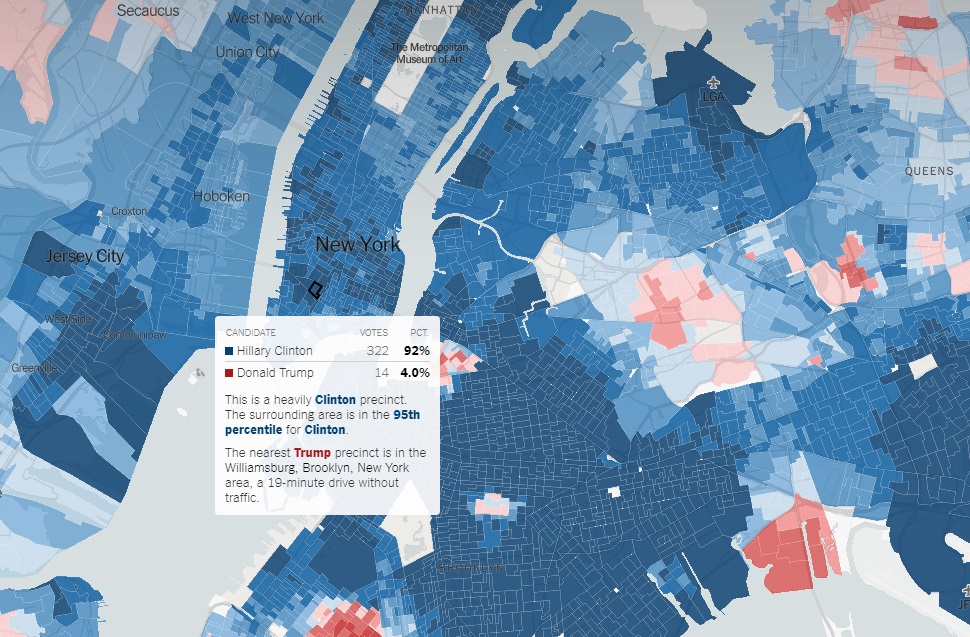
Americký deník The New York Times vydal detailní mapu zobrazující výsledky posledních amerických voleb. Mapa je postavena na MapBoxu a je na ní mimo jiné krásně vidět, jak americká města, respektive voliči v nich, volili jinak, než obyvatelé mimoměstských oblastí.
The post Detailní výsledky prezidentských voleb v USA na mapě appeared first on GISportal.cz.
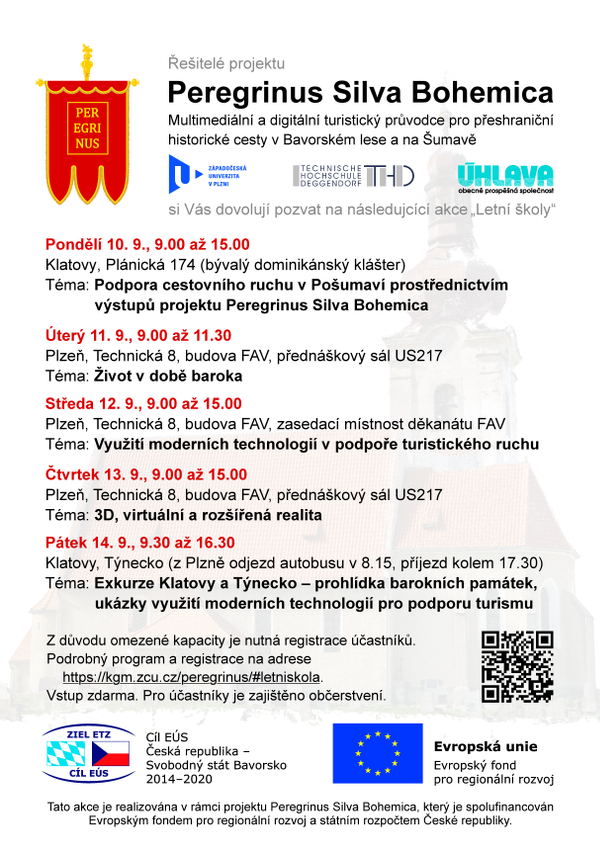
Pozvánka na Letní školu v rámci projektu Peregrinus Silva Bohemica
3.9.2018 9:32 Blogující geomatici - FAV ZČU V termínu od 10. 9. do 14. 9. proběhne pod patronací Západočeské univerzity v Plzni, Technische hochschule Deggendorf a Úhlava o. p. s. akce nazvaná "Letní škola". Na této akci se seznámíte se zajímavostmi souvisejícími s obdobím baroka, především se zaměřením na cestovní ruch, tj. přiblížení významných barokních památek pomocí moderních technologií (virtuální a rozšířená realita, 3D tisk), spolu s exkurzí po vybraných památkách v Klatovech a na Týnecku.Více informací v přiloženém letáčku, nebo na stránce https://kgm.zcu.cz/peregrinus/#letniskola.
Odborný/vrchní referent – obnova katastrálního operátu OKO0409
3.9.2018 8:58 ČÚZK - předpisy a opatření Katastrální úřad pro Plzeňský kraj - Katastrální pracoviště Domažlicevypisuje výběrové řízení na místo
Odborný/vrchní referent – obnova katastrálního operátu OKO0409
Odborný/vrchní referent – obnova katastrálního operátu OKO0409
3.9.2018 8:58 ČÚZK /Urady/Katastralni-urady/Katastralni-urady/Katastralni-urad-pro-Plzensky-kraj/Uredni-deska/Oznameni-a-jina-uredni-sdeleni/Volna-mista/Odborny-vrchni-referent-–-obnova-katastralniho-opeOdborný/vrchní referent – obnova katastrálního operátu OKO0409
3.9.2018 8:58 ČÚZK - volná místa Katastrální úřad pro Plzeňský kraj - Katastrální pracoviště Domažlice vypisuje výběrové řízení na místo Odborný/vrchní referent – obnova katastrálního operátu OKO0409Od pondělí 3. 9. Knihovna geografie opět prodlužuje otevírací dobu [Knihovna geografie, byTopic]
3.9.2018 7:45 Katedra aplikované geoinformatiky a kartografie Přf UKGeologická mapa České republiky 1 : 500 000 pro účely projektu OneGeology-Europe
3.9.2018 2:00 Cenia - Katalog metadat ČR - INSPIRE Datová sada GeoČR500 byla kompletně digitálně zpracována pomocí software ArcGIS a začleněna do regionálního geografického informačního systému.Oznámení o částečném omezení provozu Pobočky Přerov
3.9.2018 0:00 Státní pozemkový úřad Z důvodu plánované rekonstrukce elektroinstalace bude ve dnech 6.9. až 11.9.2018 částečně omezen provoz Pobočky Přerov (KPÚ pro Olomoucký kraj).R balíček Czechia pro vizualizaci zeměpisných informací
2.9.2018 23:59 GeoBusiness Pracujete s jazykem R a potřebujete vizualizovat zeměpisná data České republiky? Jindřich Lacko v depozitáři tzv. R balíčků publikoval svůj, který pojmenoval RCzechia. Důvody ... PřečístRozhovor o dostupnosti českých mapových dat s analytikem ČÚZK
2.9.2018 23:34 GeoBusiness V dalším dílu podcastu Dataři z produkce Českého rozhlasu si Jan Cibulka a Adam Javůrek pozvali na rozhovor Michala Meda, analytika z Českého úřadu ... PřečístJak spočítat všechna auta na světě pomocí družic a Google Cloudu
2.9.2018 19:40 GeoBusiness Jak spočítat všechna auta na světě z družicových snímků, neuronových sítí a výpočetního výkonu Googlu Cloudu. Každý den povrch Země snímkují stovky družic, čímž ... PřečístVelká Británie má obavy, že ztratí přístup k systému Galileo
2.9.2018 1:43 GeoBusiness V souvislosti s brexitem se ve Velké Británii začalo diskutovat nad vytvořením vlastního navigačního systému, který by byl nezávislý na současných navigačních systémech Galileo ... PřečístBoj proti suchu. Jaký bude?
2.9.2018 0:55 GeoBusiness Před pár dny, na konci srpna 2018, vznikla Národní koalice pro boj proti suchu. Vzhledem k rozsahu sucha, které v uplynulých měsících zasáhlo v podstatě celé Česko, ... PřečístBoj proti suchu. Jak využije národní tým možnosti GISu?
2.9.2018 0:55 GeoBusiness Před pár dny, na konci srpna 2018, vznikla Národní koalice pro boj proti suchu. Vzhledem k rozsahu sucha, které v uplynulých měsících zasáhlo v podstatě celé Česko, ... PřečístAktuální makroekonomické trendy a realitní trh ČR. Pozvánka na diskuzi
31.8.2018 19:35 GeoBusiness Asociace pro rozvoj trhu nemovitostí pořádá diskuzní setkání, které v závěru léta již tradičně věnuje aktuálním makroekonomickým trendům. O nejdůležitějších ekonomických událostech, současných makroekonomických prognózách, ... PřečístBentley Systems Announces Finalists in the Year in Infrastructure 2018 Awards Program
31.8.2018 16:38 Bentley SystemsPress Coverage
Water Active, UK
Read the articleŠkolení pasportních aplikací v Olomouci
31.8.2018 13:28 T-MAPYThe post Školení pasportních aplikací v Olomouci appeared first on T-MAPY spol. s r.o..
WSDP - Dokumentace k verzi WSDP 2.8
31.8.2018 12:33 ČÚZK - předpisy a opatření Vážení uživatelé Webových služeb DP,upozorňujeme, že došlo k aktualizaci dokumentace pro Webové služby Dálkového přístupu (WSDP), byla vystavena dokumentace verze v2.8, kterou najdete na http://www.cuzk.cz/Katastr-nemovitosti/Poskytovani-udaju-z-KN/Dalkovy-pristup/Webove-sluzby-dalkoveho-pristupu.aspx.
Současně upozorňujeme, že nasazením WSDP 2.8 bude ukončen provoz WSDP 2.6. Termín předpokládné instalace je listopad 2018.
Předpokládané zprovoznění webových služeb na zkoušku je 11.9.2018, které bude samostatně oznámeno.
Za komplikace tímto způsobené se omlouváme a děkujeme za pochopení.
WSDP - Dokumentace k verzi WSDP 2.8
31.8.2018 12:33 Dálkový přístup k údajům KN ČR Vážení uživatelé Webových služeb DP,upozorňujeme, že došlo k aktualizaci dokumentace pro Webové služby Dálkového přístupu (WSDP), byla vystavena dokumentace verze v2.8, kterou najdete na http://www.cuzk.cz/Katastr-nemovitosti/Poskytovani-udaju-z-KN/Dalkovy-pristup/Webove-sluzby-dalkoveho-pristupu.aspx.
Současně upozorňujeme, že nasazením WSDP 2.8 bude ukončen provoz WSDP 2.6. Termín předpokládné instalace je listopad 2018.
Předpokládané zprovoznění webových služeb na zkoušku je 11.9.2018, které bude samostatně oznámeno.
Za komplikace tímto způsobené se omlouváme a děkujeme za pochopení.
WSDP - Dokumentace k verzi WSDP 2.8
31.8.2018 12:33 ČÚZK /Aplikace-DP-do-KN/Aplikace-DP-do-KN/Archiv-DP/230828WSDP - Dokumentace k verzi WSDP 2.8
31.8.2018 12:33 Dálkový přístup k údajům KN ČR Vážení uživatelé Webových služeb DP,upozorňujeme, že došlo k aktualizaci dokumentace pro Webové služby Dálkového přístupu (WSDP), byla vystavena dokumentace verze v2.8, kterou najdete na http://www.cuzk.cz/Katastr-nemovitosti/Poskytovani-udaju-z-KN/Dalkovy-pristup/Webove-sluzby-dalkoveho-pristupu.aspx.
Současně upozorňujeme, že nasazením WSDP 2.8 bude ukončen provoz WSDP 2.6. Termín předpokládné instalace je listopad 2018.
Předpokládané zprovoznění webových služeb na zkoušku je 11.9.2018, které bude samostatně oznámeno.
Za komplikace tímto způsobené se omlouváme a děkujeme za pochopení.
WSDP - Dokumentace k verzi WSDP 2.8
31.8.2018 12:33 ČÚZK - předpisy a opatření Vážení uživatelé Webových služeb DP,upozorňujeme, že došlo k aktualizaci dokumentace pro Webové služby Dálkového přístupu (WSDP), byla vystavena dokumentace verze v2.8, kterou najdete na http://www.cuzk.cz/Katastr-nemovitosti/Poskytovani-udaju-z-KN/Dalkovy-pristup/Webove-sluzby-dalkoveho-pristupu.aspx.
Současně upozorňujeme, že nasazením WSDP 2.8 bude ukončen provoz WSDP 2.6. Termín předpokládné instalace je listopad 2018.
Předpokládané zprovoznění webových služeb na zkoušku je 11.9.2018, které bude samostatně oznámeno.
Za komplikace tímto způsobené se omlouváme a děkujeme za pochopení.
VOK, BioVOK, MSD: pražský magistrát pasportizoval skládky tříděného odpadu
31.8.2018 11:58 GeoBusiness Společnost T-MAPY pro pražský magistrát vytvořila pasport odpadového hospodářství, jehož součástí je mapa tříděného odpadu a systém nakládání s komunálním odpadem – obě aplikace ... PřečístSummer brown
31.8.2018 10:00 ESA Observing the Earth
With much of Europe recently subjected to a prolonged heatwave, brown was certainly the trending colour this summer – and in World Water Week, a reminder of the importance of water
uzavření kontaktního místa Bystřice nad Pernštejnem
31.8.2018 9:34 ČÚZK /Urady/Katastralni-urady/Katastralni-urady/Katastralni-urad-pro-Vysocinu/Katastralni-pracoviste/KP-Zdar-nad-Sazavou/O-uradu/Aktuality/uzavreni-kontaktniho-mista-Bystrice-nad-Pernstejneuzavření kontaktního místa Bystřice nad Pernštejnem
31.8.2018 9:34 ČÚZK - předpisy a opatření Katastrální úřad pro Vysočinu - Katastrální pracoviště Žďár nad Sázavou zveřejnil novou aktualitu: Kontaktní místo Bystřice nad Pernštejnem Katastrálního pracoviště Žďár nad Sázavou bude od 3.9.2018 do 14.9.2018 z technických důvodů zavřeno.Po dobu uzavření kontaktního místa se obracejte na podatelnu Katastrálního pracoviště Žďár nad Sázavou, se sídlem Strojírenská 8, 591 27 Žďár nad Sázavou.
Zveřejnění obsahu informací poskytnutých na žádost dle zákona č. 106/1999 Sb. za rok 2018
31.8.2018 8:56 ČÚZK - předpisy a opatření Katastrální úřad pro Jihočeský krajzveřejňuje obsah informace poskytnutých na žádost dle zákona č. 106/1999 Sb. za rok
2018
Zveřejnění obsahu informací poskytnutých na žádost dle zákona č. 106/1999 Sb. za rok 2018
31.8.2018 8:56 ČÚZK /Urady/Katastralni-urady/Katastralni-urady/Katastralni-urad-pro-Jihocesky-kraj/Casto-hledane-informace/Poskytovani-informaci-106-1999-Sb/Zverejneni-obsahu-informaci-poskytnutych-na-za-(1)/Zverejneni-obsahu-informaci-poskytnutych-na-zadostTopcon introduces new software for UAV inspection applications
31.8.2018 3:36 GISCafe.com Webcasts-Webinars LIVERMORE, Calif., U.S./ CAPELLE A/D IJSSEL, the Netherlands, Aug. 30, 2018 (GLOBE NEWSWIRE) -- Topcon Positioning Group announces new software …Stacionární zdroje znečišťování - palivo, výkon
31.8.2018 2:00 Cenia - Katalog metadat ČR - INSPIRE Mapová služba prezentuje vyjmenované stacionární zdroje znečištění ovzduší (REZZO 1 a 2) dle jejich instalovaného tepelného výkonu a převládajícího druhu paliva. Vstupní data jsou každoročně aktualizována. Poslední aktualizace: listopad 2017. Stav dat: 2016.Hluková mapa
31.8.2018 2:00 Cenia - Katalog metadat ČR - INSPIRE Služba prezentuje kompilaci informačních vrstev přímo či nepřímo souvisejících s problematikou hluku. Základní informační vrstvy hlukové mapy prezentující hladiny hluku ve dne a v noci (deskriptory LAeq16h a LAeq8h) z dopravní sítě, stav 2016(IPR, 2017) a Strategickou hlukovou mapu pro deskriptor Ldvn a Ln (Pro Ministerstvo zdravotnictví ČR zpracoval Zdravotní ústav se sídlem v Ostravě v r. 2015, příprava dat AKUSTIKA Praha s.r.o., vstupní data: silniční doprava 2013, ostatní zdroje 2011). Dále jsou prezentovány tzv. Oblasti ticha, které vymezuje Akční plán snižování hluku pro aglomeraci Praha (MHMP, 2016). Mapa je dále doplněna o ochranné hlukové zóny letiště Praha - Ruzyně, které definují pravidla výstavby v rámci těchto zón. (Letiště Praha, 2007) a o prvky protihlukové ochrany (IPR, 2011).DTMP - Digitální technická mapa Prahy
31.8.2018 2:00 Cenia - Katalog metadat ČR - INSPIRE Digitální technická mapa Prahy (DTMP) je základní mapové dílo v měřítku 1:500 popisující území hl. m. Prahy. Sdružuje vektorová 3D data vymezující objekty fyzického stavu polohopisu a sítí technického vybavení. Sítě technické infrastruktury jsou rozděleny na autorizované a neautorizované. Neautorizovaná data pocházejí z přejímek dokumentací skutečného provedení staveb a autorizovaná data jsou data správců inženýrských sítí, kteří mají uzavřenou smlouvu s IPR.Mapa Stabilního katastru 1842 v měřítku 1 : 1440
31.8.2018 2:00 Cenia - Katalog metadat ČR - INSPIRE Mapa Stabilního katastru - povinné císařské otisky, stav využití území hl. m. Prahy okolo roku 1842.Digitální rastrový obraz mapových listů na území Prahy byl převzat od správce díla - Ústředního archivu zeměměřictví a katastru Zeměměřického úřadu. V Institutu plánování a rozvoje hl. m. Prahy bylo provedeno spojení do souvislého zobrazení celého území Prahy a transformace do souřadnicového systému S-JTSK.Budovy
31.8.2018 2:00 Cenia - Katalog metadat ČR - INSPIRE Služba obsahuje cache polygonů budov. V měřítku do 1: 10 000 se zobrazují budovy digitální technické mapy. V měřítcích 1: 10 000 až 1: 50 000 jsou ve službě bloky budov ze Základní mapy 1: 25 000. Budovy ze Zabagedu jsou použity pro Středočeský kraj ve všech měřítcích a od měřítka 1: 50 000 do 1: 750 000 jsou použity i v Praze.Emise ze stacionárních zdrojů
31.8.2018 2:00 Cenia - Katalog metadat ČR - INSPIRE Služba prezentuje produkci emisí vybraných polutantů ze stacionárních zdrojů znečišťování ovzduší. Zdroje jsou rozděleny do kategorií: Vyjmenované zdroje (REZZO 1- zdroje s úplným ohlášením do ISPOP, REZZO 2 - zdroje se zjednodušeným ohlášením do ISPOP) a nevyjmenované zdroje (REZZO 3). Emise z vyjmenovaných zdrojů jsou sledovány za jednotlivé zdroje, emise z nevyjmenovaných zdrojů jsou v součtu za základní sídelní jednotky. Sledované látky: SO2, CO, NOx, tuhé znečišťující látky, suspendované frakce prachu PM10 a PM2.5 - vše v t/rok. Data jsou každoročně aktualizována. Poslední aktualizace: listopad 2017. Prezentovaný stav: 2016.Inženýrskogeologické mapy
31.8.2018 2:00 Cenia - Katalog metadat ČR - INSPIRE Podrobné inženýrskogeologické mapy: A - mapa geologických poměrů; B - mapa mocností pokryvných útvarů; C - mapa hydrogeologických poměrů; D - mapa dokumentačních bodůTomTom Go Essential: Powerful Navigation Seamlessly Integrated with Smartphone
30.8.2018 22:42 GISCafe.com Webcasts-Webinars Drive smarter and safer with hands-free calling, updates via Wi-Fi®,and voice control
BERLIN — (BUSINESS WIRE) — August …
Hexagon Partners with Clevest to Improve Utility Field Operations
30.8.2018 22:41 GISCafe.com Webcasts-Webinars Partnership creates integrated solutions for network engineering and operationsHUNTSVILLE, Ala., Aug. 30, 2018 — (PRNewswire) — …
Topcon announces acquisition of ThunderBuild
30.8.2018 22:41 GISCafe.com Webcasts-Webinars LIVERMORE, Calif., U.S./ CAPELLE A/D IJSSEL, the Netherlands, Aug. 30, 2018 (GLOBE NEWSWIRE) -- Topcon Positioning Group announces the complete …Trimble Announces Keynote Speakers for its 2018 Dimensions International User Conference
30.8.2018 16:58 GISCafe.com Webcasts-Webinars SUNNYVALE, Calif., Aug. 30, 2018 — (PRNewswire) — Trimble (NASDAQ:TRMB) announced today keynote speakers for its 2018 Trimble Dimensions …DJI Expands Its AirWorks Enterprise Drone Conference To China
30.8.2018 16:58 GISCafe.com Webcasts-Webinars Inaugural Event Brings 450+ Representatives From Global Drone Ecosystem To Discuss The Future Of The Region's Commercial Drone IndustrySHANGHAI, …
Note from the President – August 2018
30.8.2018 16:28 Carlson Software IntelliCAD, Carlson iCAD, Dynamic CAD and Dual .DWG and .DGN CAD There is a lot happening at Carlson Software on the CAD front. Virtually all of our office software, including the flagship Carlson Survey, Carlson Civil, Takeoff and the Carlson Mining modules, work on both AutoCAD® and IntelliCAD. These are similar platforms. The beauty of […]
Note from the President – August 2018
30.8.2018 16:28 Carlson Software IntelliCAD, Carlson iCAD, Dynamic CAD and Dual .DWG and .DGN CAD
Winds of change in the offshore sector
30.8.2018 15:50 Bentley SystemsPress Coverage
Technical Review Middle East, Middle East
Read the articleWinds of change in the offshore sector
30.8.2018 15:50 Bentley SystemsPress Coverage
Technical Review Middle East, Middle East
Read the articleHot Summer Tips
30.8.2018 15:44 Carlson Software Ah, we’re into the dog days of summer with temperatures in many parts of the country well above 90°–a good time to get out of the heat and learn some new, infrequently used, but very useful Carlson commands to get ready for what should be a very busy fall for all of us. Let me […]
Adequate Water Infrastructure Must Keep Up with the Urban Development!
30.8.2018 15:31 Bentley SystemsPress Coverage
Express Water, India
Adequate Water Infrastructure Must Keep Up with the Urban Development!
30.8.2018 15:31 Bentley SystemsPress Coverage
Express Water, India
Building information modeling optimizes Tongzhou Water Works design process
30.8.2018 15:23 Bentley SystemsPress Coverage
World Water, UK
Read the articleBuilding information modeling optimizes Tongzhou Water Works design process
30.8.2018 15:23 Bentley SystemsPress Coverage
World Water, UK
Read the articleGet Smart: Intelligent 3D engineering models enable comprehensive lifecycle information management
30.8.2018 15:19 Bentley SystemsPress Coverage
World Water, UK
Read the articleGet Smart: Intelligent 3D engineering models enable comprehensive lifecycle information management
30.8.2018 15:19 Bentley SystemsPress Coverage
World Water, UK
Read the articleWe are seeing an exciting timeline for our operations in India
30.8.2018 15:10 Bentley SystemsPress Coverage
EPC World, India
Read the articleWe are seeing an exciting timeline for our operations in India
30.8.2018 15:10 Bentley SystemsPress Coverage
EPC World, India
Read the articleCarlson Invites Attendees to “Grow with Us” at Upcoming 2019 User Conference
30.8.2018 14:50 Carlson Software MAYSVILLE, Kentucky, U.S.A. (August 2018) — Carlson Software will host its 2019 User Conference with the theme “Grow with Us” on May 7 through 9, 2019 in Carlson’s historic hometown of Maysville, Kentucky. Attendees can expect instruction by Carlson product experts and professionals within the industry. The conference will feature beginner, intermediate, and advanced skill […]
Hexagon Partners with Clevest to Improve Utility Field Operations
30.8.2018 12:00 Hexagon Safety & InfrastructureHexagon’s Safety & Infrastructure division and Clevest have partnered to offer Clevest’s workforce automation products alongside Hexagon’s utility GIS and outage management systems for integrated office-to-field solutions. The partnership expands the network engineering and operations offerings for utilities and telecommunications companies and smart cities in North America.
Clevest provides software that connects the mobile workforce to office operations, optimizing field activities or processes and improving outage response, restoration times, worker productivity and safety. The company’s solutions have helped utility companies deploy over 30 million AMI meters and serve more than 100 million consumers.
“Hexagon’s utility GIS and outage management customers will benefit from Clevest’s innovative mobile platform and products, including its Mobile Workforce Management solution for field operations and crew scheduling," said Bill Campbell, senior vice president of the Americas, Hexagon’s Safety & Infrastructure division. “The integrated solutions from Clevest and Hexagon can improve utilities’ ability to manage daily work and outage response, and make better decisions that improve engineering, operations and customer service programs.”
Hexagon’s Safety & Infrastructure division has pioneered the development and application of location-based technology for more than 45 years. The company supports hundreds of utilities and communications customers around the world with solutions spanning network engineering, network operations, customer services, sales and marketing and physical security.
“We are excited to partner with Hexagon and integrate our solutions to create a truly unique offering that is unmatched in today’s marketplace,” said Thomas Ligocki, president and CEO of Clevest. “The combined solutions from Hexagon and Clevest will provide customers with gains in efficiencies and effectiveness, reductions in manual interventions and errors, improved adherence to regulatory requirements and much more.”
Hexagon Partners with Clevest to Improve Utility Field Operations
30.8.2018 12:00 Hexagon Safety & Infrastructure Partnership creates integrated solutions for network engineering and operationsHexagon Partners with Clevest to Improve Utility Field Operations
30.8.2018 12:00 Hexagon Safety & InfrastructureHexagon’s Safety & Infrastructure division and Clevest have partnered to offer Clevest’s workforce automation products alongside Hexagon’s utility GIS and outage management systems for integrated office-to-field solutions. The partnership expands the network engineering and operations offerings for utilities and telecommunications companies and smart cities in North America.
Clevest provides software that connects the mobile workforce to office operations, optimizing field activities or processes and improving outage response, restoration times, worker productivity and safety. The company’s solutions have helped utility companies deploy over 30 million AMI meters and serve more than 100 million consumers.
“Hexagon’s utility GIS and outage management customers will benefit from Clevest’s innovative mobile platform and products, including its Mobile Workforce Management solution for field operations and crew scheduling," said Bill Campbell, senior vice president of the Americas, Hexagon’s Safety & Infrastructure division. “The integrated solutions from Clevest and Hexagon can improve utilities’ ability to manage daily work and outage response, and make better decisions that improve engineering, operations and customer service programs.”
Hexagon’s Safety & Infrastructure division has pioneered the development and application of location-based technology for more than 45 years. The company supports hundreds of utilities and communications customers around the world with solutions spanning network engineering, network operations, customer services, sales and marketing and physical security.
“We are excited to partner with Hexagon and integrate our solutions to create a truly unique offering that is unmatched in today’s marketplace,” said Thomas Ligocki, president and CEO of Clevest. “The combined solutions from Hexagon and Clevest will provide customers with gains in efficiencies and effectiveness, reductions in manual interventions and errors, improved adherence to regulatory requirements and much more.”
Hexagon Partners with Clevest to Improve Utility Field Operations
30.8.2018 12:00 Hexagon Safety & InfrastructureHexagon’s Safety & Infrastructure division and Clevest have partnered to offer Clevest’s workforce automation products alongside Hexagon’s utility GIS and outage management systems for integrated office-to-field solutions. The partnership expands the network engineering and operations offerings for utilities and telecommunications companies and smart cities in North America.
Clevest provides software that connects the mobile workforce to office operations, optimizing field activities or processes and improving outage response, restoration times, worker productivity and safety. The company’s solutions have helped utility companies deploy over 30 million AMI meters and serve more than 100 million consumers.
“Hexagon’s utility GIS and outage management customers will benefit from Clevest’s innovative mobile platform and products, including its Mobile Workforce Management solution for field operations and crew scheduling," said Bill Campbell, senior vice president of the Americas, Hexagon’s Safety & Infrastructure division. “The integrated solutions from Clevest and Hexagon can improve utilities’ ability to manage daily work and outage response, and make better decisions that improve engineering, operations and customer service programs.”
Hexagon’s Safety & Infrastructure division has pioneered the development and application of location-based technology for more than 45 years. The company supports hundreds of utilities and communications customers around the world with solutions spanning network engineering, network operations, customer services, sales and marketing and physical security.
“We are excited to partner with Hexagon and integrate our solutions to create a truly unique offering that is unmatched in today’s marketplace,” said Thomas Ligocki, president and CEO of Clevest. “The combined solutions from Hexagon and Clevest will provide customers with gains in efficiencies and effectiveness, reductions in manual interventions and errors, improved adherence to regulatory requirements and much more.”
Hexagon Partners with Clevest to Improve Utility Field Operations
30.8.2018 12:00 Hexagon Safety & Infrastructure Partnership creates integrated solutions for network engineering and operationsHexagon Partners with Clevest to Improve Utility Field Operations
30.8.2018 12:00 Hexagon Safety & Infrastructure Partnership creates integrated solutions for network engineering and operationsEUROPEAN DRONE SUMMIT 2018 – Anil V. Nanduri from the Intel Drone Group will be a keynote speaker. An international panel of experts from INTEL will attend the workshops and presentations on the new general aviation regulation
30.8.2018 9:40 GISCafe.com Webcasts-Webinars Frankfurt am Main/Karlsruhe, August 29, 2018 -- The EUROPEAN DRONE SUMMIT (EDS2018) is the first European conference at which operators, …"Septentrio Adds Benefit to GNSS Systems with AsteRx-i S Integrated Positioning" by Susan Smith
30.8.2018 9:29 GISCafe.com Webcasts-WebinarsVrchní referent / rada – správce informačních a komunikačních technologií v oddělení podpory ICT tec
30.8.2018 9:12 ČÚZK - předpisy a opatření Katastrální úřad pro Královéhradecký krajvypisuje výběrové řízení na místo
Vrchní referent / rada – správce informačních a komunikačních technologií v oddělení podpory ICT technického útvaru Katastrálního úřadu pro Královéhradecký kraj
Vrchní referent / rada – správce informačních a komunikačních technologií v oddělení podpory ICT tec
30.8.2018 9:12 ČÚZK /Urady/Katastralni-urady/Katastralni-urady/Katastralni-urad-pro-Kralovehradecky-kraj/Uredni-deska/Oznameni-a-jina-uredni-sdeleni/Volna-mista/Vrchni-referent-rada-–-spravce-informacnich-a-koVrchní referent / rada – správce informačních a komunikačních technologií v oddělení podpory ICT tec
30.8.2018 9:12 ČÚZK - volná místa Katastrální úřad pro Královéhradecký kraj vypisuje výběrové řízení na místo Vrchní referent / rada – správce informačních a komunikačních technologií v oddělení podpory ICT tecOdborný rada – metodik v oddělení metodiky a kontroly v kanceláři ředitele Katastrálního úřadu pro K
30.8.2018 9:05 ČÚZK /Urady/Katastralni-urady/Katastralni-urady/Katastralni-urad-pro-Kralovehradecky-kraj/Uredni-deska/Oznameni-a-jina-uredni-sdeleni/Volna-mista/Odborny-rada-–-metodik-v-oddeleni-metodiky-a-kontrOdborný rada – metodik v oddělení metodiky a kontroly v kanceláři ředitele Katastrálního úřadu pro K
30.8.2018 9:05 ČÚZK - předpisy a opatření Katastrální úřad pro Královéhradecký krajvypisuje výběrové řízení na místo
Odborný rada – metodik v oddělení metodiky a kontroly v kanceláři ředitele Katastrálního úřadu pro Královéhradecký kraj
Odborný rada – metodik v oddělení metodiky a kontroly v kanceláři ředitele Katastrálního úřadu pro K
30.8.2018 9:05 ČÚZK - volná místa Katastrální úřad pro Královéhradecký kraj vypisuje výběrové řízení na místo Odborný rada – metodik v oddělení metodiky a kontroly v kanceláři ředitele Katastrálního úřadu pro KNabídka nepotřebného majetku
30.8.2018 7:45 ČÚZK - předpisy a opatřeníKatastrální úřad pro Olomoucký kraj nabízí nepotřebný majetek k odkupu.
Nabídka nepotřebného majetku