












zprávy
zdroje zpráv:Vedoucí oddělení právních vztahů k nemovitostem
22.8.2024 9:21 ČÚZK /Urady/Katastralni-urady/Katastralni-urady/Katastralni-urad-pro-Moravskoslezsky-kraj/Uredni-deska/Oznameni-a-jina-uredni-sdeleni/Volna-mista/DMS/Vedouci-oddeleni-pravnich-vztahu-k-nemovitostemVedoucí oddělení právních vztahů k nemovitostem
22.8.2024 9:21 ČÚZK - předpisy a opatření Katastrální úřad pro Moravskoslezský kraj Katastrální pracoviště Karvinávypisuje výběrové řízení na místo
Vedoucí oddělení právních vztahů k nemovitostem
Rada/odborný rada – ředitel/ka odboru
22.8.2024 9:16 ČÚZK /Urady/Katastralni-urady/Katastralni-urady/Katastralni-urad-pro-Moravskoslezsky-kraj/Uredni-deska/Oznameni-a-jina-uredni-sdeleni/Volna-mista/DMS/Rada-odborny-rada-–-reditel-ka-odboru-(1)Rada/odborný rada – ředitel/ka odboru
22.8.2024 9:16 ČÚZK - volná místa Katastrální úřad pro Moravskoslezský kraj Katastrální pracoviště Třinec vypisuje výběrové řízení na místo Rada/odborný rada – ředitel/ka odboruRada/odborný rada – ředitel/ka odboru
22.8.2024 9:16 ČÚZK - předpisy a opatření Katastrální úřad pro Moravskoslezský kraj Katastrální pracoviště Třinecvypisuje výběrové řízení na místo
Rada/odborný rada – ředitel/ka odboru
Rada/odborný rada – ředitel/ka odboru
22.8.2024 9:11 ČÚZK - volná místa Katastrální úřad pro Moravskoslezský kraj Katastrální pracoviště Nový Jičín vypisuje výběrové řízení na místo Rada/odborný rada – ředitel/ka odboruRada/odborný rada – ředitel/ka odboru
22.8.2024 9:11 ČÚZK - předpisy a opatření Katastrální úřad pro Moravskoslezský kraj Katastrální pracoviště Nový Jičínvypisuje výběrové řízení na místo
Rada/odborný rada – ředitel/ka odboru
Rada/odborný rada – ředitel/ka odboru
22.8.2024 9:11 ČÚZK /Urady/Katastralni-urady/Katastralni-urady/Katastralni-urad-pro-Moravskoslezsky-kraj/Uredni-deska/Oznameni-a-jina-uredni-sdeleni/Volna-mista/DMS/Rada-odborny-rada-–-reditel-ka-odboruGeograf/ka
22.8.2024 8:27 Zeměměřický úřad Zeměměřický úřadvypisuje výběrové řízení na místo
Geograf/ka
Geograf/ka
22.8.2024 8:27 ČÚZK - předpisy a opatření Zeměměřický úřadvypisuje výběrové řízení na místo
Geograf/ka
Geograf/ka
22.8.2024 8:27 ČÚZK - volná místa Zeměměřický úřad vypisuje výběrové řízení na místo Geograf/ka20240822 - VŘ KP Kroměříž
22.8.2024 7:37 ČÚZK - předpisy a opatření Český úřad zeměměřický a katastrálnízveřejnil novou aktualitu: Oznámení o vyhlášení výběrového řízení na obsazení služebního místa ředitele/ředitelky Katastrálního pracoviště Kroměříž.
20240822 - VŘ KP Kroměříž
22.8.2024 7:37 ČÚZK - aktuality v resortu Oznámení o vyhlášení výběrového řízení na obsazení služebního místa ředitele/ředitelky Katastrálního pracoviště Kroměříž.20240822 - VŘ KP Kroměříž
22.8.2024 7:37 ČÚZK - předpisy a opatření Český úřad zeměměřický a katastrální zveřejnil novou aktualitu: Oznámení o vyhlášení výběrového řízení na obsazení služebního místa ředitele/ředitelky Katastrálního pracoviště Kroměříž.20240822 - VŘ KP Kroměříž
22.8.2024 7:37 ČÚZK - aktuality v resortu Oznámení o vyhlášení výběrového řízení na obsazení služebního místa ředitele/ředitelky Katastrálního pracoviště Kroměříž.Nové verze 16.81
21.8.2024 14:13 GEPROPřipravili jsme pro vás nové verze 16.81 našich produktů. Stahovat je můžete z obvyklého umístění na našem download serveru. Stránka s návody na DTM (DTI a GAD) a portál DMVS k dispozici na dtm.gepro.cz Novinky, které jsme pro vás nachystali: KOKEŠ MISYS PROLAND KOKEŠ Obecné Funkce Selekce vrstev nově umožnuje hromadně zapínat/vypínat skupiny vrstev podle […]
Článek Nové verze 16.81 se nejdříve objevil na GEPRO.
odborný referent v oddělení právních vztahů k nemovitostem na Katastrálním pracovišti Liberec Kata
21.8.2024 14:07 ČÚZK /Urady/Katastralni-urady/Katastralni-urady/Katastralni-urad-pro-Liberecky-kraj/Uredni-deska/Oznameni-a-jina-uredni-sdeleni/Volna-mista/DMS/odborny-referent-v-oddeleni-pravnich-vztahu-k-nemoodborný referent v oddělení právních vztahů k nemovitostem na Katastrálním pracovišti Liberec Kata
21.8.2024 14:07 ČÚZK - volná místa Katastrální úřad pro Liberecký kraj - Katastrální pracoviště Liberec vypisuje výběrové řízení na místo odborný referent v oddělení právních vztahů k nemovitostem na Katastrálním pracovišti Liberec Kataodborný referent v oddělení právních vztahů k nemovitostem na Katastrálním pracovišti Liberec Kata
21.8.2024 14:07 ČÚZK - předpisy a opatření Katastrální úřad pro Liberecký kraj - Katastrální pracoviště Liberecvypisuje výběrové řízení na místo
odborný referent v oddělení právních vztahů k nemovitostem na Katastrálním pracovišti Liberec Katastrálního úřadu pro Liberecký kraj
EarthCARE profiles atmospheric particles in detail
21.8.2024 14:00 ESA Observing the Earth
Launched in May, ESA’s EarthCARE satellite has been making waves, with the first images from three of its scientific instruments already delivered. Now, the spotlight is firmly on the atmospheric lidar, the most advanced of the satellite’s four instruments.
This cutting-edge sensor has captured detailed 20 km-high vertical profiles of atmospheric aerosols – tiny particles and droplets from natural sources like wildfires, dust, and sea spray, and from human activities like industrial emissions or burning of wood – and clouds across various regions of the globe.
Rada / odborný rada - ředitel odboru Katastrálního pracoviště Kroměříž
21.8.2024 11:40 ČÚZK - předpisy a opatření Katastrální úřad pro Zlínský kraj Katastrální pracoviště Kroměřížvypisuje výběrové řízení na místo
Rada / odborný rada - ředitel odboru Katastrálního pracoviště Kroměříž
Rada / odborný rada - ředitel odboru Katastrálního pracoviště Kroměříž
21.8.2024 11:40 ČÚZK /Urady/Katastralni-urady/Katastralni-urady/Katastralni-urad-pro-Zlinsky-kraj/Uredni-deska/Oznameni-a-jina-uredni-sdeleni/Volna-mista/DMS/Rada-odborny-rada-reditel-odboru-Katastralniho-praRada / odborný rada - ředitel odboru Katastrálního pracoviště Kroměříž
21.8.2024 11:40 ČÚZK - volná místa Katastrální úřad pro Zlínský kraj Katastrální pracoviště Kroměříž vypisuje výběrové řízení na místo Rada / odborný rada - ředitel odboru Katastrálního pracoviště Kroměříž20240821_Odborný / vrchní referent oddělení obnovy katastrálního operátu
21.8.2024 11:11 ČÚZK - předpisy a opatření Katastrální úřad pro Středočeský kraj Vyhlášení výběrového řízení: Odborný / vrchní referent oddělení obnovy katastrálního operátu V části "Úřední deska", v sekci "Oznámení a jiná úřední sdělení" bylo vystaveno "Oznámení o vyhlášení výběrového řízení na obsazení služebního místa Odborný / vrchní referent oddělení obnovy katastrálního operátu"20240821_Odborný / vrchní referent oddělení obnovy katastrálního operátu
21.8.2024 11:11 ČÚZK /Urady/Katastralni-urady/Katastralni-urady/Katastralni-urad-pro-Stredocesky-kraj/O-uradu/Aktuality/20240821_Odborny-vrchni-referent-oddeleni-obnovy-kOznámení o vyhlášení výběrového řízení na služební místo „Odborný / vrchní referent oddělení obnov
21.8.2024 10:56 ČÚZK - volná místa Katastrální úřad pro Středočeský kraj technická sekce vypisuje výběrové řízení na místo Oznámení o vyhlášení výběrového řízení na služební místo „Odborný / vrchní referent oddělení obnovOznámení o vyhlášení výběrového řízení na služební místo „Odborný / vrchní referent oddělení obnov
21.8.2024 10:56 ČÚZK - předpisy a opatření Katastrální úřad pro Středočeský kraj technická sekcevypisuje výběrové řízení na místo
Odborný / vrchní referent oddělení obnovy katastrálního operátu
Oznámení o vyhlášení výběrového řízení na služební místo „Odborný / vrchní referent oddělení obnov
21.8.2024 10:56 ČÚZK /Urady/Katastralni-urady/Katastralni-urady/Katastralni-urad-pro-Stredocesky-kraj/Uredni-deska/Oznameni-a-jina-uredni-sdeleni/Volna-mista/DMS/Oznameni-o-vyhlaseni-vyberoveho-rizeni-na-sluzebniNedostupné produkční ISÚI a VDP
21.8.2024 10:24 ČÚZK /ruian/Editacni-agendovy-system-ISUI/Provozni-informace-a-odstavky/Archiv-PROD/Nedostupne-produkcni-ISUI-a-VDP-(8)Vila Vlasta – Nový domov pro HRDLIČKA spol. s r.o.
21.8.2024 9:38 Hrdlička Vila z roku 1931 se stává novou pobočku HRDLIČKA spol. s r.o.20240821_Omezení provozu
21.8.2024 7:27 ČÚZK /Urady/Katastralni-urady/Katastralni-urady/Katastralni-urad-pro-Stredocesky-kraj/Katastralni-pracoviste/KP-Kutna-Hora/O-uradu/Aktuality/20240821_Omezeni-provozu20240821_Omezení provozu
21.8.2024 7:27 ČÚZK - předpisy a opatření Katastrální úřad pro Středočeský kraj - Katastrální pracoviště Kutná Hora zveřejnil novou aktualitu: Omezení provozu ve dnech 21.08.2024 - 23.08.2024 Ve dnech 21.08.2024 - 23.08.2024 bude z důvodu přerušení dodávky vody provoz pracoviště omezený. Provoz podatelny bude bez omezení, dle úředních hodin.vrchní referent/rada – návrh zápisu, kontrola a zplatnění
20.8.2024 22:53 ČÚZK - předpisy a opatření Katastrální úřad pro hlavní město Prahu zveřejnil novou aktualitu: Ředitelka úřadu vyhlašuje výběrové řízení na pozici:vrchní referent/rada – návrh zápisu, kontrola a zplatnění
vrchní referent/rada – návrh zápisu, kontrola a zplatnění
20.8.2024 22:53 ČÚZK /Urady/Katastralni-urady/Katastralni-urady/Katastralni-urad-pro-hlavni-mesto-Prahu/O-uradu/Aktuality/vrchni-referent-rada-–-navrh-zapisu,-kontrola-a-zpvrchní referent/rada – návrh zápisu, kontrola a zplatnění
20.8.2024 22:52 ČÚZK /Urady/Katastralni-urady/Katastralni-urady/Katastralni-urad-pro-hlavni-mesto-Prahu/Uredni-deska/Oznameni-a-jina-uredni-sdeleni/Volna-mista/vrchni-referent-rada-–-navrh-zapisu,-kontrola-a-zpvrchní referent/rada – návrh zápisu, kontrola a zplatnění
20.8.2024 22:52 ČÚZK - volná místa Katastrální úřad pro hlavní město Prahu vypisuje výběrové řízení na místo vrchní referent/rada – návrh zápisu, kontrola a zplatněnívrchní referent/rada – návrh zápisu, kontrola a zplatnění
20.8.2024 22:52 ČÚZK - předpisy a opatření Katastrální úřad pro hlavní město Prahuvypisuje výběrové řízení na místo
vrchní referent/rada – návrh zápisu, kontrola a zplatnění
vrchní referent/rada – kontrola aktualizace v oddělení aktualizace PI KN Katastrálního pracoviště Če
20.8.2024 18:02 ČÚZK - volná místa Katastrální úřad pro Jihočeský kraj Katastrální pracoviště České Budějovice vypisuje výběrové řízení na místo vrchní referent/rada – kontrola aktualizace v oddělení aktualizace PI KN Katastrálního pracoviště Čevrchní referent/rada – kontrola aktualizace v oddělení aktualizace PI KN Katastrálního pracoviště Če
20.8.2024 18:02 ČÚZK - předpisy a opatření Katastrální úřad pro Jihočeský kraj Katastrální pracoviště České Budějovicevypisuje výběrové řízení na místo
vrchní referent/rada – kontrola aktualizace v oddělení aktualizace PI KN Katastrálního pracoviště České Budějovice
vrchní referent/rada – kontrola aktualizace v oddělení aktualizace PI KN Katastrálního pracoviště Če
20.8.2024 18:02 ČÚZK /Urady/Katastralni-urady/Katastralni-urady/Katastralni-urad-pro-Jihocesky-kraj/Uredni-deska/Oznameni-a-jina-uredni-sdeleni/Volna-mista/DMS/vrchni-referent-rada-–-kontrola-aktualizace-v-odderada/odborný rada – rozhodování o povolení vkladu v právním oddělení Katastrálního pracoviště České
20.8.2024 17:54 ČÚZK - předpisy a opatření Katastrální úřad pro Jihočeský kraj Katastrální pracoviště České Budějovicevypisuje výběrové řízení na místo
rada/odborný rada – rozhodování o povolení vkladu v právním oddělení Katastrálního pracoviště České Budějovice
rada/odborný rada – rozhodování o povolení vkladu v právním oddělení Katastrálního pracoviště České
20.8.2024 17:54 ČÚZK /Urady/Katastralni-urady/Katastralni-urady/Katastralni-urad-pro-Jihocesky-kraj/Uredni-deska/Oznameni-a-jina-uredni-sdeleni/Volna-mista/DMS/rada-odborny-rada-–-rozhodovani-o-povoleni-vkl-(1)rada/odborný rada – rozhodování o povolení vkladu v právním oddělení Katastrálního pracoviště České
20.8.2024 17:54 ČÚZK - volná místa Katastrální úřad pro Jihočeský kraj Katastrální pracoviště České Budějovice vypisuje výběrové řízení na místo rada/odborný rada – rozhodování o povolení vkladu v právním oddělení Katastrálního pracoviště Českévrchní referent/rada – vedení katastrální mapy v odboru GI KN Katastrálního pracoviště České Budějov
20.8.2024 17:47 ČÚZK /Urady/Katastralni-urady/Katastralni-urady/Katastralni-urad-pro-Jihocesky-kraj/Uredni-deska/Oznameni-a-jina-uredni-sdeleni/Volna-mista/DMS/vrchni-referent-rada-–-vedeni-katastralni-mapy-v-ovrchní referent/rada – vedení katastrální mapy v odboru GI KN Katastrálního pracoviště České Budějov
20.8.2024 17:47 ČÚZK - volná místa Katastrální úřad pro Jihočeský kraj Katastrální pracoviště České Budějovice vypisuje výběrové řízení na místo vrchní referent/rada – vedení katastrální mapy v odboru GI KN Katastrálního pracoviště České BudějovVrchní referent / rada - obnova katastrálního operátu v oddělení aktualizace a dokumentace KN Katast
20.8.2024 11:19 ČÚZK /Urady/Katastralni-urady/Katastralni-urady/Katastralni-urad-pro-Zlinsky-kraj/Uredni-deska/Oznameni-a-jina-uredni-sdeleni/Volna-mista/DMS/Vrchni-referent-rada-obnova-katastralniho-operatu-Vrchní referent / rada - obnova katastrálního operátu v oddělení aktualizace a dokumentace KN Katast
20.8.2024 11:19 ČÚZK - předpisy a opatření Katastrální úřad pro Zlínský kraj Katastrální pracoviště Holešovvypisuje výběrové řízení na místo
Vrchní referent / rada - obnova katastrálního operátu v oddělení aktualizace a dokumentace KN Katastrálního pracoviště Holešov
Vrchní referent / rada - obnova katastrálního operátu v oddělení aktualizace a dokumentace KN Katast
20.8.2024 11:19 ČÚZK - volná místa Katastrální úřad pro Zlínský kraj Katastrální pracoviště Holešov vypisuje výběrové řízení na místo Vrchní referent / rada - obnova katastrálního operátu v oddělení aktualizace a dokumentace KN Katast20240820 - VŘ KP Znojmo
20.8.2024 7:25 ČÚZK - předpisy a opatření Český úřad zeměměřický a katastrální zveřejnil novou aktualitu: Oznámení o vyhlášení výběrového řízení na obsazení služebního místa ředitele/ředitelky Katastrálního pracoviště Znojmo.20240820 - VŘ KP Znojmo
20.8.2024 7:25 ČÚZK - aktuality v resortu Oznámení o vyhlášení výběrového řízení na obsazení služebního místa ředitele/ředitelky Katastrálního pracoviště Znojmo.20240820 - VŘ KP Znojmo
20.8.2024 7:25 ČÚZK - předpisy a opatření Český úřad zeměměřický a katastrálnízveřejnil novou aktualitu: Oznámení o vyhlášení výběrového řízení na obsazení služebního místa ředitele/ředitelky Katastrálního pracoviště Znojmo.
20240820 - VŘ KP Znojmo
20.8.2024 7:25 ČÚZK - aktuality v resortu Oznámení o vyhlášení výběrového řízení na obsazení služebního místa ředitele/ředitelky Katastrálního pracoviště Znojmo.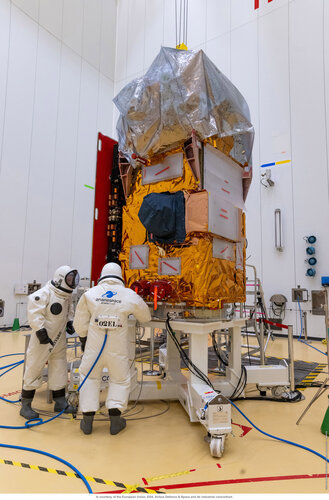 Image:
Sentinel-2C fully loaded
Image:
Sentinel-2C fully loaded
Nedostupné školící ISÚI
19.8.2024 14:07 ČÚZK /ruian/Editacni-agendovy-system-ISUI/Provozni-informace-a-odstavky/Archiv-SKOL/Nedostupne-skolici-ISUI-(2)Rada/odborný rada - ředitel/ka Katastrálního pracoviště Znojmo
19.8.2024 12:54 ČÚZK - volná místa Katastrální úřad pro Jihomoravský kraj Katastrální pracoviště Znojmo vypisuje výběrové řízení na místo Rada/odborný rada - ředitel/ka Katastrálního pracoviště ZnojmoRada/odborný rada - ředitel/ka Katastrálního pracoviště Znojmo
19.8.2024 12:54 ČÚZK /Urady/Katastralni-urady/Katastralni-urady/Katastralni-urad-pro-Jihomoravsky-kraj/Uredni-deska/Oznameni-a-jina-uredni-sdeleni/Volna-mista/DMS/Rada-odborny-rada-reditel-ka-Katastralniho-pracoviRada/odborný rada - ředitel/ka Katastrálního pracoviště Znojmo
19.8.2024 12:54 ČÚZK - předpisy a opatření Katastrální úřad pro Jihomoravský kraj Katastrální pracoviště Znojmovypisuje výběrové řízení na místo
Rada/odborný rada - ředitel/ka Katastrálního pracoviště Znojmo
rada/odborný rada – řízení o opravě chyby v oddělení aktualizace KN Katastrálního pracoviště Jindřic
19.8.2024 10:12 ČÚZK - volná místa Katastrální úřad pro Jihočeský kraj Katastrální pracoviště Jindřichův Hradec vypisuje výběrové řízení na místo rada/odborný rada – řízení o opravě chyby v oddělení aktualizace KN Katastrálního pracoviště Jindřicrada/odborný rada – řízení o opravě chyby v oddělení aktualizace KN Katastrálního pracoviště Jindřic
19.8.2024 10:12 ČÚZK /Urady/Katastralni-urady/Katastralni-urady/Katastralni-urad-pro-Jihocesky-kraj/Uredni-deska/Oznameni-a-jina-uredni-sdeleni/Volna-mista/DMS/rada-odborny-rada-–-rizeni-o-oprave-chyby-v-oddelerada/odborný rada – řízení o opravě chyby v oddělení aktualizace KN Katastrálního pracoviště Jindřic
19.8.2024 10:12 ČÚZK - předpisy a opatření Katastrální úřad pro Jihočeský kraj Katastrální pracoviště Jindřichův Hradecvypisuje výběrové řízení na místo
rada/odborný rada – řízení o opravě chyby v oddělení aktualizace KN Katastrálního pracoviště Jindřichův Hradec
odborný/vrchní referent – obnova katastrálního operátu v oddělení aktualizace KN Katastrálního praco
19.8.2024 8:50 ČÚZK /Urady/Katastralni-urady/Katastralni-urady/Katastralni-urad-pro-Jihocesky-kraj/Uredni-deska/Oznameni-a-jina-uredni-sdeleni/Volna-mista/DMS/odborny-vrchni-referent-–-obnova-katastralniho-opeodborný/vrchní referent – obnova katastrálního operátu v oddělení aktualizace KN Katastrálního praco
19.8.2024 8:50 ČÚZK - volná místa Katastrální úřad pro Jihočeský kraj Katastrální pracoviště Tábor vypisuje výběrové řízení na místo odborný/vrchní referent – obnova katastrálního operátu v oddělení aktualizace KN Katastrálního pracoodborný/vrchní referent – obnova katastrálního operátu v oddělení aktualizace KN Katastrálního praco
19.8.2024 8:50 ČÚZK - předpisy a opatření Katastrální úřad pro Jihočeský kraj Katastrální pracoviště Táborvypisuje výběrové řízení na místo
odborný/vrchní referent – obnova katastrálního operátu v oddělení aktualizace KN Katastrálního pracoviště Tábor
rada/odborný rada – řízení o údajích SGI v odboru GI KN Katastrálního pracoviště České Budějovice
19.8.2024 8:09 ČÚZK /Urady/Katastralni-urady/Katastralni-urady/Katastralni-urad-pro-Jihocesky-kraj/Uredni-deska/Oznameni-a-jina-uredni-sdeleni/Volna-mista/DMS/rada-odborny-rada-–-rizeni-o-udajich-SGI-v-odboru-rada/odborný rada – řízení o údajích SGI v odboru GI KN Katastrálního pracoviště České Budějovice
19.8.2024 8:09 ČÚZK - volná místa Katastrální úřad pro Jihočeský kraj Katastrální pracoviště České Budějovice vypisuje výběrové řízení na místo rada/odborný rada – řízení o údajích SGI v odboru GI KN Katastrálního pracoviště České Budějovicerada/odborný rada – řízení o údajích SGI v odboru GI KN Katastrálního pracoviště České Budějovice
19.8.2024 8:09 ČÚZK - předpisy a opatření Katastrální úřad pro Jihočeský kraj Katastrální pracoviště České Budějovicevypisuje výběrové řízení na místo
rada/odborný rada – řízení o údajích SGI v odboru GI KN Katastrálního pracoviště České Budějovice
Přerušení provozu DP a WSDP ve čtvrtek 22.8.2024 od 18:00 do cca 22:00.
17.8.2024 21:16 ČÚZK - předpisy a opatření Vážení uživatelé,oznamujeme, že ve čtvrtek 22.8.2024 od 18:00 bude z provozních důvodů zcela přerušen provoz Dálkového přístupu i Webových služeb dálkového přístupu. Obnovení provozu předpokládáme v cca 22:00 hodin. U této verze nedochází ke změnám webových služeb.
Za komplikace tímto způsobené se omlouváme a děkujeme za pochopení.
Přerušení provozu DP a WSDP ve čtvrtek 22.8.2024 od 18:00 do cca 22:00.
17.8.2024 21:16 Dálkový přístup k údajům KN ČR Vážení uživatelé,oznamujeme, že ve čtvrtek 22.8.2024 od 18:00 bude z provozních důvodů zcela přerušen provoz Dálkového přístupu i Webových služeb dálkového přístupu. Obnovení provozu předpokládáme v cca 22:00 hodin. U této verze nedochází ke změnám webových služeb.
Za komplikace tímto způsobené se omlouváme a děkujeme za pochopení.
Přerušení provozu DP a WSDP ve čtvrtek 22.8.2024 od 18:00 do cca 22:00.
17.8.2024 21:16 Dálkový přístup k údajům KN ČR Vážení uživatelé,oznamujeme, že ve čtvrtek 22.8.2024 od 18:00 bude z provozních důvodů zcela přerušen provoz Dálkového přístupu i Webových služeb dálkového přístupu. Obnovení provozu předpokládáme v cca 22:00 hodin. U této verze nedochází ke změnám webových služeb.
Za komplikace tímto způsobené se omlouváme a děkujeme za pochopení.
Přerušení provozu DP a WSDP ve čtvrtek 22.8.2024 od 18:00 do cca 22:00.
17.8.2024 21:16 ČÚZK /Aplikace-DP-do-KN/Aplikace-DP-do-KN/Archiv-DP/421617New satellite demonstrates the power of AI for Earth observation
17.8.2024 13:30 ESA Observing the Earth
Φsat-2, ESA’s groundbreaking cubesat designed to revolutionise Earth observation with artificial intelligence, has launched.
The cubesat embarked on its journey into space on 16 August at 20:56 CEST (11:56 local time) on board a SpaceX Falcon 9 rocket from the Vandenberg Space Force Base in California, US, integrated by Exolaunch as part of the Transporter-11 rideshare mission, which also included ESA’s Arctic Weather Satellite.
Arctic Weather Satellite lifts off to set the stage for better forecasts
17.8.2024 3:27 ESA Observing the Earth
ESA’s Arctic Weather Satellite has been launched, paving the way for a potential constellation of satellites that would provide more frequent data not only to enhance short-term weather forecasts for Arctic nations, but for the world as a whole.
Mapová aplikace ÚPD - nové dokumentace
16.8.2024 15:40 Jihočeský krajV mapové aplikaci Územně plánovací dokumentace obcí byla aktualizována ÚPD obcí ORP J. Hradec - Záhoří, Vlčetínec, ORP Písek - Zvíkovské Podhradí, Vlastec, Tálín, ORP Tábor - Zhoř u Mladé Vožice, ORP Vimperk - Vacov, ORP T. Sviny - Trhové Sviny.
Záznam školení GAD
16.8.2024 14:04 GEPRONemohli jste se v pátek 16. 8. 2024 zúčastnit online semináře na téma GAD DTM a chtěli byste ho zhlédnout offline? Nebo si chcete připomenout některé pasáže, které jsou pro vás důležité a chtěli byste si je pustit znovu? V tom případě vyplňte tento jednoduchý formulář a my vám na uvedený email zašleme link na […]
Článek Záznam školení GAD se nejdříve objevil na GEPRO.
Watch Arctic Weather Satellite and Φsat-2 launch live
16.8.2024 9:50 ESA Observing the Earth
ESA’s Arctic Weather Satellite and Φsat-2 missions are ready for lift-off from Vandenberg, California, with a target launch date of 16 August 2024.
Watch Arctic Weather Satellite and Φsat-2 launch live
16.8.2024 9:50 ESA Observing the Earth
ESA’s Arctic Weather Satellite and Φsat-2 missions are ready for lift-off from Vandenburg, California, with a target launch date of 16 August 2024.
Mapová aplikace ÚPD - nové dokumentace
16.8.2024 9:10 Jihočeský krajV mapové aplikaci Územně plánovací dokumentace obcí byla aktualizována ÚPD obcí ORP J. Hradec - Záhoří, Vlčetínec, ORP Písek - Zvíkovské Podhradí, Vlastec, ORP Tábor - Zhoř u Mladé Vožice, ORP Vimperk - Vacov.
Komplexní řešení pro návrháře a výrobce nábytku a interiérů
15.8.2024 18:27 ŠPINAR - software Vážení zákazníci,truhláři, nábytkáři, návrháři interiéru a výrobci nábytku, připravili jsem pro Vás nástroje pro zefektivnění Vaší práce.
20251029_Rada oddělení aktualizace KN
15.8.2024 15:50 ČÚZK - předpisy a opatření Katastrální úřad pro Středočeský kraj - Katastrální pracoviště Příbram Vyhlášení výběrového řízení: Rada oddělení aktualizace KN - 00733 V části "Úřední deska", v sekci "Oznámení a jiná úřední sdělení" bylo vystaveno "Oznámení o vyhlášení výběrového řízení na obsazení služebního místa Rada oddělení aktualizace KN"20251029_Rada oddělení aktualizace KN
15.8.2024 15:50 ČÚZK /Urady/Katastralni-urady/Katastralni-urady/Katastralni-urad-pro-Stredocesky-kraj/Katastralni-pracoviste/KP-Pribram/O-uradu/Aktuality/20210922_Odborny-referent-oddeleni-aktualizace-(1)20251126_Rada oddělení aktualizace KN
15.8.2024 15:50 ČÚZK - předpisy a opatření Katastrální úřad pro Středočeský kraj - Katastrální pracoviště Příbram Vyhlášení výběrového řízení: Rada oddělení aktualizace KN - 00733 V části "Úřední deska", v sekci "Oznámení a jiná úřední sdělení" bylo vystaveno "Oznámení o vyhlášení výběrového řízení na obsazení služebního místa Rada oddělení aktualizace KN"20240815_Rada / odborný rada oddělení dokumentace KN
15.8.2024 15:50 ČÚZK /Urady/Katastralni-urady/Katastralni-urady/Katastralni-urad-pro-Stredocesky-kraj/Katastralni-pracoviste/KP-Pribram/O-uradu/Aktuality/20210922_Odborny-referent-oddeleni-aktualizace-(1)20250213_Rada oddělení aktualizace KN - 00733
15.8.2024 15:50 ČÚZK - předpisy a opatření Katastrální úřad pro Středočeský kraj - Katastrální pracoviště Příbram Vyhlášení výběrového řízení: Rada oddělení aktualizace KN - 00733 V části "Úřední deska", v sekci "Oznámení a jiná úřední sdělení" bylo vystaveno "Oznámení o vyhlášení výběrového řízení na obsazení služebního místa Rada oddělení aktualizace KN - 00733"20251126_Rada oddělení aktualizace KN
15.8.2024 15:50 ČÚZK /Urady/Katastralni-urady/Katastralni-urady/Katastralni-urad-pro-Stredocesky-kraj/Katastralni-pracoviste/KP-Pribram/O-uradu/Aktuality/20210922_Odborny-referent-oddeleni-aktualizace-(1)20250213_Rada oddělení aktualizace KN - 00733
15.8.2024 15:50 ČÚZK /Urady/Katastralni-urady/Katastralni-urady/Katastralni-urad-pro-Stredocesky-kraj/Katastralni-pracoviste/KP-Pribram/O-uradu/Aktuality/20210922_Odborny-referent-oddeleni-aktualizace-(1)20241119_Rada / odborný rada oddělení aktualizace KN
15.8.2024 15:50 ČÚZK - předpisy a opatření Katastrální úřad pro Středočeský kraj - Katastrální pracoviště Příbram Vyhlášení výběrového řízení: Rada / odborný rada oddělení dokumentace KN V části "Úřední deska", v sekci "Oznámení a jiná úřední sdělení" bylo vystaveno "Oznámení o vyhlášení výběrového řízení na obsazení služebního místa Rada / odborný rada oddělení aktualizace KN"20241119_Rada / odborný rada oddělení aktualizace KN
15.8.2024 15:50 ČÚZK /Urady/Katastralni-urady/Katastralni-urady/Katastralni-urad-pro-Stredocesky-kraj/Katastralni-pracoviste/KP-Pribram/O-uradu/Aktuality/20210922_Odborny-referent-oddeleni-aktualizace-(1)20240815_Rada / odborný rada oddělení dokumentace KN
15.8.2024 15:50 ČÚZK - předpisy a opatření Katastrální úřad pro Středočeský kraj - Katastrální pracoviště Příbram Vyhlášení výběrového řízení: Rada / odborný rada oddělení dokumentace KN V části "Úřední deska", v sekci "Oznámení a jiná úřední sdělení" bylo vystaveno "Oznámení o vyhlášení výběrového řízení na obsazení služebního místa Ekonom - asistent"Ekonom - asistent
15.8.2024 15:47 ČÚZK /Urady/Katastralni-urady/Katastralni-urady/Katastralni-urad-pro-Stredocesky-kraj/Uredni-deska/Oznameni-a-jina-uredni-sdeleni/Volna-mista/DMS/Ekonom-asistentEkonom - asistent
15.8.2024 15:47 ČÚZK - předpisy a opatření Katastrální úřad pro Středočeský kraj Katastrální pracoviště Příbramvypisuje výběrové řízení na místo
Ekonom - asistent
Ekonom - asistent
15.8.2024 15:47 ČÚZK - předpisy a opatření Katastrální úřad pro Středočeský kraj - Katastrální pracoviště Příbramvypisuje výběrové řízení na místo
Ekonom - asistent
Ekonom - asistent
15.8.2024 15:47 ČÚZK - volná místa Katastrální úřad pro Středočeský kraj Katastrální pracoviště Příbram vypisuje výběrové řízení na místo Ekonom - asistentEkonom - asistent
15.8.2024 15:47 ČÚZK - volná místa Katastrální úřad pro Středočeský kraj - Katastrální pracoviště Příbram vypisuje výběrové řízení na místo Ekonom - asistentDr. Popelka oceněn jako TopScholar podle ScholarGPS!
14.8.2024 20:59 Katedra geoinformatiky UP OlomoucDr. Popelka naší katedry získal prestižní titul TopScholar od platformy ScholarGPS, která oceňuje vědce za jejich mimořádné úspěchy ve svých oborech. Díky svému výjimečnému publikačnímu záznamu, vlivu výzkumu a kvalitě vědeckých příspěvků se Dr. Popelka zařadil mezi nejlepších 0,5 % vědců na světě. V žebříčku ScholarGPS obsadil 37. místo v oblasti geoinformatiky a 43. místo […]
The post Dr. Popelka oceněn jako TopScholar podle ScholarGPS! first appeared on Katedra geoinformatiky.
Výběrové řízení na KÚ pro Vysočinu
14.8.2024 13:32 ČÚZK - předpisy a opatření Katastrální úřad pro Vysočinu zveřejnil novou aktualitu: Vyhlášení výběrového řízení na obsazení pracovního místa referent/ka vnitřní správy v oddělení ekonomicko-správním na Katastrálním úřadě pro Vysočinu.Výběrové řízení na KÚ pro Vysočinu
14.8.2024 13:32 ČÚZK /Urady/Katastralni-urady/Katastralni-urady/Katastralni-urad-pro-Vysocinu/O-uradu/Aktuality/Vyberove-rizeni-na-KU-pro-Vysocinu-(1)Vila Vlasta – Nový domov pro HRDLIČKA spol. s r.o.
14.8.2024 13:13 Hrdlička Vila z roku 1931 se stává novou pobočku HRDLIČKA spol. s r.o.referent vnitřní správy v oddělení ekonomicko-správním
14.8.2024 12:52 ČÚZK - volná místa Katastrální úřad pro Vysočinu kancelář ředitele vypisuje výběrové řízení na místo referent vnitřní správy v oddělení ekonomicko-správnímreferent vnitřní správy v oddělení ekonomicko-správním
14.8.2024 12:52 ČÚZK - předpisy a opatření Katastrální úřad pro Vysočinu kancelář ředitelevypisuje výběrové řízení na místo
referent vnitřní správy v oddělení ekonomicko-správním
referent vnitřní správy v oddělení ekonomicko-správním
14.8.2024 12:52 ČÚZK /Urady/Katastralni-urady/Katastralni-urady/Katastralni-urad-pro-Vysocinu/Volna-mista/DMS/referent-vnitrni-spravy-v-oddeleni-ekonomicko-spraVila Vlasta – Nový domov pro HRDLIČKA spol. s r.o.
14.8.2024 12:51 Hrdlička Vila z roku 1931 se stává novým sídlem firmy HG Elektro a také prostorem pro novou pobočku HSRO.Firemní teambuilding v Kempu Brdy u Věšína
14.8.2024 12:49 Hrdlička Počasí nám přálo, což jen přispělo k celkově skvělé atmosféře celé akce.Firemní teambuilding v Kempu Brdy u Věšína
14.8.2024 12:33 Hrdlička Počasí nám přálo, což jen přispělo k celkově skvělé atmosféře celé akce.Vila Vlasta – Nový domov pro Hrdlička s.r.o.
14.8.2024 11:29 Hrdlička Vila z roku 1931 se stává novým sídlem firmy HG Elektro a také prostorem pro novou pobočku HSRO.rada/odborný rada – návrh zápisu, kontrola a zplatnění
14.8.2024 10:54 ČÚZK /Urady/Katastralni-urady/Katastralni-urady/Katastralni-urad-pro-hlavni-mesto-Prahu/O-uradu/Aktuality/rada-odborny-rada-–-navrh-zapisu,-kontrola-a-z-(1)rada/odborný rada – návrh zápisu, kontrola a zplatnění
14.8.2024 10:54 ČÚZK - předpisy a opatření Katastrální úřad pro hlavní město Prahu zveřejnil novou aktualitu: Ředitelka úřadu vyhlašuje výběrové řízení na pozici:rada/odborný rada – návrh zápisu, kontrola a zplatnění
rada/odborný rada – návrh zápisu, kontrola a zplatnění
14.8.2024 10:52 ČÚZK - předpisy a opatření Katastrální úřad pro hlavní město Prahuvypisuje výběrové řízení na místo
rada/odborný rada – návrh zápisu, kontrola a zplatnění
rada/odborný rada – návrh zápisu, kontrola a zplatnění
14.8.2024 10:52 ČÚZK - volná místa Katastrální úřad pro hlavní město Prahu vypisuje výběrové řízení na místo rada/odborný rada – návrh zápisu, kontrola a zplatněnírada/odborný rada – návrh zápisu, kontrola a zplatnění
14.8.2024 10:52 ČÚZK /Urady/Katastralni-urady/Katastralni-urady/Katastralni-urad-pro-hlavni-mesto-Prahu/Uredni-deska/Oznameni-a-jina-uredni-sdeleni/Volna-mista/rada-odborny-rada-–-navrh-zapisu,-kontrola-a-z-(1)Pozvánka na Akreditovaný kurz „Družicový dálkový průzkum Země (DPZ) pro e-government I“
14.8.2024 8:43 GISportal.cz
Cílem vzdělávacího programu je seznámit účastníky s možnostmi využívání dat a technologií dálkového průzkumu Země (DPZ) s důrazem na volně dostupná družicová data programu Copernicus. Program se soustředí na uživatelsky orientované zpracování DPZ dat a tvorbu tematických aplikací družicových dat. Účastníci se seznámí se základními principy DPZ a naučí se využívat datové zdroje a výstupy z […]
The post Pozvánka na Akreditovaný kurz „Družicový dálkový průzkum Země (DPZ) pro e-government I“ appeared first on GISportal.cz.
Pozvánka na Akreditovaný kurz „Družicový dálkový průzkum Země (DPZ) pro e-government I“
14.8.2024 8:43 GISportal.czCílem vzdělávacího programu je seznámit účastníky s možnostmi využívání dat a technologií dálkového průzkumu Země (DPZ) s důrazem na volně dostupná družicová data programu Copernicus. Program se soustředí na uživatelsky orientované zpracování DPZ dat a tvorbu tematických aplikací družicových dat. Účastníci se seznámí se základními principy DPZ a naučí se využívat datové zdroje a výstupy z […]
The post Pozvánka na Akreditovaný kurz „Družicový dálkový průzkum Země (DPZ) pro e-government I“ appeared first on GISportal.cz.
Wildfires rage across Athens
13.8.2024 14:31 ESA Observing the Earth Image:
Firefighters in Greece are battling a rapidly spreading wildfire that has swept across several neighbourhoods in Athens, Greece, on Monday. Thousands of residents have been evacuated as the massive fire reached the suburbs of Athens, with some flames reaching heights of 25 m.
This image shows the fires surrounding Athens on 12 August 2024, captured by the Copernicus Sentinel-2 mission. This image has been processed in a way that highlights vegetation in red, while the burned areas can be seen in black. The estimated affected area exceeds 100 sq km.
In response to the fires, the Copernicus Emergency Management Service was activated to cover the fire event affecting the Attica Region. Copernicus EMS Rapid Mapping was requested to provide an initial rough estimate, as well as emergency mapping of the fire’s extent and damage assessment.
The Copernicus Sentinel-2 mission is based on a constellation of two identical satellites, each carrying an innovative wide swath high-resolution multispectral imager with 13 spectral bands for monitoring changes in Earth’s land and vegetation.
Arctic Weather Satellite: advancing weather forecasting in a changing climate
13.8.2024 10:00 ESA Observing the Earth Video:
00:04:38
Video:
00:04:38
The effects of the climate crisis are felt more acutely in the Arctic than anywhere else on the planet. The weather in the Arctic is not only severe, but it changes extremely quickly. More frequent data are urgently needed to improve weather forecasts for this susceptible polar region.
Enter ESA’s Arctic Weather Satellite: a brand new prototype mission to show exactly how this can be achieved. The satellite will provide precise, short-term weather forecasts for the Arctic region. It is equipped with a 19-channel cross-track scanning microwave radiometer which will provide high-resolution humidity and temperature soundings of the atmosphere in all weather conditions.
The Arctic Weather Satellite is the forerunner of a potential constellation of satellites, called EPS-Sterna, that ESA would build for Eumetsat if this first prototype Arctic Weather Satellite performs well.
BIM Open 2024: Přijďte objevit budoucnost stavebnictví na konferenci v Ostravě
13.8.2024 8:20 Adeon
S potěšením vás zveme na BIM Open 2024, již devátý ročník prestižní konference, která se zaměřuje na Building Information Modeling […]
The post BIM Open 2024: Přijďte objevit budoucnost stavebnictví na konferenci v Ostravě appeared first on Adeon CZ.
BIM Open 2024: Přijďte objevit budoucnost stavebnictví na konferenci v Ostravě
13.8.2024 8:20 AdeonS potěšením vás zveme na BIM Open 2024, již devátý ročník prestižní konference, která se zaměřuje na Building Information Modeling […]
The post BIM Open 2024: Přijďte objevit budoucnost stavebnictví na konferenci v Ostravě appeared first on Adeon CZ.
The buildingSMART openBIM Awards 2024 – Finalists Announced
13.8.2024 8:00 buildingSMART.orgLondon, U.K. – August 13th, 2024 — buildingSMART International is delighted to share the complete list of finalists for the buildingSMART openBIM Awards 2024. Finalists will be invited to present…
The post The buildingSMART openBIM Awards 2024 – Finalists Announced appeared first on buildingSMART International.