









zprávy
zdroje zpráv:Pobočka Litoměřice je bez elektrického proudu
10.2.2020 0:00 Státní pozemkový úřad Pobočka Litoměřice je z technických důvodů uzavřena, havárie způsobená silným větrem přerušila dodávky elektrického proudu. Pracovníci pobočky bohužel nemají informace, kdy by mohly být dodávky opět obnoveny. Informace o aktuálním provozu pobočky je možné zjistit na tel. 725076742. Děkujeme za pochopení.Uzavření pobočky KPÚ pro Královéhradecký kraj
10.2.2020 0:00 Státní pozemkový úřad Z důvodu přerušení dodávky elektrické energie dne 12. 2. 2020 bude po celý den uzavřeno pracoviště Krajského pozemkového úřadu pro Královehradecký kraj Kydlinovská 245, Hradec Králové. Provoz podatelny nebude omezen! Bližší informace žádejte na tel. 727 937 172 nebo e-mailu: kralovehradecky.kraj@spucr.cz. Děkujeme za pochopení.Pobočka Litoměřice je bez elektrického proudu
10.2.2020 0:00 Státní pozemkový úřad Pobočka Litoměřice je z technických důvodů uzavřena, havárie způsobená silným větrem přerušila dodávky elektrického proudu. Pracovníci pobočky bohužel nemají informace, kdy by mohly být dodávky opět obnoveny. Informace o aktuálním provozu pobočky je možné zjistit na tel. 725076742. Děkujeme za pochopení.Výběrové řízení pro vyjíždějící Erasmus+ studenty v akademickém roce 2020/2021
10.2.2020 0:00 Geografický ústav MUNa Geografickém ústavu bude 10. února zahájeno výběrové řízení pro vyjíždějící studenty v akademickém roce 2020/2021.
Přihlášky do výběrového řízení podávejte do 1. března 2020, a to elektronicky prostřednictvím systému ISOIS na adrese https://isois.ois.muni.cz/public/application-outgoing/. Akceptovány budou pouze úplné přihlášky včetně příloh.
Podrobnější informace k výběrovému řízení a seznam univerzit zapojených do programu naleznete na webu http://geogr.muni.cz/program-erasmus.
V případě dotazů kontaktujte oborové koordinátory dr. Burianovou nebo dr. Lásku.
Uzavření pobočky KPÚ pro Královéhradecký kraj
10.2.2020 0:00 Státní pozemkový úřad Z důvodu přerušení dodávky elektrické energie dne 12. 12. 2020 bude po celý den uzavřeno pracoviště Krajského pozemkového úřadu pro Královehradecký kraj Kydlinovská 245, Hradec Králové. Provoz podatelny nebude omezen! Bližší informace žádejte na tel. 727 937 172 nebo e-mailu: kralovehradecky.kraj@spucr.cz. Děkujeme za pochopení.Uzavření pobočky KPÚ pro Královéhradecký kraj
10.2.2020 0:00 Státní pozemkový úřad Z důvodu přerušení dodávky elektrické energie dne 12. 2. 2020 bude po celý den uzavřeno pracoviště Krajského pozemkového úřadu pro Královehradecký kraj Kydlinovská 245, Hradec Králové. Provoz podatelny nebude omezen! Bližší informace žádejte na tel. 727 937 172 nebo e-mailu: kralovehradecky.kraj@spucr.cz. Děkujeme za pochopení.Pobočka Litoměřice je bez elektrického proudu
10.2.2020 0:00 Státní pozemkový úřad Pobočka Litoměřice je z technických důvodů uzavřena, havárie způsobená silným větrem přerušila dodávky elektrického proudu. Pracovníci pobočky bohužel nemají informace, kdy by mohly být dodávky opět obnoveny. Informace o aktuálním provozu pobočky je možné zjistit na tel. 725076742. Děkujeme za pochopení.Uzavření pobočky KPÚ pro Královéhradecký kraj
10.2.2020 0:00 Státní pozemkový úřad Z důvodu přerušení dodávky elektrické energie dne 12. 12. 2020 bude po celý den uzavřeno pracoviště Krajského pozemkového úřadu pro Královehradecký kraj Kydlinovská 245, Hradec Králové. Provoz podatelny nebude omezen! Bližší informace žádejte na tel. 727 937 172 nebo e-mailu: kralovehradecky.kraj@spucr.cz. Děkujeme za pochopení.Výzva k účasti na předběžné tržní konzultaci ke stanovení zadávacích podmínek veřejných zakázek na zpracování návrhu pozemkových úprav
10.2.2020 0:00 Státní pozemkový úřad Praha, 10. února 2020 – Státní pozemkový úřad využil institutu předběžné tržní konzultace dle ust. § 33 zákona č. 134/2016 Sb., o zadávání veřejných zakázek, ve znění pozdějších předpisů, a vypsal předběžnou tržní konzultaci za účelem získání relevantních a objektivních informací potřebných pro optimální nastavení zadávacích podmínek u opakovaně připravovaných veřejných zakázek, jejichž předmětem je zpracování návrhu pozemkových úprav včetně geodetických prací v podrobnostech nezbytných pro zpracování nabídek.Rozhovor se studentem GÚ Michalem Vojtěchovským
10.2.2020 0:00 Geografický ústav MUPřečtěte si rozhovor se studentem Geografického ústavu PřF MU Michalem Vojtěchovským o zkušenostech v jeho dosavadním studiu - Erasmus v Norsku: moje zatím nejhezčí zkušenost v životě.
USGIF and OGC Host Inaugural Innovation Tradecraft Competition
9.2.2020 11:10 GISCafe.com Webcasts-Webinars Four finalists and two runners up selected to present at the GEOINT 2020 SymposiumHerndon, Virginia (February 7, 2020) — The United States …
Rezatec and Isoil Industria win contract to provide innovative satellite data analytics to Italian multi-utility, HERA Group
8.2.2020 0:03 GISCafe.com Webcasts-Webinars Harwell, Oxfordshire, UK, 7th February 2020 - Rezatec, leading provider of satellite data analytics, has won a contract for a pipeline risk …Better solar inspection software from Scopito
7.2.2020 20:13 GISCafe.com Webcasts-Webinars Conventionally the inspection of Solar farms has been very complicated.It involves collecting and recording substantial amounts of data, but …Oneweb Successfully Launches 34 More Satellites Into Orbit
7.2.2020 20:12 GISCafe.com Webcasts-Webinars - OneWeb declares the launch of its satellites successful todayLONDON, Feb. 7, 2020 — (PRNewswire) — OneWeb, the global …
Iris Automation Announces First Beyond-Visual-Line-of-Sight (BVLOS) Drone Waiver In South Africa
7.2.2020 20:12 GISCafe.com Webcasts-Webinars United Drone Holdings secures milestone BVLOS approval in South Africa, based on the utilization of Iris Automation's onboard detect-and-avoid …Flirtey Granted Patent Enhances Safety in Drone Delivery
7.2.2020 20:12 GISCafe.com Webcasts-Webinars RENO, Nev., Feb. 7, 2020 — (PRNewswire) — Flirtey, the industry-leading drone delivery service, announced today it has been …Přerušení provozu DP a WSDP ve čtvrtek 13.02.2020 od 16:30 až do cca 18:30.
7.2.2020 17:20 ČÚZK - předpisy a opatření Vážení uživatelé,oznamujeme, že ve čtvrtek 13.2.2020 od 16:30 bude z provozních důvodů zcela přerušen provoz Dálkového přístupu i Webových služeb dálkového přístupu. Obnovení provozu předpokládáme v cca 18:30 hodin.
Za komplikace tímto způsobené se omlouváme a děkujeme za pochopení.
Přerušení provozu DP a WSDP ve čtvrtek 13.02.2020 od 16:30 až do cca 18:30.
7.2.2020 17:20 ČÚZK /Aplikace-DP-do-KN/Aplikace-DP-do-KN/Archiv-DP/281117Přerušení provozu DP a WSDP ve čtvrtek 13.02.2020 od 16:30 až do cca 18:30.
7.2.2020 17:20 Dálkový přístup k údajům KN ČR Vážení uživatelé,oznamujeme, že ve čtvrtek 13.2.2020 od 16:30 bude z provozních důvodů zcela přerušen provoz Dálkového přístupu i Webových služeb dálkového přístupu. Obnovení provozu předpokládáme v cca 18:30 hodin.
Za komplikace tímto způsobené se omlouváme a děkujeme za pochopení.
Témata největší středoevropské kartografické konference ve Vídni
7.2.2020 12:53 GeoBusiness Největší středoevropská kartografická konference s názvem EUROCARTO 2020 se letos bude konat ve dnech 20. až 22. září ve Vídni. Jako témata letos organizátoři vybrali Art and cartography Map Design, Usability and Cognition GeoVisual Analytics and Multivariate Big Data Mapping Topographic Mapping, Generalization and Updates Collaborative Mapping, VGI and Crowdsourcing Thematic Cartography, Atlas Cartography and […]Témata největší středoevropské kartografické konference Eurocarto 2020 ve Vídni
7.2.2020 12:53 GeoBusinessNejvětší středoevropská kartografická konference s názvem EUROCARTO 2020 se letos bude konat ve dnech 20. až 22. září ve Vídni. Jako témata letos organizátoři vybrali Art and cartography Map Design, Usability and Cognition GeoVisual Analytics and Multivariate Big Data Mapping Topographic Mapping, Generalization and Updates Collaborative Mapping, VGI and Crowdsourcing Thematic Cartography, Atlas Cartography and […]
The post Témata největší středoevropské kartografické konference Eurocarto 2020 ve Vídni appeared first on GeoBusiness.
Témata největší středoevropské kartografické konference ve Vídni
7.2.2020 12:53 GeoBusinessNejvětší středoevropská kartografická konference s názvem EUROCARTO 2020 se letos bude konat ve dnech 20. až 22. září ve Vídni. Jako témata letos organizátoři vybrali Art and cartography Map Design, Usability and Cognition GeoVisual Analytics and Multivariate Big Data Mapping Topographic Mapping, Generalization and Updates Collaborative Mapping, VGI and Crowdsourcing Thematic Cartography, Atlas Cartography and […]
The post Témata největší středoevropské kartografické konference ve Vídni appeared first on GeoBusiness.
HRDLIČKA spol. s r.o. - Spustili jsme nové webové stránky bim3d.cz
7.2.2020 12:12 Hrdlička Spustili jsme nové webové stránky, které jsou zaměřené na nové technologie a služby.Spustili jsme nové webové stránky bim3d.cz
7.2.2020 12:12 Hrdlička Spustili jsme nové webové stránky, které jsou zaměřené na nové technologie a služby.Space is an enabler of security and defence
7.2.2020 10:45 European GNSS Agency
Although it has been a taboo at the European level up to now, the time has come to break this taboo and to recognise that space is an enabler of security and defence, with a defence dimension for Galileo and a security element for Copernicus, Internal Market Commissioner Thierry Breton said at the 12th Space Policy Conference in Brussels on 22 January.
In his address at the Conference, the Commissioner stressed that the security and defence element of the space programmes would be strengthened with the progressive launch of two new initiatives – a Space Situational Awareness (SSA) system to monitor space debris, and a Governmental Satellite Communication (GovSatCom) initiative to provide Member States with reliable and secure satellite communication to support police, border protection and civil defence.
GSA ready for EUSPA
These programmes will be partly under the responsibility of the European GNSS Agency (GSA) as its mandate expands with the creation of the new European Agency for the Space Programme (EUSPA). Speaking at the conference, GSA Chief Operating Officer Pascal Claudel noted that, while some of the elements in the EUSPA mandate had yet to be finalised, the GSA was already preparing to take it up and, in particular, has started preparatory activities for GovSatCom.
Read this: EU space infrastructure guarantees leadership in security and defence
Commissioner Thierry Breton outlined his objectives for the Galileo programme, one of which is to ensure the smooth development of the Public Regulated Service (PRS). “Galileo is also a strategic asset, designed to be used for military and civil security purposes,” he said. In turn, Claudel noted that the GSA’s experience with the PRS had been of particular value in setting up the project aiming at identifying GovSatCom user needs and technological requirements.
In addition to the PRS, Commissioner Breton’s other objectives for Galileo include continuing deploying the programme in order to reach the Full Operational Capability as soon as possible; continuing to improve precision - with a target of 20 cm; and preparing already for the second generation of Galileo, to stay ahead in the technological race.
Space awareness
As regards Space Situational Awareness and Space Surveillance and Tracking (SSA/SST), P. Claudel said that EUSPA would benefit from the GSA’s security-oriented approach and experience of working with Member States as users of the PRS service and handling classified information with multiple stakeholders. The experience that the GSA has in the operations of the Galileo Security Monitoring Centre would be beneficial for the SSA, he said.
Reference to the cyber security aspect of the Galileo programme was also made. “This is taken very seriously by the GSA. In recent years, new specific cyber security requirements have been defined and taken into account in the development of the Galileo system and its operations,” said the GSA COO.
And this: PRS – the future is bright!
The GSA puts measures in place based on regular monitoring and analysis of threats to the system. “Vulnerabilities are analysed regularly and security measures are set up,” said P. Claudel, adding that while the complexity of the GNSS systems makes this task very complex, the GSA has processes in place to handle this activity.
Working together for success
In his speech, Commissioner Thierry Breton stressed the importance of governance. He said that to develop his strategy and vision for the space programmes, it would be necessary to work efficiently together. “Governance is central to any successful strategy and project, political or industrial. ... When governance is not clear, mistakes happen or issues appear,” he said.
The Commissioner said he had the impression that, in Europe, a lot of time is spent discussing who does what – especially between public actors – rather than actually doing it. “Let me be loud and clear: This is not possible anymore. If we are to be successful and invest efficiently our citizens’ taxpayer money, we have to … work as a team,” he said, adding that this team includes the European Commission, National Space Agencies, the European Space Agency (ESA), the GSA, and industry.
Media note: This feature can be republished without charge provided the European GNSS Agency (GSA) is acknowledged as the source at the top or the bottom of the story. You must request permission before you use any of the photographs on the site. If you republish, we would be grateful if you could link back to the GSA website (http://www.gsa.europa.eu).
Space is an enabler of security and defence
7.2.2020 10:45 European GNSS AgencyAlthough it has been a taboo at the European level up to now, the time has come to break this taboo and to recognise that space is an enabler of security and defence, with a defence dimension for Galileo and a security element for Copernicus, Internal Market Commissioner Thierry Breton said at the 12th Space Policy Conference in Brussels on 22 January.
In his address at the Conference, the Commissioner stressed that the security and defence element of the space programmes would be strengthened with the progressive launch of two new initiatives – a Space Situational Awareness (SSA) system to monitor space debris, and a Governmental Satellite Communication (GovSatCom) initiative to provide Member States with reliable and secure satellite communication to support police, border protection and civil defence.
GSA ready for EUSPA
These programmes will be partly under the responsibility of the European GNSS Agency (GSA) as its mandate expands with the creation of the new European Agency for the Space Programme (EUSPA). Speaking at the conference, GSA Chief Operating Officer Pascal Claudel noted that, while some of the elements in the EUSPA mandate had yet to be finalised, the GSA was already preparing to take it up and, in particular, has started preparatory activities for GovSatCom.
Read this: EU space infrastructure guarantees leadership in security and defence
Commissioner Thierry Breton outlined his objectives for the Galileo programme, one of which is to ensure the smooth development of the Public Regulated Service (PRS). “Galileo is also a strategic asset, designed to be used for military and civil security purposes,” he said. In turn, Claudel noted that the GSA’s experience with the PRS had been of particular value in setting up the project aiming at identifying GovSatCom user needs and technological requirements.
In addition to the PRS, Commissioner Breton’s other objectives for Galileo include continuing deploying the programme in order to reach the Full Operational Capability as soon as possible; continuing to improve precision - with a target of 20 cm; and preparing already for the second generation of Galileo, to stay ahead in the technological race.
Space awareness
As regards Space Situational Awareness and Space Surveillance and Tracking (SSA/SST), P. Claudel said that EUSPA would benefit from the GSA’s security-oriented approach and experience of working with Member States as users of the PRS service and handling classified information with multiple stakeholders. The experience that the GSA has in the operations of the Galileo Security Monitoring Centre would be beneficial for the SSA, he said.
Reference to the cyber security aspect of the Galileo programme was also made. “This is taken very seriously by the GSA. In recent years, new specific cyber security requirements have been defined and taken into account in the development of the Galileo system and its operations,” said the GSA COO.
And this: PRS – the future is bright!
The GSA puts measures in place based on regular monitoring and analysis of threats to the system. “Vulnerabilities are analysed regularly and security measures are set up,” said P. Claudel, adding that while the complexity of the GNSS systems makes this task very complex, the GSA has processes in place to handle this activity.
Working together for success
In his speech, Commissioner Thierry Breton stressed the importance of governance. He said that to develop his strategy and vision for the space programmes, it would be necessary to work efficiently together. “Governance is central to any successful strategy and project, political or industrial. ... When governance is not clear, mistakes happen or issues appear,” he said.
The Commissioner said he had the impression that, in Europe, a lot of time is spent discussing who does what – especially between public actors – rather than actually doing it. “Let me be loud and clear: This is not possible anymore. If we are to be successful and invest efficiently our citizens’ taxpayer money, we have to … work as a team,” he said, adding that this team includes the European Commission, National Space Agencies, the European Space Agency (ESA), the GSA, and industry.
Media note: This feature can be republished without charge provided the European GNSS Agency (GSA) is acknowledged as the source at the top or the bottom of the story. You must request permission before you use any of the photographs on the site. If you republish, we would be grateful if you could link back to the GSA website (http://www.gsa.europa.eu).
NAVISP Industry Days: navigation solutions beyond satellites
7.2.2020 10:43 ESA Navigation
More than 120 representatives of companies and research institutions across Europe met at ESA’s NAVISP Industry Days, discussing dozens of projects being supported by the Agency’s newest programme, fostering innovation and competitiveness across the European positioning, navigation and timing sector.
NAVISP Industry Days: navigation solutions beyond satellites
7.2.2020 10:43 ESA Navigation
More than 120 representatives of companies and research institutions across Europe met at ESA’s NAVISP Industry Days, discussing dozens of projects being supported by the Agency’s newest programme, fostering innovation and competitiveness across the European positioning, navigation and timing sector.
Earth from Space: Flevoland
7.2.2020 10:00 ESA Observing the Earth Video:
00:03:01
Video:
00:03:01
In this week's edition of the Earth from Space programme, the Copernicus Sentinel-1 mission takes us over part of the Dutch province of Flevoland – the newest province in the Netherlands and one of the largest land reclamation projects in the world.
See also Flevoland, the Netherlands to download the image.
In this week's edition of the Earth from Space programme, the Copernicus Sentinel-1 mission takes us over part of the Dutch province of Flevoland – the newest province in the Netherlands and one of the largest land reclamation projects in the world.
See also Flevoland, the Netherlands to download the image.
Flevoland, the Netherlands
7.2.2020 10:00 ESA Observing the Earth Image:
The Copernicus Sentinel-1 mission takes us over part of the Dutch province of Flevoland – the newest province in the Netherlands and one of the largest land reclamation projects in the world.
With almost a third of the country lying below sea level, the Netherlands is famously known as a ‘low country,’ and has a long history of land reclamation.
One reclamation project resulted in Flevoland. After a major flood it was decided to tame the Zuiderzee, a large, shallow inlet of the North Sea, to improve flood protection and also create additional land for agricultural use.
The project entailed the creation of land known as polders. The ‘Noordoostpolder,’ or the Northeast polder is the focus of this image. Over the years, the region has developed to become a home to a modern and innovative agricultural industry. The province produces predominantly apples, cereals, potatoes and flowers – with each colourful patch in the image representing a different crop.
This image combines three radar acquisitions from the Copernicus Sentinel-1 mission taken about two months apart to show change in crop and land conditions over time. The first image from 8 May 2018 is associated with blue, the second from 7 July depicts changes in green, and the third from 5 September has been linked to red.
Along the dikes of the Ijsselmeer, west of the Noordoostpolder, lies one of the largest wind farms in the Netherlands. The strong, almost star-shaped, reflections that can be seen near the shore are around 86 wind turbines. The wind farm is said to generate approximately 1.4 billion kWh of clean renewable energy per year – comparable to the power consumption of over 400 000 households.
Images acquired with radar are interpreted by studying the intensity of the backscatter radar signal, which is related to the roughness of the ground. Cities and towns are visible in white owing to the stronger reflection of the signal. Emmeloord can be seen in the centre of the Noordoostpolder, as well as several farms that appear as bright white dots along the roads.
This image is also featured on the Earth from Space video programme.
Earth from Space: Flevoland
7.2.2020 10:00 ESA Observing the Earth
Video:
00:03:01
In this week's edition of the Earth from Space programme, the Copernicus Sentinel-1 mission takes us over part of the Dutch province of Flevoland – the newest province in the Netherlands and one of the largest land reclamation projects in the world.
See also Flevoland, the Netherlands to download the image.
Flevoland, the Netherlands
7.2.2020 10:00 ESA Observing the Earth
Image:
The Copernicus Sentinel-1 mission takes us over part of the Dutch province of Flevoland – the newest province in the Netherlands and one of the largest land reclamation projects in the world.
With almost a third of the country lying below sea level, the Netherlands is famously known as a ‘low country,’ and has a long history of land reclamation.
One reclamation project resulted in Flevoland. After a major flood it was decided to tame the Zuiderzee, a large, shallow inlet of the North Sea, to improve flood protection and also create additional land for agricultural use.
The project entailed the creation of land known as polders. The ‘Noordoostpolder,’ or the Northeast polder is the focus of this image. Over the years, the region has developed to become a home to a modern and innovative agricultural industry. The province produces predominantly apples, cereals, potatoes and flowers – with each colourful patch in the image representing a different crop.
This image combines three radar acquisitions from the Copernicus Sentinel-1 mission taken about two months apart to show change in crop and land conditions over time. The first image from 8 May 2018 is associated with red, the second from 7 July depicts changes in green, and the third from 5 September has been linked to blue.
Along the dikes of the Ijsselmeer, west of the Noordoostpolder, lies one of the largest wind farms in the Netherlands. The strong, almost star-shaped, reflections that can be seen near the shore are around 86 wind turbines. The wind farm is said to generate approximately 1.4 billion kWh of clean renewable energy per year – comparable to the power consumption of over 400 000 households.
Images acquired with radar are interpreted by studying the intensity of the backscatter radar signal, which is related to the roughness of the ground. Cities and towns are visible in white owing to the stronger reflection of the signal. Emmeloord can be seen in the centre of the Noordoostpolder, as well as several farms that appear as bright white dots along the roads.
This image is also featured on the Earth from Space video programme.
ArcGIS Pro 2.5
7.2.2020 10:00 ARCDATAOde dneška můžete aktualizovat svou aplikaci ArcGIS Pro na verzi 2.5. Ta je nyní dostupná v anglické verzi – pokud používáte v ArcGIS Pro angličtinu, při spuštění vás aplikace na novou verzi upozorní sama. Pokud používáte českou lokalizaci a chtěli byste si nainstalovat novou verzi v angličtině, stáhněte si instalační soubory z portálu My Esri (záložka Organizace – Stahování) nebo si prostřednictvím Windows odinstalujte program ArcGIS Pro – jazyková sada pro češtinu. ArcGIS Pro by pak mělo nabídnout aktualizaci samo. Pokud však hodláte počkat na českou lokalizaci, očekávat ji můžete na začátku března.
ArcGIS Notebooks
Notebooky jsou nyní dostupné přímo v ArcGIS Pro. Můžete psát kód Python, provádět analýzu dat a hned vidět výsledky. K dispozici máte standardní knihovny, ArcPy, ArcGIS API for Python, ale také například NumPy a pandas. Prostřednictvím notebooků můžete automatizovat své procesy a notebooky s ostatními sdílet na portálu.

Replikace geodatabáze
ArcGIS Pro obsahuje nástroje pro práci s distribuovanými geodatabázemi. Je možné vytvářet repliky, spravovat je a synchronizovat změny. K dispozici je také okno Správa replik a kontextová nabídka na geodatabázi.

Správa barev a rozšířené možnosti pro ofsetový tisk
V ArcGIS Pro je možné zapnout správu barev s využitím barevných profilů ICC, což pomáhá například při práci s barvami v režimu CMYK. Je také možné definovat přímé barvy a nastavit přetisk symbolů.


Kartodiagramy
Pro bodové, liniové i polygonové prvky lze zapnout reprezentaci atributových dat formou grafu. K dispozici jsou koláčové, sloupcové a skládané grafy.

Práce s mapou a vizualizace
- V atributové tabulce je možné využít nástroj Najít a Nahradit (Ctrl+F). Vybrané sloupečky lze také „zmrazit“, takže budou při posouvání pohledu v tabulce stále vidět.

- V reportech můžete využívat obrazové přílohy a rozšířené možnosti stylů.
- Kartografické zobrazení Adams Square II je možné nastavit do podoby tzv. Spilhausova zobrazení, které netradičním způsobem ukazuje oceány jako jednolitou plochu.

- Při práci s anotacemi je možné používat více funkcí pro jejich lepší umisťování a přesouvání.
- Nástroj Match Layer Symbology To A Style slouží k rychlejšími nastavení symbolů pro jedinečné hodnoty – v nástroji určíme atributové pole s názvy kategorií. Nástroj prohledá určitý styl a jednotlivým kategoriím přiřadí symboly, které se stejně jmenují.
- V mapě i ve scéně je možné použít nové okno Camera properties, které umožňuje nastavit přesné hodnoty polohy kamery, případně její výšku, sklon a orientaci pro 3D scénu.
- Je možné používat soubory výkresu jako šablony pro mapové kompozice. Pokud tyto šablony umístíme do jednoho adresáře, mohou se automaticky zobrazovat v nabídce pro vložení nového výkresu.

- Ve výkresu je také možné upravovat pozice jednotlivých vertexů mapových rámů nebo rámečků pro text a grafiku. Lze tak vytvářet složitější obrazce.
- Tisk aexport do PDF lze provádět i na pozadí.
Geoprocessing a analýza
V této verzi ArcGIS Pro naleznete více než 80 nových nástrojů. Mezi ty nejzajímavější patří například Create Space Time Cube from Multidimensional Raster Layer nebo Colocation Analysis.

Spuštění geoprocessingových nástrojů lze naplánovat na určitý čas, nebo dokonce je spouštět pravidelně v požadovaných intervalech. Export modelů do kódu Python je také vylepšen.

V grafech v ArcGIS Pro (s osami) je možné se přiblížit na libovolný výřez a v grafu s ním posouvat.
Více informací
Podrobný seznam novinek naleznete v nápovědě k ArcGIS Pro: What's New in ArcGIS Pro.
Kontaktní místo Dačice mimo provoz
7.2.2020 8:37 ČÚZK - předpisy a opatření Katastrální úřad pro Jihočeský kraj - Katastrální pracoviště Jindřichův Hradec zveřejnil novou aktualitu: Dne 24. února 2020 bude z provozních důvodů Kontaktní místo Dačice MIMO PROVOZ.Kontaktní místo Dačice UZAVŘENO DO ODVOLÁNÍ
7.2.2020 8:37 ČÚZK /Urady/Katastralni-urady/Katastralni-urady/Katastralni-urad-pro-Jihocesky-kraj/Katastralni-pracoviste/KP-Jindrichuv-Hradec/O-uradu/Aktuality/Kontaktni-misto-Dacice-mimo-provozKontaktní místo Dačice UZAVŘENO DO ODVOLÁNÍ
7.2.2020 8:37 ČÚZK - předpisy a opatření Katastrální úřad pro Jihočeský kraj - Katastrální pracoviště Jindřichův Hradeczveřejnil novou aktualitu: Na základě mimořádných opatření rozhodl ředitel Katastrálního úřadu pro Jihočeský kraj o UZAVŘENÍ "Kontaktního místa katastrálního úřadu, Dačice" DO ODVOLÁNÍ.
Kontaktní místo Dačice mimo provoz
7.2.2020 8:37 ČÚZK /Urady/Katastralni-urady/Katastralni-urady/Katastralni-urad-pro-Jihocesky-kraj/Katastralni-pracoviste/KP-Jindrichuv-Hradec/O-uradu/Aktuality/Kontaktni-misto-Dacice-mimo-provozTopografická databáze České republiky (Data200) - všechny vrstvy
7.2.2020 1:00 Cenia - Katalog metadat ČR - INSPIRE Topografická databáze České republiky (Data200) - všechny vrstvy. Minimální polohová přesnost je 100 m a podrobnost odpovídá měřítku 1:200 000. Obsah Data200 tvoří 50 typů geografických objektů. Databáze je strukturovaná do osmi tematických skupin - administrativní hranice, vodstvo, doprava, sídla, geografická jména, různé objekty, vegetace a povrch, výškopis. Vrstva výškopisu byla v roce 2013 doplněna o stínovaný terén. Data jsou poskytována jako otevřená data ve formátu SHPProhlížecí služba WMS - Data200
7.2.2020 1:00 Cenia - Katalog metadat ČR - INSPIRE Prohlížecí služba WMS - Data200 je poskytována jako veřejná prohlížecí služba nad daty produktu Topografická databáze České republiky (Data200). Služba splňuje Technické pokyny pro INSPIRE prohlížecí služby v. 3.11 a zároveň splňuje standard OGC WMS 1.1.1. a 1.3.0. Databáze Data200 je digitální geografický model území České republiky (ČR) odpovídající přesností a stupněm generalizace měřítku 1:200 000. Data200 je zpracována v rozsahu celého území České republiky, vznikla na základě projektu EuroRegionalMap (ERM) evropského sdružení civilních zeměměřických a mapových služeb EuroGeographics.Prohlížecí služba Esri ArcGIS Server - Data200
7.2.2020 1:00 Cenia - Katalog metadat ČR - INSPIRE Prohlížecí služba AGS - Data200 je poskytována jako veřejná prohlížecí služba nad daty produktu Topografická databáze České republiky (Data200). Databáze Data200 je digitální geografický model území České republiky (ČR) odpovídající přesností a stupněm generalizace měřítku 1:200 000. Data200 je zpracována v rozsahu celého území České republiky, vznikla na základě projektu EuroRegionalMap (ERM) evropského sdružení civilních zeměměřických a mapových služeb EuroGeographics.DXC Technology Reports Third Quarter Fiscal 2020 Results
7.2.2020 0:12 GISCafe.com Webcasts-Webinars Q3 earnings per share from continuing operations was $0.32, including the cumulative impact of certain items of $(0.93) per share, reflecting …Geotronics představí novinky na Trimble Express 2020
6.2.2020 17:07 ZeměměřičFirma Geotronics Praha, která v České republice prodává techniku značky Trimble, oznámila datum své pravidelné jarní geodetické roadshow. Letošní Trimble Express 2020 se bude konat v druhé polovině března, konkrétně to budou dny 17. 3. 2020 – Opava 18. 3. 2020 – Brno 19. 3. 2020 – Praha 20. 3. 2020 – Praha Program zde doplníme, jakmile jej pořadatel uveřejní.
The post Geotronics představí novinky na Trimble Express 2020 appeared first on Zeměměřič.
Známe program Trimble Express 2020
6.2.2020 17:07 ZeměměřičFirma Geotronics Praha, která v České republice prodává techniku značky Trimble, oznámila datum své pravidelné jarní geodetické roadshow. Letošní Trimble Express 2020 se bude konat v druhé polovině března, konkrétně to budou dny 17. 3. 2020 – Opava 18. 3. 2020 – Brno 19. 3. 2020 – Praha 20. 3. 2020 – Praha Program Trimble Express 2020 9:00 – 9:30 Registrace 9:30 […]
The post Známe program Trimble Express 2020 appeared first on Zeměměřič.
TurboCAD MAC12 CZ (česky)
6.2.2020 10:16 ŠPINAR - softwareVážení zákazníci, pro operační systém MAC OS si Vám dovolujeme nabídnout novou verzi programu TurboCAD MAC 12 CZ pro kreslení ve 2D/3D a vizualizace. Vedle verze TurboCAD pro Windows i TurboCAD MAC nabízíme v české verzi! Můžete vybírat z rodiny TurboCAD MAC: TurboCAD MAC Pro CZ, TurboCAD MAC Deluxe CZ, TurboCAD MAC Designer CZ. TurboCAD MAC CZ nabízí přehledné prostředí...Read more
The post TurboCAD MAC12 CZ (česky) appeared first on ŠPINAR – software.
2020 URISA Exemplary Systems in Government Awards Process Opens
6.2.2020 10:08 GISCafe.com Webcasts-Webinars Des Plaines, IL (February 5, 2020) URISA is pleased to announce the Exemplary Systems in Government (ESIG) Awards process for 2020. Since 1980, …Zveřejnění obsahu informací poskytnutých na žádost dle zákona č. 106/1999 Sb. za rok 2019
6.2.2020 9:44 ČÚZK - předpisy a opatření Katastrální úřad pro Středočeský krajzveřejňuje obsah informace poskytnutých na žádost dle zákona č. 106/1999 Sb. za rok
2019
Zveřejnění obsahu informací poskytnutých na žádost dle zákona č. 106/1999 Sb. za rok 2019
6.2.2020 9:44 ČÚZK /Urady/Katastralni-urady/Katastralni-urady/Katastralni-urad-pro-Stredocesky-kraj/Casto-hledane-informace/Poskytovani-informaci-106-1999-Sb/Zverejneni-obsahu-informaci-poskytnutych-na-za-(1)/Zverejneni-obsahu-informaci-poskytnutych-na-za-(1)Orbit Logic Supporting SSCI for DARPA Blackjack Pit Boss
6.2.2020 9:18 GISCafe.com Webcasts-Webinars GREENBELT, MD (February 6th, 2020) – Orbit Logic announced today that they are a member of the Scientific Systems Company, Inc. (SSCI) …Industry support for South East Asia's inaugural geospatial show & conference builds momentum
6.2.2020 9:08 GISCafe.com Webcasts-Webinars Airbus and Hexagon join Trimble as sponsors, with notable speakers including representatives from the World Bank, Grab, and moreSingapore, 4 …
Nový zpravodaj české kartografické společnosti
6.2.2020 8:08 GISportal.cz
Česká kartografická společnost změnila vizuál svého pravidelného zpravodaje a právě vyšlo nové číslo, které mimo mnoha pozvánek a aktualit, obsahuje například rozhovor s předsedou ČKS – prof. Václavem Talhoferem.
The post Nový zpravodaj české kartografické společnosti appeared first on GISportal.cz.
Podcasty GeoTalks
6.2.2020 7:00 Česká asociace pro geoinformace GeotalksPokud jste ještě nezaregistrovali, Katedra geoinformatiky Univerzity Palackého v Olomouci začala vydávat jako první mezi univerzitami v České republice podcasty se zaměřením na nejen geoinformatiku. V současnosti jsou dostupné tři díly s doc. Jaroslavem Burianem, dr. Rostislavem Nétkem a dr. Stanislavem Popelkou.
Vyslechnout si je můžete na platformách Youtube
Swift Navigation Relocates its Global Headquarters
6.2.2020 1:30 GISCafe.com Webcasts-Webinars SAN FRANCISCO, Feb. 05, 2020 (GLOBE NEWSWIRE) -- Swift Navigation, a San Francisco-based tech firm redefining GNSS positioning technology for …GeoCue Group Announces True View® Sensor Distribution Partnership with Sumac Geomatics Incorporated
6.2.2020 1:29 GISCafe.com Webcasts-Webinars February 5, 2020 Huntsville, AL – GeoCue Group is pleased to announce a partnership with Sumac Geomatics Incorporated, based in …Archivní ortofoto České republiky
6.2.2020 1:00 Cenia - Katalog metadat ČR - INSPIRE Černobílé snímkování od r. 1998 do r. 2001. Velikost pixelu 50 cm. Barevné snímkování od r. 2002 (zkušební), dále pravidelné snímkování třetiny území ČR od r. 2003, poloviny území ČR od r. 2012. Do roku 2008 bylo barevné ortofoto vytvářeno s velikostí pixelu 0,5 m a od roku 2009 do roku 2015 s velikostí pixelu 0,25 m. Od roku 2016 je Ortofoto ČR vytvářeno s velikostí pixelu 0,20 m.Draganfly Creates New Payloads for the University of Saskatchewan Resulting in 20 Times More Efficiency in Collecting Data
5.2.2020 17:26 GISCafe.com Webcasts-Webinars Vancouver, British Columbia, Feb. 05, 2020 (GLOBE NEWSWIRE) -- Draganfly Inc. (CSE: DFLY) (OTCQB: DFLYF) (FSE: 3U8) (“Draganfly” or the …Renoworks Joins New EagleView Edge Program as Key Partner
5.2.2020 17:26 GISCafe.com Webcasts-Webinars CALGARY, Feb. 5, 2020 — (PRNewswire) — Renoworks Software Inc. (TSXV: RW) ("Renoworks"), the leading end-to-end visualization …Geospark Analytics Partners with Location Intelligence Leader Esri to Enable AI Risk and Threat Assessment Offerings Through Geographic Information Systems
5.2.2020 17:26 GISCafe.com Webcasts-Webinars HERNDON, Va., Feb. 5, 2020 — (PRNewswire) — Geospark Analytics, a world class leader in developing applied artificial intelligence …Oznámení o vyhlášení výběrového řízení na služební místo
5.2.2020 15:18 ČÚZK /Urady/Katastralni-urady/Katastralni-urady/Katastralni-urad-pro-Moravskoslezsky-kraj/O-uradu/Aktuality/Oznameni-o-vyhlaseni-vyberoveho-rizeni-na-sluz-(1)Oznámení o vyhlášení výběrových řízení na služební místa
5.2.2020 15:18 ČÚZK /Urady/Katastralni-urady/Katastralni-urady/Katastralni-urad-pro-Moravskoslezsky-kraj/O-uradu/Aktuality/Oznameni-o-vyhlaseni-vyberoveho-rizeni-na-sluz-(1)Oznámení o vyhlášení výběrových řízení na služební místa
5.2.2020 15:18 ČÚZK - předpisy a opatření Katastrální úřad pro Moravskoslezský kraj zveřejnil novou aktualitu: Oznámení o vyhlášení výběrových řízení na služební místa:Odborný referent/vrchní referent – obnova katastrálního operátu v technickém odboru (74),
Odborný referent/vrchní referent – obnova katastrálního operátu v technickém odboru (73),
Odborný referent – obnova katastrálního operátu v technickém odboru (68),
Odborný referent/vrchní referent – obnova katastrálního operátu na Katastrálním pracovišti Nový Jičín,
Rada/odborný rada – rozhodování o povolení vkladu na Katastrálním pracovišti Opava,
Vrchní referent/rada – obnova katastrálního operátu na Katastrálním pracovišti Opava,
Odborný referent/vrchní referent – poskytování informací KN na Katastrálním pracovišti Opava.
Zpravodaj ČKS 01/2020
5.2.2020 14:43 Česká kartografická společnost První letošní číslo Zpravodaje ČKS 01/2020 právě vyšlo! Podívejte se na nový grafický design a hlavně na spoustu zajímavých pozvánek, informací od našich členů a další novinky ze světa kartografie.Pozvánka na konferenci EUROCARTO 2020
5.2.2020 14:41 Česká kartografická společnost Největší středoevropská kartografická konference s názvem EUROCARTO 2020 se uskuteční ve dnech 20.–22. září 2020 ve Vídni. Mezi hlavní témata konference patří: Art and cartography Map Design, Usability and Cognition GeoVisual Analytics and Multivariate Big Data Mapping Topographic Mapping, Generalization and Updates Collaborative Mapping, VGI and Crowdsourcing Thematic Cartography, Atlas Cartography and Mapping Statistical Data Internet Mapping […]Odborný referent/vrchní referent – poskytování informací KN na Katastrálním pracovišti Opava
5.2.2020 14:40 ČÚZK - předpisy a opatření Katastrální úřad pro Moravskoslezský kraj Katastrální pracoviště Opavavypisuje výběrové řízení na místo
Odborný referent/vrchní referent – poskytování informací KN na Katastrálním pracovišti Opava
Odborný referent/vrchní referent – poskytování informací KN na Katastrálním pracovišti Opava
5.2.2020 14:40 ČÚZK /Urady/Katastralni-urady/Katastralni-urady/Katastralni-urad-pro-Moravskoslezsky-kraj/Uredni-deska/Oznameni-a-jina-uredni-sdeleni/Volna-mista/DMS/Odborny-referent-vrchni-referent-–-poskytovani-infOdborný referent/vrchní referent – poskytování informací KN na Katastrálním pracovišti Opava
5.2.2020 14:40 ČÚZK - volná místa Katastrální úřad pro Moravskoslezský kraj Katastrální pracoviště Opava vypisuje výběrové řízení na místo Odborný referent/vrchní referent – poskytování informací KN na Katastrálním pracovišti OpavaVrchní referent/rada – obnova katastrálního operátu na Katastrálním pracovišti Opava Katastrálního ú
5.2.2020 14:37 ČÚZK - volná místa Katastrální úřad pro Moravskoslezský kraj Katastrální pracoviště Opava vypisuje výběrové řízení na místo Vrchní referent/rada – obnova katastrálního operátu na Katastrálním pracovišti Opava Katastrálního úVrchní referent/rada – obnova katastrálního operátu na Katastrálním pracovišti Opava Katastrálního ú
5.2.2020 14:37 ČÚZK - předpisy a opatření Katastrální úřad pro Moravskoslezský kraj Katastrální pracoviště Opavavypisuje výběrové řízení na místo
Vrchní referent/rada – obnova katastrálního operátu na Katastrálním pracovišti Opava Katastrálního úřadu pro Moravskoslezský kraj
Vrchní referent/rada – obnova katastrálního operátu na Katastrálním pracovišti Opava Katastrálního ú
5.2.2020 14:37 ČÚZK /Urady/Katastralni-urady/Katastralni-urady/Katastralni-urad-pro-Moravskoslezsky-kraj/Uredni-deska/Oznameni-a-jina-uredni-sdeleni/Volna-mista/DMS/Vrchni-referent-rada-–-obnova-katastralniho-operatRada/odborný rada – rozhodování o povolení vkladu na Katastrálním pracovišti Opava Katastrálního úřa
5.2.2020 14:33 ČÚZK /Urady/Katastralni-urady/Katastralni-urady/Katastralni-urad-pro-Moravskoslezsky-kraj/Uredni-deska/Oznameni-a-jina-uredni-sdeleni/Volna-mista/DMS/Rada-odborny-rada-–-rozhodovani-o-povoleni-vkladuRada/odborný rada – rozhodování o povolení vkladu na Katastrálním pracovišti Opava Katastrálního úřa
5.2.2020 14:33 ČÚZK - volná místa Katastrální úřad pro Moravskoslezský kraj Katastrální pracoviště Opava vypisuje výběrové řízení na místo Rada/odborný rada – rozhodování o povolení vkladu na Katastrálním pracovišti Opava Katastrálního úřaRada/odborný rada – rozhodování o povolení vkladu na Katastrálním pracovišti Opava Katastrálního úřa
5.2.2020 14:33 ČÚZK - předpisy a opatření Katastrální úřad pro Moravskoslezský kraj Katastrální pracoviště Opavavypisuje výběrové řízení na místo
Rada/odborný rada – rozhodování o povolení vkladu na Katastrálním pracovišti Opava Katastrálního úřadu pro Moravskoslezský kraj
20_00496_3_oznameni_o_vyhlaseni_vyberoveho_rizeni_signed
5.2.2020 14:28 ČÚZK - předpisy a opatření Katastrální úřad pro Moravskoslezský kraj Katastrální pracoviště Nový Jičínvypisuje výběrové řízení na místo
Odborný referent/vrchní referent – obnova katastrálního operátu na Katastrálním pracovišti Nový Jičín
20_00496_3_oznameni_o_vyhlaseni_vyberoveho_rizeni_signed
5.2.2020 14:28 ČÚZK /Urady/Katastralni-urady/Katastralni-urady/Katastralni-urad-pro-Moravskoslezsky-kraj/Uredni-deska/Oznameni-a-jina-uredni-sdeleni/Volna-mista/DMS/20_00496_3_oznameni_o_vyhlaseni_vyberoveho_rizeni_20_00496_3_oznameni_o_vyhlaseni_vyberoveho_rizeni_signed
5.2.2020 14:28 ČÚZK - volná místa Katastrální úřad pro Moravskoslezský kraj Katastrální pracoviště Nový Jičín vypisuje výběrové řízení na místo 20_00496_3_oznameni_o_vyhlaseni_vyberoveho_rizeni_signed20_00496_3_oznameni_o_vyhlaseni_vyberoveho_rizeni_signed
5.2.2020 14:28 ČÚZK - volná místa Katastrální úřad pro Moravskoslezský kraj technický odbor vypisuje výběrové řízení na místo 20_00496_3_oznameni_o_vyhlaseni_vyberoveho_rizeni_signed20_00496_3_oznameni_o_vyhlaseni_vyberoveho_rizeni_signed
5.2.2020 14:28 ČÚZK - předpisy a opatření Katastrální úřad pro Moravskoslezský kraj technický odborvypisuje výběrové řízení na místo
20_00496_3_oznameni_o_vyhlaseni_vyberoveho_rizeni_signed
Odborný referent – obnova katastrálního operátu v technickém odboru (68) Katastrálního úřadu pro Mor
5.2.2020 14:26 ČÚZK - volná místa Katastrální úřad pro Moravskoslezský kraj technický odbor vypisuje výběrové řízení na místo Odborný referent – obnova katastrálního operátu v technickém odboru (68) Katastrálního úřadu pro MorOdborný referent – obnova katastrálního operátu v technickém odboru (68) Katastrálního úřadu pro Mor
5.2.2020 14:26 ČÚZK /Urady/Katastralni-urady/Katastralni-urady/Katastralni-urad-pro-Moravskoslezsky-kraj/Uredni-deska/Oznameni-a-jina-uredni-sdeleni/Volna-mista/DMS/Odborny-referent-–-obnova-katastralniho-operatu-vOdborný referent – obnova katastrálního operátu v technickém odboru (68) Katastrálního úřadu pro Mor
5.2.2020 14:26 ČÚZK - předpisy a opatření Katastrální úřad pro Moravskoslezský kraj technický odborvypisuje výběrové řízení na místo
Odborný referent – obnova katastrálního operátu v technickém odboru (68) Katastrálního úřadu pro Moravskoslezský kraj
Odborný referent/vrchní referent – obnova katastrálního operátu v technickém odboru (73) Katastrální
5.2.2020 14:24 ČÚZK - předpisy a opatření Katastrální úřad pro Moravskoslezský kraj technický odborvypisuje výběrové řízení na místo
Odborný referent/vrchní referent – obnova katastrálního operátu v technickém odboru (73) Katastrálního úřadu pro Moravskoslezský kraj
Odborný referent/vrchní referent – obnova katastrálního operátu v technickém odboru (73) Katastrální
5.2.2020 14:24 ČÚZK - volná místa Katastrální úřad pro Moravskoslezský kraj technický odbor vypisuje výběrové řízení na místo Odborný referent/vrchní referent – obnova katastrálního operátu v technickém odboru (73) KatastrálníOdborný referent/vrchní referent – obnova katastrálního operátu v technickém odboru (73) Katastrální
5.2.2020 14:24 ČÚZK /Urady/Katastralni-urady/Katastralni-urady/Katastralni-urad-pro-Moravskoslezsky-kraj/Uredni-deska/Oznameni-a-jina-uredni-sdeleni/Volna-mista/DMS/Odborny-referent-vrchni-referent-–-obnova-katastra20_00493_3_oznameni_o_vyhlaseni_vyberoveho_rizeni_signed
5.2.2020 14:16 ČÚZK - volná místa Katastrální úřad pro Moravskoslezský kraj technický odbor vypisuje výběrové řízení na místo 20_00493_3_oznameni_o_vyhlaseni_vyberoveho_rizeni_signed20_00493_3_oznameni_o_vyhlaseni_vyberoveho_rizeni_signed
5.2.2020 14:16 ČÚZK - předpisy a opatření Katastrální úřad pro Moravskoslezský kraj technický odborvypisuje výběrové řízení na místo
Odborný referent/vrchní referent – obnova katastrálního operátu v technickém odboru (74) Katastrálního úřadu pro Moravskoslezský kraj
20_00493_3_oznameni_o_vyhlaseni_vyberoveho_rizeni_signed
5.2.2020 14:16 ČÚZK /Urady/Katastralni-urady/Katastralni-urady/Katastralni-urad-pro-Moravskoslezsky-kraj/Uredni-deska/Oznameni-a-jina-uredni-sdeleni/Volna-mista/DMS/20_00493_3_oznameni_o_vyhlaseni_vyberoveho_rizeni_Seznam schválených věcných úkolů
5.2.2020 12:26 ČÚZK - předpisy a opatření Katastrální úřad pro Královéhradecký kraj zveřejnil novou aktualitu: Seznam schválených věcných úkolů pro rok 2022Seznam schválených věcných úkolů
5.2.2020 12:26 ČÚZK - předpisy a opatření Katastrální úřad pro Královéhradecký kraj zveřejnil novou aktualitu: Seznam schválených věcných úkolů pro rok 2020Seznam schválených věcných úkolů
5.2.2020 12:26 ČÚZK /Urady/Katastralni-urady/Katastralni-urady/Katastralni-urad-pro-Kralovehradecky-kraj/O-uradu/Aktuality/Seznam-schvalenych vecnych-ukoluSeznam schválených věcných úkolů
5.2.2020 12:26 ČÚZK - předpisy a opatření Katastrální úřad pro Královéhradecký kraj zveřejnil novou aktualitu: Seznam schválených věcných úkolů pro rok 2021NAPSALI O NÁS: Česko je zemí dopravních značek. Na kilometru dálnic jich je v průměru 21, vedou kilometrovníky a mosty
5.2.2020 12:22 TopGis Na 1267 kilometrů dálnic v Česku připadá celkem 26 702 svislých dopravních značek. Největší zastoupení mezi nimi mají kilometrovníky, kterých mohou řidiči potkat více než čtyři a půl tisíce. V Top 10 nejčastějších značek pak najdeme třeba i označení mostů či exitů. Vyplývá to z mobilního mapování tuzemských dálnic, které v minulých měsících realizovala brněnskáCommercial UAV Expo Americas & Commercial UAV Expo Europe Announce Call for Speakers for 2020 Events
5.2.2020 12:17 GISCafe.com Webcasts-Webinars The two leading global commercial drone events seek conference presentation applications from industry thought leadersPORTLAND, MAINE - USA, …
Phase One Industrial and AI-Survey GmbH Sign Partner Integrator Agreement
5.2.2020 12:07 GISCafe.com Webcasts-Webinars Enabling new opportunities in drone-based high-end aerial imaging Copenhagen, Denmark and Atenkirchen, Germany, February 3, 2020 …
Zveřejněny okruhy státnicových zkoušek
5.2.2020 11:56 Katedra geoinformatiky UP OlomoucV sekci Dokumenty byly zveřejněny aktuální okruhy státnicových zkoušek BC. a MGR. studia pro rok 2019/20.
The post Zveřejněny okruhy státnicových zkoušek appeared first on Katedra geoinformatiky.
Successful Galileo Return Link demonstration with market-ready beacon
5.2.2020 11:30 European GNSS Agency
The recent successful activation of the Galileo Search and Rescue (SAR) Return Link Service was very much in the spotlight at a press event held at the European GNSS Agency’s (GSA) Prague headquarters on February 3. At the ‘GNSS for #EUProtect’ event, which focused on the contribution of European GNSS to emergency response and civil protection in Europe, the SAR Return Link was successfully tested, demonstrating an impressive response time.
The Galileo Return Link Service (RLS), which allows people in distress to receive automatic acknowledgement that their distress signal has been received, was officially declared operational on January 21. The new functionality, currently offered uniquely by Galileo, enables a communication link that relays Return Link Messages (RLM) back to the originating beacon through the Galileo Navigation Signal in Space (I/NAV E1B).
Game changer
The RLS was successfully demonstrated during the Prague event, at which an end-to-end test of the forward and the return link was carried out with a ready-to-market beacon. With only 4.5 minutes between the activation of the beacon and the reception of the return link, the demonstration clearly showed the advantages of this service in a real life emergency situation.
For someone in distress, receiving such acknowledgment in just over four minutes will provide a significant psychological boost and reduce panic, while allowing the rescue crew to improve the on-board logistics and planning of the rescue mission, thereby helping to save more lives. As such, the RLS is a real game changer for search and rescue services.
Read this: Galileo Return Link Service declared at European Space Conference
Speaking at the event, Rodrigo da Costa, Galileo Services Programme Manager at the GSA, said that a new Galileo facility – the Return Link Service Provider – had just been deployed in Toulouse, France to act as an interface between Galileo and Cospas-Sarsat, the international satellite-based search and rescue system.
Da Costa summarised some of the RLS performance indicators: “The Galileo system loop latency is less than 15 minutes 99% of the time, with an end-to-end loop latency of less than 30 minutes,” he said, adding that this is typically less than 10 minutes as demonstrated during the Prague event, depending largely on the time it takes for Cospas-Sarsat to detect and locate the alert.
Saving lives
GSA Head of Market Development Fiammetta Diani spoke more generally about the contribution of EGNSS to the European economy and to emergency response, highlighting Galileo’s contribution to the eCall and E112 emergency response systems and the benefits of EGNOS for helicopter emergency medical services (HEMS).
“Galileo and EGNOS will contribute to saving at least 10,000 lives in the 2020-2025 timeframe. For example, with the Galileo-compatible eCall, by speeding up emergency response times by up to 50%, we can reduce the number of fatalities by 4% and the number of severe injuries by 6%-10%,” Diani said.
And this: Market understands value of dual frequency
“In the case of the Search and Rescue service we are demonstrating today, it is required to have a specialised beacon, as the users are normally outside the cellular network coverage, for example in the middle of the sea, while eCall and E112 are designed for our daily lives and can work directly from our cars and smartphones. They permit the emergency services to locate us quickly in case of accident or when we call the emergency number, without the need to explain where we are, which is often difficult or impossible when we are in distressful situations,” she said.
Following the launch of the RLS, the SAR/Galileo Service Definition Document (SDD) was updated to include information about new service, including details on the characteristics of the service and the infrastructure underpinning it, and also the Minimum Performance Levels (MPLs) that the SAR/Galileo Services users shall experience, as well as the main limitations and conditions of use. The latest version can be found here.
Galileo SAR RLS users that would like to receive more information can send their inquiries to the European GNSS Service Centre Help Desk at: www.gsc-europa.eu/helpdesk.
Media note: This feature can be republished without charge provided the European GNSS Agency (GSA) is acknowledged as the source at the top or the bottom of the story. You must request permission before you use any of the photographs on the site. If you republish, we would be grateful if you could link back to the GSA website (http://www.gsa.europa.eu).
Rozpočet úřadu za rok 2020
5.2.2020 10:44 ČÚZK /Urady/Katastralni-urady/Katastralni-urady/Katastralni-urad-pro-Moravskoslezsky-kraj/Rozpocet/Rozpocet-uradu-za-rok-2020Rozpočet úřadu za rok 2020
5.2.2020 10:44 ČÚZK - předpisy a opatření Katastrální úřad pro Moravskoslezský krajvystavuje rozpočet úřadu za rok
2020
Space key to wetland conservation
5.2.2020 9:00 ESA Observing the Earth
Wetlands worldwide are vanishing at an alarming rate. New maps produced by ESA’s GlobWetland Africa project show how satellite observations can be used for the effective use and management of wetlands in Africa.
GIS Ostrava 2020 (pozvánka)
5.2.2020 8:30 GISportal.cz
Katedra geoinformatiky VŠB-TU Ostrava pozýva na tradičnú konferenciu GIS Ostrava, ktorá sa uskutoční 18. – 20.3.2020 v Novej aule VŠB-TU. Ústrednou témou tohto ročníka konferencie sú „Prostorová data pro Smart City a Smart Region“ a „UAV in Smart City and Smart Region“. Ako kľúčoví rečníci sa predstavia Francesco Nex (University of Twente) s témou „New trends of […]
The post GIS Ostrava 2020 (pozvánka) appeared first on GISportal.cz.
Propagace APG na dni otevřených dveří SPŠ zeměměřické
5.2.2020 7:34 Asociace podnikatelů v geomatice Koncem ledna 2020 se na pražské Střední průmyslové škole zeměměřické konaly dny otevřených dveří pro zájemce o studium. Budoucím studentům jsme aktivity asociace přiblížili prostřednictvím propagačního letáku. Vedle propagace oboru a další spolupráce se středními a vysokými školami se v letošním roce chceme soustředit i na vytvoření strategie vzdělávání geomatiky v ČR. Domníváme se, že pro zachování oboru je velmi důležité, […]APGEO - PROPAGACE APG NA DNI OTEVŘENÝCH DVEŘÍ SPŠ ZEMĚMĚŘICKÉ
5.2.2020 1:00 Asociace podnikatelů v geomatice Koncem ledna 2020 se na pražské Střední průmyslové škole zeměměřické konaly dny otevřených dveří pro zájemce o studium..International Lidar Mapping Forum Announces Second Keynote of 2020 Conference Program
4.2.2020 19:40 GISCafe.com Webcasts-Webinars Dr. Michael Zanetti, Planetary Scientist at NASA's Marshall Space Flight Center, to Present on the Role of Lidar In Exploring the Moon and …Informace o výsledcích kontrol dle § 26 zákona č. 255/2012 Sb. za rok 2019
4.2.2020 18:09 ČÚZK - předpisy a opatření Zeměměřický a katastrální inspektorát v Libercivydává informace o výsledcích kontrol dle § 26 zákona č. 255/2012 Sb. za rok
2019
Pointivo Introduces Cutting-Edge Spatial Intelligence Solution for Smarter Decision-Making & Facility Management, Spatial IQ: Facility Management
4.2.2020 16:40 GISCafe.com Webcasts-Webinars AI-Powered Roof Assessment Solution Debuts at IRE2020ATLANTA — (BUSINESS WIRE) — February 4, 2020 —
Pointivo, a pioneer in …
CoreLogic Reports December Home Prices Increased by 4% Year Over Year
4.2.2020 16:39 GISCafe.com Webcasts-Webinars The CoreLogic HPI Forecast projects U.S. price index will rise 5.2% by December 2020Price gains varied significantly across states last December, …
Nearmap Brings Precise Roof Geometry Measurement to Your Fingertips Through API Integration
4.2.2020 16:39 GISCafe.com Webcasts-Webinars DALLAS, Feb. 04, 2020 (GLOBE NEWSWIRE) -- Nearmap, a company that delivers high-resolution aerial imagery as a service to businesses across the …TraceAir Will Showcase New Site Work Estimating Tool at CONEXPO 2020
4.2.2020 16:39 GISCafe.com Webcasts-Webinars A novel tool will help grading contractors to run more accurate takeoffs and get precise quantities based on bid documentsREDWOOD CITY, Calif., Feb. …
vHive Launches New AI Driven Capabilities to Accelerate Tower Inspections for Enterprises Worldwide
4.2.2020 16:39 GISCafe.com Webcasts-Webinars HERZLIYA, Israel, Feb. 4, 2020 — (PRNewswire) — vHive, the only software solution that enables enterprises to digitize their field …Industry support for South East Asia's inaugural geospatial show & conference builds momentum
4.2.2020 9:35 GISCafe.com Webcasts-Webinars Airbus and Hexagon join Trimble as sponsors, with notable speakers including Dr Vivian Balakrishnan, representatives from the World Bank, Grab, and …Představujeme nový Corpis Maps Portal a Corpis Maps Studio!
4.2.2020 9:20 T-MAPYThe post Představujeme nový Corpis Maps Portal a Corpis Maps Studio! appeared first on T-MAPY spol. s r.o..
URISA Announces 2020 Vanguard Cabinet of Young Professionals
4.2.2020 9:00 GISCafe.com Webcasts-Webinars Des Plaines, IL (February 3, 2020) URISA is pleased to announce the newest members of its Vanguard Cabinet. The Vanguard Cabinet (VC) …GISáček 2020 (pozvánka)
4.2.2020 8:47 GISportal.cz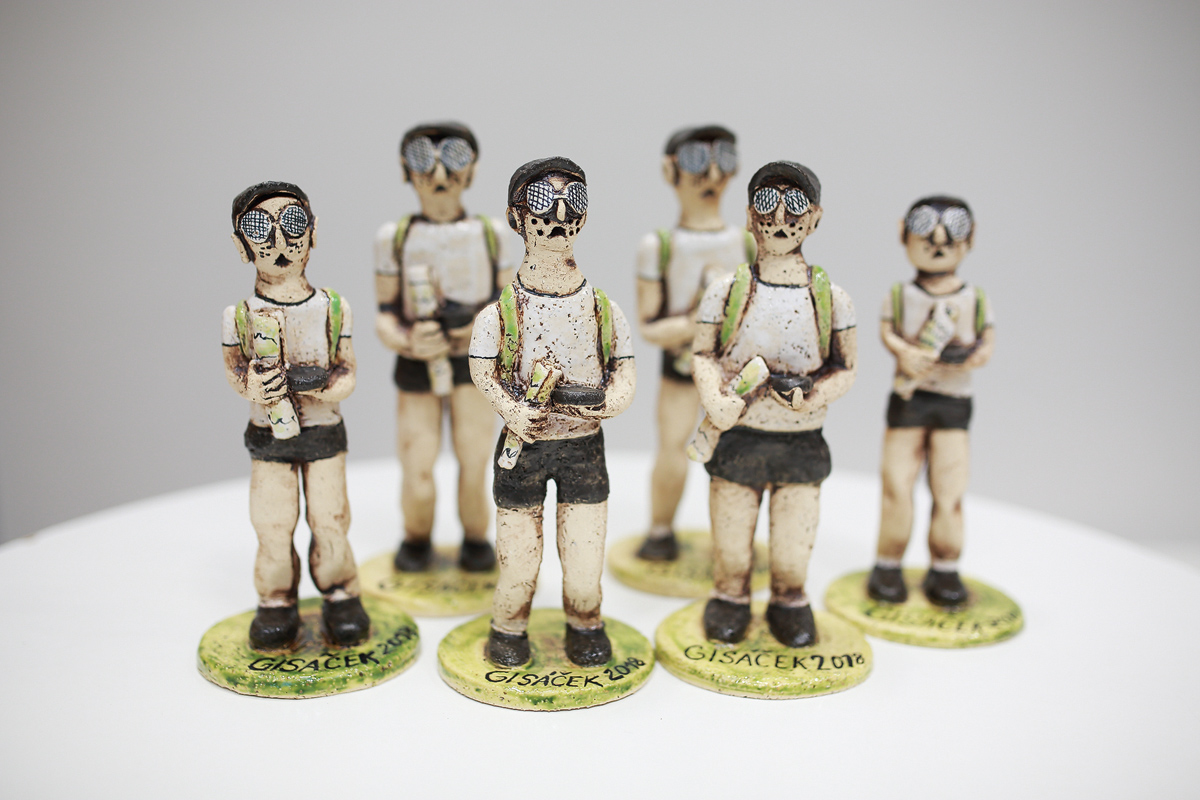
Tradiční konference GISáček (18. března 2020) je určená studentům vysokých škol, kteří zde mají možnost prezentovat výsledky svých odborných studentských prací. Stejně jako v předchozích letech bude konference součástí Sympozia GIS Ostrava 2020, které bude probíhat ve dnech 18.3.-20.3.2020. Všichni aktivní účastnici se mohou zdarma tohoto sympozia zúčastnit. Program Jako vždy bude i letos konference otevřená pro všechny studenty […]
The post GISáček 2020 (pozvánka) appeared first on GISportal.cz.
Biotop vybraných zvláště chráněných druhů velkých savců
4.2.2020 1:00 Cenia - Katalog metadat ČR - INSPIRE Biotop vybraných zvláště chráněných druhů velkých savcůGeospatial Analytics Safety InSite™ Delivers Powerful Safety Management Solution for Real Estate Portfolios
4.2.2020 0:34 GISCafe.com Webcasts-Webinars SCOTTSDALE, Ariz., Feb. 3, 2020 — (PRNewswire) — Geospatial Analytics®, a real estate software developer, announced a new release of …Fortem Technologies Wins Contract From Department of Defense for Advanced Airspace Security and Defense System
4.2.2020 0:34 GISCafe.com Webcasts-Webinars AI-powered detection and mitigation solutions selected to support Defense Innovation Unit's charter to counter improvised threatsPLEASANT GROVE, …