











zprávy
zdroje zpráv:Perspecta Awarded Contract with the Centers for Disease Control and Prevention to Benefit Public Health
11.12.2018 19:31 GISCafe.com Webcasts-Webinars CHANTILLY, Va., Dec. 11, 2018 — (PRNewswire) — Perspecta Inc. (NYSE: PRSP), a leading U.S. government services provider, announced today …EagleView Remains Front Runner in Aerial Imagery with Acquisition of Spookfish
11.12.2018 19:31 GISCafe.com Webcasts-Webinars Leader in aerial imagery and property data analytics acquires Australian company to scale the best aerial imagery capture technology in the …Drone Detection Security Begins at NCAA Football Games
11.12.2018 19:31 GISCafe.com Webcasts-Webinars Black Sage provides airspace security at stadium football gamesBOISE, Idaho, Dec. 11, 2018 — (PRNewswire) — Keeping patrons safe and …
Immersive Wisdom Secures Strategic Investment from In-Q-Tel to Scale its Virtual and Augmented Reality Collaboration and Intelligence Platform
11.12.2018 19:31 GISCafe.com Webcasts-Webinars Game-changing software platform allows multiple users to work in immersive real-time geospatial workspaces from anywhere in the world, providing a 3D …DroneBlocks and Ocean Alliance partner to improve the SnotBot project for Whale conservation
11.12.2018 19:31 GISCafe.com Webcasts-Webinars New app improves DJI drone-based whale health researchGLOUCESTER, Mass., Dec. 11, 2018 — (PRNewswire) — Few people would have …
2018: A Year of Growth and Innovation for Swift Navigation
11.12.2018 19:31 GISCafe.com Webcasts-Webinars SAN FRANCISCO, Dec. 11, 2018 (GLOBE NEWSWIRE) -- Swift Navigation, a San Francisco-based tech firm building centimeter-accurate GNSS …Aktualizace mapové aplikace Zásady uzemního rozvoje
11.12.2018 18:00 Moravskoslezský kraj V podkategorii Územní plánování byla aktualizována mapová aplikace Zásady územního…Bentley Systems announces the acquisition of ACE Enterprise Slovakia
11.12.2018 15:46 Bentley SystemsPress Coverage
Geo Spatial World, India
Read the articleBentley Systems announces the acquisition of ACE Enterprise Slovakia
11.12.2018 15:26 Bentley SystemsPress Coverage
Energetica, India
Read the articleBentley Systems Announces Agreement to Acquire AIworx, Specialists in Machine Learning and IoT Technologies
11.12.2018 15:22 Bentley SystemsPress Coverage
Metro Rail News, India
Read the articleBentley Systems Announces Agreement to Acquire AIworx, Specialists in Machine Learning and IoT Technologies
11.12.2018 15:17 Bentley SystemsPress Coverage
Rail Analysis, India
Read the articleBentley Systems Announces Agreement to Acquire AIworx, Specialists in Machine Learning and IoT Technologies
11.12.2018 15:10 Bentley SystemsPress Coverage
Daily CADCAM, India
Read the articleNačerpejte inspiraci v ArcNews
11.12.2018 13:57 ARCDATAPodzimní vydání časopisu ArcNews je opět plné uživatelských článků. Dozvíte se, jak v Portoriku pomáhají mobilní aplikace po ničivém hurikánu, přečíst si můžete o nasazení platformy v oblasti inženýrských sítí nebo jak s pomocí ArcGIS monitorovat události, jako je výtržnictví, a reagovat na ně.
Výběr zajímavých článků jsme pro vás opět připravili na samostatné stránce.

odborný referent/vrchní referent – návrh zápisu v katastru - v oddělení právních vztahů k nemovitos
11.12.2018 8:19 ČÚZK - volná místa Katastrální úřad pro Jihočeský kraj - Katastrální pracoviště Jindřichův Hradec vypisuje výběrové řízení na místo odborný referent/vrchní referent – návrh zápisu v katastru - v oddělení právních vztahů k nemovitosodborný referent/vrchní referent – návrh zápisu v katastru - v oddělení právních vztahů k nemovitos
11.12.2018 8:19 ČÚZK - předpisy a opatření Katastrální úřad pro Jihočeský kraj - Katastrální pracoviště Jindřichův Hradecvypisuje výběrové řízení na místo
odborný referent/vrchní referent – návrh zápisu v katastru - v oddělení právních vztahů k nemovitostem Katastrálního pracoviště Jindřichův Hradec
odborný referent/vrchní referent – návrh zápisu v katastru - v oddělení právních vztahů k nemovitos
11.12.2018 8:19 ČÚZK /Urady/Katastralni-urady/Katastralni-urady/Katastralni-urad-pro-Jihocesky-kraj/Uredni-deska/Oznameni-a-jina-uredni-sdeleni/Volna-mista/odborny-referent-vrchni-referent-v-oddeleni-pravniZrušení úředních hodin
11.12.2018 8:18 ČÚZK - předpisy a opatření Katastrální úřad pro Vysočinu zveřejnil novou aktualitu: Katastrální úřad pro Vysočinu oznamuje, že z technických důvodů je nucen na všech katastrálních pracovištích zrušit v pondělí 31.12.2018 úřední hodiny.Poslední osobní podání v roce 2018 lze učinit v pátek 28.12.2018 do 14.00 hodin.
Předem se omlouváme všem klientům za způsobené potíže a děkujeme za pochopení.
Zrušení úředních hodin
11.12.2018 8:18 ČÚZK /Urady/Katastralni-urady/Katastralni-urady/Katastralni-urad-pro-Vysocinu/O-uradu/Aktuality/Zruseni-urednich-hodinZrušení úředních hodin
11.12.2018 8:18 ČÚZK - předpisy a opatření Český úřad zeměměřický a katastrální zveřejnil novou aktualitu: Katastrální úřad pro Vysočinu oznamuje, že z technických důvodů je nucen na všech katastrálních pracovištích zrušit v pondělí 31.12.2018 úřední hodiny.Poslední osobní podání v roce 2018 lze učinit v pátek 28.12.2018 do 14.00 hodin.
Předem se omlouváme všem klientům za způsobené potíže a děkujeme za pochopení.
Mapová aplikace ÚAP - aktualizace
11.12.2018 8:00 Jihočeský kraj Mapová aplikace Územně analytické podklady byla aktualizována k 10. 12. 2018.provoz_Silvestr
11.12.2018 6:34 ČÚZK /Urady/Katastralni-urady/Katastralni-urady/Katastralni-urad-pro-Liberecky-kraj/O-uradu/Aktuality/provoz_Silvestrprovoz_Silvestr
11.12.2018 6:34 ČÚZK - předpisy a opatření Katastrální úřad pro Liberecký kraj zveřejnil novou aktualitu:Vážení klienti,
dne 31.12.2018 budou z provozních důvodů úřední hodiny Katastrálního úřadu pro Liberecký kraj pouze od 8:00 do 13:00 hodin. Děkujeme za pochopení.
Úhrada správních poplatků ve dnech 28.12. a 31.12.2018
11.12.2018 6:14 ČÚZK /Urady/Katastralni-urady/Katastralni-urady/Katastralni-urad-pro-Olomoucky-kraj/Katastralni-pracoviste/KP-Sumperk/O-uradu/Aktuality/Uhrada-spravnich-poplatku-ve-dnech-28-12-a-31-12Úhrada správních poplatků ve dnech 28.12. a 31.12.2018
11.12.2018 6:14 ČÚZK - předpisy a opatření Katastrální úřad pro Olomoucký kraj - Katastrální pracoviště Šumperk zveřejnil novou aktualitu:Úhrada správních poplatků ve dnech 28.12. a 31.12.2018
Návrhy na vklad, poskytování údajů, potvrzení geometrického plánu (správní poplatky)Úhrada správních poplatků v hotovosti nebude možná.
Možný způsob úhrady:
2) Bezhotovostně – klient obdrží Podklad pro platbu k řízení „V“, „PU“ nebo „PGP“, na základě kterého provede úhradu správního poplatku na účet s předčíslím 3711 ve lhůtě do 5 dnů. U doručených návrhů podání s neuhrazeným správním poplatkem může být rovněž vystavena Výzva k úhradě správního poplatku, která je splatná ve lhůtě do 15 dnů.
Úhrada v hotovosti nebude možná. Budou přijímány pouze žádosti. Žádosti budou vyřízeny a uhrazeny až v roce 2019.
Služba sledování změn nebude poskytována.
LMS ORP Sokolov Kraslice 5cmpx
11.12.2018 1:00 Cenia - Katalog metadat ČR - INSPIRE Letecké měřické snímkování v ORP Sokolov, Kraslice. Rozlišení 5cm/px. Snímkování provedeno na jaře 2018. Byla vytvořena za účelem domapování ÚMPS v těchto ORP.Databáze migračních bariér na vodních tocích České republiky
11.12.2018 1:00 Cenia - Katalog metadat ČR - INSPIRE Zmapované migrační bariéry, migračně prostupné objekty a malé vodní elektrárny na tocích mezinárodního významu (Slavíková A, Pravec M, Horecký J, Dobrovský P, et al., aktualizace 2014, Koncepce zprůchodnění říční sítě ČR, Praha, Ministerstvo životního prostředí, str. 24) a v chráněných územích ČR (EVL, NPR, NPP a první zóny CHKO). Databáze migračních bariér vznikla v roce 2017 rámci projektu „Vytvoření strategie pro snížení dopadů fragmentace říční sítě ČR“ financovaného z EHP fondů. Vrstva obsahuje jednoduché prvky (Singlepart Features); © AOPK ČR, 2017Smluvně chráněná území
11.12.2018 1:00 Cenia - Katalog metadat ČR - INSPIRE Hranice území chráněných formou smlouvy s vlastníkem jako alternativní možnost ochrany evropsky významných lokalit případně i dalších území (stromy, návrhy ZCHÚ); vrstva obsahuje složené prvky (Multipart Features); © AOPK ČR, 2018Maxar Technologies Advances Path to U.S. Domestication
10.12.2018 21:05 GISCafe.com Webcasts-Webinars WESTMINSTER, CO, Dec. 7, 2018 — (PRNewswire) — Maxar Technologies (NYSE:MAXR) (TSX:MAXR) ("Maxar" or the "Company"), a global …Your Apps Know Where You Were Last Night, and They're Not Keeping It Secret - New York Times (Google Maps)
10.12.2018 21:01 GISCafe.com Webcasts-WebinarsSlow flow for glaciers thinning in Asia
10.12.2018 17:15 ESA Observing the Earth
Providing water for drinking, irrigation and power, glaciers in the world’s highest mountains are a lifeline for more than a billion people. As climate change takes a grip and glaciers lose mass, one might think that, lubricated by more meltwater, they flow more quickly. However, satellite images from over the last 30 years show that it isn’t as simple as that.
Field service management's moment in the spotlight
10.12.2018 16:03 Bentley SystemsPress Coverage
Plant Services, USA
Read the article3D modeling 2.0: Re-imagining the contours of construction
10.12.2018 15:56 Bentley SystemsPress Coverage
Geospatial World, India
Read the articleTechnology Boosts Infrastructure Project Management
10.12.2018 15:52 Bentley SystemsPress Coverage
Connected World, USA
Read the articleodborný referent/vrchní referent – návrh zápisu v katastru v oddělení právních vztahů k nemovitostem
10.12.2018 15:47 ČÚZK /Urady/Katastralni-urady/Katastralni-urady/Katastralni-urad-pro-Jihocesky-kraj/Uredni-deska/Oznameni-a-jina-uredni-sdeleni/Volna-mista/odborny-ref-vrchni-ref-navrh-zapisu-JHWho will support your digital twins?
10.12.2018 15:46 Bentley SystemsPress Coverage
Smart Industry, USA
Read the articleReferent zeměměřictví a katastru nemovitostí
10.12.2018 14:16 ČÚZK /Urady/Zememericky-urad/Uredni-deska/Oznameni-a-jina-uredni-sdeleni/Volna-mista/Referent-zememerictvi-a-katastru-nemovitosti-(1)Referent zeměměřictví a katastru nemovitostí
10.12.2018 14:16 ČÚZK - volná místa Zeměměřický úřad vypisuje výběrové řízení na místo Referent zeměměřictví a katastru nemovitostíReferent zeměměřictví a katastru nemovitostí
10.12.2018 14:16 Zeměměřický úřad Zeměměřický úřadvypisuje výběrové řízení na místo
Referent zeměměřictví a katastru nemovitostí
Referent zeměměřictví a katastru nemovitostí
10.12.2018 14:16 ČÚZK - předpisy a opatření Zeměměřický úřadvypisuje výběrové řízení na místo
Referent zeměměřictví a katastru nemovitostí
Geograf
10.12.2018 14:14 ČÚZK /Urady/Zememericky-urad/Uredni-deska/Oznameni-a-jina-uredni-sdeleni/Volna-mista/GeografGeograf
10.12.2018 14:14 ČÚZK - volná místa Zeměměřický úřad vypisuje výběrové řízení na místo GeografGeograf
10.12.2018 14:14 Zeměměřický úřad Zeměměřický úřadvypisuje výběrové řízení na místo
Geograf
Geograf
10.12.2018 14:14 ČÚZK - předpisy a opatření Zeměměřický úřadvypisuje výběrové řízení na místo
Geograf
GSA confirms performance of EGNOS corrections in maritime domain
10.12.2018 13:58 European GNSS Agency
In good news for the maritime and inland waterways domain, initial results show that EGNOS corrections perform well when retransmitted over IALA beacons and AIS base stations.
As a member of the International Association of Maritime Aids to Navigation and Lighthouse Authorities (IALA), the GSA has been working to foster safer and more efficient maritime travel through the use of such improved and harmonised navigation aids as satellite-based augmentation systems (SBAS), including EGNOS. In fact, this potential use of SBAS corrections for navigation, in both coastal waters and inland waterways (IWW), has attracted the attention of many European authorities interested in its potential to complement their Differential GNSS (DGNSS) radio beacon networks.
Watch this: EGNOS for Waterborne Transport
To better understand this potential, the GSA, along with consortium partners ALG, Indra, ESSP and Alberding GmbH, launched a pilot project on the transmission of SBAS corrections via IALA beacons and automatic identification systems (AIS) for the maritime and IWW domain.
The project aims to demonstrate the operational performance of the transmission of EGNOS corrections converted to DGNSS corrections over the existing transmission infrastructure (AIS base stations/IALA beacons) used by the maritime and IWW domain, while also providing a detailed cost/benefit analysis of the proposed solutions.
A two-step approach
To accomplish this, the project is utilising a two-step approach. In the first phase, which concluded in April 2018, the consortium established an advisory board and working groups, along with a preliminary assessment of the technical, operational and economic feasibility analysis of the different service provision schemes.
In the currently ongoing second phase, the focus is on the deployment of the preferred service provision schemes. To start, the consortium selected the most suitable architectures for transmitting the EGNOS-based virtual reference stations (VRS) differential corrections, which can be either centralised or de-centralised. The four pilots uses a fair combination of both IALA beacons and AIS stations, as well as maritime and IWW domains, with data being collected from both static and dynamic receivers. Furthermore, DGNSS corrections that are currently being generated and broadcasted to users have been deactivated and replaced with the EGNOS-based solution (with the current infrastructure remaining as a backup).
Satisfactory performance
With the results from the first batch of pilot projects in, researchers can confirm that EGNOS-based corrections have achieved performance levels above or closely below the requirements set by the International Maritime Organisation (IMO). According to project researchers, this is mainly due to the:
- High availability of the EGNOS Signal in Space (SiS) (100% in the period of analysis when using combined SiS) and of the EGNOS Data Access Service (EDAS) (only minor outages detected); and
- High quality of the corrections generated.
Ongoing work
A fine tuning of the system is being implemented for those cases where requirements are not fully met.
In close cooperation with the participating authorities, the consortium has also developed a complete cost-benefit model for quantifying potential savings brought by the introduction of EGNOS and to assess the optimal deployment strategy for maximising the benefits of this transition. On top of this, some possible operational benefits are also being analysed. Finally, the consortium is working on an EGNOS Service Provision operational/liability scheme.
The second quarterly report can be downloaded here.
Media note: This feature can be republished without charge provided the European GNSS Agency (GSA) is acknowledged as the source at the top or the bottom of the story. You must request permission before you use any of the photographs on the site. If you republish, we would be grateful if you could link back to the GSA website (http://www.gsa.europa.eu).
Změna úředních hodin 31.12.2018
10.12.2018 12:32 ČÚZK - předpisy a opatření Katastrální úřad pro Olomoucký kraj - Katastrální pracoviště Šumperkzveřejnil novou aktualitu: ÚŘEDNÍ HODINY 8:00 - 13:00 HOD
Změna úředních hodin dne 31.12.2018
10.12.2018 12:32 ČÚZK /Urady/Katastralni-urady/Katastralni-urady/Katastralni-urad-pro-Olomoucky-kraj/Katastralni-pracoviste/KP-Sumperk/O-uradu/Aktuality/Zmena-urednich-hodin-31-12-2018Změna úředních hodin dne 31.12.2018
10.12.2018 12:32 ČÚZK - předpisy a opatření Katastrální úřad pro Olomoucký kraj - Katastrální pracoviště Šumperk zveřejnil novou aktualitu:Změna úředních hodin dne 31.12.2018
ÚŘEDNÍ HODINY 8:00 - 13:00 HOD
Změna úředních hodin dne 31.12.2018
10.12.2018 12:32 ČÚZK - předpisy a opatření Katastrální úřad pro Olomoucký kraj - Katastrální pracoviště Šumperk zveřejnil novou aktualitu:Změna úředních hodin dne 31.12.2018
ÚŘEDNÍ HODINY 8:00 - 13:00 HOD
Blue Marble Releases Geographic Calculator 2019 with Updated Geodetic Datasource and Numerous Workflow Improvements
10.12.2018 11:34 GISCafe.com Webcasts-Webinars Hallowell, Maine – December 9, 2018 - Blue Marble Geographics (bluemarblegeo.com) is pleased to announce the immediate availability of the …Omezení úředních hodin 31.12.2018
10.12.2018 11:05 ČÚZK /Urady/Katastralni-urady/Katastralni-urady/Katastralni-urad-pro-Pardubicky-kraj/O-uradu/Aktuality/Omezeni-urednich-hodin-31-12-2018Omezení úředních hodin 31.12.2018
10.12.2018 11:05 ČÚZK - předpisy a opatření Katastrální úřad pro Pardubický kraj zveřejnil novou aktualitu: Omezení úředních hodin 31.12.2018Vážení klienti,
dne 31.12.2018 budou úřední hodiny pouze v době od 8:00 do 12:00 hodin.
Děkujeme za pochopení.
20181210 - Novinky ve verzi RÚIAN 2.5
10.12.2018 10:32 ČÚZK - předpisy a opatření Instalace nové verze ISÚI/VDP do produkčního prostředí proběhla ve dnech 7. - 9. 12. 2018.V sekci 1. Editační agendový systém ISÚI byl publikován dokument "Novinky v ISÚI a VDP ve verzi 2.5".
20181210 - Novinky ve verzi RÚIAN 2.5
10.12.2018 10:32 ČÚZK /Uvod/Produkty-a-sluzby/RUIAN/RUIAN-novinky/2018/20181210-Novinky-ve-verzi-RUIAN-2-520181210 - Novinky ve verzi RÚIAN 2.5
10.12.2018 10:32 ČÚZK - předpisy a opatření Instalace nové verze ISÚI/VDP do produkčního prostředí proběhla ve dnech 7. - 9. 12. 2018.V sekci 1. Editační agendový systém ISÚI byl publikován dokument "Novinky v ISÚI a VDP ve verzi 2.5".
Zveřejněno 10. 12. 2018
Silvestr 2018
10.12.2018 10:20 ČÚZK /Urady/Katastralni-urady/Katastralni-urady/Katastralni-urad-pro-Jihocesky-kraj/O-uradu/Aktuality/Silvestr-2018Silvestr 2018
10.12.2018 10:20 ČÚZK - předpisy a opatření Katastrální úřad pro Jihočeský kraj zveřejnil novou aktualitu: Katastrálního úřadu pro Jihočeský kraj si dovoluje upozornit, že v pondělí dne 31.12.2018 budou všechna katastrální pracoviště Katastrálního úřadu pro Jihočeský kraj (včetně kontaktního místa Katastrálního pracoviště Jindřichův Hradec v Dačicích) otevřena pro veřejnost pouze v době od 8:00 do 14:00 hodin.Děkujeme za pochopení.
Ing. Jiří Vrána, ředitel úřadu
Eos Announces Orthometric Height Support for Arrow GNSS Receivers (Survey-Grade Elevations)
10.12.2018 9:00 GISCafe.com Webcasts-Webinars Supporting GEOID models enables Arrow GNSS receivers to collect high-accuracy, survey-grade vertical datum with any softwareDecember 06, 2018 -- …
Knihovna geografie pořádá školení Elektronické informační zdroje. [Knihovna geografie, byTopic]
10.12.2018 9:00 Katedra aplikované geoinformatiky a kartografie Přf UKMapTiler oceněn Evropskou kosmickou agenturou (TZ)
10.12.2018 8:22 GISportal.cz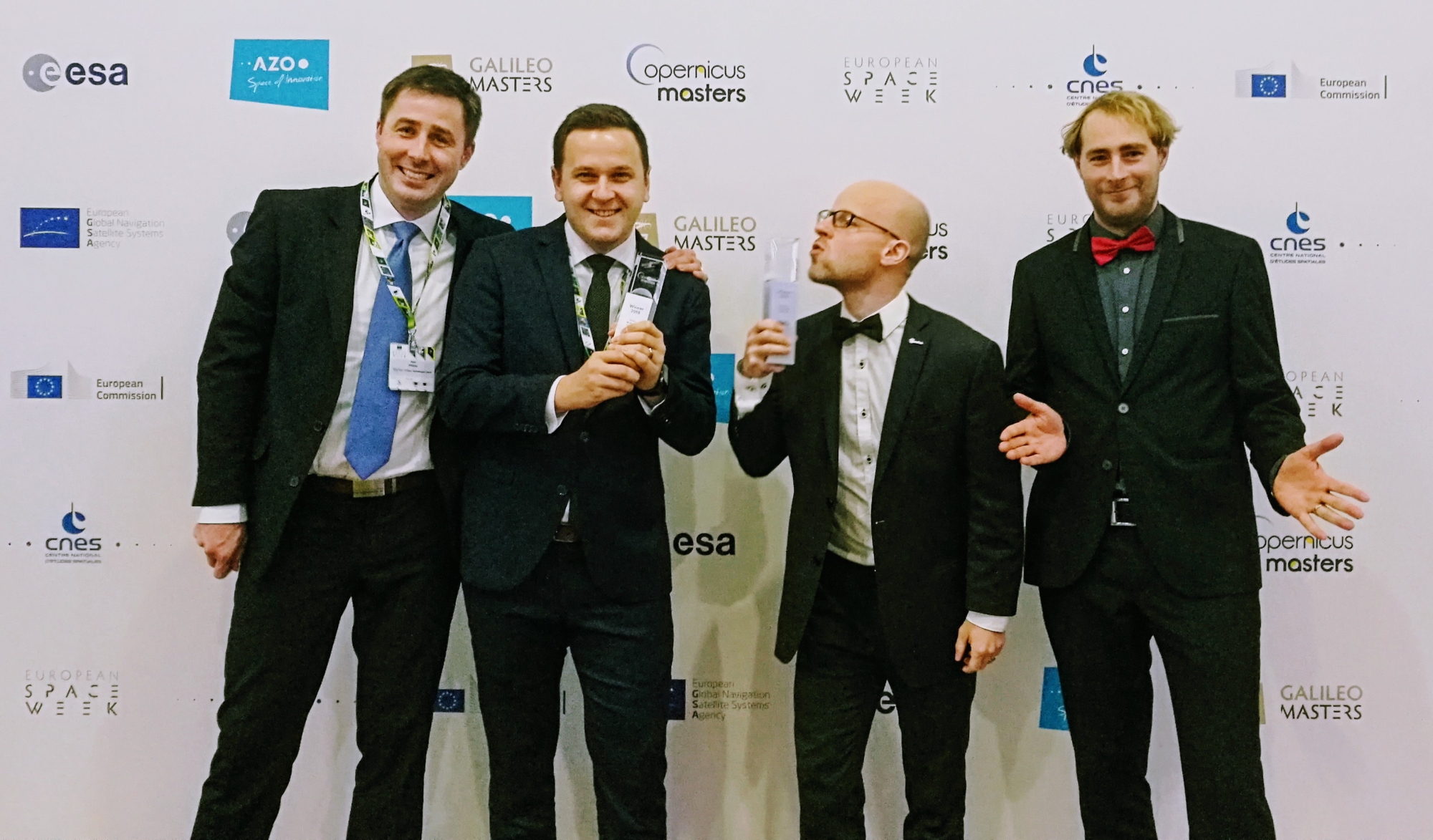
Česk-švýcarský startup MapTiler, který se specializuje na poskytování map a softwaru k jejich tvorbě, získal ocenění Evropské kosmické agentury. O jejich produktech, které by mohly nahradit Google Maps jsme psali v červnu. MapTiler cílí na globální trh a je používán společnostmi, jejichž mapy jsou skrz web či mobilní aplikace měsíčně zhlédnuty miliony návštěvníků. Za vývojem […]
The post MapTiler oceněn Evropskou kosmickou agenturou (TZ) appeared first on GISportal.cz.
UPOZORNĚNÍ
10.12.2018 8:05 ČÚZK - předpisy a opatření Katastrální úřad pro Ústecký kraj - Katastrální pracoviště Teplice zveřejnil novou aktualitu: Vážení klientiDne 31. 12. 2018 (pondělí) budou úřední hodiny Katastrálního pracoviště Teplice z provozních důvodů od 8:00 do 14:00 hodin. Děkujeme za pochopení a přejeme příjemné prožití vánočních svátků Katastrální úřad pro Ústecký kraj, Katastrální pracoviště Teplice
Oznámení o uzavření provozu Pobočky Domažlice
10.12.2018 0:00 Státní pozemkový úřad Z provozních důvodu (havárie vodovodu) bude v úterý 11. 12. 2018 uzavřena Pobočka Domažlice (KPÚ pro Plzeňský kraj).Vývoj rakety Ariane 6 úspěšně pokračuje
9.12.2018 23:02 Český Kosmický PortálUplynulý rok byl velmi intenzivní z hlediska vývoje nosiče Ariane 6. Pokrok je přitom viditelný napříč celou Evropou: továrny vyrábí nové díly za použití inovativních metod, došlo k otestování motorů všech stupňů a v plném proudu je stavba vypouštěcí rampy.
Poslední dny registrace na seminář Nemofora
9.12.2018 7:00 Česká asociace pro geoinformacePoslední dny registrace na seminář Nemofora
Poslední volná místa zbývají na seminář Využijeme šance vybudovat digitální mapu veřejné správy?, který pořádá Nemoforum ve spolupráci s ČÚZK, Ministerstvem vnitra a Českou asociací pro geoinformace. Seminář se uskuteční v pátek 18. října 2019 od 9:30 hodin v konferenčních prostorách Hotelu Akademie Naháč v
Přihlášení na GIS Esri v ČR je do konce týdne se slevou
9.12.2018 7:00 Česká asociace pro geoinformace Pokud jste se ještě nepřihlásili na letošní Konferenci GIS Esri v ČR, můžete tak učinit do konce tohoto týdne se slevou. Konference, která se uskuteční ve dnech 6. a 7. listopadu v Kongresovém centru Praha, opět nabídne bohatý program, ve kterém nebudou chybět novinky ze světa GIS, workshopy ani uživatelskéINSPIRE téma Rozšířené Parcely (CPX)
9.12.2018 1:00 Cenia - Katalog metadat ČR - INSPIRE Rozšíření má za cíl poskytovat katastrální mapu s obsahem podle vyhlášky ve vektorové podobě ve struktuře plně v souladu se strukturou danou směrnicí INSPIRE. Data rozšiřují směrnici INSPIRE pro téma katastrální parcely (CP) o věcná břemena, geodetické body, další prvky mapy, původní obloukovou geometrii a o parcely určené definičním bodem (ty pouze v oblastech s analogovou mapou). Vychází z katastrální mapy, která je závazným státním mapovým dílem velkého měřítka, obsahuje body polohového bodového pole, polohopis a popis a může mít formu digitální mapy, analogové mapy nebo digitalizované mapy. Publikovaná data obsahují katastrální území pro celou Českou Republiku, parcely a jejich hranice, věcná břemena, další prvky mapy a původní obloukovou geometrii z území, kde je digitální mapa (k 28. 01. 2019 je to 96,25% území České republiky, t.j. 75 913,13km2) a ve zbytku území katastrální parcely určené pouze definičním bodem (tedy bez hranic a polygonu). Katastrální parcely a hranice obsahují oproti datové sadě INSPIRE některé atributy navíc. Jedná se o typ hranice, způsob využití území, druh pozemku, vazbu na budovu a o mapové značky. Více katastrální zákon 344/1992 SB., katastrální vyhláška č.26/2007 Sb. v platném znění a INSPIRE Data Specification on Cadastral Parcels v 3.0.1. Data ve formátu GML 3.2.1 jsou validní proti schématu XML pro Rozšířené Parcely (CPX) ve verzi 4.0.NAPSALI O NÁS: Chytrá města pro budoucnost 2018: Oceněním dominovala Praha, ostatní města zaznamenala mimořádný vzestup
8.12.2018 12:35 TopGis Chytrým městům v České republice v roce 2018 dominovala Praha. I ostatní tuzemská města však zaznamenala oproti minulým obdobím mimořádný vzestup tzv. chytrých řešení. V Praze byla v úterý předána ocenění municipalitám a dodavatelům nejvýznamnějších projektů Smart City a Smart Region z České republiky, Slovenska a Německa za rok 2018. V rámci II. ročníku soutěže Chytrá města pro budoucnost 2018 byli2018 Awards for Excellence in Public Safety GIS Recipients Recognized at the National Geospatial Preparedness Summit
7.12.2018 21:12 GISCafe.com Webcasts-Webinars WASHINGTON, Dec. 7, 2018 — (PRNewswire) — The National Alliance for Public Safety GIS (NAPSG) Foundation Board of Directors is …MapTiler oceněn Evropskou kosmickou agenturou
7.12.2018 19:04 GeoBusiness Evropská kosmická agentura a firma Airbus ocenily v soutěži Copernicus Masters tým, který stojí za vývojem produktu MapTiler. Stejnojmenný česko-švýcarský startup se specializuje na ... PřečístBoundless Awarded Certificate of Networthiness by U.S. Army for Desktop GIS Software
7.12.2018 16:48 GISCafe.com Webcasts-Webinars ST. LOUIS, Dec. 04, 2018 (GLOBE NEWSWIRE) -- Boundless, the leader in open and scalable GIS, today announced that its Boundless Desktop™ solution …Teledyne image sensors power cameras onboard NASA’s InSight Mission to Mars
7.12.2018 16:48 GISCafe.com Webcasts-Webinars WATERLOO, Ontario, Nov. 29, 2018 (GLOBE NEWSWIRE) -- Teledyne DALSA, a Teledyne Technologies [NYSE: TDY] company and global leader in digital …DeepMap Announces New Customers in Europe and North America; Einride and Ridecell Select DeepMap’s HD Mapping Technology for Autonomous Vehicle Fleets
7.12.2018 16:48 GISCafe.com Webcasts-Webinars PALO ALTO, Calif., Dec. 05, 2018 (GLOBE NEWSWIRE) -- DeepMap, leading provider of high-definition (HD) mapping and localization technology for …Microdrones Merges with Schübeler Technologies
7.12.2018 16:48 GISCafe.com Webcasts-Webinars SIEGEN, Germany, Dec. 06, 2018 (GLOBE NEWSWIRE) -- As part of ongoing global expansion, Microdrones is proud to announce a merger with Schübeler …Smart Gate takes first place in GSA Special Prize at ESNC
7.12.2018 15:09 European GNSS Agency
Smart Gate, a system designed to measure time precisely during sporting activities, has been awarded first place in the GSA Special Prize at this year’s European Satellite Navigation Competition. The awards were handed out at the Galileo and Copernicus Masters gala award ceremony – the ‘Space Oscars’, held on 4 December as part of 2018 European Space Week in Marseille.
The Smart Gate team, a group of sport and tech enthusiasts, combined their two passions to develop a cost-effective solution that enables skiers and snowboarders to improve their performance. Using GNSS precise timing combined with radio-frequency identification (RFID) technology, Smart Gate provides precise times on ski/snowboard runs, which sportspeople can use to hone their skills and techniques.
"So far, the Smart Gate solution has been built using the private funds of its founders. We have dedicated a lot of our knowledge, involvement and passion to it,” project developer Marcin Wilik said.
Wilik said that winning the GSA Special Prize would be extremely important for the project. “First of all, we will have funds to improve our prototype and secondly it will give us the attention of the media and investors. This is what we need right now. It is no exaggeration to say that winning the GSA prize will be an important turning point for the Smart Gate project," he said.
Ridesharing
Second place in this year’s GSA prize went to Troodle – a ridesharing solution that, unlike previous systems, offers socially and ecologically motivated drivers a digital platform based on environmental awareness and social responsibility rather than earning opportunities or cost sharing.
Utilising geodata-based real-time communication, the Troodle app calculates optimal stopping points, ideal routes and average travel times as a basis for immediate and effective ridesharing. As a result, it can offer spontaneous, safe, environmentally friendly and low-cost mobility without advance agreement, for short and long distances in both cities and rural areas.
"We are very pleased about the ESNC GSA Prize. Together with the ESA-BIC funding, the financial support will enable us to develop our prototype of the Troodle app, which will be tested in two German cities at the beginning of 2019," Troodle founder Bernd Sailer said.
Autonomous machines
Finally, the third place this year goes to HIVE, a cloud-based solution for highly accurate GNSS positioning and navigation that helps position, navigate, and track drones, robots, and other autonomous GNSS-equipped machines with up to centimetre-level precision.
To improve their positioning accuracy, autonomous vehicles need to be connected to a ground-based, continuously operating reference station (CORS) that uses GNSS. HIVE’s software combines unlimited numbers of fragmented GNSS CORS facilities in a single solution and provides easy access to all of them. In this way, it acts as an instrument for creating a united European GNSS CORS infrastructure, supporting the next-generation of autonomous machines.
“Winning a GSA nomination is a significant milestone for us, as the project we have worked hard on for years is receiving international recognition. And this is just the beginning,” project founder Simon Litvinov said.
10 years of partnership
This year is the 10th consecutive year that the GSA has been a main partner in the European Satellite Navigation Competition and awarded a Special Prize. This year for the first time the GSA awarded cash prizes of EUR 7,000, EUR 5,000 and EUR 3,000 to the top three proposals. This year’s contenders for the GSA prize addressed the topic 'When and where? – Exact timing and positioning matters'.
Watch this: Galileo Masters-GSA – 10 Years of Partnership
“I would like to congratulate this year’s worthy winners of the GSA Galileo Special Prize and all the Galileo Masters prize winners,” GSA Executive Director Carlo des Dorides said. “During our 10 years of partnership with the competition, the GSA has awarded a Special Prize to contenders who presented the most pioneering ideas for the commercial use of Galileo and EGNOS. This year has been no different, and market uptake potential was an important criterion when evaluating the winning projects,” he said.
As part of its Special Topic Prizes over the past ten years, the GSA has received more than 80 innovative proposals per year, covering new applications across the broad scope of sectors that benefit from Galileo and EGNOS in a wide variety of areas. Over the years, the GSA Special Prize winners have helped establish the ESNC as a major driver of new, useful and economically viable GNSS applications.
Media note: This feature can be republished without charge provided the European GNSS Agency (GSA) is acknowledged as the source at the top or the bottom of the story. You must request permission before you use any of the photographs on the site. If you republish, we would be grateful if you could link back to the GSA website (http://www.gsa.europa.eu).
Smart Gate takes first place in GSA Special Prize at ESNC
7.12.2018 15:09 European GNSS AgencySmart Gate, a system designed to measure time precisely during sporting activities, has been awarded first place in the GSA Special Prize at this year’s European Satellite Navigation Competition. The awards were handed out at the Galileo and Copernicus Masters gala award ceremony – the ‘Space Oscars’, held on 4 December as part of 2018 European Space Week in Marseille.
The Smart Gate team, a group of sport and tech enthusiasts, combined their two passions to develop a cost-effective solution that enables skiers and snowboarders to improve their performance. Using GNSS precise timing combined with radio-frequency identification (RFID) technology, Smart Gate provides precise times on ski/snowboard runs, which sportspeople can use to hone their skills and techniques.
"So far, the Smart Gate solution has been built using the private funds of its founders. We have dedicated a lot of our knowledge, involvement and passion to it,” project developer Marcin Wilik said.
Wilik said that winning the GSA Special Prize would be extremely important for the project. “First of all, we will have funds to improve our prototype and secondly it will give us the attention of the media and investors. This is what we need right now. It is no exaggeration to say that winning the GSA prize will be an important turning point for the Smart Gate project," he said.
Ridesharing
Second place in this year’s GSA prize went to Troodle – a ridesharing solution that, unlike previous systems, offers socially and ecologically motivated drivers a digital platform based on environmental awareness and social responsibility rather than earning opportunities or cost sharing.
Utilising geodata-based real-time communication, the Troodle app calculates optimal stopping points, ideal routes and average travel times as a basis for immediate and effective ridesharing. As a result, it can offer spontaneous, safe, environmentally friendly and low-cost mobility without advance agreement, for short and long distances in both cities and rural areas.
"We are very pleased about the ESNC GSA Prize. Together with the ESA-BIC funding, the financial support will enable us to develop our prototype of the Troodle app, which will be tested in two German cities at the beginning of 2019," Troodle founder Bernd Sailer said.
Autonomous machines
Finally, the third place this year goes to HIVE, a cloud-based solution for highly accurate GNSS positioning and navigation that helps position, navigate, and track drones, robots, and other autonomous GNSS-equipped machines with up to centimetre-level precision.
To improve their positioning accuracy, autonomous vehicles need to be connected to a ground-based, continuously operating reference station (CORS) that uses GNSS. HIVE’s software combines unlimited numbers of fragmented GNSS CORS facilities in a single solution and provides easy access to all of them. In this way, it acts as an instrument for creating a united European GNSS CORS infrastructure, supporting the next-generation of autonomous machines.
“Winning a GSA nomination is a significant milestone for us, as the project we have worked hard on for years is receiving international recognition. And this is just the beginning,” project founder Simon Litvinov said.
10 years of partnership
This year is the 10th consecutive year that the GSA has been a main partner in the European Satellite Navigation Competition and awarded a Special Prize. This year for the first time the GSA awarded cash prizes of EUR 7,000, EUR 5,000 and EUR 3,000 to the top three proposals. This year’s contenders for the GSA prize addressed the topic 'When and where? – Exact timing and positioning matters'.
Watch this: Galileo Masters-GSA – 10 Years of Partnership
“I would like to congratulate this year’s worthy winners of the GSA Galileo Special Prize and all the Galileo Masters prize winners,” GSA Executive Director Carlo des Dorides said. “During our 10 years of partnership with the competition, the GSA has awarded a Special Prize to contenders who presented the most pioneering ideas for the commercial use of Galileo and EGNOS. This year has been no different, and market uptake potential was an important criterion when evaluating the winning projects,” he said.
As part of its Special Topic Prizes over the past ten years, the GSA has received more than 80 innovative proposals per year, covering new applications across the broad scope of sectors that benefit from Galileo and EGNOS in a wide variety of areas. Over the years, the GSA Special Prize winners have helped establish the ESNC as a major driver of new, useful and economically viable GNSS applications.
Media note: This feature can be republished without charge provided the European GNSS Agency (GSA) is acknowledged as the source at the top or the bottom of the story. You must request permission before you use any of the photographs on the site. If you republish, we would be grateful if you could link back to the GSA website (http://www.gsa.europa.eu).
Smart Gate takes first place in GSA Special Prize at ESNC
7.12.2018 15:09 European GNSS AgencySmart Gate, a system designed to measure time precisely during sporting activities, has been awarded first place in the GSA Special Prize at this year’s European Satellite Navigation Competition. The awards were handed out at the Galileo and Copernicus Masters gala award ceremony – the ‘Space Oscars’, held on 4 December as part of 2018 European Space Week in Marseille.
The Smart Gate team, a group of sport and tech enthusiasts, combined their two passions to develop a cost-effective solution that enables skiers and snowboarders to improve their performance. Using GNSS precise timing combined with radio-frequency identification (RFID) technology, Smart Gate provides precise times on ski/snowboard runs, which sportspeople can use to hone their skills and techniques.
"So far, the Smart Gate solution has been built using the private funds of its founders. We have dedicated a lot of our knowledge, involvement and passion to it,” project developer Marcin Wilik said.
Wilik said that winning the GSA Special Prize would be extremely important for the project. “First of all, we will have funds to improve our prototype and secondly it will give us the attention of the media and investors. This is what we need right now. It is no exaggeration to say that winning the GSA prize will be an important turning point for the Smart Gate project," he said.
Ridesharing
Second place in this year’s GSA prize went to Troodle – a ridesharing solution that, unlike previous systems, offers socially and ecologically motivated drivers a digital platform based on environmental awareness and social responsibility rather than earning opportunities or cost sharing.
Utilising geodata-based real-time communication, the Troodle app calculates optimal stopping points, ideal routes and average travel times as a basis for immediate and effective ridesharing. As a result, it can offer spontaneous, safe, environmentally friendly and low-cost mobility without advance agreement, for short and long distances in both cities and rural areas.
"We are very pleased about the ESNC GSA Prize. Together with the ESA-BIC funding, the financial support will enable us to develop our prototype of the Troodle app, which will be tested in two German cities at the beginning of 2019," Troodle founder Bernd Sailer said.
Autonomous machines
Finally, the third place this year goes to HIVE, a cloud-based solution for highly accurate GNSS positioning and navigation that helps position, navigate, and track drones, robots, and other autonomous GNSS-equipped machines with up to centimetre-level precision.
To improve their positioning accuracy, autonomous vehicles need to be connected to a ground-based, continuously operating reference station (CORS) that uses GNSS. HIVE’s software combines unlimited numbers of fragmented GNSS CORS facilities in a single solution and provides easy access to all of them. In this way, it acts as an instrument for creating a united European GNSS CORS infrastructure, supporting the next-generation of autonomous machines.
“Winning a GSA nomination is a significant milestone for us, as the project we have worked hard on for years is receiving international recognition. And this is just the beginning,” project founder Simon Litvinov said.
10 years of partnership
This year is the 10th consecutive year that the GSA has been a main partner in the European Satellite Navigation Competition and awarded a Special Prize. This year for the first time the GSA awarded cash prizes of EUR 7,000, EUR 5,000 and EUR 3,000 to the top three proposals. This year’s contenders for the GSA prize addressed the topic 'When and where? – Exact timing and positioning matters'.
“I would like to congratulate this year’s worthy winners of the GSA Galileo Special Prize and all the Galileo Masters prize winners,” GSA Executive Director Carlo des Dorides said. “During our 10 years of partnership with the competition, the GSA has awarded a Special Prize to contenders who presented the most pioneering ideas for the commercial use of Galileo and EGNOS. This year has been no different, and market uptake potential was an important criterion when evaluating the winning projects,” he said.
As part of its Special Topic Prizes over the past ten years, the GSA has received more than 80 innovative proposals per year, covering new applications across the broad scope of sectors that benefit from Galileo and EGNOS in a wide variety of areas. Over the years, the GSA Special Prize winners have helped establish the ESNC as a major driver of new, useful and economically viable GNSS applications.
Media note: This feature can be republished without charge provided the European GNSS Agency (GSA) is acknowledged as the source at the top or the bottom of the story. You must request permission before you use any of the photographs on the site. If you republish, we would be grateful if you could link back to the GSA website (http://www.gsa.europa.eu).
Smart Gate takes first place in GSA Special Prize at ESNC
7.12.2018 15:09 European GNSS AgencySmart Gate, a system designed to measure time precisely during sporting activities, has been awarded first place in the GSA Special Prize at this year’s European Satellite Navigation Competition. The awards were handed out at the Galileo and Copernicus Masters gala award ceremony – the ‘Space Oscars’, held on 4 December as part of 2018 European Space Week in Marseille.
The Smart Gate team, a group of sport and tech enthusiasts, combined their two passions to develop a cost-effective solution that enables skiers and snowboarders to improve their performance. Using GNSS precise timing combined with radio-frequency identification (RFID) technology, Smart Gate provides precise times on ski/snowboard runs, which sportspeople can use to hone their skills and techniques.
"So far, the Smart Gate solution has been built using the private funds of its founders. We have dedicated a lot of our knowledge, involvement and passion to it,” project developer Marcin Wilk said.
Wilk said that winning the GSA Special Prize would be extremely important for the project. “First of all, we will have funds to improve our prototype and secondly it will give us the attention of the media and investors. This is what we need right now. It is no exaggeration to say that winning the GSA prize will be an important turning point for the Smart Gate project," he said.
Ridesharing
Second place in this year’s GSA prize went to Troodle – a ridesharing solution that, unlike previous systems, offers socially and ecologically motivated drivers a digital platform based on environmental awareness and social responsibility rather than earning opportunities or cost sharing.
Utilising geodata-based real-time communication, the Troodle app calculates optimal stopping points, ideal routes and average travel times as a basis for immediate and effective ridesharing. As a result, it can offer spontaneous, safe, environmentally friendly and low-cost mobility without advance agreement, for short and long distances in both cities and rural areas.
"We are very pleased about the ESNC GSA Prize. Together with the ESA-BIC funding, the financial support will enable us to develop our prototype of the Troodle app, which will be tested in two German cities at the beginning of 2019," Troodle founder Bernd Sailer said.
Autonomous machines
Finally, the third place this year goes to HIVE, a cloud-based solution for highly accurate GNSS positioning and navigation that helps position, navigate, and track drones, robots, and other autonomous GNSS-equipped machines with up to centimetre-level precision.
To improve their positioning accuracy, autonomous vehicles need to be connected to a ground-based, continuously operating reference station (CORS) that uses GNSS. HIVE’s software combines unlimited numbers of fragmented GNSS CORS facilities in a single solution and provides easy access to all of them. In this way, it acts as an instrument for creating a united European GNSS CORS infrastructure, supporting the next-generation of autonomous machines.
“Winning a GSA nomination is a significant milestone for us, as the project we have worked hard on for years is receiving international recognition. And this is just the beginning,” project founder Simon Litvinov said.
10 years of partnership
This year is the 10th consecutive year that the GSA has been a main partner in the European Satellite Navigation Competition and awarded a Special Prize. This year for the first time the GSA awarded cash prizes of EUR 7,000, EUR 5,000 and EUR 3,000 to the top three proposals. This year’s contenders for the GSA prize addressed the topic 'When and where? – Exact timing and positioning matters'.
Watch this: Galileo Masters-GSA – 10 Years of Partnership
“I would like to congratulate this year’s worthy winners of the GSA Galileo Special Prize and all the Galileo Masters prize winners,” GSA Executive Director Carlo des Dorides said. “During our 10 years of partnership with the competition, the GSA has awarded a Special Prize to contenders who presented the most pioneering ideas for the commercial use of Galileo and EGNOS. This year has been no different, and market uptake potential was an important criterion when evaluating the winning projects,” he said.
As part of its Special Topic Prizes over the past ten years, the GSA has received more than 80 innovative proposals per year, covering new applications across the broad scope of sectors that benefit from Galileo and EGNOS in a wide variety of areas. Over the years, the GSA Special Prize winners have helped establish the ESNC as a major driver of new, useful and economically viable GNSS applications.
Media note: This feature can be republished without charge provided the European GNSS Agency (GSA) is acknowledged as the source at the top or the bottom of the story. You must request permission before you use any of the photographs on the site. If you republish, we would be grateful if you could link back to the GSA website (http://www.gsa.europa.eu).
Šestý letošní start rakety Ariane 5
7.12.2018 14:59 Český Kosmický PortálNosná raketa Ariane 5 provozovaná společností Arianespace dopravila na plánované oběžné dráhy družice GSAT-11 a Geo-Kompsat-2A.
Omezení
7.12.2018 13:41 ČÚZK - předpisy a opatření Český úřad zeměměřický a katastrální zveřejnil novou aktualitu: Vážení klienti,dne 31.12.2018 budou úřední hodiny Katastrálního pracoviště Děčín z provozních důvodů od 8:00 hod. do 14:00 hod.
Děkujeme za pochopení.
Omezení
7.12.2018 13:41 ČÚZK /Urady/Katastralni-urady/Katastralni-urady/Katastralni-urad-pro-Ustecky-kraj/Katastralni-pracoviste/KP-Decin/O-uradu/Aktuality/OmezeniWoolpert Contracted to Collect Lidar Data Across 10K Square Miles of Florida
7.12.2018 13:24 GISCafe.com Webcasts-Webinars TALLAHASSEE, Fla. (Dec. 6, 2018) — Woolpert has been contracted by Dewberry Engineers Inc. to collect high-resolution lidar data over …Přerušení provozu DP a WSDP ve čtvrtek 13.12.2018 od 16:30 do cca 18:30
7.12.2018 13:21 ČÚZK /Aplikace-DP-do-KN/Aplikace-DP-do-KN/Archiv-DP/241408Přerušení provozu DP a WSDP ve čtvrtek 13.12.2018 od 16:30 do cca 18:30
7.12.2018 13:21 ČÚZK - předpisy a opatření Vážení uživatelé,oznamujeme, že ve čtvrtek 13.12.208 od 16:30 bude z provozních důvodů zcela přerušen provoz Dálkového přístupu i Webových služeb dálkového přístupu. Obnovení provozu předpokládáme v cca 18:30 hodin.
Za komplikace tímto způsobené se omlouváme a děkujeme za pochopení.
Přerušení provozu DP a WSDP ve čtvrtek 13.12.2018 od 16:30 do cca 18:30
7.12.2018 13:21 Dálkový přístup k údajům KN ČR Vážení uživatelé,oznamujeme, že ve čtvrtek 13.12.208 od 16:30 bude z provozních důvodů zcela přerušen provoz Dálkového přístupu i Webových služeb dálkového přístupu. Obnovení provozu předpokládáme v cca 18:30 hodin.
Za komplikace tímto způsobené se omlouváme a děkujeme za pochopení.
Úřední doba dne 31.12.2018
7.12.2018 13:20 ČÚZK - předpisy a opatření Katastrální úřad pro Ústecký kraj - Katastrální pracoviště Louny zveřejnil novou aktualitu:Vážení klienti,
Dne 31.12.2018 budou úřední hodiny Katastrálního pracoviště Louny z provozních důvodů od 8:00 hod. do 14:00 hod.
Děkujeme za pochopení
Úřední doba dne 31.12.2018
7.12.2018 13:20 ČÚZK - předpisy a opatření Český úřad zeměměřický a katastrální - Katastrální pracoviště Louny zveřejnil novou aktualitu:Vážení klienti,
Dne 31.12.2018 budou úřední hodiny Katastrálního pracoviště Louny z provozních důvodů od 8:00 hod. do 14:00 hod.
Děkujeme za pochopení
Úřední doba dne 31.12.2018
7.12.2018 13:20 ČÚZK /Urady/Katastralni-urady/Katastralni-urady/Katastralni-urad-pro-Ustecky-kraj/Katastralni-pracoviste/KP-Louny/O-uradu/Aktuality/Uredni-doba-dne-31-12-201820181207 - oznámení o změně úředních hodin KÚ pro Ústecký kraj dne 31.12.2018
7.12.2018 13:13 ČÚZK - předpisy a opatření Katastrální úřad pro Ústecký kraj zveřejnil novou aktualitu: Vážení klienti,dne 31.12.2018 budou úřední hodiny v budově Katastrálního úřadu pro Ústecký kraj, Krčínova 797/2, Ústí nad Labem z provozních důvodů od 8:00 hod. do 14:00 hod.
Děkujeme za pochopení.
20181207 - oznámení rozsahu úředních hodin KÚ pro Ústecký kraj dne 31.12.2018
7.12.2018 13:13 ČÚZK /Urady/Katastralni-urady/Katastralni-urady/Katastralni-urad-pro-Ustecky-kraj/O-uradu/Aktuality/20181207-oznameni-o-zmene-urednich-hodin-KU-pro20181207 - oznámení o změně úředních hodin KÚ pro Ústecký kraj dne 31.12.2018
7.12.2018 13:13 ČÚZK - předpisy a opatření Katastrální úřad pro Ústecký kraj zveřejnil novou aktualitu: Vážení klienti,dne 31.12.2018 budou úřední hodiny Katastrálního úřadu pro Ústecký kraj z provozních důvodů od 8:00 hod. do 14:00 hod.
Děkujeme za pochopení.
20181207 - oznámení o změně úředních hodin KÚ pro Ústecký kraj dne 31.12.2018
7.12.2018 13:13 ČÚZK /Urady/Katastralni-urady/Katastralni-urady/Katastralni-urad-pro-Ustecky-kraj/O-uradu/Aktuality/20181207-oznameni-o-zmene-urednich-hodin-KU-pro20181207 - oznámení rozsahu úředních hodin KÚ pro Ústecký kraj dne 31.12.2018
7.12.2018 13:13 ČÚZK - předpisy a opatření Katastrální úřad pro Ústecký kraj zveřejnil novou aktualitu: Vážení klienti,dne 31.12.2018 budou úřední hodiny Katastrálního úřadu pro Ústecký kraj z provozních důvodů od 8:00 hod. do 14:00 hod.
Děkujeme za pochopení.
NAPSALI O NÁS: Nová aplikace Chytrémapy.cz
7.12.2018 13:07 TopGis Spojení leteckých snímků celé České republiky s přímým přístupem do katastru nemovitostí nabízí nová aplikace na webu Chytremapy.cz společnosti TopGis. Kromě toho v ní návštěvníci naleznou na jednom místě řadu dalších důležitých informací včetně panoramatického pohledu do ulic. Podívat se mohou i na věcná břemena, způsob vytápění či použitý materiál pro výstavbu budov. Přímo vDynamo a vizuální programování pro Revit
7.12.2018 12:41 Konference BIM OpenVideo záznam prezentace z konference BIM Open ve které se dozvíte pár konkrétních příkladů Dynamo kódů pro Revit, které vám mohou velmi usnadnit vaši dennodenní práci projektanta. Na přiloženém videu se podívejte na konkrétní použití kódů a níže na stránce si je můžete následně stáhnout pro vlastní použití.
The post Dynamo a vizuální programování pro Revit appeared first on BIM Open.
Omezení provozní doby dne 31.12.2018
7.12.2018 12:18 ČÚZK - předpisy a opatření Katastrální úřad pro Ústecký kraj - Katastrální pracoviště Litoměřice zveřejnil novou aktualitu: Vážení klienti, oznamujeme Vám, že dne 31.12.2018 bude Katastrální pracoviště Litoměřice z provozních důvodů otevřeno od 8:00 do 14:00.Omezení provozní doby dne 31.12.2018
7.12.2018 12:18 ČÚZK /Urady/Katastralni-urady/Katastralni-urady/Katastralni-urad-pro-Ustecky-kraj/Katastralni-pracoviste/KP-Litomerice/O-uradu/Aktuality/Omezeni-provozni-doby-dne-31-12-201820181207 - volné místo - Rada/odborný rada v OPV k nemovitostem (právník) na KP Chomutov
7.12.2018 12:17 ČÚZK /Urady/Katastralni-urady/Katastralni-urady/Katastralni-urad-pro-Ustecky-kraj/O-uradu/Aktuality/20181207-volne-misto-Rada-odborny-rada-v-OPV-k20181207 - volné místo - Rada/odborný rada v OPV k nemovitostem (právník) na KP Chomutov
7.12.2018 12:17 ČÚZK - předpisy a opatření Katastrální úřad pro Ústecký kraj - Katastrální pracoviště Chomutov zveřejnil novou aktualitu: Nabídka volného pracovního místa - Rada/odborný rada v oddělení právních vztahů k nemovitostem (právník) na Katastrálním pracovišti Chomutov (zástup za RD max. do 26.2.2021)Rada/odborný rada v oddělení právních vztahů k nemovitostem (právník) na Katastrálním pracovišti Cho
7.12.2018 12:08 ČÚZK - volná místa Katastrální úřad pro Ústecký kraj - Katastrální pracoviště Chomutov vypisuje výběrové řízení na místo Rada/odborný rada v oddělení právních vztahů k nemovitostem (právník) na Katastrálním pracovišti ChoRada/odborný rada v oddělení právních vztahů k nemovitostem (právník) na Katastrálním pracovišti Cho
7.12.2018 12:08 ČÚZK /Urady/Katastralni-urady/Katastralni-urady/Katastralni-urad-pro-Ustecky-kraj/Uredni-deska/Oznameni-a-jina-uredni-sdeleni/Volna-mista/Rada-odborny-rada-v-oddeleni-pravnich-vztahu-k-(1)Rada/odborný rada v oddělení právních vztahů k nemovitostem (právník) na Katastrálním pracovišti Cho
7.12.2018 12:08 ČÚZK - předpisy a opatření Katastrální úřad pro Ústecký kraj - Katastrální pracoviště Chomutovvypisuje výběrové řízení na místo
Rada/odborný rada v oddělení právních vztahů k nemovitostem (právník) na Katastrálním pracovišti Chomutov
USGIF Appoints New Vice President of Programs
7.12.2018 11:28 GISCafe.com Webcasts-Webinars Career GEOINT professional Ronda Schrenk to lead the Foundation’s event programming, working groups, and moreHerndon, Virginia (December 6, …
Pozvánka na habilitační přednášku [Katedra aplikované geoinformatiky a kartografie, byTopic]
7.12.2018 11:25 Katedra aplikované geoinformatiky a kartografie Přf UK Pozvánka na habilitační přednášku RNDr. Přemysla Štycha, Ph.D. "Analýza změn využití krajiny Česka a střední Evropy pomocí GIS a DPZ", která se bude konat 13. prosince 2018 v 9.00 hod. v Pravé rýsovně.OGC seeks public comment on PipelineML candidate standard, to support the interchange of data pertaining to oil and gas pipeline systems
7.12.2018 11:13 GISCafe.com Webcasts-Webinars Initial release of PipelineML addresses two critical business use cases that are specific to the pipeline industry: new construction surveys and …Another El Niño on the horizon?
7.12.2018 11:00 ESA Observing the Earth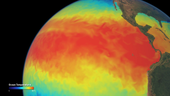
The jury is still out as to whether climate change will lead to stronger El Niño events, but while representatives from around 200 countries at the COP24 conference are working to breathe life into the 2105 Paris Agreement, there is a 75–80% chance that a fully-fledged event could be with us in the next couple of months.
vrchní referent/rada - obnova katastrálního operátu - v oddělení aktualizace KN Katastrálního pracov
7.12.2018 10:57 ČÚZK - předpisy a opatření Katastrální úřad pro Jihočeský kraj - Katastrální pracoviště Strakonicevypisuje výběrové řízení na místo
vrchní referent/rada - obnova katastrálního operátu - v oddělení aktualizace KN Katastrálního pracoviště Strakonice
vrchní referent/rada - obnova katastrálního operátu - v oddělení aktualizace KN Katastrálního pracov
7.12.2018 10:57 ČÚZK /Urady/Katastralni-urady/Katastralni-urady/Katastralni-urad-pro-Jihocesky-kraj/Uredni-deska/Oznameni-a-jina-uredni-sdeleni/Volna-mista/vrchni-ref-rada-obnova-OA-KP-STvrchní referent/rada - obnova katastrálního operátu - v oddělení aktualizace KN Katastrálního pracov
7.12.2018 10:57 ČÚZK - volná místa Katastrální úřad pro Jihočeský kraj - Katastrální pracoviště Strakonice vypisuje výběrové řízení na místo vrchní referent/rada - obnova katastrálního operátu - v oddělení aktualizace KN Katastrálního pracovMaptek−MinLog partnership closes the gap between mine planning and production
7.12.2018 10:23 GISCafe.com Webcasts-Webinars 6 December 2018 -- Maptek has announced further investment in MinLog, building on a longstanding partnership that bridges the gap between mine …First Amsterdam Drone Week clarifies vision on the future of drones
7.12.2018 10:16 GISCafe.com Webcasts-Webinars Amsterdam, 6 December 2018 -- A safe and secure development of the drone industry, including all its applications and opportunities, requires …Jakub byl v Marseille na European Space Week 2018 vyslán GSA na EGNSS User Platform in Surveying
7.12.2018 10:09 UpVision Tento týden se konal ve francouzském Marseille European Space Week 2018, kde byl Jakub jako Drone expert vyslán GSA na EGNSS User Consultation Platform in Surveying.Fotky zde:
https://plus.google.com/u/0/b/115833877689730865211/+UpvisionCz1/posts/NJPCosSmtzd
Earth from Space
7.12.2018 10:05 ESA Observing the Earth
This week's edition features a Copernicus Sentinel-2 view over the Chachani mountain and the city of Arequipa in Peru
Chachani, Peru
7.12.2018 10:05 ESA Observing the Earth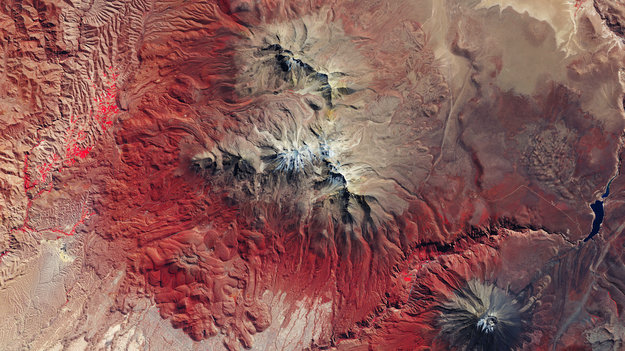
Earth observation image of the week: Copernicus Sentinel-2 takes us over the Chachani mountain in Peru
Department of Homeland Security Selects PAE ISR to Participate in UAS Solution Program for Border and Critical Infrastructure Security Scenarios
7.12.2018 9:00 GISCafe.com Webcasts-Webinars STERLING, Va., Dec. 3, 2018 /PRNewswire/ -- The Department of Homeland Security Science and Technology Directorate selects PAE ISR to …Pozvánka na 23. kartografickou konferenci
7.12.2018 8:58 GISportal.cz
V příštím roce se uskuteční již 23. kartografická konference, jejímž podtitulem je Kartografie v proměnách času. Přijměte tedy i naše pozvání do Kutné Hory, kde se bude akce konat. V pořadí 23. kartografická konference se uskuteční ve dnech 18.–20. září 2019 v Galerii Středočeského kraje. Ta se rozkládá v bezprostřední blízkosti kutnohorského chrámu sv. Barbory […]
The post Pozvánka na 23. kartografickou konferenci appeared first on GISportal.cz.