








zprávy
zdroje zpráv:Funding the Future of Digital Twins
16.3.2022 21:09 Bentley SystemsPressCoverage
Connected World, USA
Read the articleThe Construction Digital Twin How to Get Time on Your Side
16.3.2022 17:31 Bentley SystemsPressCoverage
ME Construction News, Middle East
Read the articleAktualita o leteckých snímcích
16.3.2022 14:53 ČÚZK - aktuality v resortu V aplikaci Nahlížení do katastru nemovitostí jsou nově aktualizována ortofota v rozsahu západní poloviny území ČR z leteckého snímkování v roce 2021. Nové soubory ortofota ve formátu JPEG již lze také objednávat v Internetovém obchodě a využívat v aplikaci Geoprohlížeč.Aktualita o leteckých snímcích
16.3.2022 14:53 ČÚZK - aktuality v resortu V aplikaci Nahlížení do katastru nemovitostí jsou nově aktualizována ortofota v rozsahu západní poloviny území ČR z leteckého snímkování v roce 2021. Nové soubory ortofota ve formátu JPEG již lze také objednávat v Internetovém obchodě a využívat v aplikaci Geoprohlížeč.Aktualita o leteckých snímcích
16.3.2022 14:53 ČÚZK /Aktuality-resort/2022/Aktualita-o-leteckych-snimcichAktualita o leteckých snímcích
16.3.2022 14:53 ČÚZK - předpisy a opatření Český úřad zeměměřický a katastrální zveřejnil novou aktualitu: V aplikaci Nahlížení do katastru nemovitostí jsou nově aktualizována ortofota v rozsahu západní poloviny území ČR z leteckého snímkování v roce 2021. Nové soubory ortofota ve formátu JPEG již lze také objednávat v Internetovém obchodě a využívat v aplikaci Geoprohlížeč.odborný referent - zápisy v řízení V a Z v odboru právních vztahů k nemovitostem Katastrálního praco
16.3.2022 12:52 ČÚZK - volná místa Katastrální úřad pro Jihočeský kraj Katastrální pracoviště České Budějovice vypisuje výběrové řízení na místo odborný referent - zápisy v řízení V a Z v odboru právních vztahů k nemovitostem Katastrálního pracoodborný referent - zápisy v řízení V a Z v odboru právních vztahů k nemovitostem Katastrálního praco
16.3.2022 12:52 ČÚZK - předpisy a opatření Katastrální úřad pro Jihočeský kraj Katastrální pracoviště České Budějovicevypisuje výběrové řízení na místo
odborný referent - zápisy v řízení V a Z v odboru právních vztahů k nemovitostem Katastrálního pracoviště České Budějovice
odborný referent - zápisy v řízení V a Z v odboru právních vztahů k nemovitostem Katastrálního praco
16.3.2022 12:52 ČÚZK /Urady/Katastralni-urady/Katastralni-urady/Katastralni-urad-pro-Jihocesky-kraj/Uredni-deska/Oznameni-a-jina-uredni-sdeleni/Volna-mista/DMS/odborny-referent-zapisy-v-rizeni-V-a-Z-v-odboruEvropská komise dnes zveřejnila nařízení (EU) 2022/425, kterým se mění některá data použitelnosti nařízení 2019/947
16.3.2022 11:53 UAVAEvropská komise dnes zveřejnila nařízení (EU) 2022/425, kterým se mění některá data použitelnosti nařízení (EU) 2019/947: • Drony s identifikačním štítkem třídy mají být používány v otevřené kategorii od 1. ledna 2024 • Drony bez identifikačního štítku třídy lze používat v „omezené“ otevřené kategorii podle článku 22 nařízení 2019/947 do 31. 12. 2023. • Drony […]
The post Evropská komise dnes zveřejnila nařízení (EU) 2022/425, kterým se mění některá data použitelnosti nařízení 2019/947 appeared first on UAV Aliance pro bezpilotní letecký průmysl.
Přerušení provozu Webových služeb pro geodety 18.3. - 20.3.2022
16.3.2022 10:14 GEUSware Upozorňujeme naše uživatele, že ČÚZK od pátku 18.3.2022 od 17:00 do neděle 20.3.2022 cca do 12:00 zcela přeruší provoz Webových služeb pro geodety. Z tohoto důvodu budou v GEUSu nefunkční Podklady měření a Odesílání GP.Vychází nová verze nástroje VFR Import
16.3.2022 9:25 ARCDATANástrojová sada VFR Import obsahuje čtyři nástroje, pomocí kterých je možné data pro vybraná území nejen stáhnout, ale také provést jejich aktualizaci a připravit je pro prohledávání. Součástí instalačního balíčku je také konzolová aplikace, která umožňuje spouštět jednotlivé nástroje bez nutnosti přímého spuštění ArcGIS Pro.
Tento týden jsme vydali novou verzi nástroje VFR Import 2.8.2 určenou pro ArcGIS Pro 2.8 a vyšší. Mezi novinky, které v ní naleznete, patří například:
- Možnost zasílání e-mailů o výsledku běhu konzolové aplikace.
- Možnost zašifrovat hesla v konfiguračním souboru pomocí konzolové aplikace nebo uložením/exportováním nastavení do souboru.
- Možnost importu nastavení z konfiguračního souboru.
- K výpisu v konzolové aplikaci přidán čas. Procenta zpracování se nyní zobrazuje na spodním řádku konzole.
- Import bodových a liniových prvků s prázdnou geometrií.
- Opravy zjištěných chyb.
Bezplatnou verzi VFR Import Free, která umožňuje import XML souboru s daty VFR do geodatabáze, si můžete stáhnout na stránce nástroje VFR Import.

20220318- GaKO (2022/3)
16.3.2022 8:42 ČÚZK - aktuality v resortu Aktuální číslo Geodetického a kartografického obzoru (3/2022) je k dispozici ke stažení.20220318- GaKO (2022/3)
16.3.2022 8:42 ČÚZK - předpisy a opatření Český úřad zeměměřický a katastrální zveřejnil novou aktualitu: Aktuální číslo Geodetického a kartografického obzoru (3/2022) je k dispozici ke stažení.20220318- GaKO (2022/3)
16.3.2022 8:42 ČÚZK - aktuality v resortu Aktuální číslo Geodetického a kartografického obzoru (3/2022) je k dispozici ke stažení.20220318- GaKO (2022/3)
16.3.2022 8:42 ČÚZK - předpisy a opatření Český úřad zeměměřický a katastrální zveřejnil novou aktualitu: Aktuální číslo Geodetického a kartografického obzoru (3/2022) je k dispozici ke stažení.
Nové číslo GaKO
16.3.2022 8:30
ÚGKK SR
Nové číslo časopisu Geodetického a Kartografického Obzoru 03/2022
APGEO - PSŠ Letohrad novým přidruženým členem APG
16.3.2022 1:00 Asociace podnikatelů v geomatice Novým přidruženým členem je PSŠ Letohrad zastoupena Ing. Jiřím Štěpánkem.
Advisory Board Announced for Commercial UAV Expo 2022 in Las Vegas
15.3.2022 22:56 GISCafe.com Webcasts-Webinars Commercial UAS experts tapped to help craft critical programming for commercial drone industryPORTLAND, Ore., March 15, 2022 — (PRNewswire) …
Routing, Delivery, and Transport Industries nationwide take note of extensively updated transportation and logistics geospatial dataset, exclusively provided by DataMap Intelligence.
15.3.2022 19:02 GISCafe.com Webcasts-Webinars SARATOGA, Calif., March 15, 2022 — (PRNewswire) — DataMap Intelligence, a leading provider of location intelligence solutions, facts, …Quanergy Participates at ISC West to Showcase 3D LiDAR Solutions for Advanced Security and Business Intelligence
15.3.2022 17:41 GISCafe.com Webcasts-Webinars Quanergy solutions to be displayed at booth 32091 and by Genetec (booth 13062), Teledyne FLIR (booth 26061), and Surveill (booth 29056).Quanergy …
State of New Jersey Using Tyler Technologies’ Solution to Understand Economic Data
15.3.2022 17:41 GISCafe.com Webcasts-Webinars Tyler’s Economic Intelligence helps state make decisions to positively impact economic growthPLANO, Texas — (BUSINESS WIRE) — March …
Cepton Selected as Official Sponsor and Exclusive Lidar Supplier of AutoDrive Challenge™ II
15.3.2022 17:41 GISCafe.com Webcasts-Webinars Lidar Innovator to Support Universities in Prestigious Four-Year Autonomous Driving Competition Program Co-hosted by General Motors and SAE …Underwater Drone Technology Added to Drone Nerds Enterprise Offerings
15.3.2022 17:41 GISCafe.com Webcasts-Webinars Dania Beach, FL, March 15, 2022 (GLOBE NEWSWIRE) -- Enterprise drone solutions provider, Drone Nerds, has announced the launch of the Chasing M …Infotech Partners with Cultivate Geospatial Solutions to Develop GIS Capabilities that Eliminate Gaps in Digital Project Delivery Data Lifecycle
15.3.2022 17:41 GISCafe.com Webcasts-Webinars GIS Maps, Dashboards and Asset Lifecycle Connected to Real-Time Field Data for Increased Visibility and AccountabilityGAINESVILLE, Fla. — …
RapidDeploy brings modern mapping and analytics to emergency response in Minnesota
15.3.2022 17:41 GISCafe.com Webcasts-Webinars AUSTIN, Texas, March 15, 2022 — (PRNewswire) — RapidDeploy, the industry's leading cloud-native emergency response platform, announced a …CASSINI Hackathon VOL 3: (Re)Visit Europe with help from the EU Space Programme
15.3.2022 13:18 European GNSS Agency
The CASSINI Hackathons and Mentoring, initiated by the European Union is a series of six hackathons aimed to tackle global challenges using services and data from the EU Space Programme. In its third edition, this hackathon provides access to European space data and services from Copernicus, Galileo, and EGNOS to help participants take on various challenges and uplift Europe’s tourism industry.
Europe’s tourism industry is bursting with potential. In the last four years alone, the continent has welcomed over 2 billion global tourists, providing a primary source of income for European economies.
From the medieval streets of Prague and the beaches of Barcelona to the modern skyline of Oslo, Europe truly holds something for everyone. Because of this, the 3rd CASSINI Hackathon will focus on preserving these unforgettable destinations and how we access them. You will be challenged to develop ideas that support sustainable travel, enhance the experience in local cities and cultures, and promote thoughtful exploration of Europe’s nature.
The top ideas will be awarded at both local and EU levels, and the overall winners will enter a six-month mentoring programme that includes 100 hours of customised expert mentoring.
What’s the plat du jour?
If you are a rising innovator in Europe, you are invited to participate in the CASSINI Hackathon at one of our ten locations. Each hackathon location features its own unique set of experts, prizes, and additional special features. Once you select a location, it’s time for registration, team formation and ideation!
Your team will choose to solve one of three challenges, all related to the theme of European tourism:
- Creating sustainable destinations: Develop innovative ideas, design new products or services that reduce the carbon footprint of tourism travel. For this challenge, participants are encouraged to explore the areas of carbon footprint measurement, alternative destinations or modes of transport, online travel agents and other intermediaries, disruptive travel concepts, and understanding travel patterns between cities or countries.
- Experiencing lesser-known cities and cultures: Develop innovative ideas or design new products or services to offer travellers a unique and sustainable way to experience local destinations while supporting local businesses and communities. For this challenge, participants are encouraged to explore the areas of crowd management and slow tourism, personal recommendations and itineraries, social recognition and social media, state-of-the-art virtual travel experiences, and supporting local businesses and communities.
- Exploring nature with care: Develop innovative ideas or design new products or services to offer tourists a unique and sustainable opportunity to explore our nature. For this challenge, participants are encouraged to explore the areas of conservation of local nature and biodiversity, social recognition, and social media, supporting local businesses and communities, the generation of (new) routes and points of interest, and tourist information about the environmental state of areas.
Remember, no previous space experience is required! This is your chance to engage with the EUSpace sectors even if it’s for the first time. The application process couldn’t be easier: Simply choose a challenge and decide how you’ll leverage EU space technologies to reshape European tourism. Register here: hackathons.cassini.eu
Media note: This feature can be republished without charge provided the European Union Agency for the Space Programme (EUSPA) is acknowledged as the source at the top or the bottom of the story. You must request permission before you use any of the photographs on the site. If you republish, we would be grateful if you could link back to the EUSPA website (http://www.euspa.europa.eu).
rada/odborný rada – rozhodování o povolení vkladu
15.3.2022 9:57 ČÚZK - předpisy a opatření Katastrální úřad pro Olomoucký kraj - Katastrální pracoviště Přerovvypisuje výběrové řízení na místo
rada/odborný rada – rozhodování o povolení vkladu
rada/odborný rada – rozhodování o povolení vkladu
15.3.2022 9:57 ČÚZK - volná místa Katastrální úřad pro Olomoucký kraj - Katastrální pracoviště Přerov vypisuje výběrové řízení na místo rada/odborný rada – rozhodování o povolení vkladuvedoucí / vedoucího oddělení aktualizace a dokumentace katastru nemovitostí
15.3.2022 8:59 ČÚZK /Urady/Katastralni-urady/Katastralni-urady/Katastralni-urad-pro-Liberecky-kraj/Uredni-deska/Oznameni-a-jina-uredni-sdeleni/Volna-mista/vedouci-vedouciho-oddeleni-aktualizace-a-dokumenvedoucí / vedoucího oddělení aktualizace a dokumentace katastru nemovitostí
15.3.2022 8:59 ČÚZK - volná místa Katastrální úřad pro Liberecký kraj - Katastrální pracoviště Jablonec nad Nisou vypisuje výběrové řízení na místo vedoucí / vedoucího oddělení aktualizace a dokumentace katastru nemovitostívedoucí / vedoucího oddělení aktualizace a dokumentace katastru nemovitostí
15.3.2022 8:59 ČÚZK - předpisy a opatření Katastrální úřad pro Liberecký kraj - Katastrální pracoviště Jablonec nad Nisouvypisuje výběrové řízení na místo
vedoucí / vedoucího oddělení aktualizace a dokumentace katastru nemovitostí
Výběrové řízení
15.3.2022 8:51 ČÚZK - předpisy a opatření Katastrální úřad pro Liberecký kraj - Katastrální pracoviště Jablonec nad Nisou zveřejnil novou aktualitu: Oznámení o vyhlášení výběrového řízení na služební místo rada / odborný rada v oddělení aktualizace a dokumentace KN na KP Jablonec nad NisouVýběrové řízení
15.3.2022 8:50 ČÚZK - předpisy a opatření Katastrální úřad pro Liberecký kraj - Katastrální pracoviště Jablonec nad Nisou zveřejnil novou aktualitu: Oznámení o vyhlášení výběrového řízení na služební místo odborný referent v oddělení aktualizace a dokumentace KN na KP Jablonec nad NisouVýběrové řízení
15.3.2022 8:47 ČÚZK - předpisy a opatření Katastrální úřad pro Liberecký kraj zveřejnil novou aktualitu: Oznámení o vyhlášení výběrového řízení na služební místo rada / odborný rada v oddělení aktualizace a dokumentace KN na KP Jablonec nad NisouVýběrové řizení
15.3.2022 8:43 ČÚZK - předpisy a opatření Katastrální úřad pro Liberecký kraj zveřejnil novou aktualitu: Oznámení o vyhlášení výběrového řízení na služební místo odborný referent v oddělení aktualizace a dokumentace KN na KP Jablonec nad NisouVýběrové řizení
15.3.2022 8:43 ČÚZK /Urady/Katastralni-urady/Katastralni-urady/Katastralni-urad-pro-Liberecky-kraj/O-uradu/Aktuality/Vyberove-rizeniGaKO 3/2022
15.3.2022 8:25 GaKO GaKO 3/2022 LEITMANNOVÁ, K.–GÁLOVÁ, L.–LIESKOVSKÝ, T.–BISTÁK, P.–ZACHAR, J.: Projekt leteckého laserového skenovania Slovenskej republiky a jeho využitie v manažmente ochrany archeologického dedičstvaCircle Optics Awarded $1,750,000 To Revolutionize Situational Awareness Through Enhanced Imaging
14.3.2022 21:33 GISCafe.com Webcasts-Webinars ROCHESTER, N.Y., March 14, 2022 (GLOBE NEWSWIRE) -- Circle Optics, innovators with patented technology enabling real-time, high-resolution …POWER division name change reflects growing utility focus
14.3.2022 17:52 GISCafe.com Webcasts-Webinars BOISE, Idaho (Mar. 9, 2022) -- POWER Engineers, Incorporated (POWER) is strengthening its emphasis on meeting the demands for location-based …Astraea and Satellogic Launch Ukraine Observer
14.3.2022 17:13 GISCafe.com Webcasts-Webinars CHARLOTTESVILLE, Va., March 14, 2022 (GLOBE NEWSWIRE) -- Astraea, developer of the EarthAI geospatial analytics platform, announced a collaboration …Hexagon US Federal Brings ARTEMIS Solution to Federal Government Defense and Public Safety Professionals
14.3.2022 17:13 GISCafe.com Webcasts-Webinars CHANTILLY, Va., March 14, 2022 — (PRNewswire) — Hexagon US Federal is pleased to share that through its partnership with senseFly …
Odstávka Portálu ESKN
14.3.2022 16:25
ÚGKK SR
Dnes - 14.03.2022 - bude v čase od 21:00 do 22:00 hod. mimoriadna odstávka Portálu ESKN /servisný zásah/. Z uvedeného dôvodu nebudú v uvedenom čase dostupné elektronické služby katastra nehnuteľností pre verejnosť.
Odborný rada - vedoucí oddělení metodiky, kontroly a personalistiky
14.3.2022 14:15 ČÚZK - předpisy a opatření Katastrální úřad pro Královéhradecký kraj kancelář ředitelevypisuje výběrové řízení na místo
Odborný rada - vedoucí oddělení metodiky, kontroly a personalistiky
Odborný rada - vedoucí oddělení metodiky, kontroly a personalistiky
14.3.2022 14:15 ČÚZK - volná místa Katastrální úřad pro Královéhradecký kraj kancelář ředitele vypisuje výběrové řízení na místo Odborný rada - vedoucí oddělení metodiky, kontroly a personalistikyOdborný rada - vedoucí oddělení metodiky, kontroly a personalistiky
14.3.2022 14:15 ČÚZK /Urady/Katastralni-urady/Katastralni-urady/Katastralni-urad-pro-Kralovehradecky-kraj/Volna-mista/DMS/Odborny-rada-vedouci-oddeleni-metodiky,-kontrolyvrchní referent/rada - obnova katastrálního operátu v oddělení obnovy a revize KN Katastrálního prac
14.3.2022 13:53 ČÚZK - předpisy a opatření Katastrální úřad pro Jihočeský kraj Katastrální pracoviště České Budějovicevypisuje výběrové řízení na místo
vrchní referent/rada - obnova katastrálního operátu v oddělení obnovy a revize KN Katastrálního pracoviště České Budějovice
vrchní referent/rada - obnova katastrálního operátu v oddělení obnovy a revize KN Katastrálního prac
14.3.2022 13:53 ČÚZK - volná místa Katastrální úřad pro Jihočeský kraj Katastrální pracoviště České Budějovice vypisuje výběrové řízení na místo vrchní referent/rada - obnova katastrálního operátu v oddělení obnovy a revize KN Katastrálního pracvrchní referent/rada - obnova katastrálního operátu v oddělení obnovy a revize KN Katastrálního prac
14.3.2022 13:53 ČÚZK /Urady/Katastralni-urady/Katastralni-urady/Katastralni-urad-pro-Jihocesky-kraj/Uredni-deska/Oznameni-a-jina-uredni-sdeleni/Volna-mista/DMS/vrchni-referent-rada-obnova-katastralniho-oper-(1)VR do 4.4. rada/odborný rada – právník
14.3.2022 13:51 ČÚZK - předpisy a opatření Katastrální úřad pro hlavní město Prahu - Katastrální pracoviště Praha zveřejnil novou aktualitu: Ředitelka úřadu vyhlašuje výběrové řízení na samostatné systemizované služební místo:rada/odborný rada – právník
VR do 4.4. rada/odborný rada – právník
14.3.2022 13:51 ČÚZK /Urady/Katastralni-urady/Katastralni-urady/Katastralni-urad-pro-hlavni-mesto-Prahu/O-uradu/Aktuality/VR-do-4-4-rada-odborny-rada-–-pravnikVR do 4.4. rada/odborný rada – právník
14.3.2022 13:51 ČÚZK - předpisy a opatření Český úřad zeměměřický a katastrální - Katastrální pracoviště Praha zveřejnil novou aktualitu: Ředitelka úřadu vyhlašuje výběrové řízení na samostatné systemizované služební místo:rada/odborný rada – právník
místo odborný referent – vedení katastrální mapy, v oddělení aktualizace a dokumentace KN
14.3.2022 13:32 ČÚZK /Urady/Katastralni-urady/Katastralni-urady/Katastralni-urad-pro-Liberecky-kraj/Uredni-deska/Oznameni-a-jina-uredni-sdeleni/Volna-mista/misto-odborny-referent-–-vedeni-katastralni-mapymísto odborný referent – vedení katastrální mapy, v oddělení aktualizace a dokumentace KN
14.3.2022 13:32 ČÚZK - volná místa Katastrální úřad pro Liberecký kraj - Katastrální pracoviště Jablonec nad Nisou vypisuje výběrové řízení na místo místo odborný referent – vedení katastrální mapy, v oddělení aktualizace a dokumentace KNmísto odborný referent – vedení katastrální mapy, v oddělení aktualizace a dokumentace KN
14.3.2022 13:32 ČÚZK - předpisy a opatření Katastrální úřad pro Liberecký kraj - Katastrální pracoviště Jablonec nad Nisouvypisuje výběrové řízení na místo
místo odborný referent – vedení katastrální mapy, v oddělení aktualizace a dokumentace KN
ESA probing navigation via the quantum realm
14.3.2022 13:31 ESA Navigation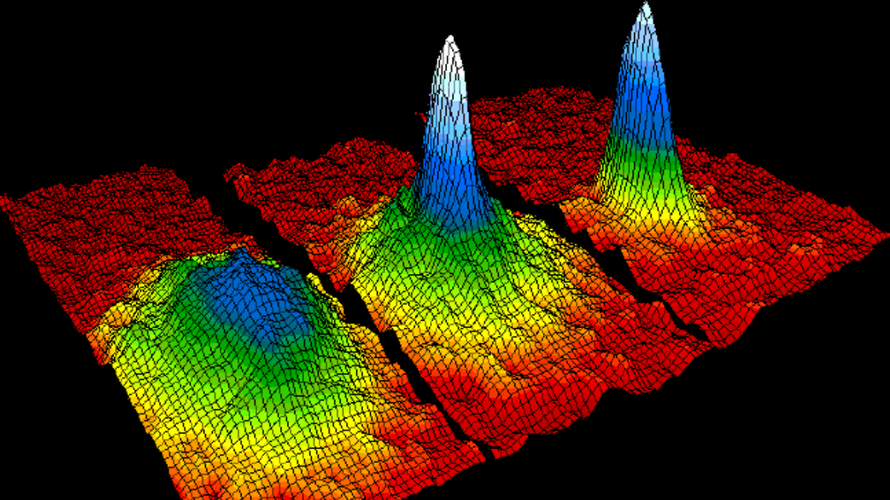
ESA’s NAVISP programme – helping to invent the future of European navigation – is probing the science of the very small. The aim is to employ hyper-sensitive quantum technology-based sensors as supplementary navigation solutions, including tracking local variations in gravity that could be matched onto regional and global gravity maps.
místo rada / odborný rada – obnova katastrálního operátu, v oddělení aktualizace a dokumentace KN
14.3.2022 13:21 ČÚZK - volná místa Katastrální úřad pro Liberecký kraj - Katastrální pracoviště Jablonec nad Nisou vypisuje výběrové řízení na místo místo rada / odborný rada – obnova katastrálního operátu, v oddělení aktualizace a dokumentace KNmísto rada / odborný rada – obnova katastrálního operátu, v oddělení aktualizace a dokumentace KN
14.3.2022 13:21 ČÚZK - předpisy a opatření Katastrální úřad pro Liberecký kraj - Katastrální pracoviště Jablonec nad Nisouvypisuje výběrové řízení na místo
místo rada / odborný rada – obnova katastrálního operátu, v oddělení aktualizace a dokumentace KN
místo rada / odborný rada – obnova katastrálního operátu, v oddělení aktualizace a dokumentace KN
14.3.2022 13:21 ČÚZK /Urady/Katastralni-urady/Katastralni-urady/Katastralni-urad-pro-Liberecky-kraj/Uredni-deska/Oznameni-a-jina-uredni-sdeleni/Volna-mista/misto-rada-odborny-rada-–-obnova-katastralnihoVýsledky evropského monitoringu LIFO
14.3.2022 12:15 ČÚZK - aktuality v resortu Zveřejněny výsledky evropského monitoringu LIFO - "Location Interoperability Framework Observatory" za období 2020-2021, které za Českou republiku vytváří ČÚZK. ČR se umístila na 1. místě mezi 23 sledovanými zeměmi.Výsledky evropského monitoringu LIFO
14.3.2022 12:15 ČÚZK - předpisy a opatření Český úřad zeměměřický a katastrální zveřejnil novou aktualitu: Zveřejněny výsledky evropského monitoringu LIFO - "Location Interoperability Framework Observatory" za období 2020-2021, které za Českou republiku vytváří ČÚZK. ČR se umístila na 1. místě mezi 23 sledovanými zeměmi.Výsledky evropského monitoringu LIFO
14.3.2022 12:15 ČÚZK /Aktuality-resort/2022/Vysledky-evropskeho-monitoringu-LIFOPlánovaná odstávka ISÚI
14.3.2022 8:16 ČÚZK /ruian/Editacni-agendovy-system-ISUI/Provozni-informace-a-odstavky/Archiv-PROD/Planovana-odstavka-ISUIAktualizovaná data ortofota ČR
14.3.2022 7:01 ČÚZK - Geoportál Aktualizovaná data ortofota ČRV rozsahu 1/2 ČR - západní poloviny území - byl aktualizován produkt Ortofoto ČR.
Data byla zpracována z leteckého snímkování v roce 2021. Pixel rastrového obrazu Ortofota ČR zobrazuje nyní v tomto pásmu Západ 0,125 m (oproti 0,200 m u ortofota z roku 2020 v pásmu Východ).
Přesné datum pořízení snímků pro jednotlivé mapové listy a přesný rozsah aktualizovaného území viz Stav aktualizace.
Nové soubory ortofota ve formátu JPEG již lze objednávat v e-shopu.
Prohlížecí služby Ortofoto WMS, WMTS a ArcGIS Server jsou již také aktualizovány a jsou dostupné například v aplikacích Geoprohlížeč, Nahlížení do KN, nebo Analýzy výškopisu.
Aktualizovaná data ortofota ČR
14.3.2022 7:01 ČÚZK - Geoportál Aktualizovaná data ortofota ČRV rozsahu 1/2 ČR - západní poloviny území - byl aktualizován produkt Ortofoto ČR.
Data byla zpracována z leteckého snímkování v roce 2021. Pixel rastrového obrazu Ortofota ČR zobrazuje nyní v tomto pásmu Západ 0,125 m (oproti 0,200 m u ortofota z roku 2020 v pásmu Východ).
Přesné datum pořízení snímků pro jednotlivé mapové listy a přesný rozsah aktualizovaného území viz Stav aktualizace.
Nové soubory ortofota ve formátu JPEG již lze objednávat v e-shopu.
Prohlížecí služby Ortofoto WMS, WMTS a ArcGIS Server jsou již také aktualizovány a jsou dostupné například v aplikacích Geoprohlížeč, Nahlížení do KN, nebo Analýzy výškopisu.
Aktualizovaná data ortofota ČR
14.3.2022 7:01 ČÚZK - Geoportál Aktualizovaná data ortofota ČRV rozsahu 1/2 ČR - západní poloviny území - byl aktualizován produkt Ortofoto ČR.
Data byla zpracována z leteckého snímkování v roce 2021. Pixel rastrového obrazu Ortofota ČR zobrazuje nyní v tomto pásmu Západ 0,125 m (oproti 0,200 m u ortofota z roku 2020 v pásmu Východ).
Přesné datum pořízení snímků pro jednotlivé mapové listy a přesný rozsah aktualizovaného území viz Stav aktualizace.
Nové soubory ortofota ve formátu JPEG již lze objednávat v e-shopu.
Prohlížecí služby Ortofoto WMS, WMTS a ArcGIS Server jsou již také aktualizovány a jsou dostupné například v aplikacích Geoprohlížeč, Nahlížení do KN, nebo Analýzy výškopisu.
Aktualizovaná data ortofota ČR
14.3.2022 7:01 ČÚZK - Geoportál Aktualizovaná data ortofota ČRV rozsahu 1/2 ČR - západní poloviny území - byl aktualizován produkt Ortofoto ČR.
Data byla zpracována z leteckého snímkování v roce 2021. Pixel rastrového obrazu Ortofota ČR zobrazuje nyní v tomto pásmu Západ 0,125 m (oproti 0,200 m u ortofota z roku 2020 v pásmu Východ).
Přesné datum pořízení snímků pro jednotlivé mapové listy a přesný rozsah aktualizovaného území viz Stav aktualizace.
Nové soubory ortofota ve formátu JPEG již lze objednávat v e-shopu.
Prohlížecí služby Ortofoto WMS, WMTS a ArcGIS Server jsou již také aktualizovány a jsou dostupné například v aplikacích Geoprohlížeč, Nahlížení do KN, nebo Analýzy výškopisu.
Aktualizovaná data ortofota ČR
14.3.2022 7:01 ČÚZK - Geoportál Aktualizovaná data ortofota ČRV rozsahu 1/2 ČR - západní poloviny území - byl aktualizován produkt Ortofoto ČR.
Data byla zpracována z leteckého snímkování v roce 2021. Pixel rastrového obrazu Ortofota ČR zobrazuje nyní v tomto pásmu Západ 0,125 m (oproti 0,200 m u ortofota z roku 2020 v pásmu Východ).
Přesné datum pořízení snímků pro jednotlivé mapové listy a přesný rozsah aktualizovaného území viz Stav aktualizace.
Nové soubory ortofota ve formátu JPEG již lze objednávat v e-shopu.
Prohlížecí služby Ortofoto WMS, WMTS a ArcGIS Server jsou již také aktualizovány a jsou dostupné například v aplikacích Geoprohlížeč, Nahlížení do KN, nebo Analýzy výškopisu.
Aktualizovaná data ortofota ČR
14.3.2022 7:01 ČÚZK - Geoportál Aktualizovaná data ortofota ČRV rozsahu 1/2 ČR - západní poloviny území - byl aktualizován produkt Ortofoto ČR.
Data byla zpracována z leteckého snímkování v roce 2021. Pixel rastrového obrazu Ortofota ČR zobrazuje nyní v tomto pásmu Západ 0,125 m (oproti 0,200 m u ortofota z roku 2020 v pásmu Východ).
Přesné datum pořízení snímků pro jednotlivé mapové listy a přesný rozsah aktualizovaného území viz Stav aktualizace.
Nové soubory ortofota ve formátu JPEG již lze objednávat v e-shopu.
Prohlížecí služby Ortofoto WMS, WMTS a ArcGIS Server jsou již také aktualizovány a jsou dostupné například v aplikacích Geoprohlížeč, Nahlížení do KN, nebo Analýzy výškopisu.
Aktualizovaná data ortofota ČR
14.3.2022 7:01 ČÚZK - Geoportál Aktualizovaná data ortofota ČRV rozsahu 1/2 ČR - západní poloviny území - byl aktualizován produkt Ortofoto ČR.
Data byla zpracována z leteckého snímkování v roce 2021. Pixel rastrového obrazu Ortofota ČR zobrazuje nyní v tomto pásmu Západ 0,125 m (oproti 0,200 m u ortofota z roku 2020 v pásmu Východ).
Přesné datum pořízení snímků pro jednotlivé mapové listy a přesný rozsah aktualizovaného území viz Stav aktualizace.
Nové soubory ortofota ve formátu JPEG již lze objednávat v e-shopu.
Prohlížecí služby Ortofoto WMS, WMTS a ArcGIS Server jsou již také aktualizovány a jsou dostupné například v aplikacích Geoprohlížeč, Nahlížení do KN, nebo Analýzy výškopisu.
Aktualizovaná data ortofota ČR
14.3.2022 7:01 ČÚZK - Geoportál Aktualizovaná data ortofota ČRV rozsahu 1/2 ČR - západní poloviny území - byl aktualizován produkt Ortofoto ČR.
Data byla zpracována z leteckého snímkování v roce 2021. Pixel rastrového obrazu Ortofota ČR zobrazuje nyní v tomto pásmu Západ 0,125 m (oproti 0,200 m u ortofota z roku 2020 v pásmu Východ).
Přesné datum pořízení snímků pro jednotlivé mapové listy a přesný rozsah aktualizovaného území viz Stav aktualizace.
Nové soubory ortofota ve formátu JPEG již lze objednávat v e-shopu.
Prohlížecí služby Ortofoto WMS, WMTS a ArcGIS Server jsou již také aktualizovány a jsou dostupné například v aplikacích Geoprohlížeč, Nahlížení do KN, nebo Analýzy výškopisu.
Aktualizovaná data ortofota ČR
14.3.2022 7:01 ČÚZK - Geoportál Aktualizovaná data ortofota ČRV rozsahu 1/2 ČR - západní poloviny území - byl aktualizován produkt Ortofoto ČR.
Data byla zpracována z leteckého snímkování v roce 2021. Pixel rastrového obrazu Ortofota ČR zobrazuje nyní v tomto pásmu Západ 0,125 m (oproti 0,200 m u ortofota z roku 2020 v pásmu Východ).
Přesné datum pořízení snímků pro jednotlivé mapové listy a přesný rozsah aktualizovaného území viz Stav aktualizace.
Nové soubory ortofota ve formátu JPEG již lze objednávat v e-shopu.
Prohlížecí služby Ortofoto WMS, WMTS a ArcGIS Server jsou již také aktualizovány a jsou dostupné například v aplikacích Geoprohlížeč, Nahlížení do KN, nebo Analýzy výškopisu.
Aktualizovaná data ortofota ČR
14.3.2022 7:01 ČÚZK - Geoportál Aktualizovaná data ortofota ČRV rozsahu 1/2 ČR - západní poloviny území - byl aktualizován produkt Ortofoto ČR.
Data byla zpracována z leteckého snímkování v roce 2021. Pixel rastrového obrazu Ortofota ČR zobrazuje nyní v tomto pásmu Západ 0,125 m (oproti 0,200 m u ortofota z roku 2020 v pásmu Východ).
Přesné datum pořízení snímků pro jednotlivé mapové listy a přesný rozsah aktualizovaného území viz Stav aktualizace.
Nové soubory ortofota ve formátu JPEG již lze objednávat v e-shopu.
Prohlížecí služby Ortofoto WMS, WMTS a ArcGIS Server jsou již také aktualizovány a jsou dostupné například v aplikacích Geoprohlížeč, Nahlížení do KN, nebo Analýzy výškopisu.
Aktualizovaná data ortofota ČR
14.3.2022 7:01 ČÚZK - Geoportál Aktualizovaná data ortofota ČRV rozsahu 1/2 ČR - západní poloviny území - byl aktualizován produkt Ortofoto ČR.
Data byla zpracována z leteckého snímkování v roce 2021. Pixel rastrového obrazu Ortofota ČR zobrazuje nyní v tomto pásmu Západ 0,125 m (oproti 0,200 m u ortofota z roku 2020 v pásmu Východ).
Přesné datum pořízení snímků pro jednotlivé mapové listy a přesný rozsah aktualizovaného území viz Stav aktualizace.
Nové soubory ortofota ve formátu JPEG již lze objednávat v e-shopu.
Prohlížecí služby Ortofoto WMS, WMTS a ArcGIS Server jsou již také aktualizovány a jsou dostupné například v aplikacích Geoprohlížeč, Nahlížení do KN, nebo Analýzy výškopisu.
Aktualizovaná data ortofota ČR
14.3.2022 7:01 ČÚZK - Geoportál Aktualizovaná data ortofota ČRV rozsahu 1/2 ČR - západní poloviny území - byl aktualizován produkt Ortofoto ČR.
Data byla zpracována z leteckého snímkování v roce 2021. Pixel rastrového obrazu Ortofota ČR zobrazuje nyní v tomto pásmu Západ 0,125 m (oproti 0,200 m u ortofota z roku 2020 v pásmu Východ).
Přesné datum pořízení snímků pro jednotlivé mapové listy a přesný rozsah aktualizovaného území viz Stav aktualizace.
Nové soubory ortofota ve formátu JPEG již lze objednávat v e-shopu.
Prohlížecí služby Ortofoto WMS, WMTS a ArcGIS Server jsou již také aktualizovány a jsou dostupné například v aplikacích Geoprohlížeč, Nahlížení do KN, nebo Analýzy výškopisu.
Aktualizovaná data ortofota ČR
14.3.2022 7:01 ČÚZK - Geoportál Aktualizovaná data ortofota ČRV rozsahu 1/2 ČR - západní poloviny území - byl aktualizován produkt Ortofoto ČR.
Data byla zpracována z leteckého snímkování v roce 2021. Pixel rastrového obrazu Ortofota ČR zobrazuje nyní v tomto pásmu Západ 0,125 m (oproti 0,200 m u ortofota z roku 2020 v pásmu Východ).
Přesné datum pořízení snímků pro jednotlivé mapové listy a přesný rozsah aktualizovaného území viz Stav aktualizace.
Nové soubory ortofota ve formátu JPEG již lze objednávat v e-shopu.
Prohlížecí služby Ortofoto WMS, WMTS a ArcGIS Server jsou již také aktualizovány a jsou dostupné například v aplikacích Geoprohlížeč, Nahlížení do KN, nebo Analýzy výškopisu.
Aktualizovaná data ortofota ČR
14.3.2022 7:01 ČÚZK - Geoportál Aktualizovaná data ortofota ČRV rozsahu 1/2 ČR - západní poloviny území - byl aktualizován produkt Ortofoto ČR.
Data byla zpracována z leteckého snímkování v roce 2021. Pixel rastrového obrazu Ortofota ČR zobrazuje nyní v tomto pásmu Západ 0,125 m (oproti 0,200 m u ortofota z roku 2020 v pásmu Východ).
Přesné datum pořízení snímků pro jednotlivé mapové listy a přesný rozsah aktualizovaného území viz Stav aktualizace.
Nové soubory ortofota ve formátu JPEG již lze objednávat v e-shopu.
Prohlížecí služby Ortofoto WMS, WMTS a ArcGIS Server jsou již také aktualizovány a jsou dostupné například v aplikacích Geoprohlížeč, Nahlížení do KN, nebo Analýzy výškopisu.
Aktualizovaná data ortofota ČR
14.3.2022 7:01 ČÚZK - Geoportál Aktualizovaná data ortofota ČRV rozsahu 1/2 ČR - západní poloviny území - byl aktualizován produkt Ortofoto ČR.
Data byla zpracována z leteckého snímkování v roce 2021. Pixel rastrového obrazu Ortofota ČR zobrazuje nyní v tomto pásmu Západ 0,125 m (oproti 0,200 m u ortofota z roku 2020 v pásmu Východ).
Přesné datum pořízení snímků pro jednotlivé mapové listy a přesný rozsah aktualizovaného území viz Stav aktualizace.
Nové soubory ortofota ve formátu JPEG již lze objednávat v e-shopu.
Prohlížecí služby Ortofoto WMS, WMTS a ArcGIS Server jsou již také aktualizovány a jsou dostupné například v aplikacích Geoprohlížeč, Nahlížení do KN, nebo Analýzy výškopisu.
Aktualizovaná data ortofota ČR
14.3.2022 7:01 ČÚZK - Geoportál Aktualizovaná data ortofota ČRV rozsahu 1/2 ČR - západní poloviny území - byl aktualizován produkt Ortofoto ČR.
Data byla zpracována z leteckého snímkování v roce 2021. Pixel rastrového obrazu Ortofota ČR zobrazuje nyní v tomto pásmu Západ 0,125 m (oproti 0,200 m u ortofota z roku 2020 v pásmu Východ).
Přesné datum pořízení snímků pro jednotlivé mapové listy a přesný rozsah aktualizovaného území viz Stav aktualizace.
Nové soubory ortofota ve formátu JPEG již lze objednávat v e-shopu.
Prohlížecí služby Ortofoto WMS, WMTS a ArcGIS Server jsou již také aktualizovány a jsou dostupné například v aplikacích Geoprohlížeč, Nahlížení do KN, nebo Analýzy výškopisu.
Aktualizovaná data ortofota ČR
14.3.2022 7:01 ČÚZK - Geoportál Aktualizovaná data ortofota ČRV rozsahu 1/2 ČR - západní poloviny území - byl aktualizován produkt Ortofoto ČR.
Data byla zpracována z leteckého snímkování v roce 2021. Pixel rastrového obrazu Ortofota ČR zobrazuje nyní v tomto pásmu Západ 0,125 m (oproti 0,200 m u ortofota z roku 2020 v pásmu Východ).
Přesné datum pořízení snímků pro jednotlivé mapové listy a přesný rozsah aktualizovaného území viz Stav aktualizace.
Nové soubory ortofota ve formátu JPEG již lze objednávat v e-shopu.
Prohlížecí služby Ortofoto WMS, WMTS a ArcGIS Server jsou již také aktualizovány a jsou dostupné například v aplikacích Geoprohlížeč, Nahlížení do KN, nebo Analýzy výškopisu.
Aktualizovaná data ortofota ČR
14.3.2022 7:01 ČÚZK - Geoportál Aktualizovaná data ortofota ČRV rozsahu 1/2 ČR - západní poloviny území - byl aktualizován produkt Ortofoto ČR.
Data byla zpracována z leteckého snímkování v roce 2021. Pixel rastrového obrazu Ortofota ČR zobrazuje nyní v tomto pásmu Západ 0,125 m (oproti 0,200 m u ortofota z roku 2020 v pásmu Východ).
Přesné datum pořízení snímků pro jednotlivé mapové listy a přesný rozsah aktualizovaného území viz Stav aktualizace.
Nové soubory ortofota ve formátu JPEG již lze objednávat v e-shopu.
Prohlížecí služby Ortofoto WMS, WMTS a ArcGIS Server jsou již také aktualizovány a jsou dostupné například v aplikacích Geoprohlížeč, Nahlížení do KN, nebo Analýzy výškopisu.
Aktualizovaná data ortofota ČR
14.3.2022 7:01 ČÚZK - Geoportál Aktualizovaná data ortofota ČRV rozsahu 1/2 ČR - západní poloviny území - byl aktualizován produkt Ortofoto ČR.
Data byla zpracována z leteckého snímkování v roce 2021. Pixel rastrového obrazu Ortofota ČR zobrazuje nyní v tomto pásmu Západ 0,125 m (oproti 0,200 m u ortofota z roku 2020 v pásmu Východ).
Přesné datum pořízení snímků pro jednotlivé mapové listy a přesný rozsah aktualizovaného území viz Stav aktualizace.
Nové soubory ortofota ve formátu JPEG již lze objednávat v e-shopu.
Prohlížecí služby Ortofoto WMS, WMTS a ArcGIS Server jsou již také aktualizovány a jsou dostupné například v aplikacích Geoprohlížeč, Nahlížení do KN, nebo Analýzy výškopisu.
Aktualizovaná data ortofota ČR
14.3.2022 7:01 ČÚZK - Geoportál Aktualizovaná data ortofota ČRV rozsahu 1/2 ČR - západní poloviny území - byl aktualizován produkt Ortofoto ČR.
Data byla zpracována z leteckého snímkování v roce 2021. Pixel rastrového obrazu Ortofota ČR zobrazuje nyní v tomto pásmu Západ 0,125 m (oproti 0,200 m u ortofota z roku 2020 v pásmu Východ).
Přesné datum pořízení snímků pro jednotlivé mapové listy a přesný rozsah aktualizovaného území viz Stav aktualizace.
Nové soubory ortofota ve formátu JPEG již lze objednávat v e-shopu.
Prohlížecí služby Ortofoto WMS, WMTS a ArcGIS Server jsou již také aktualizovány a jsou dostupné například v aplikacích Geoprohlížeč, Nahlížení do KN, nebo Analýzy výškopisu.
Aktualizovaná data ortofota ČR
14.3.2022 7:01 ČÚZK - Geoportál Aktualizovaná data ortofota ČRV rozsahu 1/2 ČR - západní poloviny území - byl aktualizován produkt Ortofoto ČR.
Data byla zpracována z leteckého snímkování v roce 2021. Pixel rastrového obrazu Ortofota ČR zobrazuje nyní v tomto pásmu Západ 0,125 m (oproti 0,200 m u ortofota z roku 2020 v pásmu Východ).
Přesné datum pořízení snímků pro jednotlivé mapové listy a přesný rozsah aktualizovaného území viz Stav aktualizace.
Nové soubory ortofota ve formátu JPEG již lze objednávat v e-shopu.
Prohlížecí služby Ortofoto WMS, WMTS a ArcGIS Server jsou již také aktualizovány a jsou dostupné například v aplikacích Geoprohlížeč, Nahlížení do KN, nebo Analýzy výškopisu.
Aktualizovaná data ortofota ČR
14.3.2022 7:01 ČÚZK - Geoportál Aktualizovaná data ortofota ČRV rozsahu 1/2 ČR - západní poloviny území - byl aktualizován produkt Ortofoto ČR.
Data byla zpracována z leteckého snímkování v roce 2021. Pixel rastrového obrazu Ortofota ČR zobrazuje nyní v tomto pásmu Západ 0,125 m (oproti 0,200 m u ortofota z roku 2020 v pásmu Východ).
Přesné datum pořízení snímků pro jednotlivé mapové listy a přesný rozsah aktualizovaného území viz Stav aktualizace.
Nové soubory ortofota ve formátu JPEG již lze objednávat v e-shopu.
Prohlížecí služby Ortofoto WMS, WMTS a ArcGIS Server jsou již také aktualizovány a jsou dostupné například v aplikacích Geoprohlížeč, Nahlížení do KN, nebo Analýzy výškopisu.
Aktualizovaná data ortofota ČR
14.3.2022 7:01 ČÚZK - Geoportál Aktualizovaná data ortofota ČRV rozsahu 1/2 ČR - západní poloviny území - byl aktualizován produkt Ortofoto ČR.
Data byla zpracována z leteckého snímkování v roce 2021. Pixel rastrového obrazu Ortofota ČR zobrazuje nyní v tomto pásmu Západ 0,125 m (oproti 0,200 m u ortofota z roku 2020 v pásmu Východ).
Přesné datum pořízení snímků pro jednotlivé mapové listy a přesný rozsah aktualizovaného území viz Stav aktualizace.
Nové soubory ortofota ve formátu JPEG již lze objednávat v e-shopu.
Prohlížecí služby Ortofoto WMS, WMTS a ArcGIS Server jsou již také aktualizovány a jsou dostupné například v aplikacích Geoprohlížeč, Nahlížení do KN, nebo Analýzy výškopisu.
Aktualizovaná data ortofota ČR
14.3.2022 7:01 ČÚZK - Geoportál Aktualizovaná data ortofota ČRV rozsahu 1/2 ČR - západní poloviny území - byl aktualizován produkt Ortofoto ČR.
Data byla zpracována z leteckého snímkování v roce 2021. Pixel rastrového obrazu Ortofota ČR zobrazuje nyní v tomto pásmu Západ 0,125 m (oproti 0,200 m u ortofota z roku 2020 v pásmu Východ).
Přesné datum pořízení snímků pro jednotlivé mapové listy a přesný rozsah aktualizovaného území viz Stav aktualizace.
Nové soubory ortofota ve formátu JPEG již lze objednávat v e-shopu.
Prohlížecí služby Ortofoto WMS, WMTS a ArcGIS Server jsou již také aktualizovány a jsou dostupné například v aplikacích Geoprohlížeč, Nahlížení do KN, nebo Analýzy výškopisu.
Aktualizovaná data ortofota ČR
14.3.2022 7:01 ČÚZK - Geoportál Aktualizovaná data ortofota ČRV rozsahu 1/2 ČR - západní poloviny území - byl aktualizován produkt Ortofoto ČR.
Data byla zpracována z leteckého snímkování v roce 2021. Pixel rastrového obrazu Ortofota ČR zobrazuje nyní v tomto pásmu Západ 0,125 m (oproti 0,200 m u ortofota z roku 2020 v pásmu Východ).
Přesné datum pořízení snímků pro jednotlivé mapové listy a přesný rozsah aktualizovaného území viz Stav aktualizace.
Nové soubory ortofota ve formátu JPEG již lze objednávat v e-shopu.
Prohlížecí služby Ortofoto WMS, WMTS a ArcGIS Server jsou již také aktualizovány a jsou dostupné například v aplikacích Geoprohlížeč, Nahlížení do KN, nebo Analýzy výškopisu.
Aktualizovaná data ortofota ČR
14.3.2022 7:01 ČÚZK - Geoportál Aktualizovaná data ortofota ČRV rozsahu 1/2 ČR - západní poloviny území - byl aktualizován produkt Ortofoto ČR.
Data byla zpracována z leteckého snímkování v roce 2021. Pixel rastrového obrazu Ortofota ČR zobrazuje nyní v tomto pásmu Západ 0,125 m (oproti 0,200 m u ortofota z roku 2020 v pásmu Východ).
Přesné datum pořízení snímků pro jednotlivé mapové listy a přesný rozsah aktualizovaného území viz Stav aktualizace.
Nové soubory ortofota ve formátu JPEG již lze objednávat v e-shopu.
Prohlížecí služby Ortofoto WMS, WMTS a ArcGIS Server jsou již také aktualizovány a jsou dostupné například v aplikacích Geoprohlížeč, Nahlížení do KN, nebo Analýzy výškopisu.
Aktualizovaná data ortofota ČR
14.3.2022 7:01 ČÚZK - Geoportál Aktualizovaná data ortofota ČRV rozsahu 1/2 ČR - západní poloviny území - byl aktualizován produkt Ortofoto ČR.
Data byla zpracována z leteckého snímkování v roce 2021. Pixel rastrového obrazu Ortofota ČR zobrazuje nyní v tomto pásmu Západ 0,125 m (oproti 0,200 m u ortofota z roku 2020 v pásmu Východ).
Přesné datum pořízení snímků pro jednotlivé mapové listy a přesný rozsah aktualizovaného území viz Stav aktualizace.
Nové soubory ortofota ve formátu JPEG již lze objednávat v e-shopu.
Prohlížecí služby Ortofoto WMS, WMTS a ArcGIS Server jsou již také aktualizovány a jsou dostupné například v aplikacích Geoprohlížeč, Nahlížení do KN, nebo Analýzy výškopisu.
Aktualizovaná data ortofota ČR
14.3.2022 7:01 ČÚZK - Geoportál Aktualizovaná data ortofota ČRV rozsahu 1/2 ČR - západní poloviny území - byl aktualizován produkt Ortofoto ČR.
Data byla zpracována z leteckého snímkování v roce 2021. Pixel rastrového obrazu Ortofota ČR zobrazuje nyní v tomto pásmu Západ 0,125 m (oproti 0,200 m u ortofota z roku 2020 v pásmu Východ).
Přesné datum pořízení snímků pro jednotlivé mapové listy a přesný rozsah aktualizovaného území viz Stav aktualizace.
Nové soubory ortofota ve formátu JPEG již lze objednávat v e-shopu.
Prohlížecí služby Ortofoto WMS, WMTS a ArcGIS Server jsou již také aktualizovány a jsou dostupné například v aplikacích Geoprohlížeč, Nahlížení do KN, nebo Analýzy výškopisu.
Aktualizovaná data ortofota ČR
14.3.2022 6:01 ČÚZK - Geoportál Aktualizovaná data ortofota ČRV rozsahu 1/2 ČR - západní poloviny území - byl aktualizován produkt Ortofoto ČR.
Data byla zpracována z leteckého snímkování v roce 2021. Pixel rastrového obrazu Ortofota ČR zobrazuje nyní v tomto pásmu Západ 0,125 m (oproti 0,200 m u ortofota z roku 2020 v pásmu Východ).
Přesné datum pořízení snímků pro jednotlivé mapové listy a přesný rozsah aktualizovaného území viz Stav aktualizace.
Nové soubory ortofota ve formátu JPEG již lze objednávat v e-shopu.
Prohlížecí služby Ortofoto WMS, WMTS a ArcGIS Server jsou již také aktualizovány a jsou dostupné například v aplikacích Geoprohlížeč, Nahlížení do KN, nebo Analýzy výškopisu.
Aktualizovaná data ortofota ČR
14.3.2022 6:01 ČÚZK - Geoportál Aktualizovaná data ortofota ČRV rozsahu 1/2 ČR - západní poloviny území - byl aktualizován produkt Ortofoto ČR.
Data byla zpracována z leteckého snímkování v roce 2021. Pixel rastrového obrazu Ortofota ČR zobrazuje nyní v tomto pásmu Západ 0,125 m (oproti 0,200 m u ortofota z roku 2020 v pásmu Východ).
Přesné datum pořízení snímků pro jednotlivé mapové listy a přesný rozsah aktualizovaného území viz Stav aktualizace.
Nové soubory ortofota ve formátu JPEG již lze objednávat v e-shopu.
Prohlížecí služby Ortofoto WMS, WMTS a ArcGIS Server jsou již také aktualizovány a jsou dostupné například v aplikacích Geoprohlížeč, Nahlížení do KN, nebo Analýzy výškopisu.
Aktualizovaná data ortofota ČR
14.3.2022 6:01 ČÚZK - Geoportál Aktualizovaná data ortofota ČRV rozsahu 1/2 ČR - západní poloviny území - byl aktualizován produkt Ortofoto ČR.
Data byla zpracována z leteckého snímkování v roce 2021. Pixel rastrového obrazu Ortofota ČR zobrazuje nyní v tomto pásmu Západ 0,125 m (oproti 0,200 m u ortofota z roku 2020 v pásmu Východ).
Přesné datum pořízení snímků pro jednotlivé mapové listy a přesný rozsah aktualizovaného území viz Stav aktualizace.
Nové soubory ortofota ve formátu JPEG již lze objednávat v e-shopu.
Prohlížecí služby Ortofoto WMS, WMTS a ArcGIS Server jsou již také aktualizovány a jsou dostupné například v aplikacích Geoprohlížeč, Nahlížení do KN, nebo Analýzy výškopisu.
Nabídka Ph.D. pozice - dendroekologie
13.3.2022 0:00 Geografický ústav MUKatedra fyzické geografie a geoekologie PřF UK otevírá Ph.D. pozici zaměřenou na dendroekologii.
Bližší informace nalezneze zde.
Práca v ESPRIT: Špecialista na hydrologické a hydrodynamické modelovanie
12.3.2022 10:19 Geocommunity.skPríspevok Práca v ESPRIT: Špecialista na hydrologické a hydrodynamické modelovanie zobrazený najskôr GeoCommunity.sk.
Práca ESPRIT: Špecialista na hydrologické a hydrodynamické modelovanie
12.3.2022 10:19 Geocommunity.skPríspevok Práca ESPRIT: Špecialista na hydrologické a hydrodynamické modelovanie zobrazený najskôr GeoCommunity.eu.
Práca ESPRIT: Špecialista na hydrologické a hydrodynamické modelovanie
12.3.2022 10:19 Geocommunity.skPríspevok Práca ESPRIT: Špecialista na hydrologické a hydrodynamické modelovanie zobrazený najskôr GeoCommunity.sk.
Dawood Engineering Receives Esri's Web GIS Transformation Award at Esri Partner Conference for Geo-Enabling a Land Management Workflow
12.3.2022 3:03 GISCafe.com Webcasts-Webinars Dawood Engineering's award-winning Land Management GIS Portal geo-enables spreadsheet workflows as part of a multi-phased Southern Company Gas …Terracon Receives 2021 EBJ Business Achievement Awards
12.3.2022 3:03 GISCafe.com Webcasts-Webinars SAN DIEGO, March 11, 2022 — (PRNewswire) — Environmental Business Journal®* (EBJ), a business research publication which provides …Maxar’s satellites Satellite Images: 10 March 2022, Activity in and around Kyiv, Chernihiv and Chernobyl, Ukraine
11.3.2022 23:33 GISCafe.com Webcasts-Webinars Maxar’s satellites collected an extensive amount of imagery over the past 24 hours (more than 15,000 square kilometers collected today) over …Maxar Satellite Images: Mariupol, Ukraine 9 March 2022
11.3.2022 22:47 GISCafe.com Webcasts-Webinars Maxar collected new satellite imagery yesterday morning (March 9, 2022) of the besieged southern Ukrainian city of Mariupol. The imagery was …Trimble Dimensions+ Showcase your success—answer our Call for Speakers
11.3.2022 22:15 GISCafe.com Webcasts-Webinars Calling all industry experts! There are four weeks left to submit your proposal to speak at Dimensions+ and showcase your success using Trimble …Satellite Imagery: Kyiv 8 March 2022
11.3.2022 21:52 GISCafe.com Webcasts-Webinars Although poor weather and heavy cloud-cover continues to obscure our view over much of Ukraine yesterday (March 8, 2022) and over the past week, …Přerušení provozu WSGP v pátek 18.3.2022 od 17:00 až do neděle 20.3.2022 do cca 12:00.
11.3.2022 19:35 ČÚZK - předpisy a opatření Vážení uživatelé,oznamujeme, že v pátek 18.3.2022 od 17:00 bude z technických důvodů zcela přerušen provoz Webových služeb pro geodety. Obnovení provozu předpokládáme 20.3.2022 v cca 12 hodin. V rámci odstávky nedochází ke změnám webových služeb.
Za komplikace tímto způsobené se omlouváme a děkujeme za pochopení.
Přerušení provozu WSGP v pátek 18.3.2022 od 17:00 až do neděle 20.3.2022 do cca 12:00.
11.3.2022 19:35 ČÚZK /Aplikace-DP-do-KN/Aplikace-DP-do-KN/Archiv-DP/349958Přerušení provozu WSGP v pátek 18.3.2022 od 17:00 až do neděle 20.3.2022 do cca 12:00.
11.3.2022 19:35 Dálkový přístup k údajům KN ČR Vážení uživatelé,oznamujeme, že v pátek 18.3.2022 od 17:00 bude z technických důvodů zcela přerušen provoz Webových služeb pro geodety. Obnovení provozu předpokládáme 20.3.2022 v cca 12 hodin. V rámci odstávky nedochází ke změnám webových služeb.
Za komplikace tímto způsobené se omlouváme a děkujeme za pochopení.
Going Digital for Infrastructure Resilience
11.3.2022 15:09 Bentley SystemsPressCoverage
Geospatial World, India
Read the articleTermíny státních závěrečných zkoušek [Katedra aplikované geoinformatiky a kartografie, byTopic]
11.3.2022 14:00 Katedra aplikované geoinformatiky a kartografie Přf UK Termíny pro bakalářské a magisterské obory - jaro a podzim 2021/2022.Termíny státních závěrečných zkoušek [Katedra aplikované geoinformatiky a kartografie, byTopic]
11.3.2022 14:00 Katedra aplikované geoinformatiky a kartografie Přf UK Termíny pro bakalářské a magisterské obory - jaro a podzim 2022.43 innovative space-based solutions shortlisted in the #myEUspace competition
11.3.2022 13:03 European GNSS Agency
With over EUR 1 million in prize money on the line, #myEUspace is one of the biggest competitions ever organised by EUSPA.
The #myEUspace competition supports the development of innovative commercial applications that leverage data coming from the EU Space Programme. To get there, it’s put over EUR 1 million in prize money on the table, and the best of the opportunities to create successful start-ups on the European market.
Targets and tracks
Applicants could choose to compete in one of two tracks, depending on the maturity of their solution. Track 1 focused on taking an idea to prototype or beta version, whilst Track 2 was for advancing prototypes/beta versions towards commercial readiness. The #myEUspace competition called for ideas on a number of thematic topics to support innovation on Europe. The 6 targeted areas of innovation included:
• smart mobility solutions
• consumer solutions for health, gaming, sports, leisure, tourism and everyday life.
• solutions addressing environmental challenges,
• surveying solutions to shape the future of geomatics
• solutions that manage the variability of agricultural production
• and finally, innovative solutions applying quantum technologies
Now, after receiving more than 200 applications the results are finally in. 43 projects have been selected for their potential to bring disruptive, space-based solutions onto the European market.
The shortlisted teams are working on a range of novel solutions, new technologies, mobile apps and hardware. While the solutions cover such diverse sectors as location-based services, smart mobility, geomatics and smart agriculture, they all share a foundation in their use of Galileo or Copernicus data as well as their synergies between the two space programme components.
“Space data is at the heart of the technological revolution currently sweeping Europe, and this competition is another example of how EUSPA supports innovative entrepreneurs, start-ups and SMEs from across the EU who are leveraging Copernicus and Galileo data, information and services,” says Rodrigo da Costa, Executive Director, European Union Agency for the Space Programme (EUSPA).
Click here to see the 43 semi-finalists
On to the development phase
The 23 teams selected from Track 1 each received EUR 10,000, while the 20 Track 2 teams were awarded EUR 15,000. All teams will use the funding to continue developing their prototype or product. The 43 projects now advance into the development phase of the competition, where they will fine-tune their prototypes and products and refine their business plans. This intense nine-week phase culminates at the #myEUspace contest finals on 1 June.
During the finals, each team will have the opportunity to pitch and demonstrate their solution to invited guests. The winners of each innovation area will win an additional prize of EUR 25,000 and EUR 50,000 in Track 1 and Track 2 respectively.
#myEUspace is organised by EUSPA as part of the European Commission’s CASSINI - Space Entrepreneurship Initiative.
Good luck to all the #myEUspace finalists!
Media note: This feature can be republished without charge provided the European Union Agency for the Space Programme (EUSPA) is acknowledged as the source at the top or the bottom of the story. You must request permission before you use any of the photographs on the site. If you republish, we would be grateful if you could link back to the EUSPA website (http://www.euspa.europa.eu).
Odborný referent v oddělení právních vztahů Katastrálního pracoviště Trutnov - 7.pl.tř.
11.3.2022 12:52 ČÚZK - volná místa Katastrální úřad pro Královéhradecký kraj Katastrální pracoviště Trutnov vypisuje výběrové řízení na místo Odborný referent v oddělení právních vztahů Katastrálního pracoviště Trutnov - 7.pl.tř.Odborný referent v oddělení právních vztahů Katastrálního pracoviště Trutnov - 7.pl.tř.
11.3.2022 12:52 ČÚZK /Urady/Katastralni-urady/Katastralni-urady/Katastralni-urad-pro-Kralovehradecky-kraj/Uredni-deska/Oznameni-a-jina-uredni-sdeleni/Volna-mista/DMS/Odborny-referent-v-oddeleni-pravnich-vztahu-Ka-(1)Odborný referent v oddělení právních vztahů Katastrálního pracoviště Trutnov - 7.pl.tř.
11.3.2022 12:52 ČÚZK - předpisy a opatření Katastrální úřad pro Královéhradecký kraj Katastrální pracoviště Trutnovvypisuje výběrové řízení na místo
Odborný referent v oddělení právních vztahů Katastrálního pracoviště Trutnov - 7.pl.tř.
Odborný referent v oddělení právních vztahů Katastrálního pracoviště Trutnov
11.3.2022 12:49 ČÚZK - předpisy a opatření Katastrální úřad pro Královéhradecký kraj Katastrální pracoviště Trutnovvypisuje výběrové řízení na místo
Odborný referent v oddělení právních vztahů Katastrálního pracoviště Trutnov - 8.pl.tř.
Odborný referent v oddělení právních vztahů Katastrálního pracoviště Trutnov
11.3.2022 12:49 ČÚZK /Urady/Katastralni-urady/Katastralni-urady/Katastralni-urad-pro-Kralovehradecky-kraj/Uredni-deska/Oznameni-a-jina-uredni-sdeleni/Volna-mista/DMS/Odborny-referent-v-oddeleni-pravnich-vztahu-KatastOdborný referent v oddělení právních vztahů Katastrálního pracoviště Trutnov
11.3.2022 12:49 ČÚZK - volná místa Katastrální úřad pro Královéhradecký kraj Katastrální pracoviště Trutnov vypisuje výběrové řízení na místo Odborný referent v oddělení právních vztahů Katastrálního pracoviště TrutnovEarth from Space: Lofoten, Norway
11.3.2022 10:00 ESA Observing the Earth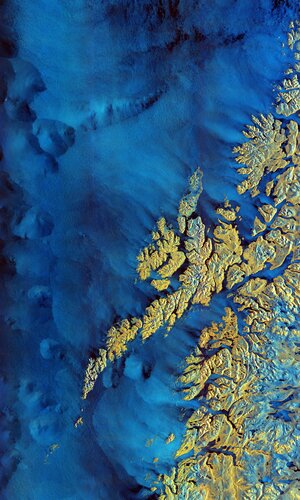
The Copernicus Sentinel-1 mission takes us over the archipelago of Lofoten in northern Norway.